
From Kata to Randori: Bridging the Gap in Jujutsu Training

Welcome to Martial Arts Mastery, your gateway to the diverse and fascinating world of combat traditions!
Delve into the intricate dance between tradition and application as we explore the evolution of Jujutsu kata randori training. How does the structured form of kata translate into the dynamic spontaneity of randori? Uncover the secrets to bridging this crucial gap and unlocking a deeper understanding of Jujutsu. Prepare to expand your knowledge and sharpen your skills as we unravel the mysteries within.
- Introduction: Understanding the Relationship Between Jujutsu Kata and Randori
- Kata: The Foundation of Jujutsu Technique
- Randori: Applying Jujutsu Techniques in Live Training
- Bridging the Gap: Integrating Kata and Randori for Effective Jujutsu
- Practical Exercises: Linking Kata and Randori in Your Jujutsu Practice
- Developing a Comprehensive Jujutsu Training Regimen: Kata and Randori
- The Future of Jujutsu Training: Embracing the Synergy of Kata and Randori
- Conclusion: Mastering Jujutsu Through Balanced Kata and Randori Practice
-
Frequently Asked Questions
- What is kata in the context of Jujutsu training?
- What is randori and how does it differ from kata?
- Why is bridging the gap between kata and randori important in Jujutsu?
- What are some effective training methods to transition from kata to randori?
- How does MartialArtsMastery.org support understanding Jujutsu kata randori training?
- Final Reflection: Embracing Dynamic Growth in Jujutsu
- Unlock Your Jujutsu Potential: Transform Kata into Combat!
Introduction: Understanding the Relationship Between Jujutsu Kata and Randori
The Role of Kata in Traditional Jujutsu Training
Kata, or prearranged forms, serve as a cornerstone in traditional Jujutsu training. These meticulously choreographed sequences of techniques are practiced solo or with a partner to transmit the fundamental principles, movements, and applications of the art across generations. Historically, kata were the primary method for preserving techniques and tactics, acting as living textbooks in an era before widespread written manuals or video recordings. They encode complex sequences, defensive postures, offensive movements, and transitions, allowing practitioners to internalize the art's core mechanics and philosophy in a structured, repeatable manner.
The emphasis on precise execution within kata helps build a deep understanding of body mechanics, balance, and timing. By repeatedly performing these forms, Jujutsu students develop the necessary muscle memory and spatial awareness crucial for effective technique application. Kata training is not merely rote memorization; it is a dynamic process of discovery where practitioners uncover deeper layers of meaning and application within each movement through dedicated practice and guidance from experienced instructors. This foundational aspect of Jujutsu kata training prepares the practitioner for more dynamic forms of practice.
The Importance of Randori in Practical Jujutsu Application
Randori, meaning "grasping freedom" or free practice/sparring, represents the dynamic application phase of Jujutsu training. Unlike the structured environment of kata, randori involves spontaneous, unscripted exchanges with a partner, simulating real-life combat scenarios or self-defense situations. This allows practitioners to test their techniques, timing, and adaptability under pressure against a resisting opponent. Randori is vital for developing practical skills that extend beyond theoretical knowledge, fostering attributes like reaction speed, strategic thinking, and the ability to improvise.
In randori, the techniques learned in kata and other forms of training are put to the test in a fluid, unpredictable environment. It provides immediate feedback on the effectiveness of one's skills, highlighting areas that require further development. Regular participation in randori is essential for bridging the gap between the theoretical understanding gained through kata and the practical ability to apply techniques effectively against a live, uncooperative partner. It is the crucible where raw techniques are forged into functional skills for self-defense and competitive contexts within Jujutsu.
The Challenge: Connecting Form and Free Sparring in Jujutsu
The transition from the controlled environment of kata to the unpredictable nature of randori presents a significant challenge in Jujutsu training. Practitioners often struggle to translate the precise movements and principles learned in kata into effective actions during free sparring. The structured nature of kata, with its predetermined attacks and defenses, can sometimes feel disconnected from the chaos and variability of randori, where timing, distance, and an opponent's reactions are constantly changing. This disparity can lead to a situation where a student performs kata beautifully but freezes or executes techniques poorly when faced with a live opponent.
Bridging this gap requires a deliberate and integrated approach to Jujutsu kata randori training. It's not enough to practice kata and randori in isolation; the training methodology must actively foster the connection between the two. Instructors need to guide students in understanding how the principles embedded within kata can be dynamically applied in randori scenarios. This involves breaking down kata movements, analyzing their practical applications, and implementing drills that progressively introduce resistance and unpredictability, gradually preparing the student to seamlessly transition from the formal practice of kata to the fluid execution required in randori.
Kata: The Foundation of Jujutsu Technique
Defining Kata: Prearranged Forms for Learning and Preservation
Kata in Jujutsu are structured sequences of movements, techniques, and postures performed either solo or with a partner. These forms are not merely aesthetic dances; they are comprehensive repositories of the art's technical curriculum and strategic principles. Each movement within a kata is purposeful, representing an attack, defense, counter-attack, or transition. The sequence is designed to teach specific techniques, combinations, and the underlying concepts of timing, distance, balance disruption (kuzushi), and effective application of force. Kata serve as a living library, preserving the knowledge and methods developed over centuries within various Jujutsu schools (ryu).
Historically, kata were the primary method for transmitting the secrets and techniques of a Jujutsu ryu. For example, in classical Japanese Jujutsu schools like Takenouchi-ryu (founded in 1532), kata constituted the bulk of the curriculum. Students would spend years mastering specific kata sets, such as those for grappling (kogusoku) or unarmed combat (yawara), before being considered proficient. This rigorous approach ensured that the intricate details and subtle nuances of the techniques were passed down accurately, maintaining the integrity and effectiveness of the art form.
Benefits of Kata Practice in Jujutsu
Developing Proper Body Mechanics through Kata
Kata practice is fundamental for cultivating correct body mechanics in Jujutsu. By repeatedly executing techniques within the precise structure of a kata, practitioners refine their posture, balance, weight distribution, and coordination. For instance, performing throws within a kata sequence, even without a fully resisting partner initially, forces attention to the proper pivot, hip movement, and connection with the theoretical opponent. This deliberate practice builds a strong foundation of movement efficiency, minimizing wasted energy and maximizing potential power output.
Consider the detailed footwork and body positioning required in a kata demonstrating joint locks or throws. The kata breaks down these complex actions into manageable steps, allowing the student to focus on generating power from the core, maintaining a stable base, and moving the body as a single, coordinated unit. Over time, this repetitive, focused work in kata engraves the correct kinetic chains and postural habits necessary for executing techniques effectively and safely, reducing the risk of injury during more dynamic practice like randori.
Understanding Jujutsu Principles and Concepts via Kata
Kata are imbued with the core principles and concepts of Jujutsu. Studying a kata is akin to reading a physical treatise on topics like kuzushi (breaking balance), tsukuri (preparation for a technique), and kake (execution of a technique). Each movement and transition within a kata illustrates these principles in action. For example, a specific kata sequence might demonstrate multiple ways to achieve kuzushi before attempting a technique, showing how different angles and forces can disrupt an opponent's stability.
Furthermore, kata often teach strategic concepts such as managing distance, understanding lines of attack and defense, and responding to specific types of aggression. By practicing kata that simulate defenses against strikes, grabs, or weapons, students internalize the appropriate responses and tactical thinking. The Kime (focus of energy and intent) at the conclusion of a technique within a kata emphasizes the importance of commitment and follow-through, a principle vital for effectiveness in randori or real-world application.
Building Muscle Memory and Coordination with Kata
Repetitive practice of Jujutsu kata is highly effective in building muscle memory and enhancing coordination. As the body performs the sequences repeatedly, the required movements become ingrained, allowing for faster and more automatic execution. This is crucial because in the dynamic environment of randori, there is little time for conscious thought; reactions must be instinctive. Kata provides the structured repetition needed for these complex motor skills to become second nature.
Through kata, practitioners develop a refined sense of timing and rhythm, learning to coordinate multiple body parts simultaneously. Executing a complex throw or joint lock sequence within a kata requires precise timing between footwork, hip rotation, arm movement, and body posture. Consistent kata practice hones this internal timing mechanism and improves overall kinesthetic awareness, leading to smoother transitions and more efficient movement patterns that are directly applicable when practicing Jujutsu kata randori training.
Common Jujutsu Kata Examples and Their Applications
While many traditional Jujutsu schools have their own specific kata sets, some principles and types of kata are widespread. One common approach involves kata demonstrating defenses against various attacks. For instance, a kata might illustrate techniques for responding to a wrist grab, a punch, or a choke, showcasing specific joint locks, throws, or strikes. These kata break down the defensive sequence step-by-step, detailing the initial block or evasion, the control or counter-attack, and the final resolution (e.g., pin, throw, or submission).
Another type of kata focuses on the core mechanics of throwing or grappling. Although Nage-no-Kata is most famously associated with Judo, its roots are in Jujutsu, and many Jujutsu schools practice similar throwing sequences to teach fundamental principles like kuzushi, entry, and execution.
A kata might demonstrate variations of major throws like O Goshi (major hip throw) or Ippon Seoi Nage (one-arm shoulder throw) against different types of attacks, allowing practitioners to understand the ideal conditions and body mechanics for each technique in a controlled setting before attempting them in randori. Understanding these foundational forms is key to effective Jujutsu kata randori training.
Randori: Applying Jujutsu Techniques in Live Training
Defining Randori: Free Sparring and Dynamic Application
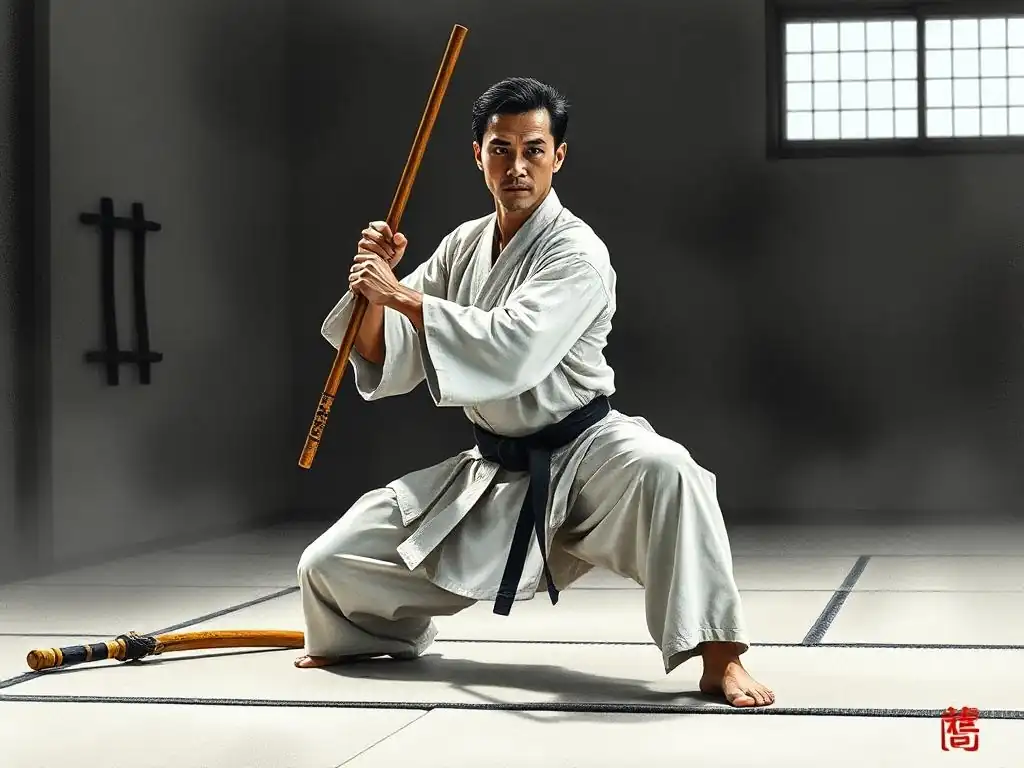
Randori in Jujutsu is a form of free practice or sparring where practitioners engage in dynamic exchanges with a partner, applying techniques in a spontaneous and less structured environment than kata. The term "randori" translates roughly to "grasping freedom," signifying the freedom to apply techniques creatively and react to unpredictable situations. Unlike the predetermined movements of kata, randori involves a live, resisting opponent, requiring practitioners to think on their feet, adapt their strategy, and execute techniques based on the ever-changing dynamics of the interaction.
The intensity and focus of randori can vary, ranging from light, cooperative flow rolling (often called yaku soku geiko or similar terms depending on the school) to more vigorous, competitive sparring. The primary goal remains the same: to develop the ability to apply Jujutsu techniques effectively against resistance, improving timing, distance management, and strategic decision-making under pressure. Randori is the practical testing ground where the theoretical knowledge gained from kata and basic drills is validated and refined.
Benefits of Randori Practice in Jujutsu
Testing and Refining Jujutsu Skills under Pressure
Randori provides an invaluable opportunity to test the techniques learned in kata and basic drills against a resisting opponent. Under the pressure of a live exchange, practitioners quickly discover which techniques are effective, which require refinement, and whether they can execute them efficiently when their balance is threatened or they are under attack. This immediate feedback loop is crucial for identifying weaknesses and areas for improvement in one's Jujutsu kata randori training.
For example, a student might perform a specific joint lock perfectly in a compliant kata drill but find it impossible to apply during randori because their opponent is actively resisting, moving, or attempting a counter. This experience highlights the need to improve timing, entry, or the initial setup to successfully apply the technique in a dynamic situation. Randori forces practitioners to move beyond theoretical understanding and develop practical, functional skills.
Developing Reaction Time and Adaptability in Randori
The unpredictable nature of randori is essential for developing rapid reaction time and adaptability. In a free sparring session, attacks and defenses occur spontaneously, requiring practitioners to perceive threats, make split-second decisions, and respond appropriately without conscious deliberation. This constant stimulus-response cycle hones the reflexes and cognitive processing speed necessary for effective self-defense or competitive Jujutsu.
Moreover, randori teaches practitioners to adapt techniques based on their opponent's size, strength, movement patterns, and reactions. A technique that works well against one partner might be ineffective against another, forcing the student to modify their approach or transition to a different technique entirely. This adaptability is a hallmark of a skilled Jujutsu practitioner and is primarily cultivated through consistent engagement in challenging randori sessions.
Improving Timing and Distance Management in Live Jujutsu Scenarios
Timing and distance are critical factors in the successful application of Jujutsu techniques, and randori is the primary method for developing proficiency in these areas. During randori, practitioners learn to judge the optimal distance for initiating an attack or defense, understanding when to close the gap, maintain space, or create angles. They also develop a sense of timing, learning to execute techniques when their opponent is off-balance, transitioning, or otherwise vulnerable.
Consider attempting a throw in randori. Success depends heavily on initiating the technique at the precise moment the opponent's balance is compromised and when you are at the correct distance to achieve effective leverage. Similarly, applying a joint lock or submission requires timing the transition from control to application as the opportunity arises. Through repeated trial and error in randori, practitioners intuitively develop this crucial sense of timing and distance, which is difficult to fully grasp through static kata practice alone, making it a vital component of comprehensive Jujutsu kata randori training.
Variations of Randori in Jujutsu Training
Randori in Jujutsu is not a monolithic activity; it encompasses various forms designed to focus on different aspects of the art. Light, cooperative randori, sometimes called yaku soku geiko (promised practice), involves partners working together with controlled resistance to practice specific techniques or transitions fluidly. This allows for higher repetition and focus on mechanics without the stress of full competition.
More dynamic forms include jiyu randori (free randori), which is open sparring with varying levels of intensity and focus (e.g., focusing primarily on throws, groundwork, or stand-up techniques depending on the school's curriculum). Some schools also incorporate shiai (competition practice) which simulates the rules and intensity of a formal match. Furthermore, scenario-based randori might involve starting from specific positions (like a clinch or ground pin) or reacting to specific simulated attacks (like a grab from behind), adding another layer of practical application to the Jujutsu kata randori training process.
Bridging the Gap: Integrating Kata and Randori for Effective Jujutsu
The Limitations of Kata-Only Training in Jujutsu
While kata provides an essential foundation in Jujutsu, relying solely on kata practice has significant limitations for developing functional self-defense or competitive skills. Kata is performed against a theoretical, compliant opponent, meaning it lacks the unpredictability, resistance, and dynamic feedback inherent in live interaction. A student who only practices kata may perfectly execute a technique's form but struggle immensely when faced with a resisting partner who doesn't move according to the kata's script.
Without randori, practitioners fail to develop crucial attributes like timing under pressure, reaction speed, adaptability, and the ability to transition seamlessly between techniques. They may also lack the physical conditioning and mental fortitude required to perform effectively in a dynamic situation. For example, a beautiful kata execution of a wrist lock might collapse in randori because the practitioner hasn't developed the grip strength, body connection, or timing necessary to overcome an opponent's natural resistance and movement. Kata provides the blueprint, but only dynamic practice builds the structure that can withstand real force.
Conversely, training solely through randori also presents considerable limitations for comprehensive Jujutsu development. Without the structured learning provided by kata and fundamental drills, students practicing only randori may develop bad habits, rely solely on natural athleticism or brute force, and lack a deep understanding of the underlying principles and finer points of technique. Randori is excellent for testing and refining, but it is less effective for initially learning the precise mechanics and theoretical basis of a technique.
Moreover, randori can be physically demanding and potentially lead to injury if practitioners lack a solid technical foundation. Students who skip foundational training might struggle with proper falling techniques (ukemi), safe application of joint locks, or efficient body mechanics, increasing the risk of harm to themselves and their partners. While randori provides practical experience, it must be built upon the solid technical and conceptual base provided by kata and structured drills to ensure safe, effective, and sustainable progress in Jujutsu kata randori training.
Strategies for Seamlessly Integrating Kata and Randori
Drills to Transition from Kata to Randori
One effective strategy for bridging the gap is implementing transition drills that connect specific kata movements to dynamic application. For instance, after practicing a kata sequence involving a specific throw entry, partners can immediately move into a light randori scenario focused only on attempting that particular throw entry and its immediate follow-ups against minimal resistance. This allows the practitioner to practice the movement learned in the structured kata in a slightly more dynamic, yet still controlled, environment.
Another approach is to practice kata bunkai (analysis), where the kata is broken down, and each movement's practical application is explored with a partner. This moves beyond just performing the form and delves into why the movement is done that way and how it is applied against a potential attack. Following the bunkai, practitioners can then engage in light randori specifically attempting to apply the techniques they just analyzed from the kata, gradually increasing resistance as proficiency grows. This direct link between form and function is vital for effective Jujutsu kata randori training.
Progressive Resistance Training in Jujutsu
Progressive resistance training is key to transitioning from compliant kata practice to live randori. This involves gradually increasing the level of resistance offered by the training partner during drills and exercises. Initially, partners offer no resistance, mimicking kata application. Resistance is then slowly introduced – perhaps 25%, then 50%, 75%, and eventually full resistance. This systematic increase allows the practitioner to adapt their timing, force, and technique execution to a live, responding opponent without being overwhelmed by the full intensity of free sparring immediately.
This method can be applied to specific techniques or sequences derived from kata. For example, practicing a joint lock escape shown in a kata begins with the partner applying minimal pressure, allowing the student to focus on the mechanics. As the student becomes proficient, the partner applies increasing pressure, forcing the student to refine their timing, leverage, and body positioning to successfully execute the escape against realistic resistance. This step-by-step process is crucial for making techniques functional in randori.
Scenario-Based Training Utilizing Kata Principles
Scenario-based training is another powerful tool for integrating kata and randori. Instead of open randori, practitioners engage in sparring that starts from specific simulated situations, often inspired by potential applications found within kata. For example, if a kata sequence addresses defenses against being grabbed from behind, a scenario-based randori session might begin with one partner applying a simulated rear grab, and the other partner must respond using the principles and techniques learned from that specific kata section.
This type of training is more focused than general randori, allowing practitioners to concentrate on applying specific techniques or principles within a context that mirrors potential real-world situations. It helps bridge the gap by providing a link between the specific, often self-defense oriented, applications found in many Jujutsu kata and the dynamic environment of live practice. By repeatedly practicing responses to common scenarios using kata-derived techniques, students become more comfortable and effective in translating their formal training into practical skills during broader Jujutsu kata randori training.
Practical Exercises: Linking Kata and Randori in Your Jujutsu Practice
Exercise 1: Kata Breakdown and Randori Application (Example Kata Principles)
Choose a section from a foundational Jujutsu kata that demonstrates a specific principle, such as breaking balance (kuzushi) or transitioning from standing to groundwork. For example, focus on a sequence involving an entry for a hip throw or a technique to take an opponent to the ground from a standing grip. First, practice the chosen kata sequence slowly and deliberately with a partner, focusing purely on the form and mechanics as prescribed by the kata. Repeat this several times.
Next, break down the sequence ( bunkai) and discuss with your partner how and why each movement contributes to the overall technique and its application against a resisting opponent. Identify the key moment for execution (e.g., when the opponent is off-balance). Finally, engage in very light, focused randori where the only goal is to create the opportunity and attempt the specific technique from the kata section you just practiced. Your partner offers minimal, cooperative resistance initially, gradually increasing it over several rounds. This specific Jujutsu kata randori training drill directly links the structured form to dynamic application.
Exercise 2: Partner Drills Focusing on Kata-Inspired Movements
Select a key movement or transition from a Jujutsu kata, such as a specific type of footwork used for evasion, a particular hand movement for blocking or controlling an opponent's limb, or a specific body rotation for generating power. Design a partner drill that isolates and repeats this specific movement in a slightly more dynamic context than the kata itself. For example, if the kata involves stepping off-line to evade a strike, create a drill where your partner lightly attacks, and you practice only that specific evasive footwork repeatedly.
Once the isolated movement feels comfortable, integrate it into a simple cause-and-effect drill. For instance, after the evasive step, immediately follow up with the counter-attack or control technique that is shown next in the kata sequence. The partner provides slightly more realistic timing and resistance for the initial attack and subsequent reaction. This repeated practice of specific, kata-derived movements in a semi-dynamic setting helps build the muscle memory and adaptability needed for randori application, enhancing your Jujutsu kata randori training.
Exercise 3: Randori with Specific Constraints Based on Kata Techniques
Engage in randori sessions but with specific constraints that force the application of techniques or principles found in particular kata. For example, you might agree that during this round of randori, you will primarily attempt techniques from a specific set of throws shown in a foundational throwing kata. Or, you might constrain the randori to focus only on stand-up defense against grabs, using the principles and initial movements taught in relevant kata.
Another constraint could be to start the randori from a specific position derived from a kata scenario (e.g., starting in a rear clinch if a kata addresses defenses from this position). These constraints limit the overwhelming options available in open randori, allowing practitioners to focus on applying a specific subset of techniques or strategies that are directly linked to their kata training. This focused approach helps students actively look for opportunities to apply their kata knowledge in a live setting, effectively merging Jujutsu kata randori training.
Developing a Comprehensive Jujutsu Training Regimen: Kata and Randori
Structuring Your Training Schedule for Optimal Skill Development
A well-rounded Jujutsu training regimen should strategically balance kata, randori, and fundamental drills. A common structure might allocate specific days or portions of sessions to each element. For instance, a typical week could include one or two sessions focused heavily on kata practice and bunkai, emphasizing technical precision and understanding principles. Another one or two sessions could be dedicated primarily to randori, providing ample time for dynamic application and testing skills under pressure.
Additionally, incorporating sessions or time within sessions for fundamental drills (like breakfalls, specific entry mechanics, or grip fighting) is crucial. The integration happens throughout; kata practice should inform randori goals, and randori experiences should highlight areas needing more attention in kata or drills. A balanced approach, perhaps dedicating roughly equal time over the course of a week or month to structured forms/drills and dynamic sparring, is often recommended for holistic Jujutsu kata randori training.
The Importance of Feedback and Correction in Both Kata and Randori
Receiving and incorporating feedback is vital for progress in both kata and randori. In kata, feedback from a qualified instructor ensures that movements are executed correctly, preserving the integrity of the techniques and principles. An instructor can identify subtle errors in posture, timing, or weight distribution that might not be apparent to the practitioner, preventing the development of bad habits. This precise correction is essential for building a strong technical foundation.
In randori, feedback, both from the instructor and from the resistance of the partner, is immediate and practical. An instructor can observe how techniques are applied under pressure, provide guidance on strategy, timing, and transitions, and ensure safe practice. Discussing randori experiences with partners and instructors helps analyze what worked, what didn't, and why, leading to targeted improvements. Actively seeking and utilizing feedback in both structured kata practice and dynamic randori is paramount for effective Jujutsu kata randori training.
Cultivating a Growth Mindset in Jujutsu Training
A growth mindset is crucial for overcoming challenges and achieving mastery in Jujutsu, particularly when bridging the gap between kata and randori. Students must view difficulties in applying kata techniques during randori not as failures, but as opportunities for learning and improvement. This involves being open to correction, willing to experiment, and persistent in practice, even when faced with frustration or setbacks.
Embracing a growth mindset means understanding that proficiency in Jujutsu kata randori training is a journey that requires dedication and continuous effort. It encourages practitioners to analyze their performance in both kata and randori objectively, identify specific areas for development, and approach training with curiosity and a willingness to evolve. This positive and proactive attitude is essential for long-term progress and for truly integrating the diverse elements of Jujutsu practice.
The Future of Jujutsu Training: Embracing the Synergy of Kata and Randori
Modern Approaches to Traditional Jujutsu Training
Modern Jujutsu training increasingly recognizes the need for a more integrated approach to kata and randori. While traditional schools often maintained a strict separation, contemporary dojo frequently incorporate methodologies that actively link the two. This includes the aforementioned transition drills, scenario-based sparring, and focused randori that targets specific techniques or principles derived from kata. There's a growing emphasis on bunkai as a dynamic, practical exercise rather than a static interpretation.
Furthermore, cross-training influences from related arts like Judo (which evolved from Jujutsu, heavily emphasizing randori) and Brazilian Jiu-Jitsu (renowned for its live rolling and technical analysis) are impacting how traditional Jujutsu schools approach dynamic practice. While preserving the historical forms of kata, modern instructors are finding innovative ways to make the principles contained within them functionally applicable in live, resistant exchanges, ensuring that Jujutsu kata randori training remains relevant and effective.
The Enduring Value of Kata in Contemporary Jujutsu
Despite the rise of randori-centric arts, the enduring value of kata in contemporary Jujutsu training remains significant. Kata provides a structured, safe environment to learn and perfect the intricate details of techniques that might be difficult or dangerous to practice at full speed and resistance initially. It preserves the historical depth and philosophical underpinnings of the art, connecting modern practitioners to the lineage and wisdom of past masters.
Moreover, kata practice develops qualities like focus, discipline, patience, and attention to detail – attributes that are invaluable in all aspects of training and life. While randori tests the application, kata instills the foundational knowledge and physical literacy upon which effective randori is built. The technical precision, understanding of principles, and muscle memory developed through kata remain indispensable components of a skilled Jujutsu practitioner, proving its necessity within comprehensive Jujutsu kata randori training.
The Evolving Role of Randori in Jujutsu Skill Enhancement
Randori's role in Jujutsu continues to evolve, becoming increasingly recognized not just as a testing ground but as a crucial teaching tool in itself. Through guided randori, instructors can tailor the experience to the student's needs, focusing on specific areas for improvement, such as escaping pins, transitioning between standing and ground, or applying specific joint locks. The feedback gained from randori is used to inform subsequent kata practice and drill work, creating a synergistic loop.
The development of different types of randori, from light flow rolling to specific positional sparring, allows for targeted skill enhancement. This contrasts with simply engaging in unrestricted free sparring, which can sometimes devolve into less technical exchanges. By structuring randori with specific goals and constraints, instructors can effectively use it to build upon the technical foundation provided by kata, accelerating the student's ability to apply complex Jujutsu techniques effectively and adaptively in dynamic situations, solidifying its place in modern Jujutsu kata randori training.
Conclusion: Mastering Jujutsu Through Balanced Kata and Randori Practice
Key Takeaways: The Importance of a Holistic Approach to Jujutsu
Mastering Jujutsu requires a holistic approach that recognizes the distinct yet complementary roles of kata and randori. Kata provides the essential technical foundation, teaching proper form, principles, and historical context. Randori offers the vital opportunity for dynamic application, testing skills under pressure and developing crucial attributes like timing, adaptability, and reaction speed. Neither element alone is sufficient; true proficiency arises from the synergy between the two.
Effective Jujutsu kata randori training involves actively bridging the gap through integrated drills, progressive resistance, and scenario-based practice. Students must understand how the movements and principles in kata translate to live situations and use randori experiences to refine their technical execution and strategic thinking. A balanced training regimen that dedicates time and focus to both structured forms and dynamic sparring is essential for comprehensive skill development.
Further Resources for Kata and Randori Training in Jujutsu
For those seeking to deepen their understanding and practice of Jujutsu kata randori training, exploring the specific curriculum of different traditional and modern Jujutsu schools is highly recommended. Many schools have detailed manuals or instructional materials explaining their particular kata sets and offering guidance on their application. Attending seminars or workshops led by experienced instructors specializing in the practical application ( bunkai) of kata can also provide invaluable insights.
Additionally, engaging with training partners who understand the goal of integrating kata and randori is crucial. Cooperative practice, where partners work together to explore the application of techniques from kata in a semi-resistant environment before moving to free sparring, can significantly enhance the learning process. Seeking feedback from senior students and instructors on both your kata performance and your randori application will help identify areas for targeted improvement.
Embracing the Journey: Lifelong Learning in Jujutsu
The path to mastering Jujutsu through balanced kata and randori practice is a journey of lifelong learning. The relationship between form and application is dynamic and ever-evolving. As practitioners gain experience, their understanding of the principles embedded in kata deepens, informing more sophisticated strategies in randori. Conversely, challenges encountered in randori drive a return to kata and fundamental drills for refinement and correction.
Embracing this continuous cycle of learning, testing, and refining is the hallmark of a dedicated Jujutsu practitioner. By committing to diligent practice in both kata and randori, with a conscious effort to integrate the two, students can unlock the full potential of this rich and complex martial art, developing not only formidable physical skills but also mental fortitude and a deeper appreciation for the art and science of Jujutsu kata randori training.
Frequently Asked Questions
What is kata in the context of Jujutsu training?
Kata are prearranged forms or patterns that teach fundamental techniques and principles. They are crucial for developing muscle memory and understanding of Jujutsu movements.
What is randori and how does it differ from kata?
Randori is free sparring or grappling, where practitioners apply their learned techniques in a more dynamic and unpredictable environment. Unlike kata, it emphasizes adaptability and improvisation.
Why is bridging the gap between kata and randori important in Jujutsu?
Bridging the gap ensures that the theoretical knowledge gained from kata translates into practical application in randori. This prevents training from becoming purely academic and ineffective in real-world situations.
What are some effective training methods to transition from kata to randori?
Progressive resistance drills, controlled sparring scenarios, and focusing on applying kata principles in randori are all effective. Gradually increasing the intensity and unpredictability is key.
How does MartialArtsMastery.org support understanding Jujutsu kata randori training?
MartialArtsMastery.org offers resources on historical context, training techniques, and practical self-defense strategies, allowing a complete understanding of Jujutsu kata randori training and its application.
Final Reflection: Embracing Dynamic Growth in Jujutsu
The journey from the structured precision of kata to the fluid adaptability of randori represents more than just a progression in Jujutsu training; it mirrors the very essence of personal growth and the application of learned principles in the unpredictable arena of life. Understanding this connection is crucial, especially now, as we navigate a world demanding both unwavering discipline and the capacity to improvise.
The interplay between kata and randori has profoundly shaped the cultural understanding of Jujutsu, emphasizing not only technical mastery but also the crucial ability to apply that mastery under pressure. This dynamic tension between form and freedom resonates deeply with me, reminding me that true understanding comes not just from memorization, but from the ability to adapt and create. The ultimate aim of martial arts is not to win battles, but to avoid them. It is not about violence, but about peace.
- Morihei Ueshiba. This quote encapsulates the spirit of Jujutsu, where technique serves a higher purpose of self-improvement and conflict resolution.
As you step off the mat and back into the world, consider how you can apply the lessons learned from bridging the gap between kata and randori. How can you translate the discipline of structured practice into the spontaneity of everyday life? Embrace the challenge of adapting your knowledge to new situations, and remember that true mastery lies not just in knowing the techniques, but in embodying the spirit of Jujutsu in all that you do.
Unlock Your Jujutsu Potential: Transform Kata into Combat!
Thank you for exploring the connection between Kata and Randori with us. We hope this article has illuminated how you can deepen your understanding and application of Jujutsu techniques. Now, let's take that knowledge and put it into action!
Here are a few ways to bridge that gap:
- Prioritize one Kata this week and identify 3 practical applications for techniques within it, imagining real-world self-defense scenarios.
- Share your insights! Join our community forum on MartialArtsMastery.org and discuss your findings with fellow practitioners. What surprised you? What challenges did you encounter?
- Commit to filming yourself performing the chosen Kata and one of its Randori applications. Seeing the movement will help you refine it!
What specific Kata will you be focusing on this week, and how will you translate its principles into dynamic, flowing movement?