
Krav Maga Dirty Boxing Defense: Handling Unexpected CloseRange Strikes


Welcome to Martial Arts Mastery, your ultimate resource for exploring the rich tapestry of global martial arts. Are you ready to delve into the gritty reality of self-defense? This time we're dissecting the brutal effectiveness of Krav Maga close range defense. Forget fancy footwork; we're talking about surviving a sudden, unexpected assault. What are the key principles and techniques that make Krav Maga so effective in the chaos of close-quarters combat? Discover the secrets within and unlock your potential for survival.
- Introduction to Krav Maga Close Range Combat and Dirty Boxing
- Common Close-Range Dirty Boxing Attacks in Street Fights
- Krav Maga Techniques for Defending Against Dirty Boxing
- Advanced Krav Maga Tactics for Close-Range Control
- Drills and Training Exercises for Mastering Krav Maga Close Range Defense
- Avoiding Common Mistakes in Krav Maga Close Quarters Self-Defense
- The Mental Aspect of Krav Maga Close Range Combat
- Integrating Krav Maga Dirty Boxing Defense into Your Overall Training
- Conclusion: Mastering Krav Maga for Real-World Close-Quarters Self-Protection
-
Frequently Asked Questions
- What is Krav Maga and why is it relevant for close-range defense?
- What are some common types of unexpected close-range strikes encountered in self-defense scenarios?
- How does Krav Maga differ from traditional martial arts in its approach to close-range combat?
- What are some key Krav Maga techniques for defending against close-range punches?
- How does the "Dirty Boxing Defense" element of Krav Maga specifically address unexpected close-range strikes?
- Final Reflection: Embracing Preparedness in the Chaos
- Unleash Your Inner Warrior: Start Defending Today!
Introduction to Krav Maga Close Range Combat and Dirty Boxing
Understanding the Principles of Krav Maga Self-Defense at Close Quarters
Krav Maga's approach to self-defense is rooted in practical, real-world scenarios, and this is particularly evident in its application to close-quarters combat. The core principles revolve around immediate threat neutralization, simultaneous defense and attack, and transitioning from defense to offense seamlessly. At close range, the reaction time is drastically reduced, often to fractions of a second, demanding instinctive responses rather than complex techniques.
The system prioritizes protecting the most vulnerable areas, such as the head and groin, while simultaneously disrupting the attacker's balance and ability to continue their assault. This focus on efficiency and directness makes Krav Maga close range defense highly effective when faced with sudden, unexpected attacks.
Furthermore, Krav Maga emphasizes adapting techniques based on the specific threat and environment. In tight spaces, such as a crowded bar or a narrow alleyway, elaborate movements are impractical. The techniques are therefore designed to be compact and powerful, leveraging body mechanics and leverage rather than brute strength. The goal is not to engage in a prolonged fight, but to quickly incapacitate the threat and create an opportunity to escape. This pragmatic mindset, combined with a reliance on natural reactions and gross motor skills, forms the foundation of effective Krav Maga close range defense strategies.
What is "Dirty Boxing" and Why Krav Maga Addresses It?
"Dirty boxing" is a colloquial term referring to a style of close-range fighting characterized by short, powerful strikes, often combined with clinching, headbutts, and other tactics that might be considered fouls in a regulated sport like boxing. It's the kind of chaotic, unpredictable striking that is common in street fights where rules are non-existent.
This can include rapid-fire hooks thrown from tight angles, uppercuts delivered from beneath the chin, elbows, and even headbutts, all delivered at extremely close distances. Unlike the structured footwork and range management of sport boxing, dirty boxing thrives in the grappling-range, often initiated from a clinch or an unexpected lunge.
Krav Maga specifically addresses dirty boxing because these types of attacks are highly prevalent in real-world altercations. An assailant who lacks formal training but possesses aggressive intent is likely to resort to crude, powerful strikes at close range, often coupled with attempts to grab or control. Krav Maga's emphasis on practical self-defense means it must provide effective counters to these common, yet dangerous, attacks. The techniques developed for Krav Maga close range defense are therefore tailored to deal with the unpredictable nature and varied strikes characteristic of dirty boxing, preparing practitioners for the messy reality of street combat.
The Importance of Close-Range Awareness in Krav Maga
Situational awareness is a cornerstone of Krav Maga, and its importance is amplified significantly in close-range encounters. At close proximity, threats can materialize instantly with little to no warning. Maintaining a high level of awareness involves constantly scanning your surroundings, identifying potential threats before they escalate, and recognizing pre-attack indicators. This might include observing changes in a person's body language, such as clenching fists, narrowing eyes, or adopting an aggressive posture, even before they initiate physical contact. Early detection allows for crucial milliseconds of reaction time, which can be the difference between effectively defending and being overwhelmed.
Beyond recognizing potential aggressors, close-range awareness also involves understanding the environment. Are there obstacles you can use for cover or leverage? Are there escape routes? Is the ground stable?
A crowded space limits movement but might also offer opportunities to blend in or use bystanders as unintentional buffers. A narrow corridor offers fewer escape options but might restrict an attacker's movement. Integrating environmental factors into your awareness is critical for developing a sound strategy for Krav Maga close range defense. According to various security analyses, a significant percentage of street assaults, estimated by some reports to be over 60%, occur within arm's reach, underscoring the critical need for heightened awareness in close proximity.
Common Close-Range Dirty Boxing Attacks in Street Fights
Identifying Typical Dirty Boxing Strikes: Hooks, Uppercuts, and Headbutts
In the chaotic environment of a street fight, attackers often resort to powerful, short-range strikes that require minimal training but can inflict significant damage. The most common examples of dirty boxing strikes include wide, looping hooks thrown with full body power from close quarters, often aimed at the head. These lack the technical precision of sport boxing hooks but are potent due to their momentum and proximity.
Another frequent strike is the uppercut, delivered from beneath the chin or ribs, designed to cause disorientation or internal injury. These are particularly dangerous when an attacker is pressing close or initiating a clinch.
Perhaps one of the most brutal and unexpected dirty boxing techniques is the headbutt. Delivered from extremely close range, often while attempting to grab or control the opponent, a headbutt can cause severe facial injuries, concussions, or immediate incapacitation. Unlike punches, headbutts utilize a solid bone structure directly impacting a vulnerable area.
Recognizing the subtle shifts in posture or movement that precede such strikes – like leaning in or attempting to grab the shoulders – is crucial for effective Krav Maga close range defense. Understanding the mechanics and typical targets of these strikes allows for more effective anticipation and defense.
Recognizing Warning Signs and Pre-Attack Indicators in Close Proximity
Effective self-defense begins long before physical contact is made. In close-range situations, recognizing pre-attack indicators is paramount for implementing Krav Maga close range defense. These indicators can be subtle and vary from person to person, but common signs include verbal cues such as aggressive language, threats, or sudden changes in tone. Non-verbal cues are also critical, such as changes in breathing patterns, muscle tension, or the "thousand-yard stare" where an aggressor fixates on their target. According to behavioral studies, attackers often exhibit a "target glance" followed by a "hard stare" just before initiating an assault.
Physical tells are also strong indicators. An attacker might subtly shift their weight, clench their fists, adjust their clothing, or adopt a bladed stance. They might invade your personal space aggressively or attempt to distract you verbally while positioning themselves to strike. Being acutely aware of these subtle shifts in behavior and posture allows you to initiate defensive actions or create distance before the attack is fully launched. Training your observation skills to quickly identify these warning signs is a vital component of preparing for close-range encounters.
Addressing the Threat of Clinches and Grappling Attempts
Dirty boxing often involves transitioning directly into a clinch or grappling scenario after delivering initial strikes. An attacker might attempt to grab and hold to prevent escape, deliver short strikes like elbows and knees, or set up a takedown. Unlike sports grappling, a street clinch is rarely clean and often involves attempts to control the head, throw wild punches, or bite. This makes defending against clinches a critical aspect of Krav Maga close range defense. Being pulled into a clinch against your will severely limits your mobility and opens you up to various follow-up attacks.
Krav Maga emphasizes immediate and aggressive responses when an attacker attempts to clinch. The goal is not to engage in a grappling match, but to break the clinch quickly and regain distance or control. Techniques focus on disrupting the attacker's grip, creating space, and simultaneously delivering strikes like knees to the groin or elbows to the head to create an opening.
Understanding how to defend against different types of grabs – wrist grabs, collar grabs, body locks – and having practiced responses is essential. The transition from striking defense to clinch defense and back to striking is a key element in surviving a close-range dirty boxing encounter.
Krav Maga Techniques for Defending Against Dirty Boxing
The Initial Response: Creating Space and Disruption
When faced with a sudden, close-range dirty boxing attack, the immediate priority in Krav Maga is to create space and disrupt the attacker's momentum. This isn't about retreating passively, but about using explosive, simultaneous defense and attack to break their assault. A common initial response is a hard block or deflection combined with an immediate forward movement or angle change to break the line of attack. For example, a sudden hook might be met with a hard forearm block to the bicep or elbow, while simultaneously stepping in or to the side to disrupt their balance and angle.
Concurrently with the defensive action, a powerful counter-strike is launched. This could be a palm heel strike to the chin, a knee to the groin, or a short elbow to the face. The principle is that the defense and offense happen almost as one fluid motion.
This simultaneous action prevents the attacker from easily following up with subsequent strikes and creates a window of opportunity. The goal is not just to stop the punch, but to immediately put the attacker on the defensive, halting their initial aggression and buying you precious time to assess, escape, or continue the engagement if necessary. This aggressive counter-response is central to effective Krav Maga close range defense.
Effective Blocking and Deflection Techniques for Close-Range Strikes
Defending against close-range strikes requires robust and instinctive blocking and deflection techniques. Unlike the nuanced guards of sport boxing, Krav Maga utilizes hard, powerful blocks designed to not only stop the strike but also potentially injure the attacker's limb. Forearm blocks, often delivered with significant force, are used to protect the head from hooks. Palm blocks or open-hand parries are employed to deflect straight punches or uppercuts, pushing them off target. These blocks are typically executed with minimal wind-up, relying on the body's natural protective responses.
The effectiveness of these blocks lies in their simplicity and power. They are not passive shields but active tools used to absorb or redirect force while setting up a counter. For example, a powerful forearm block against a hook can stun the attacker's arm, momentarily disabling it while you launch a counter-attack.
Deflections, like a sharp palm parry to an incoming jab, can redirect the strike's energy harmlessly away, opening a line for your own strike. Mastery of these basic, yet powerful, blocking and deflection methods is fundamental to surviving a Krav Maga close range defense scenario against dirty boxing.
Counter-Striking Strategies: Using Knees, Elbows, and Short Punches
Once the initial attack has been defended or disrupted, Krav Maga emphasizes immediate and aggressive counter-striking using the most effective tools available at close range: knees, elbows, and short, powerful punches. Knees are incredibly potent strikes at close quarters, particularly to vulnerable areas like the groin, thigh, or ribs. They are delivered with significant power using body weight and require minimal space. An attacker attempting to clinch or pressing close is highly susceptible to knee strikes.
Elbows are arguably the most devastating close-range weapon in Krav Maga. Delivered horizontally, vertically, or diagonally, elbows can cause severe lacerations, concussions, and broken bones. They are highly effective against opponents who are pressing close or attempting to grapple.
Short, powerful punches, such as hammer fists or palm heel strikes, are also utilized when there isn't enough room for a full-fledged punch. These strikes are delivered with maximum force over a short distance, targeting vulnerable points like the nose, eyes, or throat. The key is to strike with intent and power, aiming to incapacitate the attacker quickly and create an opportunity to escape.
Advanced Krav Maga Tactics for Close-Range Control
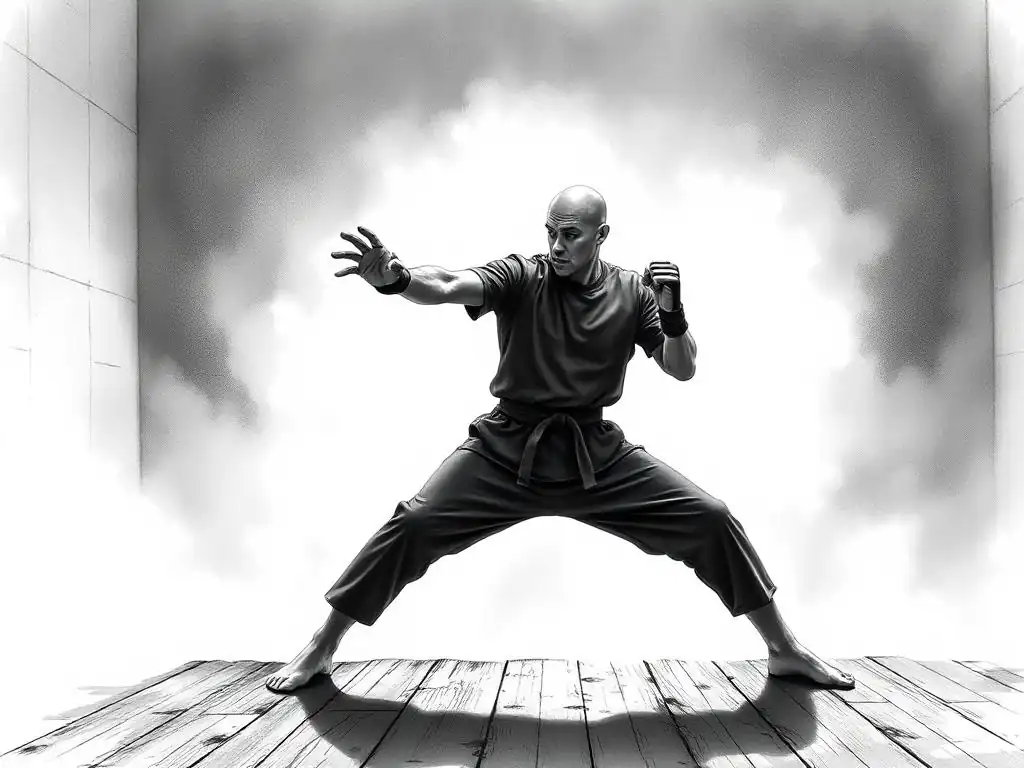
Controlling the Clinch: Dominating the Inside Fighting Range
While Krav Maga aims to avoid prolonged grappling, knowing how to control a clinch situation is vital when it becomes unavoidable. Dominating the inside fighting range means establishing a superior position that allows you to strike effectively while minimizing the attacker's ability to do the same. This often involves gaining head and arm control, using underhooks or overhooks to limit their movement and posture. By controlling their upper body, you can prevent them from generating power for strikes and make them vulnerable to your own knees and elbows.
Techniques focus on breaking their posture, pulling their head down, or creating angles that give you leverage. For example, securing a strong collar tie while simultaneously pulling their head down can expose their body for knee strikes or set them up for a takedown. Maintaining a stable base and using your body weight to your advantage are also crucial.
The goal is not to engage in a wrestling match, but to use clinch control as a temporary measure to deliver decisive strikes or transition to a more advantageous position. Effectively managing the clinch is a key component of advanced Krav Maga close range defense.
Using the Environment to Your Advantage in Close Quarters
A skilled Krav Maga practitioner doesn't fight in a vacuum; they utilize their surroundings as part of their defense strategy, especially in close-range encounters. The environment can provide crucial advantages or present significant obstacles. Using walls, corners, or furniture to restrict an attacker's movement or to create a barrier is a common tactic. For instance, backing an attacker into a wall limits their ability to circle and maneuver, making them a more stationary target for strikes or facilitating a takedown.
Conversely, you can use the environment to your advantage by moving around obstacles to break the attacker's line of sight or force them to navigate difficult terrain. Throwing objects, even small ones, as a distraction can buy you precious seconds. Understanding the layout of the space and identifying potential tools or escape routes is a critical aspect of situational awareness that directly impacts your ability to execute effective Krav Maga close range defense. Reports from law enforcement training often highlight how environmental factors play a decisive role in the outcome of close-quarters confrontations.
Incorporating Takedowns and Throws for Immediate Threat Neutralization
While primarily a striking-based system, Krav Maga incorporates simple, effective takedowns and throws specifically for immediate threat neutralization, particularly in close-range scenarios. These are not complex judo or wrestling techniques but rather direct, powerful movements designed to get the attacker off their feet quickly and decisively. Taking an attacker to the ground, especially on a hard surface, can end the confrontation instantly or at least significantly reduce their ability to continue fighting.
Techniques might include simple trips, sweeps, or pushing takedowns initiated from a clinch or when an attacker is off-balance. For example, if you have head control in a clinch, a well-timed push or sweep can send them to the ground. The emphasis is on using the attacker's momentum and structure against them with minimal effort. Once on the ground, the focus remains on escape or delivering finishing strikes (like stomps or kicks) if the threat persists. These takedowns are integrated into Krav Maga close range defense as a means of quickly and definitively ending a dangerous encounter.
Drills and Training Exercises for Mastering Krav Maga Close Range Defense
Shadow Boxing Drills for Developing Reflexes and Footwork
Mastering Krav Maga close range defense requires ingrained reflexes and fluid movement, which can be significantly developed through targeted shadow boxing drills. Unlike traditional boxing shadow boxing which emphasizes footwork for ring movement, Krav Maga drills focus on short, explosive bursts of movement, angle changes, and simultaneous defense and attack. Practitioners visualize an attacker initiating a dirty boxing strike – a hook, an uppercut, a headbutt – and practice the immediate, instinctive response: a hard block or deflection combined with a sharp counter-strike (elbow, knee, palm heel).
These drills also incorporate small, agile footwork adjustments. Instead of large steps, the focus is on shuffling, pivoting, and stepping slightly offline to create angles or regain balance in tight spaces. Practicing transitions from striking defense to clinch defense and back is also crucial. For instance, visualizing an attacker grabbing after a missed punch and practicing an immediate clinch break combined with strikes. Consistent shadow boxing, focusing on the speed and explosiveness of close-range techniques, is fundamental for building the muscle memory needed for effective Krav Maga close range defense.
Partner Drills for Practicing Blocking, Counter-Striking, and Clinch Control
Partner drills are indispensable for developing the timing, distance management, and contact necessary for effective Krav Maga close range defense. These drills start slowly, with partners simulating specific dirty boxing attacks at reduced power, allowing practitioners to practice their blocks, deflections, and immediate counter-strikes with tactile feedback. As proficiency increases, the speed and intensity can be gradually increased. Drills might focus specifically on defending against a series of hooks, then uppercuts, then integrating headbutts.
Crucially, partner drills must also incorporate clinch work. Partners practice initiating various grabs and clinches, while the defender practices breaking the grip, gaining control, and delivering strikes from the clinch. These drills help practitioners understand body mechanics, leverage, and the feeling of being physically constrained. Safe, controlled sparring scenarios simulating close-range attacks allow students to apply techniques under pressure, receiving feedback on their effectiveness and identifying areas for improvement in their Krav Maga close range defense.
Sparring Scenarios: Simulating Realistic Close-Range Combat Situations
Full-contact or semi-contact sparring scenarios are essential for truly testing and refining Krav Maga close range defense skills under stress. Unlike sport sparring which often adheres to rules, Krav Maga sparring often involves simulating the unpredictability of a street fight, albeit with appropriate protective gear. Scenarios might begin in a tight space, with an attacker initiating a sudden, unexpected dirty boxing assault. This forces practitioners to react instinctively and apply techniques under pressure.
These sparring sessions emphasize the transition between different phases of combat: defending strikes, dealing with clinches, incorporating short-range weapons like elbows and knees, and utilizing the environment. The focus is on surviving the initial onslaught, creating space, and neutralizing the threat using the most efficient means possible. While controlled, these scenarios provide a realistic simulation of the physical and mental demands of Krav Maga close range defense, highlighting the importance of aggression, resilience, and adaptability. Training logs from various Krav Maga schools indicate that regular scenario-based training significantly improves students' reaction times and decision-making under duress.
Avoiding Common Mistakes in Krav Maga Close Quarters Self-Defense
Over-Reliance on Specific Techniques: Adapting to the Situation
A significant mistake in Krav Maga close range defense is becoming overly reliant on a limited set of techniques. While mastering core movements is essential, real-world encounters are unpredictable. An attacker might behave differently than expected, or the environment might preclude the use of a preferred technique. Rigidly attempting to apply a specific block or counter regardless of the situation can lead to failure. For example, trying a standard punch defense against a headbutt will likely be ineffective and dangerous.
Effective Krav Maga close range defense requires adaptability. Practitioners must understand the principles behind the techniques (e.g., simultaneous defense and attack, using body mechanics) and be able to modify them on the fly or switch to a different response based on the attacker's actions and the immediate environment. This requires a broad understanding of Krav Maga principles and a willingness to be flexible. Training should emphasize problem-solving and improvisation within the framework of the system, rather than rote memorization of specific sequences.
Neglecting Situational Awareness: Maintaining Peripheral Vision
Even when engaged in close-range combat, neglecting broader situational awareness is a critical error. Focusing solely on the immediate attacker can blind you to other threats, potential weapons, or opportunities for escape. While your primary focus is on the person in front of you, maintaining peripheral vision and being aware of your surroundings is vital. Is there another attacker? Is there a weapon involved that you didn't initially see? Is there a clear path to safety?
Maintaining this wider awareness, even under stress, is challenging but essential for comprehensive Krav Maga close range defense. It allows you to anticipate potential follow-up attacks, identify allies or bystanders who might be affected, and spot opportunities to disengage or escape. Training drills that incorporate multiple simulated threats or environmental obstacles can help develop this crucial skill, ensuring you don't get tunnel vision during a close-quarters confrontation.
Failing to Maintain a Strong Defensive Posture
In the chaos of close-range dirty boxing, it's easy to lose your structure and adopt a weak, unbalanced posture. However, maintaining a strong, stable base is fundamental for both defending against strikes and generating power for your own counters. A weak posture makes you vulnerable to being pushed, pulled, or easily taken down. It also reduces the effectiveness of your blocks and strikes.
A strong defensive posture in Krav Maga close range defense involves keeping your weight balanced, your knees slightly bent, and your hands in a ready position to protect your head and body. While specific stances might vary slightly depending on the immediate threat, the underlying principle of maintaining stability and readiness remains constant. Regularly practicing basic stance and movement drills, even under fatigue, helps ensure that you can maintain a strong foundation when it matters most in a close-quarters encounter.
The Mental Aspect of Krav Maga Close Range Combat

Developing Aggressiveness and a "Never Give Up" Mindset
Effective Krav Maga close range defense is as much about mental fortitude as it is about physical technique. Faced with a sudden, violent, close-quarters attack, it is natural to feel fear and hesitation. Overcoming this requires cultivating a mindset of controlled aggression and an unwavering will to survive. Krav Maga instills the principle of "walking in peace, but being ready for war." This means being assertive, decisive, and willing to engage the threat aggressively when necessary.
The "never give up" mindset is crucial when dealing with the brutal reality of dirty boxing. You might get hit, you might be hurt, but the training emphasizes continuing to fight, continuing to defend, and continuing to counter until the threat is neutralized or you can escape. This mental resilience is built through realistic training scenarios that push practitioners physically and mentally, preparing them for the shock and difficulty of a real confrontation. According to psychological studies on combat situations, the will to fight is often a more significant factor in survival than technical skill alone.
Overcoming Fear and Hesitation in Close-Quarters Encounters
Fear is a natural response to danger, but unchecked, it leads to hesitation, freezing, and ineffective action. Krav Maga training incorporates stress inoculation techniques designed to help practitioners function effectively despite fear, particularly in close-quarters scenarios. This often involves training drills under physical and mental pressure, simulating the elevated heart rate, adrenaline dump, and disorientation that occur during a real attack.
By repeatedly exposing practitioners to controlled stress, they learn to manage their fear responses. They learn to breathe, focus on the immediate task (defending and counter-striking), and push through the discomfort. Understanding the physiological effects of fear also helps; recognizing that trembling or a pounding heart are normal reactions allows practitioners to acknowledge them without being paralyzed by them. Overcoming hesitation is critical in Krav Maga close range defense, as the window of opportunity for effective action is extremely narrow.
Mental Preparation: Visualizing Success in Close-Range Self-Defense Scenarios
Mental preparation plays a significant role in enhancing the effectiveness of Krav Maga close range defense. Regularly visualizing successful outcomes in potential close-quarters scenarios can help program your mind and body to react appropriately under stress. This involves mentally rehearsing specific techniques against dirty boxing attacks, imagining the feeling of executing a strong block and an explosive counter-strike, and visualizing successfully creating space or escaping.
Visualization should be detailed and realistic, incorporating potential obstacles and difficulties. It's not about imagining an easy victory, but about mentally walking through the process of reacting effectively to a difficult situation. This form of mental rehearsal, often used by athletes and military personnel, helps to solidify the learned responses and builds confidence. By mentally preparing for the challenges of Krav Maga close range defense, practitioners can enhance their readiness and improve their chances of survival in a real encounter.
Integrating Krav Maga Dirty Boxing Defense into Your Overall Training
Combining Close-Range Techniques with Other Krav Maga Skills
Effective Krav Maga close range defense is not isolated; it's an integral part of the broader Krav Maga system. Close-range techniques must be seamlessly integrated with other skills, such as defenses against grabs, chokes, weapons threats, and ground fighting. A street fight rarely stays in one range; a dirty boxing exchange might quickly transition to a clinch, then to the ground, or an attacker might pull a weapon.
Therefore, training should involve transitioning between different types of threats and ranges. Practicing defending against a punch, moving into a clinch defense, and then transitioning to a takedown or escape is a common and necessary training progression. Understanding how close-range strikes can be used to set up defenses against other threats, or how defenses against other threats can lead back into a close-range striking opportunity, is crucial for developing a comprehensive self-defense capability. Integrating Krav Maga close range defense into dynamic, multi-threat scenarios enhances its real-world applicability.
Continuously Evaluating and Refining Your Close-Range Combat Abilities
Mastering Krav Maga close range defense is an ongoing process that requires continuous evaluation and refinement. Self-defense is not static; attackers evolve, and your own physical capabilities change over time. Regularly assessing your performance in training drills and sparring scenarios is vital for identifying weaknesses and areas for improvement. Are your blocks strong enough? Are your counter-strikes explosive? Are you maintaining awareness under stress?
Seeking feedback from experienced instructors and training partners is also crucial. They can provide objective insights into your technique, timing, and tactical decisions. Participating in workshops or advanced training sessions focused specifically on close-quarters combat can expose you to new perspectives and refinements. This commitment to continuous learning and improvement ensures that your Krav Maga close range defense skills remain sharp, adaptable, and effective against the ever-present threat of dirty boxing in real-world situations.
The Role of Physical Conditioning in Effective Close-Range Defense
Physical conditioning plays a significant, though often underestimated, role in effective Krav Maga close range defense. Close-quarters combat is explosive and demanding, requiring bursts of strength, speed, and endurance. A strong core and legs provide a stable base for blocking and striking. Explosive power in the hips and shoulders generates force for counter-strikes like elbows and knees. Good cardiovascular endurance allows you to maintain intensity and focus during a prolonged struggle, which can occur even in a short-range encounter.
Furthermore, conditioning helps in recovering quickly from impacts and maintaining composure under physical stress. Being physically prepared means you can execute techniques with greater power and sustain your defense longer. Incorporating strength training, explosive power drills, and cardiovascular conditioning into your overall fitness routine directly enhances your ability to perform Krav Maga close range defense effectively when facing a determined attacker in close proximity.
Conclusion: Mastering Krav Maga for Real-World Close-Quarters Self-Protection
Frequently Asked Questions
What is Krav Maga and why is it relevant for close-range defense?
Krav Maga is a self-defense system developed in Israel, known for its practicality and aggression. It's highly relevant for close-range defense because it focuses on quickly neutralizing threats in confined spaces.
What are some common types of unexpected close-range strikes encountered in self-defense scenarios?
Common strikes include punches, elbows, knees, and headbutts. Krav Maga training emphasizes defending against these unexpected attacks, often delivered with little to no warning.
How does Krav Maga differ from traditional martial arts in its approach to close-range combat?
Unlike some traditional arts, Krav Maga prioritizes immediate threat neutralization over stylized techniques. It focuses on instinctive reactions and efficient movements for survival.
What are some key Krav Maga techniques for defending against close-range punches?
Krav Maga utilizes techniques such as parries, deflections, and simultaneous attacks. The goal is to create space and disrupt the attacker's balance while delivering counter-strikes.
How does the "Dirty Boxing Defense" element of Krav Maga specifically address unexpected close-range strikes?
"Dirty Boxing" in Krav Maga involves unconventional tactics like eye gouges or groin strikes. These are employed only when necessary to survive a dangerous situation, emphasizing immediate incapacitation of the attacker.
Final Reflection: Embracing Preparedness in the Chaos
The techniques and strategies explored in this article highlight the crucial need for proactive close-range defense in Krav Maga. In a world where threats can materialize unexpectedly and personal safety is paramount, understanding how to effectively manage and neutralize close-quarters attacks is not just a skill, but a necessity for self-preservation and the protection of others.
The principles of Krav Maga, particularly its emphasis on instinctive reactions and adaptability, have profoundly shaped how we approach self-defense. This article serves as a reminder that true preparedness lies not just in mastering techniques, but in cultivating a mindset that embraces the unpredictable nature of real-world confrontations. The best defense is a swift and decisive offense.
This quote encapsulates the spirit of Krav Maga, urging us to meet aggression with assertive action, turning potential vulnerability into a position of strength.
Now, consider how you can integrate these principles into your own life. Reflect on your awareness of your surroundings, your ability to react decisively under pressure, and your commitment to continuous learning. Embrace the challenge of honing your close-range defense skills, not just as a means of physical protection, but as a way to cultivate confidence, resilience, and a deeper sense of personal empowerment. The journey to mastery begins with a single step – take yours today.
Unleash Your Inner Warrior: Start Defending Today!
Thanks for diving into the world of close-range combat with us! We hope you've gained some valuable insights into handling those unexpected strikes. Now, it's time to put that knowledge into action and truly own your personal safety.
Here's how you can take the next steps:
- Immediately begin practicing the specific dirty boxing defenses outlined in this article with a trusted partner. Repetition is key to building muscle memory and instinctive reactions.
- Explore local Krav Maga schools or reputable self-defense programs to further refine your close-quarters combat skills and learn from experienced instructors.
- Share this article with your friends and family to empower them with the knowledge to defend themselves in unexpected situations.
What's the first dirty boxing defense technique you're going to practice, and who will you be practicing with?