
Muay Thai's Olympic Dream: A Historical Pursuit of Global Sporting Recognition

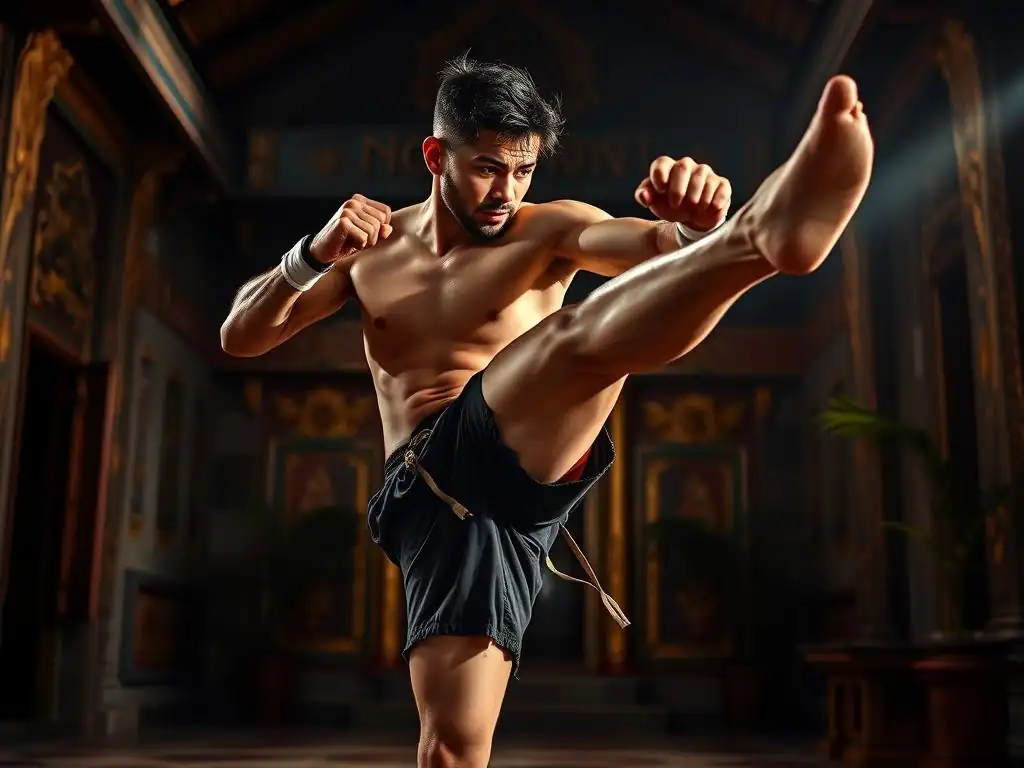
Welcome to Martial Arts Mastery, your gateway to the world's fighting arts!
Delve into the rich tapestry of combat traditions, from ancient philosophies to modern techniques. This exploration begins with a look at Muay Thai's Olympic Dream, unraveling the fascinating historical journey of this powerful striking art as it strives for global sporting recognition. Discover the dedication, the challenges, and the triumphs that shape this ongoing quest, and prepare to be captivated by the story of a martial art on the world's biggest stage. Ready to uncover the full story?
- Introduction: Muay Thai's Journey Towards Olympic Recognition
- The Early History of Muay Thai and its Global Spread
- The Long Road to Olympic Inclusion: Muay Thai Olympic History
- Major Milestones in Muay Thai's Olympic Pursuit
- The Current Status of Muay Thai's Olympic Bid
- Benefits and Potential Impact of Muay Thai in the Olympic Games
- The Future of Muay Thai and the Olympic Games
- The Legacy of Muay Thai: Beyond the Olympic Dream
- Conclusion: The Ongoing Quest for Muay Thai Olympic History
-
Frequently Asked Questions
- What is the current Olympic status of Muay Thai?
- What are some key steps Muay Thai has taken to gain Olympic inclusion?
- What are the primary benefits of Muay Thai becoming an Olympic sport?
- What are some challenges hindering Muay Thai's Olympic inclusion?
- How long has Muay Thai been actively pursuing Olympic recognition?
- Final Reflection: The Enduring Spirit of Muay Thai
- Ignite Your Muay Thai Journey Now!
Introduction: Muay Thai's Journey Towards Olympic Recognition
Martial Arts Mastery and the Global Appeal of Muay Thai
Martial Arts Mastery is a platform dedicated to exploring the rich tapestry of martial arts disciplines from around the world. Within this global context, Muay Thai stands out as a combat sport of immense power, technique, and cultural depth. Its appeal transcends borders, drawing practitioners and fans alike with its dynamic striking repertoire utilizing fists, elbows, knees, and shins. This potent blend of physical prowess and strategic thinking has fueled its rapid growth, leading to the establishment of thousands of gyms and training camps across dozens of countries on every continent.
The global fascination with Muay Thai is evident in the increasing number of international competitions, seminars, and media coverage it receives. From professional fight leagues attracting millions of viewers to local gyms teaching the fundamentals, the sport's footprint is expanding constantly. This widespread adoption highlights not just its effectiveness as a fighting system but also its appeal as a challenging fitness regimen and a path to discipline and self-improvement, making it a significant force in the modern martial arts landscape.
Understanding Muay Thai's Cultural Significance and Olympic Aspirations
Muay Thai is far more than just a sport in Thailand; it is an integral part of the nation's identity and cultural heritage, sometimes referred to as the "Art of Eight Limbs." Rooted deeply in history, its traditions, such as the pre-fight ritual of the Wai Kru Ram Muay performed to honor teachers and ancestors, and the accompaniment of traditional music throughout the bout, underscore its spiritual and cultural dimensions. This connection to national pride and history fuels the desire within the Muay Thai community for it to receive the highest level of global sporting recognition.
The aspiration for Olympic inclusion represents a pivotal goal in the ongoing Muay Thai Olympic history. Achieving Olympic status would not only elevate the sport's international standing but also provide unprecedented visibility and legitimacy on the world stage. For many involved in Muay Thai, from athletes and trainers to cultural custodians, seeing their art represented at the pinnacle of global sport would be the ultimate validation of its athletic merit, historical significance, and universal appeal.
The Early History of Muay Thai and its Global Spread
Muay Thai's Ancient Roots in Siam (Thailand)
The origins of Muay Thai are deeply intertwined with the history of Siam (modern-day Thailand), believed to have evolved from ancient battlefield combat techniques over many centuries. While precise historical records from its earliest forms, sometimes referred to as Muay Boran, are scarce, it is widely accepted that these fighting methods were essential skills for soldiers. They served not only in warfare but also as a form of self-defense and physical conditioning among the populace, showcasing its fundamental role in the survival and identity of the Siamese people.
As the need for large-scale military combat lessened, the techniques of Muay Thai transitioned from the battlefield to become a competitive sport and a vital part of community festivals and entertainment. Kings and royalty often patronized matches, and legendary fighters emerged from various regions. This period saw the informal codification of techniques and strategies within different village and regional styles, preserving the art's fighting effectiveness while cultivating its cultural significance as a national pastime and martial art.
The Evolution of Muay Thai: From Battlefield to Ring
The transformation of Muay Thai into a modern ring sport involved significant steps, particularly in the early 20th century. Before this, contests often took place in open spaces or temple grounds, with fighters wrapping their hands with hemp ropes (Kard Chuek). The introduction of formalized rules, timed rounds (initially measured by a coconut shell with holes floating in water), and standardized rings mirrored developments in Western boxing, aiming to increase safety and organization.
A major turning point was the adoption of boxing gloves, largely replacing rope bindings in the 1920s and 1930s, influenced by international boxing trends. The establishment of major professional stadiums in Bangkok, such as Lumpinee and Rajadamnern, in the mid-20th century solidified its status as a professional sport. These venues became the epicenters of competitive Muay Thai, developing weight classes, ranking systems, and professional circuits that govern the sport's structure in Thailand to this day.
The Initial Steps Towards International Recognition of Muay Thai
Muay Thai began to gain international exposure more significantly in the latter half of the 20th century. Foreign travelers, military personnel, and martial arts enthusiasts visiting Thailand encountered the sport's unique power and effectiveness. Fighters from other disciplines, particularly Kickboxing which was influenced by Muay Thai, sought out training in Thailand to incorporate its devastating techniques into their repertoires, creating early cross-cultural exchanges.
Early international events, often featuring Thai fighters competing against practitioners from other striking arts like Karate, Kung Fu, and Kickboxing, further showcased Muay Thai's distinctiveness. While these initial exposures were often informal or part of mixed-style tournaments, they generated curiosity and admiration for the "Art of Eight Limbs" globally. This laid the essential groundwork for the formal organizational efforts that would later pursue international sporting body recognition and contribute to the long Muay Thai Olympic history.
The Long Road to Olympic Inclusion: Muay Thai Olympic History
The Challenges Faced by Muay Thai in Achieving Olympic Status
The journey toward Olympic inclusion for Muay Thai has been fraught with significant challenges. One primary hurdle was the initial lack of a single, unified international governing body recognized by major sports organizations. Different rulesets existed across various countries and promotions, complicating efforts to present a standardized sport suitable for the universal application required by the Olympic Games.
Furthermore, the perception of Muay Thai as a brutal or excessively violent sport, primarily known for its professional full-contact bouts, presented a barrier. Educating international sports committees and the public about the discipline, cultural rituals, and the development of amateur rules with protective gear became crucial. Overcoming these perceptions and demonstrating the sport's adherence to safety standards and ethical governance demanded persistent effort and adaptation.
Key Organizations and Their Role in Promoting Muay Thai for the Olympics
The International Federation of Muaythai Associations (IFMA) has been the driving force behind the organized push for Olympic recognition. Established in the early 1990s, IFMA committed itself to unifying national federations under a common amateur rule set, promoting the sport globally, and engaging with international sports bodies. IFMA organizes world championships annually, attracting hundreds of athletes from over 100 countries, demonstrating the sport's universality and competitive structure.
Alongside IFMA, numerous national federations and promotional organizations have played vital roles in promoting Muay Thai globally. By hosting international events, developing coaching and refereeing standards, and advocating within their respective countries' sports structures, they contribute to building the global foundation necessary for Olympic consideration. Their collective efforts in standardizing rules, improving safety protocols, and fostering amateur competition have been indispensable to the Muay Thai Olympic history.
Overcoming Cultural Barriers and Standardizing Muay Thai Rules for Olympic Consideration
Adapting a sport with deep cultural roots for the Olympic stage requires careful balance. While the Wai Kru Ram Muay and traditional music are integral to the cultural presentation, the competition rules themselves needed standardization for fair international amateur bouts. This involved implementing mandatory protective gear (headguards, body protectors, shin guards, elbow pads in some amateur formats), refining scoring systems to be transparent and objective, and establishing clear rules regarding fouls and athlete conduct.
Significant effort has been made to educate international sports bodies and the public about the cultural significance of Muay Thai, ensuring it is not perceived solely as a fighting style but as a martial art with profound discipline, respect, and heritage. Demonstrating adherence to WADA (World Anti-Doping Agency) codes and implementing robust anti-doping programs have also been critical steps in aligning Muay Thai with the strict requirements of the international sporting community, addressing potential barriers to its Olympic inclusion.
Major Milestones in Muay Thai's Olympic Pursuit
Recognition by SportAccord and Other International Sporting Bodies
A significant milestone in the Muay Thai Olympic history was achieving recognition from SportAccord (now the Global Association of International Sports Federations - GAISF). IFMA first gained provisional recognition from SportAccord around 2006, which was a crucial step as GAISF serves as the umbrella organization for both Olympic and non-Olympic international sports federations. Full membership later followed, confirming IFMA's status as the legitimate international governing body for Muay Thai in the sports world.
Beyond GAISF, IFMA also secured recognition from other key international sports entities, such as the International University Sports Federation (FISU), which led to Muay Thai's inclusion in World University Championships. These affiliations demonstrate the sport's growing acceptance within the established global sports framework and its commitment to operating under recognized international standards for governance, competition, and athlete welfare.
Muay Thai's Participation in Multi-Sport Games (e.g., World Games)
Inclusion in multi-sport events like the World Games, organized by the International World Games Association (IWGA), marked another critical step. Muay Thai was featured as a medal sport at the World Games 2017 in Wroclaw, Poland, and again at the World Games 2022 in Birmingham, Alabama. These appearances provided a vital platform to showcase amateur Muay Thai competition under conditions simulating a major multi-sport environment.
Competing at the World Games allowed IFMA to demonstrate its organizational capabilities, the quality of its athletes, and the suitability of its amateur ruleset to a broad international audience and, importantly, to members of the Olympic movement who attend these events. Success and positive reception at the World Games bolstered Muay Thai's credentials and provided valuable experience in operating within a large-scale, multi-sport framework, strengthening its application for future Olympic consideration.
Demonstrations and Showcases: Raising Muay Thai's Profile on the Global Stage
Throughout its pursuit of Olympic recognition, Muay Thai organizations have actively sought opportunities to showcase the sport on prominent global stages. This has included organizing demonstration events at major international sports expos, cultural festivals, and potentially even alongside major sporting events to capture attention and build awareness. These showcases often feature high-level amateur athletes performing techniques, explaining the rules, and highlighting the cultural aspects like the Wai Kru.
The purpose of these demonstrations is to demystify the sport, highlight its athletic components, and emphasize the discipline and respect inherent in its practice. By directly engaging with sports administrators, media, and the general public, these efforts aim to build a positive image of Muay Thai, showcasing it as a legitimate, exciting, and culturally rich sport worthy of a place among the world's elite athletic competitions, contributing significantly to the modern Muay Thai Olympic history.
The Current Status of Muay Thai's Olympic Bid
Where Does Muay Thai Stand in Relation to Olympic Acceptance?
As of 2021, a pivotal moment occurred in the Muay Thai Olympic history when the International Olympic Committee (IOC) granted full recognition to the International Federation of Muaythai Associations (IFMA). This elevated Muay Thai from provisional to full recognition status within the Olympic movement. This is a monumental achievement, signifying that the IOC acknowledges IFMA as the official governing body and recognizes Muay Thai as a sport adhering to Olympic standards.
However, full recognition does not automatically mean inclusion in the Olympic Games program. It makes the sport eligible to apply for potential inclusion in future editions of the Games. The decision to add new sports or disciplines is made by the IOC Session, usually several years in advance of a specific Games, based on various criteria including universality, popularity, governance, and alignment with the Olympic program's overall vision and athlete quota limits.
The Role of the International Olympic Committee (IOC) in Evaluating Muay Thai
The IOC plays a crucial role in evaluating sports for potential inclusion in the Olympic Games. Their process involves a rigorous assessment of several factors. Key criteria include the sport's global reach (universality, measured by the number of countries and continents where it is widely practiced), youth appeal, media interest, financial viability, and the strength and integrity of its international governing body (IFMA in this case).
The IOC also places immense importance on governance, ethics, and anti-doping compliance. They evaluate IFMA's structures, its adherence to the Olympic Charter and the World Anti-Doping Code, and its commitment to athlete welfare and safety. While full recognition confirms IFMA meets baseline requirements, the evaluation for program inclusion is a separate, competitive process where Muay Thai is assessed against other sports vying for a limited number of spots.
Governance Issues and Doping Concerns
Like any sport seeking entry into the Olympic program, Muay Thai, under IFMA's governance, must continuously demonstrate robust and transparent administrative structures. Internal disputes within national federations or between different promotional bodies can pose challenges to the unified front required for Olympic advocacy. Ensuring consistent application of rules, fair selection processes for international teams, and financial transparency are ongoing requirements to satisfy IOC scrutiny.
Furthermore, strict adherence to global anti-doping standards is non-negotiable. IFMA must maintain a comprehensive anti-doping program fully compliant with WADA regulations, including out-of-competition testing, athlete education, and a clear system for handling violations. Any significant doping issues or governance scandals within the sport could severely hinder or even derail its prospects for future Olympic program inclusion, highlighting the critical importance of integrity in the ongoing Muay Thai Olympic history.
Benefits and Potential Impact of Muay Thai in the Olympic Games
The Positive Impact on Muay Thai's Global Popularity
Inclusion in the Olympic Games would undeniably provide Muay Thai with an unparalleled platform for global exposure. Broadcast to billions of viewers worldwide, the Olympic stage would introduce the sport to audiences who may have never seen it before. This massive visibility would likely lead to a significant surge in interest, driving increased participation in gyms and training centers across the globe.
Olympic status would also elevate the profile of amateur athletes and provide new pathways for talent development outside the traditional professional fighting circuits. It would encourage more countries to establish and strengthen national federations, organize grassroots programs, and invest in training facilities, further solidifying Muay Thai's position as a truly global sport and accelerating its growth trajectory exponentially.
Economic and Cultural Benefits for Thailand and the Muay Thai Community
For Thailand, the birthplace of Muay Thai, Olympic inclusion would bring significant economic and cultural benefits. Economically, it could boost tourism, attracting more visitors interested in training and experiencing the sport firsthand. It could also lead to increased investment in sports infrastructure, opportunities for trainers, promoters, and equipment manufacturers, and potentially new revenue streams from media rights and sponsorships associated with its Olympic status.
Culturally, seeing their national sport on the world's biggest sporting stage would be a source of immense national pride for Thailand. It would reinforce the cultural significance of Muay Thai, showcase its rich traditions like the Wai Kru to a global audience, and potentially inspire a new generation of Thai youth to participate in and preserve the art. It would be a powerful affirmation of Thailand's cultural contribution to the world of sports and martial arts.
Potential Loss of Traditional Elements and Commercialization
While the benefits are substantial, there are also concerns that Olympic inclusion and the associated pressures of standardization and commercialization could potentially dilute some traditional elements of Muay Thai. Adapting rules for a broader, more standardized amateur format might lead to less emphasis on certain traditional techniques (like specific clinch work nuances or complex sweeps) or rituals during the competition itself, focusing primarily on scoring criteria.
The intense commercial spotlight of the Olympics could also shift focus towards marketability and mainstream appeal, potentially altering the sport's ethos. There is a risk that the emphasis on athletic performance and entertainment value might overshadow the deep cultural, spiritual, and disciplinary aspects that are fundamental to traditional Muay Thai training and philosophy. Balancing the need for standardization with the preservation of authenticity is a key challenge for the future of Muay Thai Olympic history.
The Future of Muay Thai and the Olympic Games
Predictions and Speculation Regarding Muay Thai's Olympic Chances
Following full recognition by the IOC in 2021, Muay Thai is now eligible for consideration for future Olympic Games programs. However, securing a spot is a competitive process, and predictions vary. The programs for Paris 2024 and Los Angeles 2028 are largely set, making inclusion in these editions highly unlikely. The earliest realistic target for Muay Thai's potential debut would likely be the Brisbane 2032 Olympic Games or later.
The sport's chances will depend on several factors: continued growth in universality (measured by participation numbers across continents), the success and reception of Muay Thai at future multi-sport events like the World Games, IFMA's ongoing demonstration of strong, ethical governance and anti-doping compliance, and the overall strategic decisions made by the IOC regarding the size and composition of future Games programs. While the path is clearer, it remains challenging.
The Continued Efforts of Muay Thai Organizations to Achieve Olympic Recognition
The quest for Olympic inclusion remains a top priority for IFMA and its member federations. Their efforts are focused on several key areas: strengthening grassroots development programs worldwide to increase participation numbers, particularly among youth and women; organizing more high-level international amateur competitions; and continuing dialogue with the IOC and national Olympic committees.
Maintaining the highest standards of governance, financial transparency, and athlete welfare is paramount. IFMA is committed to upholding WADA compliance and implementing robust anti-doping measures. These ongoing efforts require sustained dedication and investment from the global Muay Thai community, demonstrating that the pursuit of Olympic recognition is a continuous process built upon the foundations of Muay Thai Olympic history.
Maintaining Authenticity in the Face of Global Standardization
One of the most critical challenges moving forward is finding the right balance between standardizing rules necessary for fair international competition and preserving the authentic techniques, rituals, and philosophical underpinnings of traditional Muay Thai. While a degree of standardization is required for the Olympic format, it is vital that the core essence of the art is not lost.
Organizations and trainers must continue to educate practitioners worldwide about the history, culture, and values of Muay Thai, ensuring that modern athletic training is complemented by an understanding and respect for its roots. Preserving elements like the Wai Kru Ram Muay, the traditional music, and the emphasis on respect for opponents and trainers is essential to ensure that the Olympic journey enhances, rather than diminishes, the rich heritage of the "Art of Eight Limbs."
The Legacy of Muay Thai: Beyond the Olympic Dream
Preserving Muay Thai's Cultural Heritage and Traditions
Regardless of whether Muay Thai ultimately achieves its Olympic dream, its legacy is already cemented by its profound cultural heritage and enduring traditions. Rituals such as the Wai Kru Ram Muay, a beautiful dance of respect performed before each fight, are vital expressions of gratitude and humility that connect modern practitioners to generations past. The traditional Sarama music accompanying bouts creates a unique atmosphere that is integral to the Muay Thai experience.
Efforts to preserve these cultural elements are ongoing, with organizations and master trainers documenting ancient techniques (Muay Boran) and promoting the historical context of the art. Ensuring that these traditions are passed down to new generations, both within Thailand and globally, is crucial to maintaining the soul of Muay Thai beyond its competitive aspects and enriching the understanding of its historical journey.
Promoting Muay Thai as a Sport for All: Inclusivity and Accessibility
Muay Thai is increasingly being promoted not just as a combat sport for elite fighters but as an accessible activity for people of all ages, genders, and fitness levels. The growth of amateur programs, fitness-focused classes, and youth initiatives highlights efforts to make the sport more inclusive. Many people train Muay Thai for its physical benefits, self-defense applications, and the mental discipline it instills, without ever stepping into a competitive ring.
Initiatives aimed at increasing participation among women, developing adaptive programs for individuals with disabilities, and integrating Muay Thai into school curricula in various countries contribute to its universality and accessibility. This broad appeal ensures that the benefits of training in the art—including improved physical condition, mental toughness, and self-confidence—are available to a wide community, strengthening its global presence.
Muay Thai's Enduring Appeal: A Testament to its Strength, Skill, and Spirit
The lasting appeal of Muay Thai lies in its raw effectiveness as a martial art and the incredible athleticism and spirit displayed by its practitioners. The dynamic combination of powerful strikes from eight points of contact, the strategic complexity of the clinch, and the visible heart shown by fighters in the ring captivate audiences worldwide. It demands not only physical strength and technical skill but also immense mental fortitude and courage.
This enduring appeal ensures that Muay Thai will continue to thrive globally, regardless of its Olympic fate. Its effectiveness in self-defense, its demanding physical conditioning, and its rich cultural background provide a powerful draw for practitioners seeking a challenging and rewarding martial art. The journey towards Olympic recognition is just one chapter in the long and vibrant Muay Thai Olympic history, a testament to its resilience, adaptability, and unwavering spirit.
Conclusion: The Ongoing Quest for Muay Thai Olympic History
Reflecting on Muay Thai's Journey and its Significance
The pursuit of Olympic recognition has been a long and transformative journey for Muay Thai, stretching from its ancient roots as a battlefield art in Siam to its modern status as a globally practiced sport. This path has involved significant challenges, including the need for standardization, overcoming perceptions, and establishing unified governance. The milestones achieved, such as recognition by GAISF and the IOC and inclusion in the World Games, underscore the dedication and progress made by the global Muay Thai community.
This journey is significant not only for the potential elevation of the sport but also as a reflection of its adaptability and the commitment of its custodians to bridge tradition and modernity. It highlights how a martial art deeply embedded in national culture can evolve while striving for the pinnacle of international sporting achievement, adding a compelling chapter to the historical narrative of Muay Thai.
The Importance of Continued Support for Muay Thai's Olympic Aspirations
Achieving inclusion in the Olympic Games program remains a key aspiration for many within the sport, and continued support is crucial. This support involves reinforcing IFMA's efforts in maintaining high standards of governance, anti-doping compliance, and athlete welfare. It also requires ongoing promotion of the sport's universality, its appeal to young generations, and its alignment with the values of the Olympic movement.
Practitioners, fans, national federations, and the Thai government all play roles in advocating for Muay Thai's place on the Olympic stage. Demonstrating a united front and a commitment to the principles of fair play, integrity, and global development will be essential in convincing the IOC that Muay Thai is a valuable addition to the Olympic family, furthering the positive trajectory of Muay Thai Olympic history.
Sources and Further Research
Frequently Asked Questions
What is the current Olympic status of Muay Thai?
Muay Thai is not currently an Olympic sport, but it has been actively pursuing Olympic recognition for many years. The International Olympic Committee (IOC) has granted it provisional recognition, a crucial step toward inclusion.
What are some key steps Muay Thai has taken to gain Olympic inclusion?
Key steps include gaining recognition from international sporting bodies, establishing a unified global governing body (IFMA), and adhering to the World Anti-Doping Agency (WADA) standards.
What are the primary benefits of Muay Thai becoming an Olympic sport?
Olympic inclusion would provide Muay Thai with increased global visibility, access to funding and resources, and elevated prestige, attracting more participants and sponsorships.
What are some challenges hindering Muay Thai's Olympic inclusion?
Challenges include addressing concerns about violence and cultural appropriation, ensuring fair competition and judging standards, and unifying the sport's diverse styles and rules under a single umbrella.
How long has Muay Thai been actively pursuing Olympic recognition?
Muay Thai has been actively pursuing Olympic recognition for over two decades, demonstrating a long-term commitment to achieving this goal. The pursuit involves continuous efforts to meet IOC criteria.
Final Reflection: The Enduring Spirit of Muay Thai
The journey of Muay Thai towards Olympic recognition, as we've explored, is more than just a sporting ambition; it's a testament to the unyielding spirit of cultural preservation and global aspiration. The historical pursuit, fraught with challenges and triumphs, mirrors the very essence of the sport itself – resilience, discipline, and unwavering dedication. This quest for Olympic inclusion highlights the growing appreciation for Muay Thai's rich heritage and its potential to inspire a global audience.
The impact of Muay Thai extends far beyond the ring. It has become a powerful symbol of Thai culture, a discipline that fosters respect and self-control, and a pathway for personal growth for countless individuals worldwide. My own fascination with Muay Thai stems from its ability to blend ancient tradition with modern athleticism, creating a truly unique and transformative experience. Muay Thai is not just a sport; it's a way of life.
This sentiment, echoed by practitioners around the globe, underscores the profound influence of Muay Thai on individuals and communities.
As we look to the future, let us carry forward the lessons learned from Muay Thai's Olympic journey. Let us embrace the values of perseverance, respect, and cultural understanding that this ancient martial art embodies. Consider how you can apply these principles in your own life, striving for your own personal "Olympic" goals with the same unwavering spirit and dedication that has defined Muay Thai's historical pursuit of global sporting recognition.
Ignite Your Muay Thai Journey Now!
Thank you for exploring the history of Muay Thai's Olympic aspirations with us. We hope you've gained a deeper appreciation for this incredible martial art and its global impact. Ready to take the next step?
Here are a few ways to keep the spirit of Muay Thai burning bright:
- Start your own training: Find a local Muay Thai gym and experience the art firsthand! This is the best way to truly understand and support the sport.
- Share this article with fellow martial arts enthusiasts to spread awareness of Muay Thai's Olympic journey. Let's get more people invested!
- Research and support organizations that are actively working to promote Muay Thai on a global scale.
What steps will you take to champion the future of Muay Thai?