
Mastering the Half Nelson Pin: A Catch Wrestling Fundamental


Welcome to Martial Arts Mastery, your ultimate resource for exploring the diverse world of combat. Are you ready to delve into a fundamental technique crucial for grappling dominance? This article unlocks the secrets of the Half Nelson Pin, a cornerstone of Catch Wrestling and a powerful tool across various grappling arts. Discover its nuances, applications, and the strategies to master it, and you'll gain a significant edge. Curious about how this seemingly simple hold can control an opponent? Read on to unlock the secrets!
- Introduction to the Half Nelson in Catch Wrestling
- Understanding the Mechanics of the Half Nelson Pin
- Step-by-Step Guide to Executing the Half Nelson Pin
- Advanced Half Nelson Pin Variations and Transitions
- Defending Against the Half Nelson Pin
- Drills and Training Exercises for Mastering the Half Nelson
- Common Mistakes to Avoid When Applying the Half Nelson
- The Half Nelson in Competitive Catch Wrestling
- The History and Evolution of the Half Nelson Pin
- Conclusion: The Half Nelson Pin as a Cornerstone of Catch Wrestling
-
Frequently Asked Questions
- What is the Half Nelson Pin technique and why is it considered a "Catch Wrestling Fundamental"?
- What martial arts disciplines besides Catch Wrestling might utilize the Half Nelson Pin?
- What are some key elements to successfully executing the Half Nelson Pin technique?
- What are some common defenses or counters to the Half Nelson Pin?
- Where can I find more in-depth instruction on the Half Nelson Pin technique, particularly within a Catch Wrestling context?
- Final Reflection: The Enduring Power of Leverage
- Unleash Your Inner Grappler!
Introduction to the Half Nelson in Catch Wrestling
Defining the Half Nelson Pin Technique
The Half Nelson is a fundamental control and pinning technique widely utilized in various grappling arts, including Catch Wrestling. At its core, the Half Nelson pin technique involves securing control of an opponent's arm while simultaneously applying pressure to their head and neck from the same side. The practitioner typically slides one arm under the opponent's armpit and reaches up behind their neck, grasping their own hands or wrist, or simply applying pressure with the forearm and shoulder. The goal is to drive the opponent onto their back and hold them there for a pinfall.
This specific pinning technique is distinct from other holds as it primarily targets the opponent's upper body structure, disrupting their base and leverage. A correctly applied Half Nelson pin technique creates immense pressure on the neck and shoulder, making it difficult for the opponent to bridge or turn effectively. Mastery of this basic yet powerful technique is often considered a prerequisite for developing more advanced pinning strategies and transitions within the demanding framework of Catch Wrestling.
Importance of the Half Nelson in Catch Wrestling Submissions
While primarily known as a pin, the Half Nelson can serve as a critical gateway or setup for various submissions in Catch Wrestling. The control established over the opponent's head and arm significantly limits their defensive options, creating opportunities for the attacking grappler. For instance, the pressure on the neck can sometimes lead to a neck crank submission if applied with sufficient force and angle, although the primary intent is typically the pin.
Furthermore, the position achieved when applying the Half Nelson pin technique often facilitates transitions to arm-based submissions. With the opponent's arm isolated and controlled, it becomes easier to shift weight and reposition for armlocks like the Kimura, Americana, or even straight armbars, depending on the opponent's reaction and the practitioner's subsequent movements. The Half Nelson's importance lies not just in its pinning efficacy but also in its versatility as a control position from which numerous offensive actions can be launched.
The Half Nelson's Role in Pinning and Control
The Half Nelson is arguably one of the most effective and commonly used pinning techniques across various wrestling styles, including Catch Wrestling. Its power lies in its ability to neutralize the opponent's bridging and turning capabilities by controlling their head and upper body simultaneously. Once the grip is secured and pressure is applied, the opponent's ability to generate leverage or escape becomes significantly diminished.
In a competitive Catch Wrestling match, securing a solid Half Nelson pin technique can quickly lead to a fall, ending the match decisively. It is particularly effective when the opponent is on their hands and knees (turtle position) or flat on their stomach. By driving forward and across the opponent's back, the practitioner forces the opponent onto their shoulders, establishing the necessary position for the pin. This fundamental control aspect makes the Half Nelson an indispensable tool in any grappler's arsenal.
Understanding the Mechanics of the Half Nelson Pin
Proper Hand Placement for a Secure Half Nelson
Proper hand placement is absolutely crucial for executing a secure Half Nelson pin technique. The attacking arm must slide deeply under the opponent's armpit on one side. The hand then reaches up and behind the opponent's neck, with the palm typically facing towards the opponent's head or neck. The depth of the reach behind the neck is key; shallow placement allows the opponent too much room to maneuver.
Once the hand is behind the neck, the practitioner needs to secure the grip. This can involve grasping their own wrist or forearm of the opposite arm (which is usually controlling the opponent's other arm or side), or simply using the forearm and shoulder to apply direct pressure to the neck. The goal is to create a strong connection that prevents the opponent from pulling their head free or creating space under the armpit. A common error is not getting the arm deep enough, which reduces the leverage and effectiveness of the Half Nelson pin technique.
Leveraging Body Weight for Maximum Pinning Pressure
Effective application of the Half Nelson pin technique relies heavily on leveraging the practitioner's body weight. Simply securing the grip is not enough; pressure must be applied downwards and forwards to drive the opponent onto their back. The practitioner should position their body perpendicular or slightly angled across the opponent's back, using their chest and shoulder to add pressure.
By driving their weight through the arm and shoulder applying the Half Nelson, the practitioner pushes the opponent's head and shoulder towards the mat. Simultaneously, maintaining control of the opponent's other arm or side with the free arm helps prevent them from posting or creating a stable base. A successful Half Nelson pin technique often involves the practitioner lowering their center of gravity and using their leg drive to exert continuous forward pressure, distributing their weight effectively over the opponent to flatten them out.
Controlling the Opponent's Head and Neck
Control of the opponent's head and neck is the central principle behind the Half Nelson pin technique. By isolating and applying pressure to these areas, the practitioner directly impacts the opponent's balance and mobility. The arm behind the neck acts as a lever, turning and driving the head towards the mat.
The practitioner's shoulder and chest also play a vital role, pressing down on the opponent's back and further restricting movement. The angle of the arm behind the neck and the direction of the driving pressure determine how effectively the opponent is turned and flattened. Constant, unwavering pressure is essential; any slack in the grip or decrease in pressure on the neck allows the opponent a chance to bridge, roll, or slip their head out, compromising the Half Nelson pin technique.
Step-by-Step Guide to Executing the Half Nelson Pin
Step 1: Securing Initial Control and Positioning
The first step in applying the Half Nelson pin technique is often initiated from a top control position, such as side control, or when the opponent is in the turtle position. From the turtle, the practitioner needs to establish control, typically by securing a seatbelt grip or controlling one of the opponent's arms. Positioning is key; the practitioner should aim to be alongside the opponent, with their hips low and driving into the opponent's side to prevent them from standing up or turning away.
Once control is established, the practitioner identifies which side they will attack. They then begin to slide the arm that is on the chosen side under the opponent's corresponding armpit. This initial penetration must be deep, aiming to get the hand high up towards the opponent's neck. Maintaining heavy pressure with the chest or shoulder on the opponent's back throughout this step is crucial to keep them pinned down and prevent them from reacting effectively to the setup for the Half Nelson pin technique.
Step 2: Applying the Half Nelson Grip Correctly
With the arm threaded deeply under the opponent's armpit, the next step is to apply the Half Nelson grip. The hand reaches up behind the opponent's neck. The most common and secure grip involves the attacking hand grasping the wrist or forearm of the practitioner's other arm, which is often used to control the opponent's other arm or side. This creates a strong connection and allows for pulling leverage against the neck.
Alternatively, some practitioners simply use the forearm and bicep to apply pressure directly to the side of the opponent's neck and head, using their shoulder to drive downward. Whichever grip variation is used, the key is tightness and depth. There should be no space for the opponent's head to slip out. The practitioner should use their body weight to help keep the grip tight as they prepare to transition to the pin, ensuring the Half Nelson pin technique is applied with maximum control.
Step 3: Driving Forward and Establishing the Pin
Once the Half Nelson grip is secured, the practitioner must drive forward to establish the pin. This involves shifting their weight and driving their hips forward, using leg power to push the opponent onto their back. The pressure from the Half Nelson grip simultaneously turns the opponent's head and shoulder towards the mat. The practitioner's chest should be pressing down on the opponent's back, helping to flatten them out.
The goal is to get both of the opponent's shoulders flat on the mat. This often requires the practitioner to adjust their angle, sometimes moving more perpendicular to the opponent. Continuous forward pressure is essential; a common mistake is to stop driving once the opponent starts to go over. The drive must continue until the pin is secured, ensuring the opponent cannot roll through or regain their base against the Half Nelson pin technique.
Step 4: Maintaining Control and Preventing Escape
Securing the pin is only half the battle; maintaining control and preventing escape is just as important. Once the opponent is flat on their back with both shoulders touching the mat, the practitioner must maintain constant, heavy pressure. The Half Nelson grip must remain tight, keeping the opponent's head and neck controlled.
The practitioner's body weight should be distributed over the opponent's chest and hips, making it difficult for them to bridge or buck. Controlling the opponent's free arm or hips with the practitioner's other arm further limits their ability to escape. The practitioner should stay heavy, keep their base wide if necessary for stability, and be prepared to adjust their position slightly to counter any escape attempts, ensuring the Half Nelson pin technique holds until the referee signals the fall.
Advanced Half Nelson Pin Variations and Transitions
The Full Nelson Pin: A Powerful Extension
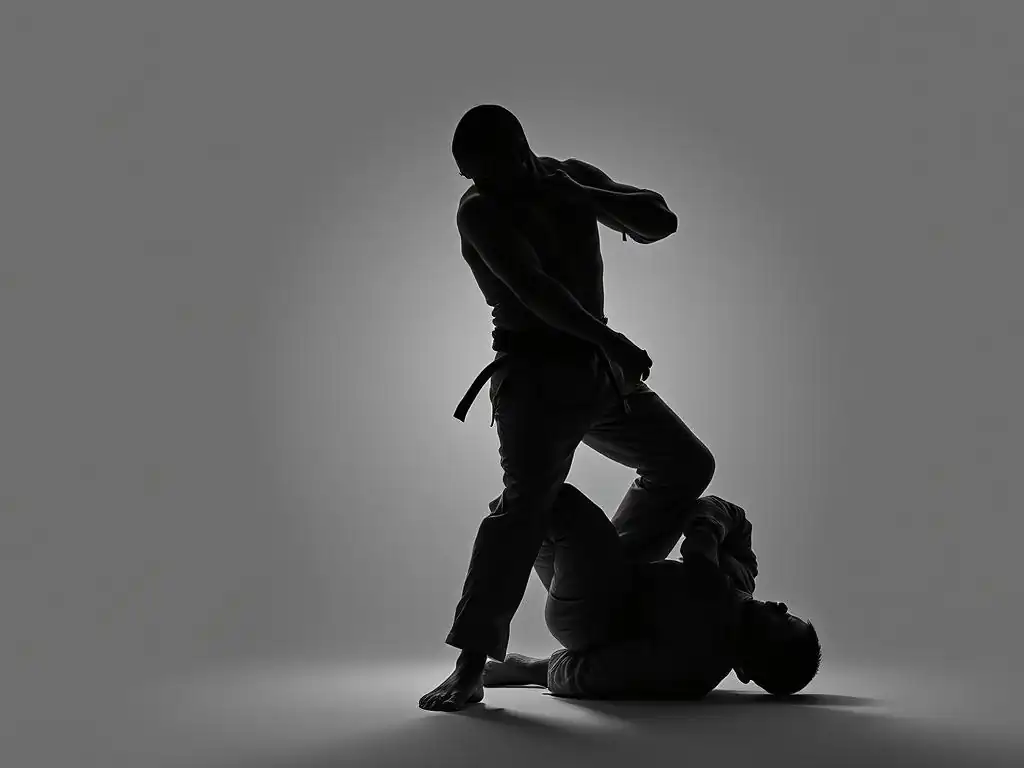
The Full Nelson is a powerful control hold that extends the principles of the Half Nelson. Instead of just one arm under an armpit and behind the neck, the Full Nelson involves both arms going under the opponent's armpits and the hands meeting behind the opponent's neck. This grip provides even greater control over the opponent's upper body and head, making it an incredibly dominant position.
While the Full Nelson provides superior control, it can be harder to initially secure, especially against a skilled opponent actively defending. It is often transitioned into from a dominant position like the back or side control. When used as a pin, the Full Nelson pin technique requires the practitioner to drive forward and flatten the opponent, similar to the Half Nelson, but with potentially more leverage to keep the shoulders on the mat.
Transitioning from Half Nelson to Other Submissions
The Half Nelson position, while primarily a pin, offers numerous transition opportunities into submissions, a hallmark of effective Catch Wrestling. One common transition is to the Kimura. As the practitioner applies the Half Nelson, the opponent might try to defend by pushing the Half Nelson arm away with their free hand. This action can expose their arm, allowing the practitioner to release the neck control momentarily, switch to controlling the opponent's wrist, and secure the figure-four grip for the Kimura lock on the trapped arm.
Another transition involves capitalizing on the opponent turning away to escape the Half Nelson pin technique. If the opponent attempts to roll or turn into the practitioner, they might expose their neck or back. This can open opportunities for transitioning to a rear-naked choke setup, or even a cradle if the opponent curls up tightly. The key is recognizing the opponent's defensive reaction and being ready to capitalize on the limb or neck control offered by the initial Half Nelson position.
Combining the Half Nelson with Leg Control Techniques
Combining the Half Nelson pin technique with simultaneous leg control significantly enhances its effectiveness and reduces the opponent's ability to escape. A classic example is the Half Nelson combined with a leg ride or cross-body ride. As the practitioner applies the Half Nelson from the top, they can use their legs to control one or both of the opponent's legs, pinning them to the mat.
For instance, a cross-body ride involves sitting across the opponent's back with one leg hooked inside their far leg. This prevents the opponent from turning towards that side and makes bridging very difficult. When paired with the upper body control provided by the Half Nelson, this combination creates an incredibly secure pinning position. The opponent is trapped from head to toe, drastically reducing their options for escape from the Half Nelson pin technique setup.
Defending Against the Half Nelson Pin
Recognizing the Threat and Early Defense Strategies
Effective defense against the Half Nelson pin technique begins with early recognition of the threat. As soon as an opponent starts to slide their arm under the armpit, the defender must react. The primary early defense is to prevent the arm from getting deep under the armpit and behind the neck. This can be done by keeping the arm tight to the body, shrugging the shoulder, and trying to keep the head down.
If the arm is already partially in, the defender should immediately try to create space or "fight the hand" by grabbing the opponent's wrist or forearm to prevent them from securing a deep grip behind the neck. Driving the head down and trying to turn into the opponent slightly can also help create space or make the angle for the Half Nelson pin technique less effective. Early and active defense is far more successful than trying to escape once the pin is established.
Escape Techniques from the Half Nelson Position
If the Half Nelson pin technique is partially or fully applied but the pin is not yet secured (i.e., shoulders are not flat), escape is still possible, though difficult. One common escape involves bridging hard. By driving their hips upwards, the defender aims to create space or disrupt the opponent's base and pressure. Simultaneous shrugging of the shoulder on the side of the Half Nelson can help loosen the grip.
Another escape involves turning into the opponent. While this might seem counter-intuitive, turning aggressively into the pressure can sometimes create a scramble or allow the defender to slip their head out from under the armpit. A strong neck and the ability to withstand pressure momentarily are crucial for this escape. Continuously fighting the hand or arm applying the Half Nelson pin technique while attempting these movements increases the chances of success.
Counter-Attacking Opportunities from Defensive Positions
Defending against the Half Nelson pin technique can sometimes create opportunities for counter-attacks. As the opponent drives forward to secure the pin, they often expose their own limbs or leave openings. For example, if the opponent is driving heavily forward and their base is narrow, a strong bridge and roll can potentially reverse the position, putting the defender on top.
Alternatively, as the opponent reaches deep for the Half Nelson, their other arm or leg might become vulnerable. If the defender can secure control of the opponent's free arm or leg while defending the Half Nelson, they might be able to transition to a sweep or even a submission setup. Capitalizing on the opponent's commitment to the Half Nelson pin technique requires quick reactions and a solid understanding of transitional grappling.
Drills and Training Exercises for Mastering the Half Nelson
Partner Drills for Hand Placement and Control
Mastering the Half Nelson pin technique requires repetitive drilling focusing on the critical details. Partner drills are essential for developing muscle memory for proper hand placement and control. One simple drill involves one partner starting on their hands and knees (turtle) while the other practices sliding their arm under the armpit and securing the grip behind the neck without applying full pressure. The defender can offer light resistance to simulate a real scenario.
Another drill focuses on transitioning from initial control (like a seatbelt or side control) into the Half Nelson setup. Partners practice moving from the setup position, getting the arm deep, and securing the grip cleanly. This drill emphasizes the fluidity of the transition and the importance of maintaining control throughout the process. Repetition, aiming for speed and precision in securing the grip for the Half Nelson pin technique, is key.
Resistance Training to Improve Pinning Strength
Applying an effective Half Nelson pin technique requires significant upper body and core strength to maintain pressure and drive the opponent onto the mat. Resistance training specifically targeting these muscle groups is highly beneficial. Exercises like bench press, overhead press, rows, and pull-ups build the pushing and pulling strength needed to secure the grip and drive forward.
Isometric exercises that mimic the pressure of a pin, such as holding a heavy weight while in a bridging position or practicing holding a resistance band wrapped around a partner's neck (simulating the Half Nelson pressure), can also improve endurance and specific pinning strength. Consistent resistance training complements technical drilling by providing the physical foundation necessary for a powerful Half Nelson pin technique.
Live Sparring Applications of the Half Nelson Pin
Integrating the Half Nelson pin technique into live sparring is crucial for developing the timing and feel needed to apply it effectively against a resisting opponent. Starting sparring sessions from positions where the Half Nelson is commonly applied, such as turtle or side control, allows practitioners to focus on finding opportunities for the technique.
During sparring, practitioners should actively look for moments when the opponent exposes their neck or armpit. They should practice the transition from control to the Half Nelson grip and attempt to drive for the pin. Even if the pin isn't secured, the practice of getting the setup and applying pressure against a live opponent helps hone the necessary adjustments and reactions. Analyzing sparring outcomes helps identify common mistakes or defensive reactions to the Half Nelson pin technique.
Common Mistakes to Avoid When Applying the Half Nelson
Incorrect Hand Placement and Grip Strength
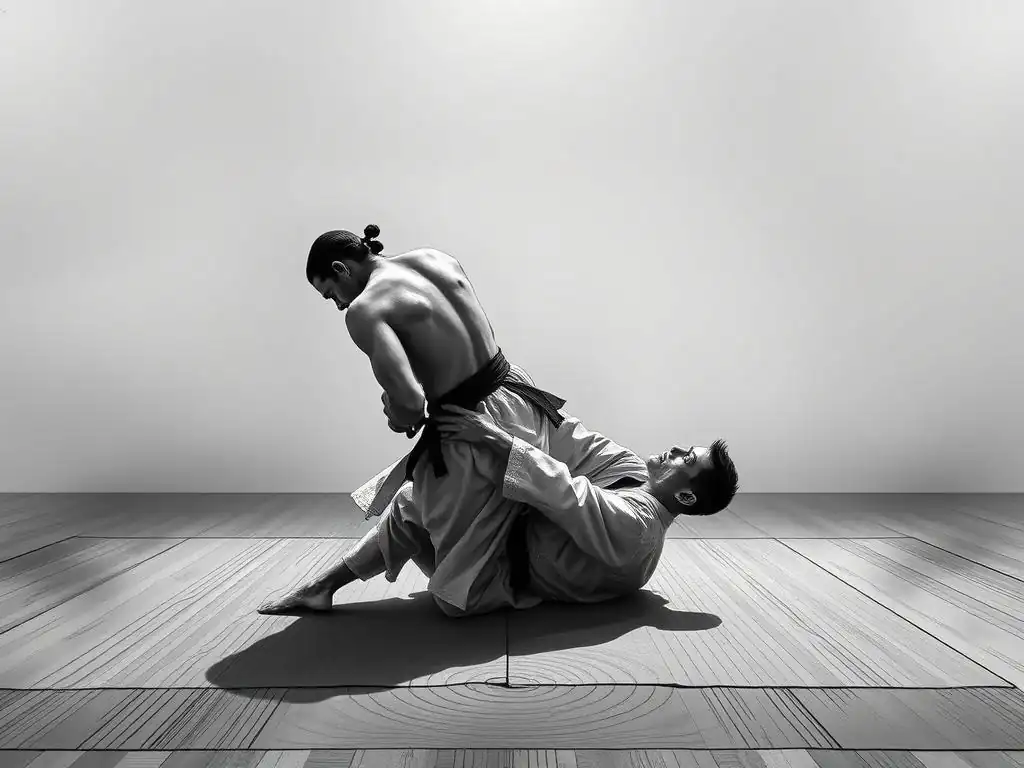
One of the most frequent errors when attempting the Half Nelson pin technique is incorrect hand placement. If the arm is not slid deep enough under the armpit or the hand doesn't reach high enough behind the neck, the practitioner lacks the necessary leverage. This allows the opponent to easily create space, slip their head out, or simply resist the turning pressure effectively.
Insufficient grip strength is another common issue. If the practitioner's hands are not securely linked (or if they are just using forearm pressure without proper connection to their body), the opponent can often break the grip by shrugging or pulling their arm away. Maintaining a tight, deep grip is paramount for the Half Nelson pin technique to be successful. Studies on wrestling pins suggest that grip failure accounts for a significant percentage of unsuccessful pinning attempts.
Failure to Control the Opponent's Movement
A successful Half Nelson pin technique requires controlling the opponent's entire body, not just their head and arm. A common mistake is focusing solely on the Half Nelson grip while neglecting to control the opponent's hips, legs, or free arm. If the opponent's lower body or free limbs are not controlled, they can easily bridge, roll, or post to relieve pressure and escape the pin.
The practitioner must use their body weight, other arm, and even legs (as in a leg ride) to limit the opponent's ability to move. Forgetting to drive forward and across the opponent's back is also a failure in controlling their movement towards the mat. The Half Nelson pin technique becomes ineffective if the opponent is allowed to maintain a strong base or mobility.
Telegraphing the Half Nelson Attempt
Skilled opponents can often defend a technique before it's fully applied if they see it coming. Telegraphing the Half Nelson pin technique, meaning giving off obvious signs of the upcoming attempt, significantly reduces its chances of success. This can happen by pausing before shooting the arm under, making a large, obvious movement, or visibly shifting weight in a way that signals the intention.
To avoid telegraphing, the Half Nelson setup should be integrated smoothly into other control efforts. The movement to insert the arm should be quick and seamless, ideally done while the opponent is distracted or reacting to other pressure. Maintaining consistent pressure and control leading up to the attempt makes it harder for the opponent to anticipate the Half Nelson pin technique.
The Half Nelson in Competitive Catch Wrestling
Utilizing the Half Nelson for Tournament Success
The Half Nelson pin technique is a staple in competitive Catch Wrestling due to its effectiveness in securing falls. In a sport where a pin ends the match, having a reliable pinning technique like the Half Nelson is crucial. Practitioners often utilize it from dominant top positions, particularly when the opponent is turtled or flattened out. Success rates for the Half Nelson pin technique in competitive scenarios can be high, especially at lower levels or against opponents with weaker defensive fundamentals.
Top Catch Wrestlers consistently use the Half Nelson as a primary method to end matches. Its ability to quickly transition from control to pin makes it ideal under tournament rules where time is often a factor. A well-timed and powerfully executed Half Nelson can lead to a fall in seconds, preventing the opponent from having a chance to escape or counter.
Adapting the Technique to Different Opponent Styles
Adapting the Half Nelson pin technique to different opponent styles is essential for consistent success. Against a highly defensive opponent who stays tight in a turtle, the practitioner might need to work harder to create openings to slide the arm under, potentially using fakes or pressure on other parts of the body. Securing leg control becomes even more important against opponents skilled at bridging and rolling.
Against a more offensive or scrambling opponent, the Half Nelson can be used to immediately shut down their movement and force them into a defensive posture. The speed of the transition to the Half Nelson pin technique is key here to prevent the opponent from initiating their own offense. Experienced grapplers understand that while the core mechanics remain the same, the setup and application of the Half Nelson must be tailored to the specific challenges posed by each opponent's style.
Famous Catch Wrestlers Known for the Half Nelson
Historically, many prominent Catch Wrestlers relied heavily on powerful pinning techniques like the Half Nelson. While specific data on individual wrestlers' use of only the Half Nelson is hard to isolate from their overall pinning strategy, the technique was a fundamental tool for legends like Martin 'Farmer' Burns and Karl Gotch. These practitioners emphasized control and pressure, principles perfectly embodied by the Half Nelson pin technique.
Gotch, known for his rigorous training methods and emphasis on fundamental wrestling holds, taught the Half Nelson as a core component of his system. His students and subsequent generations of Catch Wrestlers carried on this tradition. While modern MMA and grappling have broadened the scope of techniques, the Half Nelson remains a foundational pin taught in gyms tracing their lineage back to these Catch Wrestling pioneers.
The History and Evolution of the Half Nelson Pin
Origins of the Half Nelson in Wrestling
The origins of the Half Nelson pin technique are deeply rooted in the history of wrestling. Variations of head and arm control have been present in grappling arts across cultures for centuries. However, the specific application known today as the Half Nelson likely solidified within the folk wrestling styles of Europe, eventually becoming a standard technique in both amateur (folkstyle, freestyle, Greco-Roman) and professional wrestling by the 19th century.
Its inclusion in early rule sets of modern wrestling disciplines highlights its effectiveness as a means of control and achieving a fall. The simplicity and directness of the Half Nelson pin technique made it easily translatable across different grappling contexts, solidifying its place as a universal wrestling fundamental long before the formalization of Catch Wrestling rules.
The Half Nelson's Place in Catch Wrestling Heritage
Catch Wrestling, with its emphasis on both submissions and pins, readily adopted the Half Nelson as a core technique. Unlike some grappling styles that might focus solely on submissions, Catch Wrestling valued the ability to secure a pinfall just as much, if not more, than forcing a tap. The Half Nelson pin technique, being one of the most reliable ways to achieve a pin from a dominant position, became an indispensable tool.
Within the heritage of Catch Wrestling, the Half Nelson was taught not just as a pin but as a versatile control position from which transitions to submissions or other pins were possible. It was integrated into the chain wrestling methodology, where practitioners seamlessly moved from one hold to the next. The toughness and positional dominance required for an effective Half Nelson pin technique aligned perfectly with the demanding nature of Catch Wrestling.
Evolution of the Technique Over Time
While the core mechanics of the Half Nelson pin technique have remained relatively consistent over time – arm under the armpit, hand behind the neck, driving pressure – its application and integration have evolved. Early wrestling might have seen it used more as a brute-force pin. With the development of more sophisticated grappling, practitioners learned to refine the angles, use body weight more efficiently, and combine it with other control methods like leg rides.
In modern grappling and MMA, while submissions might get more attention, the Half Nelson remains a crucial fundamental. Its evolution includes understanding how to set it up against opponents specifically trained to defend it, incorporating it into transitions to leg attacks or upper body submissions, and adapting the pressure based on the opponent's reaction. The Half Nelson pin technique continues to be a dynamic element in the grappler's playbook.
Conclusion: The Half Nelson Pin as a Cornerstone of Catch Wrestling
The Half Nelson pin technique stands as a cornerstone of Catch Wrestling, embodying the sport's emphasis on both control and finishing holds. Its fundamental mechanics – securing the arm, controlling the head and neck, and leveraging body weight – make it a powerful and reliable method for achieving a pinfall. Beyond just the pin, the Half Nelson serves as a versatile control position, opening doors to various transitions and follow-up techniques.
Mastering the Half Nelson requires diligent practice, focusing on proper hand placement, body mechanics, and maintaining relentless pressure. While deceptively simple, its effective application against a resisting opponent is a testament to a grappler's understanding of leverage and control. From its historical roots in global wrestling traditions to its continued relevance in modern grappling, the Half Nelson pin technique remains an essential skill for any serious practitioner of Catch Wrestling, proving its enduring value as a primary means of control and victory.
Frequently Asked Questions
What is the Half Nelson Pin technique and why is it considered a "Catch Wrestling Fundamental"?
The Half Nelson Pin is a grappling technique used to control and potentially submit an opponent by applying pressure to the neck and shoulder. It's fundamental in Catch Wrestling due to its effectiveness in securing dominant positions.
What martial arts disciplines besides Catch Wrestling might utilize the Half Nelson Pin?
While a staple of Catch Wrestling, variations of the Half Nelson Pin can be found in other grappling arts like wrestling (folkstyle and freestyle) and sometimes even Brazilian Jiu-Jitsu, though often adapted.
What are some key elements to successfully executing the Half Nelson Pin technique?
Successful execution involves proper hand placement behind the opponent's neck, driving forward with your shoulder, and maintaining tight control of their upper body to prevent escapes.
What are some common defenses or counters to the Half Nelson Pin?
Defenses often involve creating space, controlling the opponent's wrist or arm, and bridging to disrupt their balance and leverage, allowing for an escape or reversal.
Where can I find more in-depth instruction on the Half Nelson Pin technique, particularly within a Catch Wrestling context?
MartialArtsMastery.org offers articles and resources on Catch Wrestling techniques, including potentially more details on the Half Nelson Pin, as well as related training tips and historical context.
Final Reflection: The Enduring Power of Leverage
The principles of catch wrestling, particularly the half nelson pin technique, extend far beyond the wrestling mat. They represent a fundamental understanding of leverage, control, and strategic application of force – skills that resonate deeply in various aspects of life, from negotiation to problem-solving. This article has explored the intricacies of this technique, but its true value lies in its ability to teach us about the power of precision and calculated action.
The half nelson, in its elegant simplicity, underscores the importance of understanding pressure points and exploiting weaknesses. This resonates with me because it highlights the value of finding leverage in any situation, be it personal or professional. Give me a lever long enough and a fulcrum on which to place it, and I shall move the world.
This quote, often attributed to Archimedes, perfectly encapsulates the core principle behind the half nelson and its broader implications. The technique is a microcosm of how strategic thinking and precise execution can yield disproportionate results.
Now, consider how you can apply these principles in your own life. Reflect on situations where you felt powerless or overwhelmed. Where could you have found your leverage? How could you have applied pressure more strategically? The lessons of the half nelson are not confined to the wrestling ring; they are a call to action, urging you to seek out your own fulcrum and master the art of strategic influence in all your endeavors.
Unleash Your Inner Grappler!
Thank you for delving into the intricacies of the half nelson pin! We hope you've gained valuable insights into this fundamental catch wrestling technique. Now, it's time to take that knowledge and turn it into action.
- Immediately begin drilling the half nelson pin on a training partner. Focus on perfecting your technique and control.
- Share this article with your fellow grapplers and spark a discussion about your favorite pinning variations.
- Explore related grappling techniques, like the cradle or the guillotine, to enhance your overall game.
What small adjustment to your grip could unlock a more secure half nelson, and how soon can you test it on the mats?