
Overcoming Plateaus in Your Iaido Training: Strategies for Progress


Welcome to Martial Arts Mastery, where the secrets of combat traditions from across the world are unveiled! Are you ready to sharpen your skills and delve deeper into the world of Iaido? Many practitioners face frustrating plateaus, but fear not. This article uncovers potent Iaido plateau training strategies to help you break through those barriers and achieve true mastery. Intrigued? Discover the path to continuous improvement and unlock your full potential.
- Introduction: Recognizing the Iaido Training Plateau
- Analyzing the Root Causes of Iaido Training Plateaus
-
Practical Strategies to Break Through Iaido Plateaus
- Refining Kihon: Returning to the Basics of Iaido Sword Drawing
- Kata Variations and Exploration: Expanding Your Iaido Repertoire
- Focused Drills: Isolating and Improving Specific Iaido Movements
- Cross-Training Benefits: Incorporating Complementary Martial Arts for Iaido Enhancement
- Seeking Expert Guidance: The Value of a Qualified Iaido Instructor
- Advanced Iaido Training Techniques for Plateau Busting
- Maintaining Momentum and Preventing Future Plateaus in Iaido
- Conclusion: Embracing the Journey of Continuous Improvement in Iaido
-
Frequently Asked Questions
- How can I identify if I've hit a plateau in my Iaido training?
- What are some common causes of plateaus in Iaido?
- What specific training strategies can help overcome an Iaido plateau?
- How important is mental discipline in overcoming a plateau in Iaido?
- How often should I reassess my Iaido training approach to avoid plateaus?
- Final Reflection: Embracing the Perpetual Journey
- Ignite Your Iaido Journey!
Introduction: Recognizing the Iaido Training Plateau
Embarking on the path of Iaido, the art of drawing the Japanese sword, is a journey of continuous learning and refinement. Practitioners dedicate countless hours to mastering precise movements, understanding subtle nuances, and cultivating a focused mind. However, regardless of dedication or experience level, many encounter a common challenge: the training plateau.
This phase is characterized by a feeling of stagnation, where despite consistent effort, noticeable progress seems to halt. Recognizing this state is the first crucial step in implementing effective Iaido plateau training strategies. It's a natural part of the learning curve, not a sign of failure, and understanding its nature is key to moving past it.
A training plateau in Iaido can manifest in various ways, impacting both the physical execution of techniques and the mental approach to practice. It's a period where the initial rapid gains experienced by beginners slow down significantly, or even cease. This can be frustrating, leading some practitioners to question their methods or motivation.
However, viewing a plateau as an opportunity for deeper introspection and targeted adjustment is vital. By identifying the specific aspects of your training that are no longer yielding results, you can apply focused Iaido plateau training strategies to reignite your progress and deepen your understanding of the art.
Understanding the Nature of Plateaus in Iaido
Plateaus in Iaido are not unique phenomena; they are inherent to any skill-based learning process, particularly in martial arts that demand high levels of precision, focus, and physical control. They often occur after a period of significant improvement, where the body and mind have adapted to the current training load and methods. Think of it as your system becoming highly efficient at what you're currently doing, but not yet equipped for the next level of complexity or speed.
This period of apparent stagnation is often a subconscious consolidation phase, but it requires conscious effort to transition out of it. Effective Iaido plateau training strategies acknowledge this and aim to introduce new challenges or refine existing ones.
These plateaus can be broadly categorized. One type is the technical plateau, where execution of specific forms or movements feels consistently "off" but the exact flaw is elusive. Another is the physical plateau, where limitations in strength, flexibility, or stamina impede further refinement or speed.
A significant challenge is the mental plateau, characterized by boredom, lack of focus, or a loss of passion for training. Recognizing which type of plateau you are experiencing is crucial for selecting the most appropriate Iaido plateau training strategies. For instance, a technical plateau might require microscopic analysis of movements, while a mental one might necessitate varying your routine or finding new sources of inspiration.
Identifying Common Signs of Stagnation in Iaido Practice
Identifying a plateau early is essential for implementing timely and effective Iaido plateau training strategies. One of the most common signs is a lack of discernible improvement despite consistent practice. You might be performing the same kata repeatedly, yet feel no progress in speed, power, precision, or understanding. For example, after months of practicing Mae (the first kata of Seitei Iaido), a practitioner might still struggle with the timing of the cut (kiritsuke) relative to the draw (nukitsuke), or the cleanliness of the noto (sheathing), without understanding why. This feeling of being stuck is a strong indicator.
Another sign is decreased motivation or enthusiasm for training. What once felt exciting and challenging may now feel monotonous or even frustrating. You might find yourself making excuses to skip practice, or your focus during training sessions diminishes.
This can stem from the lack of positive reinforcement that comes with visible progress. Furthermore, subtle errors that you previously corrected might begin to creep back into your forms, or you might feel physically drained or even experience minor, persistent discomfort that hinders your ability to train effectively. Paying close attention to these physical and psychological cues is vital for recognizing when it's time to adjust your Iaido plateau training strategies.
Analyzing the Root Causes of Iaido Training Plateaus
Breaking through a plateau requires understanding why it's happening. Plateaus don't occur randomly; they are often symptomatic of underlying issues in training methodology, physical condition, mental approach, or even the training environment. A deep analysis is necessary to pinpoint the specific factors contributing to the stagnation. Without this diagnostic step, any attempted Iaido plateau training strategies might be ineffective, akin to treating a symptom without addressing the disease. This analytical phase involves honest self-assessment, and often, feedback from a qualified instructor or senior practitioner.
The causes are rarely singular; more often, a plateau results from a combination of factors interacting. For instance, a technical deficiency might be exacerbated by a lack of physical stamina, leading to sloppy execution under fatigue. Similarly, a mental block like fear of failure could prevent a practitioner from pushing past their comfort zone, hindering technical progress. Therefore, a holistic approach to diagnosing the plateau is necessary before devising comprehensive Iaido plateau training strategies. Examining each potential area – technical, mental, physical, and environmental – provides a clearer picture of the obstacles.
Technical Deficiencies: Addressing Fundamental Issues in Iaido
Technical deficiencies are a frequent culprit behind Iaido plateaus. As practitioners advance, they often focus on the complex, subtle details of kata, sometimes neglecting the foundational movements ( kihon). For example, a practitioner might be trying to perfect the timing of a complex combination in Chiden-ryu kata but is hindered by an unstable stance or insufficient hip rotation, issues that should have been solidified at an earlier stage. These fundamental flaws, if not addressed, act as bottlenecks, preventing further refinement of more advanced techniques. Returning to basics is a core element of many effective Iaido plateau training strategies.
Specific technical issues might include improper grip on the iaito or shinken, incorrect posture leading to inefficient power generation, inaccurate footwork disrupting balance and timing, or insufficient muscle engagement during cuts and sheathing. For instance, many practitioners struggle with tenouchi, the specific grip pressure and wrist snap at the end of the cut, which is critical for control and power.
If this fundamental technique is weak, subsequent attempts to increase speed or precision in kata will be limited. Identifying these specific technical weak points, often through video recording of practice or direct feedback, allows for targeted application of Iaido plateau training strategies focused on correction and reinforcement.
Mental Blocks: Overcoming Psychological Barriers in Iaido
Iaido is as much a mental discipline as a physical one, and psychological barriers can significantly contribute to training plateaus. Fear of failure, self-doubt, lack of focus, or even boredom can prevent practitioners from progressing. For example, a student might hesitate during the draw or cut in a specific kata due to a past negative experience or fear of making a mistake in front of others, inhibiting the natural flow and power of the technique.
This mental hesitation translates directly into physical stiffness and lack of commitment in movement. Overcoming these internal obstacles is a critical aspect of effective Iaido plateau training strategies.
Another common mental block is a fixed mindset, where a practitioner believes their ability is inherent and unchangeable, rather than something that can be developed through effort. This can lead to discouragement when faced with difficulty, making them less likely to persist through a plateau. Boredom, stemming from repetitive practice without variation or clear goals, can also stifle progress by reducing engagement and effort.
Addressing these mental aspects often requires cultivating mindfulness, setting small, achievable goals, seeking encouragement, and reframing challenges as opportunities for growth. Techniques like visualization or meditation can also be valuable Iaido plateau training strategies for improving focus and mental resilience.
Physical Limitations: Improving Strength, Flexibility, and Stamina for Iaido
While Iaido might appear less physically demanding than some other martial arts, sufficient physical conditioning is crucial for optimal performance and breaking through plateaus. Limitations in strength, flexibility, or stamina can directly impede technical execution and endurance during extended practice sessions. For example, weak core muscles can compromise posture and stability during complex footwork or cuts, while tight shoulders or hips can restrict range of motion needed for precise drawing and sheathing. A lack of stamina means technique degrades rapidly during longer kata sequences or multiple repetitions.
Specific physical areas often needing attention for Iaido practitioners include grip strength, core stability, leg strength for stable stances, shoulder and wrist flexibility for smooth movements, and overall aerobic capacity. A study involving martial artists showed that targeted strength and conditioning improved technique execution and reduced injury risk. For Iaido, incorporating exercises like planks for core strength, squats for leg power, and dynamic stretching for flexibility can directly support technical improvement. Addressing these physical bottlenecks is a necessary component of comprehensive Iaido plateau training strategies, allowing the body to support the demands of increasingly complex techniques.
Equipment and Environment: Optimizing Your Iaido Practice Setup
Though often overlooked, the training environment and equipment can play a subtle yet significant role in contributing to or helping to resolve Iaido plateaus. Practicing in a cramped or unsuitable space can restrict movement and prevent full execution of techniques, such as the necessary distance for a proper nukitsuke or kirioroshi. Similarly, using damaged or ill-fitting equipment can hinder progress and even pose safety risks. For example, an iaito that is too heavy, too light, or incorrectly balanced for the practitioner's build can make proper handling and technique execution extremely difficult, masking underlying technical issues or creating new ones.
Ensuring your training space is safe, sufficiently large, and free from distractions is fundamental. The floor surface should allow for stable stances and smooth footwork. Regarding equipment, having an iaito that is appropriately sized (based on height and arm length, often measured from the seika tanden to the ankle bone) and balanced is crucial.
While beginners might use a standard alloy sword, more experienced practitioners might benefit from a custom-fitted one. Even seemingly minor issues like a loose sageo (cord) or a poorly maintained saya (scabbard) can disrupt focus and flow. Optimizing these external factors is a straightforward, yet often effective, part of implementing Iaido plateau training strategies.
Practical Strategies to Break Through Iaido Plateaus
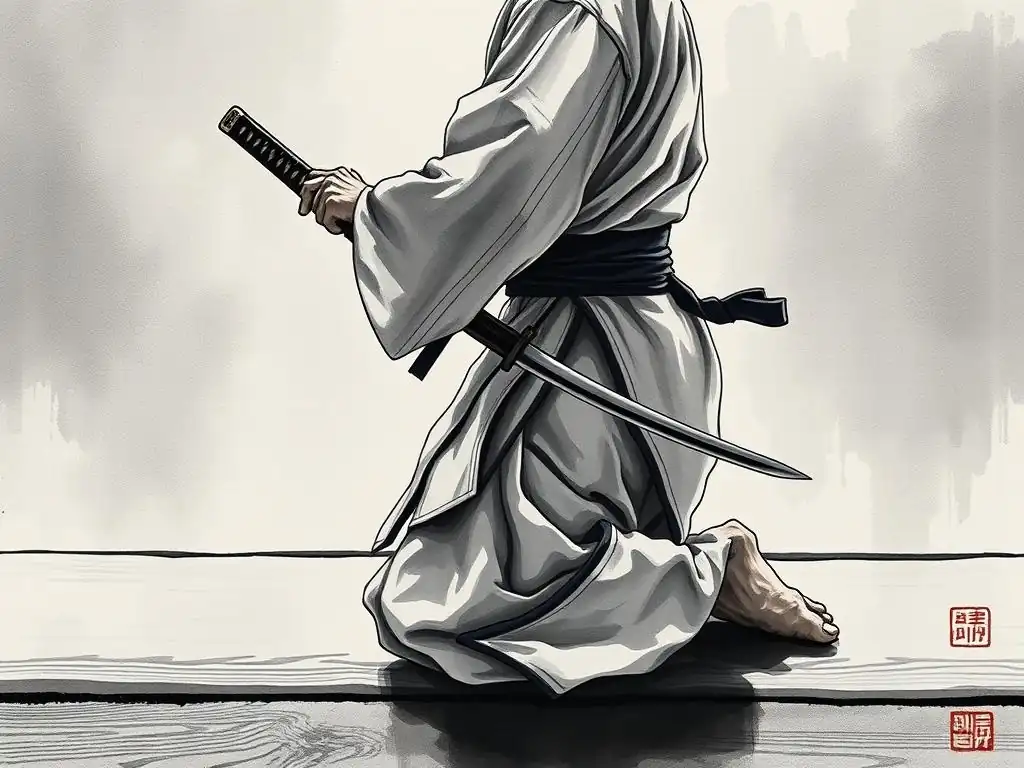
Once the root causes of a plateau have been analyzed, it's time to implement targeted Iaido plateau training strategies. These strategies are designed to disrupt the current routine, challenge the practitioner in new ways, and provide fresh perspectives on familiar techniques. The key is not simply to "do more" of the same, but to "do differently," focusing effort on the specific areas identified during the analysis phase. A combination of approaches often proves most effective, addressing technical, mental, and physical aspects simultaneously.
These practical steps range from revisiting fundamentals with renewed focus to exploring advanced variations and seeking external guidance. Consistency remains important, but intelligent application of varied techniques is paramount. The goal is to break the cycle of repetitive, unproductive practice and inject new energy and insight into the training process. These Iaido plateau training strategies are not quick fixes, but rather deliberate adjustments aimed at fostering deeper understanding and skill development.
Refining Kihon: Returning to the Basics of Iaido Sword Drawing
One of the most powerful Iaido plateau training strategies is a deliberate return to kihon, the fundamental techniques. While seemingly counterintuitive, mastering the basics at a deeper level often unlocks progress in more complex forms. Kihon in Iaido includes foundational movements like proper seiza (kneeling) and tatehiza (half-kneeling), smooth and powerful nukitsuke (draw and cut), strong kiritsuke (finishing cut), controlled chiburi (shaking off blood), and precise noto (sheathing). Even highly experienced practitioners benefit from isolating and perfecting these individual components.
Focusing solely on nukitsuke for an entire training session, for example, paying meticulous attention to grip pressure, wrist action, and hip rotation, can reveal subtle flaws that are masked during full kata execution. Similarly, spending time on noto alone, ensuring the blade slides smoothly and silently into the saya without looking, builds essential sensitivity and control. This focused, repetitive practice of fundamentals, often done slowly initially, builds a stronger foundation upon which more advanced techniques can be built. It's a humbling but highly effective Iaido plateau training strategy that reinforces the core mechanics of sword drawing.
Kata Variations and Exploration: Expanding Your Iaido Repertoire
If practicing the same set of kata has led to monotony and stagnation, exploring variations within your current style or even learning kata from different ryu (schools) can be an effective Iaido plateau training strategy. Within many Iaido styles, there are often different interpretations or emphasis on specific points within a kata. Discussing these variations with senior practitioners or instructors can provide new insights into familiar movements. For instance, how the kiritsuke is executed in Mae might differ slightly between dojo, offering a new technical challenge.
Furthermore, if your training is focused on a specific set like Seitei Iaido, learning kata from a classical koryu (old school) like Muso Shinden Ryu or Muso Jikiden Eishin Ryu can dramatically broaden your understanding and physical capabilities. The different footwork, body mechanics, and philosophical approaches in other ryu can highlight weaknesses in your current practice and introduce entirely new movements and principles. While learning new kata should not replace dedicated practice of your core curriculum, periodic exploration can prevent boredom and stimulate both physical and mental engagement, acting as a powerful Iaido plateau training strategy.
Focused Drills: Isolating and Improving Specific Iaido Movements
Breaking down kata into smaller, isolated drills is a practical Iaido plateau training strategy for addressing specific technical weaknesses. Instead of performing the entire kata, focus intensely on just one or two challenging movements. For example, if you struggle with the transition from nukitsuke to kiritsuke in a particular kata, isolate that sequence. Practice the draw, pause briefly, check your grip and posture, then execute the cut, repeating this specific segment dozens of times until it becomes fluid and powerful.
Another example is isolating the chiburi and noto sequence. Practice drawing the sword, executing an imaginary cut, performing the chiburi, and then sheathing the sword, repeating this sequence without the rest of the kata. This allows for concentrated effort on the precision, control, and timing required for these critical elements. These focused drills allow for higher repetition of challenging parts without the fatigue of performing the entire kata, making it easier to identify and correct errors. This granular approach is an essential component of effective Iaido plateau training strategies.
Cross-Training Benefits: Incorporating Complementary Martial Arts for Iaido Enhancement
Incorporating cross-training in complementary martial arts or physical disciplines can provide significant benefits and help overcome physical limitations contributing to Iaido plateaus. While Iaido is unique, practices that improve general physical attributes like balance, coordination, core strength, and body awareness can directly enhance Iaido performance. For instance, activities like Yoga or Pilates can improve flexibility, core strength, and body control, all crucial for stable stances and fluid movement.
Other martial arts can also offer valuable insights. Training in Judo or Aikido, for example, can improve understanding of kuzushi (breaking balance) and body mechanics, which can subtly inform Iaido movements. Even disciplines like archery (Kyudo) or calligraphy (Shodo) can enhance focus, posture, and breath control, all vital aspects of Iaido. Choosing complementary activities that address your specific physical or mental weaknesses, identified during your plateau analysis, can be an effective indirect Iaido plateau training strategy. A study published in a sports science journal noted that cross-training can improve motor skills and reduce repetitive stress injuries in athletes.
Seeking Expert Guidance: The Value of a Qualified Iaido Instructor
Perhaps the most critical Iaido plateau training strategy is seeking guidance from a qualified and experienced instructor. An instructor can provide an objective perspective on your practice, identifying flaws that you might be unable to see yourself. They can offer personalized corrections, tailored drills, and insights based on years of experience navigating their own training journey and guiding others. For instance, an instructor might immediately spot an issue with your hip movement during the draw or explain a subtle point about breath control that unlocks a new level of understanding.
Regular feedback sessions, whether formal or informal, are invaluable. Don't be afraid to ask specific questions about areas where you feel stuck. A good instructor can not only identify technical issues but also offer advice on mental blocks or suggest specific conditioning exercises. Attending seminars or workshops by different senior instructors can also provide fresh perspectives and new techniques to incorporate into your training. Relying solely on self-correction can be limiting; the external perspective and deep knowledge of a sensei are indispensable for breaking through significant Iaido plateaus.
Advanced Iaido Training Techniques for Plateau Busting
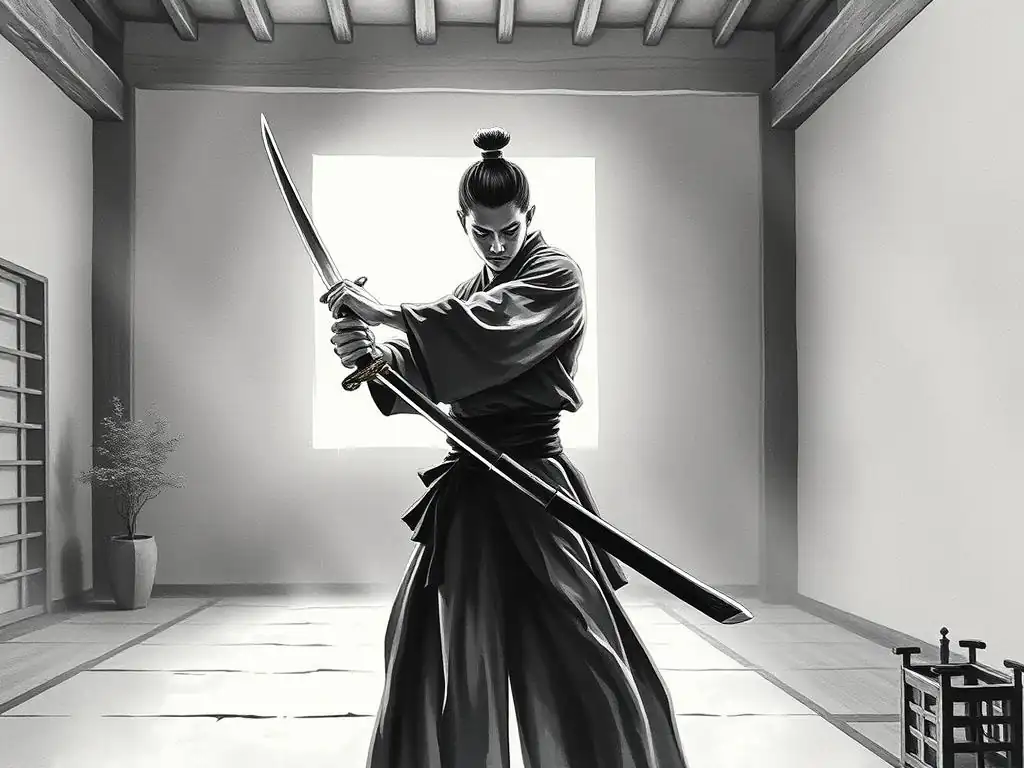
Once the fundamental strategies have been explored, more advanced techniques can be employed to push further and challenge your limits. These methods often require a solid foundation and a high degree of body awareness and mental discipline. They focus on refining the subtle aspects of technique, enhancing mental preparation, and introducing elements of realism or pressure to the practice. Implementing these methods requires dedication and a willingness to step outside the comfort zone of routine practice, serving as powerful Iaido plateau training strategies.
These advanced techniques are not replacements for consistent practice but are tools to sharpen specific skills and deepen the practitioner's understanding. They are particularly useful when the plateau feels less about fundamental errors and more about achieving higher levels of precision, speed, or internal control. Applying these advanced Iaido plateau training strategies can lead to breakthroughs that feel significant and transformative.
Slow Motion Practice: Enhancing Precision and Control in Iaido
Practicing kata or specific movements in slow motion is a highly effective advanced Iaido plateau training strategy. While counterintuitive in an art focused on rapid drawing, slowing down allows for meticulous examination and control of every micro-movement. At full speed, subtle errors in body mechanics, muscle engagement, or weight distribution might be missed; in slow motion, they become apparent. For example, practicing the nukitsuke over several seconds, focusing on the precise path of the blade, the feeling of the saya sliding, and the coordination of the hand and hip movement, reveals nuances missed at speed.
This technique builds incredible body awareness and control. It highlights moments where tension might be held unnecessarily or where transitions are not smooth. By practicing slowly, you train your muscles and nervous system to execute movements with precision and efficiency before attempting them at full speed. This method is particularly useful for refining complex sequences or correcting persistent technical flaws. It requires patience and focus but is a proven method for enhancing the quality of movement and breaking through technical Iaido plateaus.
Visualization Techniques: Improving Mental Rehearsal for Iaido Kata
Visualization, or mental rehearsal, is a powerful psychological tool that can significantly enhance physical performance and help overcome mental blocks, making it an excellent Iaido plateau training strategy. By vividly imagining performing kata perfectly, practitioners can refine their understanding of the movements, improve timing, and build confidence. Find a quiet space, close your eyes, and mentally walk through a kata from start to finish. Focus on the feeling of the sword in your hands, the movement of your body, the breath, and the environment.
Studies in sports psychology have shown that mental rehearsal can activate the same neural pathways as physical practice, leading to improved motor skills. For Iaido, visualization can help solidify the sequence of movements, improve focus and presence ( zanshin), and reduce anxiety. It allows for "practice" when physical training isn't possible and can be used to specifically target challenging sections of a kata. Regularly incorporating visualization into your routine is a subtle yet profound Iaido plateau training strategy that strengthens the mind-body connection.
Partner Drills (Where Applicable): Adding Resistance and Realism to Iaido Training
While Iaido is primarily a solo practice, certain partner drills (conducted safely and under expert supervision, often using bokken or shinai) can add valuable realism and challenge, helping to break through plateaus. These drills are not sparring, but controlled exercises designed to simulate specific scenarios or add external resistance. For example, a partner might provide light resistance during a suburi (cutting drill) to help the practitioner develop stronger core engagement and cutting power.
Another type of partner drill involves reacting to a simple stimulus, such as a partner raising a bokken to simulate an attack, prompting the Iaido practitioner to execute a specific draw or cut. This adds a layer of timing and pressure that solo practice cannot replicate. These drills help bridge the gap between the idealized movements of solo kata and the dynamic reality of encountering an opponent. They challenge the practitioner's maai (distance and timing) and zanshin (awareness). Incorporating safe, controlled partner work is an advanced Iaido plateau training strategy that introduces external variables and improves adaptability.
Competition Preparation: Setting Goals and Testing Your Iaido Skills
Preparing for and participating in Iaido competitions or gradings can be a highly motivating and effective Iaido plateau training strategy. Setting a clear goal, such as performing a specific set of kata in front of judges, provides a concrete objective and timeline for your training. The focused preparation leading up to the event naturally encourages more diligent and purposeful practice. The pressure of performance can highlight strengths and weaknesses that might not be apparent in regular dojo training.
Receiving feedback from judges, who are typically highly experienced practitioners, is invaluable. Their scores and comments provide an objective assessment of your technique, posture, spirit, and overall performance. This feedback can pinpoint specific areas needing improvement, providing a clear roadmap for future training and helping to identify the exact nature of your plateau. While competition isn't for everyone, using the preparation process and evaluation as a diagnostic and motivational tool is a powerful way to break through stagnation and refine your Iaido skills.
Maintaining Momentum and Preventing Future Plateaus in Iaido
Breaking through a plateau is a significant achievement, but the journey doesn't end there. The goal is to maintain momentum and implement practices that minimize the likelihood and duration of future plateaus. Continuous improvement is the hallmark of true mastery in Iaido. This involves adopting a proactive approach to training, incorporating variety, setting ongoing goals, and prioritizing physical and mental well-being. Proactive Iaido plateau training strategies focus on sustainable progress rather than just reacting to stagnation.
Preventing future plateaus is often easier than breaking through an existing one. It requires mindful training, self-awareness, and a commitment to lifelong learning. By embedding certain habits and approaches into your regular routine, you can create a training environment that fosters consistent growth and resilience. These ongoing practices are essential for anyone serious about long-term development in Iaido.
Goal Setting and Progress Tracking in Iaido
Setting clear, measurable, achievable, relevant, and time-bound (SMART) goals is a fundamental practice for maintaining momentum and preventing future Iaido plateaus. Goals provide direction and motivation. Instead of a vague goal like "get better at Iaido," set specific objectives such as "improve the speed and precision of nukitsuke in Mae by practicing 20 repetitions daily for the next month" or "master the footwork pattern in Uke Nagashi within three months."
Tracking your progress towards these goals is equally important. This could involve keeping a training journal, occasionally video recording your practice to compare against previous attempts, or regularly checking in with your instructor. Seeing tangible evidence of improvement, even small steps, reinforces positive habits and provides motivation during challenging periods. This structured approach to goal setting and tracking is a core preventative Iaido plateau training strategy.
Varying Your Iaido Training Routine to Avoid Boredom
Monotony is a major contributor to mental plateaus. Regularly varying your training routine keeps practice fresh, challenging, and engaging. While consistent repetition of kata is necessary, the way you practice can be varied. This could involve changing the order of kata you practice, focusing on different aspects each session (e.g., one session on posture, the next on timing), practicing at different speeds (slow motion vs. full speed), or incorporating focused drills.
If your dojo allows, occasionally practicing in a different environment (e.g., outdoors if safe and permitted) can also provide a change of perspective. Attending seminars or workshops outside your regular dojo introduces new ideas and training partners. Incorporating cross-training, as mentioned earlier, also adds variety. Proactively injecting variation into your routine is a simple yet effective Iaido plateau training strategy to keep the mind engaged and prevent stagnation before it sets in.
Continuous Learning and Research in Iaido
Iaido is a deep and complex art with layers of technical, historical, and philosophical understanding. A commitment to continuous learning beyond physical practice is vital for long-term growth and preventing intellectual plateaus. Read books and articles about the history of your ryu and Iaido in general. Study the lives and teachings of legendary swordsmen and Iaido masters. Explore the philosophical underpinnings of the art, such as concepts like mushin (empty mind) or fudoshin (immovable mind).
Listening to lectures or discussions by senior practitioners, watching instructional videos (critically, and preferably from reputable sources aligned with your style), and engaging in discussions with fellow practitioners can deepen your appreciation and understanding. This intellectual engagement keeps the art fresh and provides new perspectives that can inform and improve your physical practice. This ongoing quest for knowledge is a powerful, albeit indirect, Iaido plateau training strategy that nourishes the mind and spirit.
Prioritizing Recovery and Injury Prevention in Iaido
Neglecting physical recovery and injury prevention can lead to physical plateaus or even force unwanted breaks in training. Overtraining without adequate rest can lead to fatigue, decreased performance, and increased risk of injury. Listen to your body and ensure you are getting enough sleep and proper nutrition. Incorporate stretching or mobility exercises into your routine to maintain flexibility and prevent stiffness.
Be mindful of proper form during practice to avoid strain, particularly on joints like wrists, elbows, and knees. If you experience persistent pain, seek advice from a medical professional. Taking short, planned breaks from intense training can also be beneficial, allowing the body and mind to recover and consolidate learning. Prioritizing physical well-being is not a sign of weakness but a smart, long-term Iaido plateau training strategy that ensures consistency and longevity in your practice.
Conclusion: Embracing the Journey of Continuous Improvement in Iaido
Plateaus are an inevitable part of the Iaido training journey, but they are not insurmountable obstacles. They are signposts indicating that it is time to analyze your practice, adjust your approach, and apply targeted Iaido plateau training strategies. By understanding the nature of stagnation, honestly assessing its root causes – whether technical, mental, physical, or environmental – and implementing practical and advanced techniques, practitioners can break through these periods and emerge stronger and more skilled.
The path of Iaido is one of continuous refinement. There is no ultimate destination, only the ongoing process of learning and improvement. Embracing plateaus as opportunities for deeper introspection and growth transforms them from frustrations into valuable learning experiences. By setting goals, varying your training, seeking guidance, and prioritizing your well-being, you can maintain momentum and prevent future stagnation. The true art lies not just in the perfect execution of forms, but in the dedication to the process, the resilience in the face of challenge, and the unwavering spirit of continuous improvement.
Frequently Asked Questions
How can I identify if I've hit a plateau in my Iaido training?
A plateau is often characterized by a lack of noticeable improvement despite consistent practice. You might feel like your techniques aren't progressing, your speed isn't increasing, or your precision remains stagnant. This can be frustrating and demotivating.
What are some common causes of plateaus in Iaido?
Plateaus often arise from repetitive practice without variation or a lack of focused attention on specific weaknesses. Insufficient feedback from instructors or neglecting fundamental drills can also contribute.
What specific training strategies can help overcome an Iaido plateau?
Focus on breaking down complex movements into smaller, manageable steps. Incorporate cross-training exercises to improve relevant physical attributes like strength and flexibility. Seek out feedback from experienced instructors and peers.
How important is mental discipline in overcoming a plateau in Iaido?
Mental discipline is crucial. Cultivate patience and perseverance. Visualization techniques and mindfulness can help maintain focus and identify mental blocks hindering progress.
How often should I reassess my Iaido training approach to avoid plateaus?
Regular self-assessment is key. Periodically review your goals and training methods. Adjust your approach every few months to introduce new challenges and prevent stagnation.
Final Reflection: Embracing the Perpetual Journey
The journey of Iaido, like any pursuit of mastery, is rarely a linear ascent. The plateaus we encounter are not roadblocks, but rather invitations to deepen our understanding and refine our technique. Recognizing this shift in perspective is crucial, not just for Iaido practitioners, but for anyone striving for excellence in any field.
The struggle against stagnation is a universal human experience, and Iaido offers a powerful metaphor for navigating these challenges. My own practice has taught me that true progress often lies not in brute force, but in subtle adjustments and a willingness to re-examine fundamental principles. The ultimate aim of martial arts is not having to use them.
This quote, often attributed to Miyamoto Musashi, reminds us that the true value lies in the self-cultivation and inner peace that comes from disciplined practice, even when progress seems slow.
So, I invite you, whether you are a seasoned Iaido practitioner or simply facing a plateau in your own life, to embrace the challenge. Revisit your foundations, seek guidance from others, and most importantly, cultivate patience and self-compassion. The path to mastery is a perpetual journey, and the plateaus are simply opportunities to learn and grow. Let us all strive to find the beauty and the wisdom within the struggle, and emerge stronger and more resilient on the other side.
Ignite Your Iaido Journey!
Thank you for exploring the path to Iaido mastery with us. We hope you've gained valuable insights to overcome those frustrating plateaus. Now, let's turn that knowledge into action and revitalize your training:
- Commit to One Specific Drill for 15 minutes daily, focusing on precision and mindfulness, to break through your current stagnation.
- Share your biggest Iaido challenge in the comments below to foster a supportive community and receive personalized advice from fellow practitioners.
- Surprise yourself! Explore a related martial art, like Kendo or Aikido, for a single introductory session. This cross-training can unexpectedly unlock new perspectives and deepen your understanding of movement.
Ready to reignite your passion for Iaido and embark on a journey of continuous improvement? Share your biggest takeaway from this article!