
The Role of Awareness in Systema: Connecting Breath, Relaxation, and Movement


Welcome to Martial Arts Mastery, your gateway to the world's most compelling fighting traditions. Dive deep into the intricacies of Systema, the Russian martial art renowned for its fluid movements and psychological depth. Ever wondered how Systema breath awareness techniques unlock a deeper level of control and resilience? Explore this fascinating connection and begin your journey to mastering mind, body, and spirit. Continue reading to discover how this fundamental principle can revolutionize your training.
- Introduction to Systema and the Importance of Awareness
- Systema Breath Awareness Techniques: The Foundation of Movement
- Relaxation as a Key Component of Systema: Cultivating Inner Calm
- Connecting Breath, Relaxation, and Movement: The Systema Triangle
- Practical Applications of Systema Awareness in Self-Defense
- Advanced Systema Training: Deepening Awareness and Control
- The Benefits of Systema Breath Awareness Techniques: Beyond Self-Defense
- Conclusion: Mastering Systema Through Heightened Awareness
-
Frequently Asked Questions
- What is the core principle linking breath awareness to movement in Systema?
- How does Systema breath awareness differ from other martial arts breathing techniques?
- What benefits can one expect from practicing Systema breath awareness techniques regularly?
- How does breath awareness contribute to Systema's self-defense strategies?
- Where can I find resources to learn more about Systema breath awareness techniques?
- Final Reflection: Embracing Awareness for Flow
- Unleash Your Inner Systema: Connect, Breathe, and Move!
Introduction to Systema and the Importance of Awareness
Understanding Systema: Beyond Physical Techniques
Systema, the traditional martial art of Russia, stands apart from many other combat disciplines. It is not primarily defined by a rigid set of techniques, katas, or stances. Instead, Systema is a principles-based art focused on natural, fluid movement, efficient body mechanics, and profound internal control.
While it encompasses striking, grappling, joint locks, and weapon work, the core emphasis lies on developing the practitioner's internal state – specifically, their awareness, breath, relaxation, and posture (often referred to as the four pillars). This internal focus is what allows a Systema practitioner to adapt to any situation, whether it's a physical confrontation, a stressful work environment, or simply navigating daily life with greater ease and efficiency. The goal is not just to win a fight, but to cultivate a state of readiness, health, and psychological resilience.
Unlike arts that rely on memorizing hundreds of specific counters or forms, Systema trains the body and mind to react naturally and effectively based on underlying principles. This means understanding how forces affect the body, how to move efficiently under pressure, and critically, how to manage fear and tension. The training often involves dynamic, non-cooperative drills designed to challenge a practitioner's ability to remain calm, breathe correctly, and move freely when under duress. This emphasis on internal control and adaptability is a hallmark of Systema and distinguishes it from many sport-oriented or technique-heavy martial arts.
The Central Role of Awareness in Systema Training
Awareness is arguably the most fundamental principle in Systema, acting as the bedrock upon which breath, relaxation, and movement are built. It encompasses a multi-layered perception: awareness of one's own body (internal tension, breathing, posture), awareness of the environment (obstacles, footing), awareness of the opponent (movement, intent, physical state), and awareness of the overall situation (threat level, escape routes). Without a high level of awareness, a practitioner cannot effectively apply any other principle. For instance, recognizing tension in one's own shoulder is the first step towards relaxing it; noticing an opponent's subtle weight shift allows for a preemptive response.
Systema training actively cultivates this heightened state of awareness through various drills that challenge sensory perception and the ability to process information under stress. Simple exercises might involve moving through confined spaces with eyes closed, or sensing an opponent's movement through light touch. More complex drills could involve multiple attackers or unexpected scenarios, forcing the practitioner to maintain situational awareness while managing their own internal state. This constant practice in expanding and refining awareness is what enables Systema practitioners to react instinctively and appropriately to unforeseen circumstances, making it a truly practical system for self-defense and overall well-being.
Systema Breath Awareness Techniques: The Foundation of Movement
Deep Dive into Systema Breathing: More Than Just Oxygen
Systema breathing is far more than just the physiological process of inhaling and exhaling; it is a conscious tool used for physical, mental, and emotional regulation. Unlike many martial arts that might focus on specific power breaths or holding breath during exertion, Systema emphasizes continuous, natural, and often deep breathing. The core principle is to breathe through everything – through pain, through fear, through exertion.
This constant connection to the breath prevents the body from tensing up, which is a natural reaction to stress or impact. Tension restricts movement, consumes energy, and impairs clear thinking. By maintaining proper breathing, a practitioner can mitigate these negative effects.
Specific Systema breath awareness techniques involve focusing on the diaphragm, ensuring full inhalation and complete exhalation. There is often an emphasis on breathing through the nose as much as possible, even during strenuous activity, as this filters air, regulates temperature, and promotes a calmer state. Training involves drills where practitioners are subjected to light strikes or joint locks and instructed to breathe into the discomfort, using the exhale to release tension and manage pain. This practice fundamentally shifts the perception of pain and stress, transforming them from debilitating forces into signals that can be managed through conscious respiratory control.
Developing Breath Awareness: Exercises and Drills
Developing true breath awareness in Systema requires dedicated practice beyond simply being reminded to breathe. Beginner exercises often start with simple mindful breathing: lying down or sitting comfortably and focusing solely on the sensation of air entering and leaving the body, noticing the rise and fall of the abdomen. From this foundation, practitioners progress to more dynamic drills. One common exercise involves gentle, rhythmic breathing while performing slow, continuous movements, such as rolls or falls, ensuring the breath remains smooth and uninterrupted.
Another effective drill involves performing simple physical tasks, like push-ups or squats, while consciously regulating the breath, perhaps exhaling on exertion and inhaling on release, but always maintaining a continuous flow. More advanced Systema breath awareness techniques involve breathing exercises designed to manage specific types of stress or impact.
For example, 'wave breathing' might be used to absorb a strike, using the exhale to ripple tension away from the point of impact. These systematic drills build the practitioner's ability to maintain conscious control over their breathing under increasingly challenging physical and psychological conditions, making breath awareness an automatic response rather than a forced technique.
How Breath Awareness Impacts Relaxation and Control
The direct link between breath awareness and relaxation is a cornerstone of Systema principles. When a person holds their breath or breathes shallowly, it triggers the body's stress response, activating the sympathetic nervous system. This leads to muscle tension, increased heart rate, and impaired cognitive function – precisely the opposite of what is needed in a stressful situation. Conversely, conscious, deep, and rhythmic breathing activates the parasympathetic nervous system, promoting a state of calm and relaxation.
By practicing Systema breath awareness techniques, individuals learn to use their breath as an immediate tool to counteract tension. When faced with a perceived threat or physical challenge, the trained response is not to tense up and hold breath, but to consciously deepen and regulate the breathing. This deliberate act sends a signal to the nervous system to relax, reducing unnecessary muscle tension and preserving energy. This relaxed state, maintained through breath, is not one of passivity, but one of readiness and heightened control, allowing for faster reactions, more efficient movement, and clearer decision-making under pressure.
Relaxation as a Key Component of Systema: Cultivating Inner Calm
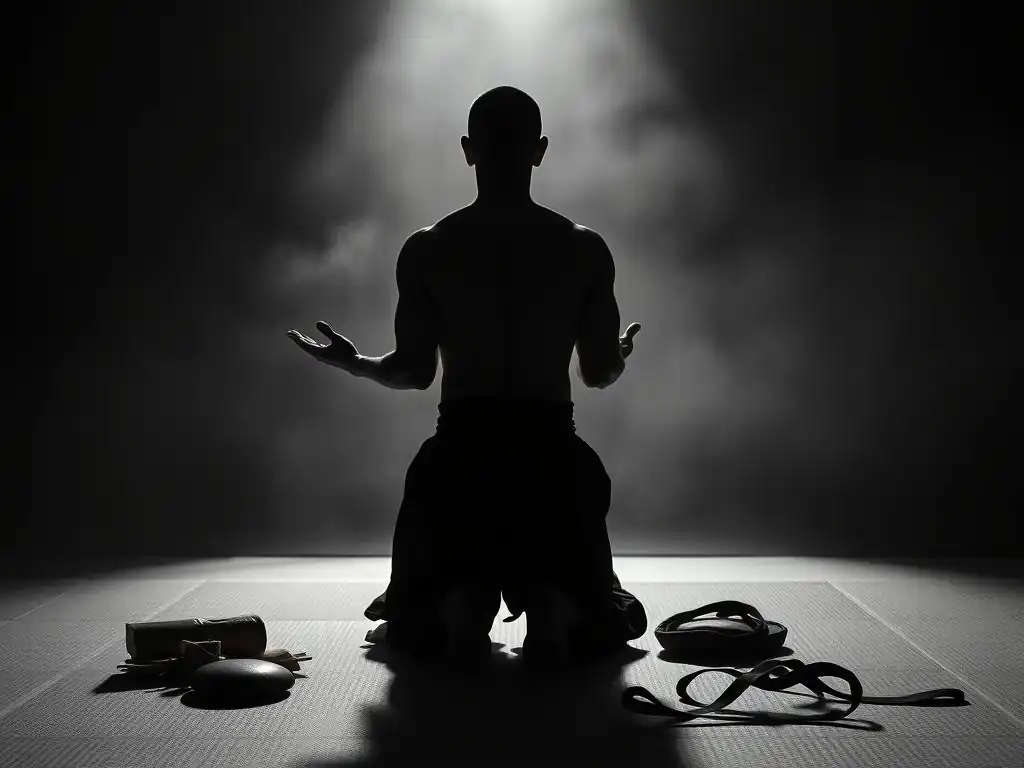
The Connection Between Breath and Relaxation in Systema
As previously discussed, the relationship between breath and relaxation in Systema is cyclical and mutually reinforcing. Conscious, correct breathing induces relaxation, and a relaxed state facilitates deeper, more efficient breathing. Systema training emphasizes breaking the common human tendency to tense up when under stress or expecting impact. This inherent tension is seen as the primary obstacle to efficient movement and clear thought. By focusing on Systema breath awareness techniques, practitioners gain the immediate means to release this tension.
For example, during a drill where a partner applies pressure or a light strike, the practitioner is coached to breathe into the area of contact, using the exhale to consciously let go of any muscular contraction around it. Over time, this practice rewires the body's automatic response.
Instead of tensing defensively, the body learns to absorb impact or pressure by yielding and relaxing, facilitated by the breath. This deep connection means that Systema relaxation is not a passive state of being limp, but an active process of releasing unnecessary tension while maintaining structural integrity and readiness, directly driven by conscious breath control.
Relaxation Techniques for Stress Management and Combat Readiness
Systema employs various methods to cultivate relaxation, extending beyond just breathwork. These techniques are designed to be applicable both in training scenarios and real-life stress. One fundamental approach involves body scanning – mentally checking through the body, from head to toe, identifying and consciously releasing areas of tension. This can be done during warm-ups, cool-downs, or even during breaks in training. Another technique involves 'shaking' or vibratory movements, which help to physically loosen muscles and release stagnant energy or tension held within the body.
Beyond physical methods, Systema also incorporates mental approaches to relaxation. This includes focusing on the present moment, accepting discomfort without resisting it, and managing fear by acknowledging it and breathing through it, rather than trying to suppress it.
The goal is to achieve a state of relaxed readiness – a body that is pliable and free from unnecessary stiffness, combined with a mind that is calm, alert, and capable of processing information quickly. This state is crucial for combat readiness, as it allows for fluid movement, efficient generation of force, and the ability to adapt instantly to changing circumstances, all while conserving energy.
Achieving a Relaxed State: Mental and Physical Strategies
Achieving a true state of relaxation in Systema is a continuous process that integrates both mental and physical strategies. Physically, it involves regular practice of drills that challenge the body's natural tendency to tense. This includes working through pain or discomfort using breath, practicing falling and rolling to become comfortable with yielding, and engaging in slow, deliberate movements that highlight efficient body mechanics without strain. The physical aspect is about training the body to operate with minimum necessary tension.
Mentally, the strategies involve cultivating a specific mindset. This includes letting go of the ego's need to resist or appear strong, accepting vulnerability, and learning to remain calm and focused even when feeling fear or anxiety. Visualization plays a role, imagining oneself moving freely and efficiently.
Moreover, the constant practice of Systema breath awareness techniques serves as the primary mental anchor, providing an immediate tool to return to a state of calm whenever tension arises. By integrating these physical release methods with mental discipline and consistent breathwork, practitioners gradually cultivate a state of relaxed efficiency that permeates all aspects of their training and daily life.
Connecting Breath, Relaxation, and Movement: The Systema Triangle
Integrating Breath Awareness into Systema Movement
The integration of breath awareness into movement is fundamental to Systema's unique approach. Movement is not performed despite the breath, but driven by it. Each movement, whether a step, a strike, or a fall, is linked to the respiratory cycle. This doesn't mean rigidly inhaling or exhaling at specific points in a technique, but rather maintaining a continuous, adaptable flow of breath throughout the entire sequence of motion. Systema breath awareness techniques are practiced during all physical activities, from simple walking drills to complex combat scenarios.
During training, practitioners are constantly reminded to check their breathing while moving. Are they holding their breath during exertion? Are they breathing shallowly when stressed? The goal is to synchronize the natural rhythm of breath with the rhythm of movement, allowing the breath to facilitate fluidity and power.
For instance, a powerful exhalation can accompany a strike, not just for force generation, but to prevent tension build-up in the striking limb and torso. Conversely, a deep inhalation might precede or accompany a yielding movement, preparing the body to absorb force. This conscious integration ensures that movement remains natural, efficient, and free from the restrictions imposed by held breath and tension.
Relaxation's Influence on Fluid and Efficient Motion
Relaxation is the lubricant that allows Systema movement to be fluid, powerful, and efficient. When muscles are tense, they work against each other, requiring significantly more energy to perform even simple actions. This tension also restricts range of motion and slows down reaction time. A relaxed body, however, can move with minimal internal resistance. Forces can flow through the structure rather than being absorbed and stopping motion.
Consider the difference between a stiff, robotic movement and a smooth, whip-like action. The latter is possible only when the body is relaxed, allowing momentum to build and transfer efficiently through the kinetic chain. In Systema, relaxation allows practitioners to absorb impacts by yielding and redirecting force, rather than rigidly blocking it.
It enables swift, unpredictable changes in direction and level. Furthermore, a relaxed state conserves energy, crucial for prolonged engagements or managing multiple opponents. The ability to relax while moving is a core skill, honed through drills where practitioners must maintain fluidity and release tension even when subjected to resistance or unexpected forces.
The Synergistic Relationship: Breath, Relaxation, and Movement
The true power of Systema lies in the synergistic relationship between breath, relaxation, and movement. These three elements are not separate principles but facets of a single, integrated state of being and action. Breath awareness enables relaxation; relaxation facilitates fluid and efficient movement; and fluid movement, when performed with proper mechanics, supports natural, continuous breathing. They form a dynamic triangle where improvement in one area positively impacts the others.
When practicing Systema breath awareness techniques, the immediate benefit is a reduction in physical and mental tension (relaxation). This relaxed state, in turn, allows the body's structure to align naturally, enabling movements that are free from unnecessary restriction and performed with minimal effort (movement). As movement becomes more efficient and less taxing, the practitioner can maintain consistent, deep breathing, further enhancing relaxation and stamina. This continuous feedback loop is what allows Systema practitioners to operate effectively under extreme stress, adapting seamlessly to chaotic environments. Mastering this interconnectedness is the path to true proficiency in Systema.
Practical Applications of Systema Awareness in Self-Defense
Using Breath Awareness to De-escalate Conflict
Systema awareness extends beyond physical combat to include the crucial phase of conflict de-escalation. Maintaining breath awareness is a powerful tool in this context. When confronted with an aggressive individual, the natural physiological response is often increased heart rate, shallow breathing, and tension – signs of stress that can escalate the situation. By consciously regulating the breath, employing Systema breath awareness techniques, an individual can manage their own internal state, projecting calm rather than fear or aggression.
Deep, steady breathing helps to quiet the nervous system, allowing for clearer thinking and better access to verbal skills. It enables the individual to listen actively and respond thoughtfully, rather than reacting impulsively out of fear. Furthermore, a visibly calm demeanor, supported by regulated breathing, can sometimes subtly influence the aggressor, as confidence and lack of panic can be disarming. While not a guaranteed solution, using breath awareness to maintain internal calm significantly increases the chances of successfully de-escalating a potentially violent encounter before physical techniques become necessary.
Maintaining Relaxation Under Pressure: Staying Calm in a Fight
One of the most challenging aspects of self-defense is maintaining effectiveness under the intense pressure of a physical confrontation. Fear, adrenaline, and the instinct to survive can lead to extreme tension, often described as "freezing" or becoming overly rigid. This tension severely degrades motor skills, strategic thinking, and stamina. Systema's emphasis on relaxation, honed through countless hours of drills under pressure, is specifically designed to counter this.
By practicing relaxation techniques and Systema breath awareness techniques during sparring and stress drills, practitioners train their bodies and minds to default to a state of relaxed readiness even when subjected to simulated violence or unexpected attacks. The ability to release tension on impact, to breathe through pain, and to maintain fluid movement despite resistance means the practitioner conserves energy, remains less susceptible to injury from rigidity, and can continue to execute techniques effectively. This allows for sustained performance and the ability to adapt tactics as the situation evolves, rather than becoming overwhelmed and ineffective after the initial shock.
Enhancing Movement Efficiency Through Focused Awareness
Focused awareness, particularly awareness of one's own body and its connection to breath and relaxation, directly enhances movement efficiency in self-defense. In a dynamic situation, wasted movement is wasted energy and lost time. Tension, poor posture, and inefficient body mechanics all stem from a lack of awareness of how the body is moving and holding itself. Systema training cultivates the ability to constantly monitor one's own physical state.
This means being aware of where tension is held (e.g., clenched fists, tight shoulders) and consciously releasing it using breath. It involves being aware of one's balance and structure, ensuring movement originates from the core and uses the whole body synergistically, rather than relying on isolated muscle strength. By maintaining this internal awareness while also being aware of the external threat, a practitioner can execute movements that are direct, powerful, and economical. This enhanced efficiency allows for faster reactions, more impactful strikes or effective grappling entries with less effort, and the ability to sustain the effort required for self-preservation.
Advanced Systema Training: Deepening Awareness and Control

Cultivating Sensitivity: Feeling Your Opponent's Intentions
Advanced Systema training delves deeper into the refinement of awareness, extending it to a subtle sensitivity towards an opponent. This goes beyond simply seeing their physical movements; it involves developing the ability to feel their structure, tension, and even their underlying intentions through physical contact or subtle cues. This sensitivity is directly linked to the practitioner's own state of relaxation and heightened internal awareness, facilitated by consistent Systema breath awareness techniques.
When a practitioner is deeply relaxed and their own breath is flowing naturally, their sense of touch and proprioception becomes more acute. They can feel subtle shifts in weight, changes in muscle tension, or the direction of force application from an opponent more clearly. This allows for incredibly subtle adjustments in response – yielding slightly to redirect force, feeling an opening develop before it's visually obvious, or sensing the initiation of an attack microseconds before it fully manifests. This level of sensitivity, cultivated through specific partner drills focusing on touch and pressure, allows for highly intuitive and efficient responses.
Developing Intuition: Reacting Instinctively and Effectively
Intuition in Systema is not mystical; it is the result of highly refined awareness and extensive practice, particularly the integration of Systema breath awareness techniques into subconscious action. As awareness deepens and the connection between breath, relaxation, and movement becomes automatic, the practitioner no longer needs to consciously analyze every aspect of a situation. Instead, the body and mind react instinctively and effectively based on the principles ingrained through training.
This intuitive response is possible because the practitioner's system is operating optimally: the breath is maintaining calm, the body is relaxed and ready, and the awareness is processing information at a high level, even below conscious thought. Drills designed to develop intuition often involve unexpected attacks or scenarios where the practitioner must react instantly without time for deliberation. By consistently training to respond from a place of relaxed awareness, rather than panicked thought, practitioners develop the ability to make the right decision and execute the appropriate action spontaneously, leveraging their ingrained understanding of movement, force, and human physiology.
Integrating Awareness into Sparring and Drills: Real-World Application
The true test of Systema awareness, and the integration of breath, relaxation, and movement, comes in dynamic, unpredictable sparring and drill environments that simulate real-world application. It is relatively easy to maintain awareness and a relaxed state during solo practice or compliant drills. The challenge is to keep these principles intact when facing resistance, unexpected force, and the psychological pressure of an opponent actively trying to disrupt you.
Advanced training involves sparring scenarios with varying levels of intensity and unpredictability, where practitioners are constantly coached to check their breath, identify and release tension, and maintain awareness of themselves and their partner. Drills might involve working against multiple opponents, navigating obstacles, or dealing with simulated injuries, all while striving to uphold the four pillars. This consistent practice under duress solidifies the integration of Systema breath awareness techniques and the principles of relaxation and movement, making them reliable tools that can be accessed automatically when needed most in a self-defense situation.
The Benefits of Systema Breath Awareness Techniques: Beyond Self-Defense
Improved Physical Health: Reducing Stress and Enhancing Circulation
The consistent practice of Systema breath awareness techniques offers significant benefits for physical health that extend far beyond combat readiness. Chronic stress is a major contributor to various health problems, including cardiovascular issues, digestive disorders, and weakened immune function. By teaching the body and mind to manage stress through conscious breathing and relaxation, Systema helps to mitigate these risks. Deep, diaphragmatic breathing, a core component of Systema breathwork, is known to stimulate the vagus nerve, promoting the body's relaxation response and lowering stress hormone levels like cortisol.
Furthermore, improved breathing mechanics enhance oxygen exchange and circulation. Efficient breathing ensures that muscles and organs receive adequate oxygen, improving overall function and stamina. Relaxed muscles allow for better blood flow. While specific clinical data tied only to Systema breathwork is limited, the general physiological benefits of deep, controlled breathing and stress reduction are well-documented across various disciplines, including yoga and mindfulness practices, showing effects such as improved heart rate variability and lower resting heart rate in regular practitioners. Systema leverages these same fundamental physiological pathways for improved physical well-being.
Enhanced Mental Clarity: Improving Focus and Concentration
The mental discipline required for Systema breath awareness techniques directly translates into improved cognitive function, particularly enhanced focus and concentration. The act of consciously observing and regulating the breath trains the mind to stay present and resist distraction. This mental training is analogous to meditation, where focusing on the breath is a common anchor for attention.
By practicing maintaining breath awareness during dynamic and stressful drills, practitioners develop the ability to remain calm and focused even in chaotic environments. This mental resilience is invaluable not only in self-defense but also in daily life – during demanding work tasks, studying, or navigating complex problems. The ability to quiet mental chatter and direct attention effectively, a skill honed through consistent breath and awareness practice in Systema, leads to improved productivity, better decision-making, and reduced mental fatigue.
Emotional Resilience: Developing Emotional Regulation Skills
Systema's focus on breathing through fear, pain, and discomfort cultivates profound emotional resilience. By training practitioners to accept uncomfortable sensations and emotions (like fear or anger) and manage them through breath and relaxation, rather than being overwhelmed by them, Systema provides practical tools for emotional regulation. Systema breath awareness techniques teach individuals that they have agency over their internal state, even when external circumstances are challenging.
During intense drills, practitioners learn that panicking or giving in to fear only exacerbates the situation. Instead, by focusing on their breath and working to relax, they can regain control of their physical and mental faculties. This repeated experience builds confidence in one's ability to handle difficult emotions. Over time, this translates into greater emotional stability and the capacity to navigate the ups and downs of life with greater equanimity. The practice of Systema, particularly its emphasis on breath and awareness, becomes a pathway to developing a robust inner core, capable of weathering psychological storms.
Conclusion: Mastering Systema Through Heightened Awareness
The Ongoing Journey of Self-Discovery Through Systema
Mastering Systema is not a destination but an ongoing journey of self-discovery, deeply intertwined with the continuous refinement of awareness. It is a path that encourages practitioners to constantly explore their own physical and psychological limitations, and to expand their capabilities through dedicated practice of core principles. The focus on Systema breath awareness techniques, relaxation, and natural movement means that training is not just about learning how to handle external threats, but about understanding and mastering one's internal landscape.
Each training session offers an opportunity to deepen awareness – noticing subtle tensions previously overlooked, becoming more sensitive to the body's signals, or discovering new ways to use breath to enhance movement or manage stress. This introspective aspect makes Systema a deeply personal martial art, where progress is measured not just by external performance but by the refinement of one's internal state. The journey is one of peeling back layers of tension, fear, and inefficient habits to reveal a more natural, capable, and resilient self.
Embracing the Principles of Breath, Relaxation, and Movement
Ultimately, proficiency in Systema hinges on truly embracing and integrating the core principles of breath, relaxation, and movement, all underpinned by heightened awareness. These are not theoretical concepts but practical tools that must be cultivated and applied consistently in training and in life. Systema breath awareness techniques provide the immediate means to manage one's state. Relaxation ensures efficiency and adaptability. Natural movement allows for effortless power and resilience.
By dedicating oneself to the practice of these principles, the Systema practitioner develops a unique capacity to function effectively under pressure, maintain health and vitality, and navigate the complexities of the world with a calm mind and a capable body. The journey towards mastery is one of continuous practice, deepening the connection between these fundamental elements, and allowing the principles to permeate every action, leading to a state of integrated awareness and effortless power.
Frequently Asked Questions
What is the core principle linking breath awareness to movement in Systema?
The core principle is using breath as a tool to manage tension and facilitate fluid, adaptable movement. This connection allows for greater efficiency and responsiveness in any situation.
How does Systema breath awareness differ from other martial arts breathing techniques?
Systema focuses on natural, relaxed breathing rather than forced or rhythmic patterns. This allows for adaptability and prevents predictability, crucial for effective self-defense.
What benefits can one expect from practicing Systema breath awareness techniques regularly?
Regular practice can lead to improved relaxation, enhanced body awareness, and increased resilience to stress. This translates to better physical and mental performance.
How does breath awareness contribute to Systema's self-defense strategies?
By remaining calm and aware of your breath, you can better assess threats and react appropriately. This prevents panic and allows for more effective defensive maneuvers.
Where can I find resources to learn more about Systema breath awareness techniques?
MartialArtsMastery.org offers articles, videos, and potentially training programs dedicated to Systema. Look for content specifically focusing on breathwork and relaxation techniques.
Final Reflection: Embracing Awareness for Flow
The journey through Systema breath awareness techniques reveals more than just physical exercises; it unveils a path to unleashing our innate potential. Understanding how breath, relaxation, and movement intertwine is not merely an academic exercise but a vital skill in navigating the complexities of modern life, offering a powerful antidote to stress and a gateway to enhanced performance in all areas.
This exploration of Systema's principles has profoundly impacted my understanding of the mind-body connection. It's a constant reminder that true strength lies not just in physical prowess, but in our ability to remain present and adaptable. As Systema founder Mikhail Ryabko wisely stated: Systema is not about fighting; it's about living.
This quote encapsulates the essence of Systema: a holistic approach that extends far beyond the mat and into the very fabric of our daily existence.
Now, I invite you to consider how these principles of breath awareness, relaxation, and fluid movement can enrich your own life. Take a moment to breathe deeply, release tension, and connect with your body. Embrace the power of awareness, and discover the untapped potential that lies within you, waiting to be awakened.
Unleash Your Inner Systema: Connect, Breathe, and Move!
Thank you for diving into the art of Systema with us! We hope you've gained valuable insights into how awareness can transform your practice and life. Now, it's time to take those insights and turn them into action.
Here's how you can deepen your connection with Systema:
- Commit to 15 minutes of daily focused breathing exercises, consciously observing how your body responds and adjusts.
- Explore related martial arts styles like Aikido or Tai Chi to broaden your understanding of movement and energy.
- Share your biggest takeaway from this article with a fellow martial artist and discuss how you can support each other's growth.
What small, conscious movement will you integrate into your day today to enhance your awareness?