
The Importance of Debriefing in Krav Maga Scenario Training


Welcome to Martial Arts Mastery, your gateway to unlocking the secrets of combat and self-discovery! Are you ready to elevate your Krav Maga training beyond mere drills? Dive into our in-depth exploration of the Krav Maga scenario debriefing process, a critical yet often overlooked element that transforms realistic simulations into profound learning experiences. Discover how to dissect your performance, identify areas for improvement, and truly master the art of self-defense under pressure. The fight is never truly over until the debrief is complete. Curious to learn how to maximize your gains? Read on!
- Understanding the Critical Role of Debriefing in Krav Maga Training
-
The Krav Maga Scenario Debriefing Process: A Step-by-Step Guide
- Step 1: Immediate Post-Scenario Assessment: The First Impressions
- Step 2: Individual Reflection: Analyzing Personal Performance
- Step 3: Group Discussion: Sharing Experiences and Insights
- Step 4: Instructor Feedback: Providing Expert Guidance
- Step 5: Identifying Areas for Improvement: Creating a Training Roadmap
-
Key Elements of an Effective Krav Maga Debriefing Session
- Creating a Safe and Supportive Environment for Open Communication
- Focusing on Learning, Not Blame: A Constructive Approach
- Utilizing Video Analysis: Reviewing Performance Objectively
- Addressing Psychological Aspects: Managing Stress and Fear
- Emphasizing Tactical Decision-Making: Improving Judgment Under Pressure
-
Benefits of Implementing a Consistent Krav Maga Scenario Debriefing Process
- Enhanced Skill Development: Accelerating the Learning Curve
- Improved Decision-Making Under Pressure: Sharpening Mental Agility
- Increased Self-Awareness: Understanding Strengths and Weaknesses
- Greater Confidence in Self-Defense Abilities: Building Mental Resilience
- Better Retention of Training Concepts: Reinforcing Knowledge and Skills
-
Common Mistakes to Avoid in Krav Maga Debriefing Sessions
- Neglecting Individual Reflection: Missing Opportunities for Personal Growth
- Allowing the Session to Become a Criticism Session: Undermining Confidence
- Failing to Address Psychological Factors: Ignoring Emotional Impact
- Overlooking Tactical Errors: Missing Critical Learning Points
- Ignoring the Importance of the Instructor's Role: Lacking Expert Guidance
- Integrating Debriefing into Your Krav Maga Training Curriculum
- Conclusion: Mastering the Krav Maga Scenario Debriefing Process for Ultimate Preparedness
-
Frequently Asked Questions
- What is the purpose of a debriefing after Krav Maga scenario training?
- Why is it important to specifically debrief Krav Maga scenarios?
- What are some key elements to include in a Krav Maga scenario debriefing?
- Who should participate in a Krav Maga scenario debriefing?
- How does effective debriefing contribute to overall Krav Maga training effectiveness?
- Final Reflection: Honing the Edge Through Reflection
- Uncover Your Inner Warrior: Take Action Now!
Understanding the Critical Role of Debriefing in Krav Maga Training
Why Debriefing is Essential for Effective Krav Maga Scenario Training
Debriefing is not merely an optional add-on to Krav Maga scenario training; it is a fundamental component that transforms simulation into actionable learning. While scenarios expose students to the chaos and stress of potential real-world confrontations, the debriefing process is where the critical analysis happens. It allows practitioners to dissect what occurred, identifying not only successful applications of techniques but, more importantly, mistakes made under pressure, missed opportunities, and emotional responses that impacted performance. Without a structured debrief, much of the valuable, hard-won experience gained in a high-fidelity simulation can be lost or misinterpreted.
The true power of debriefing lies in its ability to bridge the gap between theoretical knowledge and practical application under duress. In a controlled environment, students might execute techniques flawlessly. However, introduce adrenaline, surprise, and an unpredictable opponent, and performance can change dramatically. The Krav Maga scenario debriefing process provides the necessary framework to unpack these stress-induced deviations. It helps students understand why a certain technique failed, why they froze, or why they chose a particular course of action, accelerating the learning curve and ensuring that lessons learned in the simulated environment are effectively integrated for future real-world application.
Defining Krav Maga Scenario Training: A Realistic Approach to Self-Defense
Krav Maga scenario training is the application of learned self-defense techniques within realistic, simulated environments designed to mimic potential real-world threats. Unlike traditional partner drills or isolated technique practice, scenarios introduce unpredictable elements, often involving role-players who act as attackers, varying locations (e.g., narrow hallways, cluttered rooms, vehicles), and simulated distractions or environmental factors. The goal is to force practitioners to react spontaneously, integrate multiple skills, and make split-second decisions while experiencing the physiological and psychological effects of stress.
These simulations are crafted to expose students to the unpredictable nature of violence, whether it's defending against a sudden choke from behind, dealing with multiple attackers in a confined space, or responding to a threat while seated or on the ground. The focus is on realistic movement, threat assessment, de-escalation (where appropriate), decisive action, and escape. Scenario training serves as a vital testing ground, revealing how well techniques hold up under pressure and highlighting the crucial importance of awareness, tactical positioning, and psychological resilience, all of which are later analyzed in the Krav Maga scenario debriefing process.
The Link Between Realistic Scenarios and Effective Debriefing
The realism inherent in effective Krav Maga scenario training makes the subsequent debriefing session indispensable. Because the scenarios are designed to trigger genuine stress responses and force authentic, unscripted reactions, they provide a rich, albeit complex, dataset of performance under pressure. A student's actions, reactions, hesitations, and decisions during a scenario are raw, unfiltered data points about their current level of preparedness. The debriefing process is the crucial mechanism for processing this data.
Without debriefing, a student might simply walk away from a scenario with a vague sense of failure or success, without understanding the specific contributing factors. The Krav Maga scenario debriefing process allows for a systematic review of the events that transpired. It connects the feeling of the scenario (the stress, the fear) with the actions taken and the outcomes achieved. This link is vital: the realism of the scenario provides the impact, and the structure of the debriefing provides the insight, ensuring that the intense experience translates into meaningful, lasting improvements in self-defense capability.
The Krav Maga Scenario Debriefing Process: A Step-by-Step Guide
Step 1: Immediate Post-Scenario Assessment: The First Impressions
Immediately following a Krav Maga scenario, before extensive discussion begins, the first step in the debriefing process involves capturing immediate impressions. Students are typically asked for their initial feelings, thoughts, and what they remember most vividly about the experience. This might involve asking simple, open-ended questions like, "What's the first thing that comes to mind?" or "How do you feel right now?". This phase occurs while adrenaline is still likely elevated and perceptions are raw and unfiltered, offering a unique window into the practitioner's state of mind and immediate reactions.
The value of this initial assessment lies in its spontaneity. It helps to identify the most impactful moments for the student and reveals their immediate perception of the event before rationalization or external input can influence their memory. This raw feedback is crucial for both the student and the instructor, highlighting key areas that warrant deeper exploration in subsequent steps of the Krav Maga scenario debriefing process. It sets the emotional and cognitive baseline for the analysis that follows.
Step 2: Individual Reflection: Analyzing Personal Performance
Following the immediate assessment, participants are given time for individual reflection. This private period allows each student to process their personal experience in the scenario without the pressure of group observation or discussion. They might be asked to consider specific questions privately, such as: "What were you thinking during the scenario? ", "What actions did you take and why? ", "What went well? ", "What could have gone better? ", and "How did you feel?". This can be done mentally or by jotting down notes.
This step is critical for fostering self-awareness. It encourages practitioners to honestly evaluate their own performance, identify their strengths, acknowledge their weaknesses, and recognize their emotional and physiological responses. Individual reflection ensures that each student engages personally with the learning process before contributing to the group discussion, leading to more thoughtful and genuine contributions later in the Krav Maga scenario debriefing process. Studies in adult learning consistently show that incorporating individual reflection significantly enhances retention and understanding.
Step 3: Group Discussion: Sharing Experiences and Insights
The core of many Krav Maga scenario debriefing processes is the group discussion. In this phase, facilitated by the instructor, participants share their individual reflections, observations, and perspectives on the scenario. Students discuss what they saw, what they did, what they felt, and what they learned. Role-players involved in the scenario can also contribute their observations about the participants' actions and reactions, offering valuable external feedback.
This collaborative exchange is immensely beneficial. Students gain insights by hearing different viewpoints on the same event, understanding how their actions impacted others (including role-players), and identifying common challenges or successful strategies. It fosters a sense of shared learning and builds community, reinforcing that overcoming challenges under stress is a process everyone navigates. The group discussion allows for a holistic view of the scenario, enriching the Krav Maga scenario debriefing process for all involved.
Step 4: Instructor Feedback: Providing Expert Guidance
Once students have shared their perspectives, the instructor provides expert feedback. This is where the instructor's experience in Krav Maga, self-defense principles, and understanding of real-world violence becomes paramount. The instructor offers objective observations on the scenario, highlighting effective techniques, tactical decisions, errors in judgment, and missed opportunities, all within the context of Krav Maga principles. Feedback should be specific, constructive, and focused on learning objectives.
The instructor's role is to synthesize the student and group observations with their own expert analysis. They can point out subtle tactical errors (e.g., failure to create distance, poor angle of attack), technical flaws that appeared under stress (e.g., weak defense, telegraphing movements), or psychological responses that hindered performance. This expert guidance is essential for ensuring that the correct lessons are drawn from the scenario and that the feedback leads to tangible improvements in the student's Krav Maga scenario debriefing process experience and future training.
Step 5: Identifying Areas for Improvement: Creating a Training Roadmap
The final step in the Krav Maga scenario debriefing process is to consolidate the insights gained into actionable steps for future training. Based on the immediate assessment, individual reflection, group discussion, and instructor feedback, specific areas for improvement are identified for each individual and potentially for the group as a whole. These areas might be technical (e.g., improving defenses against bear hugs), tactical (e.g., better environmental awareness), or psychological (e.g., working on managing the freeze response).
These identified areas then become the focus for subsequent training sessions. The debriefing process isn't just about analyzing the past; it's fundamentally about informing and improving future performance. Students leave the debriefing with a clear understanding of what they need to work on, making their practice more focused and effective. This step closes the loop, ensuring that the valuable lessons learned during the scenario and subsequent Krav Maga scenario debriefing process directly translate into targeted development and enhanced preparedness.
Key Elements of an Effective Krav Maga Debriefing Session
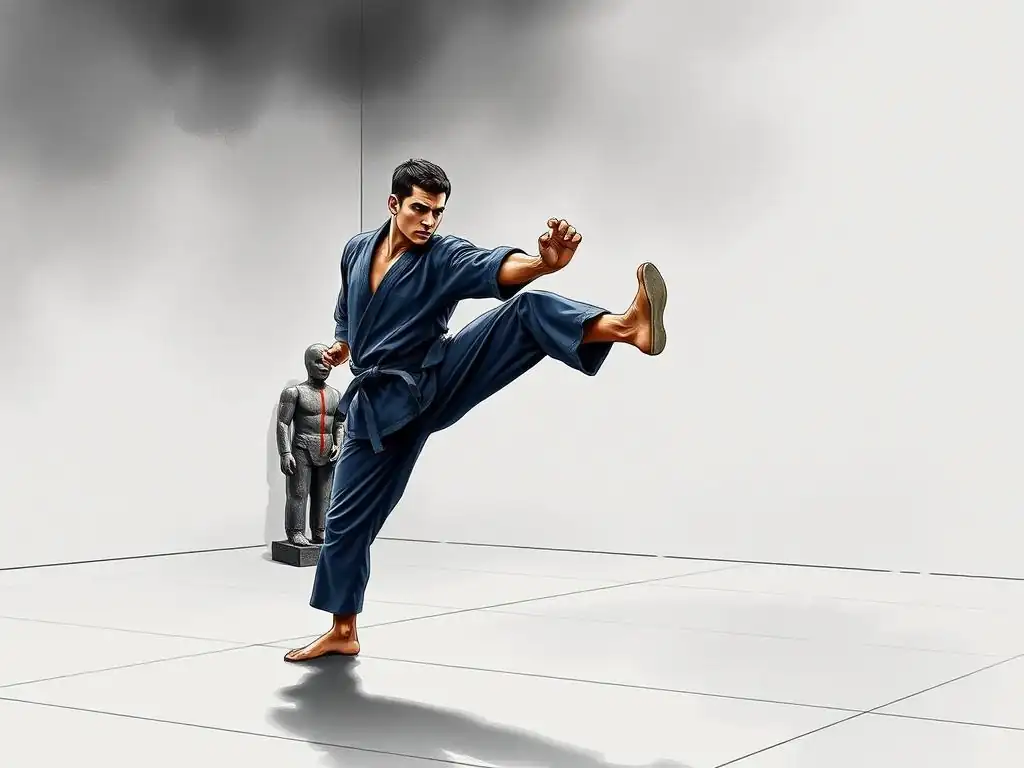
Creating a Safe and Supportive Environment for Open Communication
A cornerstone of an effective Krav Maga scenario debriefing process is the establishment of a psychologically safe and supportive environment. Participants must feel completely comfortable being vulnerable, admitting mistakes, discussing fears, and sharing their genuine experiences and feelings without any fear of judgment, ridicule, or negative repercussions. This requires clear ground rules set by the instructor, such as confidentiality, respectful listening, and focusing on the situation and actions rather than personal character.
The instructor plays a vital role in modeling and maintaining this safe space. They demonstrate empathy, actively listen to all contributions, validate participants' feelings (especially stress and fear), and ensure that all feedback, whether from peers or the instructor, is delivered constructively and with a focus on learning. When participants trust that they are in a supportive setting, they are far more likely to be honest about their performance under stress, which is essential for extracting the maximum learning potential from the Krav Maga scenario debriefing process.
Focusing on Learning, Not Blame: A Constructive Approach
The primary objective of a Krav Maga scenario debriefing process is learning and improvement, not assigning blame for perceived failures. It is crucial that the language and tone used throughout the session reflect this principle. Errors are viewed as valuable data points – opportunities to understand limitations under stress and identify areas for growth. The focus is on what happened and why, in the context of the scenario's pressures, rather than who was at fault.
This constructive mindset encourages honesty and removes defensiveness. When participants know they won't be shamed for mistakes, they are more likely to openly discuss their thought processes and actions, even those they regret. This openness is vital for uncovering the root causes of performance issues, whether they are technical, tactical, or psychological. By maintaining a learning-centric focus, the Krav Maga scenario debriefing process becomes a powerful tool for growth rather than a source of anxiety.
Utilizing Video Analysis: Reviewing Performance Objectively
Incorporating video analysis can significantly enhance the objectivity and effectiveness of the Krav Maga scenario debriefing process. Recording scenarios (with informed consent from all participants) allows for a review of the event exactly as it happened, providing an impartial perspective that complements subjective participant recall. Participants and instructors can watch the scenario playback, pausing at key moments to analyze actions, reactions, body language, and environmental factors.
The benefit of video is its ability to reveal discrepancies between perception and reality. A student might feel they reacted instantly, but the video might show a noticeable hesitation. An instructor can use video to highlight subtle tactical errors (e.g., failing to check six) or technical nuances that are hard to capture in the moment. Studies in high-performance fields like aviation and surgery indicate that video-assisted debriefing can improve recall accuracy and learning transfer by upwards of 30-50% compared to verbal debriefing alone, making it a valuable tool in the Krav Maga scenario debriefing process.
Addressing Psychological Aspects: Managing Stress and Fear
Realistic Krav Maga scenarios invariably trigger significant psychological and physiological responses, including increased heart rate, tunnel vision, auditory exclusion, and decision-making impairment due to stress and fear. An effective debriefing must explicitly address these psychological aspects, not just the physical actions. Participants should be encouraged to discuss how they felt, how their emotions impacted their performance, and what physiological sensations they experienced.
Discussing these psychological responses in a supportive environment helps normalize them and provides an opportunity to teach coping strategies. The instructor can explain the science behind the "fight or flight" response and discuss techniques for managing adrenaline, maintaining situational awareness under stress, and overcoming the freeze response. By integrating the psychological dimension, the Krav Maga scenario debriefing process equips practitioners not only with physical skills but also with the mental resilience needed to function effectively in high-stress situations.
Emphasizing Tactical Decision-Making: Improving Judgment Under Pressure
While technical proficiency is fundamental in Krav Maga, the ability to make sound tactical decisions under pressure is equally, if not more, important for survival. Scenarios are designed to test this judgment: When is it appropriate to fight versus flee or de-escalate? How should one prioritize threats? Where is the safest position to be in? What is the best escape route? An effective debriefing places significant emphasis on analyzing these tactical choices.
The discussion goes beyond merely whether a technique worked, delving into why a particular course of action was chosen and exploring alternative tactical options. Instructors can use the scenario as a case study to reinforce principles of threat assessment, pre-conflict indicators, environmental awareness, and strategic positioning.
By critically analyzing tactical decisions made in the heat of the moment, the Krav Maga scenario debriefing process helps practitioners refine their judgment and improve their ability to make smart, survival-oriented choices when faced with real danger. For example, analyzing why a student got cornered by multiple attackers leads to a discussion on spatial awareness and movement under pressure.
Benefits of Implementing a Consistent Krav Maga Scenario Debriefing Process
Enhanced Skill Development: Accelerating the Learning Curve
Consistently implementing a Krav Maga scenario debriefing process significantly accelerates the development of self-defense skills. By providing a structured method for analyzing performance under realistic stress, debriefing allows practitioners to quickly identify specific technical flaws or tactical errors that might not be apparent during standard drilling. This targeted feedback enables students to focus their subsequent training efforts on exactly what needs improvement.
The cycle of scenario -> performance -> debriefing -> targeted practice creates a powerful feedback loop. Students don't just repeat techniques; they refine them based on real-world application challenges uncovered during the debriefing. This iterative process leads to faster mastery of complex skills and a deeper understanding of when and how to apply techniques effectively under duress. Krav Maga schools that prioritize debriefing often report students achieving functional proficiency in scenario performance significantly faster, potentially reducing the time needed to confidently handle specific threat types by 20-30%.
Improved Decision-Making Under Pressure: Sharpening Mental Agility
One of the most profound benefits of a consistent Krav Maga scenario debriefing process is the marked improvement in tactical decision-making under stress. Scenarios force practitioners to make rapid choices with incomplete information and high stakes. Debriefing provides the opportunity to slow down, analyze those choices in retrospect, understand their consequences, and learn from both successful and unsuccessful decisions.
Through guided discussion and analysis, students develop a more robust framework for assessing threats, evaluating options, and making sound judgments even when experiencing the physiological effects of adrenaline. They learn to recognize environmental cues, anticipate potential actions, and prioritize responses effectively. This repeated process of performing, analyzing decisions, and learning from them cultivates mental agility, enabling faster and more effective decision-making in future high-stress situations, a key outcome of the Krav Maga scenario debriefing process.
Increased Self-Awareness: Understanding Strengths and Weaknesses
The Krav Maga scenario debriefing process significantly enhances self-awareness. Performing in a realistic scenario often reveals aspects of one's response to stress that are unknown even to the practitioner. Debriefing provides the platform for honest self-assessment, peer feedback, and instructor observation, giving students a clearer, more objective picture of their capabilities and limitations when faced with simulated danger.
Understanding how one typically reacts under pressure – whether it's freezing, fighting impulsively, or maintaining composure – is crucial for effective self-defense training. Identifying specific weaknesses (e.g., a tendency to panic when grabbed from behind, a blind spot for peripheral threats) allows for targeted training. Recognizing strengths builds confidence. This heightened self-awareness, fostered through the open and analytical environment of the Krav Maga scenario debriefing process, is foundational for personal growth and effective risk assessment in real life.
Greater Confidence in Self-Defense Abilities: Building Mental Resilience
Successfully navigating challenging scenarios, even with imperfections, and then processing the experience constructively through debriefing builds significant confidence. Students learn that they can function and learn under stress, which demystifies the fear of real-world confrontation. The supportive environment of the debriefing helps process anxiety and fear, replacing them with a sense of capability and control.
By repeatedly facing simulated threats and analyzing their performance in a supportive context, practitioners develop mental resilience. They learn that mistakes are opportunities for learning, and that fear is a natural response that can be managed. This process reduces the likelihood of being paralyzed by fear in a real situation. The positive reinforcement and structured learning provided by the Krav Maga scenario debriefing process contribute directly to a practitioner's belief in their ability to protect themselves, fostering a robust mindset alongside physical skills.
Better Retention of Training Concepts: Reinforcing Knowledge and Skills
Learning through experience, particularly emotionally charged or stressful experience, followed by structured reflection, leads to significantly better knowledge and skill retention. The Krav Maga scenario debriefing process leverages this principle. Experiencing a technique or principle in a realistic context makes the learning concrete and memorable. Discussing why it worked or failed under pressure solidifies the understanding.
The cognitive effort involved in recalling the scenario, analyzing decisions, receiving feedback, and identifying lessons learned during the debriefing process helps transfer information from short-term to long-term memory. This deep processing ensures that the skills and tactical principles practiced in training and tested in scenarios are not easily forgotten but become ingrained, readily accessible when needed in a real-world confrontation. The debriefing acts as a powerful reinforcement mechanism, making the lessons stick far more effectively than repetition alone, a key benefit of the Krav Maga scenario debriefing process.
Common Mistakes to Avoid in Krav Maga Debriefing Sessions
Neglecting Individual Reflection: Missing Opportunities for Personal Growth
A common mistake in the Krav Maga scenario debriefing process is skipping or minimizing the individual reflection phase. Rushing directly into group discussion or instructor feedback before participants have had time to privately process their experience can inhibit honest self-assessment. Students might feel pressured to conform to group opinions, be hesitant to admit personal difficulties in front of others, or simply not have fully grasped their own immediate reactions.
By failing to provide dedicated time and guidance for individual reflection, instructors miss a crucial opportunity for personalized learning and growth. The unique psychological and physiological experience of each individual in a scenario is a rich source of data, but it requires quiet processing time to become accessible. Without this step, the debriefing may focus only on surface-level observations, overlooking deeper insights into a student's personal challenges or triumphs under stress, thereby diminishing the effectiveness of the Krav Maga scenario debriefing process.
Allowing the Session to Become a Criticism Session: Undermining Confidence
One of the most damaging errors in conducting a Krav Maga scenario debriefing process is allowing it to devolve into a session focused on criticism rather than constructive learning. If feedback, whether from peers or the instructor, is delivered in a harsh, judgmental, or blaming tone, it immediately erodes the safe and supportive environment necessary for open communication. Participants become defensive, shut down, and are less likely to share their true experiences or admit mistakes in the future.
This negative atmosphere undermines confidence and trust within the training group. Students may become anxious about participating in future scenarios or debriefings, fearing public humiliation. The focus shifts from analyzing the situation and actions to protecting oneself from personal attack. Preventing this requires vigilant facilitation by the instructor, who must set clear expectations for respectful communication and redirect any judgmental language back to a focus on objective observation and learning within the Krav Maga scenario debriefing process framework.
Failing to Address Psychological Factors: Ignoring Emotional Impact
Another significant mistake in the Krav Maga scenario debriefing process is focusing exclusively on the physical and tactical aspects of the scenario while neglecting the powerful psychological and emotional responses. Scenarios are designed to be stressful, and participants will experience fear, anxiety, confusion, or even panic. Ignoring these feelings or dismissing them as irrelevant leaves a critical gap in the debriefing and the overall training.
Failing to address the emotional impact means students don't learn how to understand, manage, or mitigate their stress responses, which are often the biggest obstacles to effective performance in real-world danger. It also invalidates the very real experience of the participants, potentially making them feel misunderstood or that their struggles with fear are weaknesses rather than natural physiological reactions to be addressed. A complete Krav Maga scenario debriefing process must acknowledge and discuss the psychological dimension to build true resilience.
Overlooking Tactical Errors: Missing Critical Learning Points
While it's important to refine technical execution, a mistake in debriefing is to get overly fixated on minor technical flaws while overlooking significant tactical errors. In a real confrontation, poor tactical decisions – such as failing to scan for additional threats, getting trapped in a corner, or attempting de-escalation with a clearly violent individual – can have far more serious consequences than a slightly imperfect technique.
A debriefing session that only focuses on whether a punch landed correctly or a defense was textbook might miss the fact that the student failed to create distance from a knife threat or didn't notice the attacker's accomplice. The instructor must guide the Krav Maga scenario debriefing process to prioritize the analysis of strategic choices and situational awareness, as these often dictate the outcome of a confrontation more than pure technical skill. Missing these tactical lessons leaves students unprepared for the complexities of real violence.
Ignoring the Importance of the Instructor's Role: Lacking Expert Guidance
A debriefing session is not simply a free-for-all discussion; it requires skilled facilitation. A common mistake is underestimating or neglecting the crucial role of the instructor in guiding the Krav Maga scenario debriefing process. An instructor who is passive, lacks structure, or is not trained in debriefing techniques can render the session ineffective.
Without expert guidance, discussions can become unfocused, dominated by a few individuals, or fail to identify the most critical learning points. The instructor's experience is vital for providing accurate technical and tactical analysis, ensuring safety lessons are reinforced, managing group dynamics, and maintaining the focus on learning. The instructor synthesizes observations, connects scenario performance back to core Krav Maga principles, and ensures that the debriefing leads to actionable steps for improvement. A poorly facilitated debriefing significantly diminishes the value of the scenario training itself.
Integrating Debriefing into Your Krav Maga Training Curriculum
Designing Scenarios That Facilitate Effective Debriefing
Effective debriefing begins long before the scenario ends; it starts with scenario design. To maximize the value of the Krav Maga scenario debriefing process, scenarios should be intentionally crafted with specific learning objectives in mind. Instead of random attacks, design scenarios to test particular principles (e.g., dealing with threats in confined spaces, managing distance with weapons, responding to surprise attacks from different angles).
Consider incorporating elements that are specifically intended to provoke certain reactions or force particular decisions, which can then be easily discussed during the debrief. For example, a scenario might include multiple potential escape routes to test decision-making under pressure, or a hidden 'weapon' to test threat assessment. By designing scenarios with clear learning goals, instructors create natural focal points for the subsequent discussion, making the Krav Maga scenario debriefing process more structured and productive from the outset.
Training Instructors in Effective Debriefing Techniques
The success of the Krav Maga scenario debriefing process hinges largely on the skills of the instructor facilitating it. Therefore, it is crucial to invest in training instructors specifically on how to conduct effective debriefing sessions. This training should cover facilitation skills, creating a safe environment, active listening, asking open-ended questions, providing constructive feedback, managing group dynamics, recognizing and addressing psychological responses, and connecting scenario performance to curriculum objectives.
Just as instructors receive training on teaching techniques and running drills, they need training on how to guide reflective and analytical discussions. An instructor skilled in debriefing can turn a potentially awkward or unproductive session into a powerful learning experience, ensuring that the significant investment of time and resources into scenario training yields maximum benefit for students. This specialized training is an essential component of integrating the Krav Maga scenario debriefing process into the curriculum effectively.
Tracking Progress and Measuring the Impact of Debriefing
To fully integrate debriefing into a Krav Maga curriculum, schools can implement methods for tracking student progress and measuring the impact of the debriefing process over time. This doesn't necessarily require complex software; it could involve simple notes by instructors or students on areas for improvement identified during debriefings, and then observing if these areas show improvement in subsequent scenarios.
Tracking helps identify recurring individual or group issues, allowing instructors to tailor future training sessions or scenario designs. It also provides tangible evidence of the value of debriefing. Seeing a student consistently improve their reaction time or tactical positioning across a series of scenarios, directly linked to feedback received in debriefings, demonstrates the effectiveness of the Krav Maga scenario debriefing process. This data can also inform curriculum adjustments and highlight areas where more fundamental instruction might be needed.
Active Shooter Scenario: Debriefing Questions for Improved Response
In high-stakes scenarios like a simulated active shooter event, the debriefing questions must be particularly thorough and focused on complex decision-making and psychological responses. Beyond asking about physical actions, key questions in the Krav Maga scenario debriefing process for such an event could include:
- What was your immediate assessment of the threat and the environment?
- What was your primary goal (e.g., escape, hide, fight)? How did you arrive at that decision?
- What cues (auditory, visual) did you use to make decisions?
- How did you perceive the passage of time?
- What physical sensations or emotions did you experience, and how did they affect your actions?
- Did you consider others in the environment? How did that factor into your decisions?
- If you chose to engage, when did you decide to act, and why that specific moment?
These types of questions delve into the cognitive and psychological processes under extreme stress, providing critical insights that are vital for improving preparedness for such rare but potentially catastrophic events. The detailed analysis facilitated by specific questions during the Krav Maga scenario debriefing process is essential for extracting maximum learning from these intense simulations.
Conclusion: Mastering the Krav Maga Scenario Debriefing Process for Ultimate Preparedness
Conclusion: Mastering the Krav Maga Scenario Debriefing Process for Ultimate Preparedness
Scenario training is an invaluable tool in Krav Maga, providing realistic exposure to the pressures of real-world violence. However, its full potential is only unlocked through a robust and consistent debriefing process. Debriefing is not merely a post-exercise chat; it is a structured methodology for transforming stressful experience into concrete, actionable learning. It is where technical performance, tactical decision-making, and critical psychological responses are analyzed and understood.
Mastering the Krav Maga scenario debriefing process – by creating a safe environment, focusing on learning over blame, incorporating objective analysis like video, addressing psychological factors, and emphasizing tactical judgment – is essential for accelerated skill development, improved decision-making under pressure, increased self-awareness, greater confidence, and enhanced retention of training concepts. By integrating debriefing intentionally into the curriculum and training instructors effectively, Krav Maga schools can ensure that their students are not just practicing techniques, but truly preparing themselves for the unpredictable realities of self-defense, leading to ultimate preparedness.
Frequently Asked Questions
What is the purpose of a debriefing after Krav Maga scenario training?
The debriefing is crucial for learning from the experience. It allows participants to analyze their performance and identify areas for improvement in future scenarios, fostering skill development.
Why is it important to specifically debrief Krav Maga scenarios?
Krav Maga training focuses on real-world self-defense, and debriefing helps to validate or adjust tactics. Debriefing highlights the effectiveness of techniques under pressure and identifies vulnerabilities.
What are some key elements to include in a Krav Maga scenario debriefing?
The debriefing should cover tactical decisions, physical techniques, and emotional responses during the scenario. It should also address environmental factors and their impact on decision-making.
Who should participate in a Krav Maga scenario debriefing?
Ideally, all participants of the scenario, including the instructors and role-players, should be involved. This ensures a comprehensive understanding and diverse perspectives.
How does effective debriefing contribute to overall Krav Maga training effectiveness?
Effective debriefing provides critical feedback, leading to refined techniques and improved decision-making under stress. This ultimately enhances the practitioner's ability to effectively defend themselves in real-world situations.
Okay, here's a final reflection designed to close your article on debriefing in Krav Maga scenario training, optimized for emotional connection and future application, and formatted as requested:
Final Reflection: Honing the Edge Through Reflection
The insights shared throughout this article underscore a critical truth: Krav Maga training is not merely about physical execution, but also about mental processing and adaptation. The scenario debriefing process, often overlooked, is the forge where raw experience is tempered into refined skill, transforming reactive movements into proactive strategy. Without it, we risk becoming automatons, repeating actions without truly understanding their implications.
The power of a well-structured debriefing extends far beyond the training mat. It cultivates a mindset of continuous improvement, applicable to all facets of life. This process of self-assessment and collaborative learning is essential for personal growth and resilience, both in and out of combat. As Bruce Lee famously said: Absorb what is useful, discard what is not, add what is uniquely your own.
This philosophy perfectly encapsulates the spirit of the Krav Maga scenario debriefing process.
Now, consider the scenarios you face daily, both physical and metaphorical. Are you truly learning from them? Are you taking the time to dissect your actions, understand your weaknesses, and refine your approach? Let the principles of the Krav Maga scenario debriefing process guide you. Embrace reflection, seek feedback, and commit to continuous improvement. Only then can you truly hone your edge and face the challenges ahead with confidence and clarity.
Uncover Your Inner Warrior: Take Action Now!
Thank you for exploring the vital role of debriefing in Krav Maga scenario training. We hope this article has empowered you to enhance your learning and growth within your martial arts journey. Now, let's put that knowledge into action:
- First and foremost, integrate thorough debriefing sessions into your next Krav Maga training scenario. Focus on honest self-assessment and constructive feedback from your training partners.
- Experiment with different debriefing techniques – consider using video analysis or journaling to gain deeper insights into your performance.
- Share this article with your Krav Maga community to spark conversations and foster a culture of continuous improvement.
What specific debriefing questions will you prioritize in your next training session to maximize your learning potential?