
The Bujinkan Dojo: An Introduction to Masaaki Hatsumi's Martial Art

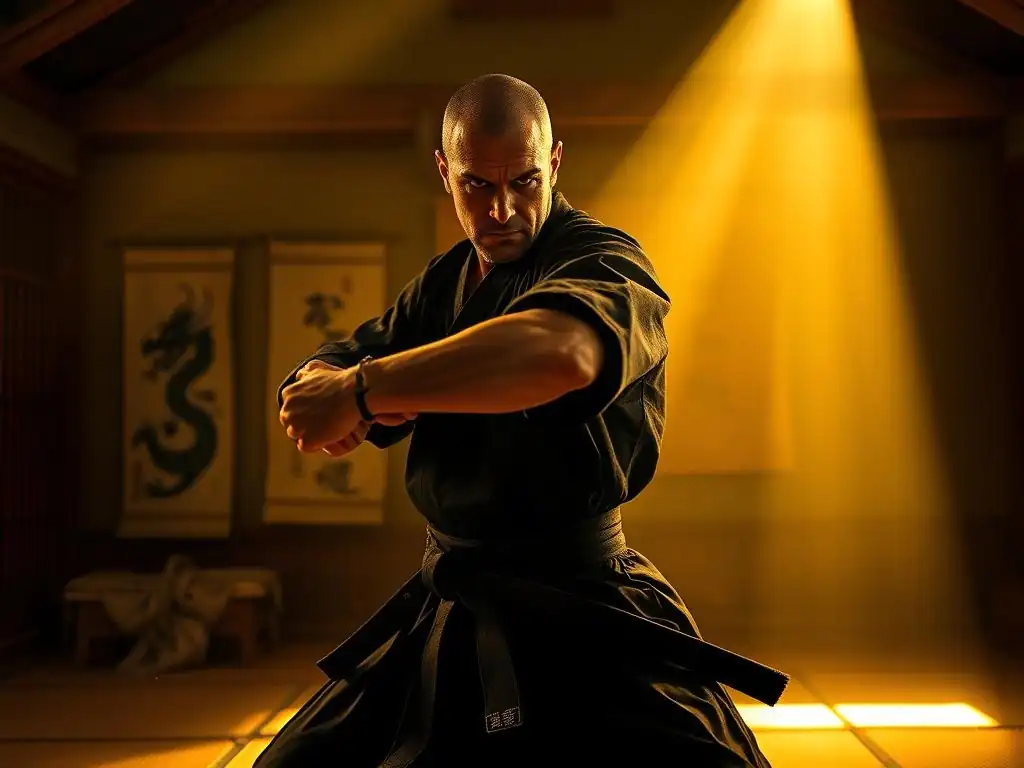
Welcome to Martial Arts Mastery, your portal to the world's fighting arts!
Delve into the fascinating world of the Bujinkan Dojo, a complex and evolving martial art system founded by Masaaki Hatsumi. Ever wondered about the core principles that underpin Bujinkan training? This article explores the Bujinkan dojo training techniques basics, offering a foundational understanding that will spark your curiosity and inspire further exploration into this unique and powerful discipline. Read on to begin your journey!
- Understanding the Bujinkan Dojo: A Comprehensive Overview for Martial Arts Mastery
- The Historical Roots of the Bujinkan: Tracing Back to Ancient Ninjutsu and Samurai Traditions
- Bujinkan Dojo Training Techniques Basics: A Practical Guide
- The Philosophy Behind Bujinkan: More Than Just Physical Techniques
- Bujinkan vs. Other Martial Arts: What Makes It Unique?
- Finding a Bujinkan Dojo: What to Look For in a Quality Instructor
- The Benefits of Bujinkan Training: Physical, Mental, and Spiritual
- Advanced Bujinkan Training: Beyond the Basics
- Conclusion: Embracing the Path of the Bujinkan Warrior
-
Frequently Asked Questions
- What is the Bujinkan Dojo and who founded it?
- What are the key components of Bujinkan dojo training?
- How does Bujinkan dojo training differ from other martial arts?
- What are some basic Bujinkan dojo training techniques beginners learn?
- Is Bujinkan dojo training effective for self-defense in modern situations?
- Final Reflection: Embracing the Path of Continuous Learning
- Embrace the Path: Begin Your Bujinkan Journey Today!
Understanding the Bujinkan Dojo: A Comprehensive Overview for Martial Arts Mastery
The Bujinkan Dojo is a martial arts organization headed by Masaaki Hatsumi, based in Noda, Japan. It encompasses the teachings of nine distinct ryuha (schools or traditions), primarily rooted in historical Japanese martial arts, including several that trace their lineage back to the ninja and samurai of feudal Japan. Unlike many modern martial sports, the Bujinkan focuses on practical self-protection in a wide range of scenarios, emphasizing natural movement, adaptability, and understanding distance and timing. Training often involves working with a partner in a non-competitive environment, exploring techniques that might not be permitted in rule-bound competitions.
Practitioners of the Bujinkan study unarmed combat techniques ( Taijutsu) alongside a diverse array of traditional Japanese weapons. The core philosophy promotes the idea of becoming a "protector of nature and justice," emphasizing personal development, awareness, and the ability to overcome adversity without unnecessary conflict. The structure of Bujinkan training allows individuals to progress at their own pace, focusing on understanding principles rather than simply memorizing forms. This approach makes the Bujinkan a unique path for those seeking a comprehensive martial arts education that goes beyond physical prowess to include mental and spiritual growth.
The Historical Roots of the Bujinkan: Tracing Back to Ancient Ninjutsu and Samurai Traditions
The foundation of the Bujinkan Dojo lies in the historical lineages inherited by Masaaki Hatsumi from his teacher, Takamatsu Toshitsugu. Takamatsu Sensei is considered the last true inheritor of these nine traditions, passing on their knowledge and techniques to Hatsumi Sensei. These schools have origins spanning several centuries, with some potentially dating back over a thousand years, evolving through periods of intense warfare and civil strife in Japan, such as the Sengoku Jidai (Warring States period, roughly 1467-1615). They represent methods developed by various groups, including ninja and samurai, for survival and combat.
The diverse historical background of these nine schools contributes significantly to the breadth and depth of the Bujinkan's curriculum. For example, traditions like Togakure Ryu are historically associated with Ninjutsu, emphasizing stealth, strategy, and irregular warfare, while others like Kukishinden Ryu have strong ties to samurai battlefield tactics, including the use of armor and various weapons. This blend of perspectives provides practitioners with a rich understanding of different combat principles and historical contexts, making the study of the Bujinkan not just about physical techniques, but also a journey into Japanese history and culture.
The Nine Schools of the Bujinkan: Exploring the Historical Lineage
The Bujinkan is comprised of three schools of Ninjutsu and six schools of Samurai Jujutsu and Budo. The Ninjutsu schools are Togakure Ryu, Kumogakure Ryu, and Gyokushin Ryu. Togakure Ryu, perhaps the most widely known, is said to have originated over 800 years ago and is often associated with Iga province, a famous historical region for ninja activity. Kumogakure Ryu shares roots in the same historical period and region, focusing on unique methods including specific jumping techniques. Gyokushin Ryu is noted for its emphasis on grappling and the use of the lasso or rope ( nagenawa).
The six Samurai schools, often referred to collectively as Bugei or Budo traditions, include Kukishinden Ryu, Shinden Fudo Ryu, Takagi Yoshin Ryu, Koto Ryu, Gyokko Ryu, and Gikan Ryu. Kukishinden Ryu is known for its extensive weapons curriculum, including the bo (long staff) and naginata (halberd). Shinden Fudo Ryu emphasizes natural movement and techniques against larger opponents. Takagi Yoshin Ryu is a classical Jujutsu school focusing on throws and joint locks.
Koto Ryu is characterized by its sharp, angular movements and bone-breaking techniques ( koppojutsu). Gyokko Ryu, another ancient tradition, focuses on striking vital points and controlling distance. Finally, Gikan Ryu is known for its unique footwork and powerful striking methods. Each school offers a distinct perspective and set of principles, contributing to the holistic approach of the Bujinkan.
Masaaki Hatsumi: The Soke of the Bujinkan and His Martial Arts Legacy
Masaaki Hatsumi, born in 1931, is the current Soke (Grandmaster) of the nine traditions that form the Bujinkan. He began his martial arts journey at a young age, studying various disciplines including Judo, Karate, and Aikido before seeking deeper, more traditional training. In his early twenties, he met Takamatsu Toshitsugu, who recognized Hatsumi's potential and took him on as his final student. Hatsumi Sensei trained diligently with Takamatsu Sensei for 15 years, enduring rigorous physical and spiritual training, before inheriting the Sokeship of the nine schools upon Takamatsu's death in 1972.
Since inheriting the lineage, Hatsumi Sensei has dedicated his life to preserving and disseminating the teachings of the Bujinkan globally. He has traveled extensively, teaching seminars and connecting with practitioners worldwide. While the exact number is difficult to quantify, it is estimated that there are tens of thousands, possibly over a hundred thousand, practitioners training in Bujinkan dojos across dozens of countries.
Hatsumi Sensei's approach emphasizes understanding the underlying principles of movement and strategy rather than rigid technique application, encouraging students to find their own natural way of moving within the framework of the traditions. His legacy is not just in preserving ancient martial arts but in making them accessible and relevant for modern self-protection.
Bujinkan Dojo Training Techniques Basics: A Practical Guide
Starting your journey in the Bujinkan involves learning the fundamental principles and movements that underpin all techniques. The initial focus is on developing a strong connection with your body, understanding how to move naturally and efficiently, and learning how to protect yourself from falls and impacts. These basic Bujinkan dojo training techniques are crucial for building a solid foundation before moving on to more complex applications or weapons. Instructors typically introduce these concepts gradually, ensuring students grasp the physical and mental aspects of each movement.
A significant part of basic Bujinkan dojo training techniques involves developing awareness of one's surroundings and the opponent. This includes understanding Maai (distance), Timing, and Rhythm. Unlike arts that rely on speed or power alone, the Bujinkan emphasizes using these factors to create openings or neutralize threats effectively. Beginners spend considerable time practicing basic postures, footwork, and body conditioning exercises that prepare them for the more dynamic and unpredictable nature of real-world encounters. Mastering these fundamentals is key to progressing safely and effectively in the Bujinkan.
Foundational Principles of Bujinkan Training: Movement, Posture, and Distance (Maai)
At the heart of basic Bujinkan dojo training techniques are the core principles of movement, posture ( Kamae), and distance ( Maai). Kamae are not static stances but dynamic ready positions that allow for fluid transitions into movement or technique. There are several basic Kamae taught early on, such as Ichimonji no Kamae (figure-one posture), Jumonji no Kamae (cross posture), and Hicho no Kamae (flying bird posture), each offering different advantages in terms of defense, offense, and mobility. Students learn to move in and out of these postures naturally.
Understanding Maai is arguably one of the most critical aspects of Bujinkan training. It refers to the combative distance between individuals, but also encompasses the timing and angle of engagement. Learning to control and manipulate Maai allows a practitioner to stay safe while simultaneously creating opportunities to apply techniques. Basic drills often involve partners moving relative to each other, practicing entering and exiting different distances while maintaining balance and awareness. This focus on dynamic distance management is a hallmark of effective Bujinkan dojo training techniques basics.
Ukemi (Breakfalls): Protecting Yourself in a Fall
Ukemi, or breakfalls, are fundamental self-preservation techniques that are among the first things taught in any Bujinkan dojo. The ability to fall safely is paramount, as many techniques involve throws, sweeps, or being knocked off balance. Proper Ukemi disperses the force of impact across the body, preventing serious injury to joints and bones. Basic Ukemi includes forward rolls ( Zempo Kaiten), backward rolls ( Koho Kaiten), and side breakfalls ( Sokuho Ukemi).
Beginners spend significant time practicing these breakfalls on soft surfaces, gradually building confidence and proficiency. The goal is for Ukemi to become an instinctive reaction when balance is lost. For instance, a forward roll should allow you to absorb the momentum of a fall and return to your feet or a ready position quickly. Mastering Ukemi is not just a safety measure; it also builds body awareness and coordination, which are essential for executing all other Bujinkan dojo training techniques.
Taihenjutsu (Body Movement): Evasive Maneuvers and Positioning
Taihenjutsu translates roughly to "body changing techniques" and encompasses the fundamental movements used for evasion, positioning, and creating angles. While Ukemi deals with falling, Taihenjutsu covers how to move effectively before or during an encounter to avoid harm or gain an advantage. Basic Taihenjutsu includes various forms of rolling, leaping, and shifting the body. Examples include side body shifts ( Tai Sabaki), evasive rolls ( Yoko Aruki - sideways walking, Sokuho Kaiten - side rolling), and methods for quickly changing direction.
The emphasis in Taihenjutsu is on natural, fluid movement that is difficult for an opponent to predict or track. Instead of meeting force with force, practitioners learn to move with or around incoming attacks. For example, rather than blocking a punch directly, one might shift the body slightly offline while simultaneously moving into a better position to counter. Developing proficiency in Taihenjutsu is critical for applying any Bujinkan dojo training techniques effectively in a dynamic situation.
Weapons Training in the Bujinkan Dojo: An Introduction
Weapons training is an integral part of the Bujinkan curriculum, even at the basic level. The philosophy is that understanding how weapons are used makes one better at defending against them and enhances one's understanding of body dynamics and distance. While advanced training involves a vast arsenal, basic instruction often begins with fundamental concepts applicable to various tools, and then introduces some core weapons like the sword and staff. This early exposure helps students appreciate the historical context and practical application of the techniques they learn.
The approach to weapons in the Bujinkan is not about becoming a master of a single weapon, but understanding the underlying principles of using any tool effectively, whether it's a traditional weapon or an improvised object. Basic weapons training reinforces concepts like Maai, timing, and body positioning learned in unarmed combat. It also develops grip strength, coordination, and a deeper understanding of angles of attack and defense.
The Importance of the Sword (Kenjutsu) in Bujinkan Training
The study of the sword ( Kenjutsu or Battojutsu) holds a significant place in the Bujinkan, even for beginners. While students may not start with live blades, training with wooden swords ( bokken) or bamboo swords ( shinai) is common. The sword was central to samurai warfare and its principles of movement, cutting angles, and distance are highly relevant to unarmed techniques. For instance, learning how to evade a sword cut directly translates to evading a punch or kick.
Basic sword training involves learning fundamental cuts, blocks, and footwork patterns. It teaches practitioners to understand the concept of the zanshin (lingering mind or awareness) after a technique is completed and develops focus and precision. The discipline required to wield a sword safely and effectively instills valuable lessons in control, intent, and respect for the potential lethality of martial arts techniques. Understanding the sword provides a crucial historical and technical framework for all other Bujinkan training.
Introduction to Other Bujinkan Weapons: Bo (Staff), Shuriken (Throwing Blades)
Beyond the sword, basic Bujinkan dojo training techniques often include introductions to other fundamental weapons. The Bo (long staff, typically around 6 feet) is a versatile weapon taught early on. Its techniques emphasize using distance, leverage, and striking with various parts of the staff. Training with the Bo develops coordination, strength, and an understanding of using a tool to extend one's reach and power. Basic Bo drills involve learning strikes, blocks, and fundamental forms ( kata).
Another iconic weapon sometimes introduced at a basic level is the Shuriken (throwing blades or spikes). While popular in historical depictions, in the Bujinkan, Shuriken training focuses on developing precision, timing, and understanding projection. Beginners might practice throwing wooden or rubber Shuriken at targets to learn basic mechanics. This training, like all Bujinkan weapons study, is integrated with body movement and strategy, reinforcing the core principles learned in unarmed techniques and contributing to a well-rounded understanding of Bujinkan dojo training techniques basics.
The Philosophy Behind Bujinkan: More Than Just Physical Techniques
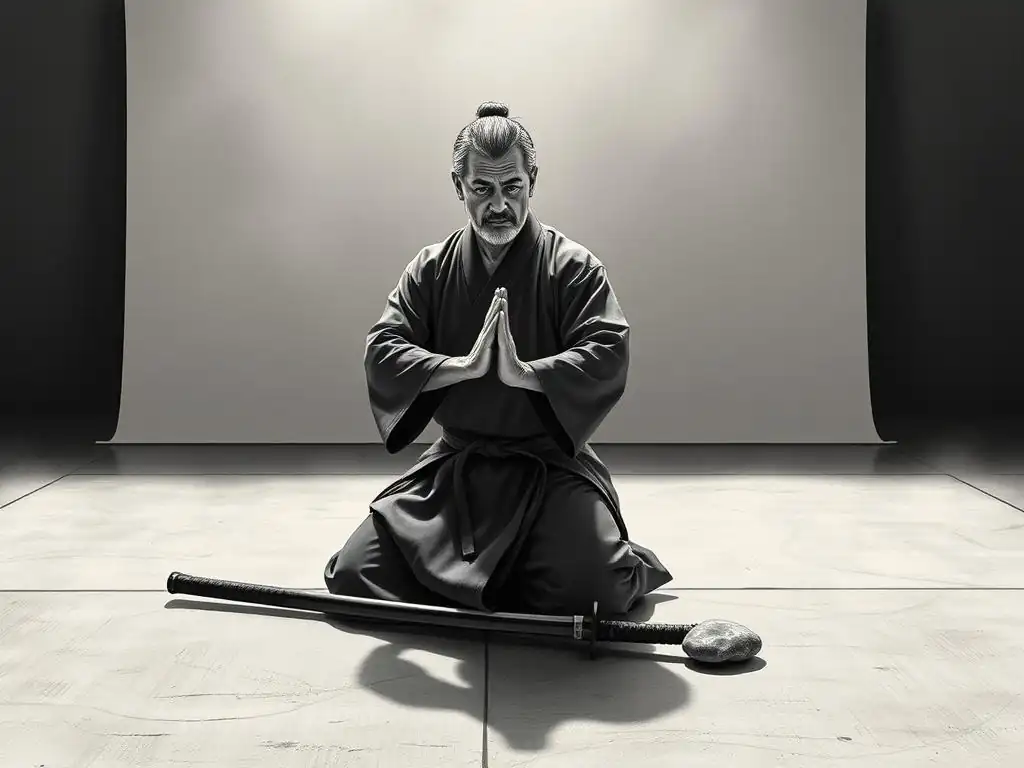
The Bujinkan is not solely about physical combat; it is deeply intertwined with a philosophical framework that guides the practitioner's approach to training and life. This philosophy is rooted in the historical context of the nine schools, emphasizing survival, adaptability, and living in harmony with nature. It stresses the importance of developing not just physical skills but also mental resilience, intuition, and a strong moral compass. Training is seen as a path to self-improvement and understanding the fundamental principles of conflict and resolution.
Central to the Bujinkan philosophy is the concept of Bujin, meaning "divine warrior" or "protector." This ideal goes beyond mere fighting prowess, embodying qualities such as compassion, wisdom, and the ability to perceive and avoid danger before it escalates. Practitioners are encouraged to cultivate awareness in all aspects of their lives, viewing training as a way to prepare for the unpredictable nature of reality. This philosophical depth distinguishes the Bujinkan from purely sport-oriented martial arts.
The Importance of Mindset and Strategy in Bujinkan Martial Arts
Mindset and strategy are paramount in the Bujinkan, often considered more important than brute strength or speed. Training emphasizes developing a calm, adaptable mind ( Fudoshin - immovable mind, Mushin - empty mind) capable of assessing situations clearly and reacting appropriately without hesitation or fear. Practitioners learn to recognize potential threats, understand human behavior under stress, and use strategy to de-escalate or control a situation whenever possible.
Strategy in Bujinkan involves understanding principles like Kyojitsu (truth and falsehood, using feints and deception), Go Gyo (the five elements, applying their principles to movement and technique), and adapting to the opponent's strengths and weaknesses. Instead of following rigid sequences, students are encouraged to improvise and find solutions based on the dynamic reality of the moment. This focus on mental agility and strategic thinking is a core component of effective Bujinkan dojo training techniques.
Connecting with the Natural World: A Core Tenet of Bujinkan Philosophy
A significant, though often less emphasized, aspect of Bujinkan philosophy is the connection with the natural world. The historical roots of some schools, particularly those associated with Ninjutsu, involved training in natural environments and using the terrain to one's advantage. This connection translates philosophically into the idea of moving naturally, understanding the flow of energy, and adapting to circumstances like water flowing around obstacles.
Practitioners are encouraged to observe nature, understand its principles of change and resilience, and apply these lessons to their movement and strategy. This might involve training outdoors, learning to move on uneven ground, or simply cultivating an appreciation for the natural rhythms of life. This philosophical connection reinforces the Bujinkan's emphasis on natural, efficient movement and adaptability, viewing the practitioner as part of a larger, interconnected system rather than an isolated combatant.
Bujinkan vs. Other Martial Arts: What Makes It Unique?
Comparing the Bujinkan to other martial arts reveals several distinctive characteristics. While many popular martial arts today are structured around sport competition (like Judo, Karate, Taekwondo, BJJ), the Bujinkan maintains a strict focus on practical self-protection in unpredictable, real-world scenarios. There are no belts or ranks in the traditional sense (although grades kyu/dan are used for organizational purposes, they are not the primary focus), and no formal competitions. The training is cooperative, not competitive.
Another key difference lies in the breadth of the curriculum. While some arts specialize in striking, grappling, or specific weapons, the Bujinkan integrates unarmed combat with a wide variety of traditional weapons, historical strategy, and philosophy. This holistic approach aims to produce a well-rounded individual capable of handling diverse threats. The emphasis on natural movement and adapting techniques to fit the individual and the situation also contrasts with arts that rely more on rigid forms and standardized techniques.
Emphasis on Adaptability and Improvisation
A defining feature of the Bujinkan is its strong emphasis on adaptability and improvisation. Instead of teaching fixed responses to specific attacks, instructors teach principles of movement, distance, timing, and leverage. Students learn to apply these principles flexibly based on the opponent's actions, size, and strength, as well as the environment. This means that the "same" technique might look different depending on the practitioner and the situation.
This focus on adaptability stems from the historical origins of the ryuha, which were developed for survival on the battlefield and in dangerous civilian life, where rigid techniques were often ineffective against unpredictable threats. Training involves exploring variations and adapting techniques to different body types and speeds. This makes the Bujinkan particularly relevant for self-defense, where situations are rarely clean or predictable.
Focus on Real-World Self-Defense Applications
The core purpose of Bujinkan training is effective self-protection in real-world scenarios. This means training includes dealing with attacks from multiple opponents, defenses against various weapons (even improvised ones), and techniques applicable in confined spaces or on different types of terrain. The techniques are often designed to be decisive and end a confrontation quickly, focusing on vital points and structural weaknesses rather than controlled points or submissions.
Training often involves simulating realistic scenarios, although safety is always paramount. For example, practitioners might practice defending against someone grabbing them from behind, dealing with an attacker wielding a stick, or maneuvering in a tight hallway. This practical focus ensures that the Bujinkan dojo training techniques are always grounded in the reality of potential danger, preparing students for situations that extend far beyond the confines of a dojo.
Finding a Bujinkan Dojo: What to Look For in a Quality Instructor
Finding a reputable Bujinkan dojo is crucial for receiving authentic instruction and developing correctly. Since there is no central governing body enforcing strict curriculum standards globally (beyond Hatsumi Sensei himself), the quality of training can vary significantly between dojos. Potential students should do their research and visit different dojos if possible before committing to one.
Key factors to consider include the instructor's lineage and credentials, their teaching style, and the overall atmosphere of the dojo. A good instructor will prioritize safety, teach the fundamental Bujinkan dojo training techniques thoroughly, and embody the philosophy of the art both inside and outside the training space. They should also be accessible for questions and genuinely invested in their students' progress and understanding.
Lineage and Credentials
A primary consideration when selecting a Bujinkan dojo is the instructor's lineage. Ideally, the instructor should have a direct connection to Masaaki Hatsumi, having trained with him extensively and received their teaching license (typically a Shidoshi or Shidoshi-ho license) directly or through a senior Shihan (master teacher) appointed by Hatsumi Sensei. While a direct line doesn't guarantee teaching quality, it indicates they have been authorized to teach the Bujinkan curriculum.
Don't be afraid to ask about the instructor's background, how long they have trained, and who their teachers are. A reputable instructor will be transparent about their training history and be proud to share their connection to the lineage. While belt ranks exist (e.g., 1st to 15th Dan), focus more on the instructor's depth of knowledge, experience, and ability to effectively convey the principles of the Bujinkan dojo training techniques, rather than just a high rank number.
Teaching Style and Dojo Atmosphere
Equally important is the instructor's teaching style and the atmosphere of the dojo. A good instructor will be patient, knowledgeable, and able to explain complex principles clearly. They should create a safe and supportive learning environment where students feel comfortable asking questions and making mistakes. Observe a class to see how the instructor interacts with students and how students interact with each other.
The dojo atmosphere should be one of mutual respect, cooperation, and serious training, balanced with a sense of community and enjoyment. Avoid dojos where training seems overly reckless or where senior students are dismissive of beginners. A positive dojo environment is essential for consistent attendance and long-term development in the Bujinkan dojo training techniques basics and beyond.
The Benefits of Bujinkan Training: Physical, Mental, and Spiritual
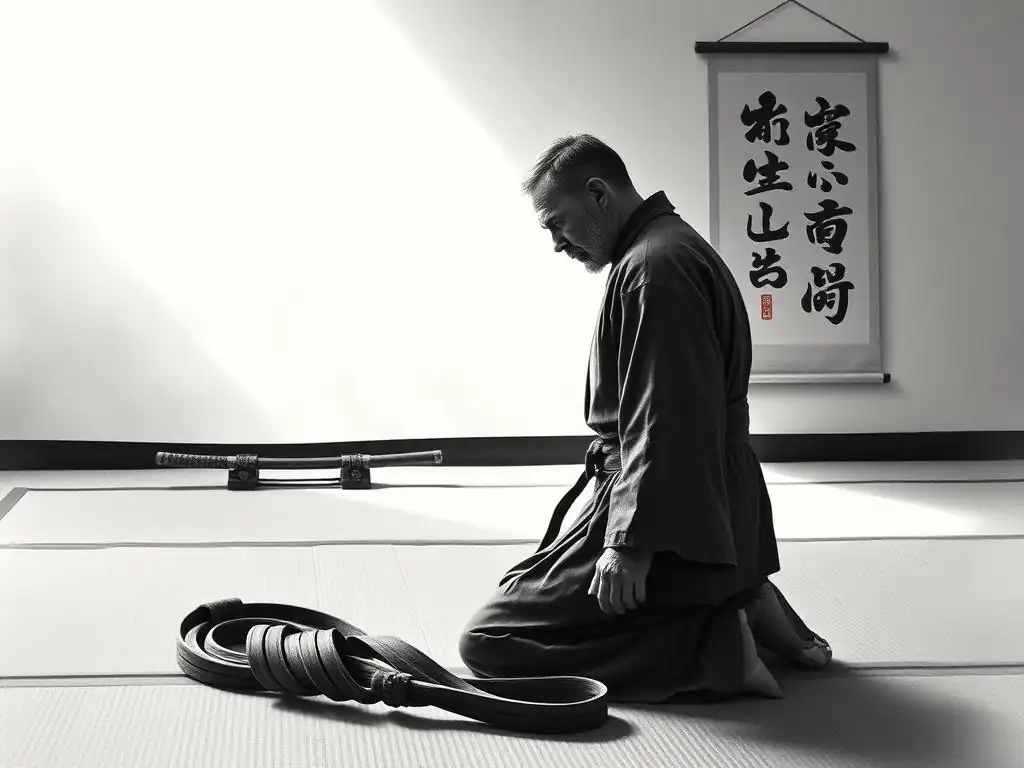
Training in the Bujinkan offers a wide range of benefits that extend far beyond learning self-defense techniques. The holistic nature of the art impacts practitioners on physical, mental, and even spiritual levels. It provides a challenging yet rewarding path for personal growth and development.
Regular practice improves physical conditioning, enhances mental focus, and offers a unique perspective on handling conflict and adversity. The emphasis on natural movement and understanding the body's structure helps prevent injuries often associated with high-impact or competitive sports. Furthermore, the study of philosophy and history provides a rich intellectual dimension to the physical training.
Developing Physical Fitness and Coordination Through Bujinkan Dojo Training
Consistent Bujinkan dojo training naturally leads to improvements in physical fitness and coordination. While not focused on competitive athleticism, the practice involves a significant amount of body movement, rolling, striking, and grappling, which builds functional strength, flexibility, and endurance. Basic warm-ups often include exercises that improve core strength, balance, and joint mobility.
The dynamic nature of Taihenjutsu and Ukemi drills significantly enhances coordination, agility, and body awareness. Learning to move efficiently and instinctively helps improve balance and reaction time. Over time, practitioners develop a more capable and resilient body, better prepared to handle physical challenges, whether in training or daily life. This physical development is a natural outcome of engaging with the fundamental Bujinkan dojo training techniques.
Enhancing Mental Focus and Discipline Through Ninjutsu Principles
The mental benefits of Bujinkan training are profound. The study of strategy, awareness, and the philosophical principles of Ninjutsu and Samurai traditions cultivates mental focus, discipline, and resilience. Learning to remain calm under pressure, assess situations quickly, and adapt plans on the fly are skills honed through practice.
The non-competitive environment encourages patience and perseverance, as progress is measured by understanding rather than winning. This fosters a disciplined approach to learning and problem-solving. Furthermore, the emphasis on self-awareness and understanding oneself is a journey that contributes to mental well-being and confidence. Navigating the complexities of Bujinkan dojo training techniques requires concentration and dedication, building mental fortitude.
Advanced Bujinkan Training: Beyond the Basics
Once a student has grasped the basic Bujinkan dojo training techniques, they begin to delve deeper into the vast curriculum of the nine schools. Advanced training expands upon the foundational principles, introducing more complex techniques, weapon applications, and strategic concepts. This stage involves a more nuanced understanding of body mechanics, leverage, and exploiting an opponent's balance and structure.
Advanced practitioners study specialized areas from the different schools, such as specific methods of joint manipulation, striking vital points, or using a wider array of historical weapons like the naginata (halberd), bisento (heavy polearm), or various small and concealed weapons. The training becomes less about learning new techniques and more about mastering the underlying principles and applying them spontaneously in any situation.
Koppojutsu (Bone Striking Techniques)
Koppojutsu, often associated with schools like Koto Ryu, is an advanced area of study focusing on techniques designed to damage the opponent's bone structure. While basic strikes target muscles or vital points, Koppojutsu techniques aim to break bones, dislocate joints, or disrupt the skeletal system using specific angles, leverage, and impact points. This requires a precise understanding of human anatomy and body mechanics.
Training in Koppojutsu is typically reserved for more experienced students due to the potential for injury if practiced incorrectly. It involves learning specific striking methods, joint locks ( kansetsu waza) that target bones, and methods for escaping holds by exploiting structural weaknesses. This specialized knowledge adds a layer of highly effective, albeit potentially dangerous, techniques to the Bujinkan practitioner's skillset.
Jojutsu (Short Staff Techniques)
Jojutsu, the art of the short staff (typically around 3-4 feet), is another area explored in advanced Bujinkan training, particularly within traditions like Kukishinden Ryu. The Jo is a versatile weapon that can be used for striking, blocking, thrusting, sweeping, and applying joint locks or controls. Its length makes it effective in both close-quarters and medium-range combat.
Advanced Jojutsu training involves learning complex forms ( kata), partner drills demonstrating applications against various attacks (including those from other weapons like the sword), and understanding how to use the Jo in conjunction with body movement and strategy. Mastery of the Jo enhances a practitioner's ability to use leverage and distance effectively, applying principles relevant to both armed and unarmed combat.
Conclusion: Embracing the Path of the Bujinkan Warrior
The Bujinkan Dojo offers a rich and comprehensive martial arts journey rooted in centuries of Japanese history and tradition. From the foundational Bujinkan dojo training techniques basics like Ukemi and Taihenjutsu to advanced weapons and philosophical studies, the art provides a path for developing physical skill, mental resilience, and a deeper understanding of oneself and the world. It is an art focused on practical self-protection, adaptability, and continuous personal growth.
Embracing the path of the Bujinkan warrior means committing to diligent training, cultivating a calm and adaptable mind, and striving to embody the principles of compassion and justice. It is a journey that requires patience, perseverance, and a willingness to explore the complexities of conflict and human nature. For those seeking a martial art that offers depth, practicality, and a connection to historical traditions, the Bujinkan provides a unique and rewarding experience.
Frequently Asked Questions
What is the Bujinkan Dojo and who founded it?
The Bujinkan Dojo is a Japanese martial arts organization founded by Masaaki Hatsumi. It encompasses nine separate traditional martial arts ryū-ha, or lineages.
What are the key components of Bujinkan dojo training?
Bujinkan dojo training emphasizes natural movement, taijutsu (unarmed combat), and the use of various traditional weapons. It also focuses on developing intuition and adaptability.
How does Bujinkan dojo training differ from other martial arts?
Unlike some martial arts focused solely on sport or competition, Bujinkan dojo training prioritizes practical self-defense and survival skills. It also emphasizes understanding the ryū-ha’s historical context.
What are some basic Bujinkan dojo training techniques beginners learn?
Beginners typically learn fundamental taijutsu techniques like ukemi (breakfalls), stances (kamae), and basic strikes and blocks. They also begin familiarizing themselves with the principles of movement and tai sabaki (body shifting).
Is Bujinkan dojo training effective for self-defense in modern situations?
Yes, the Bujinkan's focus on adaptability and realistic combat scenarios makes its dojo training relevant for modern self-defense. Emphasis is placed on responding to threats in a practical and effective manner.
Final Reflection: Embracing the Path of Continuous Learning
The journey through the Bujinkan Dojo, as we've explored, is not merely about mastering Bujinkan dojo training techniques basics, but about cultivating a mindset of adaptability and resilience. The principles outlined, from foundational movements to strategic thinking, resonate deeply in a world demanding constant evolution and problem-solving. The true value lies not just in the physical techniques, but in the mental fortitude and unwavering spirit they foster.
The influence of the Bujinkan extends far beyond the dojo walls, shaping individuals who approach life with a unique blend of humility and strength. My own exploration of these principles has underscored the importance of continuous learning and the acceptance of imperfection. As Masaaki Hatsumi Sensei himself stated: The art of ninjutsu is the art of survival. It is not about fighting, but about living.
This philosophy underscores the profound connection between martial arts and the art of living a fulfilling life.
Now, I invite you to consider how the principles of the Bujinkan – adaptability, resilience, and continuous learning – can be applied to your own life. Embrace the challenges that come your way, view them as opportunities for growth, and never cease to seek knowledge and understanding. The path of the Bujinkan, like life itself, is a journey of constant discovery. Let us all strive to embody its spirit and live with purpose and intention.
Embrace the Path: Begin Your Bujinkan Journey Today!
Thank you for exploring the fascinating world of the Bujinkan Dojo with us! We hope you've gained valuable insights into this unique and powerful martial art. Now it's time to take the next step and unlock your own potential.
Here's how you can dive deeper:
- Find a local Bujinkan Dojo: Search for certified instructors near you to experience the art firsthand. Witness and feel the techniques demonstrated and start your own training.
- Explore the Philosophy: Delve into the writings and teachings of Masaaki Hatsumi Sensei to understand the deeper meaning behind the movements and strategies. It's about more than just combat, it's about life.
- Share your discoveries: Inspire others! Discuss what you've learned with friends, family, or online communities to spread awareness of this incredible martial art.
Ready to embrace the principles of the Bujinkan and begin your own journey of self-discovery?