
Speed and Cunning: Uncovering the Origins of Shaolin Leopard Style (Bao Quan)

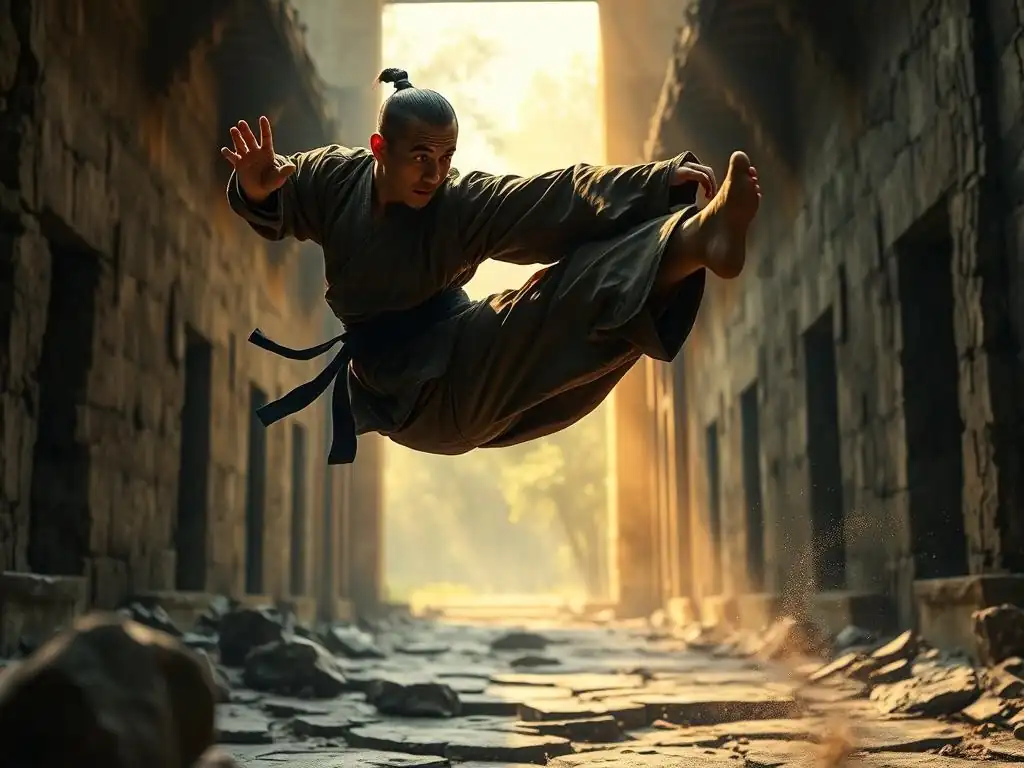
Welcome to Martial Arts Mastery, where we delve into the rich tapestry of combat traditions worldwide. Ever wondered about the ferocious grace and lightning-fast strikes of a predator? In this article, we're scratching beneath the surface to uncover the Shaolin Leopard Style origins, exploring its unique blend of speed, power, and cunning. Prepare to journey into the heart of Bao Quan and discover the secrets behind its devastating effectiveness – a legacy that continues to inspire martial artists today.
- Speed and Power: Uncovering the Origins of Shaolin Leopard Style (Bao Quan)
- Introduction to Shaolin Leopard Style (Bao Quan)
- The Historical Roots of Shaolin Leopard Style
- The Leopard's Essence: Techniques and Principles
- Leopard Style's Place Among Shaolin Animal Styles
- Training and Development in Shaolin Leopard Style
- Notable Leopard Style Masters and Practitioners
- Leopard Style in Modern Martial Arts
- Conclusion: The Enduring Legacy of Shaolin Leopard Style
- Frequently Asked Questions
- Final Reflection: Embracing the Leopard's Spirit
- Unleash Your Inner Leopard: Transform Your Martial Arts Journey Today!
Speed and Power: Uncovering the Origins of Shaolin Leopard Style (Bao Quan)
Introduction to Shaolin Leopard Style (Bao Quan)
What is Shaolin Leopard Style? An Overview
Shaolin Leopard Style, known in Chinese as Bao Quan (豹拳), is one of the distinctive animal-based martial arts systems traditionally associated with the Shaolin Monastery in China. Unlike some other animal styles that might emphasize brute strength or evasive maneuvers, Leopard Style focuses intensely on developing blinding speed and explosive power in striking, aiming to overwhelm an opponent quickly and efficiently. It is characterized by its compact stances, rapid movements, and the signature "leopard fist" strike, which utilizes the knuckles.
This style draws inspiration from the observed characteristics of a leopard in the wild – its sudden bursts of speed, powerful pounces, and ability to strike with precision. The Shaolin Leopard Style origins are deeply intertwined with the martial traditions cultivated by the monks over centuries, blending practical combat techniques with philosophical principles derived from nature. Practitioners strive to embody the leopard's agility, ferocity, and ability to transition instantly from stillness to explosive action.
Key Characteristics of Leopard Kung Fu
Leopard Kung Fu is defined by several core characteristics that set it apart within the diverse landscape of Chinese martial arts. Foremost among these is speed; practitioners train extensively to achieve rapid footwork and hand movements, often described as a blur. This speed is coupled with explosive power, generated through focused body mechanics and the principle of fa jing (發勁), or releasing energy.
Another defining trait is the emphasis on the leopard fist (Bao Quan), a unique hand form where the fingers are curled back and the strike is delivered using the knuckles. This technique allows for concentrated impact on small target areas, maximizing damage with minimal surface contact. The style also features low, stable stances that facilitate quick changes in direction and explosive forward momentum, reflecting the leopard's readiness to pounce. The overall approach is direct and aggressive, seeking to finish a confrontation swiftly.
The Historical Roots of Shaolin Leopard Style
Tracing the Lineage of Leopard Fist: From Shaolin Temple to Modern Practice
Tracing the precise historical lineage of Shaolin Leopard Style origins is challenging, as is common with many traditional martial arts styles whose histories were primarily transmitted orally or through fragmented texts. However, it is widely accepted that the core principles and early development of Bao Quan took place within the Sha Shaolin Temple complex in Henan province, China. The development of animal styles at Shaolin is generally attributed to the monks' deep study of nature and their need for effective self-defense techniques adapted from observing animal movements and fighting strategies.
While no single historical figure is definitively credited with inventing Leopard Style, its evolution is believed to have occurred over several centuries, likely gaining prominence during the Ming and Qing dynasties (roughly 14th to 20th centuries) when Shaolin Kung Fu experienced significant development and diversification. Masters observed the leopard's hunting techniques – its stealth, sudden acceleration, and powerful, focused strikes – and incorporated these attributes into a distinct fighting system.
The transmission occurred within the monastic community and later spread through disciples to the wider martial arts world, contributing to the Shaolin Leopard Style origins as we understand them today.
Legends and Historical Accounts of Leopard Style's Development
Numerous legends surround the Shaolin Leopard Style origins, often involving monks who spent time observing animals in the surrounding forests and mountains. One common narrative describes a monk witnessing a leopard attacking prey, being struck by its incredible speed and the devastating power of its pounces and clawing strikes. This observation supposedly inspired the development of techniques mimicking these actions, focusing on rapid, powerful, and focused attacks using the knuckles or claw-like hand shapes.
While specific, verifiable historical accounts detailing the founding of Leopard Style are scarce, historical records and martial arts genealogies from the Qing dynasty do list various forms and techniques associated with animal styles practiced at Shaolin. These accounts often mention the five primary animal styles – Tiger, Crane, Leopard, Snake, and Dragon – suggesting that Bao Quan was recognized as a distinct system within the Shaolin curriculum by at least the 18th or 19th century.
These historical mentions, though sometimes brief, lend credence to the style's long-standing tradition within the temple walls, forming part of the Shaolin Leopard Style origins narrative.
Early Manuals and Texts on Leopard Style Techniques
Specific, dedicated manuals solely focused on Shaolin Leopard Style from early periods are rare compared to broader texts on Shaolin martial arts. However, descriptions and illustrations of techniques recognizable as Bao Quan can be found embedded within more comprehensive Shaolin Kung Fu manuals that emerged during the late Ming and Qing dynasties. These texts often detail stances, hand forms (including the leopard fist), and attack strategies that align with the core principles of speed and explosive power characteristic of the style.
For instance, certain historical texts might illustrate a low crouched stance combined with a description of a rapid forward strike using the knuckles, clearly depicting a Leopard Style technique. While these early texts might not explicitly use the term "Shaolin Leopard Style" as a distinct chapter heading, the inclusion of these specific techniques within the Shaolin curriculum documented in these manuals provides textual evidence supporting the historical presence and development of Bao Quan within the temple, offering glimpses into the Shaolin Leopard Style origins.
Analyzing these scattered references helps martial arts historians piece together the evolution of this dynamic system.
The Leopard's Essence: Techniques and Principles
Stance and Footwork in Bao Quan: Emulating the Leopard's Agility
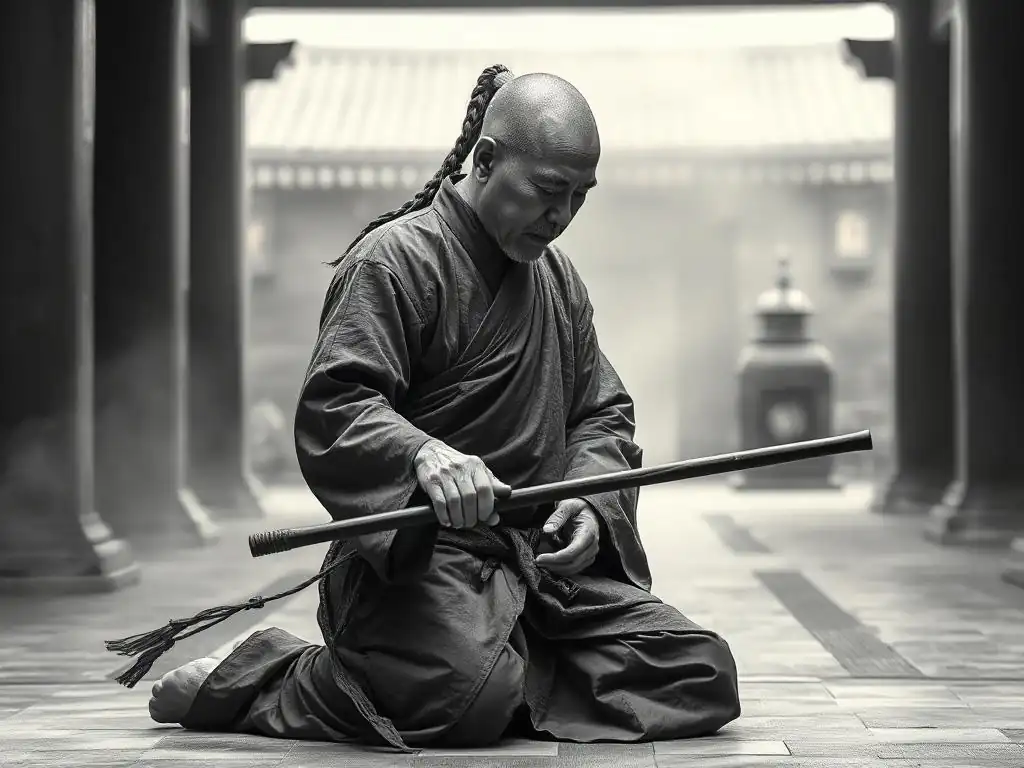
Stance and footwork are fundamental to embodying the leopard's agility and power in Bao Quan. Unlike styles that might favor deep, static stances, Shaolin Leopard Style utilizes compact, mobile stances that allow for instantaneous transitions between defense and explosive attack. Common stances include the Cat Stance (Mao Bu), which allows for quick weight shifts and evasive maneuvers, and various low, coiled stances that store potential energy for sudden forward bursts, much like a leopard preparing to pounce.
The footwork is characterized by rapid, short steps and agile shuffling, enabling practitioners to close distance quickly or evade incoming attacks with lightning speed. The emphasis is on staying light on the feet while maintaining a stable base, facilitating explosive movements. Training involves drills focused on balance, agility, and the ability to change direction or accelerate instantly, ensuring that the practitioner's lower body is always ready to support the powerful strikes delivered by the hands, reflecting the style's core principles derived from the Shaolin Leopard Style origins.
Hand Techniques: Clawing, Striking, and Blocking in Leopard Style
The hand techniques of Shaolin Leopard Style are diverse but heavily feature the signature leopard fist (Bao Quan). This technique involves striking with the knuckles, concentrating force into a small area for maximum impact, particularly effective against soft tissue or pressure points. Strikes are typically delivered in rapid, successive bursts, overwhelming the opponent's defenses with sheer speed and power.
Beyond the leopard fist, the style also incorporates other hand forms and techniques. These can include palm strikes, elbow strikes, and even techniques mimicking the leopard's claws, used for raking or grabbing. Blocking in Leopard Style is often dynamic, using hard blocks or parries to deflect attacks while simultaneously setting up counter-strikes. The hands are seen as versatile weapons, capable of delivering crushing blows, deflecting incoming force, and controlling the opponent, all executed with the speed and intensity characteristic of Bao Quan.
The Importance of Speed and Power Generation in Leopard Kung Fu
Speed and power generation are the twin pillars upon which Shaolin Leopard Style is built. The style's effectiveness hinges on the ability to deliver devastating strikes with incredible velocity. Training focuses heavily on developing fast-twitch muscle fibers and mastering the mechanics of fa jing – the coordinated release of muscular energy from the entire body into a single technique. This is achieved through specific breathing exercises, body alignment drills, and repetitive practice of core movements.
Power generation in Bao Quan is not about brute strength alone but about focused energy release. A practitioner might look deceptively relaxed in a stance, only to explode into action with a strike that carries the weight and momentum of their entire body. This sudden, unexpected burst of speed and power is designed to bypass an opponent's defenses before they can react effectively. The relentless pursuit of speed and explosive power is a direct legacy of the Shaolin Leopard Style origins, mimicking the animal's natural hunting prowess.
Leopard Style's Place Among Shaolin Animal Styles
Comparing Leopard Style to Other Shaolin Animal Forms (Tiger, Crane, Monkey)
Shaolin Kung Fu features a rich menagerie of animal styles, each emphasizing different principles and combat strategies. Comparing Leopard Style to others like Tiger, Crane, and Monkey highlights its unique focus. Tiger Style (Hu Quan) typically emphasizes brute strength, solid stances, and powerful, bone-breaking techniques delivered with force. Crane Style (He Quan), conversely, focuses on evasiveness, balance, long-range techniques, and precision strikes to vital points. Monkey Style (Hou Quan) is known for its acrobatic movements, deceptive tactics, low stances, and unpredictable attacks.
Leopard Style (Bao Quan) distinguishes itself from these by prioritizing speed and explosive, focused power. While the Tiger uses overwhelming force, the Leopard uses blinding speed to deliver concentrated power. The Crane is elusive and strikes from a distance; the Leopard is agile and closes distance rapidly to strike. The Monkey is tricky and unpredictable; the Leopard is direct and overwhelming in its sudden assault. This focus on speed and focused power gives Leopard Style a distinct identity and combat application within the Shaolin system.
The Unique Combat Applications of Leopard Fist
The unique combat applications of Shaolin Leopard Style stem directly from its emphasis on speed and concentrated power. Bao Quan is particularly effective in close-to-medium range combat, where its rapid, explosive strikes can be delivered before an opponent can react. The leopard fist, with its small striking surface (the knuckles), is ideal for targeting vulnerable areas such as the ribs, temples, solar plexus, or joints, delivering significant impact with minimal wind-up.
This style is designed to overwhelm an opponent through a flurry of fast, powerful attacks, breaking through guards and disrupting their structure. Its agile footwork allows practitioners to quickly change angles of attack or evade counter-strikes. While it may lack the grappling focus of some styles or the deep stances of others, its ability to generate sudden, focused power makes it devastating in direct confrontation. The Shaolin Leopard Style origins are rooted in practical self-defense, and its techniques reflect this goal of quick, decisive engagement.
Leopard Style's Influence on Southern Kung Fu Styles
While traditionally associated with the Northern Shaolin Temple, the principles and techniques of Shaolin Leopard Style have exerted influence on various Southern Chinese martial arts styles. Historically, martial arts masters and monks traveled between regions, sharing and adapting techniques. Southern styles, often characterized by low stances, powerful short-range techniques, and strong hand forms, found resonance with the explosive power generation and compact nature of Bao Quan.
Specific hand forms and striking methods resembling the leopard fist can be found in certain Southern Kung Fu systems, sometimes adapted or integrated into their existing frameworks. The emphasis on generating power from a stable, low base and delivering rapid, forceful strikes aligns well with many Southern martial arts philosophies. This cross-pollination demonstrates the widespread impact of Shaolin martial arts and suggests that elements of the Shaolin Leopard Style origins were carried south, contributing to the rich diversity of Chinese Kung Fu.
Training and Development in Shaolin Leopard Style
Foundational Drills for Leopard Style Practitioners
Training in Shaolin Leopard Style begins with foundational drills designed to build the essential physical attributes: speed, agility, and explosive power. Stance training, while emphasizing mobility, builds leg strength and stability. Footwork drills focus on rapid shuffling, short bursts of speed, and quick changes in direction, mimicking the leopard's movements. Striking practice heavily involves hitting makiwara boards or sandbags to condition the knuckles and develop the proper mechanics for delivering the leopard fist with maximum force.
Other foundational exercises include plyometrics to develop explosive leg power for jumping and pouncing movements, as well as conditioning exercises to build core strength for generating fa jing. Repetitive practice of basic strikes and defensive movements is crucial for developing muscle memory and achieving the speed required. These foundational drills are the bedrock upon which advanced techniques are built, ensuring practitioners possess the physical capabilities needed to effectively execute Leopard Style techniques.
Advanced Leopard Style Forms and Applications
Once foundational skills are established, practitioners move on to advanced Leopard Style forms (Tao Lu) and their practical applications. Forms are pre-arranged sequences of movements that preserve the style's techniques and principles. Leopard forms typically feature rapid transitions between stances, sudden explosive strikes, and agile evasive movements. Practicing these forms helps develop fluidity, timing, and the ability to link techniques seamlessly.
Advanced training also involves application drills (San Da) where techniques from the forms are practiced with a partner in realistic scenarios. This includes practicing entering techniques, rapid striking combinations using the leopard fist and other hand forms, defensive counters, and strategic footwork for controlling distance. Sparring, often with protective gear, allows practitioners to test their speed, timing, and power generation against a resisting opponent, refining their ability to apply Leopard Style effectively in combat.
Developing the Leopard's Spirit: Mental Discipline and Focus
Beyond physical training, developing the "Leopard's Spirit" is a crucial aspect of mastering Shaolin Leopard Style. This involves cultivating mental discipline, intense focus, and the predatory mindset of the leopard. Practitioners are encouraged to develop patience and stillness when observing an opponent, combined with the ability to explode into action with unwavering determination and ferocity at the opportune moment.
Meditation and breathing exercises are often incorporated into training to improve concentration and develop the calm focus needed to remain composed under pressure. Understanding the philosophical underpinnings of the style – embodying the leopard's characteristics not just physically but mentally – is key to unlocking its full potential. This mental fortitude allows practitioners to maintain speed and power even when fatigued and to exploit openings with the predator's instinct, reflecting the deep integration of mind and body inherent in Shaolin martial arts.
Notable Leopard Style Masters and Practitioners
Profiles of Influential Figures in Leopard Kung Fu History
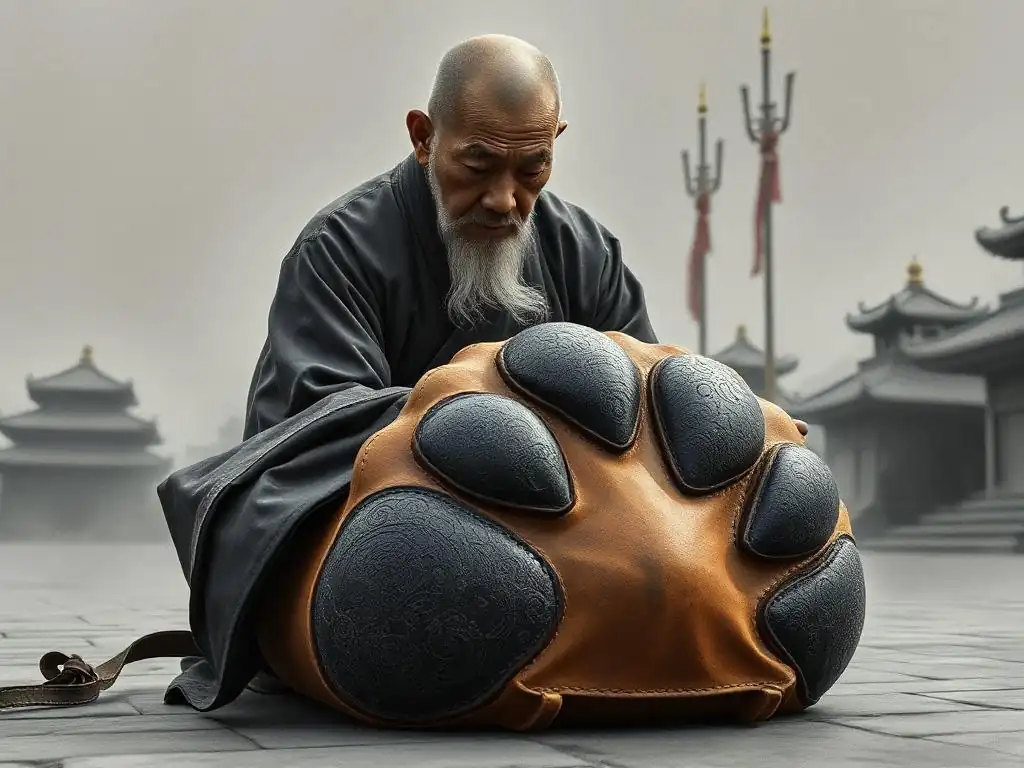
Pinpointing specific, universally recognized historical masters solely dedicated to Shaolin Leopard Style origins can be challenging due to the nature of traditional martial arts transmission. However, certain figures within Shaolin's history are associated with the development and proliferation of animal styles. For instance, the legendary figure of Abbot Zhi Tong (智通), while often associated with the Five Animal Form collectively, represents the period when these distinct styles were being formalized and taught systematically within the temple.
Later figures, particularly during the late Qing and Republican periods, who taught Shaolin Kung Fu outside the temple walls, undoubtedly included Leopard Style in their curriculum. While a specific "Grandmaster of Leopard Style" with a clear lineage might be hard to name with absolute certainty for early periods, masters like those who contributed to the "Five Animal Five Form" systems prevalent in Southern China were influenced by or taught aspects of Bao Quan.
These figures, though perhaps not exclusively Leopard stylists, were crucial in preserving and transmitting the techniques and principles that constitute the Shaolin Leopard Style origins as they spread beyond the temple.
Leopard Style Demonstrations in Historical Events
Historical records sometimes mention martial arts demonstrations by Shaolin monks or their disciples at various events, though specific details about which animal styles were demonstrated are often sparse. However, accounts from the late Qing dynasty and early Republican period (early 20th century) describe public martial arts exhibitions where various Shaolin forms were showcased. It is highly probable that dynamic and visually impressive styles like Leopard Kung Fu were included in such demonstrations to showcase the monks' skills and the power of Shaolin martial arts.
For example, during the period when Shaolin Kung Fu was being documented and sometimes taught more openly, masters would perform forms that incorporated the rapid movements and explosive strikes characteristic of Leopard Style. While specific records detailing a Leopard Style solo demonstration at a major historical event might be elusive, the inclusion of its techniques within broader Shaolin performances served to popularize and disseminate the style, contributing to its recognition and continued practice.
Leopard Style in Modern Martial Arts
The Continued Relevance of Leopard Style in Contemporary Kung Fu
Despite the evolution of martial arts and the rise of various combat sports, Shaolin Leopard Style retains significant relevance in contemporary Kung Fu practice. Its core principles of speed, explosive power, and direct, focused striking remain highly effective in self-defense situations. In a world where confrontations can occur rapidly, the ability to deliver decisive strikes quickly is invaluable.
Furthermore, the physical conditioning required to practice Bao Quan – developing explosive strength, agility, and resilience – provides practitioners with a high level of physical fitness. The mental discipline cultivated through training, focusing on speed, timing, and the ability to transition from stillness to action, is also highly applicable to modern life, fostering focus and decisiveness. Thus, beyond its historical significance, Leopard Style offers practical physical and mental benefits for today's practitioners.
Finding Reputable Leopard Style Instructors and Training Resources
Finding reputable Shaolin Leopard Style instructors today requires careful research, as the style is less common than some other martial arts forms. Potential students should look for instructors with verifiable lineage tracing back to legitimate Shaolin traditions or well-established Kung Fu schools known for preserving traditional animal styles. Many authentic masters trained either directly at the temple (in later periods) or under masters who had temple connections.
Resources might include traditional martial arts schools specializing in Shaolin Kung Fu, though it's wise to inquire specifically about their Leopard Style curriculum. Online resources, while not a substitute for in-person instruction, can sometimes offer insights into the style's techniques and history, but students must be discerning. Seeking out instructors who emphasize foundational training, proper body mechanics, and the philosophical aspects of the style, not just flashy techniques, is key to learning authentic Bao Quan.
Leopard Style Techniques for Practical Application
The techniques of Shaolin Leopard Style are inherently practical for self-defense. The emphasis on rapid, close-range striking makes it effective in situations where distance is minimal. The leopard fist, targeting vulnerable points, can quickly incapacitate an assailant. The agile footwork allows for effective evasion and positioning, while the ability to generate explosive power enables smaller practitioners to deliver impactful strikes.
Specific applications include rapid-fire strikes to disrupt an aggressor's balance and guard, focused blows to vulnerable areas like the throat or solar plexus, and using speed to enter past an opponent's reach. While traditional forms might include stylized movements, a reputable instructor will teach the practical applications of these techniques for realistic self-defense scenarios. The directness and speed of Leopard Style make it a formidable system for personal protection.
Conclusion: The Enduring Legacy of Shaolin Leopard Style
The Future of Bao Quan: Preserving and Promoting the Leopard's Art
The future of Shaolin Leopard Style lies in dedicated preservation and thoughtful promotion. As with many traditional martial arts, there is a risk of techniques being diluted or lost if not passed down accurately. Authentic masters and schools play a vital role in maintaining the integrity of Bao Quan, ensuring that both the physical techniques and the underlying principles and history, including the Shaolin Leopard Style origins, are taught correctly.
Promoting the style involves making it accessible to new generations of practitioners who are interested in traditional Kung Fu. This could include workshops, demonstrations, and sharing knowledge through reputable channels. Emphasizing the unique benefits of Leopard Style – its focus on speed, explosive power, and mental discipline – can attract students seeking a challenging and effective martial art. The goal is to ensure that the dynamic art of the leopard continues to thrive and evolve while honoring its rich heritage.
Final Thoughts on the Speed, Power, and Adaptability of Leopard Style Kung Fu
Shaolin Leopard Style stands as a testament to the ingenious martial arts developed at the Shaolin Temple. Its emphasis on speed and explosive, focused power makes it a unique and formidable system. From its probable Shaolin Leopard Style origins rooted in observing nature to its application in modern self-defense, Bao Quan demonstrates remarkable adaptability.
The style teaches practitioners not just how to fight, but how to embody the characteristics of the leopard – patient stillness followed by sudden, overwhelming action. This combination of physical prowess and mental fortitude makes Leopard Style a powerful and effective martial art. Its enduring legacy speaks to the effectiveness of its principles and the depth of the Shaolin martial tradition from which it emerged.
Frequently Asked Questions
What are the Shaolin Leopard Style (Bao Quan) origins?
The origins are rooted in the Shaolin Temple and its long history of martial arts development. It's believed to have evolved through observation of leopard movements and their incorporation into fighting techniques.
What are the key characteristics of Shaolin Leopard Style?
This style emphasizes speed, agility, and direct, powerful strikes. Practitioners aim to overwhelm opponents with a flurry of focused attacks.
How does Shaolin Leopard Style differ from other Shaolin styles?
Unlike styles focusing on broader, flowing movements, Leopard Style prioritizes close-quarters combat and explosive power. It's more linear and direct.
What is the philosophical basis behind Shaolin Leopard Style?
The philosophy centers on adaptation and exploiting weaknesses, mirroring the leopard's hunting strategy. It also emphasizes discipline and self-control.
Where can I learn Shaolin Leopard Style?
Finding a qualified instructor specializing in traditional Shaolin Kung Fu is crucial. Look for schools with a lineage connected to the Shaolin Temple.
Final Reflection: Embracing the Leopard's Spirit
The journey through the origins of Shaolin Leopard Style, or Bao Quan, reveals more than just a martial art; it unveils a philosophy of adaptability and focused power that resonates deeply even today. The principles of speed, cunning, and precise strikes, honed within the walls of the Shaolin Monastery, offer valuable lessons applicable far beyond the training mat, reminding us of the importance of strategic thinking and decisive action in navigating the complexities of modern life.
The enduring legacy of Bao Quan, and its influence on various martial arts and even popular culture, underscores its profound impact. Witnessing the dedication and discipline required to master this style inspires a deeper appreciation for the power of focused intention and the pursuit of excellence. The art of fighting is the art of moving without moving, striking without striking. It is the art of knowing when to strike and when to wait.
This ancient wisdom, embodied in the Leopard Style, speaks to a timeless truth about strategy and self-mastery.
As we conclude this exploration of Shaolin Leopard Style origins, I invite you to consider how its core tenets – speed, cunning, and precision – can be integrated into your own life. How can you cultivate a more adaptable mindset, sharpen your focus, and harness your inner strength to overcome challenges and achieve your goals? Embrace the leopard's spirit, and discover the power within you to move with agility, strike with purpose, and leave your own lasting mark on the world.
Unleash Your Inner Leopard: Transform Your Martial Arts Journey Today!
Thank you for delving into the fascinating origins of Shaolin Leopard Style. We hope you've gained a deeper appreciation for its unique blend of speed and power. Now, it's time to translate that knowledge into action.
Here are a few ways to continue your journey:
- Commit to practicing one Leopard Style technique daily for the next month – focus on mastering its speed and precision.
- Explore other animal styles within Shaolin Kung Fu to broaden your understanding and find what resonates with you.
- Share this article with a fellow martial artist and discuss how you can both incorporate elements of Leopard Style into your training.
What specific aspect of Leopard Style's philosophy most inspires you to improve your own martial arts practice?