
The True Story of the Shaolin Temple's Destructions and Rebirths

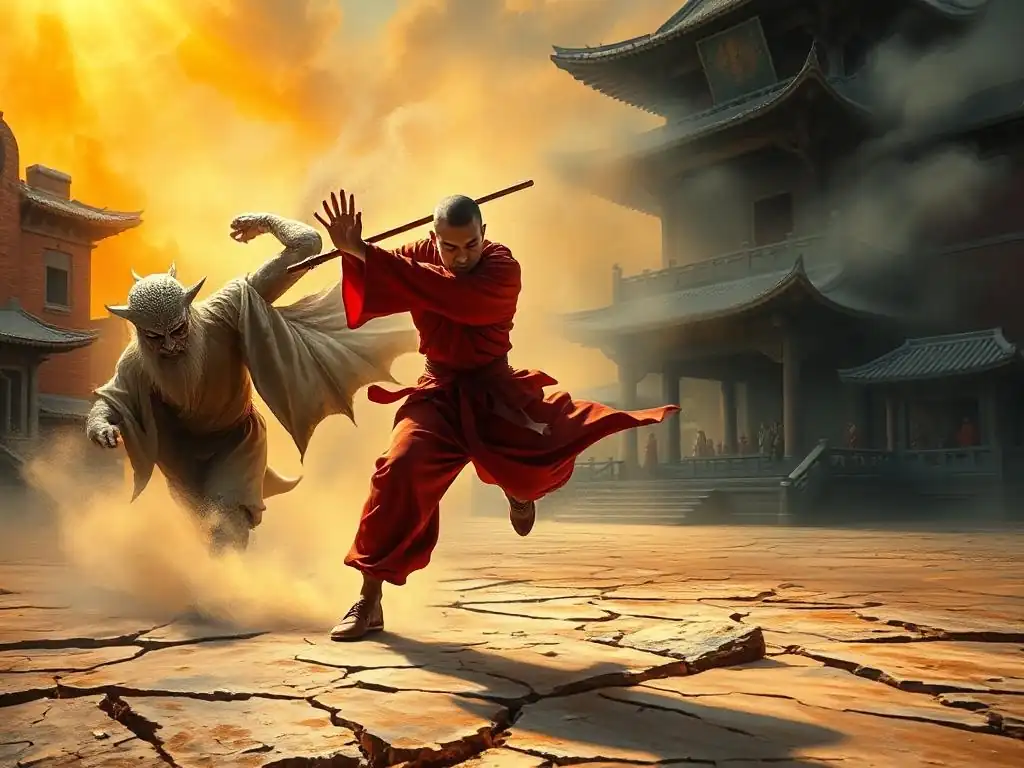
Welcome to Martial Arts Mastery, your gateway to the profound world of combat disciplines. Delve into the history, philosophy, and practical applications of martial arts from across the globe. But what truly lies beneath the legends? Explore the fascinating and often turbulent journey of one of the most iconic symbols of martial prowess as we uncover the "True Story of the Shaolin Temple's Destructions and Rebirths," a tale of resilience and unwavering spirit that continues to shape martial arts today. Are you ready to discover the secrets hidden within its ancient walls?
- The Modern Era: Destruction and Subsequent Revivals
- Shaolin Temple Today: Preservation and Modernization
- Shaolin Kung Fu Styles: From Ancient Roots to Contemporary Practice
- Conclusion: The Enduring Spirit of Shaolin – A Testament to Rebirth
-
Frequently Asked Questions
- What is the main focus of Shaolin Temple history in the context of "MartialArtsMastery.org"?
- Why is understanding the "Shaolin Temple history rebirths" important for martial artists?
- What are some common misconceptions about the Shaolin Temple's history?
- Where can I find more in-depth information about specific Shaolin martial arts techniques?
- How does the Shaolin Temple's history influence its self-defense strategies today?
- Final Reflection: The Enduring Spirit of Shaolin
- Uncover the Resilience Within: Start Your Martial Arts Journey!
The Modern Era: Destruction and Subsequent Revivals
The Cultural Revolution and the Persecution of Shaolin Monks
The mid-20th century brought one of the most severe challenges to the Shaolin Temple's long history. The Cultural Revolution (1966-1976) in China aimed to purge traditional and capitalist elements from Chinese society, viewing institutions like the Shaolin Temple as remnants of the old feudal order. Monks were persecuted, forced to abandon their religious practices and martial arts training, and many were driven out or imprisoned. The temple itself suffered significant damage, both physically and spiritually, marking a dark period in the Shaolin Temple history rebirths narrative.
This era saw a systematic attempt to dismantle traditional Chinese culture, including the rich heritage of Shaolin. Red Guards targeted the temple as a symbol of superstition and the past. Historical artifacts were destroyed, scriptures burned, and the remaining monks subjected to public humiliation and forced labor. The vibrant monastic community that had existed for over a thousand years was scattered, its members facing immense hardship and the threat of violence, leaving the temple largely deserted and its traditions on the brink of extinction.
Devastation and Loss During the Cultural Revolution
The physical destruction inflicted upon the Shaolin Temple during the Cultural Revolution was substantial. While the temple had faced raids and fires before, this period represented a state-sponsored assault on its very existence. Buildings were vandalized, statues defaced, and precious historical records lost forever. The famous Pagoda Forest, a burial ground for eminent monks throughout history, was also threatened, though it largely survived the worst of the destruction compared to the main temple structures.
Beyond the physical damage, the loss of human life and the disruption of the lineage of knowledge were perhaps more devastating. Many senior monks, repositories of centuries of oral tradition, philosophical understanding, and advanced martial arts techniques, were killed or disappeared during this time. The strict master-disciple relationships essential for transmitting complex Kung Fu forms and Chan Buddhist philosophy were broken. For a period, the living heart of Shaolin – its community of dedicated practitioners – seemed to have ceased beating, leaving a void in the continuation of authentic Shaolin Temple history rebirths.
The Rebirth of Shaolin: Restoration and Global Recognition
Following the end of the Cultural Revolution, a slow but determined process of restoration began for the Shaolin Temple. Starting in the late 1970s and gaining momentum in the 1980s, the Chinese government recognized the cultural and potential economic value of the temple. Funds were allocated for physical reconstruction, and surviving monks were encouraged to return. The temple began to attract new disciples, eager to learn the ancient ways, though the challenge of recovering lost knowledge and rebuilding the monastic community was immense.
The film "Shaolin Temple" starring Jet Li in 1982 played a pivotal role in sparking global interest and accelerating the temple's revival. This movie, a massive hit, introduced the mystique of Shaolin Kung Fu to an international audience. Suddenly, the temple became a symbol of Chinese martial arts prowess and spiritual depth. This newfound fame brought tourists, students, and resources, significantly contributing to the temple's physical reconstruction and enabling the recruitment of new generations of monks and lay practitioners, thus fueling the latest chapter in Shaolin Temple history rebirths.
Shaolin Temple Today: Preservation and Modernization
Shaolin Temple's Role in Modern Martial Arts
Today, the Shaolin Temple holds a complex position within the global martial arts landscape. It serves as both a historical touchstone for numerous Kung Fu styles that trace their lineage back to its origins and a vibrant, albeit sometimes controversial, modern institution. While many traditional martial arts schools around the world claim a connection to Shaolin, the official temple and its affiliated organizations are central to preserving and promoting what is considered orthodox Shaolin Kung Fu. This includes not only the physical forms but also the integral Chan Buddhist philosophy.
The temple actively participates in martial arts demonstrations, cultural exchanges, and even commercial ventures globally. This engagement helps maintain its relevance and financial stability in the modern era. However, this modernization has also sparked debate among purists regarding the balance between tradition and commercialization. Despite these debates, the temple remains a primary source of inspiration and training for countless martial artists worldwide, influencing everything from performance arts to practical self-defense systems, proving the enduring impact of Shaolin Temple history rebirths.
Preserving Traditional Shaolin Kung Fu: Training and Philosophy
Preserving traditional Shaolin Kung Fu involves rigorous training that goes far beyond mere physical technique. At the heart of the practice is Chan Buddhism, emphasizing meditation, mindfulness, and the cultivation of inner peace and discipline. Disciples undergo demanding physical conditioning, mastering fundamental stances, movements, and forms (套路, tàolù). This foundational training builds strength, flexibility, and endurance, preparing the body for more complex techniques.
The training structure is hierarchical and demanding, often requiring years of dedication. Students progress from basic movements to intricate forms, sparring techniques, and weapon proficiency. Alongside physical training, significant time is devoted to Buddhist study, meditation, and performing monastic duties. This holistic approach ensures that students understand that Shaolin Kung Fu is not just a fighting system but a path to self-improvement and spiritual development, embodying the core principles that have guided Shaolin Temple history rebirths through the ages.
The Shaolin Temple as a Global Icon: Cultural Exchange and Tourism
The Shaolin Temple has transformed into a major global cultural icon and a significant tourist destination. Attracting hundreds of thousands, perhaps millions, of visitors annually from both within China and internationally, the temple complex is a bustling hub of activity. Tourists come to witness martial arts demonstrations, explore the historic grounds, and experience the unique atmosphere of this ancient monastery. This influx of visitors provides vital revenue but also presents challenges related to managing crowds and maintaining the spiritual sanctity of the site.
Beyond tourism, the temple engages in extensive cultural exchange programs. Shaolin monks and performance troupes tour the world, showcasing their martial arts prowess and Buddhist culture. These tours serve as powerful ambassadors for Chinese culture and the Shaolin brand. The temple also hosts international students and delegations, fostering cross-cultural understanding through the shared interest in martial arts and spirituality. This global outreach highlights the remarkable journey of Shaolin Temple history rebirths, from a secluded monastery to an internationally recognized symbol.
Shaolin Kung Fu Styles: From Ancient Roots to Contemporary Practice
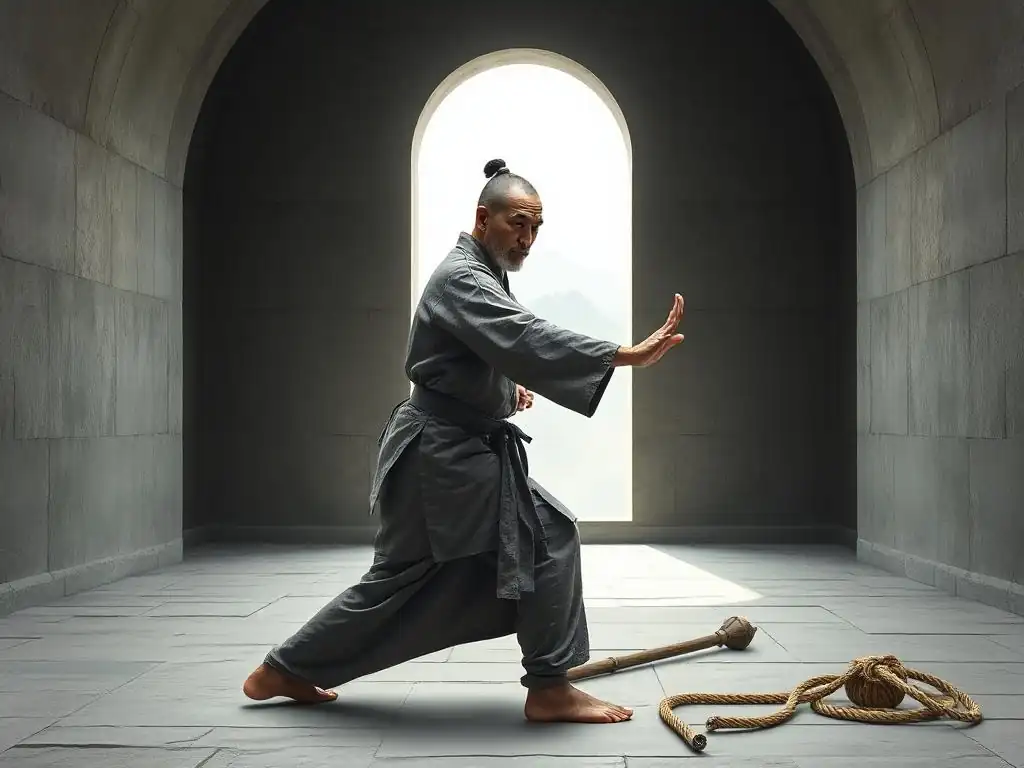
The Evolution of Shaolin Martial Arts Techniques
Shaolin Kung Fu is not a single, monolithic style but rather a vast collection of techniques, forms, and principles that have evolved over centuries. Its development was influenced by various factors, including the need for self-defense against bandits, military involvement, and the integration of animal movements observed in nature. Early techniques likely focused on practical fighting skills necessary for survival in a turbulent environment. Over time, these techniques became more refined, systematized, and imbued with philosophical meaning, particularly through the lens of Chan Buddhism.
The evolution involved the creation of numerous distinct forms ( tàolù), which serve as codified sequences of movements preserving specific techniques and strategies. Different generations of monks and masters developed new forms based on their experiences and understanding. This led to a diverse repertoire encompassing hand-to-hand combat, joint locks, throws, pressure point strikes, and various weapon forms. The continuous refinement and adaptation of techniques ensured Shaolin Kung Fu remained effective and relevant, reflecting the dynamic aspect of Shaolin Temple history rebirths.
Key Kung Fu Styles Developed at the Shaolin Temple: Xiao Hong Quan, Tong Bei Quan, Qi Xing Quan
Among the multitude of forms and styles associated with Shaolin, several are considered foundational or particularly significant.
- Xiao Hong Quan (小洪拳, Small Flood Fist) is often taught to beginners. It is a relatively short, simple form that emphasizes basic stances, coordination, and powerful, straightforward movements. Despite its name, it is considered a crucial building block for developing core strength and understanding fundamental Shaolin principles.
- Tong Bei Quan (通背拳, Through the Back Fist) focuses on extending energy through the back and shoulders, generating power from a distance. It is characterized by long-range movements, whipping motions, and dynamic footwork.
- Qi Xing Quan (七星拳, Seven Star Fist) is named after the seven stars of the Big Dipper constellation, symbolizing key points or principles in the human body or fighting strategy. This style is known for its intricate footwork, circular movements, and deceptive techniques.
These are just a few examples from a vast curriculum that includes hundreds of forms, each with its unique characteristics, applications, and history, contributing to the rich tapestry of Shaolin Temple history rebirths.
Shaolin Weapons Training: A Historical Perspective
Weapons training has always been an integral part of Shaolin Kung Fu. Historically, monks needed to defend themselves and the temple, leading to the development of proficiency with a wide array of traditional Chinese weapons. The staff (棍, gùn) is arguably the most iconic Shaolin weapon, revered for its simplicity, versatility, and effectiveness. Shaolin staff techniques are renowned for their speed, power, and fluid movements, often mimicking the movements of animals.
Other traditional weapons commonly practiced at Shaolin include the broadsword (刀, dāo), straight sword (劍, jiàn), spear (槍, qiāng), and various polearms and flexible weapons. Each weapon requires specialized training and has its own set of forms and applications. The mastery of weapons was not merely for combat but also served as a method for cultivating coordination, focus, and energy control, deepening the practitioner's understanding of martial principles and contributing significantly to the comprehensive nature of Shaolin Temple history rebirths.
Conclusion: The Enduring Spirit of Shaolin – A Testament to Rebirth
Lessons from the Shaolin Temple: Perseverance, Discipline, and Inner Strength
The tumultuous history of the Shaolin Temple offers profound lessons applicable far beyond the martial arts world. Its repeated cycles of destruction and rebirth highlight the power of perseverance in the face of overwhelming adversity. The monks' unwavering commitment to their traditions, even during periods of intense persecution like the Cultural Revolution, exemplifies incredible resilience. This history underscores the importance of discipline, not just in physical training but in maintaining one's values, beliefs, and practices against external pressures.
Furthermore, the emphasis on Chan Buddhism within Shaolin Kung Fu points to the cultivation of inner strength. The practice of meditation and mindfulness is designed to build mental fortitude, emotional control, and a deep understanding of oneself. This inner development is seen as inseparable from physical prowess, suggesting that true mastery comes from within. The Shaolin experience teaches that even when external structures crumble, an indomitable spirit and inner discipline can pave the way for renewal, a core theme running through Shaolin Temple history rebirths.
The Future of Shaolin: Balancing Tradition and Modernity
The Shaolin Temple today faces the ongoing challenge of balancing the preservation of its ancient traditions with the demands and opportunities of the modern world. While global recognition and commercial success have provided resources for restoration and expansion, they also bring the risk of commercialization overshadowing the spiritual and martial essence of Shaolin. The temple leadership must navigate the complexities of managing a global brand, engaging with mass tourism, and utilizing modern media while safeguarding the authenticity of its training, philosophy, and monastic life.
Key aspects for the future include ensuring the quality and depth of traditional training for new generations of monks and disciples, maintaining academic research into Shaolin history and culture, and fostering genuine cultural exchange rather than mere performance. The integrity of the Chan Buddhist practice remains crucial, providing the spiritual foundation that distinguishes Shaolin from purely physical martial arts schools. The continued success of Shaolin Temple history rebirths depends on its ability to adapt without compromising the core values that have allowed it to endure for over 1,500 years.
Shaolin Temple History: A Cycle of Destruction and Renewal
Looking back at the extensive Shaolin Temple history, from its founding in the 5th century to its status today, a clear pattern emerges: a cycle of destruction and renewal. The temple has faced numerous challenges – military conflicts, political suppression, natural disasters, and ideological purges. Each time, it has suffered significant losses, only to rise again, rebuilt and revitalized by the dedication of its practitioners and, in later periods, by external support and global interest.
This remarkable history is a testament to the strength of the ideas and practices rooted in Shaolin: the potent combination of Chan Buddhism and martial arts. It is this enduring spirit, carried forward through generations of monks and disciples, that has allowed Shaolin to repeatedly experience rebirths. The Shaolin Temple history rebirths narrative is not just about a physical building; it is about the resilience of a cultural and spiritual institution that has proven its ability to survive, adapt, and flourish despite the most challenging circumstances.
Frequently Asked Questions
What is the main focus of Shaolin Temple history in the context of "MartialArtsMastery.org"?
The focus is on the cycles of destruction and rebirth that the Shaolin Temple has endured throughout its history, emphasizing its resilience and enduring martial arts tradition.
Why is understanding the "Shaolin Temple history rebirths" important for martial artists?
Understanding the Temple's past provides context for its present practices and philosophy. It demonstrates the perseverance required to master martial arts, mirroring the Temple's own survival.
What are some common misconceptions about the Shaolin Temple's history?
One common misconception is that the Temple has always been a peaceful sanctuary. In reality, it faced repeated destructions and political turmoil, requiring constant adaptation.
Where can I find more in-depth information about specific Shaolin martial arts techniques?
"MartialArtsMastery.org" offers content broken down by discipline and training tips, so explore those sections for specific martial arts techniques linked to the Shaolin tradition.
How does the Shaolin Temple's history influence its self-defense strategies today?
The Temple's history of defending itself against invaders has shaped its practical self-defense strategies, emphasizing adaptability and resourcefulness in the face of adversity.
Final Reflection: The Enduring Spirit of Shaolin
The narrative of the Shaolin Temple, marked by cycles of destruction and rebirth, is not merely a historical account; it is a potent symbol of resilience and the unwavering pursuit of spiritual and physical mastery. The temple's repeated trials, from devastating fires to political persecution, underscore a profound truth: that even in the face of obliteration, the essence of Shaolin – its philosophy, its martial arts, and its dedication to enlightenment – can endure and flourish anew.
The Shaolin Temple's story resonates deeply because it mirrors the human experience itself. It reminds us that setbacks are inevitable, but they do not define us; rather, they offer opportunities for growth and renewal. The temple's influence extends far beyond the realm of martial arts, inspiring countless individuals to cultivate discipline, perseverance, and inner peace. The oak sleeps in the acorn; the bird waits in the egg; the highest vision of the soul lies in a waking dream. Angel always arrives when you are ready for him.
- James Allen. This quote encapsulates the spirit of Shaolin: the potential for greatness lies dormant within, waiting for the right conditions to emerge.
Let the story of the Shaolin Temple inspire you to embrace challenges as opportunities for transformation. Just as the temple has risen from the ashes time and again, so too can you overcome adversity and emerge stronger, wiser, and more resilient. Reflect on the lessons of Shaolin – the importance of discipline, the power of perseverance, and the enduring strength of the human spirit – and allow them to guide you on your own path to rebirth and self-discovery.
Uncover the Resilience Within: Start Your Martial Arts Journey!
Thank you for exploring the incredible journey of the Shaolin Temple with us! You've now witnessed its enduring spirit and the power of perseverance in the face of adversity. It's time to channel that inspiration into action.
Here's how you can connect with the Shaolin spirit today:
- Embrace the Shaolin spirit: Commit to your own personal resilience journey by setting a challenging, yet attainable, goal this week.:
- Delve deeper into the philosophy. Research and share insightful documentaries or little-known facts about the Shaolin Temple’s history on your social platforms.
- Experience the energy yourself! Find a local martial arts school offering Kung Fu classes and attend a trial session to begin your physical and mental transformation.
What small step will you take today to embody the unwavering spirit of the Shaolin Temple in your own life?