
Tai Chi Chuan as a Gentle Therapy for Chronic Pain Management

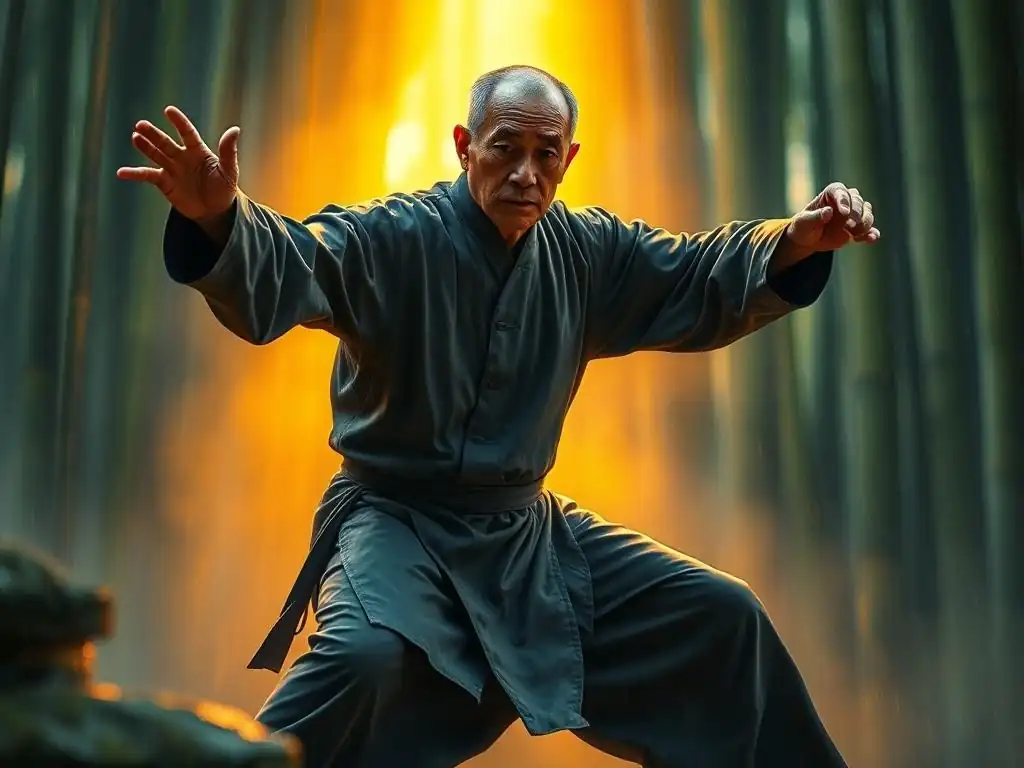
Welcome to Martial Arts Mastery, your ultimate resource for exploring the depth and breadth of martial arts. Ever wondered if the graceful movements of Tai Chi could offer more than just exercise? Dive into our latest exploration of Tai Chi Chuan as a Gentle Therapy for Chronic Pain Management and uncover the potential of this ancient practice to unlock pain relief and improve overall well-being. Prepare to be amazed by the science and serenity behind this powerful art.
- Introduction to Tai Chi for Pain Relief: A Gentle Approach
- Tai Chi's Mechanisms for Chronic Pain Reduction
- Tai Chi Practice and Specific Chronic Pain Conditions
- Getting Started with Tai Chi for Chronic Pain
- Benefits Beyond Pain Relief: The Holistic Advantages of Tai Chi
- Scientific Evidence Supporting Tai Chi for Chronic Pain
- Potential Risks and Precautions When Using Tai Chi for Chronic Pain
- Tai Chi vs. Other Therapies for Chronic Pain: A Comparison
- Long-Term Benefits of Tai Chi Chuan for Sustainable Pain Management
- Conclusion: Embracing Tai Chi for Chronic Pain Relief and Enhanced Well-being
-
Frequently Asked Questions
- How does Tai Chi Chuan help with chronic pain?
- What types of chronic pain is Tai Chi Chuan most effective for?
- How often should I practice Tai Chi Chuan for chronic pain relief?
- Are there any risks or precautions I should be aware of before starting Tai Chi Chuan?
- How does Tai Chi Chuan differ from other forms of exercise for chronic pain?
- Final Reflection: Embracing Movement, Finding Relief
- Embark on Your Pain-Free Journey Today!
Introduction to Tai Chi for Pain Relief: A Gentle Approach
Understanding Chronic Pain and its Impact
Chronic pain is a persistent, often debilitating condition that affects millions of people worldwide. Unlike acute pain, which is a temporary signal of injury, chronic pain lasts for months or even years, significantly impacting quality of life, mobility, and mental well-being. It can stem from various sources, including musculoskeletal conditions like arthritis, nerve damage, or conditions like fibromyalgia, and managing it often requires a multifaceted approach beyond just medication.
The burden of chronic pain extends beyond physical discomfort. Individuals frequently face challenges such as reduced ability to work or participate in social activities, increased anxiety and depression, and difficulty sleeping. Finding effective, non-pharmacological strategies for Tai Chi chronic pain relief is crucial for improving daily function and restoring a sense of control over one's health.
Exploring Tai Chi Chuan: An Ancient Martial Art for Modern Wellness
Tai Chi Chuan, often simply called Tai Chi, is an ancient Chinese martial art known for its slow, deliberate movements, deep breathing, and meditative state of mind. While rooted in self-defense, its practice has evolved to become widely recognized for its profound health benefits, particularly in promoting balance, flexibility, and mental calm. It is a low-impact exercise making it accessible to people of varying ages and physical conditions.
The gentle, flowing nature of Tai Chi makes it an ideal candidate for individuals struggling with chronic pain. Unlike more strenuous forms of exercise, Tai Chi movements are performed smoothly and without sudden jerks, reducing stress on joints and muscles. This allows practitioners to engage in physical activity that can help manage symptoms and improve overall function without exacerbating discomfort, offering a promising path for Tai Chi chronic pain relief.
Tai Chi's Mechanisms for Chronic Pain Reduction
The Mind-Body Connection in Tai Chi and Pain Perception
Tai Chi emphasizes the integration of mind and body through focused attention, controlled breathing, and gentle movement. This strong mind-body connection plays a significant role in altering pain perception. By cultivating mindfulness and directing attention away from discomfort, practitioners can learn to experience pain differently, reducing its intensity and emotional impact.
Regular Tai Chi practice encourages a state of relaxation and reduces the body's stress response, which is often heightened in individuals with chronic pain. Stress and anxiety can amplify pain signals, creating a vicious cycle. By calming the nervous system through focused breathing and gentle movement, Tai Chi helps break this cycle, promoting a sense of ease and potentially lowering the subjective experience of pain. This focus on the mind's role is a key aspect of Tai Chi chronic pain relief.
How Tai Chi Improves Flexibility and Range of Motion
Chronic pain, especially from conditions like arthritis or back problems, often leads to stiffness and reduced flexibility. Fear of movement can cause individuals to become less active, further decreasing range of motion and increasing pain. Tai Chi's slow, expansive movements gently stretch muscles and connective tissues, promoting greater flexibility over time.
The fluid transitions between postures encourage the joints to move through their full range of motion without impact. This consistent, gentle stretching helps to lubricate joints, reduce stiffness, and improve mobility. Enhanced flexibility and range of motion can make everyday tasks less painful and contribute significantly to functional improvements and Tai Chi chronic pain relief.
Tai Chi and Inflammation: Reducing the Root of Chronic Pain
Inflammation is a key contributor to many chronic pain conditions, such as rheumatoid arthritis and inflammatory back pain. While Tai Chi is not a direct anti-inflammatory drug, research suggests that regular practice can help modulate the body's inflammatory response. Chronic stress is known to increase inflammatory markers, and Tai Chi's stress-reducing effects can indirectly help lower inflammation.
Studies have explored the impact of Tai Chi on inflammatory markers like C-reactive protein (CRP) and various cytokines. While findings can vary, some research indicates that consistent Tai Chi practice may lead to reductions in these markers, suggesting a potential mechanism for reducing inflammation-related pain. This area continues to be researched, but the link between stress reduction, improved immune function, and inflammation modulation offers a plausible pathway for Tai Chi chronic pain relief.
Tai Chi Practice and Specific Chronic Pain Conditions
Tai Chi for Osteoarthritis Pain Management: Easing Joint Discomfort
Osteoarthritis is a common cause of chronic pain, characterized by the breakdown of joint cartilage. Tai Chi offers a low-impact way to exercise affected joints without excessive stress. The gentle movements help maintain joint flexibility, strengthen surrounding muscles, and improve balance, which can reduce the load on painful joints.
Clinical trials have demonstrated the effectiveness of Tai Chi for knee osteoarthritis pain. Participants often report reduced pain scores and improved physical function compared to control groups. For instance, a study published in Annals of Internal Medicine found that Tai Chi was as effective as physical therapy in reducing knee pain and improving function in patients with knee osteoarthritis.
Fibromyalgia and Tai Chi: Finding Relief from Widespread Pain
Fibromyalgia is a chronic condition characterized by widespread musculoskeletal pain, fatigue, and tenderness. Exercise is often recommended, but high-impact activities can be difficult. Tai Chi's gentle nature makes it suitable for individuals with fibromyalgia, providing a way to engage in physical activity and stress reduction.
Research specifically looking at Tai Chi for fibromyalgia has shown promising results. A study published in the New England Journal of Medicine found that Tai Chi significantly improved symptoms in patients with fibromyalgia, including pain, fatigue, and depression, compared to conventional aerobic exercise. Participants often experience a reduction in tender point pain and an increase in their ability to perform daily activities.
Tai Chi for Chronic Lower Back Pain: Strengthening Core and Improving Posture
Chronic lower back pain is a prevalent issue, often linked to poor posture, muscle weakness, or degenerative conditions. Tai Chi emphasizes proper alignment and gentle core engagement through its movements. The slow, controlled postures help to strengthen the muscles supporting the spine and pelvis.
By improving posture and body mechanics, Tai Chi can reduce strain on the lower back. The coordinated movements also enhance body awareness, helping individuals identify and correct postures that contribute to pain. Studies have indicated that Tai Chi can lead to reductions in chronic low back pain intensity and disability, offering a viable option for Tai Chi chronic pain relief in this area.
Tai Chi for Neck Pain: Releasing Tension and Restoring Mobility
Neck pain is another common form of chronic discomfort, often exacerbated by stress, poor posture (especially from desk work), and muscle tension. Tai Chi incorporates gentle movements of the head, neck, and shoulders, promoting relaxation and releasing built-up tension in these areas.
The focus on mindful movement and deep breathing in Tai Chi helps to alleviate muscle tightness that contributes to neck pain. Specific exercises, such as gentle neck rotations and shoulder rolls integrated into the form, can improve the range of motion in the cervical spine. Regular practice can lead to decreased neck stiffness and reduced pain levels for many individuals.
Getting Started with Tai Chi for Chronic Pain
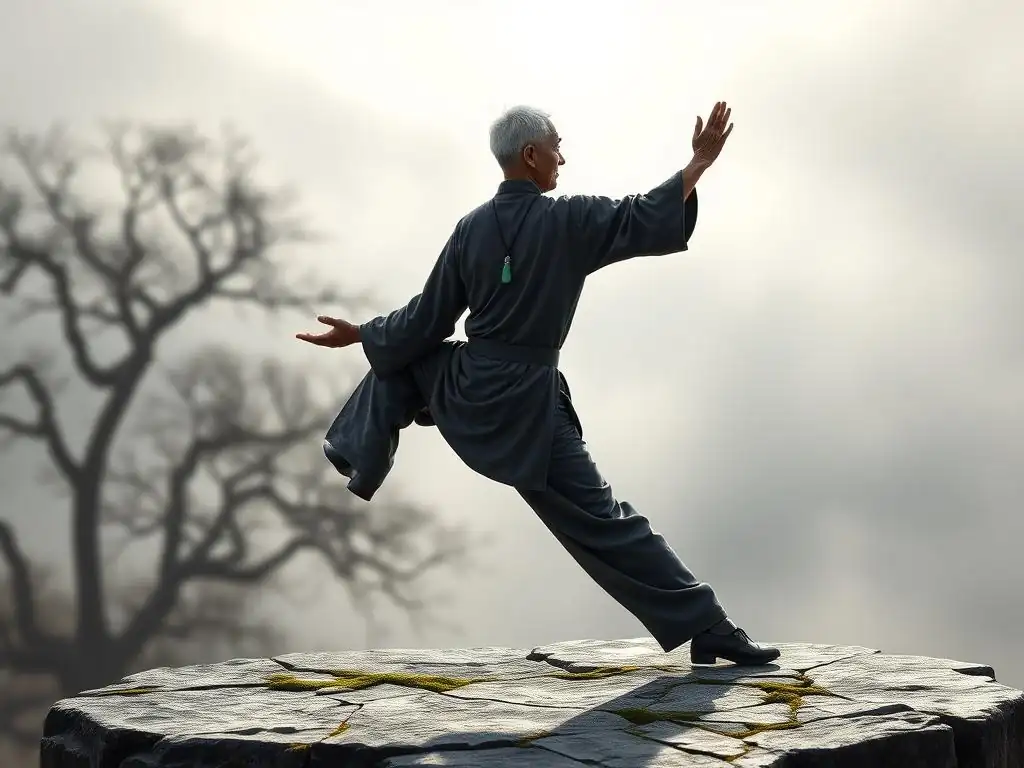
Finding a Qualified Tai Chi Instructor
Choosing the right instructor is crucial when starting Tai Chi for chronic pain management. A qualified instructor understands the principles of Tai Chi and, importantly, can provide modifications and guidance suitable for individuals with physical limitations or pain. Look for instructors who have experience working with older adults or those with health conditions.
Consider asking about their training background, teaching philosophy, and experience adapting movements for different needs. Many community centers, health clubs, and dedicated Tai Chi schools offer classes. Observing a class or speaking with the instructor beforehand can help determine if their approach aligns with your goals for finding Tai Chi chronic pain relief.
Adapting Tai Chi Movements for Individual Pain Levels
One of the strengths of Tai Chi as a therapy is its adaptability. Movements can be modified to suit individual pain levels and physical capabilities. For example, many forms can be practiced while seated, which is beneficial for individuals with significant lower body pain or balance issues.
Instructors can help practitioners adjust the depth of stances, the height of hand movements, and the overall pace. It is essential to communicate openly with your instructor about your pain levels and limitations. Listening to your body and not pushing through sharp pain is paramount to a safe and effective Tai Chi chronic pain relief practice.
Creating a Consistent Tai Chi Practice Routine for Pain Management
Consistency is key to experiencing the benefits of Tai Chi for chronic pain. Aim for regular practice, ideally several times per week. Even short sessions of 15-20 minutes practiced daily can be more beneficial than longer, infrequent sessions. Establish a routine that fits into your schedule and is realistic for your current energy and pain levels.
- Start with short sessions (10-15 minutes).
- Practice at a time of day when your pain is typically lower.
- Find a quiet, comfortable space.
- Consider joining a class for motivation and guidance.
- Track your progress and adjust your routine as needed.
Making Tai Chi a regular part of your week helps reinforce the positive effects on flexibility, strength, and stress reduction, contributing to sustained Tai Chi chronic pain relief.
Benefits Beyond Pain Relief: The Holistic Advantages of Tai Chi
Improved Sleep Quality Through Tai Chi Practice
Chronic pain often disrupts sleep patterns, leading to fatigue which can, in turn, worsen pain perception. Tai Chi's combination of gentle physical activity and meditative focus can significantly improve sleep quality. The physical exertion, though light, can help regulate sleep-wake cycles, while the stress reduction component calms the mind, making it easier to fall asleep and stay asleep.
Studies have shown that regular Tai Chi practice can lead to improvements in sleep latency (how long it takes to fall asleep), sleep duration, and overall sleep efficiency in various populations, including those with chronic conditions. This improvement in sleep is a vital component of overall well-being and supports the primary goal of Tai Chi chronic pain relief.
Reducing Stress and Anxiety with Tai Chi Meditation
Tai Chi is often described as "meditation in motion." The focus required to perform the movements, coordinate breathing, and maintain posture draws the mind away from worrying thoughts and the constant focus on pain. This practice cultivates mindfulness, helping individuals stay present and reduce rumination on discomfort and stress.
The slow, rhythmic movements and deep diaphragmatic breathing techniques inherent in Tai Chi activate the body's relaxation response. This counteracts the "fight or flight" response often triggered by chronic stress and pain. Regular practice has been shown to lower levels of stress hormones like cortisol and reduce symptoms of anxiety and depression, contributing significantly to mental health alongside Tai Chi chronic pain relief.
Enhanced Balance and Coordination: Preventing Falls and Injuries
Chronic pain can affect balance and coordination, increasing the risk of falls, particularly in older adults or individuals with conditions like osteoarthritis or neuropathy. Tai Chi places a strong emphasis on balance, weight transfer, and proprioception (the body's awareness of its position in space).
The deliberate shifting of weight between feet, maintaining an upright posture, and coordinating hand and leg movements all work together to improve stability. Research consistently shows that Tai Chi practice reduces the risk of falls in older adults by improving balance and lower extremity strength. Enhanced balance not only prevents injuries but also increases confidence in movement, further supporting active management of chronic pain.
Scientific Evidence Supporting Tai Chi for Chronic Pain
Research Studies on Tai Chi and Osteoarthritis
Numerous research studies have investigated the effects of Tai Chi on osteoarthritis, particularly in the knees. A randomized controlled trial published in the Annals of Internal Medicine compared Tai Chi to standard physical therapy for knee osteoarthritis and found both interventions led to similar improvements in pain, function, and self-efficacy over 12 weeks.
Another systematic review and meta-analysis of multiple studies concluded that Tai Chi significantly reduced pain and improved physical function in patients with knee osteoarthritis. These findings provide strong evidence supporting Tai Chi as a beneficial, non-pharmacological option for managing pain and improving mobility in individuals with this common chronic condition, bolstering its reputation for Tai Chi chronic pain relief.
Clinical Trials on Tai Chi for Fibromyalgia
Clinical trials specifically designed to evaluate Tai Chi for fibromyalgia have yielded positive results. The landmark study published in the New England Journal of Medicine randomly assigned fibromyalgia patients to Tai Chi or a control group receiving wellness education and stretching. After 24 weeks, the Tai Chi group showed greater improvement in symptom severity, including pain, fatigue, depression, and functional capacity.
Subsequent studies have replicated some of these findings, suggesting that Tai Chi can be a valuable tool in a multidisciplinary approach to managing fibromyalgia symptoms. The combination of gentle exercise, stress reduction, and mind-body focus appears particularly well-suited for addressing the complex nature of this chronic pain condition.
Meta-Analysis of Tai Chi's Effectiveness in Pain Management
Meta-analyses, which combine data from multiple studies, provide a higher level of evidence regarding the effectiveness of an intervention. Several meta-analyses have examined the impact of Tai Chi on various chronic pain conditions. One such analysis of studies on musculoskeletal pain found that Tai Chi was associated with significant reductions in pain intensity and improvements in physical function across conditions like osteoarthritis, low back pain, and fibromyalgia.
These comprehensive reviews reinforce the growing body of evidence that Tai Chi is a safe and effective therapeutic exercise for many individuals living with chronic pain. The consistent findings across different pain types underscore its potential as a widely applicable approach for Tai Chi chronic pain relief.
Potential Risks and Precautions When Using Tai Chi for Chronic Pain
Consulting with Your Doctor Before Starting Tai Chi
Before beginning any new exercise program, especially if you have a chronic health condition or chronic pain, it is essential to consult with your healthcare provider. Your doctor can assess your overall health, discuss your specific pain condition, and advise whether Tai Chi is appropriate for you.
They can also provide guidance on any specific limitations or precautions you should take based on your medical history. This step ensures that Tai Chi complements your existing pain management plan and is safe for your individual circumstances, contributing to effective Tai Chi chronic pain relief without complications.
Avoiding Overexertion and Listening to Your Body
Tai Chi is a gentle exercise, but it is still possible to overexert yourself, particularly when starting out or if you are experiencing a pain flare-up. It is crucial to listen carefully to your body's signals. Do not push through sharp or increasing pain. Discomfort or mild fatigue is acceptable, but significant pain indicates you should stop or modify the movement.
Pay attention to how you feel during and after practice. If a particular movement aggravates your pain, inform your instructor so they can suggest modifications. Learning to gauge your body's limits is a key aspect of practicing Tai Chi safely for chronic pain relief.
Modifications and Adaptations for Specific Physical Limitations
Tai Chi is highly adaptable, which is one of its strengths for individuals with chronic pain and physical limitations. Instructors can help modify postures and movements based on specific issues, such as limited joint mobility, balance problems, or weakness.
For instance, if standing is difficult, most Tai Chi forms can be performed while seated. If raising arms overhead causes pain, movements can be kept lower. Using a chair or wall for balance support is also common and encouraged when needed. Discuss your limitations openly with your instructor to ensure the practice is tailored to your needs, maximizing the benefits for Tai Chi chronic pain relief.
Tai Chi vs. Other Therapies for Chronic Pain: A Comparison
Tai Chi vs. Physical Therapy: Complementary Approaches
Physical therapy is a cornerstone of chronic pain management, focusing on targeted exercises to improve strength, flexibility, posture, and function. While both physical therapy and Tai Chi aim to improve movement and reduce pain, they often differ in approach. Physical therapy is typically more focused on specific deficits and uses a variety of modalities, while Tai Chi offers a more holistic, flowing, and meditative practice.
Rather than being mutually exclusive, Tai Chi and physical therapy can often be complementary. Many individuals benefit from incorporating Tai Chi into their routine after a course of physical therapy to maintain improvements, enhance body awareness, and continue gentle movement. Some physical therapists even incorporate Tai Chi principles into their treatment plans, recognizing its value for Tai Chi chronic pain relief.
Tai Chi vs. Pain Medications: A Potential Adjunct Therapy
Pain medications, including over-the-counter options and prescription drugs, are commonly used for chronic pain relief. While they can be effective in managing symptoms, they often come with side effects and do not address the underlying physical and psychological factors contributing to pain. Tai Chi offers a non-pharmacological alternative or adjunct.
Tai Chi can potentially reduce the reliance on pain medication by improving functional capacity, reducing stress, and altering pain perception. It is often used as part of a comprehensive pain management plan, working alongside medical treatments. For many, incorporating Tai Chi into their routine allows for a reduction in medication dosage or frequency, contributing to a more sustainable approach to Tai Chi chronic pain relief with fewer side effects.
Tai Chi vs. Yoga: Understanding the Differences and Similarities
Both Tai Chi and Yoga are ancient mind-body practices known for promoting flexibility, strength, and relaxation, making them popular for chronic pain management. Both involve postures, breathing techniques, and meditative elements. However, they differ in their origins, movements, and focus. Yoga originated in India and typically involves holding static postures (asanas) and various breathing exercises (pranayama). Tai Chi originated in China as a martial art and is characterized by continuous, flowing movements.
While both can provide Tai Chi chronic pain relief benefits like improved flexibility, strength, and stress reduction, individuals may find one practice more appealing or suitable for their specific needs. Tai Chi's emphasis on continuous, gentle motion may be particularly beneficial for those with significant joint stiffness or difficulty holding poses. Yoga offers a wider variety of styles, from very gentle to highly vigorous.
Long-Term Benefits of Tai Chi Chuan for Sustainable Pain Management
Maintaining a Consistent Practice for Lasting Relief
The benefits of Tai Chi for chronic pain management are cumulative and often require consistent practice over time. While some individuals may experience improvements relatively quickly, the most significant and lasting relief typically comes from maintaining a regular routine for several months or even years.
Committing to Tai Chi as a long-term practice helps solidify the improvements in flexibility, strength, balance, and stress reduction. It becomes a sustainable strategy for self-management, empowering individuals to actively participate in their own Tai Chi chronic pain relief journey rather than solely relying on external treatments.
Integrating Tai Chi into a Holistic Pain Management Plan
Effective chronic pain management is rarely achieved through a single approach. A holistic plan often includes a combination of medical care, physical therapy, psychological support, and lifestyle adjustments. Tai Chi fits seamlessly into such a plan, addressing multiple facets of chronic pain simultaneously.
By integrating Tai Chi with other strategies, such as healthy eating, adequate sleep, stress management techniques, and appropriate medical care, individuals can create a powerful synergy that maximizes their potential for Tai Chi chronic pain relief and overall well-being. It serves as a central pillar for promoting gentle movement and mindfulness.
Empowering Yourself Through Tai Chi: Taking Control of Your Health
Perhaps one of the most significant long-term benefits of practicing Tai Chi for chronic pain is the sense of empowerment it provides. Living with chronic pain can feel disempowering, as the condition often dictates daily life. By actively engaging in Tai Chi, individuals are taking a proactive step towards managing their symptoms and improving their health.
Learning the movements, understanding the principles, and experiencing positive changes through their own efforts can build confidence and a sense of control over their body and pain experience. This empowerment is invaluable for improving mental resilience and fostering a positive outlook, contributing to lasting Tai Chi chronic pain relief and a better quality of life.
Conclusion: Embracing Tai Chi for Chronic Pain Relief and Enhanced Well-being
Frequently Asked Questions
How does Tai Chi Chuan help with chronic pain?
Tai Chi's slow, flowing movements and focus on mind-body connection can reduce muscle tension and improve circulation, leading to pain reduction and increased flexibility.
What types of chronic pain is Tai Chi Chuan most effective for?
While it can benefit various conditions, Tai Chi is particularly effective for chronic pain related to arthritis, fibromyalgia, and lower back pain due to its gentle and low-impact nature.
How often should I practice Tai Chi Chuan for chronic pain relief?
Consistency is key. Aim for at least three sessions per week, each lasting around 30-60 minutes, to experience significant improvements in pain management.
Are there any risks or precautions I should be aware of before starting Tai Chi Chuan?
It's generally safe, but it's crucial to consult with your doctor first, especially if you have any pre-existing medical conditions. Find a qualified instructor to ensure proper form and prevent injuries.
How does Tai Chi Chuan differ from other forms of exercise for chronic pain?
Tai Chi emphasizes mindfulness and relaxation alongside physical movement, promoting stress reduction and a holistic approach to pain management, unlike purely physical exercises.
Final Reflection: Embracing Movement, Finding Relief
The journey through understanding Tai Chi Chuan as a gentle therapy for chronic pain management reveals a profound truth: the body's inherent capacity for healing can be unlocked through mindful movement. In a world often dominated by aggressive treatments and quick fixes, the slow, deliberate practice of Tai Chi offers a powerful alternative, a path towards sustainable pain relief and improved quality of life that resonates deeply in our current healthcare landscape.
The enduring appeal of Tai Chi lies not just in its physical benefits, but also in its holistic approach, addressing the mind-body connection that is so often overlooked in conventional medicine. This connection, personally, is what drew me to explore Tai Chi initially, witnessing its transformative effects on individuals struggling with debilitating pain. The body benefits from movement, and the mind benefits from stillness.
- Sakyong Mipham. This quote encapsulates the essence of Tai Chi, highlighting the importance of finding balance and harmony within ourselves, a principle that extends far beyond the realm of chronic pain.
As we conclude this exploration, I invite you to consider the potential of Tai Chi in your own life, or in the lives of those you know who are seeking gentle and effective chronic pain relief. Embrace the possibility of finding solace and strength through mindful movement, and remember that the path to healing is often found not in forceful intervention, but in the gentle, flowing rhythm of Tai Chi Chuan.
Embark on Your Pain-Free Journey Today!
Thank you for exploring the potential of Tai Chi in managing chronic pain. We hope this article has shed light on a gentle yet powerful path towards healing and well-being. Now, let's translate this knowledge into action.
- Sign up for a beginner's Tai Chi class in your community. This is the most direct way to experience the benefits firsthand.
- Explore online resources and videos to learn more about specific Tai Chi movements and their impact on pain relief. Consider documenting your progress in a journal!
- Share this article with a friend or family member who might also benefit from learning about Tai Chi.
What's one small step you can take this week to integrate Tai Chi into your pain management routine?