
LGBTQ+ SelfDefense: Finding Inclusive and Empowering Jujutsu Training

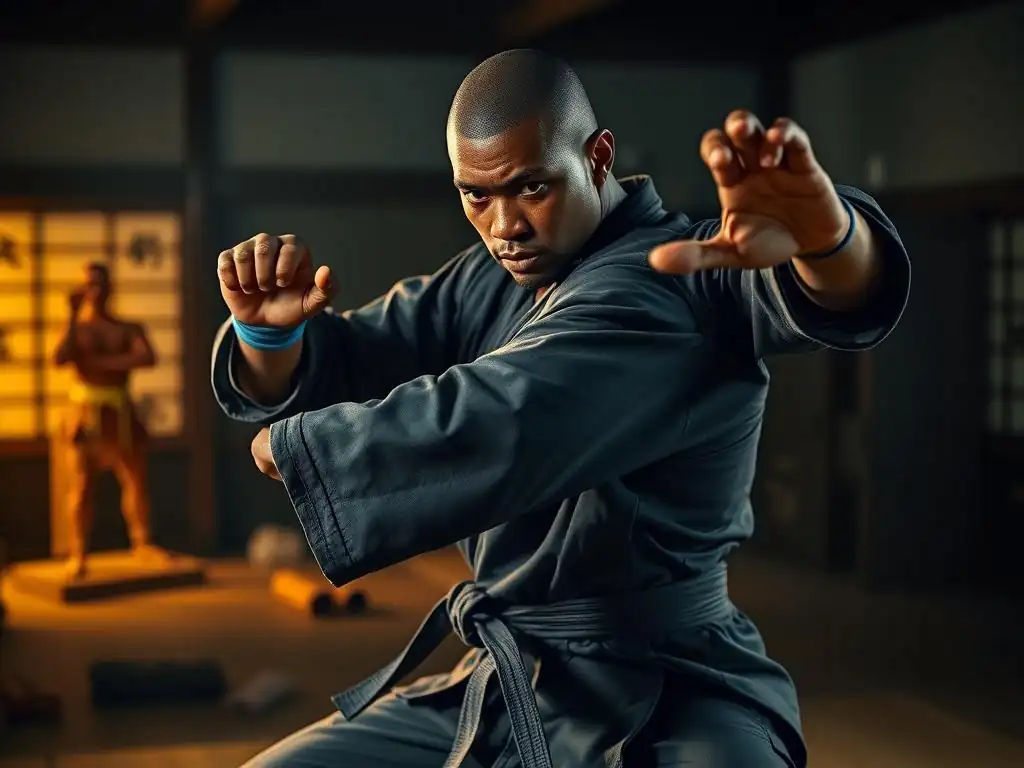
Welcome to Martial Arts Mastery, where the traditions and techniques of combat arts converge. Have you ever wondered how the ancient discipline of Jujutsu can be adapted to create a safe and empowering space for the LGBTQ+ community? Dive into our exploration of Inclusive LGBTQ+ Jujutsu self-defense training and discover how this art form is evolving to meet the unique needs of individuals seeking both physical and mental strength. Uncover the transformative power of martial arts – your journey to mastery begins now.
- Introduction: Why Inclusive Jujutsu Self-Defense Matters for the LGBTQ+ Community
- What to Look for in an LGBTQ+ Inclusive Jujutsu Dojo
- Benefits of LGBTQ+ Focused Jujutsu Self-Defense Classes
- Finding LGBTQ+ Friendly Jujutsu Schools and Instructors
- Adapting Jujutsu Techniques for LGBTQ+ Self-Defense Scenarios
- Beyond Self-Defense: The Broader Impact of Jujutsu on LGBTQ+ Lives
- Conclusion: Embracing Jujutsu as a Path to Empowerment and Safety for LGBTQ+ Individuals
-
Frequently Asked Questions
- What makes Jujutsu a suitable martial art for LGBTQ+ individuals seeking self-defense training?
- How can I find a Jujutsu school that is specifically welcoming and inclusive of LGBTQ+ individuals?
- What are some key factors to consider when assessing the safety and inclusivity of a Jujutsu training environment?
- Besides self-defense techniques, what other benefits can LGBTQ+ individuals gain from Jujutsu training?
- How does Jujutsu training address the specific self-defense needs and concerns of LGBTQ+ individuals?
- Final Reflection: Embracing Strength and Safety
- Unleash Your Inner Warrior: Start Your Jujutsu Journey Today!
Introduction: Why Inclusive Jujutsu Self-Defense Matters for the LGBTQ+ Community
Understanding the Need for LGBTQ+-Specific Self-Defense Training
The LGBTQ+ community, unfortunately, faces disproportionately higher rates of harassment, discrimination, and violence compared to the general population. Studies and anecdotal evidence consistently show that individuals identifying as LGBTQ+ are more likely to experience physical assault, verbal harassment, and hate-motivated crimes. For instance, a 2020 report by the Williams Institute at UCLA School of Law indicated that LGBTQ+ individuals are four times more likely to be victims of violent crime.
This heightened vulnerability underscores the critical need for effective self-defense strategies and training that specifically address the unique challenges and threats they may encounter. Traditional self-defense programs may not always acknowledge these specific contexts or provide a truly safe and affirming space for LGBTQ+ participants.
Furthermore, the types of threats can vary, ranging from street harassment and verbal abuse to physical altercations and targeted attacks based on gender identity or sexual orientation. Finding self-defense training that recognizes these realities and teaches practical, applicable techniques within a supportive environment is paramount. This is where the concept of inclusive LGBTQ+ Jujutsu selfdefense training becomes vital, offering a tailored approach that builds physical skills alongside mental resilience in a community-focused setting.
The Power of Jujutsu for Self-Empowerment and Confidence
Jujutsu, a martial art rooted in grappling and close-quarters combat, is exceptionally well-suited for practical self-defense. Its core principles revolve around using an attacker's momentum and strength against them, emphasizing leverage, joint locks, throws, and ground fighting. This makes it effective regardless of size or physical strength, empowering individuals who might feel physically vulnerable. Learning Jujutsu techniques provides concrete tools for de-escalation, control, and escape from various holds and aggressive situations, directly addressing potential threats faced in daily life.
Beyond the physical techniques, consistent Jujutsu training cultivates significant self-confidence and mental fortitude. The challenging nature of grappling pushes practitioners beyond their perceived limits, fostering resilience and a stronger sense of self-efficacy. Successfully navigating difficult sparring sessions or mastering a complex submission hold translates into increased confidence in handling stressful situations off the mats. For individuals seeking inclusive LGBTQ+ Jujutsu selfdefense training, this empowerment is layered with the positive impact of training in a space where their identity is respected and affirmed, further boosting self-esteem and a sense of personal safety.
What to Look for in an LGBTQ+ Inclusive Jujutsu Dojo
Key Indicators of a Welcoming and Affirming Training Environment
Identifying a truly inclusive LGBTQ+ Jujutsu selfdefense training environment requires looking beyond just the techniques taught. A welcoming dojo will often visibly signal its support through signage, explicit statements on its website or social media about its commitment to diversity and inclusion, and non-discrimination policies that specifically mention sexual orientation and gender identity. Pay attention to the language used in promotional materials and during initial interactions; is it gender-neutral and respectful? Are pronouns respected? A truly affirming space actively works to dismantle barriers and ensures that all students feel safe, seen, and valued regardless of their background.
Observe the interactions between students and instructors. Is there a palpable sense of community and mutual respect? Are there visible members or allies of the LGBTQ+ community among the students or staff? A dojo that hosts or participates in LGBTQ+ community events, or has policies that accommodate diverse needs (e.g., gender-neutral changing facilities where possible), demonstrates a deeper commitment to inclusivity. These indicators go a long way in ensuring that the training space is not just physically safe, but also emotionally and psychologically secure for everyone.
Instructor Qualities: Empathy, Awareness, and Sensitivity
The instructor is the heart of an inclusive LGBTQ+ Jujutsu selfdefense training program. Look for instructors who demonstrate genuine empathy, cultural competency, and sensitivity towards the experiences of the LGBTQ+ community. They should be knowledgeable about the unique safety concerns faced by LGBTQ+ individuals and be able to discuss them openly and respectfully. This isn't about instructors needing to be members of the community, but about their willingness to listen, learn, and adapt their teaching approach.
An effective instructor in this context will prioritize clear communication, establish boundaries around physical contact, and ensure that drilling partners are respectful. They should be able to modify techniques as needed to accommodate different body types, physical abilities, or past trauma experiences, creating a safe learning environment for all. An instructor who actively seeks feedback and is open to addressing concerns about inclusivity fosters trust and makes the training experience truly empowering.
Curriculum Adaptability: Tailoring Jujutsu for Diverse Body Types and Abilities
While the fundamental principles of Jujutsu remain constant, an inclusive LGBTQ+ Jujutsu selfdefense training curriculum should demonstrate adaptability. Techniques should be taught in a way that acknowledges the reality of different body types, sizes, and physical capabilities. For example, while leverage is key, instructors should be able to show variations that work effectively for individuals with varying levels of strength or flexibility. The focus should remain on practical application in real-world scenarios, which often involve unpredictable factors.
Furthermore, an inclusive curriculum considers potential physical or psychological barriers that students might bring to the mat, such as past injuries or trauma. Instructors should be prepared to offer modifications or alternative exercises to ensure everyone can participate safely and effectively. The goal is to empower every student with practical self-defense skills, and this requires a flexible and student-centered approach to teaching Jujutsu techniques.
Benefits of LGBTQ+ Focused Jujutsu Self-Defense Classes
Enhanced Safety and Personal Security for LGBTQ+ Individuals
The most immediate and tangible benefit of participating in inclusive LGBTQ+ Jujutsu selfdefense training is the significant enhancement of personal safety and security. By learning effective grappling, control, and escape techniques, individuals gain the physical skills needed to defend themselves against potential attackers or de-escalate threatening situations. Knowing how to break free from a hold, protect vital areas, or create distance can be critical in preventing harm. This practical knowledge directly addresses the increased risk of violence faced by the LGBTQ+ community.
Beyond the physical techniques, the training instills a heightened sense of situational awareness. Students learn to recognize potential threats and avoid dangerous situations before they escalate. This proactive approach, combined with the physical skills acquired, provides a multi-layered defense strategy that significantly boosts an individual's ability to protect themselves in various environments.
Building Community and Fostering a Sense of Belonging
Inclusive LGBTQ+ Jujutsu selfdefense training spaces offer more than just physical skills; they provide a vital sense of community and belonging. For many LGBTQ+ individuals, finding spaces where they feel completely accepted and safe can be challenging. A dojo that explicitly welcomes and affirms their identity becomes a sanctuary. Training alongside peers who share similar experiences or are dedicated allies creates strong bonds of trust and solidarity.
This shared experience of learning powerful self-defense techniques in a supportive environment builds camaraderie and reduces feelings of isolation. Students can share concerns, celebrate progress, and offer mutual support. This sense of community is incredibly empowering, extending the benefits of training beyond the mat and fostering a network of support that enhances overall well-being.
Improved Physical and Mental Well-being Through Jujutsu Training
Engaging in regular Jujutsu practice inherently improves physical fitness. The training is a rigorous workout, enhancing strength, flexibility, coordination, and cardiovascular health. Consistent physical activity is well-documented to reduce stress, improve sleep, and boost overall physical well-being. For individuals seeking inclusive LGBTQ+ Jujutsu selfdefense training, this physical benefit is compounded by the positive mental impacts.
The mental challenges of learning complex techniques and sparring also build mental resilience, focus, and discipline. Overcoming challenges on the mat translates into increased confidence and a stronger ability to manage stress and anxiety in daily life. The combination of physical exertion, mental focus, and training within a supportive, inclusive community significantly contributes to improved holistic well-being for LGBTQ+ individuals.
Finding LGBTQ+ Friendly Jujutsu Schools and Instructors
Online Resources and LGBTQ+ Martial Arts Networks
Identifying inclusive LGBTQ+ Jujutsu selfdefense training options often begins with online research and tapping into community networks. Websites dedicated to LGBTQ+ resources or directories of inclusive businesses may list martial arts schools that are explicitly affirming. Organizations focused on LGBTQ+ safety or anti-violence initiatives might also have recommendations or resources. Searching online using terms like "LGBTQ+ friendly martial arts," "inclusive self-defense classes," or "Jujutsu for queer community" can yield results.
Furthermore, there are growing online communities and social media groups specifically for LGBTQ+ martial artists. These platforms can be invaluable for getting personal recommendations, reading reviews, and connecting with others who have experience with inclusive training environments. Asking for referrals within these networks can provide insights that aren't available on a dojo's official website.
Assessing a Dojo's Inclusivity: Key Questions to Ask
Once potential inclusive LGBTQ+ Jujutsu selfdefense training locations are identified, it's crucial to do your due diligence. Don't hesitate to contact the school directly or visit in person before committing. Prepare a list of questions to gauge their level of inclusivity. Examples include:
- "What is your dojo's policy on diversity and inclusion, specifically regarding LGBTQ+ individuals?"
- "Are your instructors trained in cultural sensitivity or trauma-informed approaches?"
- "How do you handle pronoun usage and gender identity on the mats and in administrative matters?"
- "Do you have gender-neutral changing facilities or policies that accommodate diverse needs?"
- "Can I observe a class to see the training environment and interactions?"
Also, pay attention to how they respond to your questions. Are they open, knowledgeable, and welcoming, or do they seem hesitant or dismissive? A positive and confident response to these inquiries is a strong indicator of a genuinely inclusive environment.
Adapting Jujutsu Techniques for LGBTQ+ Self-Defense Scenarios
Addressing Common Threats and Harassment Faced by the LGBTQ+ Community
Inclusive LGBTQ+ Jujutsu selfdefense training should specifically address the types of threats and harassment commonly faced by the community. This includes verbal harassment, unwanted physical contact in public spaces, and potential physical assault motivated by bias. While core Jujutsu techniques are universally applicable, instructors can tailor scenarios and drills to reflect these realities. For instance, practicing defenses against grabs or shoves that might occur in a crowded area, or techniques for breaking free from someone who is trying to restrain you based on your appearance or identity.
Focusing on techniques that are effective in standing or semi-standing positions is also crucial, as many real-world encounters don't immediately go to the ground. Drills could simulate navigating tight spaces, defending from multiple attackers (a possibility in hate crimes), or using environmental factors to one's advantage. The goal is to make the training directly relevant and practical for the specific safety concerns of LGBTQ+ individuals.
Utilizing Jujutsu Principles for De-escalation and Conflict Resolution
Jujutsu isn't just about physical combat; its underlying principles emphasize control, leverage, and using minimal force to achieve a desired outcome. These principles are incredibly valuable in teaching de-escalation and conflict resolution, which are often the first and most effective lines of defense. Inclusive LGBTQ+ Jujutsu selfdefense training should integrate verbal de-escalation strategies alongside physical techniques. Students learn to project confidence, use assertive communication, and set clear boundaries.
Practicing how to maintain composure under pressure, assess a situation rapidly, and make strategic decisions are integral parts of advanced self-defense. Jujutsu's emphasis on control techniques provides alternatives to striking, allowing individuals to subdue or restrain an aggressor without causing unnecessary harm, which can be preferable in many situations and has fewer legal ramifications. This holistic approach empowers individuals to handle conflict intelligently, prioritizing safety and de-escalation whenever possible.
Effective Self-Defense Strategies for Different Situations and Environments
A comprehensive inclusive LGBTQ+ Jujutsu selfdefense training program will prepare students for a variety of scenarios and environments. Training shouldn't be limited to a pristine mat; consider practicing techniques while wearing typical street clothes, dealing with uneven surfaces, or defending from within confined spaces. Scenarios should reflect potential real-world encounters, such as being targeted while walking alone, on public transport, or in social settings.
- Situational Awareness Drills: Practice observing surroundings and identifying potential risks.
- Boundary Setting Exercises: Role-playing verbal and physical boundary enforcement.
- Ground Defense from Disadvantageous Positions: Training defenses when starting on your back or in compromised positions.
- Defenses Against Common Grabs and Holds: Focusing on releases from wrist grabs, bear hugs, or chokes.
- Using Leverage Against Larger Opponents: Applying Jujutsu principles to overcome size disparities.
These varied drills ensure that the skills learned are adaptable and can be effectively applied when and where they are most needed, providing robust self-defense capabilities.
Beyond Self-Defense: The Broader Impact of Jujutsu on LGBTQ+ Lives
Increased Self-Esteem and Confidence
Consistent participation in inclusive LGBTQ+ Jujutsu selfdefense training has a profound impact on self-esteem and confidence. The process of learning and mastering challenging physical skills, coupled with the knowledge that you can effectively defend yourself, fundamentally changes how you perceive your own capabilities. This is particularly impactful for individuals who may have previously felt vulnerable or disempowered due to past experiences of harassment or discrimination.
The supportive environment of an inclusive dojo further reinforces positive self-image. Receiving encouragement from instructors and peers, overcoming training plateaus, and witnessing personal progress all contribute to a stronger sense of self-worth. This increased confidence extends beyond the dojo, empowering individuals in their personal relationships, professional lives, and interactions with the wider world.
Developing Resilience and Empowerment
Jujutsu training inherently builds resilience. Dealing with physical discomfort, setbacks in learning techniques, and the pressure of sparring teaches perseverance and mental toughness. This process of navigating challenges on the mat develops a powerful inner resilience that helps individuals cope with difficulties in other areas of their lives. For LGBTQ+ individuals who may face ongoing societal pressures or discrimination, this cultivated resilience is an invaluable tool for navigating adversity.
The empowerment gained through mastering self-defense skills is transformative. It moves individuals from a potential state of fear or anxiety about their safety to one of proactive capability. Knowing you have the skills to protect yourself instills a deep sense of personal power and control, reducing anxiety and allowing individuals to live more freely and authentically. This empowerment is a core benefit of inclusive LGBTQ+ Jujutsu selfdefense training.
Fostering Allyship and Understanding within the Martial Arts Community
Inclusive LGBTQ+ Jujutsu selfdefense training benefits not just the LGBTQ+ participants but also the wider martial arts community. By creating spaces where LGBTQ+ individuals are welcomed and celebrated, these dojos educate and foster allyship among non-LGBTQ+ students and instructors. Training alongside diverse individuals breaks down stereotypes, builds empathy, and promotes mutual understanding.
This process helps to make the martial arts world, which has historically sometimes struggled with traditional gender roles and heteronormativity, a more welcoming and progressive space for everyone. It demonstrates that the strength and discipline of martial arts are accessible to all, regardless of sexual orientation or gender identity, fostering a truly inclusive community built on respect and shared growth.
Conclusion: Embracing Jujutsu as a Path to Empowerment and Safety for LGBTQ+ Individuals
The Future of Inclusive Jujutsu Training
The movement towards inclusive LGBTQ+ Jujutsu selfdefense training is growing, reflecting a broader recognition of the need for tailored self-defense solutions and affirming spaces within martial arts. The future holds the promise of more dojos adopting explicit inclusion policies, instructors receiving specific training on LGBTQ+ competencies, and curricula becoming even more refined to address the community's unique needs. As visibility increases and demand grows, finding truly welcoming and effective Jujutsu training will hopefully become easier.
Continued advocacy and the success stories of individuals who have benefited from inclusive training will drive this progress. The focus will remain on creating spaces where physical safety training is inseparable from emotional and psychological safety, ensuring that Jujutsu can be a powerful tool for empowerment for everyone.
Taking the First Step Towards Self-Defense and Empowerment
For LGBTQ+ individuals considering enhancing their safety and personal empowerment, taking the first step towards inclusive LGBTQ+ Jujutsu selfdefense training is a significant move. It involves researching local options, reaching out to schools, asking pertinent questions about their inclusivity, and ideally, observing or trying a class. While the initial step might feel daunting, the potential rewards in terms of increased safety, confidence, community, and overall well-being are immense.
Embracing Jujutsu training within an affirming environment offers a practical pathway to developing critical self-defense skills while simultaneously building resilience, self-esteem, and connecting with a supportive community. It is an investment in personal safety and a journey towards greater empowerment.
Frequently Asked Questions
What makes Jujutsu a suitable martial art for LGBTQ+ individuals seeking self-defense training?
Jujutsu's emphasis on leveraging an opponent's weight and momentum makes it effective regardless of size or strength, which is empowering. It also focuses on practical self-defense scenarios applicable to real-world threats.
How can I find a Jujutsu school that is specifically welcoming and inclusive of LGBTQ+ individuals?
Look for schools that explicitly state their commitment to inclusivity on their website or in their mission statement. Check for visible support within the school, such as LGBTQ+ flags or representation.
What are some key factors to consider when assessing the safety and inclusivity of a Jujutsu training environment?
Ensure the school has a zero-tolerance policy for discrimination or harassment. Observe the instructor's and other students' interactions and language to gauge the overall atmosphere.
Besides self-defense techniques, what other benefits can LGBTQ+ individuals gain from Jujutsu training?
Jujutsu can improve physical fitness, mental resilience, and self-confidence. The supportive community can also provide a sense of belonging and empowerment.
How does Jujutsu training address the specific self-defense needs and concerns of LGBTQ+ individuals?
A good instructor will tailor training to address potential biases or prejudices an attacker might hold. They will also focus on de-escalation techniques and awareness of surroundings.
Final Reflection: Embracing Strength and Safety
The journey through the world of Jujutsu, specifically tailored for the LGBTQ+ community, reveals a powerful truth: safety and empowerment are fundamental rights, not privileges. By highlighting inclusive training environments, we've underscored the importance of spaces where individuals can learn self-defense without fear of judgment or discrimination, ultimately fostering resilience and confidence.
This exploration has profoundly impacted my understanding of the intersection between physical safety and emotional well-being. Witnessing the transformative power of Jujutsu in building self-esteem and community within the LGBTQ+ community has been deeply inspiring. The ultimate goal of martial arts is not for attacking, but for defense, and for the cultivation of inner peace.
This quote encapsulates the essence of what inclusive Jujutsu training offers: a path to personal empowerment and a sense of belonging.
Now, I invite you to consider how you can contribute to creating safer and more inclusive spaces in your own community. Whether it's supporting LGBTQ+ initiatives, advocating for inclusive training programs, or simply fostering a culture of respect and understanding, your actions can make a tangible difference. Embrace the spirit of empowerment, and let's work together to build a world where everyone feels safe, strong, and valued.
Unleash Your Inner Warrior: Start Your Jujutsu Journey Today!
Thank you for exploring the empowering world of inclusive jujutsu with us. We hope you've discovered the strength and confidence that martial arts can bring to the LGBTQ+ community. Now, it’s time to take action!
- Find an LGBTQ+-friendly jujutsu school near you and schedule your first introductory class! Embrace the challenge and discover your potential.
- Share this article with friends and family who might be interested in finding a welcoming and empowering martial arts community.
- Explore other martial arts styles on Martial Arts Mastery and martialartsmastery.org that resonate with your values of inclusivity and empowerment.
What steps will you take this week to begin building your confidence and self-defense skills through jujutsu?