
Yim Wingchun: Legendary Founder of Wing Chun – Fact, Fiction, and Legacy

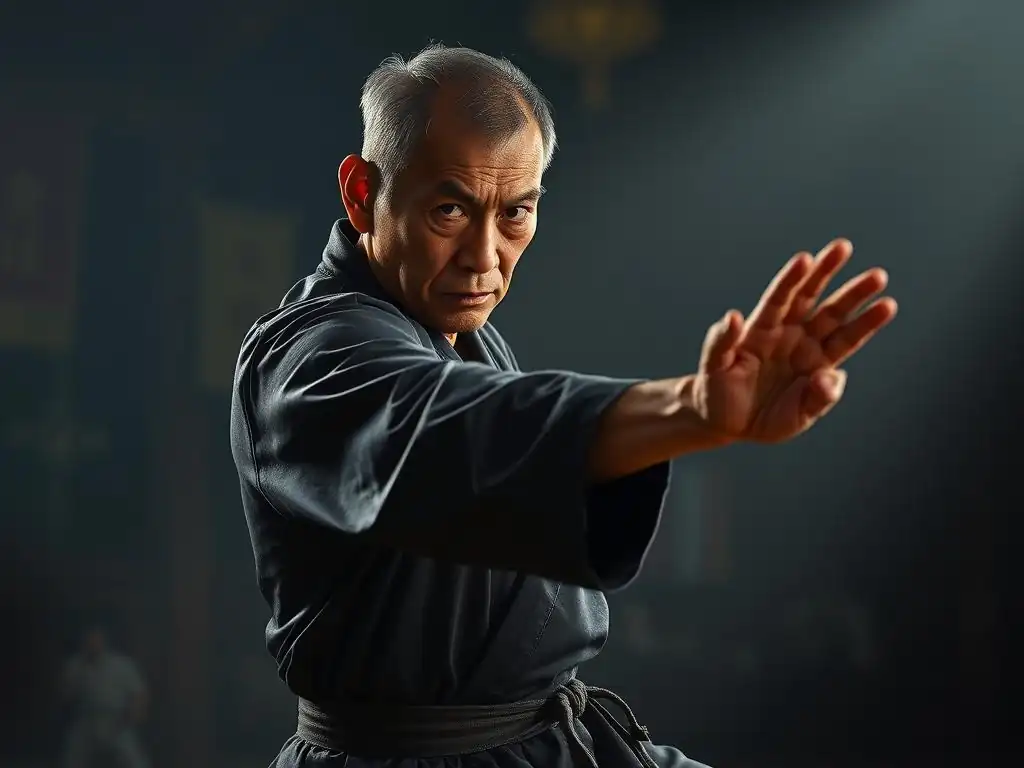
Welcome to Martial Arts Mastery, where we delve into the heart of combat traditions! Ever wondered about the true story behind the creation of Wing Chun? Prepare to uncover the captivating tale of Yim Wingchun, the legendary founder whose name echoes through history. Separating fact from fiction, we explore her incredible legacy and the impact she had on the development of this iconic martial art. Get ready to discover the secrets behind the legend!
The Origins of Wing Chun: Tracing its Development and Influences
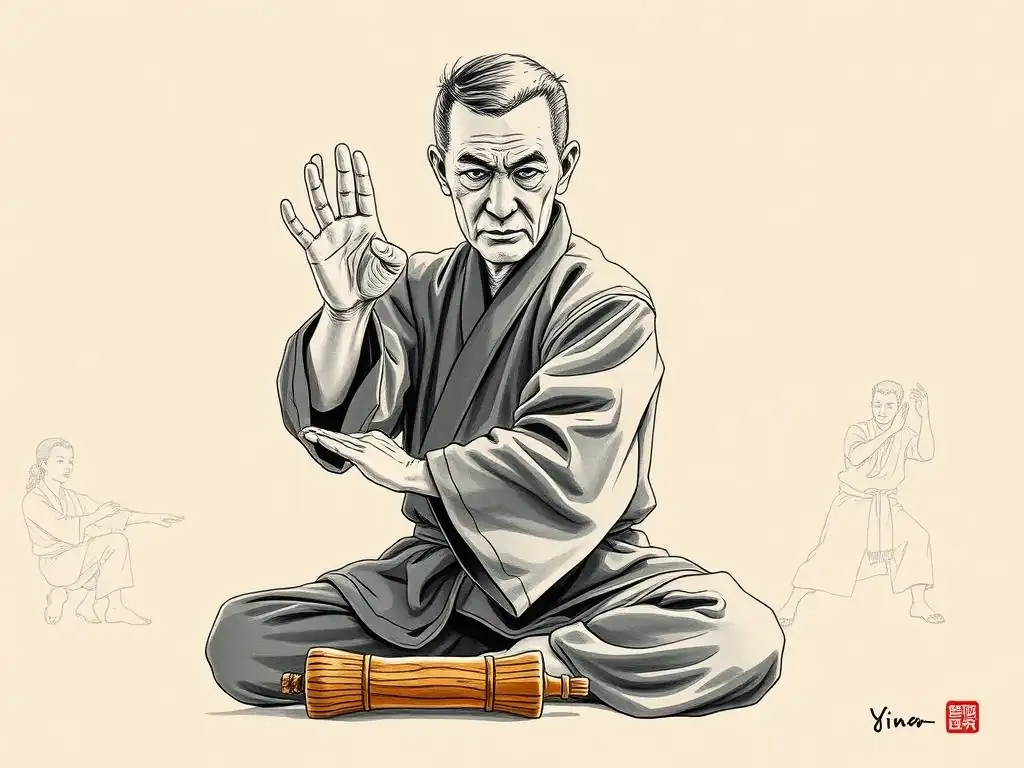
The Founding Legends: Yim Wing Chun and the Shaolin Connection
The most widely known narrative regarding the genesis of Wing Chun attributes its creation to a Buddhist nun named Ng Mui, said to be one of the legendary Five Elders who escaped the destruction of the Shaolin Monastery during the Qing Dynasty (roughly 17th-18th century). According to this account, Ng Mui synthesized her martial knowledge into a new, efficient system designed for smaller practitioners to defend against larger, stronger opponents. She then purportedly taught this system to a young woman named Yim Wing Chun, who used it to defend herself against a local bully.
Yim Wing Chun then passed the art to her husband, Leung Bok Chau, and it was subsequently named in her honor, becoming known as Yim Wing Chun Wing Chun. This foundational legend is central to the identity of many Wing Chun lineages.
While the historical veracity of Ng Mui and Yim Wing Chun as the sole founders is debated among martial arts historians, the legend serves a crucial purpose in the art's mythology. It provides a compelling origin story linking Wing Chun to the prestigious Shaolin tradition and imbuing it with themes of efficiency, adaptation, and resistance against oppression (represented by the Qing forces and the bully).
The story of Yim Wing Chun defending herself highlights the art's practical application for self-defense, particularly emphasizing technique over brute strength. This narrative, passed down through generations, underscores the core principles that define Wing Chun Kung Fu.
Historical Context: Southern Chinese Martial Arts and Anti-Qing Sentiment
Southern China during the Qing Dynasty was a fertile ground for martial arts development, often intertwined with political dissent. Many martial arts schools and secret societies, such as the Heaven and Earth Society (Tiandihui), operated underground, using martial arts as a means of training rebels and fostering anti-Qing sentiment.
The destruction of the Shaolin Temple, whether a single event or a series of suppressions, is often cited as a historical backdrop where martial arts masters dispersed and potentially developed new, more adaptable styles away from official scrutiny. This environment made the concept of a new, efficient art developed in secrecy plausible within the historical narrative of the time.
Within this context, various martial arts flourished, often transmitted within families, clans, or through specialized groups like the Red Boat Opera Troupes. These troupes, traveling along rivers and canals, provided a mobile network for exchanging ideas and techniques, and many prominent martial artists were associated with them.
The practical demands of life on the boats and the need for self-defense fostered the development of close-quarters fighting methods. While specific historical records linking Yim Wing Chun directly to these groups are scarce or non-existent, the general environment of Southern Chinese martial arts and their connection to resistance movements provides a broader historical plausibility for the development of a practical, efficient fighting system like Wing Chun during this period.
Early Development: From Family System to Organized Schools
Following the legendary transmission from Yim Wing Chun to her husband and subsequent practitioners like Leung Lan Kwai, Wong Wah Bo, and Leung Yee Tai, Wing Chun is believed to have been a relatively small, privately taught system for a significant period. The transmission chain describes the art being passed down through a select few individuals, often associated with professions like herbal medicine (Leung Jan) or the Red Boat Opera (Wong Wah Bo and Leung Yee Tai).
This suggests an early phase where the art was not widely publicized but carefully guarded and transmitted within a close circle, possibly refining the techniques and principles established in its foundational stages.
The transition from a closely guarded family or small-circle system to something resembling more organized schools likely occurred later, particularly as figures like Leung Jan became renowned for their skill. Leung Jan, living in Foshan during the late 19th century, is a widely accepted historical figure in the Wing Chun lineage. While he was known for his reluctance to teach widely, his students, such as Chan Wah Shun, began taking on their own disciples, including the pivotal figure Yip Man.
This period marked the beginning of Wing Chun moving towards a more structured teaching methodology, although it remained relatively unknown outside of Southern China until the mid-20th century. The shift from private tutelage to more formal instruction laid the groundwork for the art's eventual global spread.
Frequently Asked Questions
What is Yim Wingchun's significance in martial arts history?
Yim Wingchun is credited as the legendary founder of the Wing Chun style of Kung Fu. While her historical existence is debated, her story is central to the art's origin and philosophy.
Is there definitive proof that Yim Wingchun was a real person?
Unfortunately, concrete evidence of Yim Wingchun's existence is lacking. Her story is largely based on oral tradition and folklore, making verification difficult.
What is Wing Chun Kung Fu?
Wing Chun is a unique and effective martial art known for its close-range combat techniques and emphasis on efficiency. It focuses on using structure and sensitivity to overcome larger, stronger opponents.
What are the key principles of Wing Chun training?
Wing Chun training emphasizes centerline theory, simultaneous attack and defense, and the use of chi sao (sticky hands) to develop sensitivity. Efficiency of movement is paramount.
How has Yim Wingchun's legacy impacted the development of Wing Chun?
Yim Wingchun's story, real or not, has served as a powerful inspiration for generations of Wing Chun practitioners. Her name is synonymous with the art's values of resourcefulness and adaptability.
Final Reflection: The Enduring Echo of Yim Wing Chun
The story of Yim Wing Chun, whether steeped in verifiable fact or embellished by legend, remains powerfully relevant today because it embodies the triumph of innovation and resilience in the face of adversity. Her narrative, regardless of its precise historical accuracy, continues to inspire martial artists and individuals alike, demonstrating the enduring power of a single person's ingenuity to shape a discipline and leave an indelible mark on the world.
The impact of Yim Wing Chun extends far beyond the Wing Chun style itself. It influences how we perceive the potential for adaptation and the strength found in embracing unique approaches. The persistent fascination with her story, even amidst historical uncertainties, speaks volumes about our collective desire for narratives of empowerment and self-discovery. The best fighter is never angry.
This quote, often attributed to martial arts philosophy, resonates deeply with the Wing Chun ethos and Yim Wing Chun's legendary ability to overcome challenges through skill and strategy, not brute force.
As we conclude this exploration of Yim Wing Chun's life and legacy, consider the lessons embedded within her story. How can you, like Yim Wing Chun, identify your own unique strengths and leverage them to overcome obstacles? Embrace the spirit of innovation and adaptability, and strive to create your own lasting impact on the world, regardless of the challenges you may face. Let the enduring echo of Yim Wing Chun inspire you to find your own path to mastery and leave your own unique mark.
Unleash Your Inner Potential: Embrace the Wing Chun Legacy!
Thank you for exploring the fascinating world of Yim Wingchun and the art she inspired. You've now glimpsed the power and mystery behind this legendary figure and her fighting style. Ready to take the next step?
Here's how you can further connect with Wing Chun's enduring spirit:
- Embark on your own martial arts journey by finding a reputable Wing Chun school near you and experiencing the art firsthand.
- Dive deeper into the history by researching different interpretations of the Yim Wingchun legend – compare historical records with folklore to form your own opinion.
- Share this article with fellow martial arts enthusiasts and start a discussion about the legacy of female martial artists.
What aspects of Yim Wingchun's story resonate most with you, and how will you incorporate her spirit of innovation and determination into your own life?