
Taoist Meditation for Martial Artists: Finding Stillness, Strength, and Clarity

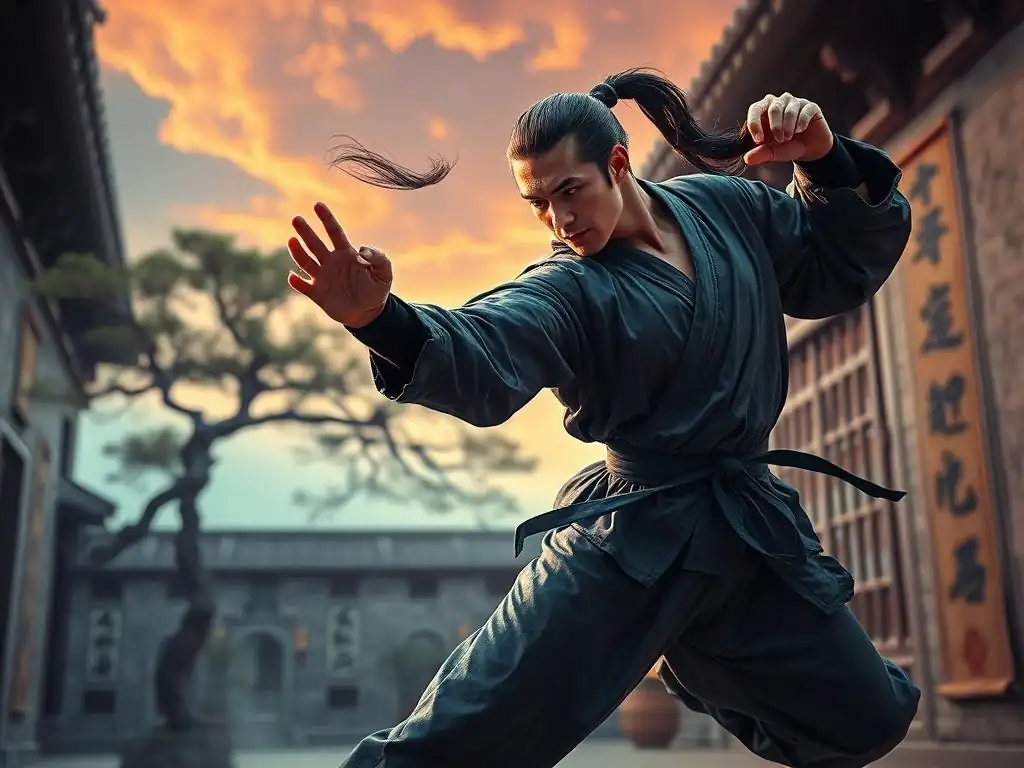
Welcome to Martial Arts Mastery, your gateway to the world's fighting arts!
Delve into the profound intersection of mind and body, where ancient wisdom meets modern practice. Are you ready to unlock a deeper level of power and focus? Our latest exploration, "Taoist Meditation for Martial Artists: Finding Stillness, Strength, and Clarity," unveils how cultivating inner peace can translate to unparalleled martial prowess. Discover how incorporating Taoist principles can not only enhance your technique but also transform your understanding of what it truly means to be a martial artist. Prepare to embark on a journey of self-discovery and unlock the hidden potential within.
- Taoist Meditation for Aikido Practitioners: Finding Stillness, Strength, and Clarity
- Understanding Taoist Meditation for Aikido Practitioners
- Benefits of Taoist Meditation for Aikido Strength
- Taoist Meditation Techniques for Aikido Practitioners
- Integrating Taoist Meditation into Your Aikido Training
- The Taoist Path to Aikido Mastery: A Journey of Self-Cultivation
- Conclusion: Unlocking Your Potential Through Taoist Meditation and Aikido Strength
-
Frequently Asked Questions
- How does Taoist meditation benefit martial arts training?
- What are some specific Taoist meditation techniques relevant to martial artists?
- How can Taoist meditation contribute to building martial arts strength?
- Is prior experience in martial arts necessary to begin practicing Taoist meditation?
- How often should a martial artist practice Taoist meditation for optimal results?
- Final Reflection: Embracing Stillness for Unwavering Strength
- Embrace Inner Peace: Begin Your Taoist Journey Now!
Taoist Meditation for Aikido Practitioners: Finding Stillness, Strength, and Clarity
The Convergence of Inner Peace and Outer Power in Aikido Mastery
Aikido, often referred to as the 'Art of Peace', places a strong emphasis on resolving conflict harmoniously, blending with an opponent's energy rather than opposing it head-on. While its techniques involve physical movements and throws, the true mastery of Aikido lies deeply within the practitioner's internal state – their calmness, focus, and ability to remain centered amidst chaos.
This internal dimension resonates profoundly with the principles found in Taoist philosophy and Taoist meditation, which prioritize cultivating inner stillness, understanding natural flow, and developing internal energy. The convergence of these paths suggests that achieving peak performance and profound understanding in Aikido is not merely about physical training, but also about cultivating a robust inner landscape.
The pursuit of mastery in any martial art, and particularly in a non-resistant art like Aikido, necessitates a balance between physical discipline and mental fortitude. External techniques, no matter how refined, are ultimately limited by the practitioner's internal state. Fear, anxiety, or a scattered mind can undermine even the most perfectly executed movement. Taoist meditation offers a structured approach to addressing these internal limitations, providing tools to quiet the mental chatter, cultivate emotional stability, and build a deep sense of inner strength – a crucial foundation upon which effective and harmonious Aikido techniques can flourish.
Why Taoist Principles Enhance Aikido Training
Taoist philosophy, with its core concepts of the Tao (the Way), Wu Wei (non-action or effortless action), Yin and Yang (complementary forces), and Qi (vital energy), offers a powerful framework for understanding and improving Aikido practice. The Aikido principle of blending with an opponent's energy rather than meeting force with force is a direct application of Wu Wei – acting in harmony with the natural flow of conflict.
Understanding Yin and Yang helps practitioners perceive the dynamic interplay of forces in an encounter, knowing when to be yielding (Yin) and when to be firm (Yang). Integrating these principles through practices like Taoist meditation allows practitioners to embody them more fully, making their movements and reactions more intuitive and effective.
Furthermore, the Taoist emphasis on cultivating and circulating Qi aligns perfectly with the internal power (Aiki) sought in advanced Aikido. While often subtle, the effective use of Qi can exponentially increase the power and effectiveness of techniques, allowing a smaller practitioner to control a larger opponent.
Taoist meditation techniques specifically designed to cultivate Qi, such as Neigong and specific breathing exercises, directly support the development of this internal energy, providing a tangible method to enhance the physical capabilities derived from regular Aikido training. This holistic approach, combining external form with internal cultivation, leads to a deeper, more powerful, and more authentic Aikido practice, fostering significant Taoist meditation martial arts strength.
Understanding Taoist Meditation for Aikido Practitioners
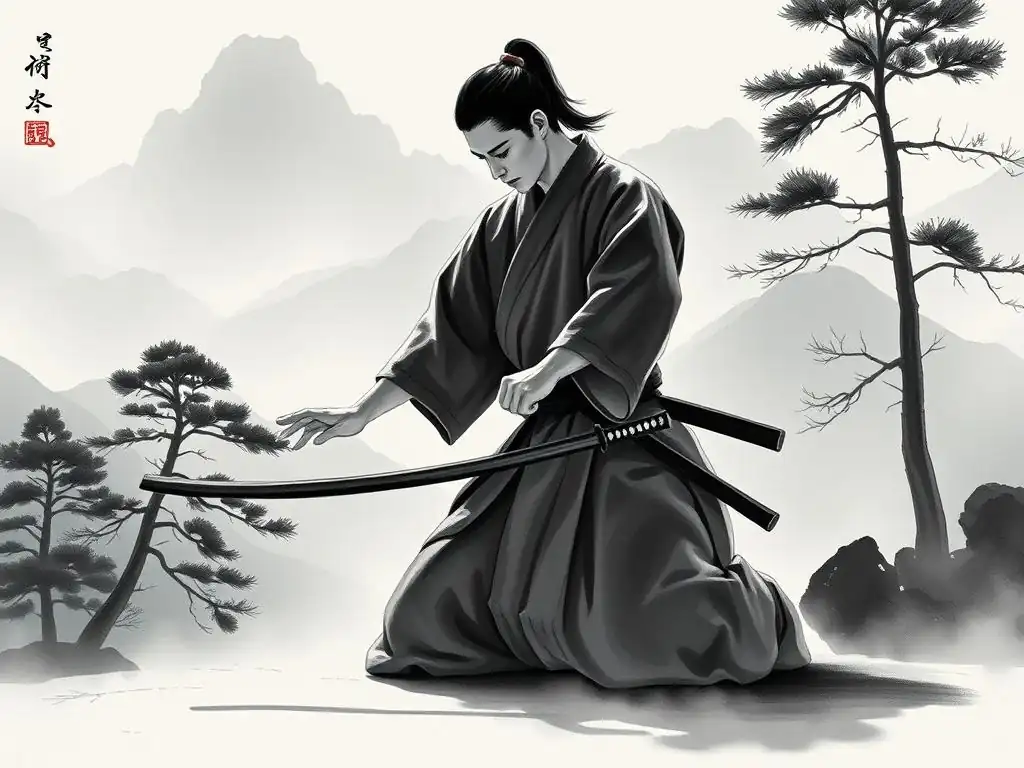
Core Concepts of Taoist Meditation Relevant to Aikido Practice
Taoist meditation is not simply about relaxation; it is a practice aimed at cultivating internal harmony, connecting with the natural flow of the universe (Tao), and increasing vital energy (Qi). Several core concepts are particularly relevant to Aikido practitioners. Jing, often translated as essence, is the foundational energy of the body. Qi is the vital life force that flows through meridians, influencing physical health and internal power.
Shen, or spirit/mind, represents consciousness and mental clarity. Taoist meditation practices aim to refine Jing into Qi, and Qi into Shen, ultimately leading to a state of spiritual clarity and connection to the Tao. For the Aikido practitioner, this translates to building a strong physical base, cultivating tangible internal power, and achieving a calm, focused, and intuitive mind state essential for spontaneous and effective technique application.
Another crucial concept is the emphasis on rootedness and stability. Many Taoist meditation forms, like Zhan Zhuang (Standing Meditation), focus on establishing a strong connection to the earth, creating a stable base from which all movement originates. In Aikido, a strong, centered stance and rootedness are fundamental for generating power, maintaining balance, and effectively controlling an opponent's center.
By practicing Taoist meditation techniques that build this physical and energetic rootedness, Aikido practitioners can significantly improve their stability, grounding their movements and enhancing their ability to absorb or redirect force. This deliberate cultivation of internal stability through meditation directly contributes to external strength and resilience in practice.
The Importance of Qi Cultivation in Taoist Aikido
Qi cultivation is arguably one of the most important aspects of Taoist meditation for martial artists, particularly in an art like Aikido that relies heavily on internal connection and projection of energy. Qi is the bridge between mind and body, the force that animates movement and allows for the subtle yet powerful application of Aiki.
Without sufficient and well-circulated Qi, Aikido techniques can become purely mechanical, lacking the vital force that makes them truly effective and dynamic. Taoist meditation practices teach practitioners how to become aware of their Qi, how to gather and store it, and how to direct it through their bodies and into their techniques.
Specific meditation methods, such as Neigong (internal work) exercises, focus on gentle movements, breath control, and visualization to open energy channels and improve Qi flow. This improved circulation not only enhances physical vitality and health but also directly impacts the ability to execute Aikido techniques with greater power, fluidity, and control.
For instance, cultivating Qi in the lower Dan Tian (energy center below the navel) provides a powerful foundation for generating force from the center, a core principle in Aikido. This deliberate cultivation of internal energy through dedicated Taoist meditation practices translates into a tangible increase in the practitioner's martial arts strength, both internally and externally.
Benefits of Taoist Meditation for Aikido Strength
Increased Focus and Concentration for Enhanced Aikido Performance
Aikido practice demands intense focus and concentration, especially during randori (multiple attacker training) or when facing a skilled opponent. The ability to remain present, observe subtle cues, and react appropriately requires a mind that is calm, clear, and undistracted. Taoist meditation techniques, particularly those involving breath awareness and mindful presence, are specifically designed to train the mind to stay focused and reduce internal distractions. Regular meditation practice builds mental discipline, improving attention span and reducing the tendency for the mind to wander or become overwhelmed by pressure.
A practitioner who regularly engages in Taoist meditation will find it easier to quiet the internal dialogue and external distractions during training or conflict. This heightened state of focus allows for better perception of an opponent's movements and intentions, quicker reaction times, and a more profound connection to the principles being applied. Improved concentration directly enhances the quality of training, allowing practitioners to absorb instructions more effectively and refine their techniques with greater precision, thereby boosting their overall Aikido performance and contributing to their Taoist meditation martial arts strength.
Improved Balance and Coordination Through Taoist Meditation
Balance and coordination are fundamental to effective Aikido. Techniques often involve intricate footwork, pivots, and maintaining one's own center while disrupting an opponent's. Many Taoist meditation practices, especially standing forms like Zhan Zhuang, emphasize correct posture, alignment, and cultivating a sense of groundedness. By holding specific postures and focusing on relaxing into the structure, practitioners develop a deep awareness of their body's alignment, weight distribution, and connection to the ground. This practice directly translates into improved static and dynamic balance.
Furthermore, Taoist internal exercises (Neigong) often involve slow, deliberate movements coordinated with breath, which enhances proprioception – the body's awareness of its position in space. This increased body awareness and refined coordination are invaluable in Aikido, allowing for smoother transitions between movements, more stable stances, and better execution of complex techniques that require precise timing and bodily control. The subtle adjustments learned in meditation, such as sinking the weight and aligning the spine, become second nature, significantly improving physical balance and coordination on the mat.
Stress Reduction and Mental Clarity for Aikido Practitioners
The pressures of martial arts training, work, and daily life can lead to stress and mental clutter, negatively impacting performance and overall well-being. Stress can manifest physically as tension, hindering fluid movement, and mentally as anxiety, impairing judgment and reaction. Taoist meditation provides powerful tools for stress reduction and cultivating mental clarity. By focusing on breath and present moment awareness, meditation activates the body's relaxation response, lowering heart rate and reducing muscle tension.
Regular meditation practice helps practitioners develop emotional regulation, making them less susceptible to frustration during challenging training sessions or fear in confrontational situations. This mental resilience and clarity allow for better decision-making under pressure and a more positive and persistent approach to training. A mind free from excessive stress and clutter is more receptive to learning, more creative in adapting techniques, and better equipped to handle the physical and mental demands of advanced Aikido practice, fostering not just physical strength but also mental Taoist meditation martial arts strength.
Developing Inner Strength and Resilience through Taoist Practices
Beyond physical power, true martial arts strength encompasses inner resilience – the ability to persevere through challenges, maintain composure under duress, and recover quickly from setbacks. Taoist meditation cultivates this inner strength by confronting and training the mind. Sitting or standing in stillness, observing thoughts and emotions without judgment, builds mental fortitude and patience. Practices like Zhan Zhuang, which can be physically demanding over time, teach practitioners to relax into discomfort and cultivate unwavering resolve.
The internal work of cultivating Qi and aligning with the Tao also instills a deep sense of internal stability and self-possession. This inner grounding makes a practitioner less easily shaken by external circumstances, whether it's a strong push from a training partner or the stresses of daily life. This resilience is not about being rigid, but about being adaptable and rooted, like a tree bending in the wind but not breaking. Developing this profound inner strength through dedicated Taoist practices provides a solid psychological and energetic foundation for sustained growth and mastery in Aikido.
Taoist Meditation Techniques for Aikido Practitioners
Zhan Zhuang (Standing Meditation) for Rooting and Stability
Zhan Zhuang, or 'Standing Like a Post', is a fundamental Taoist meditation practice that is incredibly beneficial for Aikido practitioners. It involves standing in specific postures, often resembling embryonic or holding-a-ball stances, for extended periods. The primary focus is on relaxation, correct structural alignment, and cultivating a deep sense of rootedness and connection to the earth. Practitioners learn to release unnecessary tension, allowing gravity to sink their weight and establish a stable, heavy lower body while keeping the upper body relaxed and mobile.
This practice directly improves the practitioner's stance and balance in Aikido. By training the body to find optimal alignment and sink its weight, Zhan Zhuang builds the foundational stability required for powerful techniques and resistance to unbalancing forces. It cultivates leg strength, endurance, and a tangible sense of being 'rooted' – feeling connected to the ground and difficult to move. Regular Zhan Zhuang practice provides a palpable increase in physical stability and contributes significantly to the practitioner's internal martial arts strength.
Neigong (Internal Exercises) for Qi Circulation and Power
Neigong, meaning 'internal skill' or 'internal work', refers to a variety of Taoist exercises designed to cultivate, refine, and circulate Qi within the body. These practices often involve slow, gentle movements coordinated with specific breathing patterns and visualizations. Unlike external martial arts training that focuses on muscle strength and external force, Neigong emphasizes developing internal connections, opening energy pathways (meridians), and building internal power that can be expressed through movement.
For the Aikido practitioner, Neigong exercises are invaluable for developing Aiki – the internal power that allows for effortless redirection of force. Practices might involve gentle spinal movements to open the central channel, arm movements to cultivate 'silk reeling' energy, or specific breathing techniques to gather Qi in the Dan Tian.
These exercises improve body awareness, flexibility, and the ability to move as a connected whole, generating power from the center rather than isolated muscle groups. Consistent Neigong practice enhances vitality, improves the body's ability to recover, and is a direct path to increasing internal Taoist meditation martial arts strength.
Guided Meditation for Aikido Practitioners: Visualizing Flow and Connection
While silent meditation is crucial, guided meditation tailored specifically for martial artists can also be highly effective. These meditations often involve visualizations related to the principles of the art. For Aikido practitioners, guided sessions might focus on visualizing the flow of energy, blending with an opponent's force, maintaining a calm center amidst movement, or extending one's Ki. Visualizing successful and harmonious technique execution in a relaxed, meditative state can help program the body and mind for optimal performance.
A guided meditation might, for example, lead the practitioner through visualizing their stance sinking deeply into the earth, feeling an unbreakable connection. Or it might guide them to visualize an opponent's energy flowing towards them, and then effortlessly blending with and redirecting that energy without resistance. Such visualizations, practiced regularly, strengthen the mental blueprint for effective Aikido movements and principles, making them more accessible and intuitive during physical practice. This mental training complements the physical and energetic work, enhancing both focus and the subtle application of Aiki.
Breathing Exercises for Calming the Mind and Enhancing Qi Flow
Breath is fundamental to life and energy cultivation in Taoist philosophy. Specific breathing exercises (often called Tuna, meaning 'expelling the old and inhaling the new') are integral to Taoist meditation and Qi Gong practices. These exercises go beyond simple deep breathing, involving techniques like abdominal breathing, reverse breathing, and coordinating breath with movement or visualization. Controlled, deep breathing calms the nervous system, reduces stress, and creates a physiological state conducive to focused practice.
In Aikido, proper breath control is essential for generating power (often linked to exhalation), maintaining composure during strenuous activity, and extending Ki. Taoist breathing exercises teach practitioners to breathe deeply into their center (Dan Tian), cultivating and consolidating Qi. Learning to regulate the breath allows practitioners to remain calm under pressure, manage their energy levels, and apply techniques with greater power and endurance. Mastering these breathing techniques through Taoist meditation is a direct path to enhancing both physical capacity and internal Taoist meditation martial arts strength.
Integrating Taoist Meditation into Your Aikido Training
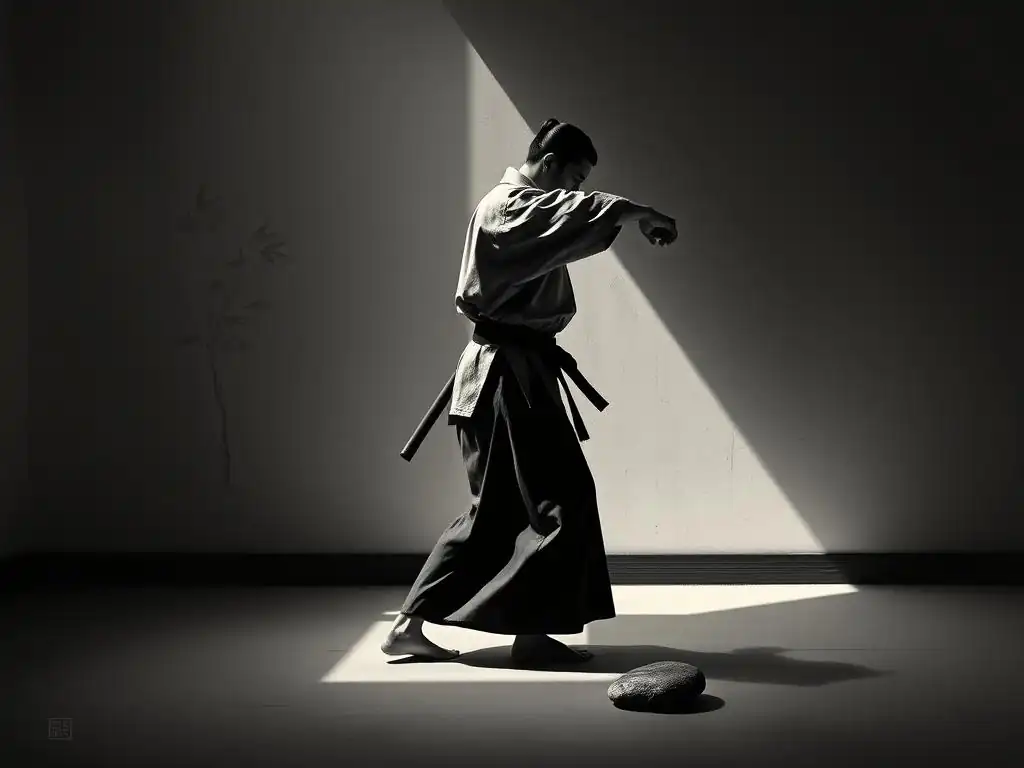
Creating a Daily Taoist Meditation Routine for Aikido Practitioners
Integrating Taoist meditation into a busy schedule requires commitment and consistency. Even short, focused sessions practiced daily yield significant benefits over time. A recommended routine for an Aikido practitioner might start with just 10-15 minutes each morning. This could involve a simple seated meditation focusing on breath awareness to calm the mind before the day begins, or a short Zhan Zhuang session to establish rootedness. Adding another short session in the evening, perhaps 15-20 minutes of gentle Neigong or guided visualization, can help process the day and prepare for rest.
The key is to make it a non-negotiable part of the daily schedule, just like physical training. Finding a quiet space free from distractions is important. Starting small and gradually increasing the duration as comfort and focus improve is more sustainable than attempting long sessions too soon. Consistency is more valuable than duration in the initial stages. Establishing this routine builds the mental and energetic foundation that will profoundly impact Aikido training, enhancing focus, stability, and internal strength.
Combining Taoist Practices with Aikido Techniques
The principles and energetic awareness cultivated through Taoist meditation can and should be directly applied during Aikido training. For instance, the rootedness developed in Zhan Zhuang can be consciously brought into the basic stances and movements of Aikido, ensuring stability during pivots and throws. The awareness of Qi flow cultivated in Neigong can be applied when executing techniques, visualizing and directing energy from the center through the limbs to enhance projection and power.
During partner practice, the calmness and focus gained from meditation help practitioners remain centered when receiving techniques or dealing with resistance. Instead of tensing up, they can draw upon their cultivated inner stillness and blend more effectively. Paying attention to breath during techniques, coordinating exhalation with exertion or projection, is another direct application of Taoist breathing principles. By consciously linking the internal experience of meditation with the external movements of Aikido, practitioners bridge the gap between philosophy and practice, making their techniques more alive and powerful, significantly enhancing their Taoist meditation martial arts strength.
Tips for Beginners: Getting Started with Taoist Meditation in Aikido
Starting any new practice can feel daunting. For beginners interested in integrating Taoist meditation with their Aikido, it's helpful to begin with simple, accessible techniques. Seated breath awareness meditation is a good starting point to train focus and calmness. Even just 5-10 minutes daily can make a difference. When introducing Zhan Zhuang, start with short durations (3-5 minutes) in a comfortable posture and gradually increase the time as endurance and stability improve. Focus on relaxation and alignment rather than pushing through discomfort.
Finding resources, whether books, online guides from reputable sources, or ideally, instruction from a qualified teacher in Taoist practices or internal martial arts, can provide valuable guidance on correct posture, breathing, and principles. Don't strive for perfection; the goal is consistent effort and mindful practice. Be patient with yourself; cultivating internal skills takes time and dedication, but the benefits in terms of focus, balance, resilience, and overall martial arts strength are well worth the journey.
The Taoist Path to Aikido Mastery: A Journey of Self-Cultivation
Cultivating Virtue (De) Through Taoist Meditation and Aikido
In Taoist philosophy, De (often translated as virtue, power, or inherent character) is the manifestation of the Tao within an individual. It represents the natural integrity and efficacy that arises from living in harmony with the Tao. Both Taoist meditation and Aikido practice offer pathways for cultivating De. Meditation, by fostering self-awareness, discipline, and equanimity, helps practitioners understand and refine their inner character. It provides the space to observe thoughts and emotions, allowing for conscious choices aligned with principles of harmony and non-aggression, which are central to Aikido.
Aikido, as an art of harmonious conflict resolution, provides a practical arena for embodying De. Dealing with partners, managing ego, persevering through difficult training, and striving for non-violence in technique all contribute to character development. When combined, Taoist meditation strengthens the inner foundation of virtue, while Aikido provides the real-world application, testing and refining that virtue through physical interaction. This synergistic process fosters a deeper, more authentic martial artist whose strength comes not just from physical skill, but from cultivated character and alignment with natural principles.
Finding Balance and Harmony in Aikido and Life
The concept of balance and harmony, central to Taoism through the interplay of Yin and Yang, is equally vital in Aikido. Techniques involve balancing one's own body while unbalancing an opponent; practice involves balancing yielding and firmness; and the art itself seeks to balance physical technique with philosophical understanding. Taoist meditation cultivates an internal sense of balance – mental, emotional, and energetic. This internal harmony makes it easier to find and maintain balance in external movements and interactions, both on and off the mat.
Applying Taoist principles learned through meditation to daily life extends the benefits beyond the dojo. Finding balance between effort and rest, activity and stillness, social engagement and solitude, becomes more intuitive. The calmness and clarity cultivated in meditation help navigate challenges with greater equanimity and make choices that promote overall well-being and harmony. This holistic approach, where the principles practiced in Taoist meditation and Aikido permeate all aspects of life, leads to a more centered, balanced, and resilient individual, embodying true Taoist meditation martial arts strength in its broadest sense.
Conclusion: Unlocking Your Potential Through Taoist Meditation and Aikido Strength
Embracing the Taoist Philosophy for a Deeper Aikido Practice
Embracing Taoist philosophy and integrating Taoist meditation practices offers Aikido practitioners a powerful path to deepen their understanding and enhance their abilities. It shifts the focus from purely external mechanics to a holistic cultivation of mind, body, and energy. By understanding and embodying concepts like Wu Wei, Qi, and Yin/Yang through consistent meditation and internal exercises, practitioners can move beyond mere technique execution to express the underlying principles of harmony and effortless power that define true Aikido mastery.
This integration leads to a more profound connection with oneself and one's training partners, fostering greater sensitivity, adaptability, and intuition. It transforms Aikido from a set of physical techniques into a dynamic expression of natural principles, allowing practitioners to respond spontaneously and effectively to any situation. The journey of combining these disciplines is one of continuous learning and refinement, unlocking layers of potential previously inaccessible through physical training alone.
The Ongoing Journey of Self-Discovery and Aikido Mastery
The path of Taoist meditation and Aikido is not a destination but an ongoing journey of self-discovery and cultivation. Each meditation session reveals new insights into the mind and body; each training session offers opportunities to apply and refine the principles learned. The pursuit of Taoist meditation martial arts strength is a lifelong endeavor that involves patience, persistence, and a willingness to explore one's inner landscape as diligently as the external techniques.
By committing to both practices, Aikido practitioners can achieve a level of mastery that encompasses physical skill, internal power, mental clarity, and ethical conduct. This integrated approach leads to a more effective martial artist, a more balanced individual, and a deeper understanding of the interconnectedness of mind, body, and the natural world. The stillness found in Taoist meditation fuels the dynamic power of Aikido, creating a harmonious synergy that unlocks true potential.
Frequently Asked Questions
How does Taoist meditation benefit martial arts training?
Taoist meditation enhances martial arts by cultivating inner stillness and mental clarity, which are crucial for improving focus, reaction time, and overall performance. It also promotes energy cultivation (Qi) for increased strength and endurance.
What are some specific Taoist meditation techniques relevant to martial artists?
Common techniques include Zazen (seated meditation), Qigong breathing exercises, and visualization practices. These methods help martial artists center themselves, develop body awareness, and manage stress.
How can Taoist meditation contribute to building martial arts strength?
Through consistent practice, Taoist meditation strengthens the mind-body connection, allowing for more efficient energy flow. This can lead to increased physical power and resilience, as well as improved mental fortitude.
Is prior experience in martial arts necessary to begin practicing Taoist meditation?
No, prior martial arts experience is not required. Taoist meditation can be beneficial for anyone seeking to improve mental focus, reduce stress, and cultivate inner peace, regardless of their martial arts background.
How often should a martial artist practice Taoist meditation for optimal results?
Consistency is key. Aim for at least 15-30 minutes of daily practice. Even short, regular sessions can significantly enhance mental clarity, physical strength, and overall well-being over time.
Final Reflection: Embracing Stillness for Unwavering Strength
The journey through Taoist meditation, as explored in this article, reveals a profound connection between inner stillness and outer strength. This ancient practice, far from being a passive retreat, is a dynamic pathway to cultivating resilience, focus, and ultimately, enhanced martial prowess. In a world often characterized by constant motion and external demands, the ability to find stillness within becomes an invaluable asset, not just for martial artists, but for anyone seeking to navigate life's challenges with grace and power.
The impact of Taoist meditation extends far beyond the dojo, influencing how we perceive ourselves and interact with the world around us. This practice has personally underscored the importance of mindful presence, reminding me that true strength lies not just in physical prowess, but in the ability to remain centered amidst chaos. Mastering others is strength. Mastering yourself is true power.
- Lao Tzu. This quote encapsulates the essence of Taoist meditation, highlighting the transformative potential of self-cultivation and the profound strength that arises from inner harmony.
Now, I invite you to consider how the principles of Taoist meditation can enrich your own life. Whether you are a seasoned martial artist, a dedicated meditator, or simply someone seeking greater clarity and resilience, embrace the power of stillness. Dedicate a few moments each day to quiet your mind, connect with your breath, and cultivate inner peace. The strength, clarity, and unwavering focus you discover will undoubtedly transform your practice, your relationships, and your entire perspective on life.
Embrace Inner Peace: Begin Your Taoist Journey Now!
Thank you for exploring the path of Taoist meditation and its profound benefits for martial artists. We hope this article has illuminated new avenues for cultivating inner stillness, enhancing your strength, and sharpening your focus. Now, let's translate this newfound knowledge into action!
Here are a few simple steps to get started:
- Prioritize just 5 minutes each day for mindful breathing meditation. Even a small commitment can yield powerful results.
- Share this article with a fellow martial artist who could benefit from Taoist principles and practices.
- Research local Tai Chi or Qigong classes to experience Taoist movement firsthand and connect with a supportive community.
What insights from this article resonated most deeply with you, and how will you incorporate them into your training?