
Solo Drills Decoded: Unlocking Your Martial Arts Potential Alone

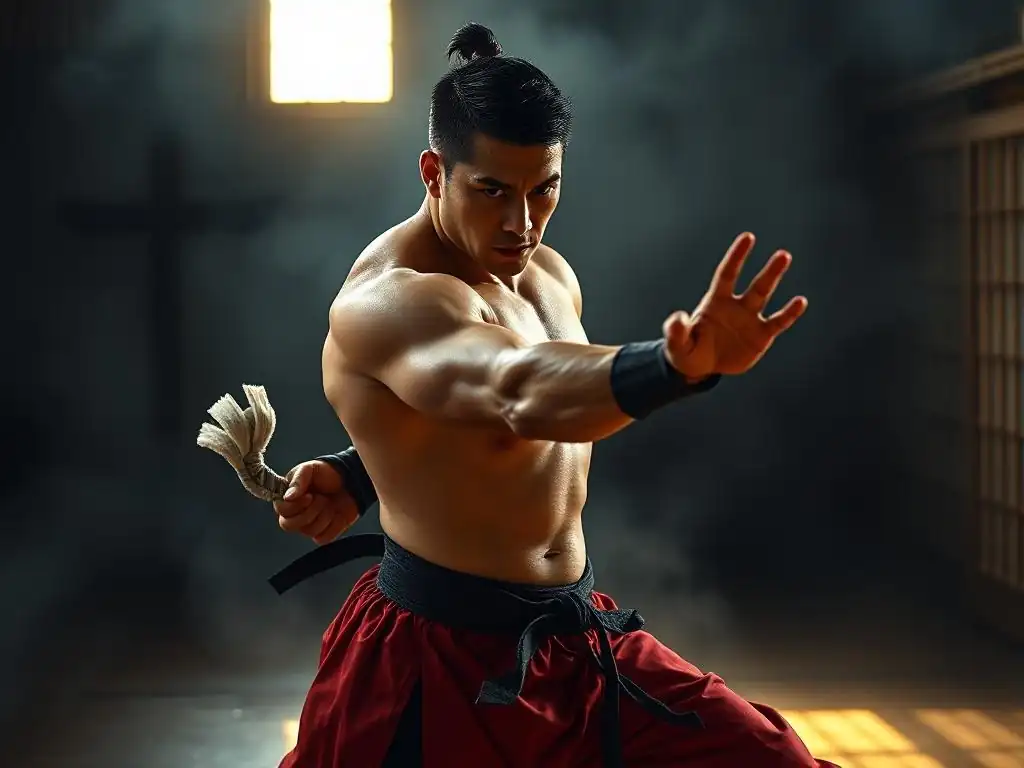
Welcome to Martial Arts Mastery, where tradition meets technique. Ever wondered how to truly hone your skills even when a partner isn't available? Dive into our exploration of solo drills martial arts training and discover how mastering these practices can unlock a new dimension of power and precision in your journey. Explore the secrets that transform individual practice into exceptional performance, and begin your path to true martial arts mastery today.
- Introduction to Solo Martial Arts Training: Mastering Skills in Isolation
- Understanding the Fundamentals of Solo Drills for Martial Arts
- Solo Drills for Striking Arts: Enhancing Punching, Kicking, and Footwork
- Solo Drills for Grappling Arts: Improving Technique, Strength, and Flexibility
- Solo Drills for Weapons Training: Precision, Coordination, and Control
- Designing Your Personalized Solo Martial Arts Training Program
- Avoiding Common Mistakes in Solo Martial Arts Training
- Advanced Solo Training Techniques for Martial Arts Masters
- Conclusion: Embracing the Journey of Solo Martial Arts Mastery
-
Frequently Asked Questions
- What are solo drills in martial arts and why are they important?
- What are some examples of effective solo drills for martial arts training?
- How can solo drills enhance my overall martial arts performance?
- How often should I incorporate solo drills into my martial arts training routine?
- Can solo drills be used for self-defense training?
- Final Reflection: Embracing the Solitary Path to Mastery
- Ignite Your Potential: Embrace Solo Mastery Now!
Introduction to Solo Martial Arts Training: Mastering Skills in Isolation
The Power of Individual Practice in Martial Arts
Throughout the history of martial arts, individual practice has served as a cornerstone of development, often predating or supplementing group instruction. Monks training in isolation, samurai perfecting forms in solitude, or early practitioners honing techniques in secret – these examples highlight the deep-rooted tradition of solitary training.
This individual focus allows practitioners to delve into the nuances of movement without the immediate feedback or resistance of a partner, fostering a profound connection with their own body mechanics and the principles of their art. It is in this quiet space that the foundations laid in class are truly internalized and refined.
Individual practice provides an unparalleled opportunity for introspection. Without the dynamic interaction of sparring or partner drills, a practitioner can meticulously analyze each stance, transition, strike, or block. This allows for a level of focus on subtle details – hip rotation in a punch, the angle of a block, the balance in a kick – that is often difficult to achieve in the fast-paced environment of group training. By repeatedly executing movements slowly and deliberately, one can identify and correct inefficiencies, paving the way for cleaner, more powerful, and more precise techniques when applied with a partner.
Why Solo Drills are Essential for Martial Arts Mastery
Class time in any martial art is inherently limited and typically structured to cover a breadth of material, including partner drills, sparring, and interactive exercises. While invaluable, this structure means that dedicated time for high-repetition refinement of individual techniques is often scarce. This is precisely where solo drills martial arts training becomes indispensable. Mastery, often cited as requiring thousands of hours of dedicated practice, demands consistent, focused repetition far beyond what is possible in a standard class schedule. Solo training allows practitioners to accumulate these crucial repetitions efficiently.
Furthermore, solo drills are essential for building the foundational muscle memory required for spontaneous, effective application of techniques. When faced with a dynamic situation, there isn't time to consciously think through each step of a technique. It must be automatic. Performing hundreds or even thousands of repetitions of a movement in solo practice imprints it deeply into the nervous system. This solid foundation, built through consistent solo martial arts training, makes learning more advanced applications easier and makes sparring and self-defense techniques more instinctive and reliable.
Key Benefits of Solo Training: Skill Development, Conditioning, and Mental Focus
The benefits of incorporating solo drills martial arts training into your routine are multifaceted, impacting skill, physical conditioning, and mental fortitude. In terms of skill development, solo practice allows for unlimited repetitions of specific movements, leading to significant improvements in precision, speed, balance, and coordination. For example, a dedicated practitioner might perform upwards of 500-1000 repetitions of a single punch or kick variation during a focused 30-minute solo session, a volume impossible in typical class settings. This focused repetition refines technique and builds muscle memory critical for fluid execution.
Beyond technical skill, solo martial arts training is a powerful tool for physical conditioning. Many solo drills, such as shadow boxing rounds, intense footwork patterns, or bodyweight exercises, significantly improve cardiovascular endurance, muscular strength, and flexibility. A rigorous 20-minute solo session focusing on explosive movements and conditioning can burn hundreds of calories and dramatically boost stamina.
Moreover, solo practice cultivates mental discipline, concentration, and self-reliance. It teaches practitioners to push through discomfort, maintain focus without external cues, and develop a deeper understanding of their own physical and mental limits. These mental benefits are just as crucial to martial arts mastery as physical prowess.
Understanding the Fundamentals of Solo Drills for Martial Arts
Core Principles of Effective Solo Martial Arts Practice
Effective solo drills martial arts training isn't merely about going through the motions; it requires adherence to core principles that maximize learning and development. The first principle is deliberate practice: training with a clear objective in mind, focusing intensely on improving a specific aspect of technique or conditioning, and actively seeking to identify and correct errors. Simply performing repetitions without mindful attention yields limited results. A practitioner should constantly ask, "What am I trying to improve with this drill?" and "Am I executing this movement correctly according to the principles of my art?"
Another crucial principle is consistency over intensity (initially). While intensity is important for conditioning, consistent, regular solo sessions of even moderate duration (e.g., 15-20 minutes daily) are more effective for skill development than sporadic, long sessions. Furthermore, incorporating visualization is key. Imagining a realistic opponent, a specific scenario, or the intended impact of a technique transforms rote repetition into meaningful practice. This mental engagement enhances realism and prepares the mind and body for dynamic application.
Setting Realistic Goals for Your Solo Training Sessions
To make your solo drills martial arts practice productive, setting clear, realistic goals is paramount. Goals should be specific and measurable to allow tracking progress. Instead of a vague goal like "get better at kicks," aim for something concrete such as "improve the height and chamber of my sidekick by practicing 50 repetitions on each leg, three times this week," or "be able to perform 10 consecutive perfect breakfalls without losing balance by the end of the month." Using a task list can help structure these goals:
- [ ] Practice axe kick chamber drill for 15 minutes on Monday.
- [ ] Complete 3 rounds of shadow boxing focusing only on defensive movement on Wednesday.
- [ ] Perform 50 hip escape repetitions across the mat on Friday.
Breaking down larger aspirations into smaller, achievable weekly or even daily goals prevents overwhelm and provides a clear roadmap for your solo sessions. Celebrate achieving these smaller milestones to maintain motivation.
Optimizing Your Training Space for Solo Martial Arts Drills
The effectiveness of your solo martial arts drills can be significantly enhanced by optimizing your training environment. While a dedicated dojo or gym is ideal, practical solo training can occur in surprisingly small spaces with a bit of planning. Ensure you have enough clear floor space to perform your intended drills safely. For striking and footwork, a space roughly 6x6 feet is often sufficient for basic movements, though larger is always better. Grappling drills require more floor space, ideally with mats to cushion falls (even breakfalls).
Safety is the top priority; remove any obstacles like furniture, rugs that could slip, or sharp corners. Good ventilation is important, especially for intense conditioning solo drills. Consider using a mirror to check your form and technique – seeing yourself can be incredibly revealing for identifying subtle errors. Simple tools like a timer or a marked spot on a wall for target practice can also significantly improve the structure and focus of your solo training drills.
Solo Drills for Striking Arts: Enhancing Punching, Kicking, and Footwork
Shadow Boxing: Refining Technique and Developing Combative Awareness
Shadow boxing is arguably the most fundamental solo striking drill in martial arts. It involves practicing striking techniques against an imaginary opponent, allowing practitioners to focus entirely on form, balance, weight transfer, and movement flow without the impact or resistance of a bag or partner. A typical shadow boxing session might involve rounds of 2-3 minutes, mirroring the duration of competition rounds in many combat sports, interspersed with short rest periods. This structure builds round-specific endurance.
Beyond simply throwing techniques, effective shadow boxing incorporates visualization. Imagine an opponent's size, style, and reactions. Practice moving angles, slipping punches, blocking kicks, and following up with combinations. This mental engagement transforms shadow boxing from a physical exercise into a combative simulation, enhancing your awareness of distance, timing, and strategic movement – crucial elements for applying techniques effectively in sparring or self-defense. Varying the pace, from slow and deliberate (focusing on perfect form) to fast and explosive (building speed), maximizes the benefits of this versatile solo drill martial arts training.
Heavy Bag Workouts: Power, Speed, and Endurance Training
The heavy bag is an invaluable tool for solo drills martial arts training, particularly for developing power, speed, and striking endurance. Unlike shadow boxing, the heavy bag provides physical resistance, allowing practitioners to practice generating force and transferring weight effectively. Different types of bags, such as the standard heavy bag, speed bag, or double-end bag, offer unique benefits. A standard heavy bag is excellent for practicing powerful single strikes and combinations, while a speed bag improves timing and hand speed, and a double-end bag hones accuracy and rhythm.
A typical heavy bag workout might involve multiple rounds (e.g., 5-10 rounds) lasting 2-3 minutes each, with 30-60 seconds of rest. During these rounds, focus can vary: one round on powerful single strikes, the next on rapid combinations, and another on movement around the bag while striking. Data shows that consistent heavy bag work can significantly increase punching and kicking power; some studies indicate increases of 10-20% in strike force over several months of regular training. Always remember to wrap your hands properly when working the heavy bag to prevent injury. This is a high-impact solo drill.
Target Drills: Precision and Accuracy in Striking Techniques
While heavy bag work builds power, solo target drills are key for refining precision and accuracy. These drills involve striking small, specific targets, which could be anything from marked spots on a wall pad, focus mitts mounted on a stand, or even just imaginary points in the air. The goal is to hit the target consistently with the correct part of your hand or foot. For example, you might practice hitting a 3-inch diameter circle on a wall pad 50 times with your lead hand jab, focusing on hitting the center every time.
Target drills improve hand-eye and foot-eye coordination, essential for landing strikes effectively. They also help refine the final stage of a technique – the impact point – ensuring that power is delivered efficiently to the intended area. By varying the height and distance of the target, you can simulate different angles and ranges encountered in combat. This type of solo training drill is less about power and more about control, timing, and hitting exactly what you aim for.
Footwork Drills: Agility, Balance, and Maneuverability in Combat
Footwork is the unsung hero of striking arts, providing the foundation for power, defense, and positioning. Solo footwork drills are crucial for developing the agility, balance, and maneuverability needed to move effectively in a fight. Drills can range from simple movements like shuffling forward and backward, pivoting, and circling, to more complex patterns like ladder drills (imaginary or using a physical ladder) or cone drills. Dedicating a specific portion of your solo session, perhaps 10-15 minutes, solely to footwork can yield significant improvements.
Good footwork allows you to control distance, create angles for attack, escape danger, and maintain balance while delivering or receiving strikes. Practicing moving while maintaining a proper stance, staying light on your feet, and transitioning smoothly between movements builds coordination and endurance in the legs. Examples include practicing advancing and retreating while throwing jabs, circling an imaginary opponent, or practicing explosive bursts of movement from a static position. Consistent solo footwork drills are vital for both offensive and defensive capabilities.
Solo Drills for Grappling Arts: Improving Technique, Strength, and Flexibility
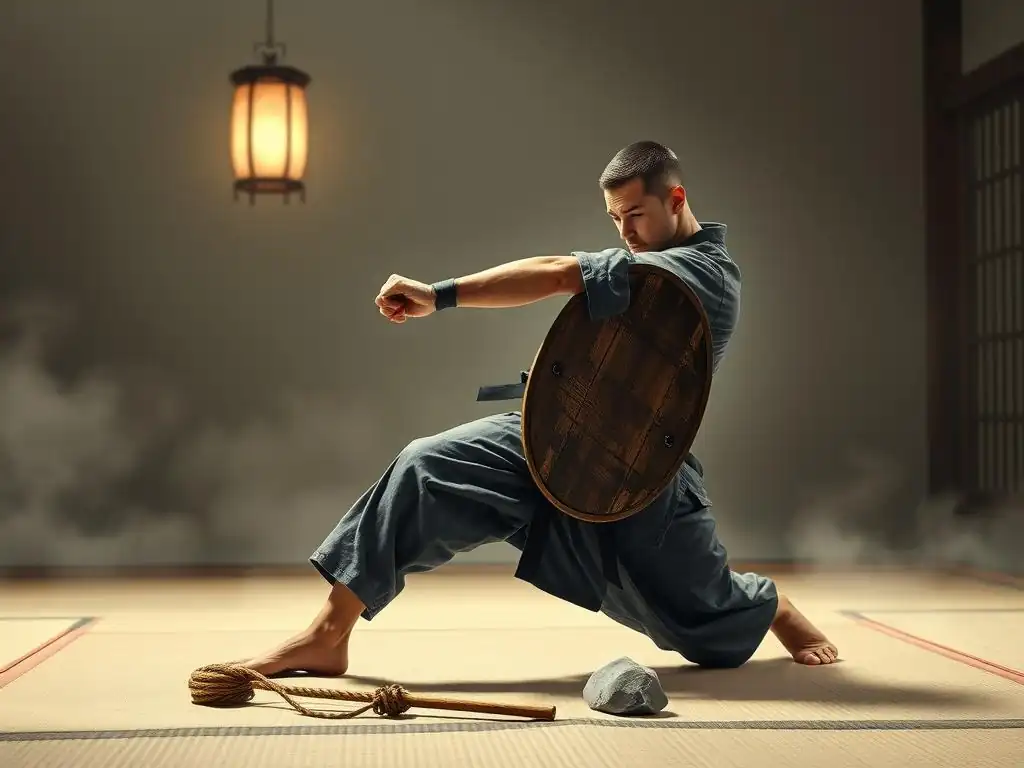
Breakfalling Drills: Safe and Effective Training for Ground Fighting
In grappling arts like Judo, Aikido, or Brazilian Jiu-Jitsu, learning to fall safely is as important as learning to throw or submit. Solo grappling drills for breakfalling (ukemi) are absolutely critical for preventing injury during throws or takedowns. These drills involve practicing the correct technique for dissipating the force of impact when falling backwards, forwards, or sideways. The core principles include tucking the chin to protect the head and slapping the mat forcefully with an arm or leg to absorb impact.
Practicing breakfalls solo on a padded surface allows for high-repetition training without the risk of landing awkwardly due to a partner's movement. Aim to perform each type of breakfall – back, side, and front – multiple times in a session, perhaps 20-30 repetitions each. This builds the necessary muscle memory so that the correct reaction becomes automatic when you are thrown or lose balance in training or a real situation. Consistent breakfall practice is a non-negotiable aspect of safe and effective solo martial arts training for grapplers.
Submission Escapes Practice: Developing Defensive Skills Alone
Developing the ability to escape submissions is a key defensive skill in grappling. While applying escapes requires a partner, the fundamental movements and body mechanics can be practiced effectively through solo escape drills. This often involves visualization and simulating being caught in common submissions while performing the physical motions of the escape. For instance, lying on your back and simulating the posture and movements needed to escape a mounted armbar, focusing on bridging and turning.
Crucial solo training drills for escapes include hip escapes (shrimping), bridging, and maintaining posture. Practicing hip escapes by lying on your back and moving across the mat using only hip movement is a fundamental solo drill that builds core strength and mobility essential for creating space and escaping unfavorable positions. Performing bridging exercises strengthens the hips and back, vital for many escape techniques. Visualizing the pressure and angles of a submission while executing the physical escape movements makes this solo drill more realistic and effective.
Strength and Conditioning for Grapplers: Building Functional Power
Functional strength and conditioning are paramount for grappling, providing the power, endurance, and resilience needed for prolonged ground exchanges or dynamic throws. Solo conditioning for grappling relies heavily on bodyweight exercises that mimic the movements and stresses encountered in live rolling. Exercises like push-ups, pull-ups (or inverted rows using a sturdy table), squats, lunges, planks, and burpees build the foundational strength base. Aiming for multiple sets (e.g., 3-4) of 15-20 repetitions for exercises like push-ups or squats can significantly improve muscular endurance relevant to grappling.
Core strength is particularly vital for grapplers, impacting stability, posture, and the ability to generate power from the hips. Solo drills like various plank variations, leg raises, and twists build a strong core. Grip strength is also crucial; solo exercises like hanging from a bar or performing towel pull-ups target the muscles used for gripping gis or limbs. Incorporating these solo drills martial arts training elements builds the physical attributes necessary to apply grappling techniques effectively.
Flexibility and Mobility Exercises: Enhancing Range of Motion for Grappling
Flexibility and mobility are often overlooked but are critical for grapplers, helping to prevent injuries and allowing access to deeper positions or escape routes. Solo flexibility drills should target key areas used in grappling, such as the hips, hamstrings, shoulders, and neck. Static stretching, holding stretches for 30-60 seconds, can improve range of motion over time. Examples include hip flexor stretches, hamstring stretches (seated or standing), and shoulder stretches.
Dynamic stretching and mobility drills are also valuable. These involve controlled movements through a range of motion, such as hip circles, arm circles, spine rotations, and cat-cow stretches. Performing these before a solo session warms up the joints and muscles, improving performance and reducing injury risk. Increased flexibility gained from consistent solo training drills allows grapplers to move more freely, execute techniques with better leverage, and potentially escape submissions that rely on joint limitations.
Solo Drills for Weapons Training: Precision, Coordination, and Control
Forms (Kata) Practice: Mastering Technique and Developing Flow
Forms, known as kata in Karate, poomsae in Taekwondo, or simply forms in other disciplines, are sequences of movements containing the fundamental techniques and principles of a weapons art. Solo weapons forms practice is the cornerstone of training in many traditional weapon systems (e.g., Katana, Bo Staff, Nunchaku, Escrima sticks). Practicing forms alone allows practitioners to focus intensely on the precision, balance, timing, and flow of each movement without the distraction of a partner.
Repetitive practice of forms builds muscle memory, improves coordination between the body and the weapon, and deepens understanding of the art's principles. Practitioners often practice forms at different speeds: slowly to analyze and perfect technique, at medium speed to develop smooth transitions and flow, and at full speed to build power and speed. Visualizing the application of each movement against an imaginary opponent during form practice enhances realism and prepares the techniques for practical use. This is a disciplined and meditative form of solo martial arts training.
Partner Drills Simulation: Imagining an Opponent for Realistic Training
While many weapons drills are designed for partners, they can often be simulated through solo partner drill simulation. This involves performing your part of a partner drill while visualizing the opponent's actions and reacting as you would in a real scenario. This requires a strong understanding of the drill's structure and timing. For example, if practicing a sword block-and-counter drill, you would visualize the angle and speed of the incoming "attack" and execute your block and subsequent counter with the appropriate timing and distance.
Simulating partner drills solo helps refine reaction time (mentally), distance management, and the ability to adapt your technique based on an imagined threat. It bridges the gap between rote technique practice and live interaction. The key is to maintain focus and intention, treating the imaginary opponent as realistically as possible. This type of solo training drill is particularly valuable when a training partner is unavailable but you need to reinforce specific interactive sequences.
Weapons Handling Drills: Safety, Precision, and Control
Beyond forms and simulated applications, solo weapons handling drills focus specifically on the manipulation of the weapon itself. These drills build dexterity, wrist strength, and fine motor control crucial for effective and safe use of a weapon. Examples include practicing grip changes, spins, draws from a saya (sheath), sheathing, and transitioning between stances while maintaining perfect control over the weapon's movement and tip.
Safety is paramount during these drills; always ensure you have ample space and are aware of your surroundings. Practice these movements slowly at first, focusing on fluid, controlled execution. Gradually increase speed as your proficiency grows, but never sacrifice control for speed. Consistent practice of handling drills makes the weapon feel like an extension of your body and reduces the risk of accidental injury during more dynamic solo martial arts training.
Solo Katana Drills: Developing Precision and Flow
Focusing on a specific weapon, solo Katana drills offer a prime example of how individual practice refines technique. Drills from arts like Iaijutsu or Kendo emphasize precise movements like drawing the sword (nuki), performing specific cuts (e.g., kirioroshi - downward cut, kiriage - upward cut), and sheathing (noto). Practicing these movements solo allows for intense focus on the angle of the blade, the path of the cut, and the coordination of body movement with the weapon's action.
Performing a single cut repeatedly, perhaps 50-100 times in a session, refines the power generation and accuracy of that specific movement. Practicing drawing and sheathing builds smooth, efficient transitions. These solo drills martial arts training with the Katana cultivate not only physical skill but also mental discipline, focus, and a deep connection to the weapon, embodying the principles of Zanshin (remaining mind/awareness) and Mushin (no mind).
Designing Your Personalized Solo Martial Arts Training Program
Assessing Your Strengths and Weaknesses in Martial Arts
Creating an effective personalized solo training program begins with an honest assessment of your current skills. Where are you strong, and where do you need improvement? This can be based on feedback from your instructor, observations during sparring or partner drills, or even reviewing recordings of yourself training. Be specific: is your weakness your balance during kicks, your ability to escape a specific pin, your endurance in prolonged exchanges, or the precision of your forms?
Consider using a simple checklist or rating system to evaluate different aspects of your martial art. For example:
- [ ] Striking Power (1-5)
- [ ] Striking Accuracy (1-5)
- [ ] Footwork Agility (1-5)
- [ ] Grappling Base/Balance (1-5)
- [ ] Submission Escape Technique (1-5)
- [ ] Form Execution (1-5)
- [ ] Cardiovascular Endurance (1-5)
Identifying specific areas for improvement allows you to tailor your solo drills program for maximum impact. While it's good to maintain strengths, solo time is often best spent shoring up weaknesses that hinder overall progress.
Selecting the Right Solo Drills for Your Specific Needs
Based on your self-assessment, the next step is selecting solo drills that directly address your identified weaknesses and support your goals. If you struggle with balance, incorporate more footwork drills and exercises like single-leg squats or balance board work. If your striking power needs improvement, prioritize heavy bag workouts and plyometric exercises. If your grappling escapes are weak, dedicate significant time to hip escapes, bridging, and visualization of specific escape sequences.
Consider your specific martial art and its demands. A Karate practitioner might focus heavily on striking forms and target drills, while a BJJ practitioner would prioritize grappling-specific conditioning and escape movements. Don't be afraid to incorporate cross-training elements if they serve your needs; for instance, a striker could benefit from grappling breakfall practice for self-defense scenarios. The key is that each solo training drill should have a clear purpose related to your personal development goals.
Structuring Your Weekly Solo Training Schedule
Consistency is vital for progress in solo martial arts training. Structure your weekly schedule to ensure you dedicate regular time to solo practice. Even 15-30 minutes several times a week can be highly effective. Consider how solo training fits around your regular class schedule. You might dedicate specific days solely to solo work or add a short solo session before or after class.
An example structure for someone attending two classes per week might be:
- Monday: Class
- Tuesday: 30 minutes Solo Drills (focus on striking technique/power)
- Wednesday: Class
- Thursday: 30 minutes Solo Drills (focus on grappling conditioning/escapes)
- Friday: Rest or Light Flexibility
- Saturday: 45 minutes Solo Drills (focus on forms/footwork/overall flow)
- Sunday: Rest
Varying the focus of your solo martial arts schedule keeps things interesting and ensures well-rounded development. Be realistic about how much time you can commit consistently.
Tracking Your Progress and Making Adjustments to Your Program
To ensure your solo training journey is effective, it's important to track your progress and be willing to make adjustments to your program. Keep a simple training log – a notebook, spreadsheet, or app. Note the date, the drills performed, the duration or number of repetitions, and any observations about your performance (e.g., "Hip turn felt better today," "Need to focus more on keeping hands up during shadow boxing").
Review your log periodically (e.g., monthly) against your goals. Are you seeing improvement in the areas you targeted? If a particular drill doesn't seem effective, or if you've plateaued, consider modifying the drill, increasing the intensity, or switching to a different exercise that works the same skill from a different angle. Tracking provides objective data to inform your decisions and keeps you accountable to your solo drills martial arts training plan.
Avoiding Common Mistakes in Solo Martial Arts Training
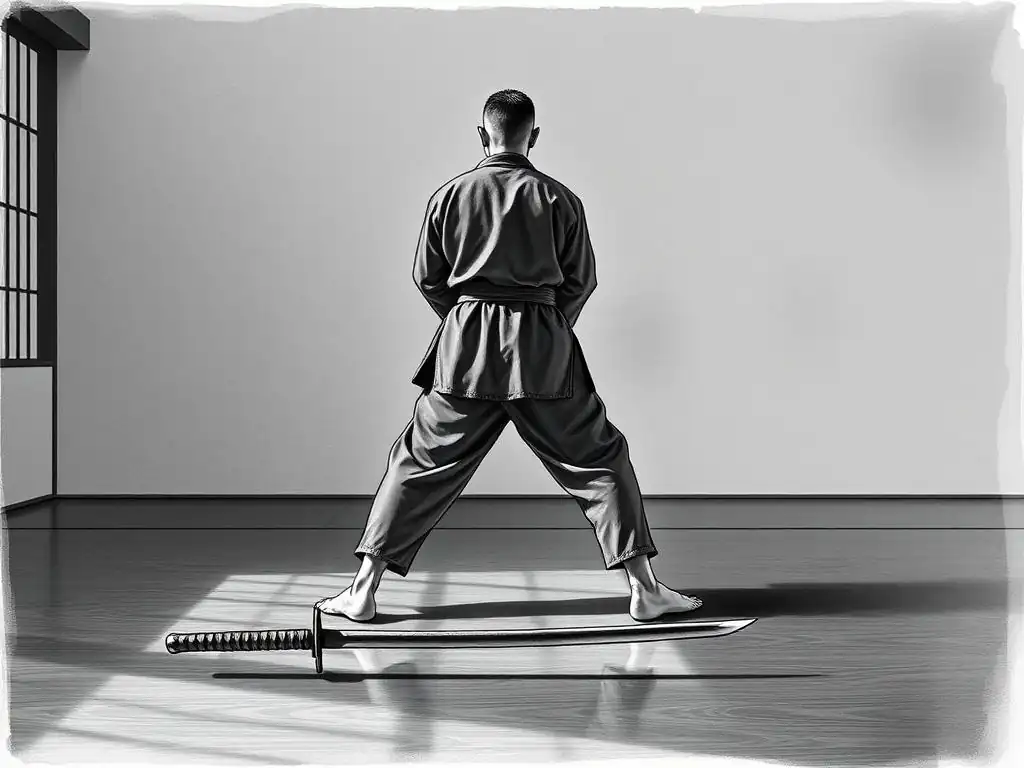
Overtraining and Injury Prevention: Listen to Your Body
One of the most common pitfalls in solo martial arts training is overtraining, especially when motivation is high. Without the structure and supervision of a class, it's easy to push too hard, too often. Overtraining can lead to burnout, decreased performance, and significantly increased risk of injury. Signs of overtraining include persistent fatigue, muscle soreness that doesn't subside, irritability, difficulty sleeping, and a plateau or decrease in performance.
Always include proper warm-up and cool-down routines in your solo sessions. Pay close attention to your body's signals; if something feels like sharp pain, stop. Rest days are not optional; they are essential for muscle recovery and growth. Most experts recommend at least one full rest day per week, and more if you are training multiple times daily or combining intense solo work with regular classes. Prioritizing injury prevention ensures the longevity of your solo training journey.
Maintaining Proper Form and Technique: The Importance of Self-Correction
Without an instructor constantly watching and correcting you, there's a risk that your form can degrade during solo drills. Practicing incorrect technique repeatedly can actually be detrimental, reinforcing bad habits and potentially leading to injury. To combat this, focus on quality over quantity, especially when learning new solo drills. Perform movements slowly and deliberately at first, ensuring each part of the technique is correct according to the principles of your martial art.
Utilize tools like mirrors to observe your posture, balance, and movement execution. Recording yourself with a phone can also be incredibly insightful, allowing you to review your technique critically after the session. If you are unsure about the correct form for a specific solo drill, consult instructional resources or ask your instructor for guidance during your next class. Developing strong self-correction skills is vital for effective solo martial arts training.
Staying Motivated and Focused During Solo Sessions
Maintaining motivation and focus can be challenging when training alone, without the energy of a group or the direct interaction of a partner. It's easy for solo training drills to become monotonous. To combat this, vary your routine regularly. Introduce new drills, change the order of your exercises, or train in different environments (e.g., outdoors if safe and appropriate). Setting mini-goals for each session (e.g., "Today, I will focus solely on perfecting my low block technique") can provide immediate purpose.
Minimize distractions during your solo time. Turn off your phone notifications and focus entirely on the task at hand. Visualize the purpose of each drill and how it contributes to your overall martial arts goals. Remember why you are doing this solo work – to improve, to gain mastery, to push your own limits. Connecting the solo effort back to your broader aspirations helps maintain focus and drive during solitary practice. This mental aspect is key to successful solo martial arts training.
While solo drills martial arts training is a powerful tool for individual development, it should ideally complement, not replace, group training. The social aspect of martial arts is crucial for learning timing, distance, reading opponents, and applying techniques against live resistance. Relying solely on solo practice can lead to a disconnect from the dynamic realities of sparring and self-defense, and can also lead to feelings of isolation.
Ensure you continue attending regular classes and interacting with your instructors and training partners. Discuss your solo training with them; they can offer valuable feedback and suggestions. The insights gained from partner work and sparring provide essential context and motivation for your solo refinement. Solo training enhances your ability to perform with others, but the application and testing of skills often require that social connection.
Advanced Solo Training Techniques for Martial Arts Masters
Visualization and Mental Imagery: Enhancing Performance Through Mindset
For advanced practitioners and aspiring masters, advanced solo training often delves deeply into the realm of visualization and mental imagery. This isn't just imagining an opponent; it's running through complex, dynamic scenarios in the mind with vivid detail. This could involve mentally sparring against different opponents, practicing reactions to unexpected attacks, or executing entire complex forms flawlessly in the mind. Research suggests that mental rehearsal activates many of the same neural pathways as physical practice, improving technique and reaction time.
Masters might dedicate significant time, perhaps 15-20 minutes daily, to focused mental rehearsal. This involves visualizing not just the movements but also the sensations – the feel of impact, the balance, the flow of energy. It allows practitioners to explore tactical possibilities and refine decision-making processes without physical exertion. This sophisticated form of solo martial arts training hones the mind just as physical drills hone the body.
Incorporating Resistance Bands and Other Training Tools
As practitioners advance, bodyweight solo drills may need additional challenge to stimulate further growth. Incorporating resistance bands is a popular advanced solo training technique. Bands can be used to add resistance to strikes (e.g., looping a band around your back and punching forward against the tension), grappling movements (e.g., attaching a band to a sturdy anchor and performing hip escapes against resistance), or even conditioning exercises. Resistance bands can add significant load, often ranging from 10 to over 50 pounds of tension depending on the band's strength.
Other tools like weighted vests can increase the intensity of footwork or conditioning drills. Specialized balance boards or unstable surfaces can further challenge balance and core stability during solo technique practice. Using these tools strategically allows practitioners to target specific physical attributes and break through plateaus that might occur with standard bodyweight solo drills.
Advanced Sparring Visualization Drills
Taking sparring visualization to an advanced level involves simulating entire rounds with a high degree of realism and complexity. Instead of just practicing techniques, you are mentally engaging in a dynamic fight. This includes visualizing reading the opponent's body language, anticipating their attacks, setting traps, executing layered combinations, and reacting defensively to unexpected moves. It also involves visualizing dealing with adversity, such as being put in a bad position or receiving a strike.
These solo sparring visualization drills improve tactical awareness, problem-solving under pressure (mentally), and the ability to adapt your game plan on the fly. By mentally running through various "what-if" scenarios, practitioners become more prepared for the unpredictability of live sparring or combat. This type of solo martial arts training is a powerful tool for developing the strategic mind of a martial artist.
Developing Your Own Unique Solo Training Methods
At the highest levels of martial arts mastery, practitioners often begin to develop their own unique solo training methods tailored to their specific needs, body type, and the evolving demands of their art. This requires a deep understanding of the fundamental principles and mechanics of their style, as well as an acute awareness of their own strengths and weaknesses.
This creative process involves identifying a specific challenge encountered in live training or sparring and designing a solo drill to isolate and overcome it. For example, if a master finds themselves struggling with a particular transition in ground fighting, they might create a complex flow drill involving only their own body to practice that exact movement repeatedly. This bespoke approach to solo drills martial arts training allows masters to continue refining their skills and exploring the outer limits of their potential.
Conclusion: Embracing the Journey of Solo Martial Arts Mastery
The Enduring Value of Solo Practice in Martial Arts
As we have explored, solo practice in martial arts is far more than just a way to pass time when a partner isn't available; it is a fundamental and enduring component of true mastery. From refining basic stances and techniques to building peak physical conditioning, enhancing mental focus, and even simulating complex combat scenarios, solo drills martial arts training offers a unique pathway for development that complements and amplifies the learning gained from group instruction. It is the forge where individual skill is hammered into sharpness and resilience.
The value of dedicated solo training extends throughout a martial artist's journey. For beginners, it solidifies fundamental movements and builds essential physical attributes. For intermediate practitioners, it allows for deep refinement of techniques learned in class and targeted work on specific weaknesses. For advanced students and masters, it becomes a tool for continuous self-improvement, mental conditioning, and the exploration of the subtle nuances of their art.
Continued Growth and Self-Improvement Through Dedicated Training
The pursuit of martial arts mastery is a lifelong endeavor, characterized by continuous growth and self-improvement. Solo drills martial arts training provides a reliable and accessible means to pursue this growth independently. It empowers practitioners to take ownership of their development, working on their skills and conditioning whenever and wherever they have the opportunity. This dedication outside of the structured class environment accelerates progress and deepens the practitioner's connection to their chosen discipline.
By embracing the discipline of solo training, martial artists cultivate not only physical prowess but also mental resilience, patience, and a profound understanding of their own capabilities and limitations. It is in the quiet, focused repetitions of solo practice that true self-mastery begins to emerge.
Start Your Solo Training Journey Today
If you are serious about unlocking your full potential in martial arts, make solo drills martial arts training a non-negotiable part of your routine. Start small; even 15-20 minutes of focused solo practice a few times a week can make a significant difference over time. Identify a few key areas you want to improve and select solo drills that target those areas.
Embrace the challenge and the rewards of training alone. The discipline, the focus, and the physical and technical improvements you gain from your solo training journey will undoubtedly enhance your performance in class, in sparring, and in any situation where your martial arts skills are called upon. Begin today, and take a powerful step towards achieving your martial arts mastery.
Frequently Asked Questions
What are solo drills in martial arts and why are they important?
Solo drills are repetitive exercises performed without a partner to improve technique, muscle memory, and physical conditioning. They are important because they allow for focused practice and independent skill development.
What are some examples of effective solo drills for martial arts training?
Examples include shadow boxing for striking, kata or forms for practicing sequences, and footwork drills for agility and balance. These repetition-based activities solidify fundamental movements.
How can solo drills enhance my overall martial arts performance?
Solo drills enhance performance by building muscle memory, improving reaction time, and increasing physical endurance. This independent training complements partnered sparring and instruction.
How often should I incorporate solo drills into my martial arts training routine?
You should incorporate solo drills regularly, ideally several times a week, even daily for short periods. Consistency is key to developing proficiency and mastery.
Can solo drills be used for self-defense training?
Yes, solo drills can be adapted for self-defense by focusing on practical techniques and realistic scenarios. They help build confidence and preparedness for real-world situations.
Final Reflection: Embracing the Solitary Path to Mastery
The journey of martial arts is often perceived as one of sparring partners and group classes, but the true crucible of skill lies in the dedicated practice of solo drills. This article has explored the power and potential hidden within these solitary sessions, revealing how focused, individual training can unlock a deeper understanding and mastery of movement. The ability to refine technique and build muscle memory without the pressure of an opponent is more relevant than ever, allowing practitioners to progress at their own pace and on their own terms, regardless of external limitations.
The impact of solo drills extends beyond mere physical prowess; it cultivates discipline, self-awareness, and a profound connection to one's own body. This personal connection, forged in the quiet dedication of solo practice, is what truly elevates a martial artist. It's about more than just repeating movements; it's about understanding their nuances, internalizing their principles, and making them an intrinsic part of your being. I fear not the man who has practiced 10,000 kicks once, but I fear the man who has practiced one kick 10,000 times.
- Bruce Lee. This quote perfectly encapsulates the power of focused repetition and the profound depth that can be achieved through dedicated solo practice.
Now, I invite you to reflect on your own martial arts journey. Consider how you can incorporate the principles of focused solo drills into your training regimen. Embrace the solitude, the repetition, and the opportunity for self-discovery. Let the quiet dedication of your individual practice be the foundation upon which you build your strength, your skill, and your unwavering commitment to the art. The path to mastery is often a solitary one, but the rewards are immeasurable.
Ignite Your Potential: Embrace Solo Mastery Now!
Thank you for diving into the world of solo training. You've now unlocked powerful insights into maximizing your martial arts journey, even when training alone. Ready to take your skills to the next level?
Here's how you can translate knowledge into action:
- Commit to 15 minutes daily focusing on the drills you found most impactful from this article. Consistency is key!
- Explore our archive of technique breakdowns on Martial Arts Mastery ( https://martialartsmastery.org ) to discover complementary solo drills.
- Share your biggest takeaway from this article with a training partner and discuss how you can support each other's solo practice.
Which drill are you most excited to implement and how will you measure your progress?