
Scientific Sparring: How Boxing Technique and Strategy Evolved Over Centuries

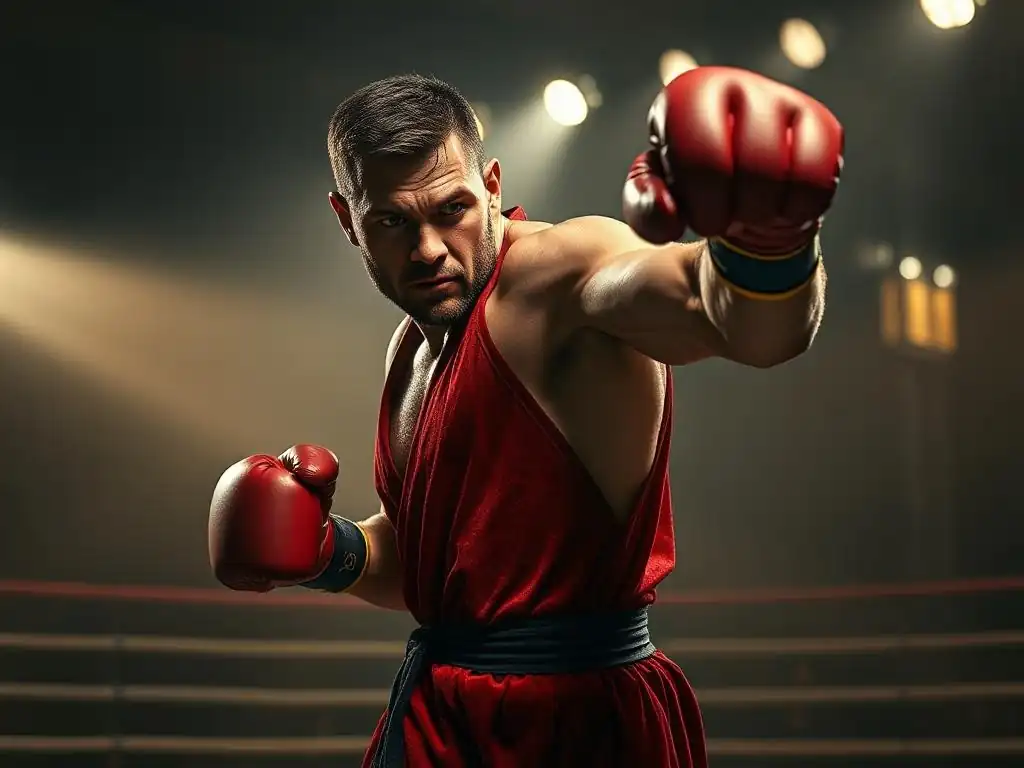
Welcome to Martial Arts Mastery, your gateway to understanding the profound world of combat arts.
Delve into the fascinating journey of striking prowess as we explore the scientific sparring that has shaped boxing. Discover Boxing technique evolution strategies and witness how centuries of innovation have molded this iconic discipline. Curious about the secrets behind the punches? Let's unravel the threads of history and training that define the sweet science.
- Introduction: Tracing the Evolution of Boxing Technique
- Early Boxing: Bare-Knuckle Origins and Rudimentary Strategies
- The Marquess of Queensberry Rules: A Paradigm Shift in Boxing Technique
- Key Figures in the Development of Boxing Technique and Strategy
- The 20th Century: Refining Boxing Technique and Strategic Depth
- Modern Boxing: Scientific Training and Advanced Strategies
- The Influence of Different Boxing Styles on Technique
- The Future of Boxing Technique: Innovation and Adaptation
- Conclusion: Boxing Technique Evolution - A Legacy of Innovation
-
Frequently Asked Questions
- How has the overall focus of boxing technique shifted over time?
- What are some key historical figures who influenced the evolution of boxing technique?
- How has the understanding of biomechanics affected modern boxing training?
- What role has technology played in the evolution of boxing technique strategies?
- What are some essential elements of modern boxing strategy that were less emphasized in earlier periods?
- Final Reflection: The Enduring Dance of Boxing
- Unleash Your Inner Champion: Step into the Ring of Knowledge!
Introduction: Tracing the Evolution of Boxing Technique
From Bare-Knuckle Brawls to Modern Boxing Science
Boxing, in its earliest forms, was a brutal spectacle of bare-knuckle brawling, far removed from the highly technical sport we recognize today. Fighters relied primarily on raw power, endurance, and sheer grit, often engaging in contests that lasted dozens or even hundreds of rounds until one combatant was incapacitated. The concept of sophisticated boxing technique evolution strategies was virtually non-existent; victory often went to the man who could absorb the most punishment and deliver bone-crushing blows. Grappling and wrestling elements were frequently intertwined with striking, making these early contests chaotic and unpredictable.
Over centuries, this raw form gradually transformed, driven by rule changes, the introduction of equipment like gloves, and the emergence of strategic thinkers who began to analyze and refine fighting methods. The shift from pure brawling to a more 'scientific' approach marked a fundamental change. This evolution wasn't linear but involved distinct periods of innovation where new techniques, defensive postures, and strategic game plans were developed, tested, and passed down, contributing significantly to the rich history of boxing technique evolution strategies.
The Enduring Appeal of Boxing: A Blend of Art and Science
The enduring global appeal of boxing lies precisely in this fascinating blend of physical prowess, mental fortitude, and strategic genius. It's a sport where raw power must be channeled through precise technique, and where aggression must be tempered by intelligent strategy. Modern boxing requires athletes to be not only physically peak but also masters of movement, timing, distance management, and tactical adaptation.
The evolution of boxing technique strategies reflects a continuous pursuit of efficiency and effectiveness within the confines of the rules. Fighters and trainers constantly analyze past bouts, study biomechanics, and utilize modern sports science to gain an edge. This scientific approach to training and strategy development ensures that boxing remains a dynamic and compelling sport, where technique and strategy are just as crucial as the ability to deliver a knockout punch.
Early Boxing: Bare-Knuckle Origins and Rudimentary Strategies
Ancient Roots: Boxing in Antiquity
The practice of pugilism dates back millennia, with evidence found in ancient civilizations. Reliefs from Ancient Egypt, dating back as far as 2000 BCE, depict fighters with bandaged hands, suggesting a rudimentary form of hand protection or binding. The sport was also a prominent part of the Ancient Olympic Games, introduced in 688 BCE. Ancient Greek boxing, or pyx mahkai, was incredibly brutal, often resulting in severe injury or death. Fighters wrapped their hands with leather thongs, sometimes weighted or hardened, known as himantes.
The strategies employed in these ancient contests were rudimentary by modern standards. Fighters focused on delivering powerful, often single, blows to the head and body. Defensive techniques were limited, relying more on absorbing blows or using basic parries. There was little emphasis on footwork for strategic positioning or evasion; contests were often fought toe-to-toe until one fighter could no longer continue. This early stage laid the groundwork for combat sports but lacked the nuanced boxing technique evolution strategies seen later.
The London Prize Ring Rules: A Foundation for Boxing Technique
In the 18th and 19th centuries in England, boxing transitioned from informal brawls to more organized contests under specific rulesets. The most significant of these were the London Prize Ring Rules, first codified in 1743 by Jack Broughton, a renowned fighter and boxing instructor.
These rules, later revised in 1838 and 1853, introduced concepts like a designated ring area, seconds for the fighters, and a system of 'rounds' determined by a knockdown. When a fighter was knocked down, they had a set amount of time (initially 30 seconds, later 8 seconds in the 1838 rules) to come to scratch (a line in the center of the ring) to continue, or the round ended.
While still allowing grappling and throws, these rules began to shape strategy by introducing pauses and the concept of recovery. Fighters started to consider pacing themselves, though bouts could still last for dozens or even over a hundred rounds. The emphasis remained on durability and power, but the formal structure provided a framework upon which future boxing technique evolution strategies could be built. The rules prohibited hitting a downed opponent, a significant step towards reducing some of the extreme dangers of earlier bouts.
Bare-Knuckle Tactics: Power, Endurance, and Limited Strategy
Bare-knuckle boxing under the London Prize Ring Rules was characterized by tactics centered on inflicting and enduring punishment. Fighters developed techniques to deliver heavy, swinging blows, often targeting the head and body with haymakers and hooks. The lack of gloves meant cuts and broken bones were common, influencing where and how fighters aimed their punches. Grappling was permitted, allowing fighters to wrestle opponents to the ground, which would end the round.
Defensive tactics were relatively simple, relying on blocking with forearms and shoulders, or using head movement to avoid blows, though often at close range. Footwork was primarily used for closing distance or maintaining balance during grappling exchanges, rather than for strategic positioning or evasion. Endurance was paramount, as fighters needed to sustain high levels of physical output for extended periods. The strategic depth was limited compared to modern boxing; the primary goal was to overwhelm the opponent through sheer physical force and resilience, rather than employing complex boxing technique evolution strategies involving feints, counter-punching, or ring generalship.
The Marquess of Queensberry Rules: A Paradigm Shift in Boxing Technique
The Introduction of Gloves: Impact on Punching Technique and Defense
The adoption of the Marquess of Queensberry Rules in the late 19th century, particularly the mandatory use of padded gloves, fundamentally reshaped boxing technique and strategy. Gloves reduced cuts and facial injuries but increased the potential for concussive force, as fighters could hit harder without breaking their hands. This shift incentivized throwing combinations of punches rather than just single, powerful blows. The padded surface changed the dynamics of blocking; while bare-knuckle fighters often parried or blocked with forearms, gloves allowed for more effective blocking with the hands and arms held close to the body.
The introduction of gloves also paved the way for new offensive techniques. Punches like the jab, hook, and uppercut became more defined and effective. Fighters could now throw punches with greater speed and less risk of self-injury. Defenses evolved to include sophisticated slipping, rolling, and weaving techniques, as relying solely on blocking became less effective against gloved power punches. This was a critical turning point in the boxing technique evolution strategies, moving the sport towards skill and precision.
The Three-Minute Round: Shaping Strategy and Conditioning
Another pivotal change introduced by the Queensberry Rules was the standardized three-minute round with a one-minute rest period between rounds. This structure, still used today, drastically altered the pacing and strategic considerations of a bout. Unlike the potentially hours-long bare-knuckle fights, fighters now had to perform intensely for specific, short bursts. This necessitated a different type of conditioning, focusing on anaerobic capacity and the ability to recover quickly.
The three-minute round also introduced strategic elements related to pacing, timing attacks, and conserving energy. Fighters began to think in terms of rounds – winning rounds, finishing strong at the end of a round, or using a round to recover or set traps. The corner's role became more crucial during the one-minute rest, allowing for tactical adjustments and motivation. This structure encouraged the development of diverse boxing technique evolution strategies tailored to round-by-round performance.
The Rise of Scientific Boxing: Skill Over Brute Force
The combined impact of gloves, standardized rounds, and other Queensberry Rules (like prohibiting wrestling and throws) fostered the rise of "scientific boxing." This era emphasized skill, technique, speed, and strategy over brute strength and endurance. Fighters began training with a focus on perfecting their stance, footwork, punching mechanics, and defensive skills. The jab emerged as a primary strategic weapon for controlling distance, setting up power shots, and disrupting an opponent's rhythm.
Trainers and fighters started analyzing opponents, developing specific game plans, and practicing complex combinations and defensive maneuvers. The ideal boxer was no longer just the toughest brawler but a skilled technician who could outthink and outmaneuver their opponent. This period marked the true beginning of modern boxing technique evolution strategies, where intellect became as important as physical power in the ring.
Key Figures in the Development of Boxing Technique and Strategy
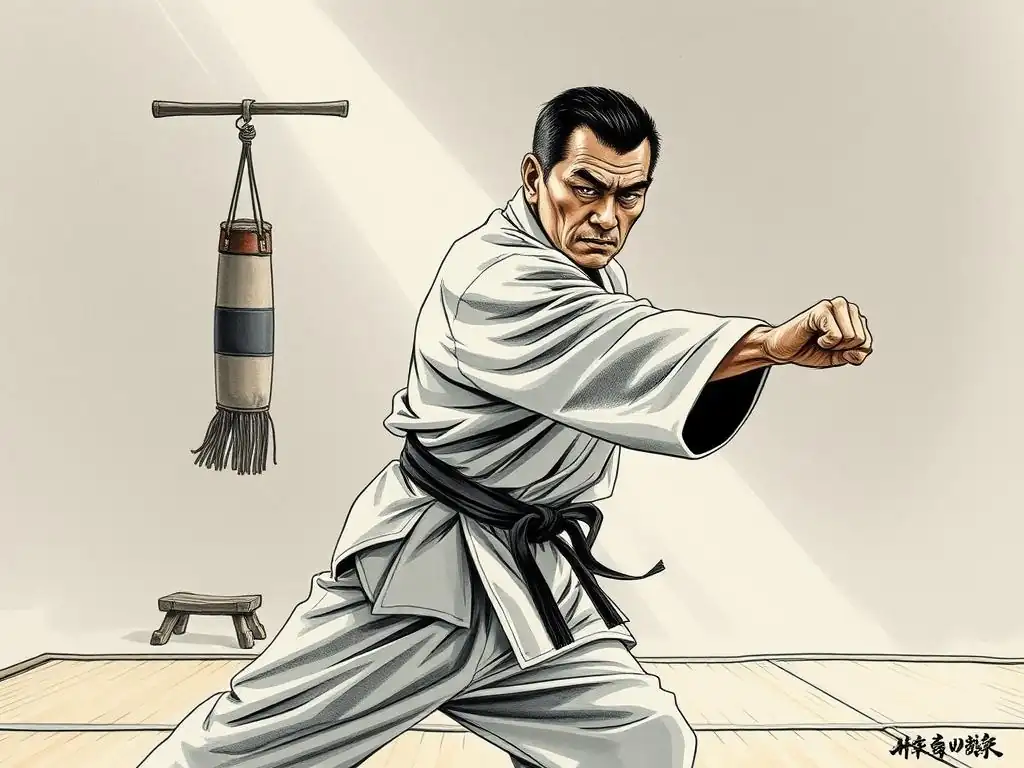
James J. Corbett: Innovating with Footwork and Evasion
James J. Corbett, heavyweight champion from 1892 to 1897, is widely regarded as the first true "scientific" boxer under the Queensberry Rules. Facing the formidable bare-knuckle legend John L. Sullivan, Corbett, nicknamed "Gentleman Jim," employed a style based on superior footwork, speed, and defensive skill rather than trading blows. He famously moved around the ring, using his jab to keep Sullivan at bay and evading the champion's powerful, but often slow, attacks.
Corbett's victory over Sullivan was a landmark moment, demonstrating that skill and strategy could overcome raw power, particularly with the new rules and gloves. His emphasis on lateral movement, pivoting, and using distance effectively was revolutionary for its time. He showed that controlling the ring and making the opponent miss were vital components of effective boxing technique evolution strategies. His approach influenced generations of boxers who prioritized movement and defensive mastery.
Jack Johnson: Pioneering the Use of the Jab and Defensive Mastery
Jack Johnson, the first African American heavyweight champion (1908-1915), was another pioneer whose style profoundly impacted boxing technique. Johnson was a master defensive fighter, known for his elusive style, superb parrying, and intelligent use of the clinch to neutralize opponents. He was also one of the earliest and most effective proponents of the jab as a primary offensive and defensive tool.
Johnson used his long, fast jab not just to score points but to control distance, disrupt his opponent's rhythm, and set up counter-punches. His defensive prowess was legendary; he made opponents miss constantly, frustrating them and creating openings for his own attacks. His strategic approach emphasized patience, counter-punching, and wearing down opponents mentally as well as physically. Johnson's contributions were crucial in advancing boxing technique evolution strategies towards a more defensive and tactical art form.
Muhammad Ali: Mastering Ring Generalship and Tactical Adaptability
Muhammad Ali, arguably the most iconic figure in boxing history, revolutionized heavyweight boxing in the 1960s and 70s with his unique style. His famous "float like a butterfly, sting like a bee" mantra encapsulated his approach: exceptional speed, agility, and unconventional footwork combined with lightning-fast jabs and combinations. Ali's "rope-a-dope" strategy against George Foreman in the "Rumble in the Jungle" is a prime example of his tactical genius and adaptability, absorbing punishment to tire out a stronger opponent before launching his attack.
Ali was a master of ring generalship, controlling the distance and pace of the fight. He used psychological tactics both inside and outside the ring. His ability to adapt his style based on the opponent – sometimes dancing and moving, other times leaning on the ropes – highlighted the importance of strategic flexibility. Ali's innovative approach significantly pushed the boundaries of boxing technique evolution strategies, proving that unorthodox methods could be highly effective at the highest level.
The 20th Century: Refining Boxing Technique and Strategic Depth
The Impact of Film and Television on Boxing Analysis
The advent of film and later television had a profound impact on the study and development of boxing technique and strategy in the 20th century. For the first time, fights could be recorded, replayed, and analyzed frame by frame. This allowed trainers and fighters to meticulously study the techniques, footwork, and strategic patterns of champions and opponents alike. They could dissect what worked, what didn't, and identify subtle nuances in movement and punching that were previously only observable live.
This ability to study fights in detail accelerated the refinement of existing techniques and the development of new ones. Trainers could use footage to teach specific movements, defensive maneuvers, and strategic sequences. Fighters could scout opponents more effectively, developing tailor-made game plans based on observed tendencies. This technological shift provided an invaluable tool for advancing boxing technique evolution strategies through empirical analysis.
The Golden Age of Boxing: An Explosion of Diverse Styles
The mid to late 20th century is often referred to as a "Golden Age" of boxing, characterized by an explosion of talent across multiple weight classes and a wide diversity of fighting styles. This era saw the emergence of iconic figures like Sugar Ray Robinson, Joe Louis, Rocky Marciano, Roberto Durán, Sugar Ray Leonard, and many others, each bringing their unique approach to the sport. This diversity forced fighters to become more adaptable and trainers to broaden their knowledge of different styles.
You had aggressive sluggers, slick out-boxers, relentless pressure fighters, and defensive wizards competing against each other. This competitive landscape encouraged innovation in boxing technique evolution strategies. Fighters had to learn how to fight effectively against southpaws, how to counter a jab-and-move specialist, or how to deal with an inside fighter. This period of intense stylistic competition significantly deepened the strategic complexity of the sport.
The Rise of Specialization: Training for Specific Opponents and Styles
As boxing evolved, so did the approach to training. While foundational skills remained crucial, there was an increasing emphasis on tailoring training camps and strategic plans to specific opponents. Trainers would study an opponent's strengths, weaknesses, preferred techniques, and strategic habits to develop a bespoke game plan for their fighter. This might involve focusing on specific defensive drills to neutralize a powerful punch, practicing certain combinations to exploit a defensive flaw, or conditioning specifically for an opponent's likely pace.
This specialization required a deeper understanding of various boxing techniques and how they interact. It moved beyond generic training to a highly analytical process. The success of a fighter often depended not just on their own skill but on the effectiveness of their corner's scouting and strategic planning. This focus on opponent-specific preparation became a cornerstone of modern boxing technique evolution strategies.
Modern Boxing: Scientific Training and Advanced Strategies
Data-Driven Training: Utilizing Technology to Enhance Performance
Modern boxing training is increasingly leveraging technology and data analysis to optimize performance. Wearable sensors can track metrics like punch speed, force, volume, and even movement patterns. High-speed cameras capture intricate details of technique, allowing trainers to analyze biomechanics with precision. Performance data from sparring sessions and training drills can be collected and analyzed to identify areas for improvement, track progress, and prevent injuries.
This data-driven approach allows for highly personalized training regimens. Trainers can use objective data to refine a fighter's stance, optimize their weight transfer for maximum punching power, or identify inefficiencies in their movement. Nutritional science, sports psychology, and advanced conditioning programs are also integrated into a holistic approach to athlete development. This scientific rigor is driving the latest advancements in boxing technique evolution strategies.
The Science of Punching Power: Biomechanics and Technique Optimization
Understanding the biomechanics of punching has become a key area of focus in modern boxing science. It's no longer just about hitting hard but about generating maximum force through efficient movement and technique. Research analyzes the kinetic chain – how power is generated from the ground up, through the legs, hips, core, shoulder, and arm. Optimizing weight transfer, hip rotation (often generating over 50% of punching power in a hook or cross), and core engagement are critical for generating explosive force.
Trainers use video analysis and sometimes even force plates to measure and refine these movements. They focus on ensuring proper body mechanics to deliver punches that are not only powerful but also fast and difficult to see coming. This scientific understanding of force generation allows for targeted training drills aimed at increasing specific components of punching power, contributing significantly to the technical side of boxing technique evolution strategies.
Evolving Defensive Strategies: From Slipping to Shell Defense
Defensive strategies have continued to evolve in modern boxing, becoming more sophisticated and layered. While classic techniques like slipping, rolling, and blocking remain fundamental, variations and new approaches have emerged. The "Philly Shell" or "Crab" defense, popularized by fighters like Floyd Mayweather Jr., is a prime example. This stance involves using the lead shoulder to protect the chin, the rear hand held high, and the lead hand low across the body, primarily used for parrying and blocking body shots.
Other modern defensive trends include increased emphasis on proactive defense – using footwork and feints to prevent the opponent from even getting into punching range. Head movement drills are more complex, incorporating rhythm and anticipation. Defensive strategies are also highly personalized based on the fighter's physical attributes and the opponent's offensive tendencies. The continuous arms race between offense and defense ensures that boxing technique evolution strategies are always adapting.
The Influence of Different Boxing Styles on Technique

American Boxing: Power and Aggression
American boxing style is often characterized by an emphasis on power punching, aggression, and a willingness to engage in close-range exchanges. Historically, American fighters have been known for their knockout power and relentless pressure. Techniques often focus on delivering heavy blows, particularly hooks and uppercuts in the pocket. While footwork is important, it's often used to close distance and cut off the ring rather than primarily for evasion.
Prominent examples range from the devastating power of Joe Louis and Rocky Marciano to the aggressive pressure of Mike Tyson. Training often includes heavy bag work focused on power and combination punching, as well as intense conditioning to maintain a high work rate. This style contributes a focus on offensive firepower and ring control to the broader landscape of boxing technique evolution strategies.
European Boxing: Footwork and Technical Precision
European boxing styles, particularly from countries like the UK and Eastern Europe, are often associated with greater emphasis on footwork, technical precision, and defensive subtlety. Fighters from these regions are frequently skilled out-boxers who use the jab to control distance, move laterally to create angles, and employ sophisticated defensive maneuvers. There is often a focus on accumulating points over rounds rather than solely seeking a knockout.
Examples include the technical mastery of fighters like Lennox Lewis or the slick movement seen in many amateur boxing systems prevalent in Europe. Training often incorporates extensive footwork drills, defensive exercises, and sparring that emphasizes skill and strategy over brute force. This style adds a crucial layer of strategic movement and technical finesse to the overall development of boxing technique evolution strategies.
Cuban Boxing: Evasion and Counter-Punching Expertise
Cuban boxing is renowned globally for its amateur success and a distinctive style heavily focused on evasion, timing, and counter-punching. Cuban fighters are often characterized by exceptional reflexes, fluid movement, and the ability to make opponents miss and punish them immediately. The style emphasizes defensive responsibility, using subtle head movement, upper body faints, and precise footwork to avoid incoming punches while simultaneously positioning for counters.
The training system in Cuba has historically focused on developing these core skills from a young age. Fighters are taught to prioritize landing clean shots and avoiding being hit, embodying the "hit and don't get hit" philosophy. This focus on defensive science and sharp counter-offense represents a significant branch in the tree of boxing technique evolution strategies, showcasing how mastery of defense can be a potent offensive weapon.
The Future of Boxing Technique: Innovation and Adaptation
The Role of Artificial Intelligence in Boxing Training
Looking ahead, Artificial Intelligence (AI) is poised to play an increasing role in the future of boxing training and strategy. AI algorithms can analyze vast amounts of data from training sessions, sparring, and past fights to identify patterns, predict opponent tendencies, and recommend optimal training regimens. Imagine an AI system analyzing a fighter's movement and suggesting subtle adjustments to stance or footwork based on biomechanical efficiency and opponent data.
AI could also be used to create sophisticated virtual sparring partners that mimic the style and habits of a specific opponent, allowing fighters to practice their game plan in a controlled environment. While not replacing human coaching, AI could become a powerful tool for providing objective analysis and personalized insights, further refining the scientific approach to boxing technique evolution strategies.
Predicting and Countering Opponent Strategies with AI
Beyond training, AI has the potential to revolutionize fight preparation by assisting in opponent scouting and strategy development. AI systems could analyze an opponent's entire fight history, identifying recurring patterns in their offense, defense, footwork, and reaction to specific stimuli. This could lead to highly accurate predictions of an opponent's likely strategic approach and preferred techniques.
Based on these predictions, AI could help trainers develop tailored game plans and identify specific vulnerabilities to target. While the human element of intuition and adaptability in the ring will always be crucial, AI could provide an unprecedented level of data-driven insight to inform strategic decisions, pushing the boundaries of boxing technique evolution strategies into the realm of advanced analytics.
The Continued Evolution of Boxing: A Constant Pursuit of Perfection
The history of boxing technique and strategy is a testament to continuous innovation and adaptation. From the raw power of bare-knuckle brawls to the scientific precision of modern training, the sport has constantly evolved in response to rule changes, new talent, and technological advancements. The pursuit of perfection in boxing technique evolution strategies is ongoing.
Fighters and trainers will continue to experiment with new methods, integrate findings from sports science, and leverage emerging technologies. The core principles of hitting and not getting hit will remain, but the ways in which fighters achieve this will undoubtedly become more refined, efficient, and strategically complex. Boxing's future promises a fascinating blend of its rich history and cutting-edge innovation.
Conclusion: Boxing Technique Evolution - A Legacy of Innovation
The Enduring Legacy of Strategic Thinking in Boxing
The journey of boxing from ancient brawls to a modern global sport is marked by a profound evolution in strategic thinking. What began as simple contests of physical dominance transformed into complex challenges requiring intellect, planning, and adaptability. The introduction of rules, the development of equipment, and the insights of legendary fighters and trainers all contributed to this legacy. Strategic thinking is now deeply embedded in every aspect of the sport, from training camp preparation to in-ring execution.
The focus on boxing technique evolution strategies has elevated the sport beyond mere combat, making it a compelling display of human potential – not just physical but also mental and tactical. The ability to analyze an opponent, devise a game plan, and make real-time adjustments in the heat of battle is a hallmark of elite boxers. This strategic depth is a core reason for boxing's lasting appeal.
Boxing's Future: A Marriage of Tradition and Technology
As we look to the future, boxing stands at an exciting intersection of tradition and technology. The fundamental techniques and strategic principles developed over centuries remain the bedrock of the sport. The jab, the cross, the hook, foundational footwork, and defensive postures are timeless. However, the application and refinement of these elements are increasingly being informed by modern science and technology.
Data analytics, biomechanical studies, and potentially AI will not replace the art and grit of boxing but will serve as powerful tools to enhance training, optimize performance, and inform strategic decisions. The ongoing boxing technique evolution strategies will likely see athletes who master the traditional skills while also leveraging scientific insights to gain a competitive edge. This blend ensures that boxing will continue to be a dynamic, challenging, and captivating sport for generations to come.
Frequently Asked Questions
How has the overall focus of boxing technique shifted over time?
Initially, boxing focused heavily on brute force and endurance. Over time, it has evolved to incorporate scientific principles, emphasizing strategy, footwork, and efficient energy expenditure.
What are some key historical figures who influenced the evolution of boxing technique?
Figures like Jack Broughton and James J. Corbett contributed significantly. Broughton introduced rules for fairer fights, while Corbett emphasized scientific boxing, focusing on technique and strategy.
How has the understanding of biomechanics affected modern boxing training?
Modern training heavily relies on biomechanics to optimize punches and movement. This includes analyzing force production, leverage, and balance to enhance punching power and efficiency.
What role has technology played in the evolution of boxing technique strategies?
Technology, such as video analysis and motion tracking, allows for detailed assessments of technique. This data-driven approach enables trainers to identify areas for improvement and develop personalized training programs.
What are some essential elements of modern boxing strategy that were less emphasized in earlier periods?
Modern strategy emphasizes ring generalship, controlling distance, and setting traps for opponents. Earlier periods often prioritized direct confrontation and relentless aggression.
Final Reflection: The Enduring Dance of Boxing
The evolution of boxing technique and strategy, as we've explored, isn't just a historical account; it's a living testament to human ingenuity and adaptation under pressure. The ring, far from being a static arena, has been a crucible where innovation is forged, constantly reshaped by the relentless pursuit of victory and the ever-evolving understanding of human movement and combat. This constant refinement continues to influence modern fighting styles, both inside and outside the squared circle.
The impact of these centuries of strategic development is undeniable. From the bare-knuckle brawls to the scientifically-driven approaches of today, boxing has consistently mirrored and influenced broader cultural shifts in our understanding of athleticism, strategy, and even the human spirit. Boxing is a contest of wills, a battle of minds, and a dance of skill.
This quote, though timeless, underscores the enduring relevance of understanding the historical progression of boxing technique; it's not just about punches, but about the intellectual and emotional engagement that defines the sport.
As we step away from this historical overview, consider the lessons learned from the evolution of boxing technique. How can the principles of adaptation, strategic thinking, and continuous improvement, so evident in the ring, be applied to your own challenges and aspirations? Embrace the spirit of the scientific spar, constantly refining your approach, learning from your experiences, and striving for excellence in all that you do.
Unleash Your Inner Champion: Step into the Ring of Knowledge!
Thank you for exploring the fascinating evolution of boxing with us! We hope you've gained valuable insights into the techniques and strategies that have shaped this incredible sport. Now, it's time to take your passion for boxing to the next level.
Here are a few actionable steps you can take right now:
- Experiment with a new boxing stance during your next workout, focusing on its impact on your power and agility.
- Share this article with fellow boxing enthusiasts and spark a discussion about the most impactful changes in boxing history.
- Delve deeper into the techniques of a legendary boxer, like Jack Johnson or Muhammad Ali, and analyze their strategic brilliance.
What historical boxing technique are you most excited to incorporate into your training?