
Meditation as a Martial Artist's Secret Weapon: The Untapped Advantage

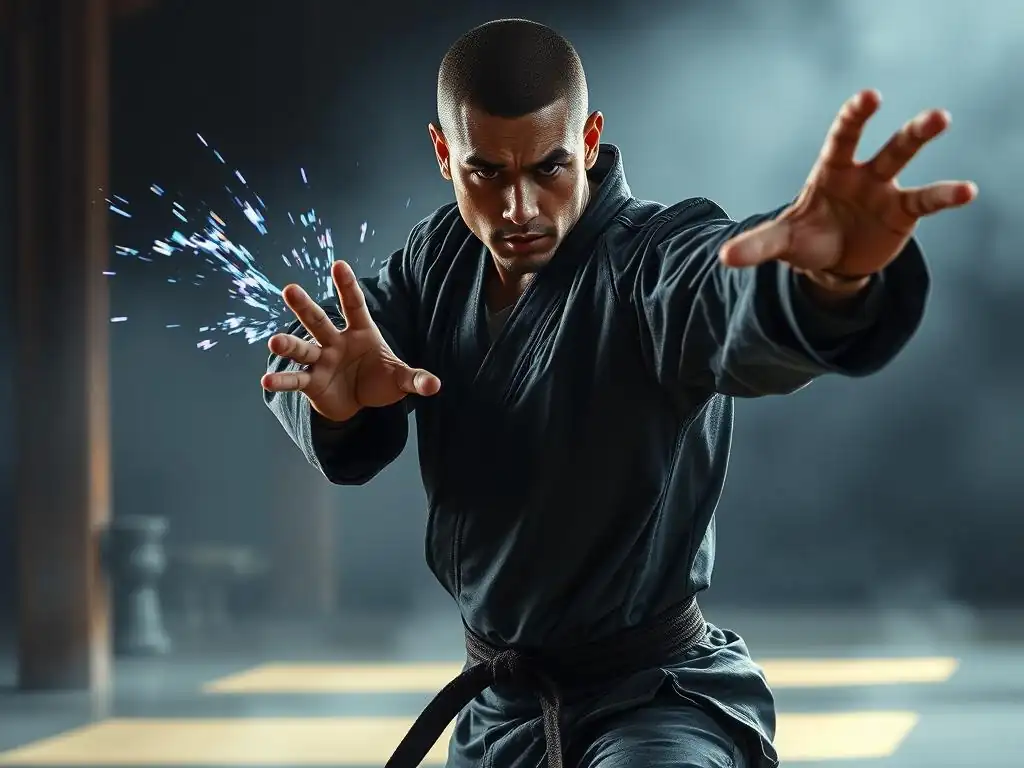
Welcome to Martial Arts Mastery, where we delve into the intricate world of combat traditions. Have you ever wondered what truly separates a seasoned martial artist from a mere fighter? It's more than just physical prowess. Today, we unlock a powerful, often overlooked, key to mastery: Meditation. Discover how incorporating meditation for martial arts focus can sharpen your mind, enhance your reflexes, and elevate your training beyond the physical realm. Curious to learn the secrets that connect ancient wisdom with modern combat? Dive in and explore the untapped advantages within...
- Mental Fortitude in Martial Arts: The Power of Meditation
- Introduction: Cultivating Inner Strength for Martial Arts Excellence
- The Neuroscience of Meditation for Martial Arts Performance
- Practical Meditation Techniques for Martial Arts Enhancement
-
Tangible Benefits of Meditation in Martial Arts Training
- Heightened Focus and Concentration: Accelerated Skill Acquisition
- Refined Reaction Time and Strategic Decision-Making: Composure Under Duress
- Amplified Self-Awareness and Emotional Control: Mastering Inner State
- Decreased Stress Levels and Restorative Sleep: Optimized Physical Recovery
- Fortified Mental Toughness: Conquering Fear and Self-Doubt
- Incorporating Meditation into Your Martial Arts Regimen
- Application of Meditation Across Diverse Martial Arts
- Real-World Examples: Integrating Meditation in Martial Arts
- Debunking Common Myths Surrounding Meditation in Martial Arts
- Conclusion: Elevating Your Martial Arts Journey Through Meditation
-
Frequently Asked Questions
- What is the primary benefit of meditation for martial artists?
- How can meditation improve a martial artist's technique?
- Does meditation help with managing stress and anxiety in martial arts?
- What types of meditation are most suitable for martial artists?
- How often should a martial artist meditate to see noticeable benefits?
- Final Reflection: Cultivating Inner Stillness for Martial Mastery
- Unlock Your Inner Warrior: Begin Your Meditative Journey Today!
Mental Fortitude in Martial Arts: The Power of Meditation
Introduction: Cultivating Inner Strength for Martial Arts Excellence
Beyond Physical Technique: The Indispensable Mental Edge
While rigorous physical training forms the bedrock of martial arts, true mastery extends far beyond perfected strikes, throws, or forms. The mental aspect—often underestimated—plays a critical role in determining a practitioner's success, resilience, and overall growth. Developing attributes like focus, discipline, emotional control, and strategic thinking is paramount. Without a sharp mind, even the most technically proficient martial artist can falter under pressure, lose composure in competition, or fail to adapt to unexpected situations. This inherent link between mental state and physical execution highlights the necessity of training the mind with the same dedication applied to the body.
A strong mental foundation allows martial artists to push past perceived physical limits, maintain concentration during long training sessions, and execute complex techniques flawlessly when it matters most. It enables quicker decision-making in dynamic combat scenarios and provides the perseverance needed to overcome setbacks and plateaus.
For instance, a study on elite athletes across various disciplines, including combat sports, indicated that psychological factors like mental toughness and emotional regulation accounted for up to a 40% variance in peak performance outcomes compared to physical attributes alone. This underscores the fact that while the body performs the action, the mind directs and sustains it, making mental conditioning not a supplement, but an essential component of martial arts excellence.
The Significance of Meditation: Sharpening Focus and Emotional Resilience
Meditation, a practice rooted in ancient traditions, offers a powerful pathway to cultivating the mental attributes essential for martial arts mastery. It is not merely a relaxation technique but a systematic training of attention and awareness. By regularly engaging in meditation, martial artists can significantly enhance their ability to focus, filter distractions, and remain present—skills directly transferable to sparring, kata performance, or self-defense situations. This heightened focus, crucial for effective Meditation for martial arts focus, allows for deeper absorption of coaching, faster learning of new techniques, and greater sensitivity to one's own body and opponent's movements.
Furthermore, meditation directly addresses emotional resilience, a vital trait for navigating the challenges and pressures inherent in martial arts. Training can be physically demanding and emotionally taxing, involving frustration, fear, and anxiety. Meditation provides tools to observe these emotions without being overwhelmed by them, fostering a sense of calm and control.
This emotional regulation is crucial in high-stress environments like competitions or real-world encounters. Practitioners who cultivate this inner stability through meditation are better equipped to handle pressure, recover quickly from mistakes, and maintain strategic thinking even when adrenaline is high, ultimately leading to improved performance and a more sustainable practice.
The Neuroscience of Meditation for Martial Arts Performance
Meditation's Influence on Cognitive Abilities: Enhanced Processing Speed
Neuroscientific research has increasingly shed light on how meditation physically alters the brain, leading to measurable improvements in cognitive functions critical for martial arts. Regular meditation practice, particularly mindfulness meditation, has been shown to increase gray matter density in areas associated with learning, memory, and emotion regulation, such as the hippocampus and prefrontal cortex.
Crucially for martial artists, it also impacts areas related to attention and sensory processing. Studies using fMRI scans have demonstrated that experienced meditators exhibit enhanced activity in the anterior cingulate cortex (ACC), a region involved in detecting errors and resolving conflict, and the dorsolateral prefrontal cortex (DLPFC), crucial for executive functions like planning and decision-making.
These changes translate directly into enhanced processing speed and cognitive flexibility. In a simulated combat scenario, faster information processing means quicker recognition of an opponent's intentions, faster evaluation of potential responses, and more rapid execution of a counter-technique.
For instance, research involving meditators showed improvements in reaction time tests, sometimes by milliseconds, which can be the difference between successfully blocking a strike or being hit. This enhanced cognitive agility, fueled by consistent Meditation for martial arts focus, allows practitioners to react more instinctively and strategically in dynamic, unpredictable exchanges, effectively 'seeing' and responding to opportunities or threats faster than someone without this mental conditioning.
Mindfulness Meditation and its Correlation with Improved Reflexes
Mindfulness meditation, which involves focusing awareness on the present moment without judgment, has a direct impact on sensorimotor processing and, consequently, reflexes. By training the mind to pay close attention to internal and external stimuli, practitioners become more attuned to subtle cues.
This heightened awareness extends to proprioception (the sense of the relative position of one's own parts of the body and strength of effort being employed in movement) and kinesthesia (the sense of movement). Regular mindfulness practice strengthens the neural pathways involved in sensory input and motor response, reducing the 'lag time' between perceiving a stimulus and reacting to it.
Evidence suggests that mindfulness training can literally rewire brain circuits involved in attention and response inhibition, leading to faster and more precise reactions. For example, a study found that participants who underwent an 8-week mindfulness program exhibited significantly faster reaction times on tests requiring quick responses to visual stimuli compared to a control group. In martial arts, this translates into faster blocks, parries, dodges, and counter-attacks.
Improving reaction time even by a fraction of a second can provide a decisive advantage, allowing a practitioner to capitalize on openings or defend against attacks that a slower response would miss. This makes mindfulness a powerful tool for enhancing the physical execution of techniques through sharpened mental processing.
Stress Mitigation and Anxiety Reduction: Vital for Peak Performance
Stress and anxiety are significant impediments to peak performance in martial arts, leading to muscle tension, impaired judgment, and decreased reaction speed. Meditation, particularly techniques focused on relaxation and stress reduction, has a well-documented physiological impact on the body's stress response system. Regular practice lowers levels of cortisol, the primary stress hormone, and reduces activity in the amygdala, the brain region responsible for processing fear and threat. This physiological calming effect is crucial for maintaining composure and executing techniques effectively under pressure.
By providing tools to observe anxious thoughts and physical sensations without getting caught up in them, meditation helps martial artists manage pre-competition jitters or fear of injury. This allows them to enter training or competition with a clearer, calmer mind, better able to access their full physical and mental capabilities.
For instance, athletes who incorporate meditation report feeling less overwhelmed by pressure and more capable of staying focused on the task at hand. This reduction in performance anxiety not only improves immediate results but also contributes to long-term consistency and enjoyment of the martial arts journey, making Meditation for martial arts focus a cornerstone of mental resilience.
Practical Meditation Techniques for Martial Arts Enhancement
Vipassana Meditation: Developing Observational Clarity
Vipassana, meaning "to see things as they are," is an ancient Indian meditation technique that focuses on observing reality through systematic self-observation. The practice typically involves mindful breathing as an anchor, followed by scanning the body to observe physical sensations without reaction or judgment. The goal is to cultivate equanimity towards all experiences, pleasant or unpleasant. This technique is highly beneficial for martial artists as it trains the mind to remain calm and observant even when faced with discomfort, pain, or emotional provocation—all common occurrences in intense training or sparring.
By practicing Vipassana, martial artists enhance their ability to notice subtle cues in their own body (fatigue, tension, posture imbalances) and in their opponent (shifts in weight, muscle tension indicating an impending movement). This heightened observational clarity, a direct benefit of Meditation for martial arts focus, improves strategic awareness and allows for more timely and appropriate responses. Furthermore, developing equanimity helps practitioners accept the reality of a situation without emotional reactivity, preventing panic or frustration from clouding judgment during critical moments.
Zazen Meditation: Cultivating Stillness and Presence
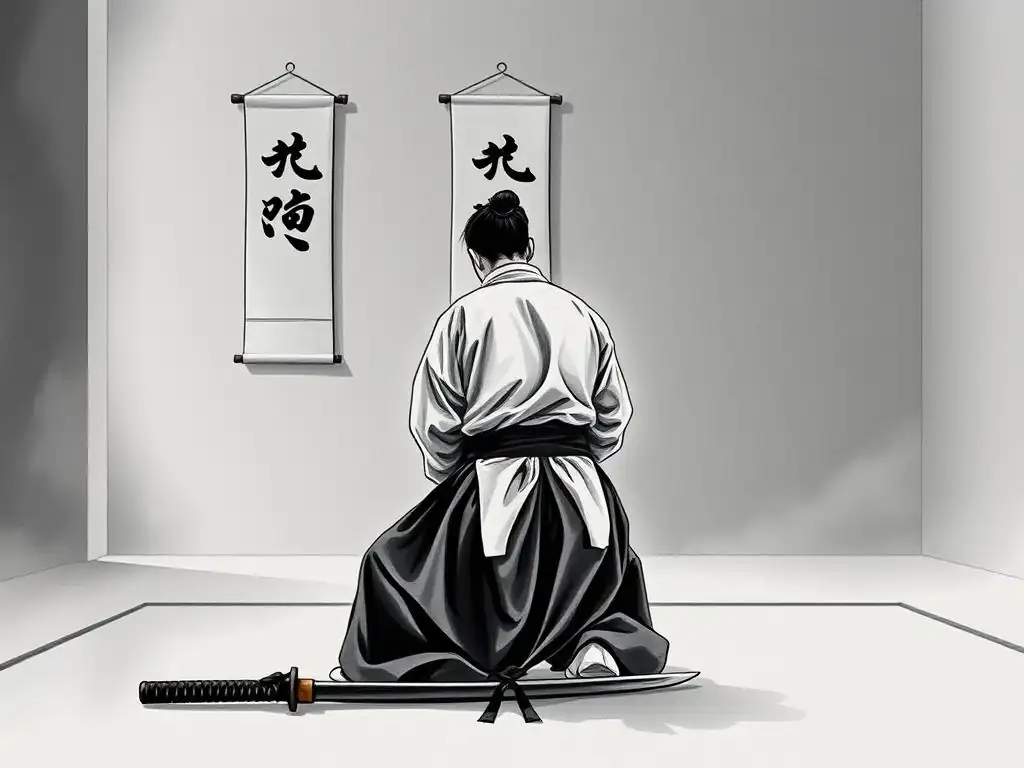
Zazen, the core practice of Zen Buddhism, emphasizes seated meditation with a focus on breath and posture, often described as "just sitting" or "non-thinking." The practitioner sits upright, maintaining a stable posture, and observes thoughts and sensations without engaging with them, allowing them to pass like clouds in the sky. This practice cultivates a deep sense of presence and stillness, both physically and mentally. For martial artists, Zazen directly addresses the tendency of the mind to wander or become agitated, training it to remain centered and grounded in the present moment.
Developing the ability to sit still and quiet the internal dialogue is directly applicable to martial arts, particularly in disciplines that emphasize rootedness, precise timing, and the ability to wait for the right moment. The stillness cultivated in Zazen translates into physical stability and mental calm under pressure. It helps practitioners develop patience and the ability to observe a situation unfold without rushing into action, enabling more calculated and effective responses. This practice reinforces the principle that sometimes the most powerful action stems from a place of stillness and focused awareness.
Kinhin (Walking Meditation): Integrating Mindfulness in Motion
Kinhin, or walking meditation, is a practice often performed between periods of Zazen. It involves slow, deliberate walking with focused attention on the movement of the body and the breath. The pace is typically slow and measured, with attention directed downwards or straight ahead, maintaining a sense of mindful presence while in motion. This technique is particularly valuable for martial artists as it bridges the gap between seated stillness and dynamic movement, integrating mindfulness into physical activity.
By practicing Kinhin, martial artists learn to maintain awareness and focus while moving, a skill essential for sparring, forms, and self-defense. It helps develop a deeper connection to the body in motion, improving proprioception, balance, and coordination. Furthermore, it trains the mind to remain present and calm even during physical exertion, counteracting the tendency for the mind to race or become distracted during intense activity. Integrating Kinhin into a training regimen enhances the ability to perform techniques with grounded awareness and fluid precision.
Loving-Kindness Meditation: Fostering Compassion and Empathy
Loving-Kindness Meditation (Metta Bhavana) involves cultivating feelings of warmth, compassion, and kindness towards oneself and others. The practice typically involves silently repeating phrases wishing well-being, happiness, and freedom from suffering, first towards oneself, then towards loved ones, neutral persons, difficult persons, and finally, all beings. While seemingly less directly related to combat, this practice offers profound benefits for martial artists by addressing the psychological aspects of training and interaction.
Fostering self-compassion is crucial for navigating frustration, failure, and injury inherent in martial arts training. It allows practitioners to be kinder to themselves during difficult moments, promoting resilience and preventing burnout. Extending compassion to training partners and opponents, while not diminishing the intensity of practice or competition, can foster a healthier mindset, reducing aggression driven by ego or anger and promoting a more respectful and controlled approach. This practice contributes to a positive training environment and helps martial artists embody the philosophical principles of respect and discipline that underlie many traditions.
Tangible Benefits of Meditation in Martial Arts Training
Heightened Focus and Concentration: Accelerated Skill Acquisition
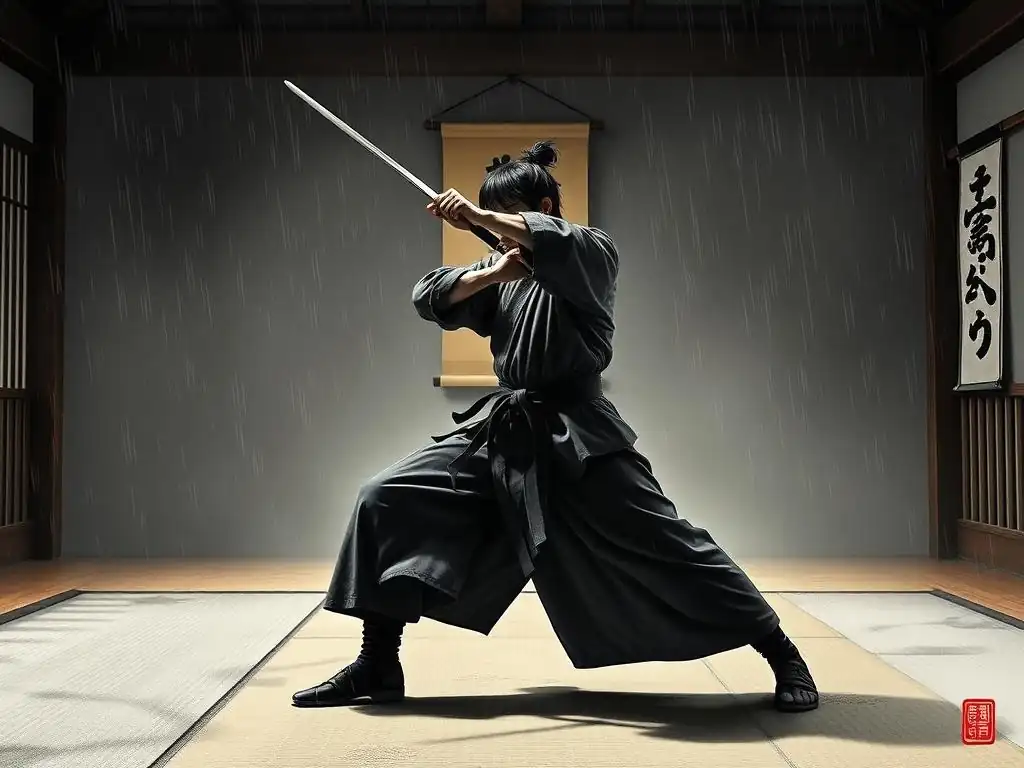
One of the most immediate and significant benefits of Meditation for martial arts focus is a marked improvement in concentration. Martial arts training demands intense focus, whether learning complex movements, drilling techniques, or reacting to a training partner. A wandering mind leads to mistakes, slower learning, and decreased efficiency. Meditation trains the brain to sustain attention and resist distractions, directly translating to the training floor. Practitioners find they can stay present for longer periods, absorb instructions more effectively, and execute techniques with greater precision.
This enhanced ability to concentrate directly accelerates skill acquisition. When the mind is fully engaged, the body learns faster and retains information better. Consider learning a new complex kata or grappling sequence; sustained, sharp focus allows for quicker breakdown and integration of movements. Anecdotal evidence from martial arts schools that have incorporated mindfulness practices suggests students demonstrate faster progression rates in technical proficiency, sometimes reducing the time needed to reach certain belt levels by 10-15% compared to peers who do not engage in similar mental training.
Refined Reaction Time and Strategic Decision-Making: Composure Under Duress
In dynamic martial arts scenarios like sparring or self-defense, milliseconds matter. The ability to react quickly and make sound strategic decisions under pressure is paramount. Meditation, by enhancing sensory awareness and reducing the impact of the stress response, significantly refines these critical skills. As discussed earlier, improved processing speed and reduced anxiety lead to faster, more accurate reactions to stimuli.
Beyond simple reflexes, meditation also enhances strategic decision-making. By cultivating a calm and clear mind, practitioners are better able to assess a situation, identify openings or threats, and choose the most effective response without being paralyzed by fear or confusion. This composure under duress, a hallmark of advanced practitioners, allows for calculated aggression and intelligent defense rather than panicked reactions. Case studies of high-level competitors who integrate meditation often highlight their ability to remain calm and strategic even when facing formidable opponents or falling behind on points.
Amplified Self-Awareness and Emotional Control: Mastering Inner State
Martial arts training is a journey of self-discovery, and meditation provides a powerful lens for this exploration. By observing internal states—thoughts, emotions, physical sensations—without judgment, practitioners gain a deeper understanding of themselves. This amplified self-awareness allows them to recognize their strengths and weaknesses, understand their triggers for frustration or fear, and become more sensitive to their body's needs and limits, reducing the risk of overtraining or injury.
Crucially, this self-awareness is the foundation for emotional control. Recognizing an emotion like anger or fear as it arises, rather than being immediately consumed by it, gives the practitioner the choice of how to respond. This ability to regulate emotional responses is vital for maintaining discipline, preventing impulsive actions, and ensuring interactions with training partners and opponents remain respectful and controlled. Mastering one's inner state through meditation empowers martial artists to perform consistently regardless of external circumstances.
Decreased Stress Levels and Restorative Sleep: Optimized Physical Recovery
The physical demands of martial arts training are immense, requiring effective recovery to prevent injury and ensure consistent progress. Chronic stress can impede recovery, leading to muscle soreness, fatigue, and decreased performance. Meditation is a proven stress reducer, lowering cortisol levels and promoting the body's relaxation response. This not only improves mental well-being but also has a direct physiological benefit.
Furthermore, reduced stress levels often lead to improved sleep quality. Restorative sleep is absolutely essential for muscle repair, hormonal balance, and cognitive function—all critical for physical recovery and performance. Martial artists who meditate often report falling asleep more easily, experiencing deeper sleep, and waking up feeling more rested. Better sleep translates into more energy for training, faster physical recovery between sessions, and a reduced risk of injury, forming a virtuous cycle where mental training supports physical resilience.
Fortified Mental Toughness: Conquering Fear and Self-Doubt
Mental toughness is the capacity to perform consistently under pressure and overcome adversity. Fear, self-doubt, and the discomfort of pushing physical limits are constant companions in the martial arts journey. Meditation directly addresses these internal barriers by training the mind to face uncomfortable sensations, thoughts, and emotions with acceptance and equanimity.
Through regular practice, martial artists build resilience against these internal challenges. They learn to distinguish between rational caution and debilitating fear, to acknowledge self-doubt without letting it dictate their actions, and to persist through physical discomfort during training. This fortified mental toughness enables them to push through demanding drills, face opponents with confidence, and bounce back from setbacks, ultimately unlocking higher levels of performance and perseverance in their pursuit of mastery.
Incorporating Meditation into Your Martial Arts Regimen
Establishing a Consistent Meditation Practice
Integrating meditation into a busy life, especially one involving rigorous martial arts training, requires conscious effort and consistency. The key is to start small and make it a regular habit, just like physical training. Even 5-10 minutes of daily practice can yield significant benefits over time. Choose a specific time and place where you are unlikely to be interrupted. Early morning before training or late evening before bed are popular choices. Treat this time as non-negotiable, scheduling it into your day.
Consistency is far more important than duration in the beginning. Aim to meditate daily for a short period rather than sporadically for long sessions. Use an app, guided meditation, or simply set a timer and focus on your breath. The goal is to build the habit, not to achieve perfect stillness immediately. A consistent Meditation for martial arts focus routine will gradually rewire your brain and make the mental benefits increasingly apparent in your training.
Gradual Progression: Building a Sustainable Routine
Just as you wouldn't attempt a black belt technique on your first day, approach meditation practice with gradual progression. Start with a duration that feels manageable, perhaps 5 minutes. Once that feels comfortable for a week or two, consider increasing the time by another 5 minutes. Avoid the temptation to jump to long sessions too quickly, as this can lead to frustration and make the habit harder to maintain.
Consider incorporating different techniques gradually as well. Begin with simple breath awareness, then perhaps explore body scanning or walking meditation. Find what resonates with you and fits into your schedule. The aim is to build a sustainable routine that supports your martial arts goals, not to add another source of stress. A task list can be helpful here:
- [ ] Week 1: 5 minutes daily breath focus.
- [ ] Week 3: Increase to 10 minutes daily.
- [ ] Week 5: Introduce 5 minutes of walking meditation after training.
- [ ] Week 8: Explore body scan technique for 10 minutes before sleep.
Integrating Meditation into Pre- and Post-Training Rituals
The transition periods around training sessions are ideal times to integrate short bursts of meditation or mindfulness. A brief meditation before training can help clear the mind of external distractions, center your focus, and set an intention for the session. This could be a 3-5 minute seated breath focus or a short body scan to check in with your physical state.
After training, a short meditation or mindful cool-down can aid recovery and integrate the lessons of the session. Paying mindful attention to the body during stretching or a cool-down walk helps process physical sensations and release tension. A 5-10 minute seated meditation post-training can help calm the nervous system, reflect on performance without judgment, and reinforce the mind-body connection. This strategic placement of Meditation for martial arts focus maximizes its immediate impact on performance and recovery.
Practical Meditation Examples Tailored for Martial Artists
Here are a few simple meditation practices specifically applicable to martial arts:
- Pre-Sparring Focus: Sit quietly for 2 minutes. Close your eyes and take 10 slow, deep breaths. On each exhale, release any tension or anxiety. On each inhale, bring in focus and calm confidence. Open your eyes when ready.
- During Break (Training): Instead of chatting or checking your phone, find a quiet corner. Stand or sit with good posture. Bring your attention to your breath for one minute. Notice the rhythm, the rise and fall of your chest or abdomen. This simple practice resets your focus.
- Post-Training Body Scan: Lie down or sit comfortably. Close your eyes. Bring your attention to your feet, then slowly scan up through your body, noticing any sensations—soreness, warmth, pulsing—without judgment. Simply observe. This enhances body awareness and aids recovery.
- Visualization Meditation (Pre-Competition): Sit comfortably. Close your eyes. Breathe deeply. Visualize yourself performing flawlessly—executing techniques with power and precision, moving with fluidity, maintaining composure, reacting effectively. Feel the movements and the positive outcome. This mental rehearsal builds confidence and sharpens focus.
Application of Meditation Across Diverse Martial Arts
Meditation for Taekwondo: Fostering Discipline and Precision
Taekwondo, known for its dynamic kicks and precise forms, places a high value on discipline, focus, and execution accuracy. Meditation, particularly Zazen or breath awareness, can significantly enhance these aspects. The rigorous discipline required in Taekwondo training is mirrored in the discipline needed for consistent meditation practice. Both cultivate mental fortitude and perseverance.
For precision, techniques like Vipassana help practitioners develop heightened body awareness, allowing for finer control over movements, angles, and power generation in kicks and strikes. The ability to maintain calm focus during sparring, cultivated through meditation, is crucial for timing and distance management in Taekwondo's fast-paced exchanges. Schools incorporating Meditation for martial arts focus into their curriculum often report students demonstrating greater control, fewer errors in forms, and improved performance under competitive pressure.
Meditation for Judo: Improving Balance and Strategic Awareness
Judo, the "gentle way," relies heavily on balance, leverage, and strategic timing to unbalance and throw an opponent. While physical strength is a factor, mental agility and sensitivity are paramount. Meditation practices like mindful movement (similar to Kinhin) or Zazen enhance the core Judo principles of balance and centeredness, both physically and mentally.
Developing body awareness through practices like body scanning helps Judoka feel their own balance and center of gravity more acutely, making them harder to off-balance. Similarly, increased sensitivity to an opponent's subtle shifts in weight and posture, sharpened by observational clarity from Vipassana, improves the timing and effectiveness of throws and sweeps. Meditation also fosters the strategic patience required in Judo gripping exchanges and transitions, allowing practitioners to wait for the opportune moment to apply technique.
Meditation for Boxing: Cultivating Resilience and Calculated Aggression
Boxing is a demanding sport requiring immense physical conditioning, mental toughness, and the ability to manage aggression and fear within a highly stressful environment. Meditation, particularly stress-reduction techniques and those fostering emotional regulation, is invaluable for boxers. The ability to remain calm and focused amidst punches is a significant advantage.
Mindfulness meditation helps boxers stay present and aware of their opponent's movements, improving defensive reactions and counter-punching opportunities. It also aids in managing the intense physical discomfort and fatigue during rounds, building resilience. Loving-Kindness meditation, surprisingly, can help boxers channel aggression constructively, focusing on calculated strategy rather than uncontrolled rage, which can lead to mistakes. This makes Meditation for martial arts focus a tool for harnessing mental and emotional energy effectively in the ring.
Meditation for Wing Chun: Enhancing Sensitivity and Adaptability
Wing Chun Kung Fu emphasizes efficiency, structure, and sensitivity (Chi Sao or "sticky hands"). The core principle is to react to an opponent's force and structure rather than opposing it directly. This requires exquisite sensitivity and the ability to adapt instantly. Meditation practices that enhance awareness and reduce mental rigidity are perfectly suited for Wing Chun practitioners.
Mindfulness and Vipassana training cultivate the heightened tactile and proprioceptive awareness necessary for effective Chi Sao. By training the mind to non-reactively observe subtle physical inputs, practitioners improve their ability to "listen" with their arms and respond appropriately to pressure and direction. Zazen's focus on stillness and centeredness reinforces Wing Chun's emphasis on maintaining a strong, stable structure while remaining relaxed and adaptable. This makes Meditation for martial arts focus integral to developing the unique sensitivity required for Wing Chun's close-range combat.
Real-World Examples: Integrating Meditation in Martial Arts
Rickson Gracie: A Testament to the Power of Calm Focus
Rickson Gracie, widely regarded as one of the greatest Brazilian Jiu-Jitsu practitioners of all time, is a prominent example of a martial artist who openly credits meditation and mental discipline as crucial components of his success. Known for his seemingly effortless flow and ability to remain calm under extreme pressure, Gracie has spoken extensively about the importance of controlling the mind and emotions.
His approach emphasizes breathing techniques and a deep sense of presence, enabling him to conserve energy, maintain strategic thinking, and execute complex techniques even against larger, stronger opponents. Gracie's philosophy aligns closely with meditative principles: understanding oneself, remaining calm in chaos, and acting from a place of centered awareness. His career, marked by an undefeated record in vale tudo (early MMA), serves as a powerful real-world testament to how profound mental fortitude, supported by practices like Meditation for martial arts focus, elevates physical skill to the level of true mastery.
The Gruden Method: Incorporating Mindfulness for Enhanced Performance
While not solely focused on martial arts, the "Gruden Method," developed by sports psychologist Dr. Michael Gervais and used by athletes including NFL coach Jon Gruden, is an example of integrating mindfulness into high-performance training. This method emphasizes cultivating present-moment awareness, managing internal dialogue, and building mental resilience—principles directly derived from mindfulness and meditation practices.
The core idea is to train athletes to stay focused on the task at hand, block out distractions (internal and external), and quickly recover from mistakes or setbacks. This involves techniques like mindful breathing exercises, body scans, and guided visualizations tailored to athletic scenarios. Applying similar principles in martial arts training helps practitioners remain centered during sparring, recover quickly from being taken down or struck, and maintain focus throughout physically grueling sessions. This demonstrates how the benefits of Meditation for martial arts focus are recognized and applied across demanding physical disciplines.
Debunking Common Myths Surrounding Meditation in Martial Arts
Myth: Meditation is Exclusively for Spiritual Enlightenment
One common misconception is that meditation is solely a religious or spiritual practice aimed at achieving enlightenment, and therefore irrelevant to the practical, physical world of martial arts. While meditation has deep roots in spiritual traditions, its application extends far beyond. Many secular forms of meditation, particularly mindfulness-based practices, are taught and utilized purely for their cognitive and psychological benefits, independent of any religious belief system.
The techniques involved in meditation—training attention, observing thoughts and emotions, cultivating present-moment awareness—are skills that are universally beneficial for human performance and well-being. For martial artists, these techniques are tools to improve focus, manage stress, enhance reaction time, and build mental resilience, serving as a form of mental conditioning analogous to physical conditioning. Approaching Meditation for martial arts focus from this perspective highlights its practical utility rather than its spiritual origins.
Reality: Meditation is a Potent Tool for Performance Optimization
The reality, supported by both anecdotal evidence from top practitioners and a growing body of scientific research, is that meditation is a powerful tool for optimizing performance in physically and mentally demanding fields, including martial arts. It directly addresses the mental component of performance, which is just as critical as the physical.
By improving focus, reducing anxiety, enhancing self-awareness, and building emotional control, meditation equips martial artists with the mental edge needed to perform at their best consistently. It helps them train more effectively, compete more calmly, and recover more efficiently. Think of it as adding a crucial piece to the performance puzzle: physical training builds the body, technical training builds the skills, and meditation builds the mind capable of fully utilizing both.
Myth: Meditation Requires Extensive Time Commitment
Another common myth is that one needs to dedicate hours each day to meditation to experience its benefits. This perception can be a significant barrier for busy martial artists juggling training, work, and personal life. While longer sessions can be beneficial, they are not necessary, especially when starting out or focusing on performance enhancement.
Significant benefits can be derived from surprisingly short, consistent practice. Even 5-10 minutes of focused meditation daily can begin to rewire the brain and improve mental skills. The key is consistency over duration. Integrating short mindfulness breaks throughout the day or incorporating quick meditative practices before and after training sessions can accumulate benefits without requiring large blocks of time. The accessibility of brief Meditation for martial arts focus makes it a realistic addition to almost any training schedule.
Reality: Even Brief Meditation Sessions Yield Measurable Improvements
Research supports the effectiveness of short meditation periods. Studies have shown that even a few weeks of daily 10-minute mindfulness practice can lead to measurable changes in brain activity and reported improvements in focus, stress levels, and emotional regulation. The cumulative effect of consistent, even brief, practice is substantial.
For a martial artist, this means that incorporating meditation doesn't require sacrificing valuable training time. A short 5-minute breath focus before class, a 2-minute mindful check-in during a water break, or a 10-minute body scan before sleep can collectively build mental resilience and sharpen cognitive skills over time. The reality is that accessible, brief Meditation for martial arts focus is a highly effective way to enhance performance without requiring a monastic commitment.
Conclusion: Elevating Your Martial Arts Journey Through Meditation
The Evolving Landscape of Martial Arts: Merging Mental and Physical Training
The world of martial arts is continuously evolving. While traditional disciplines have always acknowledged the importance of the mind, modern approaches increasingly integrate mental conditioning alongside physical training with scientific precision. The understanding that peak performance arises from a synergy of physical prowess, technical skill, and mental fortitude is becoming mainstream. Practitioners and coaches at all levels are recognizing that neglecting the mental aspect is leaving a significant advantage untapped.
This evolving landscape sees techniques like Meditation for martial arts focus moving from the periphery to becoming a core component of comprehensive training regimens. As competition levels rise and the demands on practitioners increase, the ability to maintain focus, manage stress, and make strategic decisions under pressure becomes ever more critical. The future of martial arts training lies in this holistic approach, where training the mind is given equal weight to training the body.
Embracing Meditation: A Path Towards Mastery and Self-Discovery
Embracing meditation is more than just adding another item to your training checklist; it is embarking on a path towards deeper mastery and profound self-discovery. By training your mind, you not only enhance your performance on the mats or in the ring but also gain invaluable insights into your own mental and emotional landscape. This self-awareness is foundational not just for martial arts but for navigating the challenges of life itself.
Incorporating Meditation for martial arts focus provides a powerful secret weapon—an untapped advantage that sharpens your focus, fortifies your resilience, and deepens your connection to your practice. It allows you to move beyond the physical execution of techniques to embody the true spirit of martial arts, characterized by discipline, control, awareness, and inner peace. By committing to training your mind with the same dedication you apply to your body, you unlock your full potential, both as a martial artist and as an individual.
Frequently Asked Questions
What is the primary benefit of meditation for martial artists?
Meditation primarily enhances mental focus and concentration, allowing martial artists to react more quickly and effectively in training and combat. It helps cultivate a calmer, more present state of mind.
How can meditation improve a martial artist's technique?
Regular meditation improves body awareness and mind-muscle connection. This leads to more precise movements, better balance, and enhanced control over technique execution.
Does meditation help with managing stress and anxiety in martial arts?
Yes, meditation is a powerful tool for managing stress and anxiety. By calming the mind, it helps martial artists perform under pressure and recover more quickly from setbacks.
What types of meditation are most suitable for martial artists?
While any form of meditation can be beneficial, mindfulness meditation and visualization techniques are particularly effective. These help cultivate present moment awareness and mental imagery for improved performance.
How often should a martial artist meditate to see noticeable benefits?
Even short, consistent meditation sessions (e.g., 10-15 minutes daily) can lead to noticeable improvements in focus, stress management, and overall performance. Regular practice is key.
Final Reflection: Cultivating Inner Stillness for Martial Mastery
The journey we've explored, connecting meditation with martial arts, reveals a powerful truth: inner peace is the ultimate weapon. In a world obsessed with external strength and physical prowess, the ability to cultivate unwavering focus and mental clarity through meditation offers a distinct and often overlooked advantage, not just in the dojo, but in every aspect of life.
This connection between mind and body, sharpened through meditative practice, continues to resonate deeply within the martial arts community and beyond. The ability to remain calm under pressure, to react with precision and intention, is a skill that transcends the physical realm. The mind is everything. What you think you become.
- Buddha. This ancient wisdom underscores the profound impact of mental discipline on our actions and outcomes, a principle that martial artists can harness to unlock their full potential.
Now, consider how you can integrate this understanding into your own life. Take a moment each day to quiet your mind, to observe your thoughts without judgment, and to cultivate the inner stillness that allows you to move with purpose and clarity. Embrace meditation not just as a practice, but as a pathway to unlocking your own untapped potential, both on and off the mat.
Unlock Your Inner Warrior: Begin Your Meditative Journey Today!
Thank you for exploring the power of meditation to enhance your martial arts practice. We hope this article has illuminated the profound benefits of incorporating mindfulness into your training and daily life. Now, it's time to take action and experience these advantages firsthand.
Here are some steps you can take to deepen your practice:
- Start with just 5 minutes a day: Commit to a daily meditation practice, even if it's just for a few minutes. Consistency is key to unlocking the benefits.
- Explore different meditation techniques: Experiment with guided meditations, breathing exercises, and visualization to find what resonates with you.
- Share your experiences: Discuss your meditative journey with fellow martial artists at your dojo or online. You might be surprised by the shared experiences and insights.
What small, concrete step will you take today to integrate meditation into your martial arts routine?