
Shaolin Monks and Pirates: The Temple's Role in Coastal Defense (Ming Dynasty)

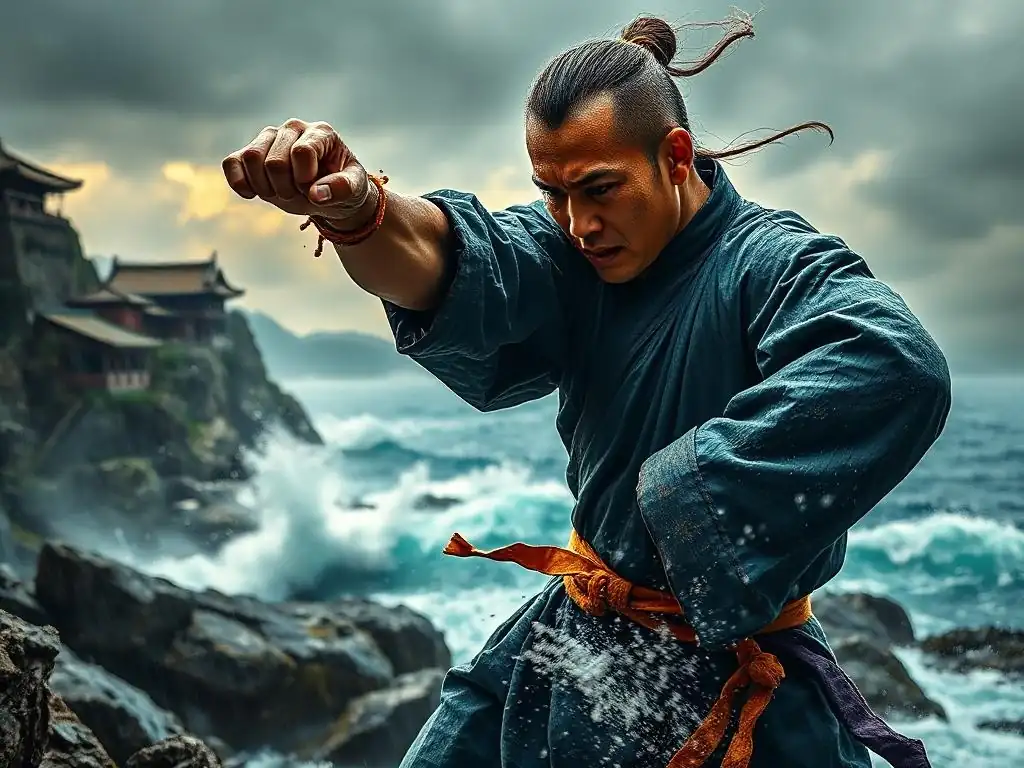
Welcome to Martial Arts Mastery, your gateway to the profound world of combat traditions! Ever wondered how the serene halls of a monastery could become a bastion against pirate raids? Dive into our exploration of Shaolin monks coastal defense during the Ming Dynasty. Uncover the surprising role these legendary warriors played in protecting China's shores, and discover the unique martial arts techniques they employed. What secrets lie within their ancient training? Read on to find out!
- Introduction: Shaolin's Unexpected Alliance in Coastal Defense
-
Frequently Asked Questions
- What was the primary role of Shaolin monks in coastal defense during the Ming Dynasty?
- Why were Shaolin monks specifically chosen for coastal defense duties?
- What specific martial arts styles or techniques were employed by the Shaolin monks in coastal defense?
- How did the Shaolin Temple benefit from its involvement in coastal defense?
- What eventually led to the decline of the Shaolin monks' role in coastal defense?
- Final Reflection: Guardians of Coast and Culture
- Unleash Your Inner Warrior: Take Action Now!
Introduction: Shaolin's Unexpected Alliance in Coastal Defense
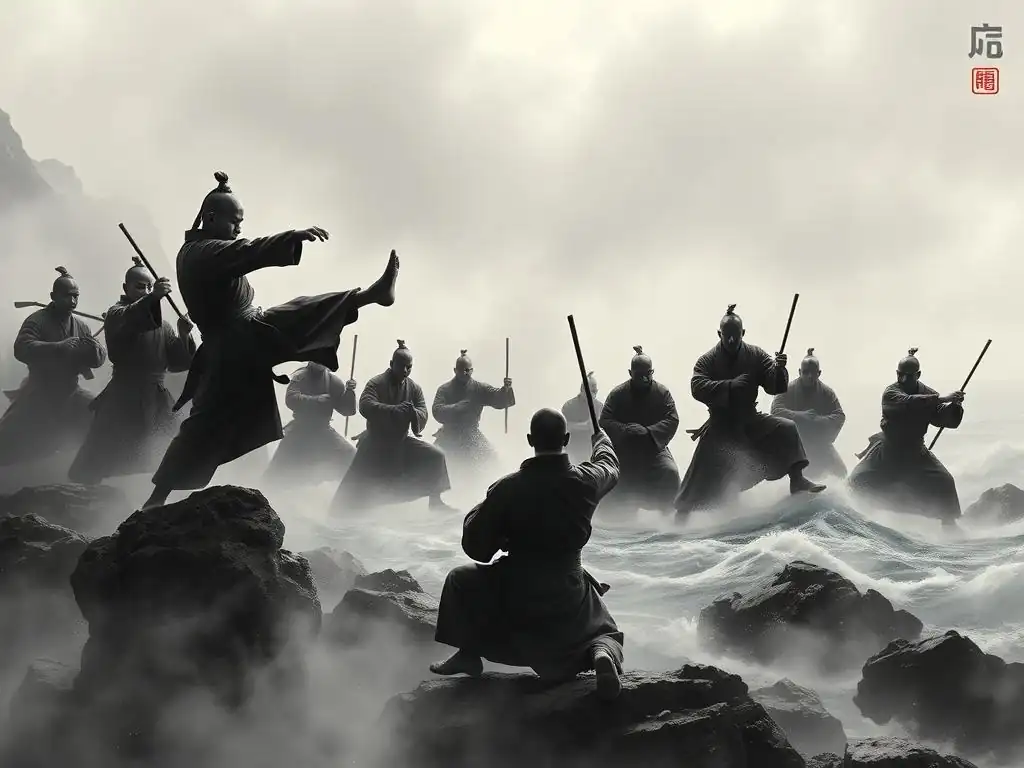
During the middle period of the Ming Dynasty (roughly 15th to 16th centuries), China faced a significant and persistent threat along its vast eastern coastline: the Wokou pirates. These were not exclusively Japanese, as the name might suggest, but a complex mix of Japanese ronin, Chinese merchants, smugglers, and other disaffected individuals.
Operating from island bases, they launched devastating raids on coastal cities, towns, and villages, plundering wealth, kidnapping inhabitants, and causing widespread destruction. The scale of these attacks was immense; some raids involved fleets of dozens or even hundreds of ships and thousands of raiders, striking from Zhejiang in the south to Shandong in the north.
The Ming Dynasty's official response was hampered by a number of factors. The imperial military, while vast, was often poorly trained, inadequately equipped for naval warfare, and plagued by corruption and a focus on land-based defense, particularly against threats from the north. The coastal garrisons were frequently undermanned and lacked effective leadership or coordinated strategy. Furthermore, the government had imposed strict maritime trade restrictions, ironically driving many legitimate coastal dwellers into smuggling or even piracy, exacerbating the problem. This created a security vacuum that the Wokou exploited ruthlessly, leaving coastal communities vulnerable and desperate for protection.
Why Shaolin? The Temple's Martial Prowess and Unique Position
In this climate of vulnerability, an unlikely defender emerged: the Shaolin Temple. Renowned throughout China for its deep connection to Chan Buddhism and, increasingly, for its sophisticated martial arts tradition, Shaolin held a unique position. While primarily a religious institution, the temple had a long history of developing and practicing formidable fighting skills, initially for self-defense and later becoming a distinct system known as Shaolin Kung Fu. Unlike the often undisciplined Ming troops, the Shaolin monks were known for their rigorous training, discipline, and mastery of various weapons, particularly the staff.
The temple's strategic location in Henan province, while inland, did not isolate it from the national crisis. The Abbot and senior monks recognized the severity of the Wokou threat and the suffering of the populace. Furthermore, the temple itself held significant land and property, and its reputation was intertwined with the welfare of the empire.
Their decision to offer their martial expertise for coastal defense was unprecedented, moving from a focus on internal temple security and occasional local disputes to contributing to national security. This willingness stemmed from a sense of civic duty, compassion rooted in their Buddhist faith, and perhaps a recognition that the empire's stability was essential for the temple's own continued existence. The contribution of Shaolin monks to coastal defense became a remarkable chapter in both military history and the history of martial arts.
Frequently Asked Questions
What was the primary role of Shaolin monks in coastal defense during the Ming Dynasty?
Shaolin monks played a significant role in defending China's coast. They were employed as skilled fighters to combat pirate raids, utilizing their martial arts expertise.
Why were Shaolin monks specifically chosen for coastal defense duties?
Shaolin monks possessed exceptional martial arts skills developed through years of rigorous training. Their dedication and discipline made them effective warriors against pirate threats.
What specific martial arts styles or techniques were employed by the Shaolin monks in coastal defense?
The monks utilized a variety of Shaolin Kung Fu styles, focusing on practical combat techniques. These included weaponry skills and unarmed combat optimized for group fighting.
How did the Shaolin Temple benefit from its involvement in coastal defense?
The temple gained political favor and recognition from the Ming Dynasty. This involvement also helped to legitimize and promote Shaolin martial arts across the country.
What eventually led to the decline of the Shaolin monks' role in coastal defense?
Increased government resources and the development of professional military forces gradually reduced the reliance on Shaolin monks. Improved coastal fortifications also contributed to their diminished role.
Final Reflection: Guardians of Coast and Culture
The historical narrative of Shaolin monks engaging in coastal defense during the Ming Dynasty, as explored in this article, resonates profoundly today, reminding us that tradition and adaptation are not mutually exclusive. The monks' martial prowess, honed in the pursuit of enlightenment, was unexpectedly but effectively channeled into protecting vulnerable communities from pirate incursions, demonstrating a remarkable capacity for societal contribution beyond the temple walls.
This story underscores the enduring power of cultural institutions to evolve and serve multifaceted roles. The Shaolin monks' actions highlight the importance of embracing unexpected opportunities for positive impact, reminding us that our skills and passions can be applied in ways we never imagined. To know, is not enough; we must apply. To will, is not enough; we must do.
- Johann Wolfgang von Goethe. This quote perfectly encapsulates the spirit of the Shaolin monks, who transformed their knowledge and will into tangible protection for their communities.
As you reflect on the Shaolin monks' dedication to coastal defense, consider how you can apply your own unique skills and knowledge to address the challenges facing your community. Embrace the spirit of adaptation and service, and strive to be a force for positive change in a world that constantly demands innovation and compassion. Let the legacy of the Shaolin monks inspire you to find your own way to defend what matters most.
Unleash Your Inner Warrior: Take Action Now!
Thank you for diving into the fascinating history of Shaolin monks and their unlikely role in defending China's coast. We hope you've gained a new appreciation for their dedication and versatility. Now, let's channel that inspiration into action!
Here are a few ways you can explore this topic further:
- Practice mindful movement: Begin each day with 15 minutes of Tai Chi or Qi Gong to connect with the principles of balance and discipline exemplified by the Shaolin monks.
- Delve deeper: Research other examples of martial arts being used in unexpected historical contexts. What other hidden stories are waiting to be discovered?
- Share your findings: Start a discussion on your favorite martial arts forum or social media group, sharing what you learned about the Shaolin monks and piracy.
Ready to embrace the unexpected connections within martial arts history?