
How to Generate Maximum Power in Your Martelo Kick

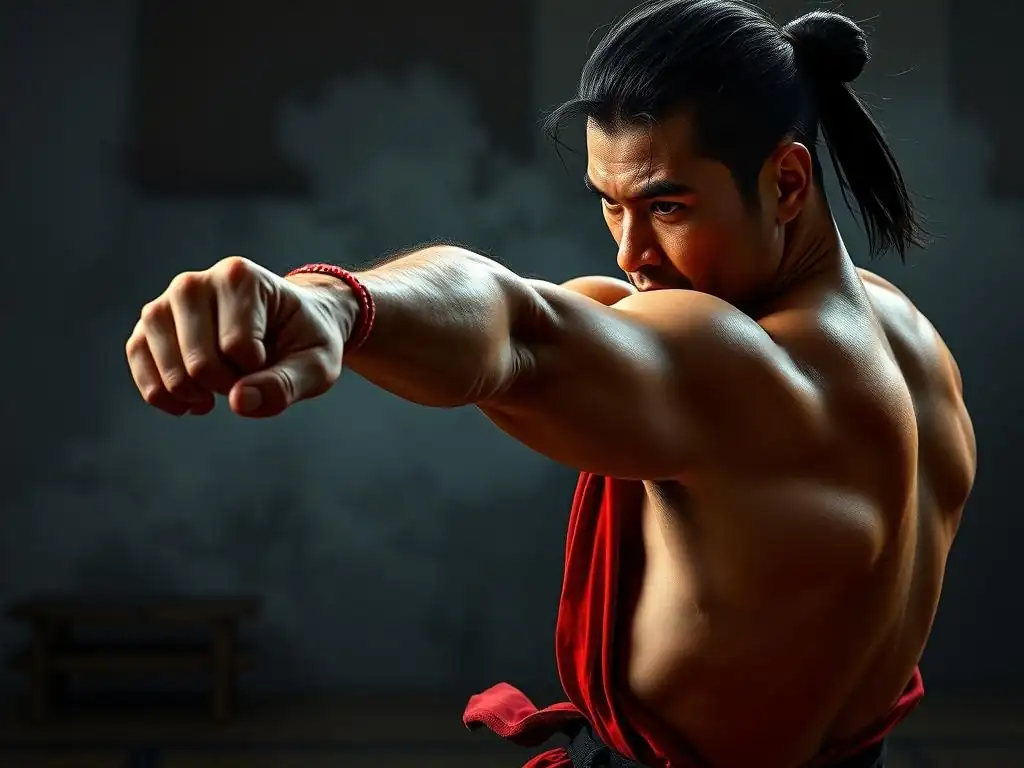
Welcome to Martial Arts Mastery, your gateway to the world's most effective fighting systems. Ever wondered how a seemingly simple technique can deliver devastating force? This week, we delve deep into the explosive potential of the Martelo kick, revealing the secrets to maximizing its power generation. Prepare to unlock the hidden mechanics behind this formidable strike and elevate your training to the next level. Read on to discover how to harness the full potential of your Martelo kick!
- Understanding Martelo Kick Power Generation in Capoeira
- Essential Body Mechanics for Enhancing Martelo Kick Power
- Step-by-Step Guide to Generate Maximum Power in Your Martelo Kick
- Training Drills to Improve Martelo Kick Power Generation
- Common Mistakes That Limit Martelo Kick Power and How to Correct Them
- Integrating Power Generation Techniques into Capoeira Practice
- Measuring and Tracking Progress in Martelo Kick Power
- Advanced Tips for Mastering Martelo Kick Power Generation
- Summary: Key Takeaways for Maximizing Martelo Kick Power in Capoeira Practice.
-
Frequently Asked Questions
- How important is hip rotation in generating power for a Martelo kick?
- What role does the supporting leg play in a powerful Martelo kick?
- How does chambering the leg correctly contribute to Martelo kick power?
- What specific muscles should I focus on strengthening to improve my Martelo kick power?
- How can visualization and mental training enhance my Martelo kick's power generation?
- Final Reflection: Unleashing the Martelo's Potential
- Unleash Your Inner Martelo Master!
Understanding Martelo Kick Power Generation in Capoeira
The Martelo, or hammer kick, is a fundamental and powerful technique in Capoeira, known for its versatility and striking force. Unlike some other martial arts kicks that prioritize speed or snap, the Martelo is often delivered with significant impact, relying on proper body mechanics to generate maximum power. Understanding the principles behind generating Martelo kick power is crucial for any Capoeirista looking to enhance their game, whether for self-defense applications or competitive interaction within the roda. This section delves into the core components that contribute to a forceful Martelo, laying the groundwork for effective training and execution.
Generating effective Martelo kick power isn't just about raw strength; it's a sophisticated interplay of balance, momentum, rotation, and precise timing. A truly powerful Martelo utilizes the entire kinetic chain, starting from the grounding leg and transferring energy through the hips, core, and ultimately into the striking leg and foot. Ignoring any link in this chain can significantly diminish the potential force of the kick. Mastering the nuances of weight transfer and hip rotation is paramount to unlocking the full potential for Martelo kick power generation.
The Role of the Martelo Kick in Capoeira Techniques
The Martelo holds a prominent place in the Capoeira repertoire, serving as a primary offensive weapon. It's a versatile kick that can be delivered to various targets, typically the head or body, and can be initiated from numerous positions within the Ginga. Its effectiveness lies not only in its potential for high impact but also in its ability to disrupt an opponent's balance or guard, creating openings for follow-up techniques or evasive movements. A well-executed Martelo kick power generation can instantly change the dynamic of the interaction.
Beyond its offensive capability, the Martelo also plays a role in establishing presence and control within the roda. A Capoeirista who can deliver a powerful and well-timed Martelo commands respect and forces their opponent to maintain a cautious distance and a vigilant guard. Developing significant Martelo kick power generation is thus not just about striking hard, but about building confidence, dictating the rhythm of the game, and executing techniques that are both visually impressive and functionally effective in the context of Capoeira's unique blend of fight, dance, and acrobatics.
Key Biomechanics Behind Effective Martelo Kick Power
Effective Martelo kick power relies heavily on the efficient transfer of energy through the body, primarily driven by hip rotation. The kick is essentially a rotational whip initiated from the base. As the supporting leg pivots, the hips turn forcefully, pulling the kicking leg through the arc towards the target. This rotational force generates significant torque, which translates directly into linear velocity at the point of impact. Without proper hip engagement and rotation, the kick becomes a less powerful, leg-driven push rather than a full-body strike.
Furthermore, the stability and force generated by the supporting leg are critical for maximizing Martelo kick power. The grounding foot must be firmly planted, allowing the leg and hip to act as a stable base for rotation. The core muscles then act as a bridge, transferring the rotational energy from the lower body to the upper body and kicking leg, while also stabilizing the torso to prevent energy leakage. The coordination of the supporting leg pivot, hip rotation, and core engagement is the biomechanical engine driving powerful Martelo kick power generation.
Common Challenges in Maximizing Martelo Kick Strength
Many practitioners struggle with maximizing Martelo kick strength due to several common issues, often related to improper technique rather than lack of physical strength. One significant challenge is insufficient hip rotation. Instead of driving the kick with a powerful turn of the hips, individuals may rely too much on simply extending the knee or lifting the leg, which severely limits the potential force. This results in a 'pushing' Martelo rather than a 'whipping' one, greatly reducing Martelo kick power generation.
Another frequent obstacle is poor balance and weight transfer. Hesitation or instability on the supporting leg prevents the full commitment of weight and momentum into the rotational movement. This not only reduces power but also leaves the practitioner vulnerable. Additionally, neglecting core engagement means that the vital link for transferring energy from the lower body is weak, causing power to dissipate before reaching the striking leg. Addressing these technical flaws is paramount for anyone aiming to improve their Martelo kick power.
Essential Body Mechanics for Enhancing Martelo Kick Power
Optimizing the body mechanics involved in the Martelo kick is fundamental to increasing its power. It's not just about kicking harder; it's about kicking smarter, leveraging the body's natural structure and movement patterns to generate force efficiently. This section breaks down the specific anatomical actions and coordination required to enhance Martelo kick power, focusing on the key elements that transform a basic kick into a devastating strike.
By focusing on these essential mechanics, practitioners can significantly improve their Martelo kick power generation. Understanding how the body moves and why certain movements are more effective allows for more focused training and faster progress. This detailed look at biomechanics provides the practical knowledge needed to refine technique and unlock higher levels of force.
Leveraging Hip Rotation for Increased Kick Force
Hip rotation is arguably the single most critical factor in generating significant Martelo kick power. The hips act as the primary engine, driving the rotational motion that accelerates the kicking leg. Think of the hips like a powerful pivot point: the faster and more forcefully they rotate, the greater the angular velocity transferred to the leg. A strong, explosive hip turn can add a substantial amount of force compared to kicks driven primarily by leg muscles alone. Studies in biomechanics often highlight the contribution of hip torque to striking power across various sports.
To effectively leverage hip rotation for Martelo kick power generation, the supporting foot must pivot simultaneously. As the kicking leg lifts, the weight shifts to the supporting leg, and the foot pivots towards the target or slightly past it. This pivot allows the hips to rotate fully and without restriction. The power comes from the speed and completeness of this rotation. Practicing drills specifically focused on isolated hip turns and integrating them smoothly with the supporting foot pivot is essential for developing this foundational element of Martelo kick power.
Optimal Foot Positioning and Striking Surface for Power
The positioning of the supporting foot is crucial for stability and enabling proper hip rotation, as discussed. It should be planted firmly, and the pivot should be smooth and controlled. However, the positioning and striking surface of the kicking foot are equally important for maximizing Martelo kick power upon impact. The classic Martelo strike uses the instep (peito do pé), the hard, bony part of the foot just above the toes. This surface provides a solid point of contact capable of delivering concentrated force.
Ensuring the foot is properly extended and locked upon impact ensures that the full force generated by the body is transferred to the target. A floppy or improperly positioned foot can lead to energy dissipation and potential injury. The angle at which the foot connects with the target also matters; striking squarely with the instep allows for maximum energy transfer. Training the muscles that control foot extension and practicing hitting targets with the correct surface are vital steps in optimizing the final stage of Martelo kick power generation.
Coordinating Core Engagement with Lower Limb Movement
The core muscles (abdominals, obliques, lower back) play a vital, albeit often overlooked, role in Martelo kick power generation. They act as the central link connecting the powerful rotation of the hips and lower body to the striking leg. A strong and engaged core stabilizes the torso during the dynamic movement, preventing wobbling or loss of balance that can bleed off power. Furthermore, the core muscles contribute directly to the rotational force, working in synergy with the hips.
Effective coordination means the core engages simultaneously with the hip rotation and leg extension. It's not just about having strong abs; it's about learning to activate them reflexively and forcefully during the kicking motion. Training drills that focus on core stability under dynamic load, such as rotational medicine ball throws or exercises on unstable surfaces, can significantly improve this coordination. Integrating core strength training directly into Capoeira practice helps ensure that the core acts as a powerful and efficient conduit for maximizing Martelo kick power.
Step-by-Step Guide to Generate Maximum Power in Your Martelo Kick
Executing a powerful Martelo kick involves more than just swinging your leg; it's a coordinated sequence of movements built upon a solid foundation. This step-by-step guide breaks down the process from preparation to follow-through, highlighting the critical actions at each stage that contribute to maximizing Martelo kick power generation. Following these steps diligently in training will help build the muscle memory and technique required for a truly impactful strike.
Mastering the sequence and understanding the purpose of each step is key to consistent and powerful Martelo kicks. It's a process that requires patience and repetition, focusing on quality of movement over speed initially. By breaking down the complex motion into manageable parts, practitioners can identify and correct flaws, steadily improving their Martelo kick power.
Preparing the Body: Warm-up and Flexibility Exercises for Power
A proper warm-up is non-negotiable before attempting to generate maximum Martelo kick power. Cold muscles are less elastic and more prone to injury, and they cannot generate force as efficiently as warm ones. A dynamic warm-up should include light cardio to increase blood flow, followed by dynamic stretching focusing on the hips, legs, and core. Examples include leg swings (forward-backward and side-to-side), hip circles, torso twists, and gentle lunges.
Flexibility, particularly in the hips and hamstrings, is also crucial. While extreme flexibility isn't strictly necessary for a basic Martelo, greater range of motion allows for a larger kicking arc and more unrestricted hip rotation, both of which contribute to potential power. Incorporating static stretching for these muscle groups after training, or dedicated flexibility sessions, can help improve range over time, indirectly supporting enhanced Martelo kick power generation by enabling better technique.
Executing the Ginga to Build Momentum for a Powerful Martelo
The Ginga is the fundamental movement of Capoeira, and it serves as the dynamic base from which most attacks, including the Martelo, are launched. It's not just a dance; it's a constant shift of weight and momentum that allows for explosive movements. Initiating a Martelo from the Ginga allows the practitioner to leverage the existing kinetic energy and disguise the intention to kick, making the strike harder to anticipate.
As you move through the Ginga, pay attention to the rhythm and weight transfer. To set up a powerful Martelo, you typically transition from a lower position, shifting weight onto the supporting leg as the kicking leg begins to rise. The fluid motion of the Ginga helps load the hips and core, preparing them for the explosive rotation needed for effective Martelo kick power generation. A smooth, controlled Ginga is the prerequisite for a powerful and surprising attack.
Proper Weight Transfer and Balance During the Kick
Efficient weight transfer is critical for converting momentum into power during the Martelo. As the kicking leg lifts and the hip begins to rotate, the vast majority of your body weight should be centered and stable over the supporting leg. This grounded base allows you to push off and pivot with maximum force. Any hesitation or instability on the supporting leg will diminish the power output and compromise balance.
Maintaining balance throughout the kick is equally important. As you rotate and extend the kicking leg, your core must engage strongly to stabilize the torso. Your arms can be used for counter-balance, extending outwards or protecting the head. Practicing the Martelo slowly, focusing solely on smooth weight transfer and maintaining balance on the supporting leg, is an effective way to build the necessary control before adding speed and force for full Martelo kick power generation.
Follow-Through Techniques to Amplify Impact Force
The power of a Martelo kick isn't solely generated at the point of impact; the follow-through is essential for ensuring maximum energy transfer and maintaining balance. After striking the target with the instep, the kicking leg should continue its arc naturally, driven by the momentum from the hip rotation. This full extension and continuation of movement ensures that the full force generated is delivered into the target, rather than being prematurely stopped.
A proper follow-through also helps the practitioner recover their balance quickly, allowing them to transition back into the Ginga or prepare for the next movement. The supporting leg pivot continues slightly after impact, accommodating the full rotation of the body. Focusing on completing the entire motion smoothly, rather than just hitting the target and stopping, is a key element in maximizing Martelo kick power and maintaining fluidity in Capoeira.
Training Drills to Improve Martelo Kick Power Generation
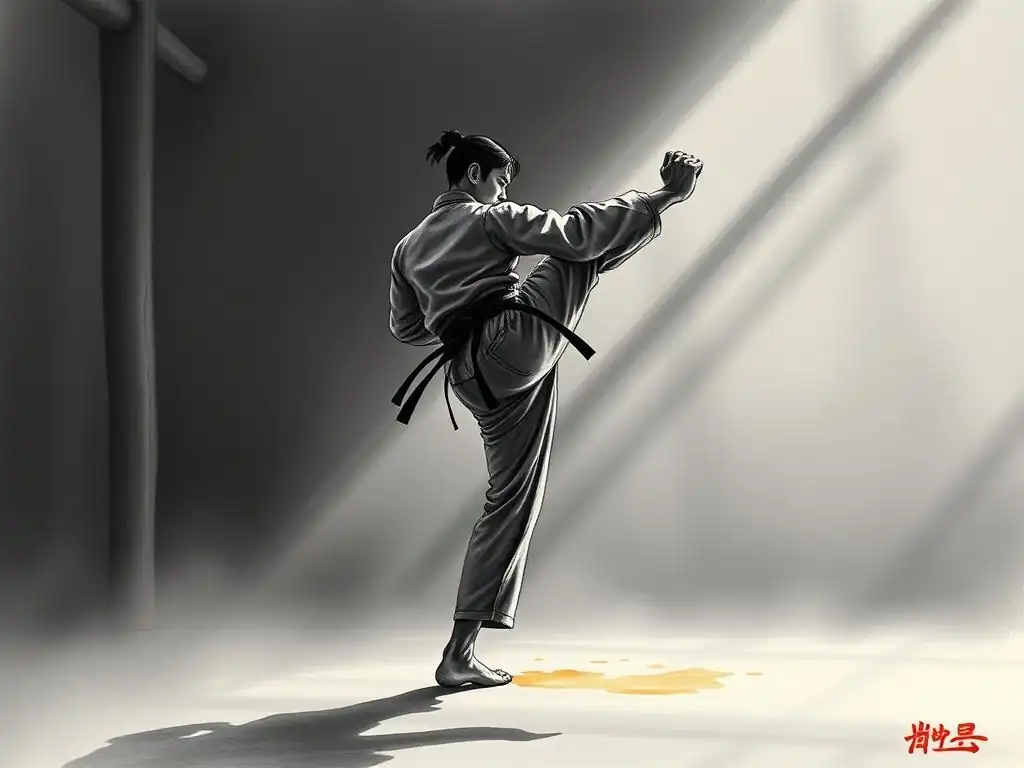
Improving Martelo kick power requires dedicated training that targets both the specific mechanics of the kick and the underlying physical attributes like strength and explosiveness. Simply practicing the kick repeatedly may not yield significant power increases if fundamental weaknesses exist. This section outlines various training drills designed to enhance the physical components and technical execution necessary for potent Martelo kick power generation.
Incorporating a variety of these drills into your regular training routine will provide a comprehensive approach to developing power. Remember that consistency is key, and gradually increasing intensity or resistance will lead to greater gains in Martelo kick power over time.
Targeted Strengthening Exercises for Legs and Core
Developing strong legs and a powerful core is foundational for generating significant Martelo kick power. Squats, lunges, and deadlifts build overall lower body strength, particularly in the quadriceps, hamstrings, and glutes, which are essential for the initial lift and extension of the kicking leg and the stability of the supporting leg. Aim for exercises that allow you to lift challenging weights for moderate repetitions (e.g., 3-5 sets of 6-10 reps).
For the core, exercises that involve rotation and anti-rotation are particularly beneficial for Martelo kick power generation. Examples include Russian twists, wood chops (using cables or resistance bands), pallof presses, and planks with variations that challenge stability (e.g., side planks, planks with leg lifts). Training the core to be both strong and responsive improves energy transfer and stability during the dynamic kicking motion. Integrating resistance training 2-3 times per week can yield noticeable improvements in strength capacity within a few months.
Plyometric Drills to Boost Explosiveness in Martelo Kicks
Plyometric exercises are designed to improve explosive power by training muscles to exert maximum force in short intervals of time. This is crucial for the rapid hip rotation and leg extension required for a powerful Martelo. Examples include jump squats, box jumps, bounding, and single-leg hops. These drills train the stretch-shortening cycle of the muscles, enabling faster and more powerful contractions.
Incorporating plyometrics specific to rotational movements can further enhance Martelo kick power generation. Medicine ball throws (rotational throws against a wall or with a partner) or exercises simulating the hip turn with resistance bands can build explosive rotational power. Start with lower intensity and focus on proper landing mechanics to prevent injury. Performing plyometric drills 1-2 times per week, perhaps as part of a warm-up or dedicated session, can significantly boost the 'snap' and speed of your Martelo.
Shadowboxing and Bag Work Focused on Power Development
Shadowboxing is an excellent way to practice the full Martelo kick motion with speed and proper form without resistance. Focus on executing the Ginga transition, hip rotation, and follow-through with maximum speed and fluidity, even without a target. Visualize hitting a target with force, emphasizing the crispness of the movement. This helps refine the technique and build muscle memory for explosive Martelo kick power generation.
Bag work provides resistance and feedback, allowing you to feel the impact of your kick. When working on the heavy bag, focus on hitting through the target, engaging the core and hips fully. Don't just push the bag; aim to make it swing forcefully, indicating good energy transfer. Speed bags or focus mitts can be used to train timing and accuracy alongside power. Dedicate specific rounds during bag work solely to maximizing power on each Martelo kick, focusing on the feel of proper technique.
Common Mistakes That Limit Martelo Kick Power and How to Correct Them
Identifying and correcting common technical errors is just as important as building physical strength for maximizing Martelo kick power. Minor flaws in execution can significantly reduce the force of the kick, making it less effective. This section highlights frequent mistakes made when attempting the Martelo and provides guidance on how to rectify them through focused practice and self-correction.
Awareness of these pitfalls is the first step towards improvement. By consciously focusing on avoiding these mistakes during training, practitioners can refine their technique and unlock greater levels of Martelo kick power generation.
Overusing the Knee Instead of Hip Rotation
A very common mistake is driving the Martelo primarily with knee extension rather than initiating the movement from a powerful hip rotation. This results in a 'pushing' kick that lacks the rotational force needed for high impact. The leg extends from the knee, but the core and hips remain relatively static, leading to a weak Martelo kick power output.
To correct this, focus drills on isolating hip rotation. Practice the Martelo motion slowly, emphasizing the pivot on the supporting foot and the forceful turn of the hips before the kicking leg fully extends. Imagine your hips are the primary engine, pulling the leg through. Shadowboxing while consciously focusing on hip drive, or practicing the kick with a resistance band around the waist anchored behind you (to feel the pull of rotation), can help retrain the motor pattern and improve Martelo kick power generation.
Insufficient Core Activation Reducing Kick Efficiency
Failing to properly engage the core during the Martelo kick is another major power limitation. A weak or disengaged core leads to instability in the torso, causing energy to leak out instead of being efficiently transferred from the hips to the kicking leg. The kick feels disconnected and lacks the solid 'snap' characteristic of a powerful Martelo.
To address insufficient core activation, incorporate specific core strengthening exercises as mentioned earlier, particularly those involving rotation. During the kick itself, consciously tense your abdominal and oblique muscles as you initiate the hip turn and leg extension. Practice the kick slowly at first, focusing purely on feeling the core engage and stabilize your body throughout the movement. Over time, this conscious activation will become more reflexive, significantly improving Martelo kick power generation.
Neglecting Foot Position and Contact Angle
The final point of contact is critical. Neglecting to properly extend and lock the ankle, or failing to strike with the hard instep (peito do pé), means that the energy generated by the body is not effectively transferred to the target. Striking with the toes or the side of the foot is less stable, less powerful, and carries a higher risk of injury. Similarly, hitting the target at an oblique or glancing angle reduces the force transferred.
Correction involves focused practice on the final moments of the kick. Use targets like focus mitts or a heavy bag and consciously practice striking with the instep, ensuring the ankle is firm. Pay attention to the angle of approach and aim for a square impact. Drills that involve repeatedly hitting a target with the correct foot surface can help build muscle memory and improve the precision needed for maximum Martelo kick power transfer.
Integrating Power Generation Techniques into Capoeira Practice
Developing maximum Martelo kick power is not just about isolated drills; it's about seamlessly integrating these power generation techniques into the fluid, dynamic movements of Capoeira. A powerful kick that cannot be delivered effectively within the context of the Ginga and interaction is of limited value. This section discusses how to bridge the gap between strength/technique training and practical application in the roda.
The goal is to make powerful Martelo kick generation an intuitive part of your Capoeira game. This requires consistent practice that blends technical refinement, physical conditioning, and strategic application within the unique environment of Capoeira.
Combining Speed and Power for Effective Martelo Kicks
While raw power is important, the effectiveness of a Martelo in Capoeira often depends on its speed and timing. A slow, telegraphed power kick is easily defended. Therefore, training must focus on combining the explosive force with speed. This means practicing the entire kick motion – from the Ginga setup through the follow-through – as quickly and smoothly as possible while maintaining proper form and power generation principles.
Drills that emphasize quick transitions from Ginga to kick, or chaining the Martelo with other movements (like esquivas or other kicks), help build speed and fluidity. Shadowboxing at high speed, focusing on explosive hip turns, is invaluable. Bag work can also be used to practice delivering multiple powerful Martelo kicks in quick succession or combining them with other strikes. The aim is to deliver significant Martelo kick power rapidly and unpredictably.
Adapting Power Generation for Different Combat Scenarios
The appropriate level of Martelo kick power and delivery varies depending on the scenario within the roda. A friendly game might call for controlled kicks that demonstrate technique and power without causing injury. A more competitive or self-defense context might require full, uninhibited power. Learning to adjust the force and speed of your Martelo based on the situation is a sign of a skilled Capoeirista.
Practice delivering the Martelo with varying levels of intensity. Train to execute the kick with speed but less force for control, and then switch to full power for impact. This adaptability in Martelo kick power generation comes from a deep understanding of the underlying mechanics and the ability to consciously control the degree of muscle engagement and hip rotation. Sparring or simulated combat scenarios (under controlled conditions) are essential for practicing this adaptability.
Incorporating Power Training into Regular Capoeira Sessions
To ensure that power generation techniques become second nature, they must be integrated into regular Capoeira training sessions, not just separate strength or conditioning workouts. During the Ginga, practice explosive hip turns. When drilling kicks, focus on driving from the core and hips for maximum Martelo kick power. Use the heavy bag or focus mitts during class to get feedback on your power output.
Instructors can also guide practitioners in incorporating power development into partner drills, focusing on safe yet effective application of force. Even during Roda participation, maintain awareness of your body mechanics, consciously engaging the core and driving with the hips when executing Martelos. Consistent application of these principles within the Capoeira context is key to making powerful Martelo kick generation a natural part of your movement.
Measuring and Tracking Progress in Martelo Kick Power
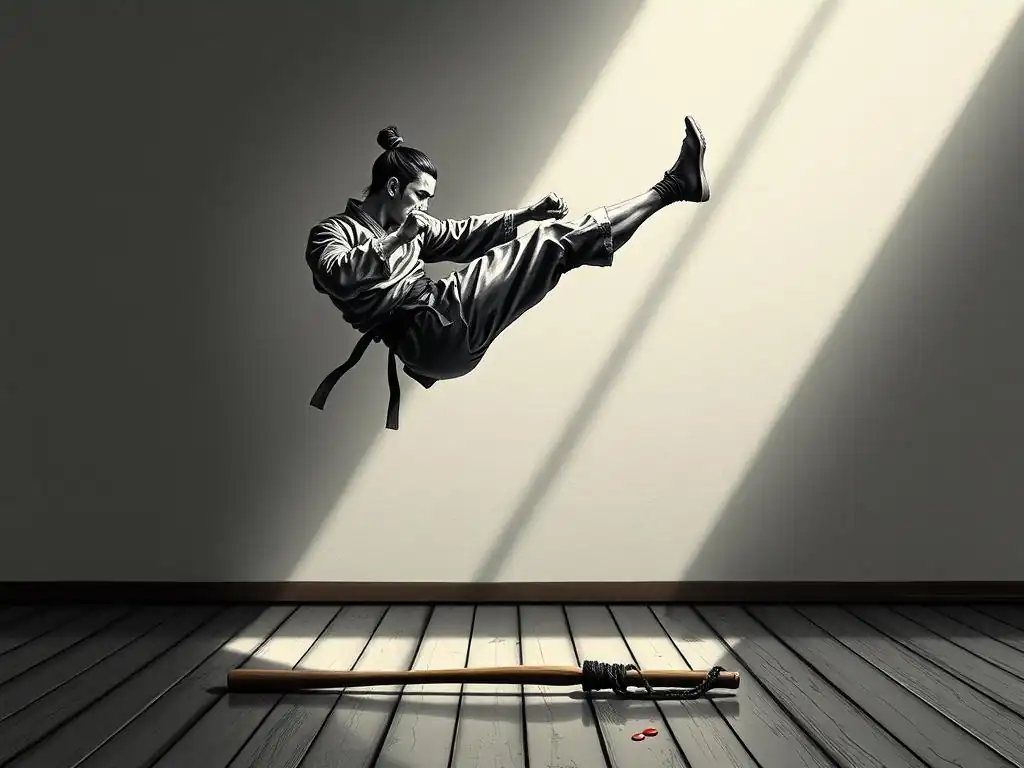
Improving Martelo kick power generation is a continuous process. To ensure you are making progress and to identify areas that still need work, it's helpful to have methods for measuring and tracking your power development. While sophisticated equipment might be ideal, there are practical ways for Capoeiristas to assess their kick force and refine their technique.
Tracking progress provides motivation and allows for data-driven adjustments to your training regimen. By setting specific goals and using feedback mechanisms, you can systematically work towards maximizing your Martelo kick power.
Methods to Assess Kick Force and Acceleration
While force plates or motion capture systems provide precise data, simpler methods can offer valuable insights into Martelo kick power. Hitting a heavy bag is a classic method; observing how much the bag moves or swings provides a qualitative measure of power. For a slightly more objective measure, some practitioners use kick shields or pads with force sensors, though these can be expensive.
Another approach is to use video analysis. Recording your Martelo kicks from different angles allows you to visually assess key technical elements like hip rotation speed, leg extension snap, and overall body mechanics, which directly correlate with power. Analyzing the speed of your leg just before impact (acceleration) can also indicate power potential. Comparing recordings over time can show improvements in speed and form, indicative of better Martelo kick power generation.
Setting Realistic Power Generation Goals in Training
Setting specific, measurable, achievable, relevant, and time-bound (SMART) goals is crucial for focused training. Instead of a vague goal like "kick harder," aim for something like "increase heavy bag swing amplitude by 10% in 3 months" or "consistently hit a force pad with X amount of force" (if using one). If using video, a goal could be "improve visible hip rotation speed by the end of the month."
Goals related to the underlying strength and explosiveness are also valuable, such as "increase squat strength by X kg in 6 weeks" or "improve box jump height by Y cm." Breaking down the overall goal of maximizing Martelo kick power generation into smaller, actionable steps makes the process less daunting and provides clear targets to work towards in your daily or weekly training.
Using Video Analysis to Refine Technique and Maximize Power
Video analysis is a powerful tool for refining Martelo kick technique and unlocking greater power. Record yourself performing the kick from the side, front, and perhaps a slightly elevated angle. Review the footage critically, comparing it to demonstrations of powerful Martelos. Look specifically for issues like insufficient hip rotation, lack of core engagement, poor balance on the supporting leg, or incorrect foot positioning.
Seeing your own technique helps you identify flaws that you might not feel while performing the kick. Use the analysis to inform your subsequent training sessions, focusing drills specifically on correcting the identified weaknesses. Repeat the recording process periodically to track improvements in technique and correlate them with perceived increases in Martelo kick power generation. Sharing videos with an instructor or experienced practitioner can also provide valuable external feedback.
Advanced Tips for Mastering Martelo Kick Power Generation
Once the fundamental mechanics and training methods are in place, advanced practitioners can explore additional techniques and modalities to further refine and maximize their Martelo kick power. These tips go beyond the basics, incorporating elements like breath control, mental preparation, and supplementary training to push the boundaries of your power potential.
Mastering Martelo kick power generation at an advanced level involves optimizing every aspect of the kick, from the physical execution to the mental state. These tips offer avenues for experienced practitioners to gain an edge in their power development.
Utilizing Breathing Techniques to Enhance Explosive Strength
Breathing plays a significant role in generating explosive power in many physical activities, including martial arts strikes. Proper breathing provides the necessary oxygen to the muscles and helps stabilize the core. For an explosive movement like the Martelo kick, timing your breath with the execution is key. Inhaling during the setup or Ginga phase and exhaling sharply and forcefully during the moment of impact or just before it can enhance core engagement and contribute to a more powerful strike.
This sharp exhalation, sometimes called a "kiai" in other martial arts contexts, creates intra-abdominal pressure that further stabilizes the core and helps generate force. Practicing coordinating a powerful exhalation with the peak effort of your Martelo kick can add a noticeable 'snap' and increase Martelo kick power. It requires conscious effort initially but becomes automatic with practice.
Mental Focus and Visualization Strategies to Boost Power Output
The mind-muscle connection is powerful. Mental focus and visualization can significantly impact physical performance, including the ability to generate maximum Martelo kick power. Before executing the kick, visualize the movement perfectly – the explosive hip rotation, the core engagement, the whip-like action of the leg, and the powerful impact.
During the execution, maintain intense focus on the target and the feeling of generating power from your core and hips. Don't just go through the motions; actively 'intend' to generate maximum force. Some athletes use cues or mantras to reinforce this mental focus. Consistently applying mental strategies alongside physical training can help unlock latent power potential and improve Martelo kick power generation.
Cross-Training Modalities to Support Power Development in Capoeira
While Capoeira training itself is comprehensive, incorporating specific cross-training modalities can complement and enhance Martelo kick power development. Activities like Olympic weightlifting (snatches, clean and jerks) train explosive full-body power and coordination. Sprinting builds leg speed and power. Gymnastics or parkour can improve body control, balance, and core strength in dynamic situations.
Yoga or specific mobility work can enhance flexibility and range of motion, allowing for a larger, more powerful kicking arc. These supplementary activities don't replace Capoeira training but provide targeted benefits that translate into improved physical capabilities relevant to Martelo kick power generation. Choosing cross-training that addresses your specific physical weaknesses will yield the best results.
Summary: Key Takeaways for Maximizing Martelo Kick Power in Capoeira Practice.
Maximizing Martelo kick power generation in Capoeira is a multifaceted endeavor that requires a deep understanding of biomechanics, dedicated physical training, and continuous technical refinement. It's not simply about kicking hard, but about executing the movement efficiently and explosively, leveraging the entire body's kinetic chain. The journey to a truly powerful Martelo involves mastering fundamental techniques and layering on strength, speed, and precise coordination.
Key takeaways for enhancing Martelo kick power include prioritizing hip rotation as the primary engine of the kick, ensuring strong core engagement for stability and energy transfer, and refining foot positioning and striking surface for optimal impact. Consistent training that incorporates targeted strengthening exercises, plyometrics for explosiveness, and focused bag work is essential. Critically, practitioners must identify and correct common mistakes like over-reliance on knee extension or insufficient core activation.
Integrating power generation techniques seamlessly into the dynamic flow of Capoeira practice, adapting power levels for different scenarios, and utilizing tools like video analysis for feedback are vital steps. Finally, exploring advanced tips such as breath control, mental focus, and complementary cross-training can further elevate Martelo kick power to its maximum potential. By focusing on these principles, Capoeiristas can transform their Martelo into a formidable and impactful technique within the art.
Frequently Asked Questions
How important is hip rotation in generating power for a Martelo kick?
Hip rotation is absolutely crucial. It's the primary driver of power, transferring energy from your core to your leg. Without proper hip rotation, your kick will lack significant impact.
What role does the supporting leg play in a powerful Martelo kick?
The supporting leg provides stability and balance, allowing for efficient power transfer. A strong base allows you to fully commit to the kick and generate more force.
How does chambering the leg correctly contribute to Martelo kick power?
Proper chambering prepares the muscles for the kick, creating potential energy. It also ensures the correct trajectory and alignment for maximum impact.
What specific muscles should I focus on strengthening to improve my Martelo kick power?
Focus on strengthening your core, glutes, and hamstrings. These muscle groups are essential for generating power and stability during the kick.
How can visualization and mental training enhance my Martelo kick's power generation?
Visualization helps improve technique and coordination. Mentally practicing the kick can boost confidence and allow for a more fluid and powerful execution.
Okay, here's a final reflection crafted for your article "How to Generate Maximum Power in Your Martelo Kick," designed to resonate with readers and leave a lasting impression, while also keeping the keyword "Martelo kick power generation" in mind:
Final Reflection: Unleashing the Martelo's Potential
The journey to mastering the Martelo kick is a testament to the power of focused training and understanding the biomechanics at play. The pursuit of Martelo kick power generation isn't just about brute force; it's about harnessing technique, balance, and precision to unlock the full potential of this dynamic movement. Understanding and applying these principles is crucial for anyone seeking to elevate their martial arts practice.
The Martelo kick, when executed with maximum power, becomes more than just a strike; it transforms into a statement of skill and dedication. This pursuit of perfection, this constant striving to improve, is what resonates most deeply with me. It's a reminder that true mastery lies not just in innate talent, but in the relentless pursuit of knowledge and the unwavering commitment to honing one's craft. The more I practice, the luckier I get.
- Gary Player. This quote encapsulates the essence of martial arts training, highlighting the importance of consistent effort in achieving peak performance.
Now, I invite you to reflect on your own journey. Consider how you can apply these principles of Martelo kick power generation to not only improve your technique but also to cultivate a deeper understanding of your own capabilities. Embrace the challenge, refine your movements, and unlock the extraordinary power that lies within you. The path to mastery is a continuous evolution, and your journey has only just begun.
Unleash Your Inner Martelo Master!
Thank you for diving deep into the art of the Martelo kick with us! Now that you've unlocked the secrets to generating maximum power, it's time to put that knowledge into action and elevate your training.
Here's how you can take your Martelo kick to the next level:
- Practice the 'Pendulum Drill' at least 15 minutes daily, focusing on smooth transitions and explosive hip rotation for optimal power transfer.
- Share this newfound knowledge! Teach a training partner the Martelo technique and refine your skills together through mutual feedback.
- Experiment with unconventional targets – try using a hanging heavy bag at different angles to challenge your precision and power delivery.
Ready to feel the thunder in your kicks? What adjustments will you make in your next training session to truly maximize your Martelo power?