
The Art of Timing and Misdirection in Aikido's Kokyu Nage

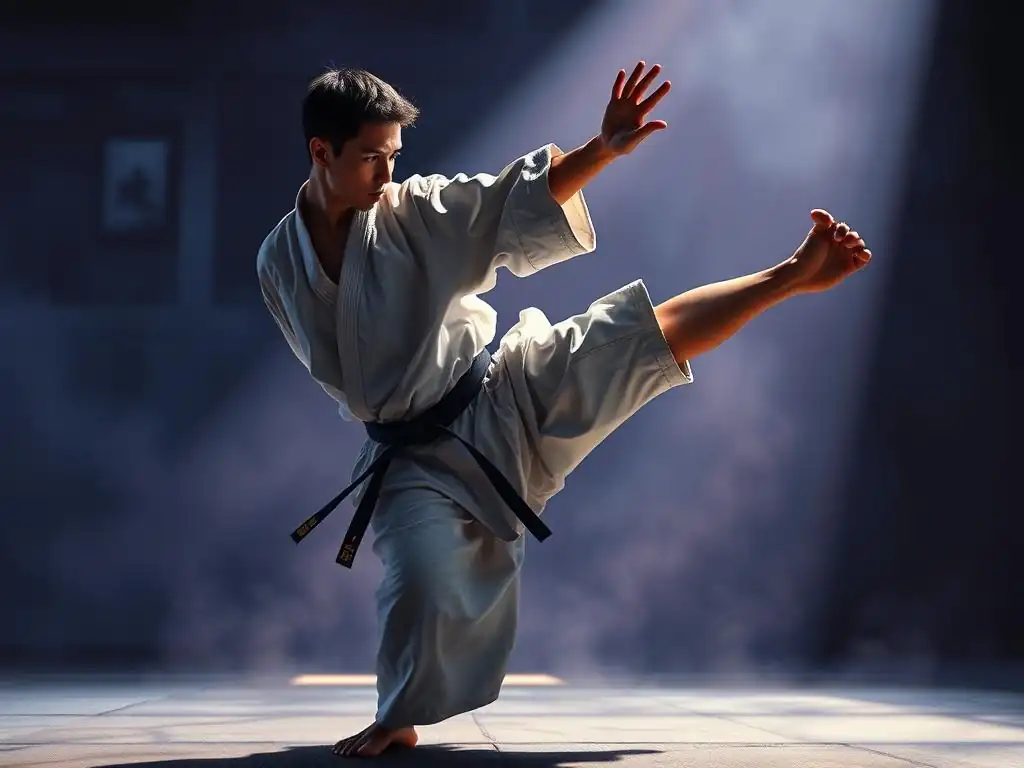
Welcome to Martial Arts Mastery, your gateway to the world's fighting traditions.
Delve into the subtle yet powerful art of Aikido as we unravel the secrets behind its devastating throws. Intrigued by the deceptive movements and precise timing that define this unique martial art? Explore our deep dive into Aikido Kokyu Nage timing techniques and discover how to harness your center to unbalance your opponent. Are you ready to unlock the hidden potential within this elegant and effective technique?
Aikido, often called the "Art of Peace," emphasizes blending with an opponent's energy rather than meeting force with force. Within its diverse repertoire of techniques, Kokyu Nage, or "Breath Throw," stands out as a powerful and elegant example of this principle. Unlike throws relying purely on physical strength or direct leverage, Kokyu Nage harnesses the practitioner's internal power (kokyu) and leverages precise timing and strategic misdirection to unbalance and throw an attacker. Mastering Aikido Kokyu Nage timing techniques is fundamental to executing this throw effectively, transforming potential conflict into harmonious redirection.
- Understanding Kokyu Nage: The Breath Throw in Aikido
- The Crucial Role of Timing in Aikido Kokyu Nage
- Misdirection Techniques for Successful Kokyu Nage
- Aikido Kokyu Nage Timing Techniques: A Detailed Breakdown
- Mastering the "Aiki" Principle: Blending, Not Blocking
- Drills and Exercises to Enhance Kokyu Nage Timing Skills
- Advanced Kokyu Nage Strategies: Beyond Basic Timing
- The Legacy of Kokyu Nage: From Ancient Origins to Modern Practice
- Conclusion: Elevating Your Aikido with Precise Timing and Strategic Misdirection
-
Frequently Asked Questions
- What exactly is Kokyu Nage in Aikido, and why is timing so important?
- How does misdirection contribute to the success of Kokyu Nage?
- What are some key elements to consider when practicing Kokyu Nage timing techniques?
- Are there different variations of Kokyu Nage that require different timing strategies?
- Can anyone learn Kokyu Nage, or does it require special physical abilities or predispositions?
- Final Reflection: Embracing the Flow of Aikido's Kokyu Nage
- Unlock Your Aikido Potential Now!
Understanding Kokyu Nage: The Breath Throw in Aikido
Kokyu Nage is not a single, rigid technique but rather a principle applied in various forms, often appearing deceptively simple yet requiring deep understanding. At its core, it involves using one's integrated body power, coordinated with breath, to disrupt the attacker's balance and center, leading to a throw that feels effortless to the giver and overwhelming to the receiver. This throw embodies the non-resistant nature of Aikido, utilizing the attacker's momentum and intent against them through skillful redirection.
Defining Kokyu Nage: More Than Just a Throw
Kokyu Nage is perhaps one of the most emblematic techniques of Aikido, signifying the art's unique approach to conflict resolution. It is less about muscling an opponent down and more about subtle manipulation of their structure and intent. The term "Kokyu" refers to "breath power" or "integrated power," highlighting that the force generated comes not from isolated muscles but from the coordinated movement of the entire body, rooted through the hips and connected to the earth. This integrated power is then projected through the hands or body contact points, but only at the precise moment of vulnerability.
Unlike throws found in judo or wrestling that might rely on grips and significant physical strength to hoist or reap, Kokyu Nage often involves minimal physical contact and a profound sense of connection to the attacker's energy flow. It is the application of aiki – the principle of blending and harmonizing – made manifest in a throwing technique. A successful Kokyu Nage is characterized by its fluidity and the attacker's sudden, almost inexplicable loss of balance, often described by practitioners as feeling as though they were simply swept away by an invisible force.
The Importance of Breath and Center in Kokyu Nage Execution
The concept of "Kokyu" in Kokyu Nage is intrinsically linked to the practitioner's breath and physical center (hara or tantien). Generating true kokyu power involves a deep, controlled breath that anchors the body and connects it to the earth. This groundedness allows the practitioner to move from their center, ensuring that movements are unified and powerful rather than fragmented and weak. The power for the throw originates from this stable core, transferring through the body in a wave-like motion.
Furthermore, maintaining a calm and controlled breath is vital for maintaining one's own center under pressure and for sensing the attacker's intent and movement. A practitioner whose breath is ragged or shallow is likely to be off-balance themselves and less able to perceive the subtle shifts in the attacker's structure and energy that indicate the opportune moment for the throw. Cultivating a strong connection to one's hara and coordinating movement with breath is a lifelong pursuit in Aikido, directly impacting the effectiveness of Aikido Kokyu Nage timing techniques.
The Crucial Role of Timing in Aikido Kokyu Nage
Timing in Aikido, particularly for techniques like Kokyu Nage, is not merely about reacting quickly. It is about sensing the moment of maximum opportunity – the point where the attacker's balance is most precarious, their structure is compromised, or their intent has created a vulnerable opening. This predictive or perceptive timing allows the Aikido practitioner to act with the attacker's movement, rather than against it, leading to a seamless and powerful execution of the throw.
The difference between a throw that requires great effort and one that seems to happen almost on its own often lies solely in the precision of timing. Acting too early might mean pushing against the attacker's solid structure, while acting too late might allow them to regain balance or adjust their attack. Mastering the nuances of Aikido Kokyu Nage timing techniques is what distinguishes a novice from a skilled practitioner.
Why Timing is Paramount for Effective Kokyu Nage
Effective Kokyu Nage hinges on the principle of disrupting the attacker's balance (kuzushi) at the precise moment they are most susceptible. This moment often occurs during their attack, as they commit their weight and energy forward, or when they are attempting to adjust their position. Trying to execute Kokyu Nage against a stationary, rooted opponent is significantly more difficult and requires disproportionately more physical effort. The throw becomes powerful when it synchronizes with the attacker's natural movement or lack thereof.
Consider an attacker stepping forward to strike. As their front foot lands and their weight shifts, there's a fleeting moment where their balance is transitioning and their structure is less stable. This is an ideal window for applying Kokyu Nage timing techniques. Similarly, if an attacker pulls back forcefully, they create a void behind them; redirecting their energy into this void at the right time can lead directly into a throw. Identifying and exploiting these micro-moments of imbalance requires not just physical skill but also heightened sensitivity and intuitive timing developed through dedicated practice.
Common Timing Mistakes in Kokyu Nage and How to Avoid Them
One of the most frequent errors in executing Kokyu Nage is attempting the throw prematurely, before the attacker's balance is sufficiently broken or before the practitioner has achieved proper connection. This often results in a struggle where the practitioner is pushing or pulling against the attacker's strength, negating the principle of aiki. Another common mistake is waiting too long, by which time the attacker has recovered their balance or adjusted their position, making the throw significantly harder or impossible.
To avoid these pitfalls, practitioners must develop a keen sense of ma-ai (combative distance and timing) and learn to feel the attacker's center and direction of force. Training drills that focus on sensing weight distribution and momentum are crucial. Practicing slow, deliberate movements with a partner can help in understanding the mechanics of balance disruption. Additionally, focusing on maintaining one's own stable center and breath allows for clearer perception of the attacker's state, improving the practitioner's ability to apply Aikido Kokyu Nage timing techniques at the opportune moment.
Misdirection Techniques for Successful Kokyu Nage
While timing dictates when to apply the technique, misdirection influences how to create the necessary opening and imbalance. Misdirection in Aikido involves subtly leading the attacker's attention, energy, or physical structure in a direction that sets them up for the throw. It's about manipulating their perception and physical alignment without them realizing it, until it's too late to resist the redirection into Kokyu Nage.
These techniques can range from subtle shifts in body positioning to using feigned attacks (atemi) or leading movements that exploit the attacker's natural reactions. Effective misdirection complements precise timing, making the execution of Aikido Kokyu Nage timing techniques almost inevitable once the setup is complete. It's like a magician's trick – focusing the audience's attention elsewhere while the real work happens subtly.
Creating Openings with Misdirection in Aikido
Misdirection in Aikido is primarily used to create sukashi – openings or vulnerabilities in the attacker's posture, balance, or mental focus. By presenting a false target or leading the attacker's energy in one direction, the practitioner opens up possibilities for applying techniques from an unexpected angle or at an unexpected moment. For example, a slight movement to one side might cause the attacker to adjust their weight, momentarily creating an imbalance that can be exploited for Kokyu Nage.
Another form of misdirection involves guiding the attacker's energy past you. If an attacker lunges forward, a slight yielding movement combined with a change in angle can cause them to overcommit, creating the perfect opportunity for redirection and a throw. This requires sensitivity to the attacker's force and the ability to blend with it initially, using their own momentum as the engine for their unbalancing. Mastering this aspect is key to sophisticated Aikido Kokyu Nage timing techniques.
Using Atemi (Strikes) as Misdirection in Kokyu Nage Setups
Although Aikido is known for its non-violent philosophy, atemi (strikes or feints) play a significant role, primarily as tools for misdirection and balance disruption rather than for inflicting damage. A sharp, focused strike or even just the threat of a strike directed towards a vulnerable point like the eyes or temple can cause a natural defensive reaction – flinching, covering up, or shifting weight. This reaction creates a momentary opening or disrupts the attacker's structure.
For instance, a quick, non-committal strike towards the face during an attack can cause the attacker to momentarily raise their guard or recoil. This subtle shift can lift their center or shift their weight, providing the perfect window to apply Kokyu Nage timing techniques. The atemi doesn't need to land forcefully; its purpose is to create a reaction that facilitates the subsequent technique. It's a psychological and physical feint that sets the stage for the throw.
Body Language Deception: Leading Your Opponent Astray
Body language is a powerful tool for misdirection. Subtle cues from the practitioner's posture, gaze, or initial movements can influence the attacker's perception and reactions. Appearing to move in one direction while intending to move in another, or presenting a seemingly passive posture before exploding into movement, can deceive the attacker's read of the situation. This can lead them to commit their attack or weight incorrectly.
For example, maintaining a relaxed, non-threatening posture initially can lull an attacker into a false sense of security, making them less guarded against a sudden, well-timed redirection. Conversely, a slight shift in weight or a glance in one direction can draw their attention, creating an opening elsewhere. This level of subtle deception requires significant body control and awareness, allowing the practitioner to subtly manipulate the attacker's focus and physical alignment, thereby enhancing the effectiveness of Aikido Kokyu Nage timing techniques.
Aikido Kokyu Nage Timing Techniques: A Detailed Breakdown
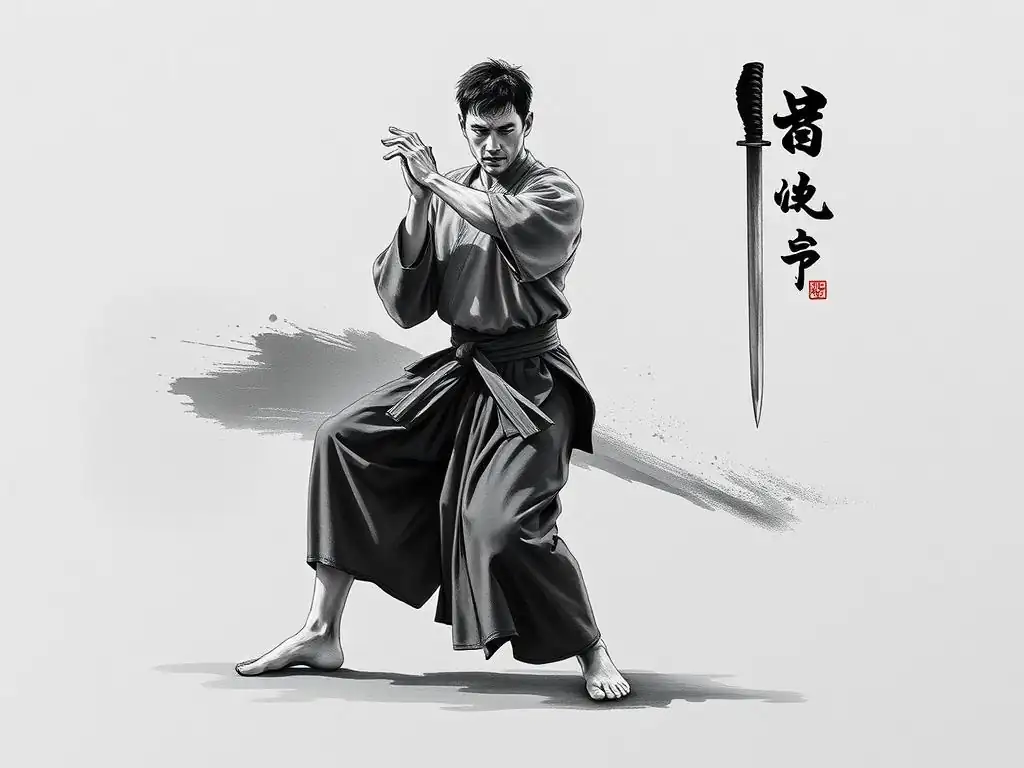
Applying Kokyu Nage principles requires specific timing considerations depending on the type of attack. Aikido techniques are often categorized by the attack form (e.g., shomenuchi, yokomenuchi, katatedori). Understanding how to time Kokyu Nage against these different attacks is crucial for developing versatile skills. This section explores timing nuances in the context of common Aikido techniques that often lead to or incorporate Kokyu Nage principles.
Mastering these specific applications of Aikido Kokyu Nage timing techniques allows practitioners to respond effectively to a variety of attacks, turning potential harm into an opportunity for harmonious resolution. It highlights how the universal principle of Kokyu Nage is adapted to the specific dynamics of each interaction.
Shomenuchi is a vertical strike descending towards the head. Ikkyo (first technique) is a fundamental pin often taught as the initial response. However, the principles of shomenuchi defense, particularly the entry ( irimi), are highly relevant to setting up Kokyu Nage. Timing the entry against a shomenuchi attack is paramount. The practitioner must enter into the line of attack, moving off the center line, at the precise moment the attacker's energy is committed forward but before the strike has reached its full power or target.
This entry, often a blending movement ( irimi), creates a moment of proximity and control over the attacker's striking arm and balance. The timing here is critical: too early, and you might be in the path of the strike; too late, and the strike might land or the attacker might regain balance. The goal is to arrive at a position of advantage simultaneously with the attacker's commitment of energy, using this moment to initiate control that can lead to a pin or, with a slight adjustment in timing and direction, a Kokyu Nage.
Recognizing the Optimal Moment for Ikkyo
The optimal moment to apply the entry and control for shomenuchi Ikkyo (and thus set up potential Kokyu Nage timing techniques) occurs just as the attacker's lead foot lands and their weight begins to settle forward, driving the strike. There is a brief period where their balance is less stable, caught between forward momentum and the settling of their base. Sensing this transition point is key. It requires observing not just the arm movement but the entire body's commitment.
A highly skilled practitioner can even sense the attacker's intent before the physical movement fully manifests, allowing for a pre-emptive blending entry. However, for most practitioners, focusing on the visible cues – the attacker's footwork, hip rotation, and the moment of weight transfer – provides the necessary information to time the entry correctly. This timing allows the defender to disrupt the attack's power and position themselves advantageously.
Drills to Improve Timing for Ikkyo
Improving timing for shomenuchi Ikkyo entries, essential for subsequent Kokyu Nage applications, often involves repetitive partner drills focusing on sensing the attacker's movement. A foundational drill involves the attacker executing shomenuchi at varying speeds, while the defender practices entering and blending just as the attacker's lead foot touches down. This helps develop sensitivity to the timing of the weight transfer.
Another effective drill is practicing the entry with closed eyes (under supervision), relying solely on sensing the partner's movement and energy. This heightens proprioception and the ability to feel the subtle shifts in balance and intent. Practicing against attacks initiated from different distances also refines the understanding of ma-ai and its impact on entry timing. These drills, focusing purely on the entry phase, build the foundation for applying precise Aikido Kokyu Nage timing techniques in dynamic situations.
Yokomenuchi is a diagonal strike to the side of the head or neck. Shihonage (four-direction throw) is a powerful technique often applied against this attack. While Shihonage has its own distinct mechanics, the initial blending and unbalancing phase against yokomenuchi shares critical timing elements with Kokyu Nage setups. The key is to blend with the diagonal force of the strike, redirecting it while simultaneously disrupting the attacker's lateral balance.
Timing the blend and pivot against yokomenuchi is crucial. It must occur as the attacker's weight is committed to the diagonal strike, often leading with one side of their body. By entering and pivoting with this committed energy, the defender can use the attacker's momentum to spin them off balance, creating the perfect condition for either Shihonage or a related Kokyu Nage application that leverages that rotational imbalance.
Detecting and Exploiting Uke's Imbalance
Detecting the attacker's ( uke's) imbalance during a yokomenuchi attack involves observing their footwork and body rotation. As uke steps and rotates to generate power for the strike, their weight shifts significantly onto the lead leg, and their trailing side often becomes light. There's a moment of lateral instability as they commit to the rotational force. Sensing this shift is paramount for applying effective Aikido Kokyu Nage timing techniques.
Exploiting this imbalance involves moving in harmony with uke's rotation, extending their committed energy in the direction they are already moving. By pivoting simultaneously and maintaining connection, the defender can extend uke's rotation beyond their point of balance. This creates a strong rotational force that, when combined with a slight upward or forward extension of the defender's kokyu, leads to a powerful throw.
Footwork and Body Positioning for Imbalance-Based Shihonage
Precise footwork and body positioning are essential for capitalizing on uke's imbalance during yokomenuchi and setting up Shihonage or Kokyu Nage. A common entry involves stepping off the line of attack (often with a tenkan or turning movement) as uke strikes. This places the defender safely out of the strike's path while positioning them alongside uke. The timing of this step and turn must align with uke's commitment to their strike.
The defender's body should remain centered and connected, moving as a single unit. The pivot should occur from the hara, allowing the hips and shoulders to rotate together. By maintaining a stable base while rotating with uke, the defender effectively leverages uke's momentum against them, creating the rotational imbalance needed for the throw. This coordinated movement, timed correctly, is a hallmark of effective Aikido Kokyu Nage timing techniques in this context.
Katatedori Tenkan Kokyuho: Flowing with Uke's Momentum
Katatedori is a single-hand grab to the wrist. While seemingly simple, it's often used in training to teach principles of connection, blending, and leading energy. Tenkan Kokyuho is a specific exercise or technique often practiced from this grab, emphasizing blending with the attacker's force through a turning movement ( tenkan) and applying kokyu power. The essence here is not to resist the grab but to flow with uke's energy as they pull or push.
Timing in Katatedori Tenkan Kokyuho is about sensing the direction and intensity of uke's pull or push and initiating the tenkan turn at the moment their energy is most directed and committed. As uke pulls, the defender steps and turns with the pull, extending the attacker's energy into a circular path. This redirection, timed precisely as uke commits their weight, disrupts their base and creates a perfect vector for applying kokyu power to lead them off balance and down.
Redirecting Uke's Force for a Seamless Throw
Redirecting uke's force in Katatedori Tenkan Kokyuho is the core principle. If uke pulls, the defender doesn't pull back; instead, they move with the pull, stepping into a turn that extends uke's pulling energy into a circle. If uke pushes, the defender might blend forward or to the side, again turning to incorporate uke's pushing energy into a circular or spiral motion. The key is to avoid meeting force directly.
This redirection must be seamless, without a moment of resistance. It's like guiding a river's flow rather than damming it. The defender's body acts as a conduit, receiving uke's energy and smoothly redirecting it. The timing comes in initiating the redirecting movement just as uke's force is expressed, before they have a chance to adjust or brace themselves. This precise timing makes the redirection feel natural and effortless.
Blending and Leading: The Art of Aiki in Kokyu Nage
Blending ( musubi) and leading ( hikidashi) are fundamental expressions of aiki and are paramount in techniques like Katatedori Tenkan Kokyuho and other forms of Kokyu Nage. Blending means harmonizing with the attacker's energy and movement, becoming one with their intention temporarily. Leading means guiding that blended energy in a direction that benefits the defender, typically towards uke's imbalance.
In Katatedori Tenkan Kokyuho, blending involves accepting the grab and moving with uke's initial action. Leading involves using the tenkan turn and the extension of one's own kokyu to guide uke's energy into a throw. The timing of the lead must follow the blend instantaneously. It's a continuous flow: sensing the energy, blending with it, and immediately leading it towards uke's point of vulnerability. This seamless transition is the art of aiki in action and crucial for effective Aikido Kokyu Nage timing techniques.
Mastering the "Aiki" Principle: Blending, Not Blocking
The concept of aiki is often described as harmonizing energy or spirit. In practical terms, it means moving in such a way that you do not create conflict with the attacker's force but instead merge with it and redirect it. This is the antithesis of blocking or meeting force with equal or greater force. Mastery of aiki is directly reflected in the effectiveness and effortlessness of techniques like Kokyu Nage.
Applying aiki means staying relaxed yet connected, maintaining your own stable center, and sensing the attacker's intention and movement from its inception. It allows the practitioner to stay one step ahead, moving with the attack rather than reacting to it. This proactive, harmonious movement is the foundation upon which precise Aikido Kokyu Nage timing techniques are built.
The Concept of Aiki and its Relation to Kokyu Nage
Aiki is the heart of Aikido. It is the principle that allows a smaller, weaker person to effectively neutralize a larger, stronger attacker. It's not about physical strength but about leverage, timing, and the ability to connect with and control the attacker's center and energy flow. Kokyu Nage is arguably the purest physical expression of aiki because it relies almost entirely on the practitioner's integrated power ( kokyu) applied through seamless blending and redirection.
A Kokyu Nage executed with true aiki feels less like a physical throw and more like the attacker's own energy has caused their downfall. The practitioner seems to do very little, simply guiding the attacker into an untenable position. This is possible only when the practitioner's movement is perfectly timed and blended with the attacker's, using their momentum and commitment against them. The power comes from the connection and the timing, not from muscular force.
How to Cultivate Aiki Sensitivity for Improved Timing
Cultivating aiki sensitivity is a long-term process involving dedicated training. It requires developing a keen awareness of one's own body and center, as well as the ability to sense the partner's structure, balance, and intention through physical contact. Drills focusing on connection exercises, like those involving a partner pushing or pulling a staff or sword while the other maintains connection and balance, are invaluable.
Regular practice of basic movements and techniques with a focus on relaxation and maintaining a stable center helps build the internal foundation for aiki. Partner practice where the goal is mutual learning and sensitivity rather than overpowering the partner is also crucial. Over time, this practice refines the practitioner's ability to feel the subtle shifts in the attacker's energy and structure, enabling them to apply Aikido Kokyu Nage timing techniques with increasing precision and effectiveness.
Drills and Exercises to Enhance Kokyu Nage Timing Skills
Developing precise timing for Kokyu Nage requires more than just understanding the principles; it demands consistent, focused practice. A variety of solo and partner drills can help practitioners cultivate the necessary sensitivity, coordination, and timing. These exercises break down the complex movements and interactions into manageable components, allowing for targeted improvement.
Integrating these drills into a regular training routine is essential for internalizing the concepts of timing and misdirection. They provide the practical experience needed to recognize and react to the fleeting opportunities that arise during an attack, leading to more effective execution of Aikido Kokyu Nage timing techniques.
Solo Training Drills for Improving Timing and Coordination
Solo practice is vital for developing body awareness, coordination, and the ability to generate kokyu power independently. Shadow practice of Kokyu Nage movements, focusing on breath control, centered movement, and the feeling of extending energy from the hara, helps build the physical foundation. Practicing footwork patterns, like irimi and tenkan, with attention to timing and balance is also crucial.
Another effective solo drill involves using a bokken (wooden sword) or jo (staff) to practice cutting or thrusting movements, focusing on coordinating breath, body movement, and the extension of energy. While not a direct Kokyu Nage technique, these weapon forms teach principles of timing, distance ( ma-ai), and centered power that are directly transferable. For instance, practicing a shomenuchi cut solo, paying attention to the moment of maximum extension and power, helps in recognizing that same moment in an opponent's attack when applying Aikido Kokyu Nage timing techniques.
Partner Exercises for Developing Sensitivity to Uke's Movements
Partner drills are indispensable for developing the ability to sense and respond to an attacker's energy and balance. Exercises like "pushing hands" or "sensing hands" from various starting grips (e.g., katatedori) help practitioners learn to feel the direction and intensity of force and maintain connection without resistance. These drills cultivate the sensitivity needed to time one's response perfectly.
Practicing basic attacks ( shomenuchi, yokomenuchi, grabs) with a partner, focusing initially only on the defender's blending and timing of entry or redirection, without completing the throw, is highly beneficial. The goal is to feel the moment of opportunity and practice the initial response accurately. Gradually, the full technique can be added, ensuring that the foundation of precise timing is maintained. For example, practicing the shomenuchi Ikkyo entry hundreds of times, feeling uke's weight shift, refines the timing for setting up Kokyu Nage.
Integrating Timing and Misdirection in Randori (Free Practice)
Randori (free practice against multiple attackers) provides a dynamic environment to test and refine timing and misdirection skills under pressure. While challenging, it forces practitioners to quickly assess situations, identify opportunities, and apply techniques fluidly. Initially, focus should be on surviving and blending, gradually introducing conscious application of timing and misdirection principles.
In randori, the rapid succession of attacks and the need to deal with multiple directions force practitioners to rely on intuitive timing and subtle misdirection rather than pre-planned sequences. Using small atemi or changes in posture to momentarily disrupt an attacker's focus while dealing with another, or timing an entry between attacks, are advanced applications practiced in this setting. Randori highlights the importance of adaptable Aikido Kokyu Nage timing techniques in chaotic situations.
Advanced Kokyu Nage Strategies: Beyond Basic Timing
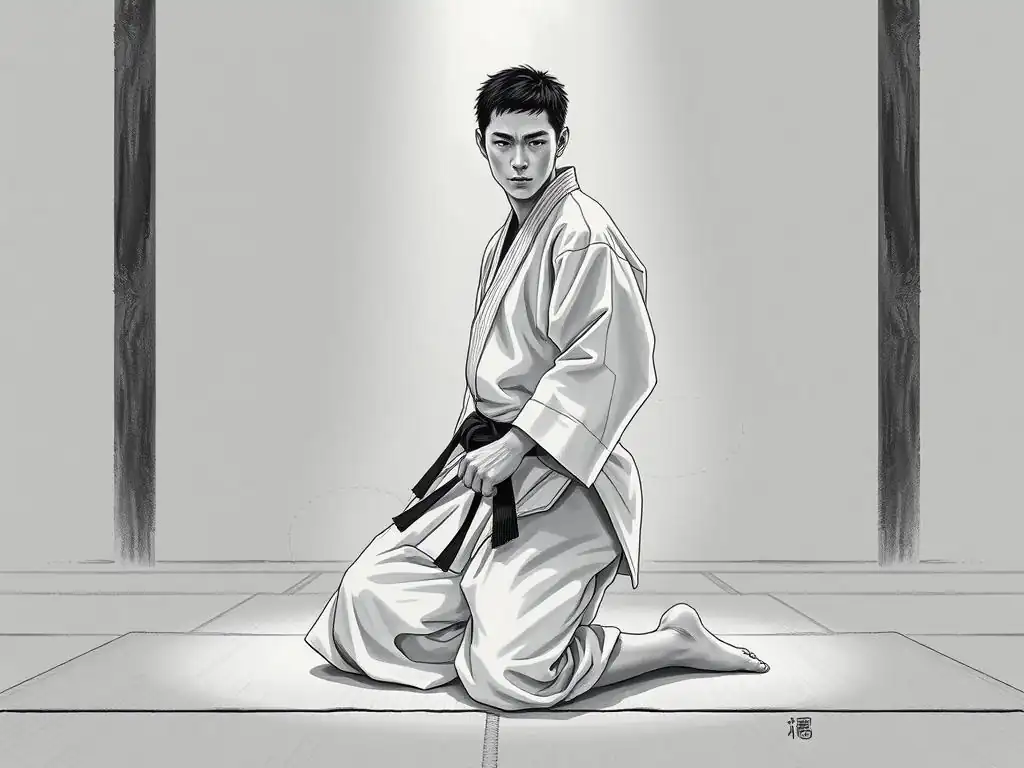
Once the fundamental principles of timing and misdirection are understood, practitioners can explore more advanced strategies. This involves adapting techniques to different opponents, combining various deceptive elements, and integrating the mental state into the execution. Advanced Kokyu Nage is characterized by its adaptability and the practitioner's ability to apply the principle effectively in diverse and unpredictable circumstances.
These strategies move beyond the technical mechanics to encompass a deeper understanding of human movement, psychology, and the principle of aiki at a more intuitive level. They represent a higher stage of mastery in applying Aikido Kokyu Nage timing techniques.
Adapting Kokyu Nage to Different Body Types and Fighting Styles
Effective Kokyu Nage must be adaptable. A technique that works perfectly against a smaller, faster opponent might need significant adjustment against a larger, stronger one. Different body types present different centers of gravity and structural vulnerabilities. Against a heavy, rooted opponent, the emphasis might be more on subtle balance disruption and leading them just off their base. Against a lighter, more agile opponent, timing the throw during their movement or transition becomes even more critical.
Furthermore, adapting to different fighting styles (e.g., someone who pushes vs. someone who pulls) requires the practitioner to quickly sense the nature of the incoming force and choose the appropriate blending and redirection strategy. This adaptability comes from a deep understanding of the underlying principles of imbalance and connection, rather than rigidly adhering to fixed forms. It's about applying Aikido Kokyu Nage timing techniques flexibly based on the specific interaction.
Combining Multiple Misdirection Techniques for Greater Effect
Advanced practitioners often combine multiple misdirection techniques simultaneously or in rapid succession to create overwhelming openings. This could involve a subtle atemi feint combined with a change in body angle and a leading movement, all timed to coincide with a moment of uke's commitment. The attacker's senses are overloaded, making it difficult for them to perceive the true direction of the technique until it's too late.
For example, against a strong grip, a practitioner might use a slight upward extension (misdirecting uke's energy upwards), followed immediately by a circular tenkan step (leading uke off their line), while simultaneously using breath to deepen their own connection to the earth. This layered approach compounds the effect of misdirection, making the subsequent application of Kokyu Nage timing techniques highly effective and difficult to resist.
The Mental Aspect of Kokyu Nage: Cultivating Calmness and Focus
Beyond physical technique, the mental state of the practitioner is paramount in advanced Kokyu Nage. A calm, centered mind is essential for sensing the attacker's intent and subtle movements, which is necessary for precise timing. Fear, tension, or overthinking can cloud perception and lead to hesitation or incorrect timing. Cultivating fudoshin (immovable mind) is therefore crucial.
Maintaining focus on one's own center and breath throughout the interaction, even under pressure, allows the practitioner to stay grounded and perceive clearly. It's about being fully present in the moment, reacting intuitively based on trained reflexes and sensitivity. This mental clarity enables the practitioner to apply Aikido Kokyu Nage timing techniques not as a series of calculated steps, but as a natural, spontaneous response flowing from a calm and connected state.
The Legacy of Kokyu Nage: From Ancient Origins to Modern Practice
The principles underlying Kokyu Nage are deeply rooted in the history of Japanese martial arts, particularly the concepts of aiki found in earlier traditions like Daito-ryu Aiki-jujutsu, from which Aikido's founder, Morihei Ueshiba, drew heavily. While the term "Kokyu Nage" as a specific technique or principle is most associated with Aikido, the idea of using integrated body power and breath to unbalance an opponent is a recurring theme in various classical Japanese martial arts ( koryu).
Understanding this legacy provides context for the importance placed on kokyu power, timing, and blending in Aikido. It highlights that these are not merely modern inventions but refinements of ancient principles of effective self-defense and energy manipulation. The evolution of Kokyu Nage reflects the founder's vision of transforming combative techniques into an art that emphasizes harmony and personal development.
The History and Evolution of Kokyu Nage in Aikido
Morihei Ueshiba, O Sensei, the founder of Aikido, continuously refined his techniques throughout his life. His early training in Daito-ryu Aiki-jujutsu provided the foundation of aiki principles. As he developed Aikido, he moved away from the more joint-locking and pinning-focused techniques of Daito-ryu towards throws and movements that emphasized blending and leading the attacker's energy. Kokyu Nage became a central expression of this evolving philosophy.
Early forms of techniques that would later be categorized under the umbrella of Kokyu Nage were present in O Sensei's pre-war martial art, Aiki Budo. However, the emphasis on "breath power" and the integration of mind, body, and spirit became more pronounced as Aikido matured. O Sensei demonstrated incredible power in his Kokyu Nage, often appearing to throw multiple attackers with minimal effort, showcasing the profound potential of mastering kokyu and precise Aikido Kokyu Nage timing techniques.
Legendary Aikido Masters and Their Kokyu Nage Expertise
Numerous high-ranking Aikido instructors throughout history have been renowned for their exceptional Kokyu Nage. Masters like Koichi Tohei Sensei, known for his emphasis on Ki development, demonstrated Kokyu Nage that seemed almost supernatural in its effortlessness. Gozo Shioda Sensei, founder of Yoshinkan Aikido, while known for a more martial approach, also emphasized kokyu power and exhibited powerful, explosive Kokyu Nage techniques timed to perfection.
Kisshomaru Ueshiba Sensei, the son of the founder and the Second Doshu, systematized many of the techniques and continued to emphasize the importance of kokyu power. Contemporary masters continue to teach and interpret Kokyu Nage, each bringing their unique emphasis on timing, connection, or the application of aiki. Studying their demonstrations and teachings provides valuable insights into the diverse expressions of effective Aikido Kokyu Nage timing techniques.
Conclusion: Elevating Your Aikido with Precise Timing and Strategic Misdirection
Mastering Aikido Kokyu Nage timing techniques is fundamental to unlocking the true power and elegance of this core Aikido throw. It moves the practitioner beyond relying on physical strength towards harnessing the principles of aiki – blending, sensing, and redirecting energy. Precise timing allows the practitioner to act at the moment of maximum opportunity, while strategic misdirection creates those opportunities by manipulating the attacker's perception and balance.
Cultivating sensitivity through dedicated solo and partner drills, understanding the nuances of timing against different attacks, and integrating the mental aspect of calmness and focus are all crucial steps on the path to mastery. By focusing on the art of timing and misdirection, Aikido practitioners can elevate their Kokyu Nage, making their techniques more effective, effortless, and truly reflective of the harmonious principles of Aikido. The journey to mastering these Aikido Kokyu Nage timing techniques is a lifelong pursuit, promising deeper insights into the art with every practice session.
Frequently Asked Questions
What exactly is Kokyu Nage in Aikido, and why is timing so important?
Kokyu Nage, often translated as "breath throw," is a technique in Aikido that utilizes the practitioner's ki (internal energy) and proper timing to unbalance and throw an opponent. Without precise timing, the technique loses its effectiveness.
How does misdirection contribute to the success of Kokyu Nage?
Misdirection is crucial because it allows the Aikido practitioner to disrupt the opponent's balance and create an opening for the Kokyu Nage. It diverts their attention just long enough to execute the throw.
What are some key elements to consider when practicing Kokyu Nage timing techniques?
Focus on feeling the opponent's center of gravity, understanding their movement patterns, and anticipating their next action. Maintaining zanshin (awareness) is also vital.
Are there different variations of Kokyu Nage that require different timing strategies?
Yes, there are many variations. Some focus on direct manipulation, while others emphasize circular movements and redirection. Each variation requires slightly different timing adjustments.
Can anyone learn Kokyu Nage, or does it require special physical abilities or predispositions?
While physical fitness helps, Kokyu Nage relies more on technique and understanding than brute strength. With dedicated practice and guidance, most individuals can learn and apply the principles of Kokyu Nage.
Final Reflection: Embracing the Flow of Aikido's Kokyu Nage
The principles of timing and misdirection, so central to Aikido's Kokyu Nage, are not merely historical techniques; they are living strategies applicable far beyond the dojo. Understanding how to disrupt an opponent's balance and exploit openings, as explored in this article, offers profound insights into navigating the complexities of everyday interactions and challenges.
The study of Aikido, and particularly Kokyu Nage, has profoundly shaped my understanding of the interconnectedness of movement, intention, and response. It's a constant reminder that true strength lies not in brute force, but in the ability to anticipate, adapt, and redirect. True victory is victory over oneself; that is, the ability to control one's own mind and body.
- Morihei Ueshiba, Founder of Aikido. This quote encapsulates the essence of Kokyu Nage, urging us to master ourselves before attempting to master others.
Now, I invite you to consider the lessons learned here. How can you apply the principles of timing and misdirection – the art of creating space and opportunity – in your own life? Whether it's in your relationships, your career, or your personal growth, embrace the flow, anticipate the unexpected, and discover the power of yielding to achieve your goals. Let the spirit of Aikido guide you towards a more balanced and harmonious existence.
Unlock Your Aikido Potential Now!
Thank you for diving into the secrets of Kokyu Nage! We hope this article illuminated the subtle art of timing and misdirection, offering new perspectives on this powerful technique. Now, let's put that knowledge into action.
- Practice Kokyu Nage's entry and off-balancing at least 15 minutes daily this week, focusing on relaxed movement and connection with your partner.
- Share your insights about timing and misdirection in Kokyu Nage with a fellow Aikido practitioner and discuss how you can both improve.
- Experiment with a new, unexpected entry into Kokyu Nage during your next training session – surprise yourself (and your partner)!
What's one small adjustment you can make to your Kokyu Nage today to immediately improve your timing?