
Psychological Warfare: The Mental Game of Catch Submissions


Welcome to Martial Arts Mastery, where we delve into the depth and breadth of combat disciplines! Ever wonder how a smaller, less physically imposing grappler can consistently dominate on the mats? In this article, "Psychological Warfare: The Mental Game of Catch Submissions," we unlock the secrets behind the mental game of submission grappling.
Prepare to explore how understanding the subtle nuances of psychological pressure, strategic manipulation, and mental fortitude can elevate your grappling game to a whole new level. Intrigued? The techniques and strategies you're about to discover might just change the way you think about every aspect of martial arts... Read on to find out how!
- Psychological Warfare: The Mental Game of Submission Grappling
- Mastering the Mental Game in Submission Grappling
- Understanding the Psychology of Submission Holds
- Pre-Match Mental Strategies for Grappling Competitors
- In-Match Psychological Tactics for Submission Grappling
- Specific Submission Setups and Their Psychological Impact
- Mental Fortitude: Overcoming Psychological Resistance
- Post-Match Analysis: Learning from Psychological Victories and Defeats
- Ethical Considerations in Psychological Warfare
- Case Studies: Legendary Grapplers and Their Mental Game
- Developing Your Own Mental Game for Submission Grappling
-
Frequently Asked Questions
- What is the "mental game" in the context of submission grappling?
- Why is the mental aspect of submission grappling so important?
- How can I improve my mental toughness for submission grappling?
- What are some psychological tactics I can use during a submission grappling match?
- How does understanding the history and philosophy of martial arts contribute to the mental game?
- Final Reflection: Mastering the Mind in Submission Grappling
- Unleash Your Submission Game!
Psychological Warfare: The Mental Game of Submission Grappling
Mastering the Mental Game in Submission Grappling
Submission grappling, while often viewed through the lens of physical technique and conditioning, is profoundly influenced by the competitor's mental state. The ability to execute complex maneuvers under pressure, anticipate an opponent's reactions, and maintain composure in adverse situations hinges significantly on psychological fortitude. This invisible layer of competition, the mental game submission grappling demands, can often be the deciding factor between victory and defeat, even when physical attributes are evenly matched.
Developing a robust mental game is not merely about staying calm; it involves strategic thinking, emotional regulation, and the ability to impose one's will on the opponent's mind. It's about creating doubt, exploiting hesitation, and maintaining relentless pressure, both physically and psychologically. Understanding and actively training this aspect of grappling is as vital as perfecting a guard pass or a submission hold.
The Importance of Psychological Tactics in Submission Grappling
Psychological tactics are not supplementary; they are fundamental components of effective submission grappling. A competitor who understands how to manipulate an opponent's state of mind can force errors, open up opportunities, and dictate the pace and flow of the match. This goes beyond simple intimidation; it involves subtle cues, strategic timing, and the consistent application of pressure that erodes the opponent's confidence and decision-making capabilities.
Consider a scenario where a grappler consistently maintains suffocating top pressure. While physically exhausting, the psychological impact is often greater, creating a sense of helplessness and desperation in the bottom player, leading them to expose themselves in attempts to escape. This constant mental load, combined with physical strain, significantly increases the likelihood of securing a submission. Mastery of the mental game in grappling transforms physical technique into a truly devastating force.
Why the Mental Aspect is Crucial for Grappling Success
The mental aspect is crucial because submission grappling is a dynamic, high-pressure environment where split-second decisions are paramount. Hesitation, doubt, or panic can instantaneously turn a dominant position into a defensive scramble or even a submission loss. A strong mindset for submission grappling allows a competitor to remain focused, adaptable, and proactive, even when facing a skilled or physically superior opponent.
Furthermore, the ability to manage one's own psychological state is critical. Fear of failure, fear of pain, or anxiety can severely inhibit performance. Grapplers who have trained their mental resilience can push through discomfort, stay committed to their strategy, and capitalize on opportunities that a mentally weaker opponent might miss. This internal mental game for submission grappling provides the foundation upon which all physical techniques are built and executed effectively under competitive stress.
Understanding the Psychology of Submission Holds
Submission holds are inherently designed to inflict discomfort, pain, or restrict vital functions (like breathing or blood flow), forcing a tap. However, their effectiveness isn't solely reliant on the physical application of force. A significant part of their power lies in their psychological impact, the threat they pose, and the fear they can induce. Understanding this psychological dimension is key to both applying and defending against submissions effectively.
The mere threat of a well-known, high-percentage submission can alter an opponent's behavior, making them overly defensive or causing them to make mistakes. A grappler who is known for finishing quickly with armbars or leg locks often finds opponents reacting differently, perhaps withdrawing limbs prematurely or avoiding certain positions altogether. This pre-emptive psychological effect is a powerful tool in the grappling arsenal.
Deconstructing the Fear Response in Opponents
When caught in a submission hold, an opponent's body and mind typically trigger a primal fear response. This response, often manifesting as panic, increased heart rate, and adrenaline surges, can severely impair rational thought and motor control. The goal is often to exacerbate this response, pushing the opponent past their threshold of tolerance and into tapping.
For example, a tight rear naked choke not only restricts blood flow but also creates an overwhelming sense of panic due to the perceived lack of air. The initial seconds are critical; if the attacker maintains control and applies steady pressure, the defender's fear can escalate rapidly, often leading to a tap within 5-10 seconds, even before unconsciousness is imminent.
Similarly, a strong joint lock like an armbar or heel hook triggers intense pain signals and the fear of serious injury, compelling a tap sometimes based more on the anticipation of damage than the immediate pain level. Exploiting this fear response in grappling is a core element of the mental game.
Exploiting Psychological Weaknesses in Submission Scenarios
Identifying and exploiting an opponent's psychological weaknesses is a subtle but effective tactic. Some grapplers might be particularly sensitive to pain, others might panic easily under pressure, and some might lack confidence in specific defensive positions. Observing an opponent's reactions during scrambles, under pressure, or when specific techniques are applied can reveal these vulnerabilities.
Consider an opponent who consistently gives up their back when pressured from side control. Recognizing this pattern allows a grappler to strategically apply side control pressure with the explicit goal of forcing that reaction, knowing it leads directly to a dominant position for back attacks and rear naked chokes. Another example is an opponent who folds mentally after conceding the first major position or point; maintaining relentless pressure from the outset can trigger this collapse. These observations inform the psychological game plan and allow for tailored attacks.
Pre-Match Mental Strategies for Grappling Competitors
Preparation for a grappling match extends far beyond physical training and technical drilling. The minutes, hours, and even days leading up to competition are crucial for establishing the right mental state. Effective pre-match mental strategies build confidence, reduce anxiety, and ensure the grappler steps onto the mat with focus and determination, ready to execute their mental game for submission grappling.
These strategies are not one-size-fits-all; they require self-awareness and practice. Just as a grappler drills physical techniques, they must also drill their mental preparation routine. Consistency in these practices helps create a sense of control and familiarity, mitigating the stress of the unknown inherent in competition.
Visualization Techniques for Submission Success
Visualization is a powerful tool where grapplers mentally rehearse the match, picturing themselves successfully executing techniques, defending against opponent attacks, and ultimately securing submissions. This isn't just wishful thinking; it involves detailed, multi-sensory imagination. Grapplers visualize the feel of the grips, the pressure of the positions, the sound of the crowd (or silence), and the emotional state of being in control and achieving the goal.
By repeatedly running through successful scenarios in their mind, athletes build neural pathways that prime their bodies for performance. They can visualize specific submission entries from different positions – seeing themselves transition from guard to an armbar setup, feeling the leverage, and seeing the opponent tap. This mental rehearsal reduces uncertainty and increases confidence, making the desired outcomes feel more attainable and less daunting when the actual situation arises. Visualization for grappling success is a cornerstone of the mental game.
Building Mental Resilience and Confidence Before a Match
Mental resilience is the ability to bounce back from adversity, whether it's conceding a position, failing a submission attempt, or facing a strong opponent. Building this resilience before a match involves acknowledging potential challenges without becoming fixated on them. It's about trusting one's training, focusing on controllable factors (effort, technique execution), and accepting that not everything will go perfectly.
Confidence is built through consistent, successful training and positive self-talk. Reviewing past successes, recalling effective techniques, and focusing on strengths rather than weaknesses helps reinforce belief in one's abilities. Some grapplers use affirmations or listen to specific music to get into a confident headspace. The key is to arrive at the match feeling prepared, capable, and mentally ready to engage in the mental game submission grappling requires.
Developing a Psychological Game Plan
Just as a grappler has a technical game plan (e.g., pull guard, sweep, pass, submit), a psychological game plan outlines how they intend to manage their own mind and influence their opponent's. This involves anticipating potential psychological challenges – What if I get caught in a bad position? What if the crowd is loud? – and having pre-determined responses.
The plan also considers how to apply psychological pressure to the opponent. This might involve starting with immediate, aggressive pressure to test their composure, maintaining relentless control to wear them down mentally, or using feints and misdirection to create openings. A well-thought-out psychological game plan integrates seamlessly with the technical strategy, ensuring the grappler is prepared for the mental battle from the opening moments.
In-Match Psychological Tactics for Submission Grappling

Once the match begins, the mental game shifts from preparation to execution. In-match psychological tactics are the real-time tools used to manage one's own state and actively influence the opponent's. These tactics can be subtle or overt, but they are always aimed at gaining a mental edge, creating opportunities, and maintaining control of the psychological narrative of the fight.
Effective use of these tactics requires constant awareness – of one's own feelings, the opponent's reactions, and the overall flow of the match. It's a dynamic process of pressure and response, probing for weaknesses and exploiting them as they appear.
Using Verbal and Non-Verbal Cues to Intimidate
While excessive verbal taunting is often penalized or seen as poor sportsmanship, subtle verbal and non-verbal cues can be powerful tools in the mental game in grappling. A sharp exhale when applying pressure, a focused, unwavering stare from top position, or even controlled breathing can project confidence and control, subtly undermining the opponent's resolve.
Conversely, flinching, showing signs of pain, or exhibiting frustration through body language signals weakness and can embolden an opponent. Experienced grapplers learn to maintain a poker face, masking discomfort and projecting an aura of calm, dominant presence regardless of the internal experience. This controlled demeanor can be deeply unsettling to an opponent looking for signs of weakness.
Controlling the Pace and Rhythm to Create Mental Pressure
Dictating the pace and rhythm of a match is a form of psychological control. A grappler who can speed up or slow down the action at will forces the opponent to constantly adapt, preventing them from finding their comfort zone. Relentless, fast-paced transitions can overwhelm an opponent mentally, leading to defensive errors. Conversely, slowing things down with heavy pressure from top position can be mentally draining, creating frustration and impatience.
Consider a scenario where a grappler secures side control and opts for slow, crushing pressure rather than immediate submission attacks. This deliberate, suffocating pace creates a prolonged period of discomfort and mental strain for the bottom player, far more taxing than a quick scramble. This strategic control of grappling rhythm is a key psychological tactic.
Psychological Manipulation to Set Up Submissions
Psychological manipulation in grappling involves using feints, misdirection, and creating false reads to set up submissions. This isn't about deceit in a moral sense, but about strategic deception within the rules of engagement. For example, a grappler might repeatedly attack one limb (e.g., an arm) to make the opponent overcommit their defense there, only to then swiftly transition to a submission on another limb (e.g., a leg) or the neck that has been left vulnerable.
Another tactic is to apply pressure in a certain direction to force a specific reaction from the opponent, knowing that reaction will open up a submission opportunity. A grappler might drive forward aggressively from mount, prompting the opponent to instinctively push back with their arms, which then exposes them to arm attacks like armbars or Kimura locks. This psychological setup for submissions is a sophisticated layer of the mental game.
Specific Submission Setups and Their Psychological Impact
Certain submission holds carry a particularly heavy psychological weight due to the nature of the threat they pose or the positions from which they are typically applied. Understanding this allows grapplers to leverage not just the physical mechanics but also the inherent fear and panic associated with these techniques.
The threat of being trapped in a dominant, high-percentage finishing position can be mentally debilitating for an opponent. Knowing that a grappler is particularly skilled with a certain submission can make opponents overly cautious, sometimes to their detriment, creating openings elsewhere.
The Power of the Arm Triangle: A Psychological Perspective
The arm triangle choke, often applied from side control or mount, is physically devastating, restricting blood flow to the brain. Psychologically, its power lies in the feeling of being utterly trapped with nowhere to go. Once the position is secured and the choke is tightening, the opponent is fully encapsulated by the attacker's body, eliminating escape routes that might be available in other chokes (like hand fighting in a guillotine).
This sense of inescapable confinement, combined with the rapidly increasing pressure and visual confirmation of the opponent's control (seeing their shoulder and arm tight against your neck), triggers significant panic. The psychological pressure mounts intensely in the critical seconds before tapping, often leading to a faster submission than techniques where the defender feels they have more options or time.
The Rear Naked Choke: Mental Domination Through Control
The rear naked choke is arguably the most feared submission due to its high finishing rate and the immediate threat of unconsciousness. Applied from the dominant back control position, it represents complete physical and psychological control. The attacker is safe behind the opponent, who is exposed and vulnerable, with limited options for defense beyond hand fighting and bridging.
Psychologically, being caught with the back taken is a major blow to an opponent's morale. The subsequent application of the rear naked choke solidifies this mental defeat. The attacker is in a position of absolute power, and the defender is in a position of absolute vulnerability. This dynamic, combined with the physical effects of the choke, creates a profound sense of helplessness and impending doom, making the rear naked choke a tool of both physical and mental domination in grappling.
Leg Locks and the Psychology of Pain and Fear
Leg locks, particularly heel hooks, trigger a unique psychological response centered around intense pain and the fear of catastrophic injury to the knee or ankle. Unlike chokes which threaten unconsciousness, leg locks threaten immediate, potentially career-ending structural damage. This fear can be paralyzing.
The pain from a tightening heel hook can be excruciating, but the psychological impact often precedes the most severe physical damage. Opponents may tap prematurely, based on the threat of the injury and the initial sharp pain, rather than waiting until the joint is at its breaking point. Grapplers known for aggressive leg locking can instill significant fear, making opponents hesitant to engage in scrambles or positions where leg entanglements are likely, significantly impacting their overall game plan and mental state.
Mental Fortitude: Overcoming Psychological Resistance
While applying psychological pressure is key, equally important is building one's own mental fortitude – the ability to resist an opponent's psychological attacks and maintain composure under duress. Submission grappling is a two-way street; opponents will try to impose their will, and the mentally tough grappler can withstand this pressure and even turn it back on them.
This involves developing a strong internal dialogue, managing discomfort, and maintaining focus regardless of the external circumstances. It's about building an unbreakable mental toughness that allows a grappler to perform effectively even when exhausted, in pain, or in a seemingly losing position.
Dealing with Fear of Submission
Fear of submission is a natural response, rooted in the instinct for self-preservation and the fear of injury or 'losing'. However, allowing this fear to dictate actions leads to tentative performance and missed opportunities. Addressing this requires acknowledging the fear without letting it take control.
Training in controlled environments, gradually increasing the intensity of submission defenses, and practicing tapping early in training can help normalize the experience and reduce the anxiety associated with being caught. Understanding the mechanics of submissions also helps; knowing exactly why a technique works and how to defend it empowers the grappler and reduces the fear of the unknown. Developing a solid mental game submission grappling means facing this fear head-on.
Mental Strategies for Escaping Submission Attempts
Escaping a submission is not just a physical battle; it's a mental one. Panic is the enemy of escape. A key mental strategy is to remain calm, assess the situation clearly, and methodically work through known escape techniques. This involves focusing on technique execution rather than the discomfort or pain.
Breaking down the escape into smaller, manageable steps – First, secure grip defense. Second, create space with the hips. Third, posture up. – prevents the grappler from becoming overwhelmed. Using internal cues like "breathe," "stay tight," or "focus" helps maintain composure. The ability to remain present and problem-solve under intense physical and psychological stress is the hallmark of a mentally tough grappler.
Building Unbreakable Mental Toughness
Building unbreakable mental toughness is an ongoing process developed through challenging training experiences, deliberate practice, and self-reflection. It involves consistently pushing past comfort zones, training when tired or sore, and engaging with training partners who challenge you physically and mentally.
Techniques include embracing discomfort as a necessary part of growth, reframing negative thoughts into positive or neutral ones ("This is tough" becomes "I am learning to handle pressure"), and developing rituals that promote focus and resilience. Regularly engaging in tough rolls, positional sparring from disadvantaged positions, and even activities outside grappling that require mental fortitude can contribute to developing this essential attribute for the mental game submission grappling demands.
Post-Match Analysis: Learning from Psychological Victories and Defeats
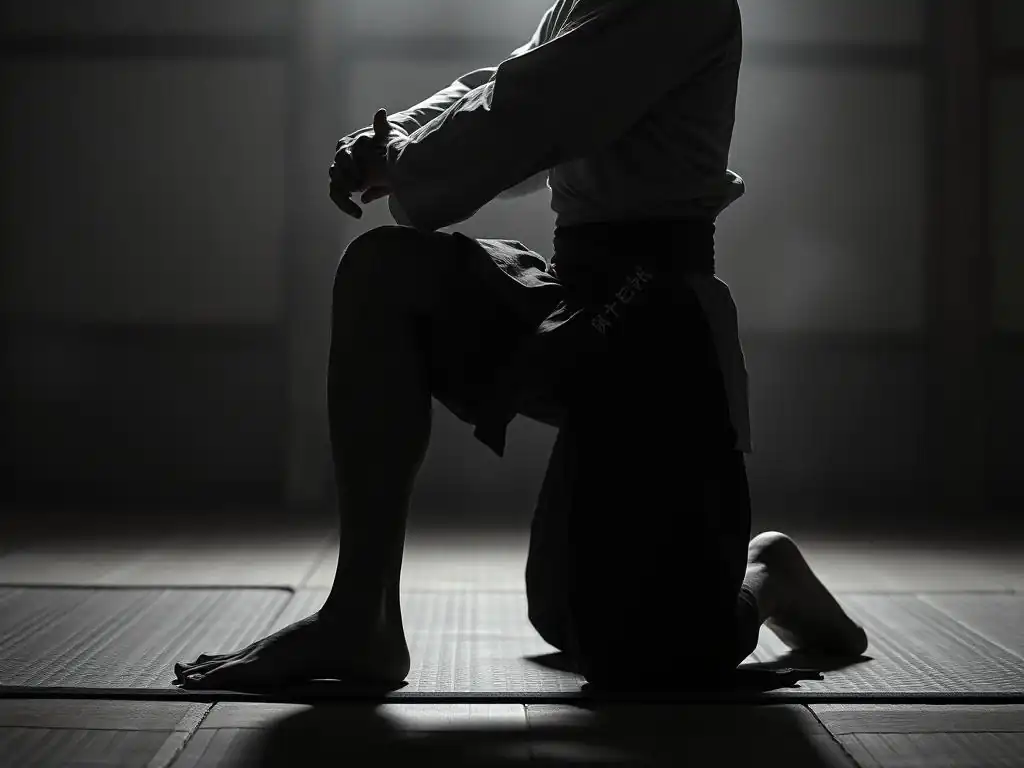
The learning process in grappling doesn't end when the referee raises a hand. Post-match analysis is crucial for identifying areas of improvement, and this includes a critical look at the mental and psychological aspects of the performance. Reflecting on how one handled pressure, responded to adversity, and executed their mental game plan provides invaluable insights for future development.
Analyzing both victories and defeats from a psychological perspective allows a grappler to understand what worked, what didn't, and why. This self-awareness is key to refining strategies and building a stronger mindset for submission grappling.
Reviewing Your Mental Performance
After a match, take time to honestly review your psychological performance. Ask yourself:
- How did I feel before the match? Was I anxious or confident?
- Did I stick to my psychological game plan?
- How did I react when things went wrong (e.g., opponent got a dominant position, submission attempt failed)?
- Did I panic in any submission attempts?
- Did I feel mentally fatigued at any point?
- How effective was my ability to apply psychological pressure?
Journaling these observations can help track patterns over time. For example, noticing a consistent pattern of panicking when opponents secure back control indicates a specific mental weakness to address.
Identifying Psychological Weaknesses to Improve
Based on the review, identify specific psychological weaknesses that need work. These might include:
- Lack of composure under specific types of pressure (e.g., heavy top pressure, aggressive stand-up).
- Difficulty maintaining focus late in matches.
- Becoming easily frustrated when techniques aren't working.
- Hesitation when initiating attacks.
- Overthinking during scrambles.
Once identified, these weaknesses can become targets for specific mental training exercises or adjustments in technical drilling. For instance, if panicking in side control is an issue, dedicate sparring rounds specifically to working from bottom side control, focusing solely on staying calm and executing the initial steps of the escape.
Adapting Strategy Based on Opponent Psychology
Analyzing opponents' psychological tendencies, either from direct competition or observation, is another layer of post-match analysis. Did they panic easily? Were they intimidated by aggressive starts? Did they fold under relentless pressure?
This information can inform future strategies. Knowing that a potential opponent struggles with leg lock defenses and shows clear signs of discomfort when their legs are attacked allows a grappler to build a game plan centered around exploiting that psychological vulnerability, reinforcing the importance of the mental game submission grappling at the strategic level.
Ethical Considerations in Psychological Warfare
While the term "psychological warfare" might sound aggressive, its application in submission grappling must always remain within the bounds of ethical conduct and sportsmanship. The goal is to gain a competitive advantage through strategic mental pressure and resilience, not through malicious intent or actions that risk the opponent's safety or well-being outside the inherent risks of the sport.
Maintaining respect for one's opponent is paramount. The intensity of the mental battle should enhance the competitive spirit, not devolve into personal attacks or unethical behavior.
Balancing Mental Tactics with Respect and Sportsmanship
Effective psychological tactics in grappling are about leveraging the inherent pressures of competition – controlling space, applying pressure, creating difficult situations – in a way that also impacts the opponent's mind. This is distinct from unsportsmanlike conduct like intentional verbal abuse, fake injuries, or dangerous fouling aimed at causing fear.
The line is drawn at actions that violate the rules, compromise safety, or disrespect the opponent as a fellow competitor. A hard crossface from top position is a legitimate physical technique with significant psychological impact; using racial slurs is not. The mental game in grappling thrives on pushing the boundaries of performance within a framework of mutual respect.
Avoiding Unethical or Dangerous Psychological Practices
Unethical psychological practices include any behavior designed solely to injure, humiliate, or cause distress beyond the scope of the competitive engagement. Examples might include:
- Intentionally cranking submissions past the tap.
- Using verbal threats or insults.
- Feigning injury to gain an advantage.
- Engaging in any behavior that violates the spirit or letter of the rules for psychological gain.
These practices undermine the integrity of the sport and are detrimental to the grappling community. True mastery of the mental game submission grappling involves achieving dominance through skill, pressure, and mental resilience, not through unethical means.
Case Studies: Legendary Grapplers and Their Mental Game
Examining the careers of legendary grapplers often reveals a common thread: exceptional technical skill combined with a formidable mental game. These athletes didn't just out-skill opponents; they often out-thought and out-willed them. Their approaches offer valuable lessons in developing one's own mindset for submission grappling.
Studying how these figures handled pressure, imposed their will, and leveraged psychological factors provides concrete examples of the principles discussed.
Rickson Gracie: Mental Fortitude and Intimidation
Rickson Gracie, renowned for his undefeated record in vale tudo and jiu-jitsu, was a master of psychological warfare. His approach was characterized by an aura of invincibility and intense, focused aggression from the outset. Opponents often reported feeling overwhelmed by his presence and the relentless, suffocating pressure he applied.
Rickson didn't rely on flashy techniques; his game was built on fundamental, high-percentage attacks executed with perfect timing and overwhelming pressure. This pressure wasn't just physical; it was deeply psychological, creating a sense of inevitability. His calm demeanor before matches, contrasted with his intensity once engaged, contributed to his intimidating presence. His mental fortitude was legendary; he rarely showed signs of discomfort or fatigue, projecting an image of unyielding control that often broke opponents' wills.
Marcelo Garcia: Calm Under Pressure and Strategic Thinking
Marcelo Garcia, a multiple-time ADCC and world champion, represents a different, yet equally effective, approach to the mental game submission grappling. Known for his innovative techniques and incredible back takes and rear naked chokes, Marcelo's psychological strength lay in his seemingly imperturbable calm and strategic brilliance under pressure.
While not overtly intimidating, Marcelo's relentless pursuit of dominant positions and submissions, combined with his ability to escape seemingly dire situations, created immense psychological pressure. Opponents knew he was always hunting for the finish, and his calm execution in chaotic scrambles was mentally frustrating. He rarely seemed flustered, even when defending submissions, projecting a quiet confidence that reflected his deep trust in his technique and preparation. His strategic thinking allowed him to constantly stay one step ahead, mentally wearing down opponents who struggled to keep up with his unpredictable yet highly effective attacks.
Developing Your Own Mental Game for Submission Grappling
Developing a strong mental game submission grappling is not something that happens automatically; it requires deliberate effort and training, just like physical technique. It involves self-awareness, practice, and integrating mental conditioning into your regular training routine.
This is a personalized journey. What works for one grappler might not work for another. Experimenting with different techniques and finding what helps you stay focused, resilient, and strategic is key.
Practical Exercises to Enhance Mental Toughness
Here are some practical exercises to build mental toughness:
- Positional Sparring from Disadvantage: Regularly start rolls in positions where you are typically uncomfortable or struggle (e.g., bottom side control, opponent has two hooks on your back). Focus solely on executing the correct defensive steps calmly, rather than panicking.
- Timed Pressure Drills: Practice maintaining intense, crushing pressure from dominant positions (mount, side control, back control) for extended periods (e.g., 2-3 minutes), even when physically tired. This builds tolerance for discomfort and teaches you to maintain focus under fatigue.
- Visualization Sessions: Dedicate 5-10 minutes daily to visualizing successful scenarios, executing techniques, and managing challenging situations calmly.
- Mindfulness and Breathing Exercises: Practice simple breathing techniques to help regulate your nervous system and stay present, especially when feeling anxious or overwhelmed.
- "What If" Scenarios: Mentally rehearse how you will respond to common match challenges (e.g., "What if my opponent pulls guard immediately? ", "What if I get caught in an armbar?"). Having a plan reduces uncertainty.
- Training When Tired: Occasionally train when you are physically or mentally fatigued to simulate the conditions of a tough, late-stage match and learn to push through.
Seeking Guidance from Mental Performance Coaches
Just as grapplers seek coaching for technical and physical development, working with a mental performance coach can be highly beneficial for developing the mental game submission grappling. These professionals specialize in helping athletes improve focus, manage anxiety, build confidence, and develop effective pre-competition routines and in-match strategies.
A mental performance coach can provide personalized tools and techniques tailored to your specific needs and challenges. They can help you identify limiting beliefs, develop positive self-talk strategies, and create a structured plan for mental training, accelerating your progress in this crucial area.
Creating a Personalized Mental Training Program
Based on self-assessment, reflection, and potentially guidance from a coach, develop a personalized mental training program. This program should outline specific goals, practices, and methods for tracking progress.
Your program might include:
- Daily visualization or mindfulness practice.
- Weekly positional sparring sessions focused on mental composure.
- Incorporating specific mental cues or affirmations into live rolling.
- Regular journaling of training experiences and competitive performances, focusing on mental aspects.
- Setting specific mental game goals for competition (e.g., "Stay calm for the first 30 seconds," "Focus on controlling my breathing from bad positions").
By integrating these practices consistently, you can systematically build the psychological strength necessary to complement your physical and technical skills, ultimately mastering the comprehensive mental game submission grappling demands for success on the mats.
Frequently Asked Questions
What is the "mental game" in the context of submission grappling?
The mental game refers to the psychological strategies and mental fortitude needed to outmaneuver your opponent. It involves controlling your anxiety, focusing your attention, and employing tactics to disrupt your opponent's focus and confidence.
Why is the mental aspect of submission grappling so important?
Physical skills are crucial, but the mental game can be a deciding factor in a match. A strong mental game allows you to perform optimally under pressure, exploit weaknesses, and maintain composure even when facing adversity.
How can I improve my mental toughness for submission grappling?
Techniques like visualization, positive self-talk, and mindfulness meditation can significantly improve mental toughness. Consistent training that simulates high-pressure situations is also essential.
What are some psychological tactics I can use during a submission grappling match?
You can use verbal cues to feign confidence or create doubt in your opponent, strategically control the pace of the match to wear them down, and exploit their emotional reactions to gain an advantage.
How does understanding the history and philosophy of martial arts contribute to the mental game?
Understanding the historical and philosophical underpinnings of martial arts provides a deeper sense of purpose and discipline. This cultivated inner strength translates into increased confidence and resilience during competition.
Okay, here's a final reflection crafted to fit your article "Psychological Warfare: The Mental Game of Catch Submissions," optimized for the keyword "Mental game submission grappling" and following your specified structure:
Final Reflection: Mastering the Mind in Submission Grappling
The intricate dance of submission grappling is more than just physical prowess; it's a battlefield of the mind, and understanding the mental game of submission grappling is now more crucial than ever. As the sport evolves, athletes are increasingly recognizing that technical skill alone is insufficient. The ability to anticipate, deceive, and exploit an opponent's mental state is the ultimate differentiator between victory and defeat.
The impact of psychological warfare in grappling extends far beyond the mat. It teaches us resilience, strategic thinking, and the importance of controlling our emotions under pressure – skills that are invaluable in all aspects of life. The mind is everything. What you think you become.
- Buddha. This quote perfectly encapsulates the power of mental fortitude, not only in grappling but in navigating the challenges of everyday existence.
Now, I challenge you to consider how you can apply these principles to your own training and life. Reflect on your mental approach to challenges, both on and off the mat. Cultivate a mindset of strategic thinking, emotional control, and unwavering belief in your abilities. By mastering the mental game, you unlock your full potential and transform yourself into a true force to be reckoned with.
Unleash Your Submission Game!
Thanks for exploring the mental battleground of catch submissions with us! Now that you've sharpened your understanding of the psychological game, it's time to put those insights into action.
- Commit to visualizing one catch submission technique each day before training, focusing on your opponent's likely reactions and your strategic counters.
- Share this article with a training partner and discuss how you can incorporate psychological strategies into your next sparring session.
- Challenge yourself to identify and document three mental weaknesses in your own submission game over the next week and brainstorm solutions to address them.
What specific psychological technique are you most excited to implement in your next grappling session to gain a competitive edge?