
Distance Traps: Partner Drills to Lure and Counter Based on Range


Welcome to Martial Arts Mastery, where we delve into the depths of combat wisdom. Are you ready to master the subtle art of controlling the fight before it even begins? Today, we're unlocking the secrets of effective distance trapping techniques in martial arts, starting with practical partner drills. Explore how to lure your opponent into precisely the range you desire, turning their aggression into your advantage. Intrigued? Dive in and discover the power of calculated aggression.
- Mastering Distance Trapping: An Introduction to Range Control in Martial Arts
- Effective Distance Trapping Techniques in Martial Arts: Luring Your Opponent
- Partner Drills for Developing Distance Trapping Skills: A Step-by-Step Guide
- Common Mistakes to Avoid When Practicing Distance Trapping
- Advanced Distance Trapping Strategies for Martial Arts Mastery
- The Mental Aspect of Distance Trapping: Anticipation and Awareness
- Conclusion: Elevating Your Martial Arts Game with Effective Distance Trapping
-
Frequently Asked Questions
- What exactly are distance trapping techniques in martial arts?
- How do partner drills help in mastering distance trapping?
- What are some of the benefits of learning effective distance trapping?
- How does understanding range contribute to effective distance trapping?
- Can these distance trapping techniques be applied across different martial arts styles?
- Final Reflection: Mastering the Art of Distance Control
- Ignite Your Fight IQ: Master the Range!
Mastering Distance Trapping: An Introduction to Range Control in Martial Arts
Understanding Range and Distance in Martial Arts Combat
Effective engagement in martial arts combat hinges significantly on a practitioner's understanding and manipulation of range and distance. Range refers to the physical space between combatants, dictating which techniques are viable at any given moment. Short range might involve grappling or close-quarters striking like elbows and knees, while medium range allows for punches and kicks, and long range is typically the space for footwork, feints, and setting up entries. Mastering this spatial awareness is not just about knowing your reach, but also your opponent's, and how the dynamic interplay of movement constantly shifts this critical parameter.
This nuanced understanding goes beyond simple measurement; it involves anticipating how both you and your opponent will move within that space. A skilled martial artist constantly assesses the distance, looking for opportunities to enter their preferred range for attack or exit their opponent's effective range for defense. This continuous evaluation allows for tactical decisions, such as closing distance for a takedown in wrestling or maintaining distance for powerful kicks in Taekwondo. Without this fundamental awareness, techniques, no as matter how powerful, are often ineffective because they are attempted from the wrong distance.
The Importance of Distance Trapping for Effective Striking and Defense
Distance trapping is a sophisticated aspect of range control that involves deliberately manipulating the distance to create specific reactions or openings in an opponent. It's not merely about being at the right distance, but actively engineering that distance to your advantage. This might involve feigning an attack to draw a retreat, thus creating space, or using footwork to invite an opponent to step in, setting them up for a counter. These effective distance trapping techniques martial arts practitioners use are crucial for overcoming defensive structures and landing significant strikes or initiating transitions.
Furthermore, effective distance trapping techniques in martial arts are vital for defense. By understanding how to trap an opponent at a certain distance, you can prevent them from entering their optimal range. For example, keeping a powerful puncher at a distance where only kicks are effective neutralizes their primary weapon. Conversely, preventing a grappler from closing distance keeps the fight standing, favoring a striker. This strategic control of engagement distance through trapping is a hallmark of advanced martial arts proficiency, allowing practitioners to dictate the terms of the exchange rather than merely reacting to their opponent's actions.
Effective Distance Trapping Techniques in Martial Arts: Luring Your Opponent
Luring with False Attacks: Setting the Trap
One of the most common and effective distance trapping techniques martial arts employs is the use of false attacks, or feints. A feint is a deceptive movement that mimics the beginning of a genuine attack but is not committed fully. The purpose is to elicit a defensive reaction from the opponent – perhaps a block, a parry, a step back, or a flinch.
This reaction momentarily exposes an opening or shifts their weight, creating an opportunity for a real attack that follows immediately. For instance, a quick jab feint might cause an opponent to raise their guard, leaving their body open for a follow-up hook or body shot delivered with full commitment.
The success of luring with false attacks lies in their realism and timing. A good feint must be convincing enough to draw a reaction but controlled enough that you remain balanced and ready to capitalize on the opponent's response.
Practitioners often use variations in speed and power for feints; a sharp, fast feint might draw a quick, reflexive block, while a slower, more deliberate feint could trick an opponent into anticipating a power shot and committing to a larger defensive movement. Mastering this requires significant practice and the ability to read how different feints affect specific opponents, making it a key component of effective distance trapping techniques martial arts training includes.
Manipulating Distance: Creating Opportunities for Counterattacks
Beyond feints, manipulating the actual physical distance is a fundamental distance trapping technique. This involves using footwork to subtly or overtly change the range, inviting a specific response from the opponent. For example, a practitioner might deliberately step just out of range of an opponent's attack, knowing it might entice the opponent to take an extra step forward to pursue, thereby overextending themselves and creating an opening for a counter. This requires precise footwork and timing, often involving subtle adjustments rather than large, obvious movements.
Another method of distance manipulation for trapping is to momentarily expose yourself slightly, creating the illusion of vulnerability at a specific range. This might involve slightly dropping a hand or leaving a line open for a split second, baiting the opponent to attack that perceived weakness. As they commit to the attack to exploit the opening, the practitioner is already prepared to defend and counter, using the opponent's forward momentum against them. These methods of strategic distance control are sophisticated effective distance trapping techniques martial arts experts utilize to turn defensive situations into offensive opportunities.
Partner Drills for Developing Distance Trapping Skills: A Step-by-Step Guide

Drill 1: The "Bait and Switch" - Closing the Distance with a Feint
This drill focuses on using a feint to draw a reaction and immediately follow with a committed attack, practicing the transition from perceived vulnerability to decisive action. It helps develop timing, speed, and the ability to read an opponent's defensive habits.
Step 1: Initial Stance and Distance Management
- Establish a comfortable fighting stance facing your partner.
- Maintain a medium-to-long range where a simple step forward is needed to enter striking distance.
- Both partners focus on relaxed readiness and observing each other's stance and balance.
- Goal: Practice maintaining tactical distance and observing opponent.
Step 2: The Feint Attack - Drawing the Opponent's Reaction
- Initiate a quick, realistic feint (e.g., a jab feint, a lead leg kick feint). Do not commit fully or step significantly into range yet.
- Your partner reacts naturally to the feint (e.g., raises guard, shifts weight, takes a small step back).
- Observe your partner's specific reaction closely.
- Goal: Execute a convincing feint and observe the opponent's defensive reaction.
Step 3: The Counter Strike - Capitalizing on the Opened Guard
- Immediately after the feint and observing the reaction, take the necessary step(s) to close the distance and launch a committed strike targeting the opening created by the feint.
- For example, if the feinted jab drew the guard high, follow with a body shot. If a kick feint drew a weight shift, attack the opposite side.
- Your partner practices reacting defensively to the initial feint and then absorbing or evading the follow-up strike (with control and safety gear).
- Repeat, switching roles.
- Goal: React quickly to the opponent's response to the feint and land a strategic follow-up strike.
Drill 2: The "Push and Pull" - Controlling the Range with Footwork
This drill emphasizes using subtle footwork to manipulate the distance, either pushing the opponent back or pulling them forward, to create opportunities for attack or defense. It hones precise movement and understanding of spatial dynamics.
Step 1: Establishing Dominant Footwork
- Begin at a comfortable sparring distance.
- Focus on maintaining a balanced, mobile stance.
- Practice subtle forward and backward steps, side steps, and angle changes without overcommitting.
- Goal: Develop fluid, controlled footwork that allows for quick changes in distance.
Step 2: Pushing the Opponent Back - Creating Space
- Use aggressive forward steps or feints that suggest you are entering range with force, without fully committing.
- The aim is to make the partner feel pressured and instinctively step backward to create space.
- As they step back, maintain your distance or follow just enough to keep them retreating, observing their balance and posture.
- Goal: Use movement to force the opponent backward, controlling the outer limits of the engagement range.
Step 3: Pulling the Opponent In - Exploiting Overextension
- From a safe distance, deliberately step just out of range or momentarily present a perceived opening.
- The aim is to entice the partner to step forward to attack or close the distance.
- As they step forward and potentially overextend, be ready to counter with a strike, trap, or movement to a better angle.
- This requires precise timing – countering as they enter or just after they commit.
- Repeat, switching roles and varying the tempo.
- Goal: Use movement or perceived openings to draw the opponent forward, setting them up for a counter.
Drill 3: The "Angle and Trap" - Using Lateral Movement to Create Openings
This drill integrates lateral movement with distance trapping, using angles to bypass the opponent's primary defense and create openings for attack. It builds skills in flanking and disrupting the opponent's centerline.
Step 1: Lateral Footwork and Angle Creation
- Begin at striking distance.
- Focus on using lateral steps (shuffling sideways, pivoting) to move off the direct line of attack.
- Aim to move to your partner's side, creating an angle where you are partially outside their lead shoulder or hip.
- Goal: Practice moving off the centerline while maintaining balance and readiness.
Step 2: Trapping the Lead Leg or Arm
- As you move to the angle, use a subtle movement or contact to 'trap' or occupy your partner's lead limb (leg or arm).
- This could be a light touch, a check, or positioning your body to restrict their movement on that side. Example: as you step off-line to their left, check their lead leg lightly with your lead leg, or use your lead hand to occupy their lead hand space.
- The trap doesn't need to be strong, just enough to momentarily disrupt their balance or prevent a quick reaction from that side.
- Goal: Use positional advantage or light contact to momentarily control or distract a lead limb.
Step 3: Delivering a Power Strike from the New Angle
- Immediately after creating the angle and initiating the trap, deliver a committed strike from your new position.
- Because you are off the centerline and their lead limb is potentially disrupted, strikes like hooks, round kicks, or attacks to the body from this angle are often highly effective.
- Your partner practices reacting to the angle change and trap, attempting to recover position or block the strike.
- Repeat, practicing moving to both sides and varying the strikes.
- Goal: Exploit the angle and temporary limb control to land a decisive strike.
Common Mistakes to Avoid When Practicing Distance Trapping
Telegraphing Your Intentions: The Importance of Deception
A significant pitfall when practicing effective distance trapping techniques martial arts involves is telegraphing your movements. Telegraphing occurs when you give away your intention to feint, trap, or attack through subtle cues before the movement begins. This could be a deep breath, tensing muscles, a shift in eye line, or a preparatory movement like winding up a punch.
Opponents who can read these cues will not fall for the trap and can easily counter your attempt. For instance, if your feint is always preceded by a noticeable dip of the shoulder, your partner will learn to ignore the shoulder dip unless it's followed by a real attack, rendering the feint useless as a trap.
To avoid telegraphing, focus on making all movements, whether feints or real attacks, look as similar as possible in their initial phase. Practice starting movements from a relaxed state, integrating feints seamlessly into your natural rhythm and footwork. This requires conscious effort during drills to eliminate unnecessary preparatory movements. Recording yourself or having a partner specifically look for your tells can be invaluable. The goal is to make your feints indistinguishable from the beginning of a genuine attack, forcing your opponent to react truthfully, which is the essence of successful effective distance trapping techniques martial arts relies on.
Over-Committing to the Trap: Maintaining Balance and Control
Another common error is over-committing to the distance trap itself, sacrificing balance and defensive readiness in the process. While a feint or distance manipulation needs to be convincing, it should never leave you vulnerable to an immediate counterattack if the opponent doesn't react as expected or launches an unexpected strike. For example, if you feint too aggressively or step too far out of position to draw a reaction, a quick opponent might simply attack the opening you've created rather than reacting to your trap. This turns your offensive trap into a defensive liability.
Maintaining balance and control means that even during a feint or a movement to manipulate distance, you must be able to instantly transition to defense, counter-attack, or retreat. Your weight should remain centered, and your guard should be maintained or easily recoverable. Drills should emphasize executing traps with minimal disruption to your base and posture. Think of it as presenting a question to your opponent while being fully prepared for any answer they might give, not just the one you hoped for. This controlled execution is vital for making effective distance trapping techniques martial arts safe and reliable tools.
Ignoring Defensive Openings: Protecting Yourself While Attacking
Focusing too intently on setting and springing a distance trap can lead practitioners to neglect their own defense. While attempting to lure an opponent, you might inadvertently create openings in your own guard or leave a limb exposed. A skilled opponent will recognize this and may choose to ignore your trap entirely, instead attacking the vulnerability you've presented. This is particularly dangerous as you are likely focused on your offensive setup and may not be fully prepared to defend against an attack on your weak point.
Effective distance trapping techniques martial arts require a balance between offense and defense. When practicing traps, always maintain awareness of your own defensive posture. Is your opposite hand still protecting your head while you feint with the lead? Are you maintaining a strong structure while manipulating distance? Partner drills should include the partner occasionally launching unexpected attacks to test the practitioner's defensive readiness during the trapping process. Learning to manage risk while attempting to create opportunity is a crucial layer of skill in mastering distance trapping.
Advanced Distance Trapping Strategies for Martial Arts Mastery
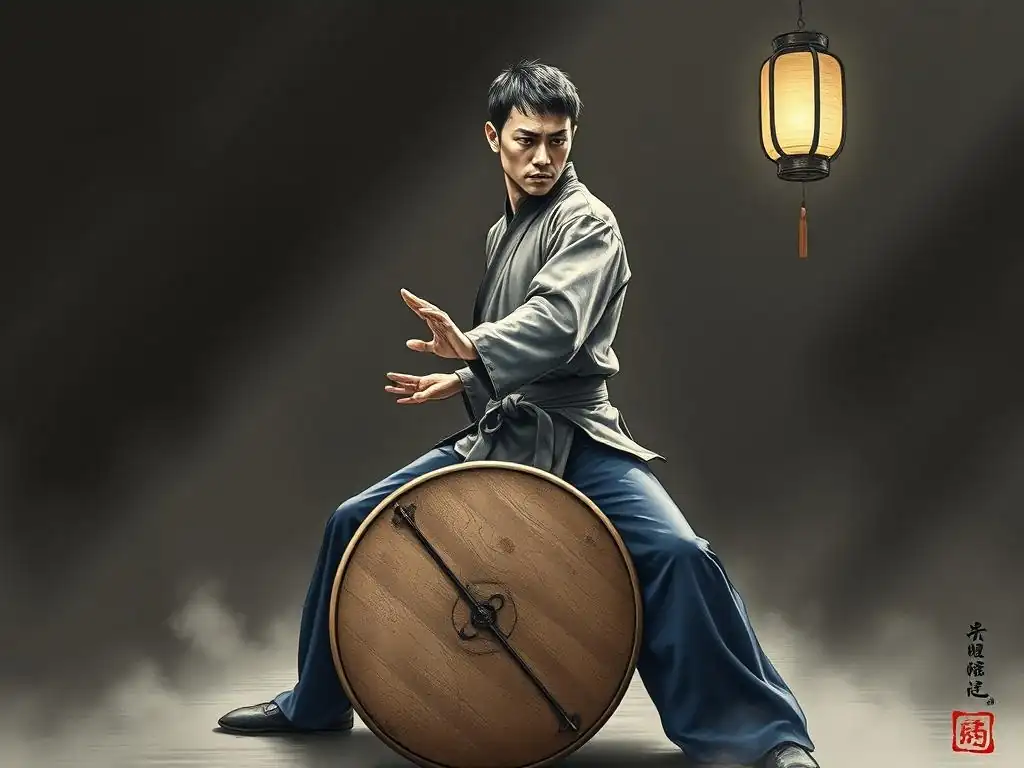
Combining Distance Trapping with Different Striking Combinations
Once the fundamental effective distance trapping techniques martial arts teaches are understood, the next step is integrating them seamlessly into complex striking combinations. A simple feint-to-strike is effective, but combining distance manipulation with multi-strike sequences becomes far more difficult for an opponent to defend. For instance, a retreat that draws an opponent forward might be followed by a check hook and then a low kick, using their momentum and disrupted balance from closing distance against them across multiple targets.
Advanced practitioners use distance traps as the entry or set-up for combinations. A lead leg feint that causes a slight defensive shift might be the signal to launch a three-punch combination targeting different levels. The key is that the trap isn't just a single action, but the catalyst for a series of coordinated strikes designed to overwhelm the opponent's defense once the trap has created the initial opening. Mastering this requires extensive practice to make the transition from trap to combination fluid and powerful, allowing for dynamic and unpredictable attacks.
Adapting Distance Trapping Techniques to Various Martial Arts Styles
While the core principles of distance trapping – manipulating range and luring reactions – are universal, their application varies significantly across different martial arts styles. A boxer might use subtle footwork and head movement to create angles and draw reactions, relying on fast hand combinations. A Taekwondo practitioner might use variations in distance and feinted kicks to set up powerful, committed kicks. A Wing Chun practitioner uses specific trapping hands and short-range movements once inside the opponent's space.
Understanding these stylistic differences allows for adapting effective distance trapping techniques martial arts from various backgrounds employ. Someone cross-training might incorporate the angular footwork of boxing to set up Karate strikes, or use the hand traps of Wing Chun to create openings for Muay Thai elbows. The core concept remains: control the distance and elicit a response. However, the specific mechanics used to achieve this will be colored by the style's preferred range, weapons (hands, feet, throws), and defensive structures. Analyzing how different masters in various styles use range control provides deep insight into the versatility of distance trapping.
The Mental Aspect of Distance Trapping: Anticipation and Awareness
Developing a Keen Sense of Timing and Rhythm
Effective distance trapping techniques martial arts relies heavily on are not purely physical; they are deeply rooted in mental skills, particularly timing and rhythm. Timing is the ability to execute a technique at the precise moment it will be most effective – for a trap, this means feinting just as the opponent is settling into a rhythm or stepping, or countering the instant they commit forward. Rhythm is the flow of the exchange, the back-and-forth of movement and attacks. By understanding and subtly disrupting the opponent's rhythm, a practitioner can create openings for traps.
Developing this sense requires countless hours of sparring and drilling. It's about learning to feel the flow of combat, recognizing patterns in an opponent's movements, and sensing when they are most susceptible to a deceptive action or a sudden change in distance. It's less about conscious thought and more about developing an intuitive feel, often referred to as mushin (no mind) in some traditions, where reactions become automatic and perfectly timed based on awareness rather than deliberation. This intuitive timing is what separates a good distance trapper from a master.
Reading Your Opponent's Movements and Intentions
Crucial to the success of any distance trap is the ability to read your opponent. This involves observing their stance, weight distribution, breathing, eye movements, and subtle shifts in posture. These cues can reveal their intentions, predict their likely reactions to a feint, or indicate when they are vulnerable to a specific type of distance manipulation. For example, an opponent who consistently shifts their weight heavily onto their back leg when you step forward is likely susceptible to feints that draw a retreat, opening up their lead side.
Reading an opponent is an ongoing process throughout the exchange. It's not just about observing static tells, but understanding their dynamic responses in real-time. How do they react to speed? To pressure? To retreat? By constantly processing this information, a practitioner can adapt their distance trapping techniques martial arts training has prepared them for, tailoring the trap to exploit that specific opponent's habits and reactions. This level of awareness and analytical skill is a key component of advanced martial arts strategy and makes distance trapping a potent weapon.
Conclusion: Elevating Your Martial Arts Game with Effective Distance Trapping
Integrating Distance Trapping into Your Sparring and Training Regimen
To truly master effective distance trapping techniques martial arts offers, they must be integrated into every aspect of your training. Start with dedicated partner drills focusing solely on the mechanics of feints, distance manipulation, and capitalizing on reactions, as outlined in the drills above. Gradually increase the intensity and unpredictability of these drills. Once comfortable, begin incorporating these trapping concepts into light sparring, specifically focusing on using feints and footwork to create opportunities rather than just reacting or attacking directly.
As proficiency grows, weave distance trapping into more realistic sparring scenarios. Actively look for moments to apply a bait-and-switch, a push-and-pull, or an angle trap. Don't be discouraged if traps don't work initially; learning to read reactions and refine execution takes time. Consistent practice in a controlled environment, followed by application in sparring, is the pathway to making distance trapping a natural and effective part of your combat repertoire. It transforms your approach from purely offensive or defensive to strategically manipulative.
Continuous Improvement: Refining Your Distance Trapping Skills
Mastering effective distance trapping techniques martial arts is a lifelong journey of refinement. There is always more to learn about reading opponents, developing subtler feints, and integrating traps with an ever-wider array of techniques. Seek feedback from training partners and instructors. Analyze footage of your sparring to identify missed opportunities or telegraphing habits. Study how masters of different styles utilize range control and trapping.
Continuously challenge yourself by practicing against partners with different styles, reactions, and physical attributes. A technique that works against a defensive opponent might need significant adaptation against an aggressive one. Refining your distance trapping skills means constantly experimenting, learning from failures, and sharpening your awareness. It's this dedication to continuous improvement that elevates a practitioner from merely knowing techniques to truly mastering the art of controlling the fight through sophisticated range manipulation and deception.
Frequently Asked Questions
What exactly are distance trapping techniques in martial arts?
Distance trapping techniques are strategies used to control an opponent's range and draw them into a vulnerable position, allowing for effective counters. They involve manipulating distance to create openings.
How do partner drills help in mastering distance trapping?
Partner drills provide a safe and controlled environment to practice judging distance, timing, and reacting to an opponent's movements. This allows for realistic application of trapping techniques.
What are some of the benefits of learning effective distance trapping?
Mastering distance trapping offers improved self-defense capabilities, enhanced strategic thinking in combat, and a greater understanding of range management in martial arts.
How does understanding range contribute to effective distance trapping?
Knowing the different ranges (long, medium, close) and how to transition between them is crucial for setting up traps. It helps you control the engagement and dictate the flow of the fight.
Can these distance trapping techniques be applied across different martial arts styles?
While the specific techniques may vary, the underlying principles of distance manipulation and trapping are applicable across many martial arts, requiring adaptation and modification to fit the specific style.
Final Reflection: Mastering the Art of Distance Control
The exploration of distance trapping techniques in martial arts, as we've seen, is not merely about physical prowess; it's about understanding and manipulating the very space between combatants. The ability to effectively control distance is a cornerstone of martial arts mastery, and its relevance extends far beyond the dojo, influencing our understanding of strategy, timing, and control in various aspects of life.
This intricate dance of approach and evasion has shaped the evolution of countless martial arts styles, each offering unique solutions to the challenge of range. The study of these techniques has been a journey into the heart of tactical thinking, revealing the profound impact that subtle adjustments in distance can have on the outcome of a confrontation. The supreme art of war is to subdue the enemy without fighting.
- Sun Tzu. This quote encapsulates the essence of distance trapping: to control the engagement before it even begins, minimizing risk and maximizing opportunity.
Now, consider how these principles of distance control can be applied beyond the physical realm. How can you create "distance" from negative influences, or "trap" opportunities by strategically positioning yourself? Embrace the awareness of space, timing, and control that these martial arts techniques embody. Let the lessons learned here empower you to navigate the complexities of life with greater precision, foresight, and ultimately, mastery.
Ignite Your Fight IQ: Master the Range!
Thanks for diving into the art of distance control! Now that you've unlocked these range-based partner drills, it's time to put that knowledge into action and sharpen your martial arts game. Let’s elevate your mastery!
- Immediately start incorporating these drills into your training sessions. Focus on mastering the transitions between ranges and identifying your opponent's tendencies.
- Share this article with your training partners and spark a collaborative learning environment. Discuss different strategies and adapt the drills to suit your specific styles.
- Experiment with adding variations to these drills. Introduce feints, changes in rhythm, or unexpected attacks to further challenge your reactions.
Which distance drill will you implement first to revolutionize your sparring sessions?