
The Evolution of Tai Chi: From Chen Village to Its Myriad Styles

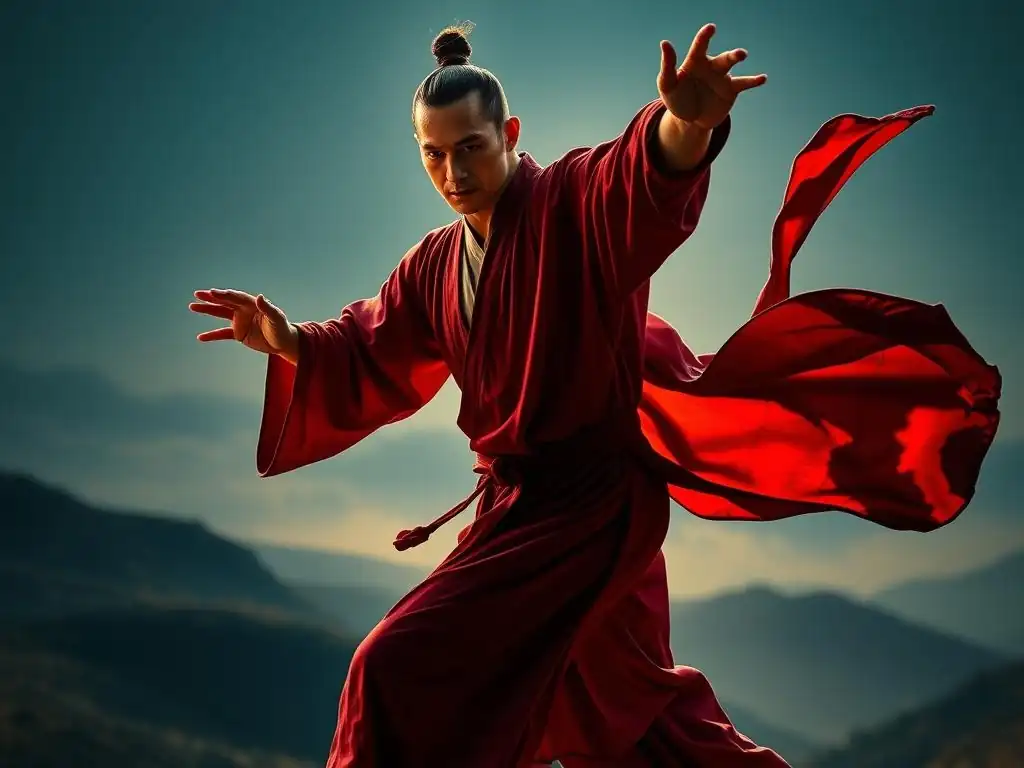
Welcome to Martial Arts Mastery, where we delve into the rich tapestry of combat traditions! Ever wondered how the serene movements of Tai Chi blossomed from its powerful origins? This article uncovers the fascinating journey of Tai Chi evolution styles, tracing its lineage from Chen Village to the diverse forms practiced worldwide. Discover the masters, the influences, and the pivotal moments that shaped this art – and prepare to see Tai Chi in a whole new light. Intrigued? The story begins now...
- Introduction: Tracing the Roots of Tai Chi Chuan
- Chen Style Tai Chi: The Foundation
- Yang Style Tai Chi: Popular Transformation
- Wu Style Tai Chi: Gentle Movements and Joint Health
- Sun Style Tai Chi: Combining Tai Chi with Xingyi and Bagua
- Hao Style Tai Chi: Internal Focus
- Modern Tai Chi: Health Benefits and Adoption
- Tai Chi Styles: A Comparative Overview
- Philosophical Underpinnings
- Influential Figures
- Conclusion: Enduring Legacy
-
Frequently Asked Questions
- How did Tai Chi originate, according to MartialArtsMastery.org?
- What are some of the major styles of Tai Chi that have evolved from the Chen style?
- What are some key differences between the major Tai Chi styles?
- Besides physical techniques, what other aspects of Tai Chi does MartialArtsMastery.org explore?
- How can MartialArtsMastery.org help someone learn more about Tai Chi for self-defense?
- Final Reflection: Embracing the Flow of Change
- Embrace the Flow: Begin Your Tai Chi Journey Today!
Introduction: Tracing the Roots of Tai Chi Chuan
Understanding the Origins of Tai Chi: Chen Village and Early Development
The martial art known today as Tai Chi Chuan, or Tàijí quán, traces its generally accepted origins back to Chen Village (Chenjiagou) in Henan Province, China. While legends abound, historical consensus points to Chen Wangting (1580-1660) as the key figure in synthesizing existing martial arts, philosophical concepts, and traditional Chinese medicine principles into a cohesive system during the late Ming Dynasty.
Living during a tumultuous period marked by conflict and social change, Chen Wangting, a retired military officer, is believed to have drawn upon his extensive combat experience, knowledge of classical texts like the I Ching (Book of Changes), and local martial traditions. This early system, often referred to as Laojia (Old Frame), laid the groundwork for the entire Tai Chi evolution styles trajectory.
Chen Wangting's system was initially a family secret, passed down through generations within Chen Village. Early practice focused heavily on martial applications, incorporating explosive power (發勁, fājìn) and dynamic movements alongside softer, yielding techniques. Historical accounts suggest the system included forms, push hands ( Tuishou), and weapon training.
While precise records from the 17th century are scarce, later documents and family histories describe forms with over 100 movements, emphasizing coiled power and silk reeling energy ( Chansijin). This foundational work in Chen Village was the crucible from which all subsequent Tai Chi evolution styles would eventually emerge, adapting and refining these initial principles.
Tai Chi Styles: A Journey Through Time
The initial development in Chen Village remained relatively obscure outside the family for centuries. It wasn't until the 19th century that Tai Chi began its journey beyond the village walls, primarily through the efforts of Yang Luchan, who traveled to Chen Village to learn the art. His subsequent adaptations and teachings in Beijing marked the first significant branching point in the Tai Chi evolution styles. This period saw the art transition from a strictly martial, family-bound practice to something accessible to a wider audience, including members of the imperial court.
The subsequent decades witnessed further diversification as students and masters developed their own interpretations and refinements based on Yang Luchan's teachings or returned to study the evolving Chen style. This led to the emergence of major lineages such as Wu/Hao, Wu, and Sun styles, each emphasizing different aspects of the original art – some focusing on health, others on martial efficacy, and yet others integrating principles from other internal martial arts like Xingyi Quan and Bagua Zhang.
Understanding these distinct Tai Chi evolution styles provides insight into the art's adaptability and its multifaceted nature, catering to diverse goals from combat readiness to therapeutic exercise.
Chen Style Tai Chi: The Foundation
Chen Wangting: Credited Founder
As mentioned, Chen Wangting is widely credited with establishing the foundational system of Tai Chi Chuan in Chen Village. Born during the late Ming Dynasty, a period of significant upheaval in China, his background as a military commander and his eventual retirement provided the context for synthesizing his knowledge. He is believed to have combined his extensive experience in various martial arts, including spear and staff techniques, with the philosophical principles of Yin and Yang and the Five Elements, along with traditional Chinese medical theories concerning Qi (vital energy) and meridians.
Chen Wangting's creation wasn't just a collection of techniques; it was a sophisticated system integrating physical training, internal cultivation, and strategic thinking. The forms he developed were complex, featuring alternating periods of slow, flowing movements with sudden bursts of power ( fājìn), winding, spiral motions ( Chansijin), and low stances. While direct historical treatises from his hand are rare, later generations compiled texts and oral traditions attributing key forms and principles to him, solidifying his place as the progenitor of the art and the starting point for all Tai Chi evolution styles.
Key Characteristics: Power and Silk Reeling
Chen style Tai Chi is characterized by its dynamic contrast: slow, continuous movements interspersed with explosive power releases ( fājìn) and agile footwork, including jumping and stomping. Unlike later styles that softened these aspects, Chen style retains a strong emphasis on martial application and physical conditioning. A defining feature is Chansijin, or "silk reeling energy," which describes the spiraling, coiling, and uncoiling movements that originate from the core and extend through the limbs. This spiraling motion is fundamental to generating power, maintaining balance, and executing techniques.
The practice involves rotating the joints and muscles in specific, interconnected patterns, akin to unwinding silk from a cocoon. This develops internal strength, coordination, and the ability to channel force efficiently. The forms often feature low stances, requiring significant leg strength and flexibility. The integration of fājìn means that practitioners learn to suddenly release accumulated internal energy, making Chen style visually and physically more demanding than many other Tai Chi evolution styles. This powerful yet intricate methodology reflects its origins as a highly effective martial art.
Chen Style Forms: Exploring the Original Sequences
The original forms attributed to Chen Wangting are often referred to as Laojia (Old Frame). The most prominent Laojia sequences are Laojia Yilu (Old Frame First Form) and Laojia Erlu (Old Frame Second Form), also known as Paochui (Cannon Fist). Laojia Yilu is a long form, traditionally comprising 74 or 75 movements depending on the lineage, focusing on the core principles of Chansijin, foundational postures, and the integration of soft and hard. It builds the fundamental structure and energy flow.
Laojia Erlu, or Paochui, is shorter and more dynamic, emphasizing explosive power, rapid movements, and complex footwork. It is a more advanced form that trains the application of fājìn and martial techniques. Over time, other forms developed within the Chen lineage, such as Xinjia (New Frame) forms developed by Chen Fake (1887-1957), which further refined and expanded upon the Laojia sequences, introducing even more intricate Chansijin patterns and fājìn. These traditional forms remain central to understanding the original intent and physical demands of the earliest of the Tai Chi evolution styles.
Yang Style Tai Chi: Popular Transformation
Yang Luchan: Spread Beyond Chen Village
Yang Luchan (1799-1872), originally named Yang Fuku, is the pivotal figure responsible for bringing Tai Chi out of Chen Village and introducing it to a wider public, particularly in Beijing. Legend says he disguised himself as a servant to gain entry into the Chen family compound and secretly learn the art.
Regardless of the exact details, his dedication allowed him to master the Chen style. Recognizing the need to adapt the art for a different environment and audience – less focused on village-level martial prowess and more on health and gentle exercise for the imperial court and gentry – Yang Luchan began to modify the forms he learned.
His teachings outside Chen Village were initially referred to as Yang-style Lao Jia (Yang Family Old Frame), but over time, his adaptations led to a distinct system. His reputation grew, earning him the moniker "Yang Wudi" (Unbeatable Yang) for his martial skill. By teaching openly in Beijing, he broke the tradition of secrecy, paving the way for Tai Chi's spread across China and eventually the world. His pioneering efforts were crucial in shifting Tai Chi from an obscure family art to one of the most recognized Tai Chi evolution styles.
Adapting Chen Style: Softening and Simplification
Yang Luchan's primary contribution to the Tai Chi evolution styles was the gradual softening and simplification of the Chen style. He removed the more obvious explosive fājìn, the low stances, and the jumping/stomping movements, making the practice smoother, more continuous, and physically less demanding. This adaptation made the art more accessible to individuals of varying physical conditions, including the elderly and those seeking health benefits rather than rigorous martial training.
The focus shifted towards slow, even movements, emphasizing relaxation, rootedness, and the continuous flow of Qi. While the underlying principles of silk reeling and internal energy remained, their external manifestation became less pronounced. This transformation was further refined by his son, Yang Banhou (1837-1892), and grandson, Yang Chengfu (1883-1936). Yang Chengfu, in particular, standardized the "Large Frame" (Dajia) Yang style that is most commonly practiced today, promoting a posture that is upright, relaxed, and expansive, solidifying Yang style's place among the dominant Tai Chi evolution styles.
Yang Style Forms: Widely Practiced
The most iconic representation of Yang style is the Large Frame form standardized by Yang Chengfu. This form is characterized by its gentle, expansive, and evenly paced movements. It typically contains between 85 and 150 movements depending on the specific lineage and counting method, taking roughly 20-30 minutes to perform. Yang Chengfu's version removed the more overt martial applications and focused on the health and meditative aspects, making it extremely popular for general well-being.
Other forms exist within the Yang lineage, including the Small Frame (Xiaojia) associated with Yang Banhou, which retains more of the compact, martial flavor of the earlier adaptations, though it is less commonly seen globally than Yang Chengfu's Large Frame. The sheer accessibility and perceived health benefits of the Yang Chengfu Large Frame led to its widespread adoption, making it arguably the most practiced of all Tai Chi evolution styles worldwide and the form most people visualize when they hear the term "Tai Chi."
Wu Style Tai Chi: Gentle Movements and Joint Health
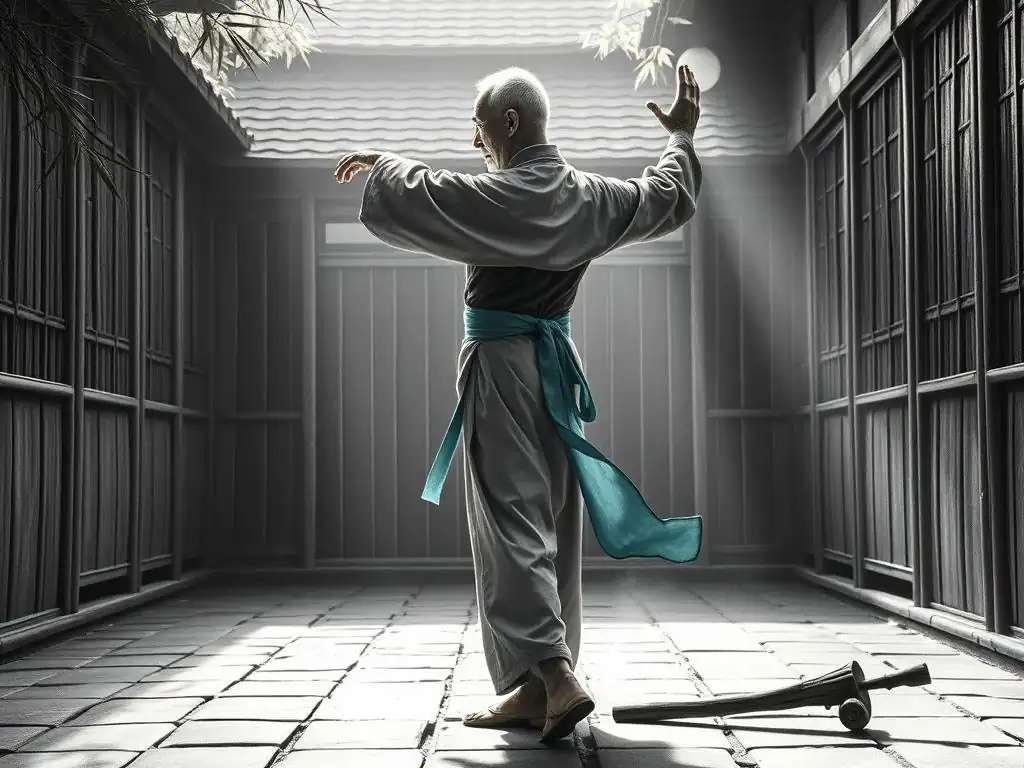
Wu Jianquan: Refinement of Yang Style
Wu Jianquan (1870-1942) was a prominent student of Yang Banhou, the second son of Yang Luchan. Building upon the Yang family's adaptations, Wu Jianquan further refined the style, creating what is now known as Wu style Tai Chi.
While sometimes confused with the Wu/Hao style (which has a different lineage), Wu Jianquan's style is a direct descendant of Yang family Tai Chi, specifically Yang Banhou's Small Frame. Wu Jianquan, along with his father Wu Quanyou (1834-1902), who was also a student of Yang Luchan and Yang Banhou, played a significant role in developing and popularizing this distinct branch of the Tai Chi evolution styles.
Wu Jianquan established training academies in Shanghai and Hong Kong, spreading his refined version of the art. His style is characterized by its subtle, compact movements and a slight forward lean in the posture, which is unique among the major Tai Chi evolution styles. He emphasized sensitivity, balance, and the internal flow of energy, making the physical movements appear effortless and graceful. His contributions were essential in shaping Wu style into the gentle yet internally focused system practiced by millions today.
Wu Style Principles: Small Circles and Neutral Posture
Wu style Tai Chi emphasizes small, intricate circular movements rather than the large, expansive circles of Yang style or the dynamic coiling of Chen style. The focus is on precision, control, and the continuous flow of energy within a compact framework. The unique characteristic of a slight forward lean from the ankles (without breaking at the waist) is maintained throughout the form, contributing to a sense of groundedness and readiness. This posture promotes correct alignment and encourages relaxation in the upper body.
The style places significant importance on maintaining a neutral, central equilibrium, from which all movements originate and return. This fosters stability and the ability to neutralize incoming force. The movements are performed slowly and smoothly, promoting joint health and flexibility. The emphasis on subtle internal adjustments and small circles makes Wu style particularly effective for developing sensitivity and internal power, representing a distinct path in the Tai Chi evolution styles.
Wu Style Forms: Grace and Accessibility
The primary form in Wu style is the long form, often containing around 108 movements, derived from Yang Banhou's Small Frame. It is performed with consistent, slow, and continuous motion, characterized by the small circles and the slight forward lean. Compared to Yang style, the movements are more compact, and the transitions can be more intricate, requiring precise coordination.
There are also shorter, more accessible forms, such as the 37-movement form popularized by Wu Yinghua (Wu Jianquan's daughter) and Ma Yueliang (Wu Jianquan's son-in-law). These shorter forms retain the core principles of the long form but are easier to learn and practice, making Wu style accessible to a wide range of practitioners seeking health benefits and internal cultivation. The grace and fluidity of Wu style forms are highly valued, offering a unique aesthetic among the Tai Chi evolution styles.
Sun Style Tai Chi: Combining Tai Chi with Xingyi and Bagua
Sun Lutang: Integration of Internal Martial Arts
Sun Lutang (1861-1933) was a highly accomplished martial artist who first mastered Xingyi Quan and Bagua Zhang before studying Tai Chi Chuan under Hao Weizhen (who practiced the Wu/Hao style). Sun Lutang was unique in his ability to synthesize the core principles of these three major internal martial arts – Tai Chi, Xingyi, and Bagua – into a cohesive and distinct style bearing his name. His profound understanding of internal energy, body mechanics, and martial strategy from multiple disciplines allowed him to create a system that is both deeply rooted in internal principles and highly effective.
Sun Lutang's background gave him a unique perspective on Tai Chi. He viewed it not just as a standalone art but as part of a broader family of internal practices. His synthesis resulted in a style that incorporates the smooth, circular movements of Tai Chi, the linear, explosive power of Xingyi, and the evasive, circular footwork of Bagua. This intelligent integration sets Sun style apart from other Tai Chi evolution styles, reflecting his mastery across multiple high-level internal systems.
Sun Style Characteristics: Lively Steps and Close Following
Sun style Tai Chi is known for several unique characteristics. One prominent feature is the "open-and-close" (Kai He) principle that permeates every movement, reflecting the continuous expansion and contraction of energy. Another hallmark is the "lively step" or "follow step" ( Huobu), where one foot follows the other closely, maintaining continuous contact with the ground. This unique footwork contributes to the style's agility, rootedness, and the ability to rapidly advance or retreat.
The movements are generally higher in stance than Chen or traditional Yang styles, making it less physically demanding on the legs. Sun style places a strong emphasis on the integration of mind, intention ( Yi), and body, with movements flowing seamlessly from one posture to the next. The incorporation of Xingyi's straightforward power and Bagua's circular evasiveness gives Sun style a distinct flavor among the Tai Chi evolution styles, emphasizing fluidity, agility, and internal cultivation.
Sun Style Forms: Health and Balance
The primary form developed by Sun Lutang is the long form, often cited as having 98 postures, though variations exist. This form embodies the synthesis of the three internal arts, featuring smooth, flowing movements interspersed with more direct, powerful actions reminiscent of Xingyi and subtle changes of direction akin to Bagua. The focus is on cultivating internal energy, promoting balance, and integrating the body's structure with the mind's intent.
Like other styles, shorter, more accessible forms have been developed based on Sun Lutang's original teachings. For instance, the widely practiced 73-movement competition form and various simplified health forms are derived from the Sun style. These forms retain the characteristic lively step and the emphasis on Kai He, making Sun style a popular choice for those seeking a blend of internal cultivation, health benefits, and dynamic movement within the spectrum of Tai Chi evolution styles.
Hao Style Tai Chi: Internal Focus
Hao Weizhen: Importance of Internal Energy (Qi)
Hao style, also known as Wu/Hao style (to distinguish it from Wu Jianquan's style), traces its lineage back to Wu Yuxiang (1812-1880), a scholar from Yongnian county who studied with Yang Luchan and later with Chen Qingping (a master of Chen village's Zhaobao Tai Chi, a related but distinct branch). Wu Yuxiang's teachings were passed to his nephew Li Yiyu (1833-1892), and then to Hao Weizhen (1849-1920). Hao Weizhen was instrumental in systematizing and popularizing this branch, leading to it often being named after him.
Hao Weizhen, a highly educated scholar like Wu Yuxiang and Li Yiyu, placed a strong emphasis on the theoretical underpinnings of Tai Chi, particularly the classical texts and the cultivation of internal energy ( Qi). The lineage focused intensely on the subtle internal mechanics and the integration of mind and body, sometimes at the expense of overt physical expression. Hao Weizhen's legacy cemented the style's reputation for its deep internal focus within the landscape of Tai Chi evolution styles.
Hao Style Principles: Structure and Intent
Hao style Tai Chi is characterized by its compact, subtle movements and a strong emphasis on maintaining a precise, upright central equilibrium. The external movements appear minimal, often performed within a small frame, but they are guided by profound internal principles. The focus is on using the mind ( Yi) to lead the Qi, and the Qi to lead the body. Every movement originates from the waist and is rooted through the legs, with the upper body remaining relaxed and sensitive.
The style emphasizes maintaining a constant, subtle internal connection throughout the body. Transitions between postures are seamless, and the energy is kept contained and centered. Unlike styles with overt power releases or large movements, Hao style cultivates internal strength through subtle adjustments and focused intent. This deep internal cultivation distinguishes it among the Tai Chi evolution styles, making it particularly appealing to practitioners interested in the theoretical and energetic aspects of the art.
Hao Style Forms: Highly Internal
The primary form in Hao style is derived from Wu Yuxiang's original teachings. It is typically a long form, often containing around 108 movements, similar in length to other traditional styles but performed with a distinct internal emphasis. The external appearance is relatively uniform and understated, lacking the dramatic shifts seen in Chen style or the expansive gestures of Yang style.
The practice of Hao style forms requires intense mental focus and internal awareness. Practitioners concentrate on the flow of Qi, the connection of joints, and the subtle shifts of weight and balance. Due to its emphasis on internal refinement over external demonstration, Hao style is less widely practiced globally compared to Yang or Chen styles. However, its practitioners value its depth and effectiveness in cultivating internal energy and structural integrity, representing a unique and profound branch among the Tai Chi evolution styles.
Modern Tai Chi: Health Benefits and Adoption
Tai Chi for Health: Scientific Studies
In the latter half of the 20th century and into the 21st, Tai Chi has gained significant recognition worldwide not just as a martial art but as a powerful practice for health and well-being. Numerous scientific studies have explored its benefits. For example, research published in journals like the New England Journal of Medicine (2010) and JAMA Internal Medicine (2013) have demonstrated Tai Chi's effectiveness in improving balance and reducing falls in older adults by as much as 47.6%.
Studies have also shown positive impacts on chronic conditions. A review of 40 studies involving 3,817 participants, published in the British Journal of Sports Medicine (2015), found that Tai Chi can help manage conditions such as heart disease, hypertension, and type 2 diabetes. It has been shown to improve cardiovascular function, lower blood pressure by an average of 5-10 mmHg, and improve glucose control.
Furthermore, research indicates Tai Chi can reduce stress, anxiety, and depression, and improve quality of life for individuals with conditions like fibromyalgia and Parkinson's disease. This growing body of scientific evidence underpins the modern perception of Tai Chi evolution styles as health practices.
Simplified Tai Chi Forms: Accessibility
To make Tai Chi accessible to a broader population, particularly for health purposes, various simplified forms have been developed. The most famous is the 24-movement Simplified Tai Chi form (also known as the Beijing 24 Form), created in 1956 by the Chinese National Sports Committee. This form is a compilation of movements primarily drawn from Yang style, designed to be easy to learn and practice. It significantly shortened the traditional long forms, making it suitable for group practice and public health promotion.
Other simplified forms exist, such as the 42-movement Competition form (integrating movements from Yang, Chen, Wu, and Sun styles), and various 8, 16, or 32-movement forms tailored for specific populations or health goals. These simplified Tai Chi evolution styles retain the core principles of slow, continuous movement, relaxation, and mind-body connection, while removing the complexity and overt martial applications of the traditional long forms. Their creation was a crucial step in Tai Chi's transformation into a global health phenomenon.
Global Spread: Cultural Phenomenon
From its origins in a single village in China, Tai Chi has spread to become a global cultural phenomenon. Millions of people practice Tai Chi daily in parks, studios, and community centers across the world. Its spread was facilitated by emigration from China, particularly after the mid-20th century, and by the increasing Western interest in Eastern philosophies, martial arts, and health practices. The accessibility of simplified forms played a major role in its international adoption.
Today, Tai Chi is practiced in virtually every country, transcending cultural and linguistic barriers. It is taught in diverse settings, from community colleges and senior centers to hospitals and corporate wellness programs. International competitions and seminars further promote its study and development. This global reach demonstrates the universal appeal of Tai Chi's principles and benefits, highlighting how the Tai Chi evolution styles have adapted and thrived far beyond their original context.
Tai Chi Styles: A Comparative Overview
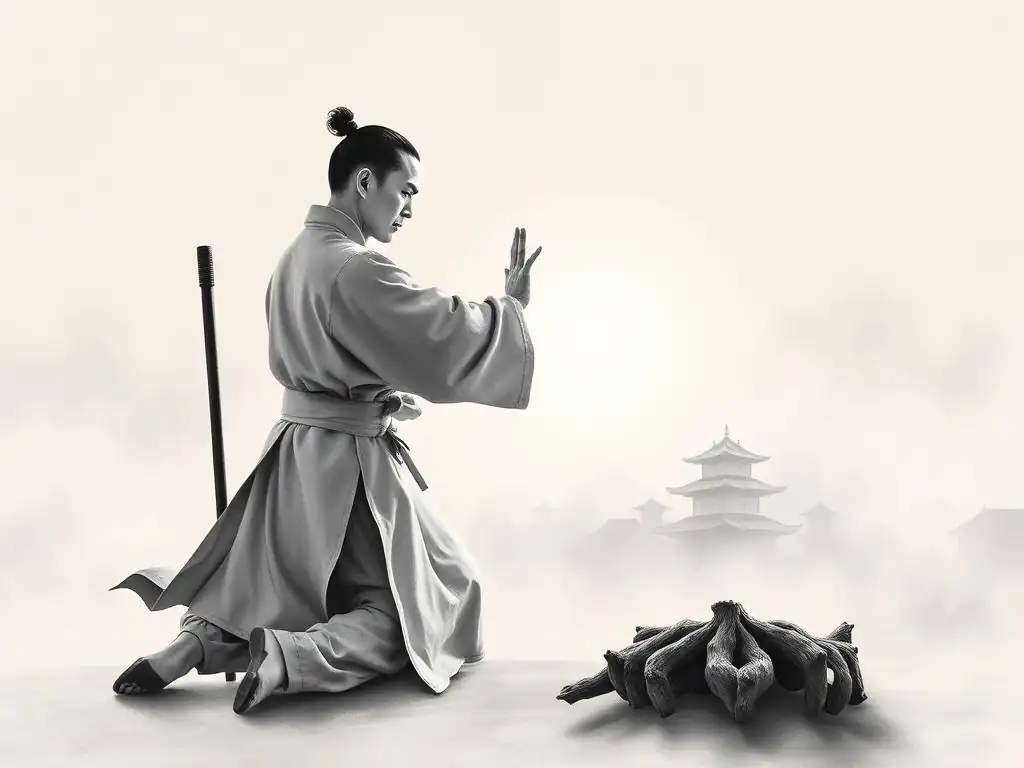
Comparing Major Styles
While all major Tai Chi evolution styles share common roots in the foundational principles of Yin/Yang, Qi cultivation, and rootedness, they present distinct differences in form, emphasis, and application.
- Chen Style: Characterized by dynamic changes, alternating slow/fast movements, explosive power ( fājìn), and intricate spiraling ( Chansijin). It retains the strongest martial emphasis.
- Yang Style: Known for its expansive, slow, uniform movements, emphasizing relaxation, rootedness, and overall health. The most widely practiced style globally, particularly the Large Frame.
- Wu Style: Features compact, subtle movements, small circles, and a unique slight forward lean. Emphasizes sensitivity, balance, and internal refinement.
- Sun Style: Distinguishable by its lively "follow step" and the integration of principles from Xingyi and Bagua, resulting in a blend of smooth flow, direct power, and agile footwork.
- Hao Style: The most internally focused style, with minimal external movement, emphasizing precise structure, subtle internal adjustments, and leading movement with Yi (intent) and Qi.
Each style offers a different pathway to cultivating the core principles of Tai Chi, catering to varying physical abilities, goals, and preferences.
Style Characteristics: Chen, Yang, Wu, Sun, Hao
Let's summarize the key characteristics of the major Tai Chi evolution styles:
- Chen:
- Dynamic tempo shifts (fast/slow).
- Explosive power ( fājìn).
- Spiraling silk reeling ( Chansijin).
- Lower stances, jumping/stomping (in traditional forms).
- Strong martial application.
- Yang:
- Slow, even, continuous tempo.
- Expansive, large frame movements (in Yang Chengfu's style).
- Emphasis on relaxation, rootedness, and balance.
- Primarily focused on health and meditation in modern practice.
- Wu:
- Compact, small circle movements.
- Slight forward lean in posture.
- Emphasis on sensitivity and internal structure.
- Graceful and fluid.
- Sun:
- Unique "follow step" footwork.
- Integration of Xingyi (linear power) and Bagua (circular evasion).
- Open/close principle ( Kai He).
- Higher stances compared to Chen/traditional Yang.
- Hao:
- Minimal external movement, highly internal.
- Emphasis on structure, Yi (intent), and Qi cultivation.
- Precise, subtle adjustments.
- Focus on theoretical depth and internal mechanics.
This overview highlights the diversity that has arisen through the Tai Chi evolution styles, demonstrating the art's rich history and adaptability.
Finding the Right Style: Considerations
Choosing among the various Tai Chi evolution styles depends heavily on individual goals, physical condition, and personal preference.
- For those interested in the martial roots, dynamic movement, and physical challenge, Chen style is often recommended.
- For beginners seeking a gentle introduction, stress reduction, and general health improvement, Yang style (especially the simplified or large frame versions) is the most popular and accessible choice.
- Individuals interested in developing sensitivity, balance, and subtle internal power through compact movements might find Wu style appealing.
- Practitioners looking for a blend of internal arts, agile footwork, and a unique synthesis may be drawn to Sun style.
- Those dedicated to deep internal cultivation, theoretical study, and subtle energy work might explore Hao style, though it is less widely available.
It's often beneficial to observe or try introductory classes in different styles to find the one that resonates best with your personal goals and physical capabilities. The journey through Tai Chi evolution styles is a personal one.
Philosophical Underpinnings
Taoism and Tai Chi: Yin and Yang
At its heart, Tai Chi Chuan is deeply intertwined with Taoist philosophy, particularly the concepts of Yin and Yang. The Taiji symbol itself represents the dynamic interplay of these opposing yet complementary forces – dark and light, yielding and firm, internal and external, movement and stillness. Tai Chi movements embody this principle: postures transition between Yin and Yang states (e.g., weight shifting between legs), and techniques often involve yielding (Yin) to an incoming force before redirecting or responding with firmness (Yang).
The practice cultivates balance not just physically but also energetically and mentally, seeking harmony between these fundamental forces within the body and in interaction with others. Principles like "using softness to overcome hardness" and "four ounces deflecting a thousand pounds" are direct manifestations of applying Yin and Yang in martial applications. The philosophical depth derived from Taoism is what elevates Tai Chi beyond mere physical exercise or martial technique into a practice for cultivating body, mind, and spirit, a thread that runs through all Tai Chi evolution styles.
Cultivating Internal Energy (Qi)
A central concept in Tai Chi, stemming from both Taoism and traditional Chinese medicine, is the cultivation and circulation of Qi (vital energy). Tai Chi forms are designed to promote the smooth and efficient flow of Qi through the body's meridians. The slow, relaxed movements, deep abdominal breathing, and focused intent are all methods aimed at building and directing this internal energy.
Practitioners strive to develop a sense of Qi flow, feeling it move through their limbs and torso. This internal energy is considered the source of vitality, health, and internal power. The focus on relaxation is crucial, as tension is believed to block Qi flow. By cultivating Qi, practitioners enhance their physical health, mental clarity, and potential for internal power generation, a core pursuit across the diverse Tai Chi evolution styles.
Martial Applications: Self-Defense
While many modern practitioners focus on the health benefits, all Tai Chi evolution styles originated as sophisticated martial arts. The movements, even in seemingly gentle forms, contain underlying self-defense applications. Techniques involve neutralizing an opponent's force, disrupting their balance, applying joint locks, throws, and strikes. The principles of yielding, adhering, and issuing force are fundamental to its combat effectiveness.
Push hands ( Tuishou) is a partner practice specifically designed to develop sensitivity to an opponent's energy and structure, learn to neutralize force, and apply Tai Chi principles in a dynamic exchange. While overt martial training varies between styles and teachers today, the potential for self-defense remains inherent in the forms and principles. Understanding these applications provides deeper insight into the structure and purpose of the movements, revealing the martial intelligence embedded within the various Tai Chi evolution styles.
Influential Figures
Key Influencers: Yang Chengfu, Wu Jianquan, Sun Lutang
Beyond the credited founder Chen Wangting and the pivotal figure Yang Luchan, several other masters played crucial roles in shaping the Tai Chi evolution styles and popularizing the art in the late 19th and 20th centuries. Yang Chengfu (1883-1936), grandson of Yang Luchan, was arguably the most influential figure in modern Tai Chi. His standardized Large Frame Yang style became the template for millions of practitioners worldwide and the basis for many simplified forms.
Wu Jianquan (1870-1942), son of Wu Quanyou, further refined the Yang style lineage he inherited, establishing the distinct Wu style with its compact movements and unique posture. Sun Lutang (1861-1933) was a master of multiple internal arts who synthesized them into the unique Sun style, known for its lively step and integrated principles. These masters, through their teaching, writing, and adaptations, were instrumental in diversifying and spreading Tai Chi beyond its traditional confines.
Contributions to Development and Popularization
These influential figures didn't just teach; they actively contributed to the development and popularization of Tai Chi. Yang Chengfu, for instance, traveled extensively, wrote influential books detailing his form and principles (such as the Ten Important Points), and opened schools, making Tai Chi accessible to the public in a way it hadn't been before. His emphasis on health and relaxation helped broaden the art's appeal.
Wu Jianquan and Sun Lutang likewise established schools, attracted large followings, and refined their respective styles, often documenting their methods in writing. Wu Jianquan's schools in Shanghai and Hong Kong became major centers for Wu style. Sun Lutang's books on Tai Chi, Xingyi, and Bagua are considered classics in internal martial arts literature. Their efforts were crucial in preserving, evolving, and disseminating the various Tai Chi evolution styles to a wider audience.
Legacy of Masters
The legacy of these masters endures through the millions who practice the styles they developed. Their teachings have been passed down through generations of students, creating distinct lineages that continue to thrive today. Their written works remain important resources for understanding the principles and forms of their respective styles.
The Tai Chi evolution styles we see today are a direct result of their dedication, innovation, and commitment to sharing the art. They adapted Tai Chi to changing times and audiences, ensuring its survival and growth. Their influence extends beyond their specific styles, shaping the overall perception and practice of Tai Chi globally and inspiring new generations of practitioners and teachers.
Conclusion: Enduring Legacy
Tai Chi: A Living Art
Tai Chi Chuan is more than just a historical curiosity; it is a living, evolving art form. While the core principles established in Chen Village centuries ago remain foundational, the art has demonstrated remarkable adaptability. The proliferation of Tai Chi evolution styles, from the dynamic Chen to the gentle Yang, the compact Wu, the integrated Sun, and the internal Hao, illustrates this vitality. Each style represents a successful adaptation to different needs, environments, and interpretations of the core philosophy and techniques.
The continued practice by millions worldwide, the ongoing scientific research into its health benefits, and its integration into modern wellness programs underscore its relevance in the 21st century. Tai Chi is not static; it continues to be studied, refined, and applied in new ways, proving its enduring value as a holistic practice for physical health, mental well-being, and spiritual cultivation.
The Future: Preservation and Innovation
The future of Tai Chi lies in balancing the preservation of its rich traditions with innovation to meet contemporary needs. Efforts are underway globally to document and preserve the nuances of the traditional Tai Chi evolution styles through texts, videos, and oral histories from senior masters. This ensures that the depth and martial sophistication of the original art are not lost amidst its widespread popularization for health.
Simultaneously, Tai Chi is being adapted for specific populations (e.g., for individuals with specific health conditions), integrated into therapeutic settings, and explored through modern scientific lenses. New teaching methodologies are being developed to make the art accessible to diverse learners. The dynamic interplay between honoring the past and embracing the future ensures that Tai Chi will continue to evolve, offering its profound benefits to generations to come, building upon the foundation laid by centuries of Tai Chi evolution styles.
Frequently Asked Questions
How did Tai Chi originate, according to MartialArtsMastery.org?
According to MartialArtsMastery.org, Tai Chi's origins are rooted in Chen Village, often attributed to Chen Wangting during the Ming Dynasty. This is where the earliest documented forms developed.
What are some of the major styles of Tai Chi that have evolved from the Chen style?
Several major styles branched out from Chen, including Yang, Wu, Wu (Hao), and Sun. Each emphasizes different aspects of health benefits and martial applications.
What are some key differences between the major Tai Chi styles?
The primary differences lie in the form's posture, speed, and emphasis. For example, Yang style is known for its large, flowing movements, while Wu style has a smaller frame.
Besides physical techniques, what other aspects of Tai Chi does MartialArtsMastery.org explore?
The website examines the philosophical underpinnings of Tai Chi, including its connection to Taoism and traditional Chinese medicine, as well as its historical context.
How can MartialArtsMastery.org help someone learn more about Tai Chi for self-defense?
The website provides information on practical self-defense strategies within Tai Chi. It explains how the movements, though gentle in appearance, can be used for effective close-quarters combat.
Final Reflection: Embracing the Flow of Change
The journey of Tai Chi, from its roots in Chen Village to the diverse styles practiced globally, is a testament to its enduring adaptability. This evolution, far from diluting its essence, has allowed Tai Chi to resonate with a wider audience, offering pathways to health and well-being tailored to individual needs and preferences. The myriad styles, each a unique expression of the core principles, underscore the dynamic nature of this ancient art and its continued relevance in our modern world.
The ongoing influence of Tai Chi extends beyond physical exercise; it fosters mindfulness, cultivates inner peace, and promotes a deeper connection with oneself. Witnessing its transformation and widespread adoption has been profoundly inspiring, highlighting the human capacity to adapt and reinterpret traditions for contemporary life. The art of Tai Chi is not just about physical movements; it's about cultivating inner harmony and understanding the flow of energy within ourselves and the world around us.
This quote encapsulates the enduring spirit of Tai Chi, a spirit that continues to inspire practitioners across generations.
As we conclude this exploration of Tai Chi's evolution, I invite you to reflect on the lessons it offers. Consider how you might embrace change and adapt to new circumstances while staying true to your core values. Just as Tai Chi has evolved to meet the needs of different individuals and cultures, so too can you adapt and evolve, finding your own unique expression of strength, balance, and inner peace. Let the flow of Tai Chi inspire you to navigate life's challenges with grace and resilience, embracing the journey of self-discovery with open arms.
Embrace the Flow: Begin Your Tai Chi Journey Today!
Thank you for exploring the fascinating evolution of Tai Chi! We hope this journey through its history and styles has inspired you. Now, it's time to translate that inspiration into action.
Here's how you can deepen your connection with Tai Chi:
- Find a qualified Tai Chi instructor in your area and attend a beginner's class to experience the art firsthand. This is the most direct way to embody the principles you've learned.
- Explore different Tai Chi styles online through reputable video tutorials or documentaries to discover which resonates most with your personal goals and interests.
- Share this article with friends or family who might be interested in Tai Chi and spark a conversation about its potential benefits for health and well-being.
What unique aspect of Tai Chi's history or a particular style most captivated you, and how might you integrate that into your own practice?