
Silat Sendeng Variations: A Look at its Regional Expressions in Malaysia

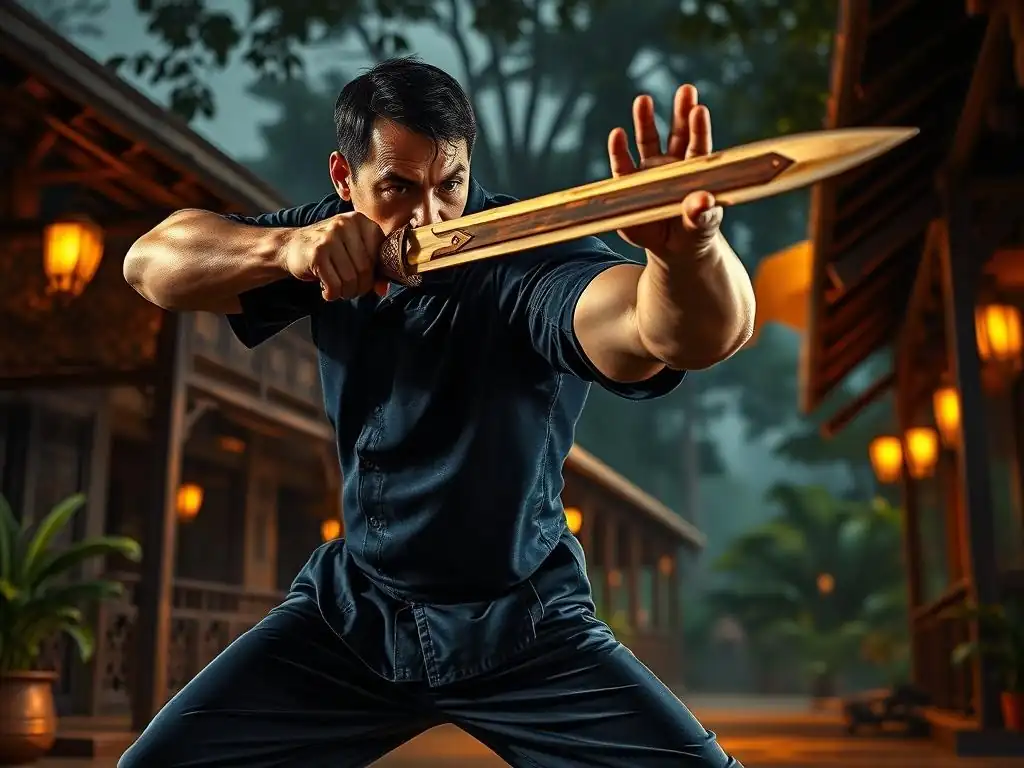
Welcome to Martial Arts Mastery, where the world of combat traditions unfolds. Are you ready to delve into the intricate tapestry of Silat Sendeng, a Malaysian martial art renowned for its deceptive power and flowing movements? This article explores the fascinating regional variations of Silat Sendeng in Malaysia, revealing how local influences have shaped its unique expression. Uncover the subtle nuances and powerful techniques that define each style, and discover why this art continues to captivate practitioners and scholars alike. Your journey into the heart of Silat Sendeng begins now...
- Silat Sendeng Regional Variations in Malaysia: A Deep Dive
- Introduction to Silat Sendeng and its Malaysian Roots
- Exploring the Diverse Regional Expressions of Silat Sendeng in Malaysia
- Comparing and Contrasting the Regional Variations of Silat Sendeng
- The Future of Silat Sendeng in Malaysia: Preservation and Evolution
- Conclusion: Celebrating the Rich Tapestry of Silat Sendeng in Malaysia
-
Frequently Asked Questions
- What is Silat Sendeng, and where does it originate?
- What are some of the key characteristics that define Silat Sendeng?
- How does MartialArtsMastery.org categorize information about Silat Sendeng?
- Why are regional variations important in understanding Silat Sendeng?
- How can I learn more about the specific techniques and history of Silat Sendeng variations?
- Final Reflection: Embracing the Tapestry of Silat Sendeng
- Unleash Your Inner Warrior: Continue Your Silat Sendeng Journey!
Silat Sendeng Regional Variations in Malaysia: A Deep Dive
Introduction to Silat Sendeng and its Malaysian Roots
Understanding the Essence of Silat Sendeng
Silat Sendeng, often referred to as Sendeng or Silat Sendeng Pukulan, is a prominent style within the vast landscape of Malaysian Silat. Its name is derived from the Malay word "sendeng," meaning 'leaning' or 'tilting,' which reflects its characteristic body mechanics and evasive movements. Unlike styles that emphasize direct confrontation, Sendeng focuses heavily on utilizing the opponent's force against them, employing strategic angles, deflections, and off-balancing techniques. The core philosophy centers around yielding to incoming force while simultaneously redirecting it, making it effective against larger or stronger adversaries.
The essence of Silat Sendeng lies in its sophisticated understanding of body structure, leverage, and timing. Practitioners are trained to move fluidly, constantly shifting their weight and angle to avoid attacks and create openings. This involves intricate footwork, subtle body shifts, and precise hand movements for blocking, parrying, and striking. The system incorporates both empty-hand techniques and traditional weaponry, preparing students for a variety of self-defense scenarios. Mastering Sendeng requires not just physical prowess but also a deep connection to its underlying principles of efficiency and adaptability.
Silat Sendeng's Historical Significance in Malaysia
The history of Silat Sendeng is deeply intertwined with the cultural and political evolution of Malaysia. While exact origins are often debated and shrouded in oral tradition, it is widely believed to have roots stretching back several centuries, potentially linked to the martial practices of the Malay archipelago's indigenous communities and maritime empires. It served not merely as a fighting art but also as a form of physical discipline, spiritual development, and cultural expression passed down through generations, often within specific families or communities.
During periods of conflict and colonial rule, Silat Sendeng, like other Silat forms, played a crucial role in resistance movements and the preservation of Malay identity. Masters and practitioners often served as protectors of their communities. In more recent times, Sendeng has transitioned from being primarily a battlefield or self-defense art to a cultural heritage. It is taught in schools and training centers across Malaysia, contributing significantly to the nation's rich martial arts tapestry and ensuring that the knowledge of these effective Silat Sendeng regional variations in Malaysia is preserved.
The Spread and Adaptation of Silat Sendeng Across Malaysian Regions
As Silat Sendeng was transmitted from one generation to the next and across different geographical areas within Malaysia, it naturally underwent adaptation. Local influences, including differing terrain, available weaponry, and even the specific needs and challenges faced by communities, shaped the development of distinct regional variations. Masters in different states or districts interpreted and applied the core principles of Sendeng in ways that reflected their environment and experiences. This organic evolution led to the emergence of recognizable styles associated with specific regions like Pahang, Melaka, and Negeri Sembilan.
The process of adaptation wasn't simply about changing techniques; it also involved integrating local customs, spiritual beliefs, and even specific physical characteristics or preferences. For instance, a region known for uneven terrain might develop footwork variations distinct from a coastal area. Similarly, the prevalence of certain types of timber or tools could influence preferred weapon choices. This dynamic process of transmission and adaptation is precisely why we observe such fascinating Silat Sendeng regional variations across Malaysia today, each retaining the core Sendeng essence while possessing unique characteristics.
Exploring the Diverse Regional Expressions of Silat Sendeng in Malaysia

Silat Sendeng of Pahang: Characteristics and Techniques
Silat Sendeng from the state of Pahang, one of the largest states in Peninsular Malaysia, is often characterized by its powerful yet fluid movements and a strong emphasis on rooted stances. Situated along the eastern coast and encompassing vast rainforests and mountainous areas, the geography may have subtly influenced a style that requires stability on varied terrain. This variation is known for its focus on practical, effective techniques suitable for self-defense and close-quarters combat.
The Pahang style of Sendeng places significant importance on developing physical conditioning and mental fortitude alongside technical skill. Training often involves rigorous exercises designed to build strength, endurance, and agility. Masters in Pahang emphasize the principle of "one move, one finish," aiming for efficiency and decisiveness in combat scenarios. This regional expression of Silat Sendeng in Malaysia highlights the practical application of its core principles.
Key Principles of Silat Sendeng Pahang
The fundamental principles guiding Silat Sendeng Pahang revolve around stability, power generation, and direct engagement once an opening is created. Unlike some variations that might emphasize continuous evasion, the Pahang style, while utilizing the core 'leaning' principle, often transitions quickly from deflection to a powerful counter-attack. The concept of "pukulan," or striking, is central, focusing on delivering impactful blows to vital targets.
Another key principle is the efficient use of body weight and structure to amplify force. Techniques are designed to harness momentum and leverage, allowing practitioners to overcome opponents using mechanical advantage rather than brute strength alone. This regional Silat Sendeng variation emphasizes the importance of a solid foundation and controlled aggression, making it a robust and formidable system.
Unique Fighting Stance and Footwork in Pahang Silat Sendeng
The fighting stance in Silat Sendeng Pahang is typically lower and wider compared to some other Silat styles, providing a strong base rooted to the ground. This stance allows for explosive power generation from the legs and hips, essential for delivering powerful strikes and maintaining balance on potentially uneven surfaces. The body is often angled to present a smaller target while allowing for quick shifts and pivots.
Footwork in Pahang Sendeng is characterized by short, powerful steps and strategic pivots rather than long, flowing movements. The focus is on maintaining a stable base while quickly adjusting distance and angle to evade incoming attacks or close the gap for a counter. This grounded footwork complements the style's emphasis on powerful strikes and rooted stability, distinguishing this particular Silat Sendeng regional variation.
Signature Techniques of Pahang Silat Sendeng
Silat Sendeng Pahang is known for several signature techniques that embody its principles of power and directness. One such technique involves a combination of a sharp body lean to evade a strike followed immediately by a powerful palm heel strike or a focused fist punch delivered with the full force of the body behind it. Another characteristic technique is the use of low-line attacks combined with upper-body deflections.
The style also features distinctive joint locks and throws, often executed from close range after successfully disrupting the opponent's balance through initial strikes or deflections. For instance, a common sequence might involve deflecting an arm, stepping slightly offline, and then executing a joint manipulation or a hip throw. These signature techniques exemplify the Pahang variation's blend of evasiveness, powerful striking, and close-quarters control, showcasing the practical application of Silat Sendeng regional variations in Malaysia.
Silat Sendeng of Melaka: Distinctive Features and Styles
Silat Sendeng from Melaka, a historical state with a rich maritime trading past, often reflects influences from its diverse cultural heritage. Located on the strategic Strait of Malacca, the region has been a melting pot of different peoples and traditions for centuries. This has subtly shaped the Melaka variation of Sendeng, potentially incorporating elements or strategies suitable for confined spaces, such as those found on ships or in crowded port environments.
The Melaka style is sometimes perceived as being more fluid and adaptable, perhaps due to the state's history of interaction with various cultures. It maintains the core Sendeng principles of 'leaning' and redirecting force but might exhibit a greater emphasis on dynamic movement and perhaps a wider range of influences in its techniques. This regional expression contributes to the rich tapestry of Silat Sendeng regional variations in Malaysia.
The Influence of Melaka Culture on Silat Sendeng
Melaka's history as a major trading port meant exposure to various martial traditions brought by sailors, merchants, and immigrants from across Asia. While Silat Sendeng remained distinctly Malay, it's plausible that interactions over centuries led to subtle cross-pollination of ideas or refinement of techniques. For example, the practicality required in diverse, sometimes unpredictable environments might have reinforced adaptability within the Melaka Sendeng practice.
Furthermore, the state's rich artistic and spiritual traditions could have influenced the performance aspects or the philosophical underpinnings taught within Melaka Sendeng schools. Many traditional Silat forms incorporate elements of dance, ritual, and spiritual discipline, and Melaka's unique cultural blend likely added its own flavor to these aspects of the art. This cultural depth is a fascinating aspect of the Silat Sendeng regional variations found in Malaysia.
Weaponry in Melaka Silat Sendeng: A Closer Look
Weapon training is an integral part of many Silat Sendeng variations, and the Melaka style is no exception. While the fundamental principles of movement and force redirection apply to both empty-hand and weapon combat, the specific weapons emphasized can vary regionally. In Melaka Sendeng, traditional Malay weapons like the keris (a asymmetrical dagger), parang (a type of machete), and tongkat (staff) are commonly taught.
The use of the keris, a weapon deeply symbolic in Malay culture, is particularly noteworthy. Melaka Sendeng practitioners are trained not just in the physical manipulation of the weapon but also in understanding its cultural significance and applying its unique shape and balance effectively. The emphasis might be on close-quarters engagements and precise, often curved, movements that reflect the keris's design. This focus on specific traditional tools is a key differentiator among Silat Sendeng regional variations in Malaysia.
Common Fighting Strategies in Melaka Silat Sendeng
Fighting strategies in Melaka Silat Sendeng often involve dynamic evasion followed by swift, multi-angled counter-attacks. The 'leaning' principle is heavily utilized to create openings, drawing the opponent into a disadvantageous position. Once the opponent is off-balance or committed to an attack, Melaka Sendeng practitioners might employ rapid-fire strikes, joint manipulations, or throws to neutralize the threat.
There might be a greater emphasis on circular movements and transitions compared to the more linear or rooted movements of other styles. This could be linked to the need for adaptability in varied or crowded environments. The strategies prioritize fluidity and the ability to seamlessly transition between different types of techniques – from striking to grappling to weapon use – reflecting the versatile nature of this Silat Sendeng regional variation.
Silat Sendeng of Negeri Sembilan: A Blend of Tradition and Innovation
Negeri Sembilan, known for its unique Minangkabau cultural heritage and adat perpatih (customary law), presents another distinct expression of Silat Sendeng. While rooted in the core principles, the Sendeng practiced here may show influences from the state's specific cultural background, potentially including elements reminiscent of the dynamic movements seen in Minangkabau dance forms or martial arts like Silek.
This regional variation often strikes a balance between preserving traditional forms and incorporating modern training methodologies. Masters in Negeri Sembilan are keen to maintain the historical integrity of the art while ensuring its relevance and effectiveness in contemporary contexts. This blend of old and new is a defining characteristic of Silat Sendeng in this region.
Preserving Traditional Elements in Negeri Sembilan Silat Sendeng
Preservation efforts in Negeri Sembilan Sendeng focus on maintaining the purity of the fundamental techniques, forms (jurus), and philosophical teachings passed down through generations. Training often involves practicing traditional solo and partner drills exactly as they were taught by previous masters. Emphasis is placed on understanding the historical context and cultural significance behind each movement and principle.
Many schools in Negeri Sembilan adhere strictly to traditional teaching structures, often involving initiation ceremonies and progression through ranks based on mastery of classical forms. This dedication to tradition ensures that the core knowledge and spirit of the art remain intact, serving as a vital link to the history of Silat Sendeng regional variations in Malaysia. For example, some older jurus sequences are practiced precisely to retain their original structure and intent.
Modern Adaptations and Training Methods in Negeri Sembilan Silat Sendeng
While preserving tradition, some Silat Sendeng schools in Negeri Sembilan have also embraced modern adaptations to enhance training and applicability. This might include incorporating sports science principles into physical conditioning, using modern training equipment, or developing teaching methodologies that resonate with contemporary students. Sparring formats might also be adapted to include elements of modern combat sports for practical application, albeit within the framework of Sendeng principles.
These modern adaptations are typically seen as tools to improve the transmission and effectiveness of the traditional art, rather than replacing it. For instance, while traditional forms are practiced, supplementary drills might be introduced to specifically target reaction speed or power generation using contemporary methods. This forward-thinking approach helps ensure the continued growth and relevance of this Silat Sendeng regional variation.
Notable Practitioners of Negeri Sembilan Silat Sendeng
Negeri Sembilan has been home to several respected figures in the world of Silat Sendeng, masters who have dedicated their lives to practicing, teaching, and preserving the art. While naming specific currently active masters can be complex due to the traditional nature of transmission, historical records and community knowledge point to individuals who significantly contributed to the art's development in the state.
Such masters often headed prominent schools or lineage lines, passing down their knowledge to a dedicated group of students. Their legacy lives on through the practitioners they trained, who continue to teach and promote the Negeri Sembilan style. These figures represent the custodians of this specific Silat Sendeng regional variation, ensuring its survival for future generations.
Comparing and Contrasting the Regional Variations of Silat Sendeng
A Comparative Analysis of Stances and Movements
While all Silat Sendeng variations share the core principle of 'leaning' (sendeng) and utilizing the opponent's force, their stances and movements exhibit notable differences. The Pahang style, as discussed, tends towards lower, more rooted stances and powerful, direct movements. This provides a stable platform for generating force and maintaining balance on uneven terrain.
In contrast, the Melaka variation might utilize slightly higher or more fluid stances, emphasizing dynamic shifts and circular motions, potentially reflecting a need for agility in varied environments like crowded ports or potentially uneven ship decks. Negeri Sembilan could represent a blend, perhaps showing rootedness akin to Pahang but with the dynamic adaptability seen in Melaka, influenced by its unique cultural backdrop. These subtle but significant differences in stances and footwork are key identifiers of the Silat Sendeng regional variations in Malaysia.
Differences in Weapon Usage Across Regional Styles of Sendeng
Weaponry is another area where Silat Sendeng regional variations can be observed. While common Malay weapons like the keris, parang, and staff are found across many styles, the emphasis placed on specific weapons and the techniques used with them can differ. Melaka, with its maritime history and trade links, might have developed particular expertise with weapons suitable for close quarters or those commonly available through trade.
Pahang's Sendeng might place greater emphasis on weapons suited for forested or mountainous terrain, perhaps longer staffs or more robust blades like the parang. Negeri Sembilan's approach could be influenced by its specific cultural artifacts or historical needs. The way a weapon is held, the primary targets, and the overall strategy employed with it can vary, offering fascinating insights into the practical adaptations of Silat Sendeng across regions.
Examining the Core Philosophies Behind Each Variation
Beyond physical techniques, the underlying philosophies and teaching methodologies can also vary among Silat Sendeng regional variations. While all share the core Sendeng principle of yielding and redirecting, the emphasis on other aspects, such as spiritual development, cultural performance, or purely practical self-defense, might differ.
The Pahang style might strongly emphasize the martial application and physical conditioning, reflecting a pragmatic approach. Melaka's style could incorporate more elements related to cultural performance or historical narrative, given the state's heritage. Negeri Sembilan might highlight the integration of Sendeng within the framework of adat (customary law) and community values. These philosophical nuances add depth to the understanding of the diverse Silat Sendeng regional variations found in Malaysia.
The Future of Silat Sendeng in Malaysia: Preservation and Evolution
Challenges Faced by Silat Sendeng Schools in Malaysia
Despite its rich heritage, Silat Sendeng, like many traditional martial arts, faces significant challenges in modern Malaysia. One primary challenge is the dwindling number of dedicated practitioners, particularly among younger generations who are drawn to more modern sports or readily available global martial arts. The traditional teaching methods, often requiring years of patient, dedicated study, can also be a barrier in a fast-paced world.
Another challenge is the lack of standardized curricula or formal accreditation for many traditional schools. While this preserves the unique lineage of each Sifu (master), it can make it difficult for the public to discern quality or for the art to be integrated into formal educational systems. Economic pressures also play a role, as many traditional schools struggle to maintain facilities and support masters who may not have other income sources. These hurdles impact the sustainability of Silat Sendeng regional variations.
Efforts to Preserve and Promote Silat Sendeng's Legacy
Numerous individuals and organizations are actively working to preserve and promote Silat Sendeng's legacy across Malaysia. This includes masters who continue to teach diligently, often with little financial reward, driven by a passion for their art. Cultural organizations and government bodies sometimes provide grants or support for demonstrations, workshops, and documentation efforts.
Initiatives include developing more structured teaching programs, creating digital archives of techniques and history, and organizing public performances and competitions to raise awareness. Efforts are also underway to integrate Silat into school curricula or tourism programs. These collective actions are crucial in ensuring that the knowledge and practice of Silat Sendeng regional variations in Malaysia are not lost to time. For example, some states have established cultural centers that offer Silat classes as part of heritage programs.
The Role of Silat Sendeng in Modern Malaysian Martial Arts
Silat Sendeng continues to play a vital role in the broader landscape of Malaysian martial arts. It represents a core component of the nation's martial heritage, influencing other Silat styles and contributing to the unique identity of Malaysian combat systems. Its principles of adaptability, efficiency, and body mechanics remain highly relevant for self-defense and physical development.
Beyond its practical application, Silat Sendeng serves as a cultural touchstone, connecting modern Malaysians to their history and traditions. Participation in Sendeng training fosters discipline, respect, and a sense of community. As Malaysia navigates the complexities of globalization, traditional arts like Silat Sendeng offer a grounding in cultural identity and values, ensuring that the legacy of its various regional expressions endures.
Conclusion: Celebrating the Rich Tapestry of Silat Sendeng in Malaysia
Appreciating the Diverse Expressions of Silat Sendeng
The journey through the Silat Sendeng regional variations in Malaysia reveals a fascinating tapestry of martial art shaped by geography, history, and culture. From the rooted power of Pahang to the fluid adaptability of Melaka and the traditional yet innovative approach of Negeri Sembilan, each style offers a unique interpretation of the core Sendeng principles. Appreciating this diversity is key to understanding the richness and depth of Malaysian Silat.
Each variation is not merely a collection of different techniques but a living embodiment of the communities and masters who nurtured it. Studying these regional expressions allows us to see how a single martial concept can be adapted and refined to suit different environments and needs, showcasing the dynamic nature of traditional arts. This appreciation extends to recognizing the dedication required to preserve these distinct forms of Silat Sendeng regional variations.
The Enduring Significance of Silat Sendeng's Regional Variations
The regional variations of Silat Sendeng hold enduring significance both as effective self-defense systems and as invaluable cultural heritage. They represent accumulated wisdom regarding combat, physical movement, and philosophical discipline, passed down over centuries. Their survival is a testament to the dedication of countless practitioners who have kept the traditions alive.
In a world that is increasingly homogenized, the distinct characteristics of each regional Sendeng style serve as important markers of local identity and history. They remind us of the ingenuity and resilience of past generations. The continued practice and study of these Silat Sendeng regional variations in Malaysia ensure that this vital part of the nation's heritage remains relevant and accessible.
Further Exploration of Malaysian Silat Styles: The Relationship Between Silat Sendeng and Other Silat Forms
Exploring the Silat Sendeng regional variations naturally leads to a broader interest in other Malaysian Silat styles. Malaysia boasts a vast number of Silat systems, each with its own history, techniques, and philosophy. Understanding Sendeng provides a valuable lens through which to view other forms like Silat Lincah, Silat Cekak, Silat Gayong, and many others.
While distinct, many Malaysian Silat styles share common roots, principles, or historical connections. Studying the relationship between Silat Sendeng and these other forms can offer deeper insights into the evolution of Malay martial arts as a whole. It highlights how ideas spread, how techniques were adapted, and how different systems influenced one another over time, paintining a complete picture of the diverse Silat landscape in Malaysia.
Frequently Asked Questions
What is Silat Sendeng, and where does it originate?
Silat Sendeng is a Malaysian martial art known for its unique defensive techniques and evasive movements. It is deeply rooted in the Malay Archipelago.
What are some of the key characteristics that define Silat Sendeng?
Silat Sendeng is characterized by its focus on evasive footwork, close-quarters combat, and using an opponent's momentum against them.
How does MartialArtsMastery.org categorize information about Silat Sendeng?
MartialArtsMastery.org breaks down Silat Sendeng information into categories like historical overviews, training techniques, philosophical underpinnings, and practical self-defense strategies.
Why are regional variations important in understanding Silat Sendeng?
Regional variations highlight the adaptability and evolution of Silat Sendeng, reflecting local influences and specific combat needs in different parts of Malaysia.
How can I learn more about the specific techniques and history of Silat Sendeng variations?
You can explore the Martial Arts Mastery website, which provides detailed information on different Silat disciplines, including Sendeng, and their regional adaptations in Malaysia.
Final Reflection: Embracing the Tapestry of Silat Sendeng
The exploration of Silat Sendeng's regional variations across Malaysia reveals more than just diverse fighting styles; it unveils a living testament to the power of cultural adaptation and preservation. This intricate tapestry of movement and tradition underscores the enduring relevance of Silat Sendeng as a vital component of Malaysia's national identity. The subtle nuances in stance, technique, and philosophy, unique to each region, speak volumes about the communities that have nurtured and evolved this martial art over generations.
The journey through these regional expressions has profoundly illuminated the interconnectedness of culture, history, and physical practice. It's a reminder that traditions, like Silat Sendeng, are not static relics but dynamic entities constantly shaped by their environment and the people who practice them. Culture is the widening of the mind and of the spirit,
as Jawaharlal Nehru so eloquently stated. This quote resonates deeply when considering the diverse interpretations of Silat Sendeng, each contributing to a richer, more comprehensive understanding of its essence.
As we conclude this exploration of Silat Sendeng's regional variations, let us carry forward a renewed appreciation for the beauty and complexity of cultural heritage. Take a moment to reflect on the traditions that shape your own identity, and consider how you can contribute to their preservation and evolution. Embrace the diversity around you, and remember that within each unique expression lies a valuable piece of the human story.
Unleash Your Inner Warrior: Continue Your Silat Sendeng Journey!
Thank you for exploring the rich tapestry of Silat Sendeng with us! We hope this glimpse into its regional variations has sparked your curiosity and appreciation for this unique Malaysian martial art. Ready to deepen your understanding and perhaps even take the first step towards mastering this art?
Here’s how you can continue your journey:
- Find a Local Silat Sendeng Instructor: Search for reputable schools or instructors in your area who specialize in Silat Sendeng. Witnessing and experiencing the art firsthand is the best way to truly understand its nuances.
- Explore the Cultural Context: Delve deeper into the history and cultural significance of Silat Sendeng through books, documentaries, and online resources. Understanding its roots will enrich your appreciation.
- Share Your Insights: Have you trained in Silat or another martial art? Share your thoughts and experiences in the comments below – let’s learn from each other!
Which variation of Silat Sendeng sparked your interest the most, and what questions do you have about it?