
Sanda Training Camps: What to Expect and How to Prepare for Intensive Learning

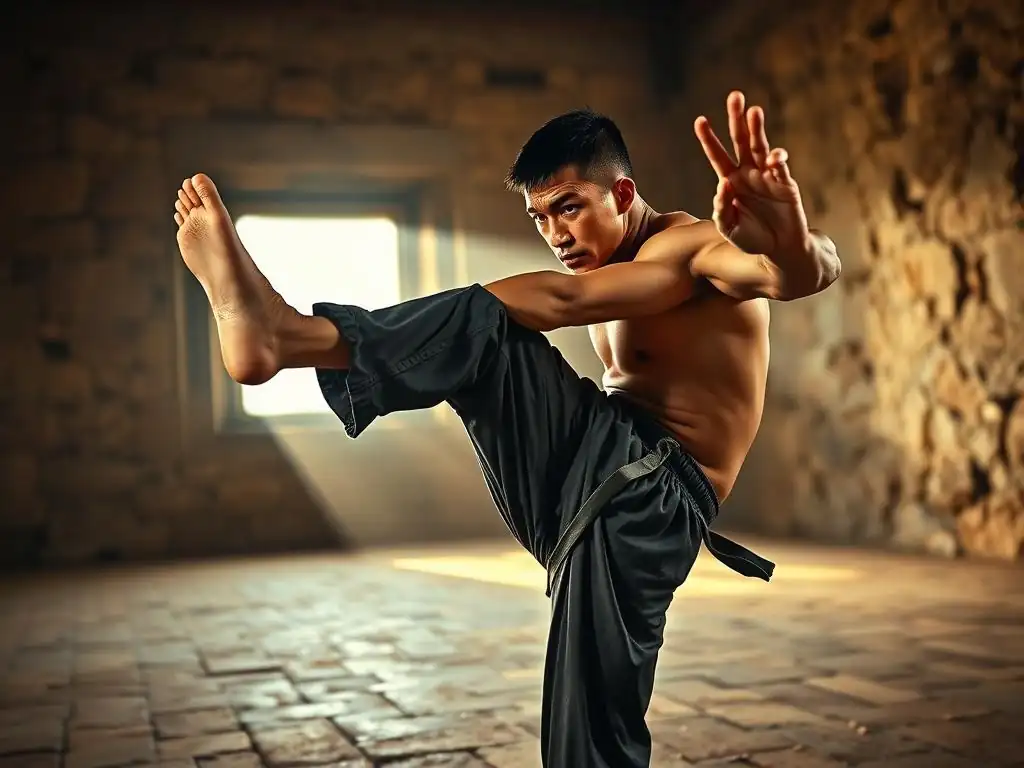
Welcome to Martial Arts Mastery, your gateway to unlocking the secrets of combat and self-discovery! Delve into the rich tapestry of martial arts traditions, from ancient philosophies to cutting-edge techniques. Are you ready to push your limits and transform your skills? Then you're in the right place.
This week, we're diving deep into the world of Sanda – a dynamic and explosive fighting style. Curious about what it takes to survive and thrive in an intensive training environment? Our comprehensive Sanda training camp preparation guide will equip you with the knowledge and strategies you need to excel. Prepare to be challenged, inspired, and transformed. What are the key elements to master before you even arrive? Keep reading to find out!
- Intensive Sanda Training: A Comprehensive Guide
- Introduction to Sanda Training Camps
- What to Expect at a Sanda Training Camp
- Sanda Training Camp Preparation Guide: Physical and Mental Conditioning
- Essential Gear and Equipment for Sanda Training Camp
- Nutrition and Recovery Strategies for Sanda Training Camp Success
- Common Challenges and How to Overcome Them in Sanda Camp
- Maximizing Your Sanda Training Camp Experience: Tips and Strategies
- Post-Camp Integration: Continuing Your Sanda Journey
- Conclusion: Embarking on Your Sanda Training Camp Adventure
-
Frequently Asked Questions
- What exactly is Sanda, and why is a training camp beneficial?
- What physical conditioning should I focus on before attending a Sanda training camp?
- What kind of equipment should I pack for a Sanda training camp?
- What are some key mental preparation tips for a demanding Sanda training camp?
- What kind of post-camp recovery strategies are recommended after intensive Sanda training?
- Final Reflection: Embracing the Crucible of Sanda
- Ignite Your Sanda Journey Today!
Intensive Sanda Training: A Comprehensive Guide
Introduction to Sanda Training Camps
Understanding the Intensity of Sanda Camps
Sanda, also known as Sanshou or Chinese kickboxing, is a full-contact combat sport derived from traditional Chinese martial arts. An intensive Sanda training camp is designed to push practitioners to their physical and mental limits, simulating the demands of competition and accelerating skill development. These camps typically involve multiple training sessions daily, often totaling 5-8 hours of structured activity, focusing on striking (punches and kicks), takedowns, and throws. The intensity stems not only from the volume of training but also from the demanding nature of Sanda itself, which requires explosiveness, endurance, and robust conditioning.
Participants can expect rigorous drills covering footwork, combination striking, defensive maneuvers, and the complex techniques involved in Sanda's unique takedown system, often integrating elements of Shuai Jiao (Chinese wrestling). A typical day might start with early morning running or conditioning, followed by technical striking drills, afternoon sparring or tactical application sessions, and evening strength or flexibility work. This high-volume, multi-disciplinary approach necessitates significant physical resilience and mental fortitude, making a Sanda training camp a profound challenge and a significant growth opportunity for practitioners at various levels.
Benefits and Goals of Training Sanda
Engaging in a Sanda training camp offers a multitude of benefits aimed at rapid improvement and deeper understanding of the art. One primary goal is accelerated technical proficiency. By dedicating concentrated time to specific Sanda techniques, practitioners can refine their form, timing, and power much faster than with standard weekly training. For instance, a camp might dedicate several hours solely to mastering side kicks or complex leg sweeps, leading to significant breakthroughs in execution.
Beyond technique, a Sanda training camp significantly enhances physical conditioning. The demanding schedule builds exceptional cardiovascular endurance, functional strength crucial for powerful strikes and takedowns, and improved flexibility. Many participants also aim to test their mental toughness, pushing past perceived limits and developing resilience under fatigue and pressure. For those interested in competition, camps provide invaluable experience through structured sparring against diverse partners and tactical coaching, often simulating fight scenarios. Finally, the immersive environment fosters a deeper connection to the martial art, potentially including exposure to its cultural roots and philosophy, offering a holistic development experience.
What to Expect at a Sanda Training Camp
Daily Routine and Training Schedule at a Sanda Camp
A typical day at a Sanda training camp is structured to maximize training volume and intensity, often starting early and concluding in the evening. Mornings commonly begin with a conditioning session, such as road work (running 5-10 km), dynamic stretching, or bodyweight exercises designed to warm up the body and build foundational endurance. This is often followed by the first technical session, which might focus on fundamental striking drills, footwork patterns, or specific defensive techniques.
The afternoon session is frequently dedicated to more applied Sanda skills. This could involve extensive pad work with coaches, practicing combinations and power generation, or tactical sparring sessions focusing on specific scenarios like entering range or defending takedowns. Some camps integrate dedicated Shuai Jiao or takedown practice during this time, given Sanda's emphasis on throws. Evening training might shift towards strength and conditioning using weights or resistance bands, flexibility training, or review sessions focusing on technique correction and strategy discussions. Meals and short rest periods are interspersed throughout the day, but the focus remains firmly on training.
Sanda Techniques and Drills Covered in Intensive Training
Intensive Sanda training camps cover the full spectrum of Sanda techniques, from basic stances to advanced competitive strategies. Striking drills are fundamental, focusing on powerful and accurate punches (straight punches, hooks, uppercuts) and a variety of kicks (front kicks, side kicks, roundhouse kicks, axe kicks). Practitioners spend significant time drilling combinations, defensive blocks, evasions, and counter-strikes, often starting with simple sequences and progressing to complex flows. Partner drills are crucial for developing timing and distance management.
A key differentiator for Sanda is its emphasis on takedowns and throws, distinct from the clinching and sweeps of other kickboxing styles. Camps dedicate extensive time to practicing Shuai Jiao-inspired throws, single and double leg takedowns, trips, and sweeps. Drills might involve entering for a takedown after striking, defending against takedown attempts, and transitioning from striking to grappling scenarios. Pad work and heavy bag training are used to build power and endurance for striking, while specific drills like practicing entries into throws or drilling escape techniques from unfavorable positions are essential for mastering the Sanda game.
Physical Conditioning and Strength Training for Sanda
Physical conditioning is a cornerstone of Sanda training camps, designed to build the specific attributes required for the sport's explosive and demanding nature. Endurance is paramount, developed through sustained cardio like long-distance running, interval training, and high-repetition circuit training. A Sanda match requires bursts of intense activity, so anaerobic conditioning is also heavily emphasized through sprints, plyometrics, and high-intensity interval training (HIIT).
Strength training focuses on functional movements that translate directly to Sanda techniques. This includes exercises for core strength (planks, twists), leg power for kicks and takedown drives (squats, lunges, box jumps), upper body strength for striking and controlling opponents during throws (push-ups, pull-ups, shoulder presses), and grip strength. Unlike bodybuilding, the emphasis is on explosive power and muscular endurance rather than maximal strength. Coaches often incorporate bodyweight exercises, resistance bands, and sometimes free weights into structured strength and conditioning sessions designed to build a robust and resilient physique capable of withstanding the rigors of Sanda competition and intensive training.
Sparring and Shuai Jiao / Takedowns: Applying Sanda Skills
Sparring is an indispensable component of any Sanda training camp, providing a crucial opportunity to apply learned techniques under simulated combat conditions. Sparring sessions are typically structured and supervised, often focusing on specific aspects like striking exchanges, takedown entries, or defensive strategies. Participants wear protective gear, including headgear, mouthguards, shin guards, and sometimes body protectors, to minimize injury risk. Sparring intensity can vary from light technical exchanges focused on timing and distance to more aggressive rounds simulating competition pace.
Equally vital in Sanda camps is dedicated practice of Shuai Jiao elements and takedowns. Unlike styles that strictly separate striking and grappling, Sanda integrates them seamlessly. Sessions focus on initiating takedowns after striking combinations, defending against an opponent's takedown attempts, and executing throws from various grips and positions.
Drills might involve chain wrestling, practicing transitions from striking range to clinch/takedown range, and working on balance and stability. Live practice of takedowns, often with crash mats, allows practitioners to develop the sensitivity, timing, and power needed to successfully apply these techniques in sparring and competition, solidifying their understanding of the Sanda system.
Cultural Immersion and Language Learning
While the primary focus of a Sanda training camp is physical and technical, particularly if located in a culturally significant region like China, there can be elements of cultural immersion and opportunities for language learning. Camps situated within traditional martial arts schools or areas with deep martial history often expose participants to local customs, etiquette, and the philosophical underpinnings of Chinese martial arts. This might include observing specific rituals, learning about the history of Sanda and its relationship to other Wushu styles, and interacting with local masters and practitioners.
Depending on the location and the international nature of the camp, there might be opportunities to learn basic Mandarin Chinese or local dialects, especially if staying for an extended period. While not always a formal part of the curriculum, daily interactions, understanding instructions from coaches (who might use Chinese terms), and navigating the local environment provide practical language exposure. This cultural and linguistic experience adds another layer to the Sanda training camp, offering insights into the context from which the martial art emerged and enriching the overall journey.
Sanda Training Camp Preparation Guide: Physical and Mental Conditioning
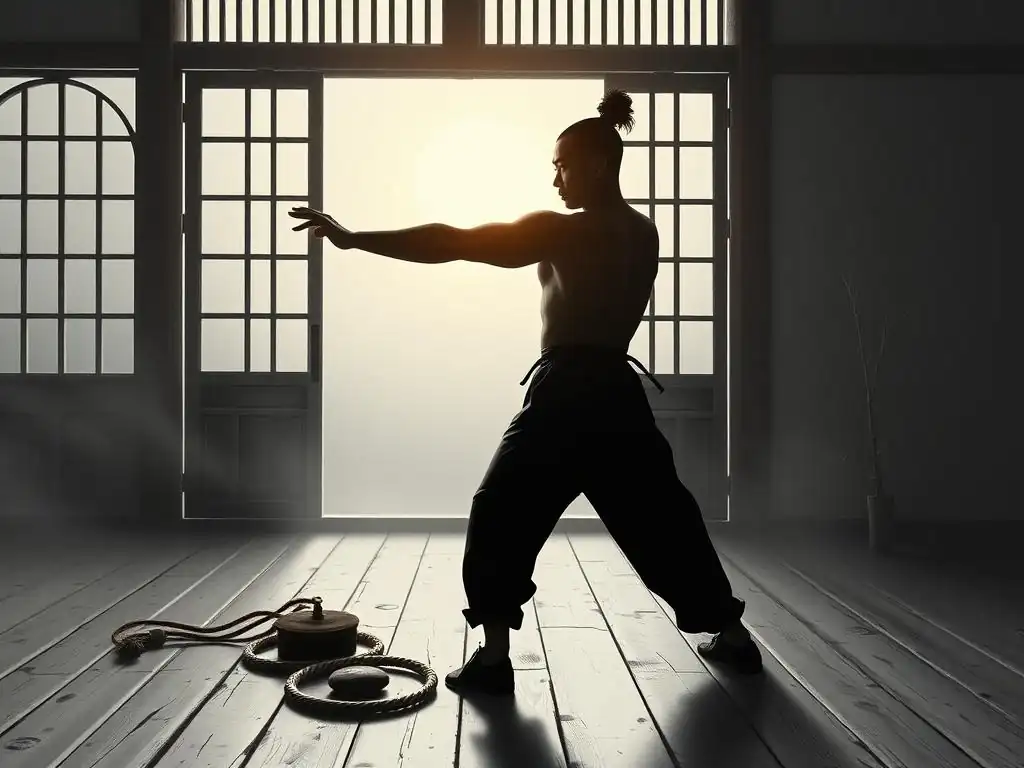
Physical Fitness Assessment: Understanding Your Baseline
Embarking on a Sanda training camp requires a solid physical foundation. Before attending, it's highly beneficial to conduct a self-assessment of your current fitness level. This involves evaluating your cardiovascular endurance, muscular strength, flexibility, and any existing physical limitations or injuries. A simple assessment could include timing how long you can run comfortably, testing your ability to perform basic bodyweight exercises like push-ups and squats, and checking your range of motion in key joints.
Understanding your baseline allows you to tailor your pre-camp training and set realistic expectations. If your cardio is low, for example, you know you need to focus heavily on running or cycling in the weeks leading up to the camp. If you have tight hamstrings, incorporating more stretching is essential.
Being aware of your starting point helps you communicate effectively with coaches at the camp about potential modifications or areas where you might need extra attention, making your Sanda training camp preparation guide more effective. This proactive approach significantly reduces the risk of injury and helps you get the most out of the intensive training.
Building a Sanda-Specific Strength and Conditioning Program
A critical part of any Sanda training camp preparation guide is developing a strength and conditioning program tailored to the demands of Sanda. This isn't about general fitness; it's about building the specific physical attributes needed for powerful strikes, explosive takedowns, and sustained performance. The program should integrate elements of cardiovascular endurance, functional strength, and flexibility, mimicking the movements and energy systems used in Sanda.
For instance, explosive power is crucial for Sanda's striking and throwing. Training should include exercises like plyometric push-ups, squat jumps, and medicine ball throws. Rotational power, vital for hooks and body shots, can be built through exercises like Russian twists and wood chops. Lower body strength, essential for kicks and takedowns, requires squats, lunges, and deadlifts. A well-rounded Sanda training camp preparation guide includes a progressive program that gradually increases intensity and volume in the months leading up to the camp.
Cardio and Endurance Training for Sanda Fighters
Sanda matches, although often short, involve intense bursts of activity interspersed with brief rests. This requires both aerobic and anaerobic endurance. Your Sanda training camp preparation guide should prioritize building a robust cardiovascular base. Long-distance running (5-10 km) 2-3 times a week helps build aerobic capacity, improving your ability to recover between rounds and training sessions.
In addition to steady-state cardio, incorporating high-intensity interval training (HIIT) is crucial for mimicking the stop-and-go nature of Sanda. Sprint intervals, hill repeats, or circuit training with minimal rest periods build anaerobic endurance, allowing you to perform explosive movements repeatedly without quickly fatiguing. Skipping rope is also an excellent Sanda-specific cardio exercise, improving footwork, coordination, and endurance simultaneously. Aim for 3-4 cardio sessions per week in the lead-up to the camp.
Strength Training Exercises for Powerful Sanda Techniques
Powerful Sanda techniques, whether strikes or takedowns, originate from a foundation of functional strength and explosive power. Your Sanda training camp preparation guide should include strength exercises targeting the muscle groups most involved in Sanda. For striking power, focus on exercises like bench press, overhead press, and rows, ensuring strong pushing and pulling movements. Rotational core strength is vital for generating power in punches and kicks, so incorporate exercises like cable rotations, medicine ball twists, and various plank variations.
Lower body strength is critical for powerful kicks, stable stances, and executing takedowns. Squats, deadlifts, lunges, and hamstring curls build foundational leg strength. For explosive power, add exercises like box jumps, power cleans, and kettlebell swings. Aim for 2-3 strength training sessions per week, focusing on compound movements and potentially incorporating plyometrics to develop explosiveness. Remember that the goal is functional strength for movement and power, not just lifting heavy weights.
Flexibility and Mobility Exercises for Sanda Performance
Flexibility and mobility are often overlooked but are vital components of a comprehensive Sanda training camp preparation guide. Good flexibility allows for higher kicks, deeper stances, and a greater range of motion needed for executing throws and avoiding injury. Mobility, the ability to move a joint actively through its full range of motion, is crucial for fluid movement and efficient technique execution.
Incorporate daily stretching routines, focusing on key areas like hips, hamstrings, shoulders, and back. Static stretching after workouts helps improve flexibility over time. Dynamic stretching, performed as part of your warm-up, prepares your muscles for activity and improves mobility. Exercises like leg swings, arm circles, torso twists, and hip rotations are excellent dynamic movements. Consider adding practices like yoga or Pilates 1-2 times a week to improve overall flexibility, core strength, and body awareness, which are invaluable for Sanda performance and injury prevention.
Mental Preparation for the Demands of a Sanda Camp
Physical readiness is only half the battle; mental preparation is equally crucial for navigating the challenges of a Sanda training camp. The intensity, volume, and potential for fatigue and discomfort can be significant. Preparing your mind involves setting realistic expectations, developing mental toughness, and cultivating focus.
Understand that there will be days when you feel exhausted, sore, or frustrated with your progress. This is normal. Acknowledge these feelings without letting them derail your commitment. Visualization techniques, picturing yourself successfully executing techniques or overcoming challenges, can be a powerful tool. Practice mindfulness or meditation to improve focus and presence during training sessions. Remind yourself why you are attending the camp – your goals for improvement and growth. This mental fortitude is a key element of a successful Sanda training camp preparation guide.
Setting Realistic Goals and Expectations
Before attending a Sanda training camp, take time to define what you hope to achieve, but also set realistic expectations. While intensive training offers rapid improvement, you won't become a world champion overnight. Goals might include mastering a specific takedown technique, improving your stamina for multiple rounds of sparring, or refining your striking combinations. Be specific and measurable where possible.
Understand that a Sanda training camp is a marathon, not a sprint within the camp itself. There will be ups and downs. Some days you'll feel like you're making huge strides, others you might feel stagnant or even regress slightly due to fatigue. Set process-oriented goals (e.g., "Attend every session fully prepared," "Focus on proper breathing during sparring") in addition to outcome goals (e.g., "Improve my side kick height"). This realistic approach helps manage frustration and keeps you motivated throughout the demanding schedule.
Developing Mental Toughness and Resilience
Mental toughness is the capacity to persevere through difficulty, discomfort, and adversity – qualities essential for succeeding in a Sanda training camp. This can be developed through conscious effort before and during the camp. In the lead-up, intentionally push yourself in training, whether it's doing an extra round on the heavy bag when tired or running that last kilometer even when your legs ache. This builds your tolerance for discomfort.
During the camp, resilience means bouncing back from setbacks. You might get dropped in sparring, fail repeatedly at a takedown, or simply feel overwhelmingly sore. Instead of getting discouraged, view these as learning opportunities. Focus on the lesson, not the failure. Practice positive self-talk and visualization. Remind yourself of your strength and determination. Overcoming these challenges builds not just a better Sanda practitioner, but a stronger individual. This resilience is a core outcome of a successful Sanda training camp preparation guide.
Visualization and Focus Techniques for Improved Performance
Visualization and focus techniques can significantly enhance your learning and performance during a Sanda training camp. Visualization involves mentally rehearsing techniques, scenarios, and desired outcomes. Before a training session focused on takedowns, spend a few minutes vividly imagining yourself executing perfect entries and finishes. Before sparring, visualize yourself moving fluidly, defending effectively, and applying your techniques. This mental rehearsal primes your body and mind for performance.
Focus techniques, such as mindfulness or simply concentrating intently on the coach's instructions and your own body's movements, keep you present and engaged. During repetitive drills, it's easy for the mind to wander. Practice bringing your attention back to the task at hand – the angle of your foot, the rotation of your hips, the timing of your breath. This heightened focus allows you to absorb information more effectively, make quicker corrections, and perform techniques with greater precision, making your Sanda training camp experience more productive.
Essential Gear and Equipment for Sanda Training Camp
Protective Gear: Safety First in Sanda Sparring
Safety is paramount in Sanda training, especially during sparring, which is a crucial part of camp training. Adequate protective gear is non-negotiable to prevent injuries. While camps typically have some communal gear, it is highly recommended to bring your own well-fitting equipment for hygiene and comfort. The essential items include headgear, mouthguards, and groin protection.
Headgear protects against cuts, bruises, and reduces the impact of strikes to the head, although it does not prevent concussions. A properly fitted mouthguard is vital for protecting teeth, gums, and reducing the risk of jaw injuries. Groin protection is essential for male practitioners during all sparring and even some drilling. Ensure all protective gear is in good condition before the camp begins.
Headgear, Mouthguards, and Groin Protection
Headgear for Sanda sparring should provide good coverage for the forehead, cheeks, and chin, while still allowing for adequate visibility. Look for gear with sufficient padding and a secure fastening system (laces, velcro, or buckle). A well-fitting headgear should not shift excessively when you move your head.
A custom-fitted mouthguard offers the best protection and comfort, but boil-and-bite mouthguards are a more accessible option. Ensure it fits snugly and allows you to breathe and speak relatively easily. Always wear your mouthguard during any activity where accidental impact is possible, not just formal sparring.
Groin protectors consist of a cup and a supporter or compression shorts to hold it in place. Choose a durable cup that provides sufficient coverage and a comfortable support system that keeps it securely positioned during dynamic movements. Wearing your own gear ensures it fits properly and is hygienic, contributing significantly to a safer Sanda training camp experience.
Shin Guards and Ankle Supports for Sanda Training
Shin guards are absolutely essential for Sanda training, particularly during kicking drills and sparring. Sanda involves powerful leg kicks, and repeated impact on unprotected shins can lead to severe bruising, contusions, or even fractures. Sanda or Muay Thai style shin guards, which cover both the shin and the instep of the foot, are recommended. Look for guards with good padding density and secure straps that prevent them from rotating during movement.
Ankle supports are also beneficial for Sanda training, offering stability and helping to prevent sprains or twists during dynamic footwork, kicking, and takedown attempts. They can be particularly helpful if you have a history of ankle issues or are training on unfamiliar surfaces. While not always mandatory, bringing your own well-fitting shin guards and ankle supports is a key part of being prepared for the physical demands of a Sanda training camp.
Training Apparel: Comfort and Functionality
Choosing the right training apparel is important for comfort, freedom of movement, and hygiene during an intensive Sanda training camp. You'll be sweating profusely, so breathable, moisture-wicking fabrics are highly recommended. Pack enough training outfits for multiple sessions per day, allowing for washing cycles if possible, or pack enough to last the duration if laundry facilities are limited.
The core training apparel includes Sanda shorts or other athletic shorts, training shirts (t-shirts or tank tops), and potentially rash guards. Rash guards can help prevent mat burn and provide a layer of compression. Ensure all clothing is durable and allows for the full range of motion required for high kicks, deep stances, and executing throws without restriction.
Sanda Shorts and Training Clothes
Sanda shorts are specifically designed for martial arts with wide legs and often a shorter cut to allow for unrestricted kicking and movement. Alternatively, any athletic shorts that are not too baggy or too restrictive around the thighs and hips will suffice. Avoid shorts with pockets or zippers that could scratch partners during drills or sparring.
For upper body, breathable t-shirts or tank tops are suitable. Some practitioners prefer compression tops or rash guards for added support and to minimize skin-to-skin contact during grappling exchanges. Pack multiple sets as you will likely train two or three times a day and sweat heavily in each session. Having clean, dry clothing ready for each training session is crucial for comfort and hygiene throughout your Sanda training camp.
Appropriate Footwear (or lack thereof) for Sanda Training
Sanda training, like many striking-based martial arts, is typically performed barefoot. This allows for better grip on the training surface, facilitates pivots and footwork, and strengthens the muscles of the feet and ankles. You will spend the majority of your time training on mats without shoes.
However, you will need appropriate footwear for conditioning sessions that take place outdoors, such as road work or sprints. Bring a good pair of running shoes or cross-training sneakers. You will also need comfortable footwear for walking around the camp facility and any excursions or downtime. While the core Sanda training is barefoot, don't forget practical shoes for other activities during your Sanda training camp experience.
Training Tools: Enhancing Your Sanda Skills
While most Sanda training camps provide necessary equipment like heavy bags and pads, bringing a few personal training tools can enhance your preparation and your experience at the camp. These items are typically compact and can be used for warm-ups, conditioning, or extra practice outside of structured sessions.
Simple tools like a skipping rope and resistance bands are invaluable. A skipping rope is excellent for cardiovascular conditioning, footwork, and coordination – all critical for Sanda. Resistance bands are versatile for warm-ups, activation exercises, and adding resistance to bodyweight strength training, helping to build explosive power relevant to Sanda techniques.
Punching Bags, Focus Mitts, and Sanda Pads/Shields
While you won't be expected to bring large equipment like heavy bags or wall bags to a Sanda training camp, understanding their use is important. Camps will have these available for power development and combination drilling. Heavy bags are used for practicing full-power strikes and combinations, building hitting power and endurance. Wall bags or specialized Sanda bags can be used for practicing specific strikes and entries.
Focus mitts and Thai pads (or similar Sanda-specific strike shields) are crucial tools used by coaches and training partners. Focus mitts are smaller and used for precision, speed, and complex combinations. Thai pads or larger shields are used for practicing powerful kicks, knees, and punch-kick combinations, allowing partners to absorb significant force. While you don't need to bring these, be prepared to use them extensively, often holding them for partners as well, which is a skill in itself.
Skipping Ropes and Resistance Bands
A skipping rope is perhaps the most essential portable training tool for a Sanda practitioner. It's excellent for warm-ups, improving cardiovascular fitness, coordination, and footwork speed – all vital for Sanda. Aim to spend 10-15 minutes skipping before each training session as part of your warm-up routine. Different skipping patterns can also improve agility and balance.
Resistance bands are incredibly versatile. They can be used for dynamic warm-ups to activate muscles, for adding resistance to exercises like squats or punches to build explosive power, or for stretching and mobility work. Pack a few bands of different resistance levels. They are lightweight and take up minimal space, making them perfect for travel and supplemental training during your Sanda training camp.
Nutrition and Recovery Strategies for Sanda Training Camp Success
Fueling Your Body for Intense Sanda Training
Proper nutrition is absolutely critical to sustaining performance and recovering during an intensive Sanda training camp. Your body will be burning a significant number of calories and requiring nutrients for muscle repair and energy production. Ignoring nutrition will lead to fatigue, poor performance, and increased risk of injury. Focus on a balanced diet rich in lean protein, complex carbohydrates, and healthy fats.
Ensure you are consuming enough calories to match your energy expenditure, which will be very high. Prioritize whole foods over processed options. Hydration is also paramount; drink plenty of water throughout the day, especially before, during, and after training sessions. Electrolyte drinks can be beneficial during or after particularly strenuous sessions or in hot climates.
Pre-Training Meals and Snacks
Fueling your body correctly before training sessions provides the energy needed for peak performance. A pre-training meal, consumed 2-3 hours before a session, should consist of complex carbohydrates for sustained energy and a moderate amount of protein. Examples include oatmeal with fruit and nuts, rice with lean chicken or fish, or a sandwich on whole grain bread.
If you need a boost closer to the training time (30-60 minutes prior), opt for a smaller, easily digestible snack focused on simple carbohydrates for quick energy. Fruits like bananas or apples, a small energy bar, or a handful of dates work well. Avoid heavy, fatty meals right before training, as they can cause digestive discomfort.
Intra-Training Nutrition: Maintaining Energy Levels
For typical Sanda training sessions lasting 1-1.5 hours, water is usually sufficient for hydration. However, during longer or particularly intense sessions, or multiple sessions throughout the day, consuming some carbohydrates and electrolytes can help maintain energy levels and prevent dehydration.
Sip on water mixed with electrolytes or a sports drink throughout the session. Some practitioners find that a small amount of easily digestible carbohydrates, like a few sips of a diluted sports drink or a small energy gel, can help sustain performance during very demanding periods of a Sanda training camp. Listen to your body and adjust based on your needs and the camp's schedule.
Post-Training Recovery Meals and Supplements
Recovery starts the moment training ends, and nutrition plays a key role. Within 30-60 minutes after a Sanda training session, consume a meal or snack containing a combination of protein and carbohydrates. Protein is essential for muscle repair and growth, while carbohydrates replenish glycogen stores depleted during exercise.
Examples include a protein shake with fruit, chicken breast with rice and vegetables, or Greek yogurt with berries and granola. This post-training window is crucial for kickstarting the recovery process. While whole foods should be the foundation of your diet, some practitioners may benefit from supplements like whey protein powder for convenient protein intake or creatine for power and recovery, but always research and consider professional advice before using supplements.
Prioritizing Rest and Recovery: Preventing Injury and Burnout
Intensive Sanda training camps push your body to its limits, making rest and recovery just as important as the training itself. Failing to prioritize recovery significantly increases the risk of injury, overtraining, and burnout. Adequate rest allows your muscles to repair, your nervous system to recover, and your energy levels to replenish.
Schedule downtime between sessions and ensure you are getting enough quality sleep. While the excitement of a new environment might be tempting, late nights will negatively impact your training performance and recovery. Incorporate active recovery techniques like stretching, foam rolling, or light movement to help alleviate muscle soreness and improve circulation.
Sleep Hygiene for Optimal Performance
Sleep is arguably the most critical component of recovery, especially during an intensive Sanda training camp. Aim for 7-9 hours of quality sleep per night. Establish a consistent sleep schedule, even on rest days. Create a relaxing bedtime routine – avoid screens, caffeine, and heavy meals close to bedtime.
Ensure your sleeping environment is dark, quiet, and cool. If you are sharing accommodation, use earplugs and an eye mask if needed. Poor sleep impairs muscle repair, cognitive function, and mood, all of which will negatively impact your Sanda training. Prioritizing sleep is a fundamental aspect of a successful Sanda training camp preparation guide.
Active Recovery Techniques: Stretching and Massage
Active recovery techniques can help manage muscle soreness, improve flexibility, and promote blood flow without adding significant stress to the body. Static stretching after training sessions, holding stretches for 30 seconds or more, helps improve range of motion and can alleviate muscle tightness. Focus on the major muscle groups used in Sanda: legs, hips, back, and shoulders.
Foam rolling or using massage tools can help release muscle knots and trigger points, reducing soreness and improving tissue quality. Light activities like a slow walk, swimming, or gentle yoga on a rest day can also aid recovery by promoting circulation. Some Sanda training camps might offer massage services, which can be beneficial for deep tissue recovery.
Managing Muscle Soreness and Fatigue
Muscle soreness is a common experience during intensive Sanda training, particularly in the initial days as your body adapts to the increased workload. While some soreness is normal, excessive pain or persistent fatigue are signs that you may need more rest or modifications. Listen to your body and communicate with your coaches about how you are feeling.
Strategies for managing soreness include consistent stretching, hydration, proper nutrition, and adequate sleep. Cold therapy, such as ice baths or cold showers, can help reduce inflammation. Warm baths can also promote relaxation and blood flow. Don't push through sharp pain; distinguish between muscle fatigue and potential injury. Taking an extra rest day or modifying drills might be necessary to prevent more serious issues and ensure you can continue training effectively.
Common Challenges and How to Overcome Them in Sanda Camp
Dealing with Injuries and Setbacks
Despite the best preparation and safety measures, injuries can sometimes occur during intensive Sanda training. These can range from minor sprains and bruises to more significant issues. It's crucial to address injuries promptly and intelligently. Do not try to tough out significant pain; this can worsen the injury and prolong recovery.
Communicate immediately with your coaches about any pain or injury. They have experience dealing with training injuries and can advise on whether you should rest, modify training, or seek medical attention. Focus on recovery and rehabilitation as instructed. While a setback can be frustrating, especially during a limited-time camp, viewing it as part of the journey and focusing on returning stronger is key. Patience and adherence to recovery protocols are vital.
Overcoming Language Barriers
If your Sanda training camp is located in a region where you do not speak the local language, language barriers can present a challenge. While many international camps have multilingual coaches or translators, direct communication might sometimes be difficult. This can affect understanding instructions, asking questions, or interacting socially.
Prepare by learning a few basic phrases related to training (e.g., "Hello," "Thank you," "Water," "My leg hurts"). Use translation apps on your phone. Pay close attention to demonstrations and body language from coaches. Don't be afraid to ask for clarification, even if it requires effort. Building rapport with fellow practitioners, some of whom may share a common language or be willing to help translate, can also ease communication. Patience and a willingness to use different communication methods are key.
Managing Homesickness and Culture Shock in a New Environment
Attending a Sanda training camp, especially in a foreign country, can be an intense experience that combines physical demands with being in an unfamiliar environment. Homesickness and culture shock are common challenges. You might miss your usual routine, friends, family, or familiar comforts. Cultural differences in food, social norms, or training etiquette can also feel disorienting.
Stay connected with loved ones back home through calls or messages, but ensure it doesn't interfere with your training or sleep. Embrace the new culture with curiosity rather than judgment. Try local foods, participate in camp social activities, and explore the area during downtime. Remind yourself that these feelings are temporary and part of the unique experience. Focus on the positive aspects of the camp and the opportunity for growth. Sharing your experiences with fellow campers who are likely facing similar challenges can also provide support.
Staying Motivated and Focused Throughout the Camp
Maintaining motivation and focus throughout a demanding Sanda training camp can be challenging, especially when fatigue sets in or you face setbacks. There will be moments when you question why you are pushing yourself so hard. Having a clear understanding of your goals (set during your Sanda training camp preparation guide phase) is essential.
Break down the camp duration into smaller, manageable periods. Focus on getting through the current session, the current day, or the current week. Celebrate small victories and improvements. Remind yourself of the progress you are making. Lean on the camaraderie of your fellow practitioners and the guidance of your coaches. If you feel overwhelmed, talk to a coach or camp organizer. Staying present and focusing on the process, rather than just the end result, helps maintain motivation.
Maximizing Your Sanda Training Camp Experience: Tips and Strategies
Building Relationships with Instructors and Fellow Practitioners
The people you train with and learn from are invaluable resources at a Sanda training camp. Actively building relationships with your instructors and fellow practitioners can significantly enhance your experience. Your instructors (often referred to as 'Shifu' or 'Lao Shi' in a Chinese context, depending on the school and their rank) possess deep knowledge and experience in Sanda. Show respect, be attentive during instruction, ask thoughtful questions, and seek feedback. Building a good rapport can lead to more personalized guidance and insights.
Your fellow practitioners, or 'training brothers/sisters', are going through the same demanding experience. They can provide support, motivation, and different perspectives during partner drills and sparring. Be a good training partner – be reliable, communicate effectively, and help others improve. Sharing experiences, challenges, and successes builds camaraderie and makes the intensive Sanda training environment more supportive and enjoyable. These relationships can also extend beyond the camp, forming a valuable network.
Actively Participating in Training Sessions and Respectful Practices
To get the most out of a Sanda training camp, full and active participation in every session is crucial. This means showing up on time, being mentally present, putting in maximum effort during drills and conditioning, and being engaged during technique explanations. Don't just go through the motions; focus on the details, ask questions if you don't understand, and push yourself safely.
Many martial arts traditions, including those from which Sanda draws, involve practices that demonstrate respect for the instructors, the training space, and the art itself. While Sanda may not have a specific ceremony like the Muay Thai 'Wai Kru', showing respect through actions like bowing before and after training, addressing instructors appropriately, helping set up or put away equipment, and maintaining cleanliness in the training area are important. Embracing these respectful practices demonstrates commitment and enhances the training environment for everyone.
Seeking Feedback and Improving Your Technique
A Sanda training camp provides an unparalleled opportunity for technical refinement due to the constant supervision and guidance from experienced instructors. Don't be passive; actively seek feedback on your technique. Ask your coach to watch you perform a specific kick or takedown entry and provide constructive criticism. Be open to receiving feedback, even if it points out flaws you weren't aware of.
Use the feedback you receive to make immediate adjustments in your training. If a coach tells you your weight isn't balanced during a sweep, focus intently on your foot placement and center of gravity in subsequent repetitions. Work with training partners to drill corrected movements. Documenting the feedback you receive (perhaps in a training journal) can help you remember key points and track your progress in implementing changes, making the Sanda training camp preparation guide phase's goals more achievable.
Documenting Your Progress and Reflecting on Your Journey
Keeping a training journal or documenting your experience in some way can be incredibly beneficial during and after a Sanda training camp. Record details about the training sessions, including the techniques covered, drills performed, sparring rounds, and conditioning exercises. Note down feedback received from coaches and your own observations about what felt good or what areas need improvement.
Beyond just training specifics, reflect on your physical and mental state. How did you feel each day? What challenges did you face and how did you overcome them? What breakthroughs did you have? Reviewing your notes allows you to track your progress, identify patterns (e.g., feeling more tired on certain days), and reinforce lessons learned. This reflection process deepens your understanding of your Sanda journey and provides valuable insights for your continued training after the camp.
Post-Camp Integration: Continuing Your Sanda Journey
Maintaining Your Fitness and Skills
Returning from an intensive Sanda training camp can feel like a jolt back to reality. The challenge is to maintain the fitness level and technical gains you achieved. Immediately transitioning back to a significantly reduced training volume can lead to a rapid decline in conditioning. Develop a plan to integrate elements of the camp routine into your regular training schedule.
Continue incorporating regular cardio, strength, and flexibility work. Dedicate consistent time to drilling the techniques you focused on at the camp. Find training partners who can help you practice. Consider joining a Sanda class or school if you don't already attend one, or work with a coach locally. Consistency is key; aim for regular training sessions, even if shorter than those at the camp, to retain your edge.
Applying What You Learned in Sparring and Competition
The true test of what you learned at a Sanda training camp comes when you apply it in sparring and, potentially, competition. Don't just revert to old habits; consciously try to incorporate the new techniques, combinations, and strategies you practiced intensely. Focus on the specific areas you aimed to improve during the camp, as outlined in your Sanda training camp preparation guide.
Use sparring sessions as opportunities to experiment and refine the skills learned. Are you successfully integrating striking and takedowns? Is your defense tighter? Are you managing distance more effectively? If you compete, apply the tactical approaches and mental toughness you developed. Reflect on your performance and identify areas where the camp training proved beneficial and where further work is needed.
As you integrate back into your regular training environment, consider sharing the knowledge and experiences you gained at the Sanda training camp. This doesn't mean trying to teach the entire camp curriculum, but rather sharing insights, demonstrating techniques you mastered, or offering tips on preparation and recovery based on your experience.
Teaching or explaining concepts to others can also deepen your own understanding of the material. By sharing your journey, you can inspire fellow practitioners in your local community to push their limits, consider attending a Sanda training camp themselves, or simply approach their training with renewed focus and dedication. Becoming a resource for others is a rewarding way to continue your Sanda journey post-camp.
Conclusion: Embarking on Your Sanda Training Camp Adventure
Frequently Asked Questions
What exactly is Sanda, and why is a training camp beneficial?
Sanda, also known as Chinese Kickboxing, is a modern combat sport derived from Kung Fu. Training camps offer intensive learning and skill development in a concentrated period.
What physical conditioning should I focus on before attending a Sanda training camp?
Prioritize cardiovascular endurance, strength training, and flexibility. Camp instructors expect a base level of fitness for optimal training.
What kind of equipment should I pack for a Sanda training camp?
Pack training gear like gloves, shin guards, and mouthguards, as well as comfortable workout clothes and personal hygiene items. Check the camp's specific equipment list.
What are some key mental preparation tips for a demanding Sanda training camp?
Cultivate mental resilience, discipline, and a willingness to learn. Prepare for challenges and be open to feedback.
What kind of post-camp recovery strategies are recommended after intensive Sanda training?
Focus on rest and recovery, including proper nutrition, hydration, and light stretching. Listen to your body and address any injuries promptly.
Final Reflection: Embracing the Crucible of Sanda
The journey through a Sanda training camp, as explored in this guide, is not merely about physical conditioning and martial skill; it’s about forging resilience and discipline. The lessons learned within those intense environments transcend the ring, shaping character and fostering a profound understanding of oneself. In a world often seeking instant gratification, the dedication required for Sanda training offers a powerful antidote, reminding us of the value of perseverance and commitment.
The impact of Sanda extends far beyond the physical realm. It cultivates mental fortitude, strategic thinking, and a deep respect for tradition and opponents. This discipline, honed through rigorous training, permeates all aspects of life, fostering a sense of purpose and unwavering focus. The ultimate aim of martial arts is not to win, but to perfect the character of its participants.
This quote encapsulates the transformative power of Sanda, highlighting its ability to mold individuals into more disciplined, respectful, and resilient versions of themselves.
Now, as you consider embarking on your own Sanda journey, remember that preparation extends beyond packing your gear and memorizing techniques. It requires a commitment to self-improvement, a willingness to push your limits, and an open mind ready to absorb the wisdom of your instructors and fellow practitioners. Embrace the challenge, trust the process, and allow the crucible of the Sanda training camp to forge you into something stronger, both inside and out.
Ignite Your Sanda Journey Today!
Thanks for exploring the world of Sanda training camps with us! We hope this article has given you valuable insights into what to expect and how to prepare for an intensive martial arts experience. Now, it’s time to take the next step.
Here’s how you can continue your Sanda adventure:
- Start researching Sanda training camps that align with your skill level and goals. Don't just look at the location; research the instructors and training methodologies.
- Join our Martial Arts Mastery online forum to connect with other Sanda enthusiasts and share your training goals. You might find a training partner or discover new camps through shared experiences.
- Challenge yourself to learn one new Sanda technique each week. Film yourself practicing and share it with a martial arts community for feedback!
Ready to book your Sanda training camp and push your limits?