
From Frail Youth to Martial Arts Master: The Inspiring Story of Jigoro Kano

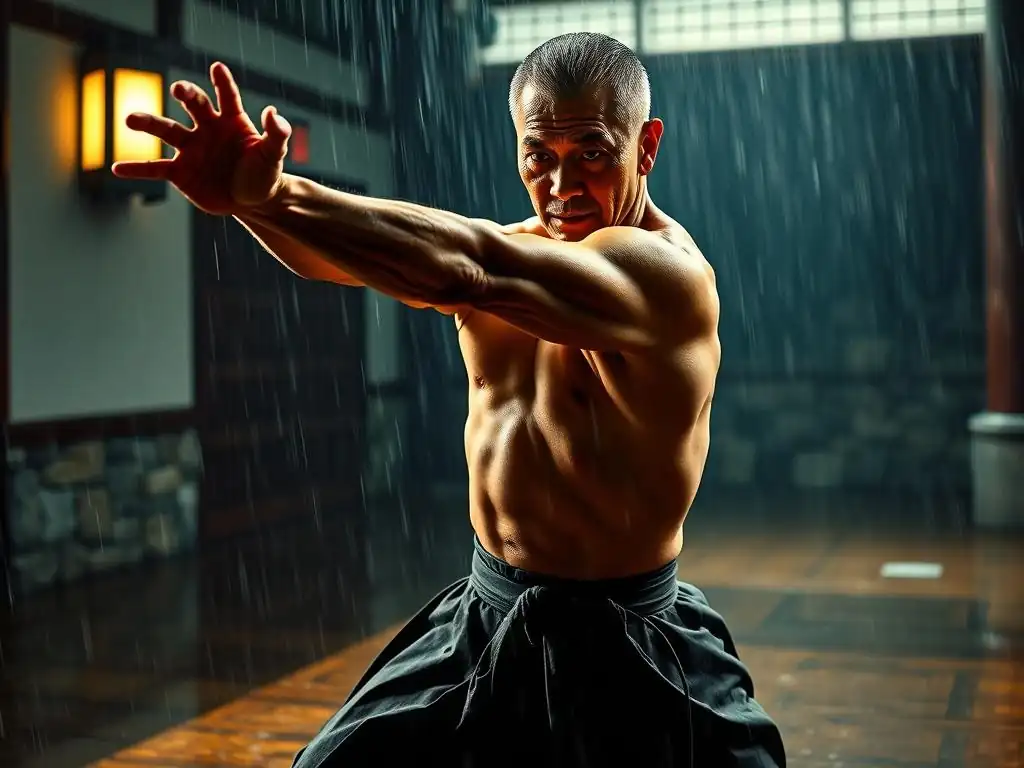
Welcome to Martial Arts Mastery, where we delve into the heart and soul of combat traditions from across the world. Ever wondered how a sickly young man could revolutionize martial arts and create one of the most practiced disciplines globally? Explore the fascinating life of Jigoro Kano in this captivating biography, uncovering the principles and philosophies that shaped his legacy, and discover how his journey transformed him into a true martial arts master. Prepare to be inspired!
- Introduction: The Legacy of Jigoro Kano and the Birth of Judo
- Early Life and Challenges: The Formative Years of Jigoro Kano
- Embracing Jujutsu: Kano's Path to Martial Arts Mastery
- Founding Kodokan Judo: A New Martial Art Emerges
- Jigoro Kano's Contributions to Judo Philosophy and Training
- Judo's Global Expansion: Kano's Vision Realized
- Jigoro Kano: Beyond Judo - Educator and Advocate
- The Enduring Influence of Jigoro Kano's Martial Arts Legacy
- Conclusion: Jigoro Kano - A True Martial Arts Master
-
Frequently Asked Questions
- What were some of the challenges Jigoro Kano faced in his youth?
- How did Jigoro Kano adapt traditional Jujutsu to create Judo?
- What were the core principles that Jigoro Kano emphasized in Judo?
- How did Jigoro Kano contribute to the development and spread of Judo internationally?
- Why is Jigoro Kano considered a legendary figure in martial arts history?
- Final Reflection: The Enduring Legacy of Perseverance
- Ignite Your Inner Warrior: Embrace the Path of Mastery!
Introduction: The Legacy of Jigoro Kano and the Birth of Judo
Jigoro Kano: A Pioneer in Martial Arts History
Jigoro Kano (1860-1938) is arguably one of the most influential figures in the history of martial arts, renowned as the founder of Judo. His life story, a compelling Jigoro Kano biography martial arts practitioners and historians study, details a journey from a physically weak child to a global icon. Kano's innovative approach went beyond mere combat techniques; he envisioned a system of physical, mental, and moral development that could benefit all people. His legacy is not just the art of Judo itself, but the paradigm shift he initiated in how martial arts were taught, practiced, and understood.
Born into a relatively affluent family, Kano's early life did not suggest he would become a martial arts revolutionary. However, his intellectual prowess and deep curiosity fueled his relentless pursuit of knowledge and personal improvement. This drive led him to explore the traditional Japanese fighting systems of jujutsu, seeking not only physical strength but also a deeper philosophical understanding. The development of Judo was a direct result of his critical analysis and synthesis of various jujutsu styles, filtered through his educational background and progressive worldview, making his Jigoro Kano biography martial arts history.
Kodokan Judo: Celebrating Kano's Contributions to Judo and Beyond
Kodokan Judo, established by Jigoro Kano in 1882 in Tokyo, became the central institution for his new martial art. The name "Kodokan" translates roughly to "place for studying the way," emphasizing the educational and philosophical aspects of Judo over purely combative ones. From its humble beginnings with just a handful of students and a small training space, the Kodokan grew to become the international headquarters of Judo, symbolizing Kano's remarkable contribution to martial arts.
Kano's vision for Kodokan Judo was multifaceted. He meticulously cataloged and refined techniques, creating a structured curriculum that was safe and accessible. More importantly, he instilled a strong ethical code and philosophical foundation, emphasizing principles like mutual welfare and benefit. The Kodokan became a crucible where these ideas were tested and disseminated, influencing not only martial arts but also physical education and character development worldwide. The story of Kodokan Judo is central to understanding the full scope of the Jigoro Kano biography martial arts evolution he spearheaded.
Early Life and Challenges: The Formative Years of Jigoro Kano
A Weak Constitution: Kano's Childhood Struggles
Jigoro Kano was born in Mikage, Hyogo Prefecture, Japan, on October 28, 1860. Unlike many legendary martial artists depicted in folklore, Kano was not a naturally robust or athletic child. He was described as frail and small for his age, often suffering from poor health. This physical weakness made him a target for bullying, a common challenge for many youths but particularly poignant in the context of his future path. This early struggle with his physical limitations became a significant motivating factor in his life.
His awareness of his own vulnerability instilled in him a desire to build physical strength and confidence. This personal struggle is a key element in the Jigoro Kano biography martial arts enthusiasts find inspiring, as it demonstrates that mastery is not solely dependent on innate physical gifts but can be cultivated through dedication and effort. Kano's determination to overcome his physical disadvantages directly led him to seek out methods of strengthening his body and spirit, setting the stage for his exploration of martial arts.
Exploring Academic Pursuits and Western Thought
Despite his physical challenges, Jigoro Kano excelled academically. He was a brilliant student with a keen intellect and a thirst for knowledge. In an era of rapid modernization in Japan following the Meiji Restoration (1868), Kano was drawn to Western studies and languages. He studied at the Tokyo Imperial University (now the University of Tokyo), where he majored in political science and literature, graduating in 1881. His academic background provided him with a critical and analytical mindset that he would later apply to the study and reform of martial arts.
His exposure to Western educational philosophies and physical culture, such as gymnastics and sports, broadened his perspective beyond traditional Japanese methods. He saw the potential for physical training to be integrated into a comprehensive educational system. This intellectual foundation and openness to new ideas were crucial in his development of Judo, distinguishing it from the often secretive and sometimes brutal traditional jujutsu schools. This blend of Japanese tradition and Western educational principles is a fascinating aspect of the Jigoro Kano biography martial arts scholars often highlight.
Embracing Jujutsu: Kano's Path to Martial Arts Mastery
Seeking Physical and Mental Strength Through Jujutsu
Driven by his desire to improve his physical condition and overcome his early frailty, Jigoro Kano began searching for a suitable method. He initially explored various sports and physical exercises but found them lacking the comprehensive approach he sought. His attention soon turned to jujutsu, the traditional Japanese unarmed combat systems, which were experiencing a decline in popularity during the Meiji era as Western culture gained prominence. Kano saw in jujutsu the potential not only for self-defense but also for developing physical strength, discipline, and mental fortitude.
His journey into jujutsu was not straightforward. Finding a qualified instructor willing to teach a young intellectual was challenging in that transitional period. Many traditional schools were closed or reluctant to share their secrets. However, Kano's persistence paid off. He recognized that the physical techniques of throws, joint locks, and striking found in jujutsu could provide the means to develop a strong body, while the rigorous training demanded mental discipline and resilience. This early exploration is a pivotal part of the Jigoro Kano biography martial arts historians trace.
Learning from Masters: Tenjin Shinyo-ryu and Kito-ryu Influences
Jigoro Kano studied under several prominent jujutsu masters, meticulously learning and analyzing their techniques. His initial significant training was with Fukuda Hachinosuke, a master of the Tenjin Shinyo-ryu school, which emphasized atemi (striking techniques) and katame-waza (grappling techniques, particularly joint locks and chokes). Kano trained diligently, often enduring hardship due to his relative lack of physical strength compared to other students.
After Fukuda's death, Kano continued his studies with Iso Masatomo, another master of Tenjin Shinyo-ryu. He later sought out Iikubo Tsunetoshi, a master of the Kito-ryu school. Kito-ryu placed a strong emphasis on nage-waza (throwing techniques) and the principle of kuzushi (breaking the opponent's balance). Kano's exposure to these distinct styles allowed him to compare and contrast techniques and principles, leading him to synthesize what he considered the most effective and rational elements. This critical study under multiple masters is fundamental to understanding the innovative nature of the Jigoro Kano biography martial arts synthesis he achieved.
Founding Kodokan Judo: A New Martial Art Emerges
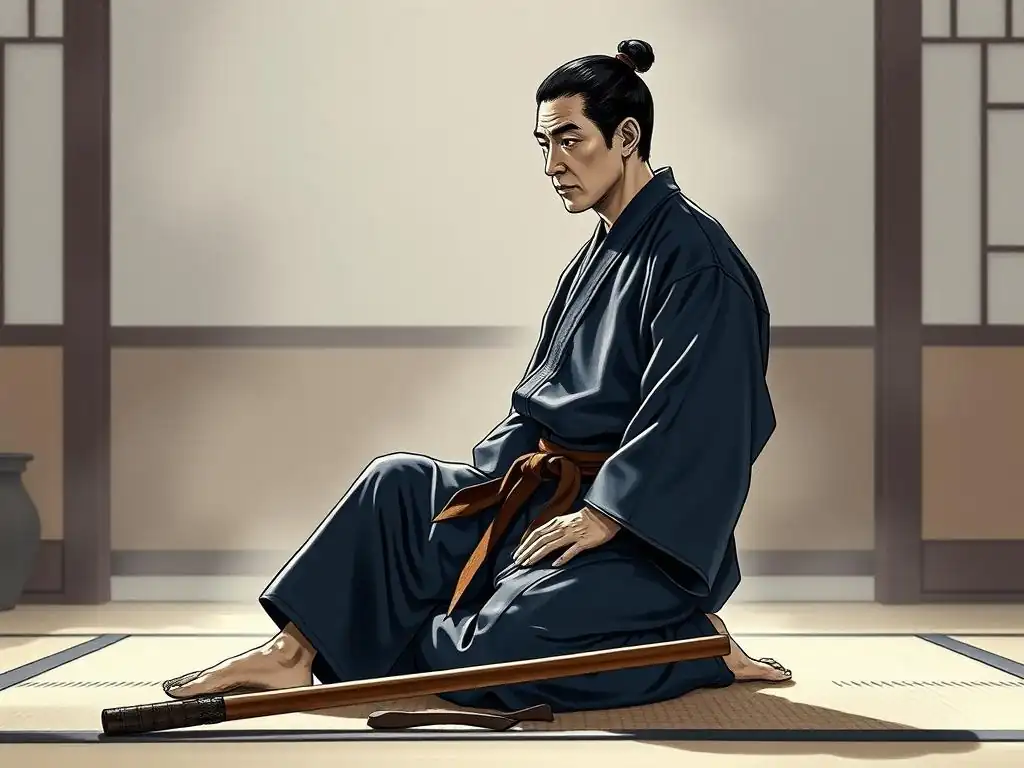
The Vision of Jigoro Kano: Creating a Modern Martial Art
Jigoro Kano's extensive study of various jujutsu schools led him to believe that while they contained valuable techniques, they were often disorganized, focused too heavily on dangerous methods, and lacked a clear philosophical or educational framework applicable to modern society. His vision was to create a reformed system, a "way" ( do) rather than just a "technique" ( jutsu), that would be safe, efficient, and beneficial for the development of the individual in body, mind, and spirit. He sought to retain the effective techniques of jujutsu while discarding the overly dangerous ones and integrating principles from his academic background and Western sports.
In 1882, at the Eisho-ji temple in Tokyo, Jigoro Kano established the Kodokan, marking the birth of Judo. He initially started with only nine students and a small space. His goal was ambitious: to create a martial art that was not merely a fighting method but a comprehensive system of physical culture, intellectual training, and moral education. This foundational act is the central event in the Jigoro Kano biography martial arts historians pinpoint as the beginning of a new era.
Principles of Judo: Seiryoku Zenyo and Jita Kyoei
Central to Jigoro Kano's philosophy of Judo are two core principles:
Seiryoku Zenyo(精力善用): Maximum efficiency with minimum effort. This principle applies not only to the execution of techniques (using an opponent's weight and momentum against them rather than brute force) but also to life in general – striving for efficiency and productivity in all endeavors.Jita Kyoei(自他共栄): Mutual welfare and benefit. This principle emphasizes the importance of helping and supporting others to achieve mutual progress and prosperity. Training partners help each other improve, and the practice of Judo should contribute positively to society.
These principles distinguish Judo significantly from many older martial arts that focused purely on self-protection or combat. Kano believed that applying these principles, both on and off the mat, was the key to developing a complete individual and contributing to a better society. Understanding these principles is essential when studying the Jigoro Kano biography martial arts philosophy he championed.
Kodokan: Establishing the Home of Judo
The Kodokan served as the laboratory and dissemination center for Jigoro Kano's new art. From its humble beginnings, it grew steadily. Kano meticulously organized the curriculum, developing the Gokyo (Five Groups) of throwing techniques and standardizing the katame-waza. He also developed the koryu no kata (forms of old schools) to preserve some of the historical techniques he studied, and the randori (free practice) method for applying techniques dynamically.
The Kodokan also established the belt ranking system ( kyu and dan) which is now ubiquitous in many martial arts worldwide. This system provided a clear path for progression and recognition of skill and knowledge. The structured environment, emphasis on safety (e.g., teaching how to fall properly, ukemi), and clear ethical guidelines made Kodokan Judo appealing and accessible to a wider audience than traditional jujutsu. The growth of the Kodokan is a direct reflection of the success of the Jigoro Kano biography martial arts system he created.
Jigoro Kano's Contributions to Judo Philosophy and Training
Judo Philosophy: Beyond Physical Combat
Jigoro Kano envisioned Judo as far more than just a method of fighting. He saw it as a "way of life" that cultivated individuals physically, mentally, and morally. The physical techniques were merely a tool to achieve these broader goals.
Judo is the way to the most effective use of both physical and spiritual strength. By training you in attacks and defenses it refines your body and your soul and helps you make the spiritual essence of Judo a part of your being. In this way you are able to perfect yourself and contribute to the world.
- Jigoro Kano
This quote encapsulates his belief that the ultimate aim of Judo practice was self-perfection and contribution to society through the application of its core principles. The philosophical dimension is a critical, often underestimated, part of the Jigoro Kano biography martial arts scholars emphasize.
Kano's Pedagogy: Training Methods and Curriculum
Kano's background as an educator profoundly influenced his approach to teaching Judo. He developed a systematic and progressive curriculum, starting with basic movements and breakfalls ( ukemi) before progressing to fundamental throwing ( nage-waza) and grappling ( katame-waza) techniques. He stressed the importance of randori (free practice) as a means to apply techniques in a dynamic, unscripted environment, but always within the framework of safety and mutual respect.
He also formalized kata (pre-arranged forms) not just as historical preservation but as a method for teaching principles, timing, and the essence of techniques without the resistance of a partner in randori. This dual approach of structured forms and free practice was innovative and highly effective. Kano's pedagogical methods laid the groundwork for modern martial arts instruction and are a significant part of the Jigoro Kano biography martial arts training methodologies he pioneered.
Judo's Impact on Physical Education and Self-Discipline
One of Jigoro Kano's major goals was to integrate Judo into the public education system. He successfully advocated for Judo to be included in Japanese schools, recognizing its potential for physical development, discipline, and character building among young people. He believed that the physical training inherent in Judo built strength, coordination, and agility, while the structured practice, adherence to rules, and respect for instructors and partners fostered discipline, humility, and perseverance.
The emphasis on overcoming challenges, both physical and mental, in Judo training instilled self-discipline and resilience. Students learned to control their emotions, manage frustration, and persist in the face of difficulty. This focus on holistic development made Judo a valuable tool for physical education and character formation, influencing educational systems beyond Japan. The role of Judo in education is a testament to the broader impact detailed in the Jigoro Kano biography martial arts legacy.
Judo's Global Expansion: Kano's Vision Realized
Promoting Judo Internationally: Travels to Europe and Olympic Advocacy
Jigoro Kano was a global visionary. Recognizing the universal appeal and potential benefits of Judo, he actively worked to promote it internationally. He traveled extensively to Europe and the Americas, giving demonstrations, lectures, and establishing Kodokan branches or affiliated dojos. He was a highly respected figure in international sports circles, partly due to his fluency in English and his academic background.
Kano was the first Asian member of the International Olympic Committee (IOC), joining in 1909. He passionately advocated for the inclusion of Judo in the Olympic Games, seeing it as a way to share Japanese culture and the principles of Judo with the world. While he did not live to see Judo's official debut, his efforts laid the essential groundwork. His international travels and advocacy are a crucial chapter in the Jigoro Kano biography martial arts global spread.
Judo at the Olympics: A Testament to Kano's Influence
Judo was officially included as a medal sport in the 1964 Tokyo Olympics, a significant milestone that fulfilled Jigoro Kano's long-held aspiration. Its inclusion in the most prestigious international sporting event solidified its status as a major global sport. Since 1964, Judo has been a staple of the Summer Olympics, featuring both men's and women's competitions.
The Olympic stage brought Judo to a worldwide audience, dramatically increasing its popularity and participation. While competitive sport Judo sometimes emphasizes different aspects than Kano's original vision (focusing more on winning contests), the core techniques and fundamental principles remain rooted in his teachings. The success of Judo in the Olympics is a powerful testament to the enduring influence and foresight captured in the Jigoro Kano biography martial arts global impact.
Jigoro Kano: Beyond Judo - Educator and Advocate
Kano's Contributions to Education in Japan
Jigoro Kano's influence extended far beyond the martial arts world. He was a prominent and respected educator throughout his career. He held numerous significant positions within the Japanese education system, including serving as the principal of the Tokyo Higher Normal School (later part of the University of Tsukuba) for many years. He also founded the Nada Junior and Senior High School, a prestigious institution known for its rigorous academic standards.
Kano was a passionate advocate for progressive educational reforms. He promoted physical education, character development, and international exchange within the school system. His work integrated physical, intellectual, and moral training, reflecting the same holistic principles he applied to Judo. His contributions to education are a vital, though sometimes overshadowed, aspect of the Jigoro Kano biography martial arts figure he is primarily known as.
The social and cultural impact of Jigoro Kano's work is immense. He transformed traditional, often secretive and sometimes brutal, jujutsu into a modern, accessible, and safe system of physical and moral education. By emphasizing principles like mutual welfare and efficiency, he presented a vision of martial arts practice that contributed positively to society rather than being solely focused on combat.
Judo became a vehicle for promoting physical fitness, discipline, and respect among millions worldwide. It played a role in shaping modern Japanese identity and physical culture and served as a bridge between Japan and the rest of the world through international competition and cultural exchange. Kano's vision helped elevate the perception of martial arts from mere fighting techniques to legitimate disciplines for personal growth and social good. This broad impact highlights the significance of the Jigoro Kano biography martial arts legacy he built.
The Enduring Influence of Jigoro Kano's Martial Arts Legacy
Judo Today: Continuing Kano's Vision for Future Generations
Today, Judo is practiced by millions of people in virtually every country around the globe. It remains a core Olympic sport and a popular recreational activity. While competitive Judo has evolved, focusing on specific techniques and strategies to win under sporting rules, the fundamental techniques and the ethical framework established by Jigoro Kano endure.
Many dojos around the world continue to emphasize the philosophical and educational aspects of Judo, teaching respect, discipline, and the principles of Seiryoku Zenyo and Jita Kyoei. The international Judo community, governed by the International Judo Federation (IJF), works to preserve Kano's legacy while adapting the sport for modern times. The continued global practice of Judo is the most visible aspect of the Jigoro Kano biography martial arts influence.
The Importance of Jigoro Kano's Biography in Martial Arts Studies
Studying the Jigoro Kano biography martial arts history is crucial for understanding the evolution of modern martial arts. Kano's systematic approach to technique, his emphasis on safety and pedagogy, and his development of a philosophical framework provided a template that influenced numerous other martial arts founders and reformers. Many modern systems, including Aikido and various forms of Karate, were influenced either directly or indirectly by Kano and the Kodokan.
His life story provides valuable insights into:
- The transition from traditional jutsu to modern do.
- The integration of physical, mental, and moral training.
- The process of synthesizing and refining techniques from different sources.
- The challenges and strategies of promoting a martial art internationally.
Understanding Kano's motivations, methods, and philosophy is essential for anyone seeking a deep appreciation of martial arts history and development.
Adaptations of Judo: MMA and Other Combat Sports
While Jigoro Kano's primary focus was not on unrestricted combat, the effective grappling techniques he systematized have had a significant impact on other combat sports, including mixed martial arts (MMA). Judo throws, takedowns, and ground control techniques are fundamental components of MMA fighters' arsenals.
- Notable Judo Olympians and world champions have transitioned to MMA, successfully applying their skills.
- The principles of kuzushi (breaking balance) and using leverage are universally applicable in grappling sports.
- Even practitioners of other grappling styles often incorporate Judo drills or techniques into their training.
This demonstrates the technical effectiveness of the system Kano developed, proving its applicability even in contexts far removed from the Kodokan dojo. The influence of Judo techniques in modern combat sports is another facet of the enduring Jigoro Kano biography martial arts legacy.
Here are some areas where Judo techniques are commonly seen in MMA:
- Takedowns:
Osoto Gari(Major Outer Reaping),Ippon Seoi Nage(One-Arm Shoulder Throw),Uchi Mata(Inner Thigh Throw). - Pins/Control:
Kesa Gatame(Scarf Hold),Kami Shiho Gatame(Upper Four Quarter Hold). - Submissions: Various armlocks and chokes adapted from Judo's katame-waza.
- [x] Understand Judo's core principles (`Seiryoku Zenyo`, `Jita Kyoei`).
- [x] Appreciate the historical context of Judo's creation.
- [x] Recognize Jigoro Kano's role in modern education.
- [x] See the global spread and influence of Judo.
Conclusion: Jigoro Kano - A True Martial Arts Master
Remembering Jigoro Kano: His Lasting Impact on the World of Martial Arts
Jigoro Kano passed away on May 4, 1938, but his influence continues to shape the world of martial arts and beyond. He is remembered not just as the founder of Judo but as a visionary educator, a pioneer of modern physical education, and a key figure in international sports. His ability to synthesize traditional wisdom with modern scientific and educational principles created a discipline that fosters physical prowess, mental acuity, and moral character.
His legacy is evident in the millions who practice Judo daily, in the dojos that serve as centers for learning and community, and in the continued evolution of martial arts training methods worldwide. The Jigoro Kano biography martial arts enthusiasts study reveals a man who dedicated his life to the betterment of individuals and society through the "gentle way." His principles and methods remain remarkably relevant in the 21st century.
Further Exploration: Resources for Learning More About Jigoro Kano and Judo
For those interested in delving deeper into the life and teachings of this remarkable figure, numerous resources are available. Studying the Jigoro Kano biography martial arts history is an ongoing journey.
- Read Kano's own writings, including "Mind Over Muscle: Writings from the Founder of Judo."
- Explore historical texts and biographies focusing on Kano's life and the Meiji era in Japan.
- Visit the Kodokan in Tokyo or its official website for historical information and current activities.
- Consult academic works on the history of martial arts and physical education in Japan.
- Train at a reputable Judo dojo to experience the practice firsthand and understand its principles from within.
Understanding Jigoro Kano's journey from a frail youth to a global martial arts master provides invaluable lessons on perseverance, innovation, and the power of a principled approach to life and training.
Frequently Asked Questions
What were some of the challenges Jigoro Kano faced in his youth?
Jigoro Kano was a frail and often bullied child, leading him to seek out a way to strengthen himself both physically and mentally. This initial vulnerability served as the catalyst for his martial arts journey.
How did Jigoro Kano adapt traditional Jujutsu to create Judo?
Kano meticulously analyzed various Jujutsu styles, eliminating dangerous techniques and emphasizing safe and effective throwing, grappling, and pinning maneuvers. He focused on maximizing efficiency and incorporating philosophical principles.
What were the core principles that Jigoro Kano emphasized in Judo?
Jigoro Kano promoted "Seiryoku Zenyo" (maximum efficiency, minimum effort) and "Jita Kyoei" (mutual welfare and benefit). These principles aimed to develop character and contribute to society beyond just physical prowess.
How did Jigoro Kano contribute to the development and spread of Judo internationally?
Kano dedicated his life to promoting Judo as an educational and character-building system. He established the Kodokan Judo Institute and actively introduced Judo to schools and universities, both domestically and internationally.
Why is Jigoro Kano considered a legendary figure in martial arts history?
Jigoro Kano revolutionized martial arts by transforming Jujutsu into Judo, a more accessible and ethically focused discipline. His innovative teaching methods and philosophical contributions cemented his legacy as a pioneer and visionary.
Okay, here's a final reflection designed to resonate with readers of your "From Frail Youth to Martial Arts Master: The Inspiring Story of Jigoro Kano" article, optimized for the keyword "Jigoro Kano biography martial arts":
Final Reflection: The Enduring Legacy of Perseverance
Jigoro Kano's journey, from a physically challenged youth to the founder of Judo, resonates deeply today because it underscores the transformative power of dedication and the human spirit's capacity to overcome adversity. His story is not just a historical account; it's a living testament to the potential within each of us to forge our own path, regardless of initial limitations.
The influence of Kano's philosophy extends far beyond the dojo. His emphasis on mutual welfare and benefit, coupled with the pursuit of self-improvement, continues to shape martial arts and personal development practices globally. Judo is the way to the most effective use of both physical and spiritual strength. By training one's attack and defense techniques, one refines the body and spirit and makes constant progress.
This quote encapsulates the core principles that have made Judo a force for positive change in countless lives.
Now, consider Kano's unwavering commitment to his vision. How can you apply that same spirit of perseverance and dedication to your own goals? Let Kano's biography serve as a reminder that even the most daunting challenges can be overcome with unwavering focus, a commitment to self-improvement, and a genuine desire to contribute to the well-being of others. Embrace the spirit of Judo, not just in physical practice, but in every aspect of your life, and discover the master within.
Ignite Your Inner Warrior: Embrace the Path of Mastery!
Thank you for exploring the incredible journey of Jigoro Kano with us! We hope you've found inspiration in his dedication and vision. Now, it's time to take your own steps toward martial arts mastery.
- Begin your journey: Research local Judo schools and schedule an introductory class to experience Kano's art firsthand.
- Delve deeper into the philosophy: Explore resources on the core principles of Judo, such as Seiryoku Zenyo (maximum efficiency, minimum effort) and Jita Kyoei (mutual welfare and benefit).
- Share Kano's story: Discuss Kano's legacy with fellow martial arts enthusiasts and inspire them to explore the roots of Judo.
What small step will you take today to embody the spirit of Jigoro Kano and strengthen your own path?