
Bridging the Gap: Integrating Strikes to Set Up a Dominant Muay Thai Clinch

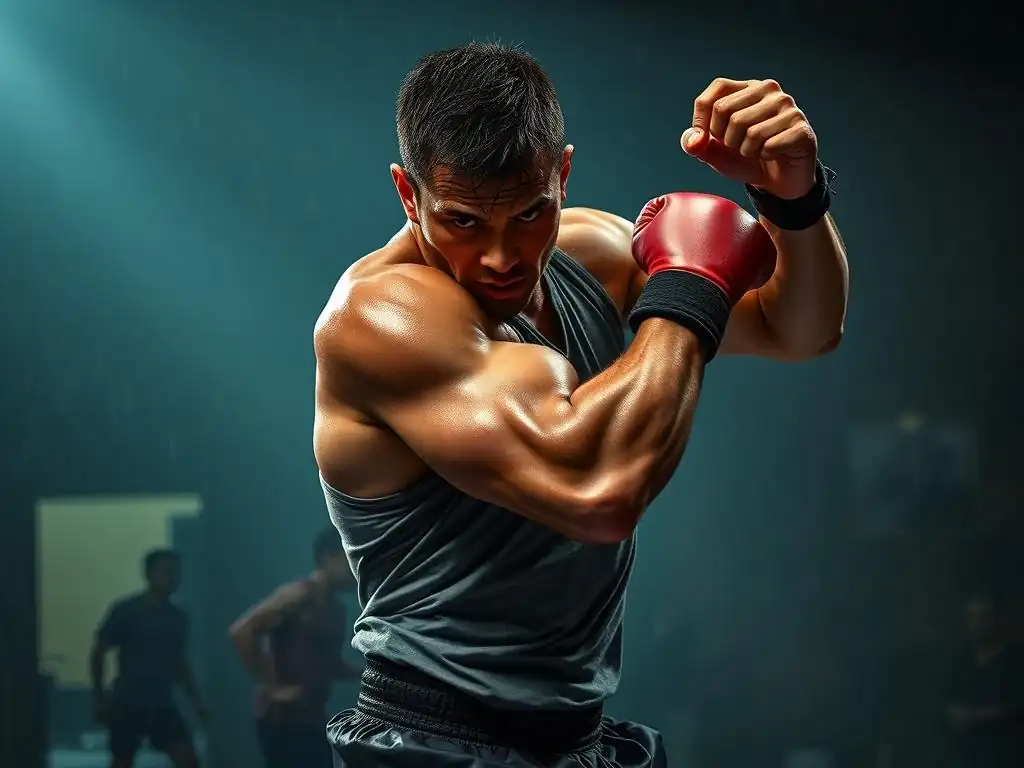
Welcome to Martial Arts Mastery, your gateway to the captivating world of combat traditions! Ever wondered how the devastating power of Muay Thai's striking game flawlessly transitions into the control and dominance of the clinch? This article delves deep into the art of Muay Thai clinch techniques training, revealing how to bridge the gap between explosive strikes and suffocating holds.
Prepare to unlock a new level of understanding and skill, as we unravel the secrets to seamlessly integrating strikes to set up a truly dominant clinch. Read on to discover the techniques that will elevate your Muay Thai game to the next level!
- Mastering the Muay Thai Clinch: A Striking Entry Guide
- Setting Up the Clinch: Effective Striking Combinations for Muay Thai
- Advanced Muay Thai Clinch Techniques: Integrating Elbows and Knees
- Controlling the Clinch: Dominant Positioning and Control
- Defending Against Clinch Attempts: Counter-Striking Strategies
- Drills for Seamless Striking-to-Clinch Transitions: Muay Thai Training
- Common Mistakes to Avoid in Muay Thai Clinch Techniques Training
- The Role of Conditioning in Muay Thai Clinch Performance
- Conclusion: Elevating Your Muay Thai Game Through Integrated Clinch Work
-
Frequently Asked Questions
- How important is bridging the gap between striking and the clinch in Muay Thai?
- What are some common striking techniques used to set up the Muay Thai clinch?
- Why is it important to control distance when transitioning to the clinch?
- What are the key advantages of a dominant Muay Thai clinch?
- How does understanding Muay Thai history and philosophy contribute to better clinch work?
- Final Reflection: Mastering the Art of Connection
- Ignite Your Clinch: Dominate with Striking Integration!
Mastering the Muay Thai Clinch: A Striking Entry Guide
Understanding the Importance of Clinch Entry in Muay Thai
In the dynamic world of Muay Thai, the clinch (or pah plum) is a pivotal range where fights are often won or lost. While mastering the techniques within the clinch – knees, elbows, sweeps, and control – is paramount, understanding and executing effective entries into this range is arguably the most critical skill.
A poorly timed or telegraphed clinch entry leaves a fighter vulnerable to devastating counter-strikes, while a successful entry immediately puts the opponent on the defensive and establishes control from the outset. This initial battle for position and dominance sets the tone for the entire clinch exchange, often determining who lands strikes and who absorbs them.
Developing superior entry strategies is a cornerstone of effective Muay Thai clinch techniques training. It's not enough to simply charge forward and grab; the entry must be disguised, explosive, and timed perfectly with the opponent's reactions or lack thereof. Fighters who excel at this transition can seamlessly shift from striking range to clinch range, catching their opponents off guard and securing dominant grips before resistance can be mounted. This mastery of the entry phase is what separates skilled clinch fighters from those who merely survive in the plum, transforming a potentially risky maneuver into a powerful offensive tool.
The Synergy Between Striking and Clinching in Muay Thai
The art of eight limbs emphasizes the interconnectedness of all its weapons: punches, kicks, elbows, and knees, along with the clinch. In professional bouts, it's common to see significant portions of rounds dedicated to the clinch, sometimes accounting for upwards of 30-40% of the fighting time, especially in later rounds. This highlights that striking and clinching are not separate phases of combat but rather two sides of the same coin, constantly transitioning between each other.
Effective strikes are used not just for damage but to create openings, close distance, and disguise intentions for a clinch entry. Conversely, a strong clinch game can wear an opponent down, make them hesitant to strike, and even set up opportunities for strikes upon exiting the clinch.
Therefore, truly effective Muay Thai clinch techniques training must integrate striking seamlessly. Relying solely on brute force to enter the clinch is inefficient and dangerous. Instead, fighters learn to use jabs to gauge distance, crosses to occupy the opponent's guard, hooks to create angles or pull, and low kicks to disrupt balance – all as setups for a fluid clinch entry. This synergistic approach ensures that every movement serves multiple purposes, maximizing efficiency and unpredictability. Fighters who understand this connection, like many legends of the sport, are formidable in all ranges, making them incredibly difficult to fight.
Setting Up the Clinch: Effective Striking Combinations for Muay Thai
Jab-Cross-Lead Hook Combination for Clinch Entry
The classic jab-cross-lead hook combination is a staple of striking, but it also serves as an excellent setup for entering the Muay Thai clinch. The initial jab serves to probe the opponent's defense and occupy their vision. The follow-up cross, thrown with power, forces the opponent to raise their guard defensively, often shifting their weight back slightly or creating a momentary blind spot.
As the cross lands or is blocked, the lead hook is thrown, often aimed at the side of the head or jaw. This hook can serve multiple purposes: it might land and stun, it might cause the opponent to duck their head, or, crucially for the clinch entry, it can be thrown slightly short or used as a feint to cover the distance and allow the fighter to step in and secure grips as the opponent reacts to the hook.
Executing this combination with the intention of clinching requires precise timing and footwork. As the hook is thrown, the fighter takes a strong forward step or angle to close the final distance, transitioning immediately from the striking motion into securing a dominant hand position – perhaps an inside tie or a grip on the neck.
The speed and rhythm of the combination distract from the underlying goal of clinching. Many Nak Muays utilize variations of this sequence, making it a fundamental part of their Muay Thai clinch techniques training, ensuring that their offensive striking directly facilitates their entry into their preferred close-range battle.
Utilizing Low Kicks to Open Opportunities for Clinch Entry
Low kicks are devastating weapons in Muay Thai, capable of debilitating an opponent's legs over time. However, they are also highly effective tools for setting up clinch entries. A hard low kick forces an immediate reaction from the opponent: they must either check the kick, block it with their arm, or absorb the impact.
Each reaction creates a potential opening for a clinch entry. If the opponent checks the kick, their weight is momentarily shifted onto their standing leg, making them less stable and slower to react to a forward rush. If they block or absorb, their focus and guard may drop slightly, or their posture could be momentarily compromised.
Repeatedly attacking the lead leg with low kicks can condition the opponent to expect the kick and react predictably, such as lifting their leg to check. This predictability can be exploited. A fighter can throw a low kick feint, or throw a kick and immediately follow the motion by stepping forward and securing a clinch grip before the opponent can reset their balance or posture.
This strategy is particularly effective against opponents who are adept at maintaining distance. Incorporating low kick setups is a smart tactic taught in comprehensive Muay Thai clinch techniques training, adding another layer of deception to the fighter's arsenal.
Feinting and Deception: Misdirection in Muay Thai Clinch Setups
Beyond specific combinations, feinting and general deception are invaluable for setting up successful clinch entries. A feint is a false or incomplete movement designed to elicit a reaction from the opponent without committing to a full strike. A subtle shoulder feint, a quick dip of the head, a slight shift in weight, or a partial extension of the arm can all make an opponent flinch, raise their guard, or shift their weight, creating a brief window of vulnerability. Timing the clinch entry to coincide with this defensive reaction is key.
Deception in Muay Thai clinch techniques training involves making your intentions unclear. This could mean mixing up your rhythm, using the same movement to initiate both strikes and clinch entries, or making your body language ambiguous.
For example, a fighter might repeatedly step in as if to throw a jab, only to quickly shift into securing a clinch grip instead. By constantly presenting a threat from multiple angles and ranges, the opponent is forced to react to everything, increasing the chance they will overreact or react incorrectly to a feint, providing the perfect opportunity to close the distance and establish a dominant position in the clinch.
Advanced Muay Thai Clinch Techniques: Integrating Elbows and Knees
Using Elbow Strikes to Disrupt Opponent's Balance Before Clinching
Elbows are often seen as weapons within the clinch, but they can also be effective tools used just before or during the initial clinch entry. Short, sharp elbow strikes, such as a horizontal elbow across the opponent's guard or an upward elbow aimed at the chin as you step in, can momentarily stun or disrupt their balance and focus. This split-second disruption can be all that's needed to secure a dominant grip and establish control before the opponent can fully defend against the clinch attempt.
These pre-clinch elbows are typically thrown from very close range, often as the fighter is closing the final distance after a striking combination or feint. The element of surprise is crucial; the opponent might be expecting a punch or a grab, but the sudden, sharp impact of an elbow can break their posture or make them instinctively cover up, leaving their arms and neck vulnerable for grip acquisition. Practicing these tight-range elbow entries is an advanced component of Muay Thai clinch techniques training, adding a dangerous dimension to the transition into the plum.
Knee Strikes as a Precursor to the Muay Thai Clinch
Knee strikes, particularly the straight push knee or stepping knee, can be used effectively to bridge the gap and initiate a clinch. A hard, driving push knee to the opponent's body or thighs can create space or force them to shell up, allowing the fighter to follow the momentum forward and secure a clinch grip.
A stepping knee, where the fighter steps forward with one leg and throws a knee with the other, naturally closes distance and can put the fighter in an ideal position to transition into a neck tie or double collar tie as the knee lands or is blocked.
Using knees in this manner is about leveraging their ability to cover distance and create reactions. A well-timed knee can drive the opponent back or make them clinch defensively, allowing the attacker to initiate the clinch on their terms. This strategy is particularly useful against opponents who circle away or try to maintain distance. Incorporating knees into clinch entry drills is vital in comprehensive Muay Thai clinch techniques training, teaching fighters how to use their lower limbs to set up their upper-body control.
Combining Elbows and Knees for Seamless Clinch Transitions
The highest level of integrated striking and clinching involves combining elbows and knees in fluid transitions. A fighter might throw a stepping knee to close distance, and as they secure the initial clinch grip, immediately follow with a short elbow strike if the opponent's head or body is exposed. Alternatively, an attempted elbow might be defended, but the movement flows directly into securing a neck tie and landing knees. This seamless transition between weapons makes the fighter unpredictable and dangerous at close range.
Developing this fluidity requires extensive practice, often through specific drills that chain together strikes, entries, and initial clinch attacks. For example, a drill might involve: step-in elbow -> secure neck tie -> land two knees -> transition to double collar tie. The goal is to eliminate hesitation and make the transition from throwing a strike to securing a grip and landing clinch strikes feel like one continuous motion. Mastering these combinations is a hallmark of advanced Muay Thai clinch techniques training, allowing fighters to dominate the close-range battle.
Controlling the Clinch: Dominant Positioning and Control
Hand Fighting Techniques for Superior Clinch Control
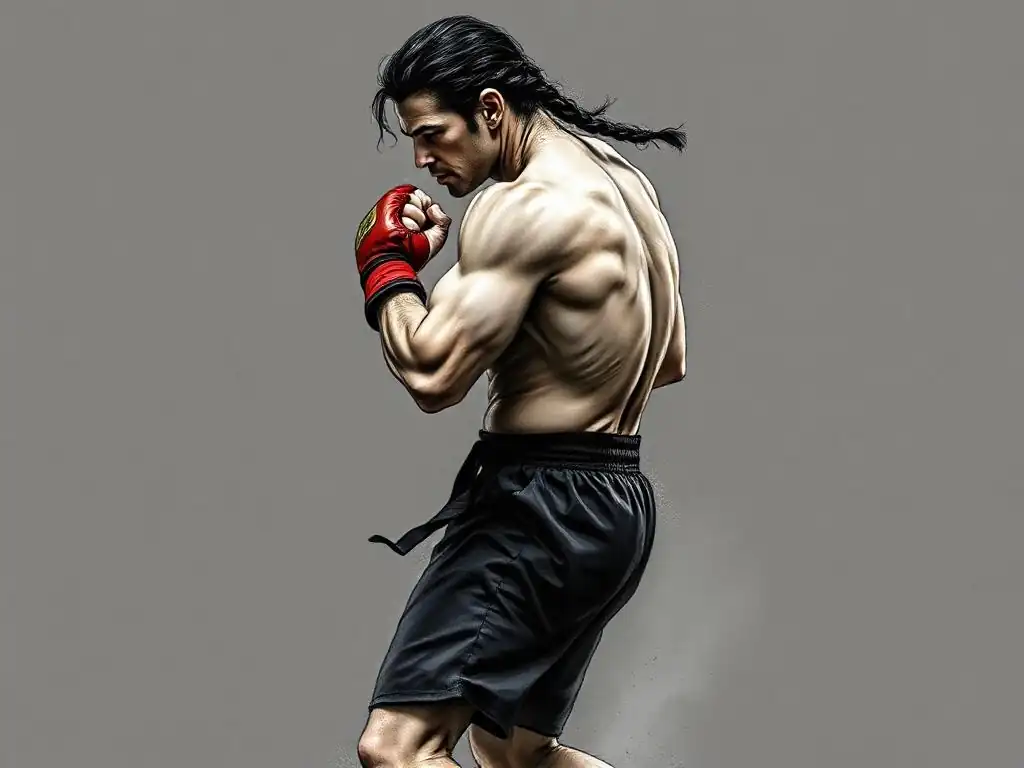
Once the clinch is established, the battle for hand position is constant and critical. Superior hand fighting allows a fighter to maintain dominant grips (like the double collar tie or 'plum'), control the opponent's posture, and prevent them from securing their own dominant grips or landing strikes.
Key hand fighting techniques include: using forearm pressure on the biceps to prevent the opponent from raising their arms to grip, stripping the opponent's grips by pulling or pushing their hands away, swimming your arms through to gain inside position, and continuously adjusting your own grips to maintain control of the neck or arms.
This is not a static engagement; it's a dynamic, ongoing struggle for leverage. A fighter with strong hand fighting skills can quickly neutralize an opponent's attempts to control them and establish their own control, setting up knees, elbows, or sweeps. Neglecting hand fighting in Muay Thai clinch techniques training is a common mistake that leads to losing control and being put on the defensive within the clinch. Mastering the ability to win the hand fight is fundamental to effective clinch performance.
Posture and Balance: Maintaining a Strong Base in the Clinch
Maintaining strong posture and balance is non-negotiable for clinch dominance. Good posture involves keeping a relatively straight back, bending the knees to lower the center of gravity, and keeping the feet spread to provide a stable base. This stance makes the fighter resistant to being pulled down, pushed off balance, or swept. It also allows the fighter to generate maximum power for their own strikes (knees, elbows) and techniques (sweeps, pushes).
Conversely, poor posture – such as leaning forward, standing too tall, or having feet too close together – makes a fighter easily susceptible to being controlled, pulled down, swept, and unable to generate significant power. In the constant pushing and pulling of the clinch, a fighter with superior balance and posture can consistently maintain their position and leverage, while the opponent is constantly struggling to stay upright and stable. Drills focusing on maintaining a strong base under pressure are essential in Muay Thai clinch techniques training.
Breaking Opponent's Posture: Unbalancing Techniques in Muay Thai
A primary goal within the clinch is to break the opponent's posture and unbalance them. This makes them vulnerable to strikes and sweeps. Techniques for breaking posture include: sharp downward pulls on the neck tie, pushing the opponent away or pulling them towards you at opportune moments, using knee bumps to disrupt their base, or using arm drags to spin them off balance. The aim is to force the opponent to bend over, stand on one leg, or otherwise lose their stable base.
Once an opponent's posture is broken, they are significantly weaker and less able to defend effectively. Their head is often brought down, exposing them to upward knees, or they are forced to put weight on one leg, making them susceptible to sweeps. Combining hand fighting with unbalancing techniques is a powerful strategy. For example, securing a deep double collar tie and then executing a sharp downward pull while simultaneously stepping back is a common and effective way to break posture. Learning these techniques is a vital part of effective Muay Thai clinch techniques training.
Defending Against Clinch Attempts: Counter-Striking Strategies
Recognizing Telltale Signs of an Incoming Clinch Attempt
Effective clinch defense begins with recognizing when an opponent is attempting to enter the clinch. While skilled fighters disguise their intentions well, there are often subtle cues. Common tells include: the opponent suddenly closing distance rapidly, often with their head slightly lowered or tucked, dropping their guard slightly as they reach forward, a change in breathing rhythm, or a shift in their body weight forward. Developing an awareness of these subtle signs through sparring and focused training is crucial.
Reading an opponent's body language and rhythm is a skill honed over time in Muay Thai clinch techniques training. By learning to spot these indicators early, a fighter gains precious fractions of a second to react defensively. This early recognition allows the defender to initiate counter-measures, whether that's evading, disrupting the entry, or counter-striking, rather than being caught off guard and forced into a defensive clinch from a poor position.
Using Footwork to Evade and Redirect Clinch Entries
One of the most effective ways to defend against a clinch attempt is to use footwork to evade or redirect the opponent. Instead of meeting the opponent's forward pressure head-on, a fighter can step off to the side at an angle, circle out of the line of attack, or use a quick lateral movement. This can cause the opponent to miss their intended grip entirely or force them to enter the clinch from a less dominant, off-balance position on the defender's side.
Redirecting the opponent's momentum is also key. As the opponent steps in for the clinch, a well-timed pivot or step can use their own forward energy against them, spinning them past or putting them in a vulnerable side-on position. Training evasive footwork specifically against forward pressure is a critical component of defensive Muay Thai clinch techniques training, turning an opponent's aggressive entry into an opportunity for the defender.
Counter-Striking Options Against Clinch Attempts: Teep and Push Kick
Counter-striking is another excellent defense against clinch entries. The most common and effective counter is the teep (push kick). As the opponent steps forward to clinch, a hard, well-timed teep to the chest or stomach can stop their momentum completely, pushing them back and resetting the distance. This not only prevents the clinch but also potentially scores points or even knocks the wind out of the attacker.
Other counter-striking options include a straight punch down the center line as the opponent closes distance, or an upward elbow if they are lunging in with their head down. The key is timing – delivering the counter-strike as they are attempting the entry, disrupting their motion and balance before they can secure grips. Integrating teeps and other counter-strikes into clinch defense drills is vital in Muay Thai clinch techniques training to build instinctive reactions against aggressive clinch attempts.
Drills for Seamless Striking-to-Clinch Transitions: Muay Thai Training
Shadowboxing with Clinch Entries: Visualizing the Flow
Shadowboxing is not just for practicing strikes; it's also an invaluable tool for visualizing and practicing transitions, including striking-to-clinch entries. During shadowboxing rounds, dedicate specific segments to practicing combinations that end with a simulated clinch entry. For example, throw a jab-cross-hook and immediately step forward, mimic securing a double collar tie, and practice the footwork and body mechanics of entering the clinch.
This solo drill allows fighters to focus purely on the fluid movement and timing without the pressure of a resisting opponent. Visualize the opponent reacting to your strikes and practice using that reaction as the cue to enter the clinch. Incorporate feints followed by entries. Shadowboxing these transitions helps build muscle memory and improves the fluidity of movement between striking and clinching ranges, making it a foundational element of effective Muay Thai clinch techniques training.
Partner Drills: Practicing Striking Combinations and Clinch Transitions
Partner drills are essential for practicing clinch entries against a live, albeit cooperative, opponent. Start with simple drills: Partner A throws a specific striking combination (e.g., 1-2-low kick), and Partner B practices timing their clinch entry based on Partner A's movement or reaction. Then switch roles. Progress to drills where Partner B provides light, then increasing, resistance to the clinch entry and initial grip acquisition.
More advanced drills can involve Partner A throwing random strikes, and Partner B reacting by entering the clinch when an opening presents itself. Focus on drilling specific entry setups repeatedly, such as using a hook to pull the opponent into range or using a low kick to shift their weight before entering. Partner drills provide crucial feedback and allow fighters to practice timing and technique against realistic movement, forming a core part of practical Muay Thai clinch techniques training.
Sparring: Implementing Clinch Setups in Live Combat
Ultimately, the ability to integrate strikes and clinch entries must be tested and refined in sparring. Start with light, technical sparring rounds specifically focused on practicing clinch entries and transitions, rather than full-power clinching. Make it a goal for the round to successfully execute a certain number of different clinch entries using various striking setups. Don't worry about winning the clinch exchange initially; focus on the entry itself.
As skill and confidence grow, incorporate these entries into harder sparring rounds. Pay attention to which setups work best against different opponents and how they react. Sparring provides the most realistic environment to practice timing, deception, and reacting to unpredictable movement. It is the final, crucial step in applying all the elements of Muay Thai clinch techniques training learned in drills and shadowboxing to live combat scenarios.
Common Mistakes to Avoid in Muay Thai Clinch Techniques Training

Telegraphing Clinch Entries: Maintaining Surprise and Speed
One of the most common and detrimental mistakes in Muay Thai clinch techniques training is telegraphing your intention to clinch. This occurs when a fighter makes obvious movements or changes in posture just before attempting to enter, such as taking a deep breath, dropping their head excessively, or making a large, winding motion. These tells give the opponent valuable warning, allowing them to evade, defend, or counter the entry attempt easily.
Effective clinch entries rely on surprise and speed. The transition from striking to clinching should be fluid and deceptive, making it difficult for the opponent to predict. Focus on keeping your posture consistent until the moment you explode into the clinch and using your strikes or feints to mask your intention. Eliminating telegraphing is a key area of focus for improving your Muay Thai clinch techniques training and success rate.
Neglecting Hand Fighting: The Importance of Grip Control
Another frequent error is neglecting the ongoing battle for hand control within the clinch. Many fighters focus solely on securing the initial grip but then become passive, allowing the opponent to easily strip their grip, gain superior hand position, or break their control. The clinch is a constant struggle, and winning the hand fight is essential for maintaining dominance.
Effective Muay Thai clinch techniques training emphasizes that securing the initial grip is just the first step. You must continuously fight for inside position, strip the opponent's grips as they try to secure them, and adjust your own grips to maintain control of their posture and movement. Failing to engage actively in hand fighting will quickly lead to losing the advantage in the clinch and being put on the defensive.
Poor Posture and Balance: Staying Grounded and Strong
As highlighted earlier, poor posture and balance are significant hindrances in the clinch, and maintaining good posture is a common area where fighters struggle. Standing too upright, leaning forward, or having a narrow base makes a fighter easy to pull down, off-balance, or sweep. This compromises their ability to strike effectively from the clinch and makes them highly vulnerable to the opponent's techniques.
Consistently focusing on keeping a low center of gravity, bent knees, and a straight back, even under pressure, is vital. Drills that challenge balance and posture against resistance are crucial. Correcting poor posture is a fundamental aspect of Muay Thai clinch techniques training that must be addressed early and consistently to build a strong foundation for clinch dominance.
The Role of Conditioning in Muay Thai Clinch Performance
Strength Training for Clinch Dominance: Deadlifts and Pull-ups
The clinch is incredibly physically demanding, requiring significant strength, particularly in the upper body, core, and grip. Strength training tailored for the clinch can significantly enhance performance. Exercises that build pulling strength, like deadlifts, pull-ups, and various rowing exercises, are essential for controlling an opponent's posture and pulling them into range for knees or off-balance for sweeps.
Core strength, developed through exercises like planks, twists, and medicine ball work, is crucial for maintaining posture, generating torque for strikes, and resisting being twisted or swept. Grip strength, improved through exercises like farmer's walks or grip specific training, is vital for maintaining dominant hand control. Incorporating functional strength training into your regimen is a critical, though sometimes overlooked, aspect of comprehensive Muay Thai clinch techniques training.
Cardiovascular Endurance for Sustained Clinch Engagement
Clinch exchanges are often intense bursts of isometric and dynamic effort that can last for extended periods within a round. The constant pushing, pulling, hand fighting, and striking require high levels of both aerobic and anaerobic endurance. A fighter with superior cardiovascular conditioning can maintain intensity and effectiveness in the clinch for longer periods, outworking and wearing down an opponent whose gas tank is depleted.
Roadwork, interval training, and sparring (especially clinch-focused rounds) are traditional methods for building this endurance. High-intensity interval training (HIIT) can replicate the stop-start nature of clinch exchanges. Prioritizing conditioning alongside technical drills is paramount; even perfect technique is ineffective if you lack the stamina to apply it consistently. Building endurance is a non-negotiable part of effective Muay Thai clinch techniques training.
Flexibility and Mobility for Enhanced Clinch Technique
While strength and endurance are vital, flexibility and mobility also play a significant role in effective clinching. Good hip flexibility allows for higher, more powerful knee strikes and provides a better base when defending against sweeps. Shoulder mobility is important for securing and maintaining dominant grips, especially the double collar tie, and for generating power in clinch elbows.
Incorporating stretching, yoga, or specific mobility drills into your training routine can improve your range of motion and body control within the tight confines of the clinch. Being able to move freely and maintain strong positions without being restricted by tightness can make a noticeable difference in your ability to execute techniques and defend against an opponent's attacks. Mobility and flexibility training enhances the technical aspects of Muay Thai clinch techniques training.
Conclusion: Elevating Your Muay Thai Game Through Integrated Clinch Work
Frequently Asked Questions
How important is bridging the gap between striking and the clinch in Muay Thai?
Bridging the gap is crucial for a dominant clinch. Successfully integrating strikes can disrupt your opponent's balance and create openings for a more effective clinch entry.
What are some common striking techniques used to set up the Muay Thai clinch?
Common techniques include jabs, teeps (push kicks), and roundhouse kicks. These strikes are used to disrupt the opponent's stance and create opportunities to close the distance and establish the clinch.
Why is it important to control distance when transitioning to the clinch?
Controlling distance is paramount for a successful clinch. By managing the space, you can prevent your opponent from landing strikes and ensure a smooth transition into grappling range.
What are the key advantages of a dominant Muay Thai clinch?
A dominant clinch allows for control of your opponent's posture, the ability to deliver powerful knee strikes, and opportunities for sweeps and dumps. It also limits their offensive capabilities.
How does understanding Muay Thai history and philosophy contribute to better clinch work?
Understanding the history and philosophy provides a deeper appreciation for the art. This can translate into a more strategic and adaptable approach to clinching, informed by traditional principles and tactics.
Final Reflection: Mastering the Art of Connection
The journey through Muay Thai clinch techniques training has revealed more than just a series of holds and strikes; it has illuminated the profound connection between striking and grappling, transforming the clinch from a reactive position into a proactive tool for dominance. This integration, once mastered, elevates a fighter's arsenal, allowing them to seamlessly transition between disciplines and control the flow of combat.
The impact of understanding and implementing these techniques extends beyond the ring. It's about cultivating a deeper understanding of leverage, balance, and control, principles applicable not just to Muay Thai, but to life itself. The clinch is not just a position; it's a conversation. It's a dance of pressure and resistance, a test of will and skill.
This conversation, this dance, shapes not only our physical prowess but also our mental fortitude.
Now, as you step back from this exploration of Muay Thai clinch techniques training, consider how you can apply these principles of connection and control in your own life. Embrace the challenge of bridging gaps, of integrating seemingly disparate elements to create something stronger, more effective, and ultimately, more fulfilling. The power to connect, to control, and to dominate starts with understanding the fundamentals – now go forth and master them.
Ignite Your Clinch: Dominate with Striking Integration!
Thanks for delving into the art of seamlessly blending strikes and clinches in Muay Thai. We hope you've gained valuable insights into how to control the fight through strategic integration. Ready to put these techniques into action?
Here are a few ways to start:
- Implement a dedicated 15-minute drill focusing solely on transitioning from your best strike to a dominant clinch position.
- Share this article with a training partner and challenge each other to improve your clinch entries using striking setups.
- Film yourself practicing these transitions and analyze your footwork and timing for potential improvements.
What specific striking combination are you most excited to integrate into your clinch game?