
The Role of Music and Rhythm in Traditional FMA Weaponry Demonstrations

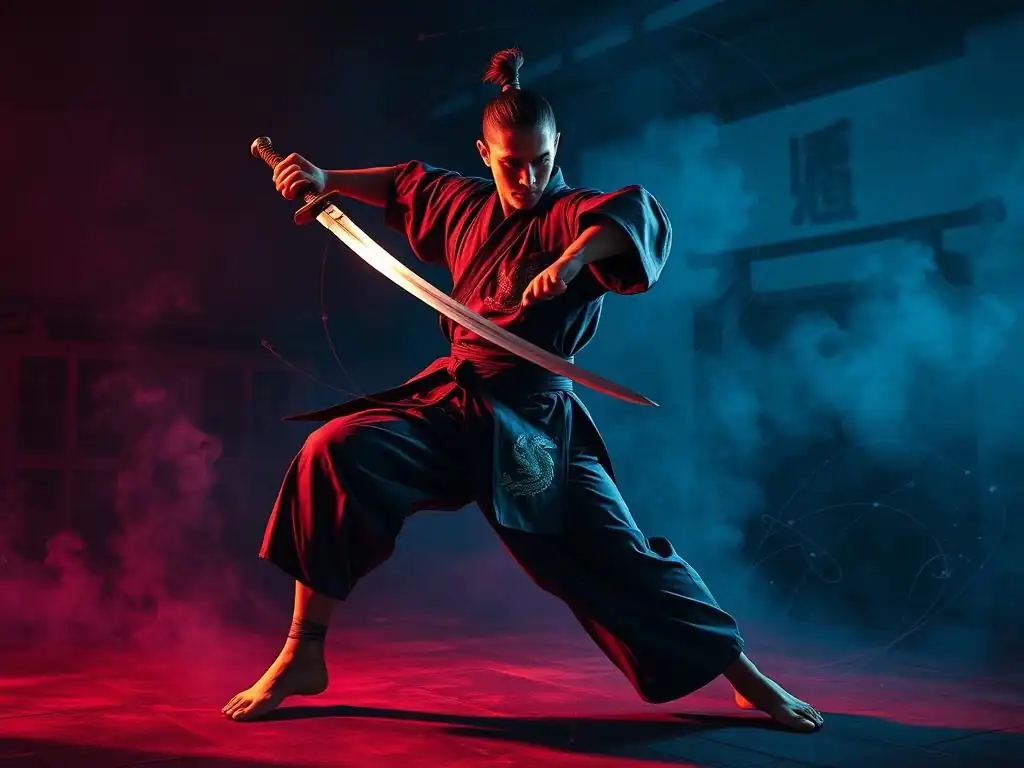
Welcome to Martial Arts Mastery, your portal to understanding the depth and breadth of global martial arts traditions! Delve into the fascinating synergy between combat and artistry as we explore the captivating world of weaponry. This journey starts with a unique intersection: have you ever considered the powerful role of music and rhythm in traditional Filipino Martial Arts (FMA) weaponry demonstrations? Uncover the secrets behind this hypnotic blend and discover how it elevates both performance and skill in our latest article. Prepare to be amazed by the artistry and precision!
- Introduction: FMA Weaponry, Rhythm, and Cultural Significance
- The Historical Context of Music in FMA Weaponry Displays
- Rhythmic Patterns in FMA Weaponry Techniques
- Musical Instruments and Their Role in FMA Demonstrations
- Synchronizing Music and Movement: Examples from Different FMA Styles
- The Psychological Impact of Music and Rhythm on Performers and Audience
- Modern Interpretations and Innovations in FMA Weaponry Demonstrations
- Training Drills to Develop Rhythmic Awareness in FMA
- The Future of Music and Rhythm in FMA Weaponry Presentations
- Conclusion: The Enduring Harmony of FMA Weaponry, Music, and Rhythm
-
Frequently Asked Questions
- How does music typically accompany FMA weapon demonstrations?
- Why is rhythm considered important in FMA weapon training?
- What types of musical instruments are commonly used in FMA weapon demonstrations?
- How does the "FMA weapon music rhythm" concept translate to practical self-defense situations?
- Does the specific type of music influence the style of FMA weaponry demonstrated?
- Final Reflection: The Harmonious Dance of Steel
- Unleash Your Inner Rhythm!
Introduction: FMA Weaponry, Rhythm, and Cultural Significance
Understanding Filipino Martial Arts (FMA) Weaponry
Filipino Martial Arts (FMA), often collectively referred to as Eskrima, Kali, or Arnis, encompass a diverse range of fighting systems originating from the Philippines. These arts are renowned for their sophisticated use of weaponry, including single or double sticks (baston), bladed weapons like knives (daga) and swords (espada), and even flexible weapons. The emphasis on weapons is deeply rooted in Filipino history and culture, where proficiency with tools for both survival and combat was essential. Training typically begins with weapons, as the principles learned transfer effectively to empty-hand techniques.
The core of FMA weaponry lies in understanding angles of attack, defensive structures, flow, and timing. Practitioners learn intricate footwork patterns to generate power and maintain balance while striking and defending. The fundamental movements often follow specific sequences and patterns that, upon closer examination, reveal an inherent rhythmic quality. This rhythmic foundation is not merely aesthetic; it is integral to the practical application of the techniques, enabling practitioners to execute complex sequences with speed, precision, and power. Mastering FMA weapon rhythm is a key element of becoming a proficient practitioner.
The Importance of Rhythm in FMA Training
Rhythm in FMA training is far more than just keeping time; it is the underlying pulse that dictates movement, timing, and energy flow. From the simplest striking drills to complex forms and sparring, a strong sense of rhythm allows practitioners to anticipate, react, and execute techniques effectively. Beginners often start by learning basic counts and sequences, like the classic 12 angles of attack, which are practiced in a repetitive, almost percussive manner. This builds a foundational FMA rhythm that becomes internalized.
Developing a keen awareness of rhythm enhances coordination between body movements and weapon handling. It helps practitioners maintain a consistent pace, conserve energy, and build stamina during prolonged training or performance. Furthermore, understanding the rhythm of an opponent's movements is crucial in live scenarios, allowing for effective timing of entries, defenses, and counter-attacks. This internal FMA rhythm becomes a critical tool for both solo practice and partner drills.
Connecting Music and Movement in Traditional FMA Demonstrations
Traditional FMA demonstrations are not merely displays of combat techniques; they are often performances deeply interwoven with cultural expression. In many traditional settings, music serves as a vital component, providing a sonic backdrop that enhances the visual spectacle and underscores the cultural significance of the art. The connection between the rhythmic movements of the FMA weaponry and the accompanying music is profound, creating a holistic sensory experience.
The music often mirrors the intensity and flow of the demonstration. Fast, percussive rhythms can accompany rapid-fire striking sequences, while slower, more melodic passages might accompany intricate footwork or defensive patterns. This synchronization of FMA weapon music rhythm elevates the performance beyond a simple technical showcase, transforming it into a dynamic narrative that communicates skill, discipline, and cultural heritage to the audience. The deliberate choice of music and its integration with the FMA rhythm is a hallmark of impactful traditional presentations.
The Historical Context of Music in FMA Weaponry Displays
Ancient Filipino Warfare and Ritualistic Performances
Historically, martial arts in the Philippines were not isolated combat systems but were integrated into the fabric of society, including warfare, rituals, and celebrations. Before formal, standardized training methods existed, martial skills were often passed down through practical application, sometimes within a ritualistic context.
Music and percussive sounds played a significant role in many indigenous Filipino rituals, often used to invoke spirits, signify important events, or prepare warriors for battle. While direct historical records detailing specific musical scores for ancient FMA weapon techniques are scarce, anthropological studies and accounts suggest that rhythmic chanting, drumming, and other forms of percussive music were likely present during martial exercises and pre-battle rituals.
These ancient practices likely laid the groundwork for the later integration of music into FMA demonstrations. The repetitive, rhythmic nature of practicing weapon forms or drills naturally lends itself to musical accompaniment. Imagine warriors practicing striking patterns to the beat of a drum – this not only provides a temporal structure but also builds camaraderie and intensity. The inherent FMA rhythm of the movements would have intertwined with the ambient sounds and music of their environment and culture.
The Evolution of FMA Weaponry Demonstrations
Over centuries, as FMA systems evolved and adapted to changing socio-political landscapes, the ways in which they were taught and presented also changed. From practical battlefield applications, FMA skills were preserved and transmitted through family lineages and clandestine practice during periods of foreign occupation. Demonstrations became a way to showcase skill, test techniques, and entertain. During the Spanish colonial era, for example, FMA was sometimes disguised within traditional dances like the Moro-moro or Sakuting, where stick fighting was integrated into theatrical performances, often accompanied by music.
In more recent times, FMA demonstrations have become more formalized, featured in martial arts tournaments, cultural festivals, and instructional settings. While the primary focus remains on technical proficiency, the role of presentation, including the use of FMA weapon music rhythm, has become increasingly important. Modern demonstrations often incorporate more complex choreography and synchronized movements set to specific musical pieces, enhancing their visual and emotional impact. This evolution reflects both the desire to preserve traditional elements and adapt the art for contemporary audiences.
Preserving Cultural Heritage Through Music and Movement
The integration of music and movement in FMA demonstrations serves a crucial role in preserving Filipino cultural heritage. Many traditional Filipino musical instruments, such as the kulintang (a set of knobbed gongs) or the gangsa (flat gongs used in the Cordillera region), are deeply tied to specific ethnic groups and their traditions. Using these instruments in FMA performances connects the martial art directly to its cultural roots and helps keep these musical traditions alive.
Furthermore, the rhythmic patterns found in FMA movements often echo the rhythms found in traditional Filipino dances and music. By performing FMA techniques alongside traditional music, practitioners are not just demonstrating fighting skills; they are performing a cultural artifact that embodies history, identity, and artistic expression. This conscious effort to link FMA rhythm with traditional music ensures that the art remains grounded in its heritage, educating both practitioners and audiences about the rich cultural tapestry of the Philippines.
Rhythmic Patterns in FMA Weaponry Techniques
The Significance of Counting and Cadence in FMA
Counting is fundamental to learning FMA techniques. Beginners are often introduced to patterns using numerical counts, such as the "dos mados" (two strikes) or sequences involving specific numbers of strikes and defenses. This counting provides a clear structure and dictates the cadence – the rhythmic flow and timing – of the movements. For instance, practicing the 12 angles of attack might be done to a steady count, ensuring each strike lands with deliberate timing and power. This establishes a basic FMA rhythm for the practitioner.
Beyond simple counting, practitioners develop an internal cadence that governs their movements. This cadence is influenced by the specific style, the type of weapon used, and the practitioner's own physicality. A long sword (espada) might dictate a broader, more sweeping cadence than a quick knife (daga). This internal rhythm allows practitioners to execute complex combinations smoothly and efficiently, transitioning seamlessly between strikes, blocks, and transitions. Mastery of this internal FMA weapon rhythm is a sign of advanced skill.
Common Rhythmic Structures Used in FMA Forms
FMA forms, or sayaw (dance) as they are sometimes called when performed for demonstration, often incorporate specific rhythmic structures. These structures can be simple, like a steady 1-2-3-4 beat for basic striking drills, or more complex, involving syncopation, pauses, and changes in tempo. Many forms utilize call-and-response patterns, where a specific movement or sequence is followed by a response, creating a distinct rhythmic dialogue within the form itself.
Consider a form involving double sticks. A common pattern might involve alternating strikes with each hand, creating a steady, percussive rhythm. Another section might involve a flurry of rapid strikes followed by a sudden stop, creating a syncopated effect. These rhythmic variations within the form are not arbitrary; they often reflect practical applications, such as overwhelming an opponent with speed or creating a deceptive pause. The FMA rhythm inherent in these forms provides a framework for both practice and performance.
How Rhythm Enhances Precision and Power in Weapon Strikes
Rhythm is intrinsically linked to the mechanics of generating power and achieving precision in FMA weaponry. Proper timing, guided by rhythm, ensures that body weight and momentum are channeled effectively into each strike. A strike delivered with the correct cadence, synchronized with footwork and hip rotation, will be significantly more powerful than one delivered haphazardly. For example, a powerful downward strike with a stick often involves a coordinated movement of the feet, hips, and shoulders culminating in the impact – this coordinated sequence has a specific, optimal rhythm.
Precision is also enhanced by rhythmic training. Repetitive practice of techniques to a consistent beat or count helps engrain the correct movement patterns into muscle memory. This allows practitioners to execute strikes and defenses with greater accuracy, hitting intended targets consistently. By focusing on FMA rhythm during training, practitioners develop the ability to control the timing and force of their movements, making their techniques both powerful and precise.
Musical Instruments and Their Role in FMA Demonstrations
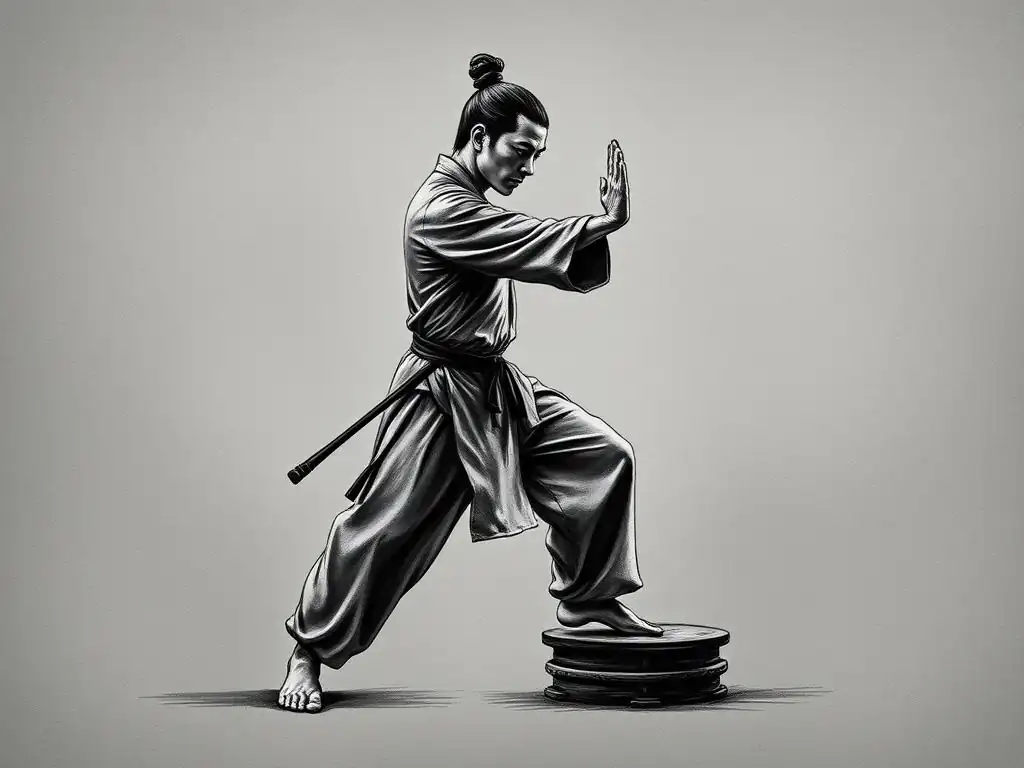
Traditional Filipino Instruments Used in FMA Performances (e.g., Kulintang, Gangsa)
Traditional FMA demonstrations are often accompanied by indigenous Filipino musical instruments, each bringing its unique timbre and rhythmic possibilities. The kulintang, a set of graduated brass gongs laid horizontally, is prominent in the music of the Maguindanao and Maranao people of Mindanao. Its percussive, melodic sound is often characterized by intricate, interlocking rhythms that can provide a complex backdrop for FMA movements. A demonstration featuring a kulintang ensemble can create a vibrant, energetic atmosphere perfectly suited for dynamic weapon forms.
In the Cordillera region of Luzon, the gangsa, flat gongs played by striking with the hand or a stick, are central to traditional music. Gangsa music is often highly rhythmic and communal, used in dances and rituals. Using gangsa in FMA demonstrations from this region connects the martial art to the specific cultural practices of groups like the Igorot.
The driving, percussive beat of the gangsa can powerfully underscore the footwork and striking rhythms of FMA techniques. Other instruments like the agung (large, suspended gongs), dabakan (goblet drum), and various bamboo instruments might also be used, each contributing to the unique FMA weapon music rhythm.
The Soundscape of FMA Weaponry Demonstrations
The soundscape of an FMA weaponry demonstration is a rich tapestry woven from the sounds of the movements themselves and the accompanying music. The sharp crack of sticks colliding, the swish of blades cutting through the air, the rhythmic thud of footwork – these percussive sounds are inherent to the art. When combined with live or recorded music, these sounds create a powerful auditory experience.
The music doesn't just provide a beat; it sets the mood and intensity. Fast, driving drumming can evoke the urgency of combat, while melodic gongs might suggest the grace and discipline of the art. The interaction between the sounds of the weapons and the music is crucial. A skilled performer can time their strikes and movements to accent the musical rhythm, creating moments of striking synchronicity. This careful orchestration of sound and movement enhances the overall impact and aesthetic appeal of the FMA weapon music rhythm presentation.
Matching Music to Specific Weapon Techniques
Choosing the right music to accompany specific FMA weapon techniques is key to a successful demonstration. Different weapons and techniques have their own inherent rhythms and energies. Fast, fluid knife work (daga) might be best matched with quick, intricate percussive rhythms, perhaps from a kulintang ensemble. The powerful, sweeping movements of a sword (espada) might be better suited to broader, more dramatic musical phrases or the resonant tones of large gongs.
Stick fighting (baston), particularly double-stick drills, often involves rapid, percussive exchanges that align well with driving drum beats or the interlocking patterns of kulintang music. Consider the rhythm of "heaven and earth" strikes or figure-eight patterns – these have distinct internal rhythms that can be highlighted by complementary music. Demonstrators often select or compose music that not only fits the overall mood but specifically accentuates the FMA rhythm and cadence of the techniques being performed, creating a harmonious blend of sound and motion.
Synchronizing Music and Movement: Examples from Different FMA Styles
Examining Eskrima and its Rhythmic Expression
Eskrima, as a broad term encompassing many systems, often features demonstrations with a strong emphasis on flow and continuous movement. Rhythmic expression in Eskrima demonstrations can range from the steady, percussive beat of basic drills like abecedario (the alphabet of strikes) to the complex, syncopated rhythms of advanced sinawali (weaving) patterns using double sticks. Styles like Doce Pares or Balintawak often emphasize speed and precision, and the music accompanying their demonstrations might reflect this with fast tempos and sharp accents.
In a typical Eskrima double-stick demonstration, the performers might synchronize their strikes to a driving drum beat. The rapid clack-clack-clack of the sticks hitting each other or a padded surface creates its own percussive layer that interacts with the music. The footwork, too, often follows a rhythmic pattern – stepping, shifting, and pivoting in time with the strikes and the music. This coordinated FMA rhythm between individual movements, weapon sounds, and external music is a hallmark of compelling Eskrima performances.
Analyzing Kali's Use of Music in Demonstrations
Kali, another widely used term for FMA, particularly emphasizes angles, flow, and the transition between weapons and empty hands. Kali demonstrations often showcase intricate footwork patterns and dynamic weapon manipulation. Music in Kali demonstrations might lean towards more complex or varied rhythms, reflecting the art's emphasis on adaptability and improvisation within a structured framework. Some Kali styles might incorporate traditional dance elements, further integrating music and movement.
For example, a Kali demonstration featuring silat-influenced movements might use music with Southeast Asian rhythmic structures. The flow drills, like sumbrada or contada, involve call-and-response patterns between partners, which can be beautifully underscored by music that mimics this back-and-forth structure. The FMA weapon music rhythm in Kali often highlights the fluid transitions and the sophisticated footwork that are central to the system.
Comparing Rhythmic Approaches Across Various FMA Systems
While there are commonalities, different FMA systems often have distinct rhythmic approaches that influence how music is used in their demonstrations. Some systems, like certain forms of Arnis, might emphasize a very structured, almost military cadence, reflected in music with strong, predictable beats. Others, particularly those with strong ties to indigenous dance forms, might use music with more complex, syncopated, or free-form rhythms.
Consider the difference between a highly structured, classical Arnis form performed to a steady drumbeat versus a more fluid, combative Kali demonstration set to intricate kulintang music. The former might highlight precision and discipline through clear, predictable FMA rhythm, while the latter might emphasize adaptability and dynamic interaction through varied and complex rhythmic interplay. These differences illustrate how music is used not just as accompaniment, but as an integral element that reflects the unique character and principles of each FMA system and its FMA weapon music rhythm.
The Psychological Impact of Music and Rhythm on Performers and Audience
Enhancing Focus and Concentration Through Rhythmic Training
Training with a focus on rhythm can significantly enhance a practitioner's focus and concentration. The need to synchronize movements with a count, a partner's actions, or music requires intense mental engagement. This type of training helps to quiet distractions and develop a heightened sense of awareness of one's own body and its interaction with external cues. The repetitive nature of rhythmic drills can also induce a meditative state, allowing for deeper practice and internalization of techniques.
Many FMA instructors use rhythmic exercises precisely for this reason. Practicing basic strikes or footwork to a steady beat helps students develop discipline and mental fortitude. It trains the mind to stay present and connected to the physical movements. This improved focus, cultivated through rhythmic training, translates directly to better performance in sparring, forms, and demonstrations, refining the practitioner's internal FMA rhythm.
Evoking Emotional Responses Through Music in FMA Displays
Music has a powerful ability to evoke emotional responses, and its use in FMA demonstrations is no exception. The choice of music can dramatically alter the audience's perception of the performance. Fast, aggressive music can convey the intensity and danger of combat, while slower, more melodic music can highlight the grace and artistry of the movements. A sudden shift in tempo or mood in the music can create dramatic tension or emphasize a change in the demonstration's focus.
Performers, too, are influenced by the music. A driving beat can energize them, helping them push through demanding sequences with greater vigor. A melancholic melody might allow them to express the deeper cultural or historical narratives embedded in the art. The synergy between the FMA weapon music rhythm and the emotional content of the performance creates a more profound and memorable experience for both the demonstrator and the viewer.
Creating a Sense of Flow and Connection with the Audience
When music and movement are seamlessly synchronized, it creates a sense of "flow" – a state where the performer is fully immersed in the activity, and the movements appear effortless and fluid. This flow is highly engaging for an audience. The rhythmic harmony between the FMA techniques and the music draws viewers in, allowing them to connect with the performance on an intuitive, almost visceral level.
The audience begins to anticipate the movements based on the music's rhythm, creating a shared experience between the performer and the spectators. This connection is particularly strong in traditional settings where the music and movements are familiar cultural elements. The FMA weapon music rhythm becomes a shared language that transcends technical understanding, allowing the audience to appreciate the beauty, power, and cultural significance of the martial art.
Modern Interpretations and Innovations in FMA Weaponry Demonstrations
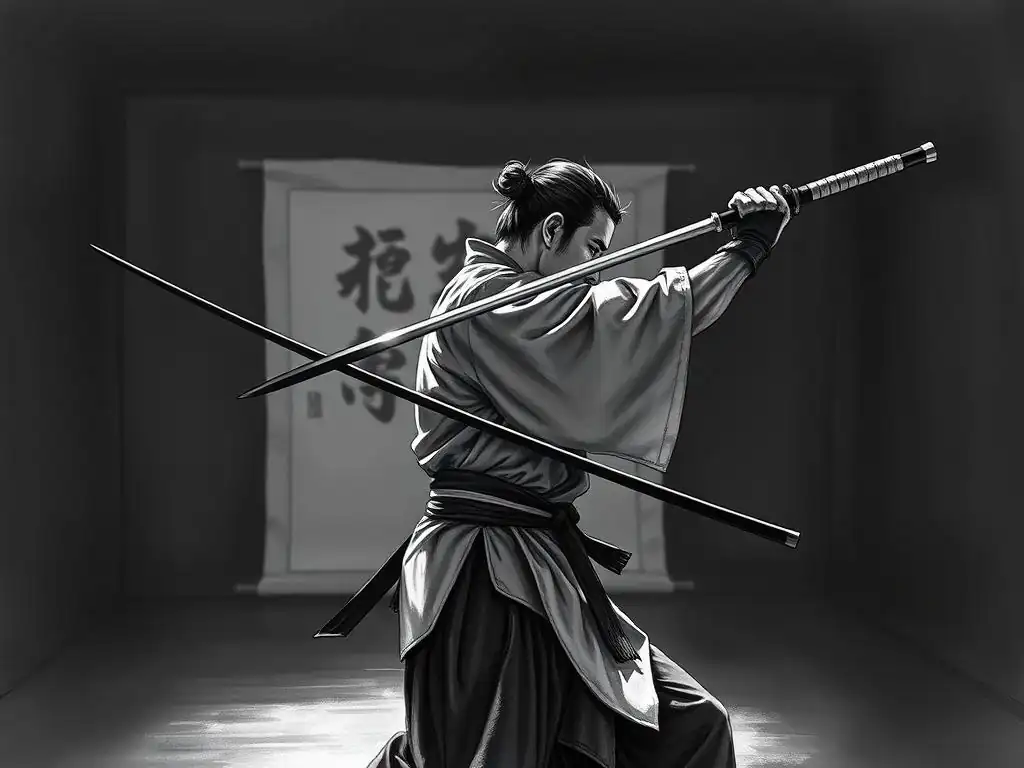
Incorporating Contemporary Music into FMA Performances
While traditional music remains important, contemporary FMA practitioners are increasingly incorporating modern music genres into their demonstrations. This can range from hip-hop and electronic music to rock and orchestral scores. Using contemporary music can make FMA demonstrations more accessible and relatable to younger or international audiences who may not be familiar with traditional Filipino music.
The challenge lies in ensuring that the music choice enhances, rather than detracts from, the FMA techniques. Modern music with strong, clear rhythms and varying dynamics can be particularly effective. For instance, a piece of electronic music with a powerful beat drop might be used to punctuate a dynamic finishing sequence in a stick-fighting demonstration. This innovative approach allows FMA to remain relevant and engaging while still showcasing the core principles and FMA rhythm of the art.
Blending Traditional Rhythms with Modern Martial Arts Techniques
Another avenue for innovation is the blending of traditional Filipino rhythms with modern martial arts techniques or presentation styles. This might involve using traditional instruments to play contemporary melodies or composing new music that incorporates traditional rhythmic patterns but with modern instrumentation.
For example, a demonstration might feature FMA techniques performed to a piece of music that uses traditional kulintang sounds but is arranged with a modern electronic beat. This fusion can create a unique soundscape that honors the past while embracing the present. It allows for creative expression and demonstrates the adaptability of FMA as a living art form. The goal is often to create a performance that feels both authentic and fresh, highlighting the enduring FMA weapon music rhythm in a new context.
Maintaining Authenticity While Embracing Innovation
A key consideration in modern FMA demonstrations is balancing innovation with the preservation of authenticity. While incorporating modern elements can enhance appeal, it's crucial not to lose sight of the core principles, techniques, and cultural significance of FMA. Innovation should ideally serve to illuminate the art, not overshadow it.
Many practitioners achieve this balance by clearly distinguishing between traditional and contemporary performances. A demonstration at a cultural festival might feature traditional music and forms, while a performance at a martial arts expo might incorporate modern music and choreography. Alternatively, a single performance might feature segments using traditional music alongside segments with modern accompaniment. The focus remains on showcasing the skill, discipline, and FMA rhythm of the practitioner, regardless of the musical backdrop, ensuring the art's integrity is maintained.
Training Drills to Develop Rhythmic Awareness in FMA
Footwork Exercises and Their Connection to Rhythm
Developing strong, rhythmic footwork is fundamental in FMA. Drills focusing on basic stances and movements, such as the triangle step or shifting weight, are often practiced repetitively to build stamina and coordination. Practicing these movements to a steady beat, whether from a metronome, a drum, or simple counting, helps internalize the correct timing and cadence.
- Basic stepping drills to a count (e.g., step forward on 1, step back on 2).
- Triangle footwork patterns performed to a consistent beat.
- Shifting weight drills synchronized with breathing and a count.
- Lateral movement drills maintaining a steady side-to-side rhythm.
- Combining footwork with basic hand or weapon movements on specific beats.
These drills build the practitioner's internal FMA rhythm, making their movement efficient and powerful.
Weapon Handling Drills Focused on Timing and Cadence
Specific drills are designed to develop rhythmic precision in weapon handling. These often involve repetitive striking patterns practiced at varying speeds and cadences. The sound of the weapon hitting a target or another weapon provides immediate auditory feedback on the timing.
- Single stick striking patterns (e.g., 12 angles) practiced to a metronome or drum beat.
- Double stick sinawali patterns, focusing on the interlocking rhythm and sound.
- Practicing knife (daga) defense sequences with a partner, emphasizing the timing of entries and deflections.
- Sword (espada) cutting drills, focusing on the rhythmic flow of body and blade.
- Target striking drills, aiming to hit the target consistently on a specific count or beat.
These drills directly link the physical action of wielding the weapon to a conscious awareness of timing and FMA rhythm.
Partner Drills to Enhance Synchronization and Coordination
Partner drills are essential for developing rhythmic awareness in a dynamic context. Working with a partner requires anticipating their movements and synchronizing your actions with theirs, often in a call-and-response or interlocking pattern.
- Tapi-tapi (flowing sensitivity drill) with sticks, focusing on maintaining a consistent, connected rhythm.
- Sumbrada (counter-for-counter) drills, where each partner's action is a rhythmic response to the other.
- Disarming drills practiced slowly at first, focusing on the precise timing of each step and hand movement.
- Sparring with a focus on timing and distance, using rhythmic feints and entries.
- Choreographed partner forms performed to music, requiring precise synchronization of FMA rhythm and movement.
These partner drills refine the practitioner's ability to apply FMA rhythm in interactive scenarios, crucial for both combat effectiveness and performance cohesion.
The Future of Music and Rhythm in FMA Weaponry Presentations
Preserving Traditional Practices for Future Generations
Ensuring the traditional aspects of FMA weapon music rhythm are passed down is vital for preserving the art's cultural integrity. This involves teaching students about the history of FMA music, introducing them to traditional instruments, and encouraging the practice of traditional forms performed to authentic musical accompaniment. Documenting traditional performances and the specific musical pieces used is also crucial.
Passing on the knowledge of the inherent rhythm within FMA techniques, independent of external music, is equally important. This involves teaching the counts, cadences, and flow drills that form the rhythmic foundation of the art. By preserving these traditional practices, future generations can understand the historical and cultural context that shaped the FMA weapon music rhythm they practice and witness today.
Exploring New Avenues for Creative Expression
Alongside preservation, there is ample opportunity to explore new avenues for creative expression in FMA weapon music rhythm. This includes continued experimentation with modern music, cross-cultural collaborations with musicians from other traditions, and the development of entirely new ways to integrate sound and movement. Technology, such as motion sensors linked to soundscapes, could potentially open up entirely new possibilities for interactive FMA performances.
Choreographers and practitioners can push the boundaries of how FMA techniques are interpreted musically, creating performances that are both technically impressive and artistically innovative. This might involve creating abstract pieces that explore the percussive sounds of the weapons themselves, or narrative performances that use music to tell stories inspired by Filipino history or mythology. The potential for creative FMA weapon music rhythm integration is vast.
The Ongoing Evolution of FMA as a Living Art Form
FMA is not a static historical artifact; it is a living art form that continues to evolve and adapt. The role of music and rhythm in FMA demonstrations is part of this ongoing evolution. As new practitioners bring their own influences and perspectives, they will inevitably find new ways to express the art through sound and movement.
This evolution is healthy, ensuring FMA remains relevant and dynamic. The interaction between traditional roots and modern innovation will likely lead to exciting new forms of FMA weapon music rhythm performance that honor the past while looking to the future. The enduring connection between the physical art and its sonic landscape will continue to be a defining characteristic of Filipino Martial Arts.
Conclusion: The Enduring Harmony of FMA Weaponry, Music, and Rhythm
The Interwoven Relationship Between FMA, Music, and Filipino Culture
The relationship between FMA, music, and Filipino culture is deeply interwoven and inseparable. FMA is not just a fighting system; it is a cultural expression that reflects the history, values, and artistic sensibilities of the Filipino people. Music, with its power to convey emotion, tell stories, and create atmosphere, serves as a vital thread connecting FMA to its cultural roots. The FMA weapon music rhythm is a tangible manifestation of this connection.
Traditional instruments and musical forms used in FMA demonstrations are cultural artifacts in themselves, carrying the weight of history and identity. The rhythmic patterns inherent in FMA techniques often mirror those found in traditional dances and rituals, highlighting the shared cultural DNA. This symbiotic relationship ensures that FMA remains grounded in its heritage while being a dynamic and living art form.
The Importance of Rhythmic Training for FMA Practitioners
For practitioners of FMA, developing a strong sense of rhythm is not merely about performance; it is fundamental to technical proficiency. Rhythmic training enhances timing, coordination, power generation, and precision. It helps practitioners internalize complex movement patterns and develop flow.
Whether practicing solo forms, executing drills with a partner, or performing for an audience, an understanding and mastery of FMA rhythm is crucial. It allows practitioners to move efficiently, react effectively, and express the techniques with clarity and power. The internal FMA rhythm becomes a guiding force in their practice.
Celebrating the Art and Science of FMA Weaponry Demonstrations
FMA weaponry demonstrations are a celebration of both the art and the science of Filipino Martial Arts. They showcase the technical skill, discipline, and strategic thinking inherent in the fighting system. However, when enhanced by music and a focus on FMA weapon music rhythm, these demonstrations become something more – a powerful cultural performance that engages the senses and communicates the spirit of the art.
The careful choreography of movement, the precise execution of techniques, and the thoughtful integration of music create a harmonious experience that honors tradition while embracing creativity. These demonstrations are a testament to the enduring legacy of FMA and the vital role that music and rhythm play in bringing its dynamic movements to life.
Frequently Asked Questions
How does music typically accompany FMA weapon demonstrations?
Music in FMA (Filipino Martial Arts) weapon demonstrations often serves as a metronome, dictating the pace and rhythm of movements. It can also enhance the theatrical aspect of the performance.
Why is rhythm considered important in FMA weapon training?
Rhythm is crucial because it helps develop timing, coordination, and fluidity. Mastering rhythm allows practitioners to execute techniques with speed and precision, essential for effective weapon handling.
What types of musical instruments are commonly used in FMA weapon demonstrations?
Traditional FMA weapon demonstrations frequently feature indigenous instruments like gongs, drums, and kulintang. Modern demonstrations might incorporate other instruments, but the focus remains on rhythmic percussion.
How does the "FMA weapon music rhythm" concept translate to practical self-defense situations?
While demonstrations are stylized, the underlying principle translates to understanding timing and distance. This allows practitioners to react effectively and efficiently in real-world self-defense scenarios.
Does the specific type of music influence the style of FMA weaponry demonstrated?
Yes, certain musical styles are often associated with particular FMA systems or regions. The music reflects the cultural context and historical origins of the weaponry style being demonstrated.
Final Reflection: The Harmonious Dance of Steel
The exploration of music and rhythm in traditional Filipino Martial Arts (FMA) weaponry demonstrations reveals a profound connection that extends far beyond mere aesthetics. This symbiotic relationship between martial art and musical expression underscores the cultural richness and historical depth of FMA, making it significantly more than just self-defense. The rhythmic movements, synchronized with the music, transform a display of combat prowess into a captivating performance that resonates with both practitioners and observers alike, highlighting the art form's enduring relevance in a modern context.
The influence of music and rhythm on FMA weaponry demonstrations has shaped not only the way these arts are presented but also the way they are perceived. The deliberate integration of musicality elevates the demonstration from a purely technical exercise to a powerful cultural statement, preserving traditions and fostering a deeper appreciation for the art form. Music gives a soul to the universe, wings to the mind, flight to the imagination, and life to everything.
- Plato. This quote perfectly encapsulates the role of music in imbuing FMA weaponry demonstrations with a vibrant energy and a profound sense of purpose.
As we conclude this exploration, let us consider the broader implications of this harmonious dance. How can we, as individuals and as a community, further promote and preserve the cultural heritage embedded within FMA? Embrace the rhythm, appreciate the artistry, and recognize the profound connection between movement and music. Let the spirit of FMA, with its inherent grace and power, inspire you to find your own rhythm, your own harmony, and your own strength in the face of life's challenges.
Unleash Your Inner Rhythm!
Thank you for exploring the powerful connection between music, rhythm, and Filipino Martial Arts weaponry demonstrations. We hope this article has opened your eyes to the artistry and skill woven into every movement. Now, it's time to translate that knowledge into action!
- Record yourself performing a basic FMA weaponry drill to a rhythm that inspires you. Share the video with a local FMA group for feedback!
- Delve deeper: Research the traditional music styles most commonly used in FMA demonstrations.
- Start a conversation! Share this article with other martial artists and discuss how rhythm can enhance their practice.
What surprising connection between music and movement did you discover in this article that you’re eager to explore further?