
Understanding Your Iaido Uniform: Gi, Hakama, and Obi in Practice

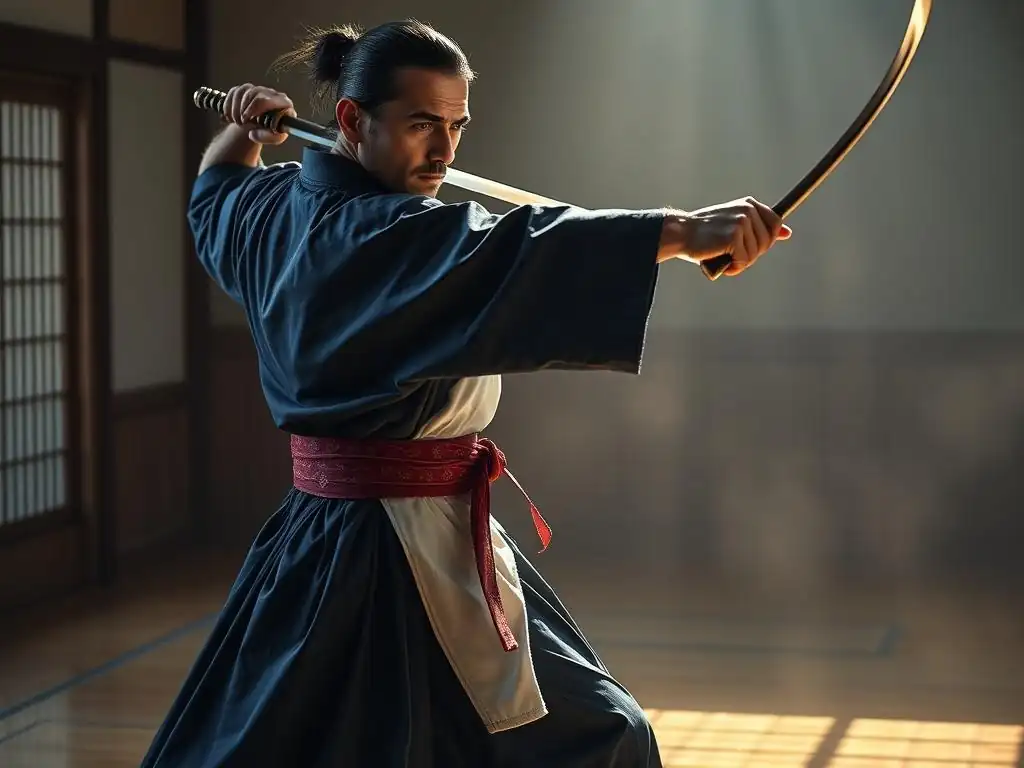
Welcome to Martial Arts Mastery, where we delve into the heart and soul of martial arts traditions worldwide. Ever wondered about the significance behind the attire worn in Iaido? In this article, we'll unravel the mysteries of the Iaido uniform, providing a practical guide to understanding its components – the gi, hakama, and obi – and their roles in your training. Prepare to not just wear the uniform, but to understand it, connecting you deeper with this elegant and powerful art. What secrets does each fold and tie hold? Let's find out...
- Introduction to Iaido Uniforms: A Practical Guide
- Breaking Down the Iaido Gi: Choosing the Right Practice Top
- Understanding the Iaido Hakama: The Essential Bottom Garment
- The Iaido Obi: Securing Your Gi and Hakama
- Assembling Your Iaido Uniform: A Practical Guide for Practice
- Maintaining and Caring for Your Iaido Uniform: Longevity and Respect
- Advanced Considerations for Iaido Uniforms
- Conclusion: The Iaido Uniform as a Symbol of Dedication
-
Frequently Asked Questions
- What are the key components of an Iaido uniform, and what is their purpose?
- Why is the hakama worn in Iaido, and what does it represent?
- How should an Iaido obi be tied, and why is the knot important?
- What materials are typically used for Iaido uniforms, and how do I choose the right one?
- How do I properly care for my Iaido uniform to ensure its longevity?
- Final Reflection: Embracing Tradition in Every Thread
- Embrace the Way: Begin Your Iaido Journey Today!
Introduction to Iaido Uniforms: A Practical Guide
The Importance of Proper Attire in Iaido Training
Wearing the correct Iaido uniform, consisting of the gi (jacket), hakama (divided skirt), and obi (belt), is fundamental to the practice. Beyond simply adhering to tradition, the uniform serves crucial functional purposes that directly impact training effectiveness and safety. A properly fitted uniform allows for the wide range of motion required for Iaido techniques, such as drawing and sheathing the sword (iaito or shinken), kneeling (seiza), and executing dynamic movements.
For instance, sleeves that are too long or wide can catch on the sword or hinder the rapid extension of the arms during nukitsuke (the draw cut), potentially leading to errors or even minor injuries. The hakama's design, while historically offering some protection, in modern practice ensures that leg movements remain largely obscured, encouraging focus on the upper body and swordwork while also preventing the practitioner from relying on visual cues of their lower body position.
Furthermore, the uniform contributes significantly to the practitioner's focus and mental state during training. The act of correctly dressing in the Iaido uniform is a ritual in itself, helping to transition the mind from daily concerns to the disciplined environment of the dojo. The structured fit of the gi and the weight and drape of the hakama provide tactile feedback that can help a student become more aware of their body's posture and movements.
This heightened proprioception is vital for refining kata performance. An effective Iaido uniform practice guide emphasizes that the uniform isn't just clothing; it's a piece of equipment that supports the physical and mental discipline inherent in the art. For instance, a well-tied obi provides a stable anchor for the iaito, which is essential for executing precise noto (sheathing) without fumbling.
Iaido Uniforms and Respect for Tradition
The Iaido uniform is deeply rooted in the historical attire of the samurai class in feudal Japan, specifically the combination of a kimono-like top (gi) and the hakama worn over it. This connection to the past is not merely aesthetic; it represents a tangible link to the origins of Iaido and the martial traditions from which it evolved. By wearing the traditional uniform, practitioners show respect for the art itself, its history, their instructors (sensei), and their fellow students.
It signifies an understanding that Iaido is more than just physical technique; it is a path (Do) that requires humility, discipline, and reverence for those who came before. This aspect is a cornerstone of any comprehensive Iaido uniform practice guide, highlighting the cultural significance alongside practical advice.
Wearing the Iaido uniform correctly and maintaining it properly are also acts of respect. A clean, well-maintained uniform reflects the practitioner's dedication and seriousness about their training. Conversely, a dirty, wrinkled, or damaged uniform can be seen as a sign of disrespect towards the dojo and the art.
The formal nature of the uniform also creates a sense of equality among practitioners within the dojo, as distinctions based on everyday clothing are removed, allowing focus to remain solely on one's practice and progress within the art. This shared attire fosters a sense of community and mutual respect among students, reinforcing the collective journey of mastering Iaido.
Breaking Down the Iaido Gi: Choosing the Right Practice Top
Selecting the Right Fabric for Your Iaido Gi: Comfort and Durability
The choice of fabric for an Iaido gi significantly impacts comfort, durability, and maintenance. Traditional gis are often made from 100% cotton, which is highly breathable and absorbent, making it comfortable during intense training sessions. Cotton also offers a substantial feel and drapes well, contributing to the traditional aesthetic.
However, 100% cotton can be prone to significant shrinkage, sometimes up to 5-10%, and takes longer to dry compared to synthetic blends. Heavier weight cotton gis (often measured in ounces or specific weaves) are typically more durable but also warmer and heavier. Lighter cotton is cooler but may show wear faster.
Alternatively, many modern Iaido gis are made from poly-cotton blends or entirely synthetic materials like polyester. These fabrics offer excellent durability, resist shrinkage significantly (often less than 2-3%), and dry much faster than cotton. Poly-cotton blends aim to combine some of the breathability of cotton with the durability and low maintenance of polyester.
Pure synthetics are often very lightweight and cool, which can be advantageous in hot climates or for practitioners who perspire heavily. However, some practitioners find synthetics less comfortable or that they lack the traditional drape and feel of cotton. When choosing, consider your training environment, frequency, and personal preference for feel and maintenance, as outlined in any practical Iaido uniform practice guide.
Iaido Gi Fit and Sizing: Ensuring Freedom of Movement
Proper fit is paramount for an Iaido gi to ensure unrestricted movement essential for executing kata. The gi should be loose enough to allow for drawing the sword across the body and raising the arms overhead without binding, but not so loose that excess fabric gets in the way or becomes a safety hazard.
Key areas to check for fit include the sleeve length, which should ideally end around the wrist bone, and the body length, which should extend below the hips, ensuring it stays tucked neatly under the obi and hakama. The chest and shoulder area should permit full range of motion for sword manipulation.
Standard Iaido gi sizing is often based on height, but it's crucial to consider individual body shape. Someone with a larger build for their height may need to size up, while someone with a slender build might find a standard size too wide. Many suppliers provide detailed sizing charts that include chest, waist, and sleeve measurements alongside height recommendations.
It's advisable to consult these charts and, if possible, try on a gi or measure an existing, well-fitting garment for comparison. A properly fitted gi, as part of a complete Iaido uniform practice guide, enhances both comfort and performance, allowing the practitioner to focus on technique rather than adjusting their clothing.
Caring for Your Iaido Gi: Washing and Maintenance Tips
Proper care extends the life of your Iaido gi and keeps it looking presentable. Gis should be washed regularly, ideally after every few practices, especially if you sweat significantly. Always follow the manufacturer's washing instructions, usually found on a tag. Generally, washing in cold water with a mild detergent is recommended to minimize shrinkage, especially for cotton gis, and to preserve the color. Avoid using bleach, particularly on colored gis or those with embroidery, as it can damage the fabric and fade colors.
After washing, the gi should be dried thoroughly. Air drying is the gentlest method and helps prevent shrinkage and wear, though it takes longer. Hang the gi on a sturdy hanger, smoothing out wrinkles.
If using a dryer, use a low heat setting, especially for cotton or blends, and remove the gi while slightly damp to hang dry and finish. Ironing on a low to medium heat setting can help keep the gi crisp, particularly the collar and seams. Promptly addressing any minor tears or loose seams with simple repairs can prevent them from worsening, ensuring your Iaido uniform practice guide includes tips for longevity.
Understanding the Iaido Hakama: The Essential Bottom Garment
The History and Significance of the Hakama in Iaido
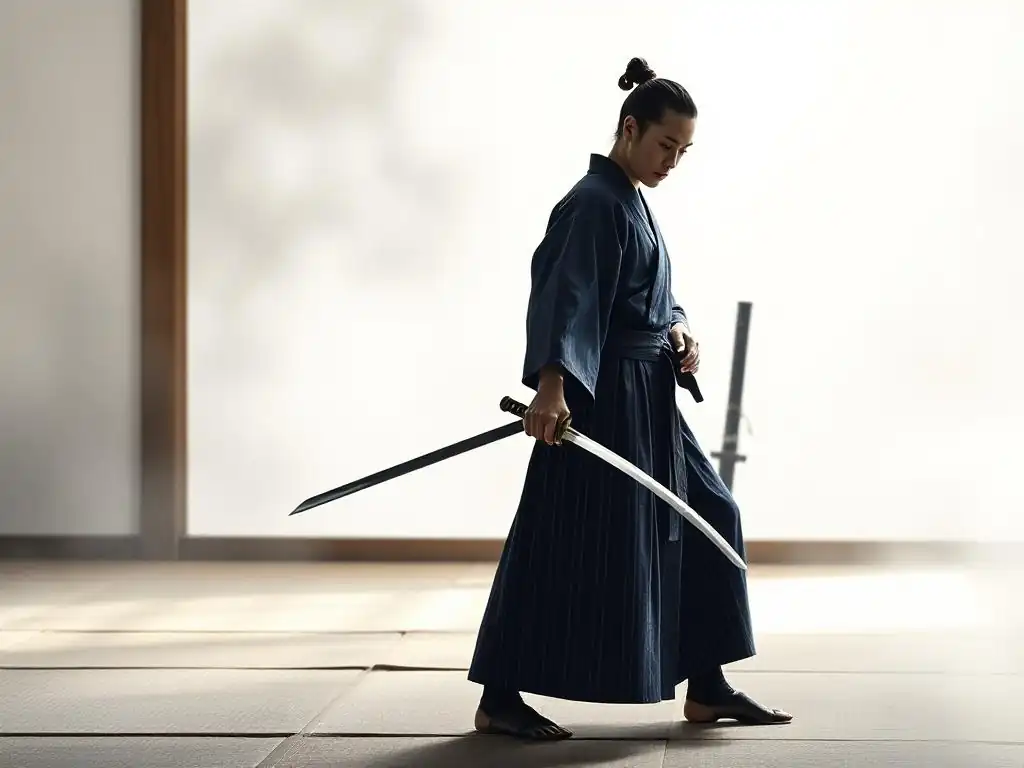
The hakama, a pleated, wide-legged garment worn over the gi, has a long history in Japan, originally worn by samurai and nobility. Its adoption in martial arts like Iaido stems directly from this heritage. Historically, the hakama served several practical purposes for the samurai, including protecting the legs during riding, concealing footwork to prevent an opponent from anticipating movements, and signifying rank or status. While its protective function is largely obsolete in modern Iaido practice, its historical significance remains profound.
In contemporary Iaido, the hakama continues to hold deep symbolic meaning. It connects the practitioner to the samurai tradition and the historical roots of the art. The seven pleats (five in the front, two in the back) are often said to represent the seven virtues of Bushido: Yuki (courage), Jin (humanity, benevolence), Rei (respect, courtesy), Makoto (sincerity, honesty), Meiyo (honor, glory), Chugi (loyalty), and Gi (righteousness).
Wearing the hakama correctly, with sharp pleats, is seen as upholding these virtues and showing respect for the path of Iaido. It is a visual representation of the discipline and character expected of a practitioner. An effective Iaido uniform practice guide will always highlight this blend of history and symbolism.
Choosing the Right Hakama Material: From Cotton to Synthetic Blends
Similar to the gi, Iaido hakama are available in various materials, each offering different characteristics in terms of weight, drape, durability, and maintenance. Traditional hakama are often made from 100% cotton, which provides excellent weight and drape, helping the hakama hang well and maintain its shape during movement. Cotton hakama are durable but can be heavy, take a long time to dry, and are prone to shrinkage, often requiring specific washing techniques to minimize this. They also require careful ironing to maintain sharp pleats. Heavier cottons, like #7000 or #10000 weaves, offer superior drape and durability.
Modern alternatives include poly-cotton blends and 100% synthetic fabrics, particularly polyester. Polyester hakama are highly popular due to their low maintenance; they resist wrinkles and shrinkage significantly (often less than 1-2%) and dry very quickly. They are also generally lighter than cotton, which can be preferable in warmer climates.
However, some practitioners find synthetic hakama can be slicker, making them slightly harder to keep tied securely, and they may not offer the same substantial drape as heavy cotton. Poly-cotton blends attempt to strike a balance between the properties of both materials. Your choice depends on balancing traditional feel, maintenance requirements, and budget, crucial considerations in any Iaido uniform practice guide.
Hakama Pleat Arrangement: Understanding the Significance
The hakama is characterized by its distinctive pleats, typically five in the front and two in the back. These pleats are not merely decorative; they are integral to the garment's structure, allowing for the wide range of leg motion required in martial arts while maintaining the garment's form. Beyond their functional aspect, the pleats hold symbolic meaning, commonly associated with the seven virtues of Bushido: Jin (benevolence), Gi (righteousness), Rei (courtesy), Chi (wisdom), Shin (sincerity/trust), Makoto (truth/honesty), and Chu (loyalty). Different traditions may assign specific virtues to specific pleats, but the general association is widely recognized.
Maintaining the sharpness of the hakama pleats is considered important in Iaido. Sharp pleats contribute to the formal appearance of the uniform and are seen as a reflection of the practitioner's discipline and attention to detail. Folding the hakama correctly after practice is essential for preserving the pleats' integrity. Over time, with washing and wear, pleats may become less defined, requiring re-ironing. The effort put into maintaining the hakama's appearance, particularly its pleats, is part of the overall discipline and respect shown towards the Iaido uniform practice guide principles.
Proper Hakama Folding Techniques: Maintaining the Uniform's Integrity
Folding the hakama correctly after each practice session is vital for maintaining its crisp pleats and extending its lifespan. Improper folding leads to wrinkles, damages the pleats over time, and makes the hakama look unkempt. While the exact method can vary slightly, the core principle involves carefully aligning the pleats and folding the garment into a compact, neat package. This usually involves laying the hakama flat, smoothing out the front pleats, folding one leg over the other along the central seam, and then folding the hakama lengthwise multiple times, taking care to keep the pleats straight.
After the main body is folded, the long ties (himo) are then wrapped around the folded hakama to secure it. There are specific ways to wrap and tie the himo to keep everything in place and prevent tangling. Mastering this folding technique is an important part of Iaido etiquette and training. It's a meditative process that reinforces patience and attention to detail, skills that are also crucial in executing Iaido kata. Regularly practicing proper folding ensures that your hakama remains presentable and functional, a key component of a thorough Iaido uniform practice guide.
The Iaido Obi: Securing Your Gi and Hakama
Choosing the Right Width and Length of Your Iaido Obi
The obi, or belt, in Iaido serves the critical function of securing both the gi and the hakama, and perhaps most importantly, providing a stable platform for holding the iaito or shinken in the space between the obi and the practitioner's side (the saya-ate area). Iaido obi are typically wider than belts used in many other martial arts, often ranging from 6 to 8 centimeters (approximately 2.5 to 3 inches) in width for adults. This greater width helps distribute the weight and pressure of the sword and provides a more secure hold.
The required length of the obi depends on the practitioner's waist size and the preferred tying method. Generally, the obi should be long enough to wrap around the waist at least twice, with sufficient length remaining for tying a secure knot. For an average adult, this often translates to an obi length between 350 and 450 centimeters (approximately 11.5 to 15 feet).
It's best to consult sizing charts provided by uniform suppliers, which usually correlate obi length to height or waist circumference. Choosing the correct size ensures the obi can be tied securely without excess material getting in the way or being too short to form a proper knot, a practical tip for any Iaido uniform practice guide.
Tying the Iaido Obi: A Step-by-Step Guide
Tying the Iaido obi correctly is essential for comfort, security, and proper sword placement. The process typically begins with finding the center of the obi and placing it against the lower abdomen. The two ends are then wrapped around the back, crossing over, and brought back to the front. The ends are then wrapped around the waist a second time, over the first layer, ensuring the obi lies flat and smooth without twisting. This double wrap provides the necessary thickness and stability for holding the sword.
Once the obi is wrapped twice, the ends are tied in a specific knot. The knot should be flat and secure, positioned either at the front or slightly to the side, depending on the desired style and tradition (though many Iaido practitioners favor tying the final knot at the back to support the koshita of the hakama). The knot should be tight enough to hold the sword firmly in place during movement and drawing, but not so tight as to restrict breathing or movement.
Mastering the correct tension is key; a loose obi is unstable, while an overly tight one is uncomfortable and can hinder technique. This step-by-step tying is a fundamental part of learning how to wear the Iaido uniform practice guide.
Different Obi Tying Methods in Iaido: Koshita-no-Musubikata and Ichimonji
While the basic wrapping method is consistent, the final knot and its placement can vary. Two common methods seen in Iaido are the Koshita-no-Musubikata and the Ichimonji. The Koshita-no-Musubikata, meaning "tying method for the koshita," is arguably the most traditional for Iaido.
In this method, the knot is tied at the back, specifically positioned to sit directly behind the stiff lower backboard (koshita) of the hakama. This placement helps to support the koshita, keeping the back of the hakama sitting correctly and contributing to good posture. The knot itself is often a flat, secure tie that lies neatly against the back.
The Ichimonji knot is a simpler, often flatter knot, sometimes used for practice or by practitioners who prefer a less bulky knot at the back. "Ichimonji" translates to "straight line," often referring to the appearance of the finished knot or the way the obi lies flat. While less commonly associated specifically with supporting the koshita, it still provides a secure tie for the obi.
Some practitioners also use variations of standard martial arts knots. Regardless of the specific knot, the goal remains the same: securely fastening the obi to hold the gi and hakama in place and provide a stable base for the sword, a crucial detail in any Iaido uniform practice guide.
Obi Maintenance and Storage
Compared to the gi and hakama, the obi requires less frequent washing. Due to its thickness and material, washing can be difficult and may cause excessive wear or damage to the core material. Obi are often spot-cleaned as needed to remove sweat or dirt. If a full wash is necessary, it should typically be done by hand in cold water with a mild detergent and air-dried completely away from direct sunlight to prevent fading and material breakdown. Avoid machine washing and drying unless explicitly stated by the manufacturer, as this can significantly reduce the obi's lifespan and integrity.
When not in use, the obi should be stored properly to maintain its shape and prevent damage. It can be neatly coiled or folded flat. Avoid tightly creasing the obi repeatedly in the same spot, as this can weaken the fabric over time. Store it in a cool, dry place, separate from wet gear, to prevent mildew or odor. Treating the obi with care ensures it remains strong and functional, providing the necessary support for your Iaido practice for years, an often-overlooked aspect of an Iaido uniform practice guide.
Assembling Your Iaido Uniform: A Practical Guide for Practice
Layering the Gi, Hakama, and Obi: Achieving a Comfortable Fit
Wearing the Iaido uniform involves a specific layering process to ensure comfort, security, and proper form. The gi is the base layer, worn like a jacket. After putting on the gi, it is typically adjusted so the collar sits correctly, and the overlap (left side over right) is neat. The obi is then wrapped around the waist over the gi. This step is crucial as the obi not only secures the gi closed but also provides the foundation for the hakama and the support needed for the sword. Ensure the gi is smooth under the obi before tying.
Once the obi is securely tied, the hakama is put on over the gi and obi. The front ties (himo) of the hakama are passed around the waist, over the obi, crossed in the back, brought back to the front, and tied in a knot. The back ties are then passed around the waist and tied in a knot, typically in the front.
The stiff backboard (koshita) of the hakama should rest comfortably against the lower back, ideally supported by the obi knot if tied at the back. Adjusting the hakama height ensures it hangs correctly, usually falling to just above the ankle bones. This specific layering, as detailed in any comprehensive Iaido uniform practice guide, ensures all components work together functionally and aesthetically.
Adjusting Your Uniform for Optimal Performance During Iaido Kata
Even after dressing, minor adjustments to the Iaido uniform are often necessary before and even during practice or kata performance to maintain optimal comfort and freedom of movement. Before starting kata, ensure the obi is still tight enough to hold the sword securely but not so tight as to impede breathing. Check that the gi sleeves are not catching on anything and that the collar is still neat. The hakama should hang correctly, with the koshita properly seated on the lower back.
During dynamic movements in kata, the uniform may shift slightly. Practitioners often make subtle adjustments between techniques or sets of kata. For example, re-tightening the obi slightly, pushing the hakama koshita back into place, or smoothing down the gi under the hakama. These small adjustments, performed efficiently and discreetly, are part of the discipline and focus of Iaido practice. A well-fitting and properly adjusted uniform minimizes distractions and allows the practitioner to concentrate fully on their technique, a key element highlighted by any practical Iaido uniform practice guide.
Common Mistakes to Avoid When Wearing Your Iaido Uniform
Several common mistakes can diminish the effectiveness and appearance of the Iaido uniform. One of the most frequent is tying the obi too loosely, which results in the sword being unstable during drawing and sheathing, potentially leading to fumbled noto or an insecure saya-ate. Another error is wearing the hakama too high or too low; if too high, it restricts leg movement; if too low, it can be tripped over. The koshita should sit comfortably and correctly on the lower back, supported by the obi.
Failing to tuck the gi properly under the obi and hakama is another mistake, leading to bunched-up fabric that is uncomfortable and looks untidy. Wearing a gi that is significantly too large or too small also hinders movement. Finally, neglecting to maintain the uniform's cleanliness and press the hakama pleats shows a lack of attention to detail and respect for the art. Avoiding these pitfalls ensures the Iaido uniform functions as intended, supporting the practitioner's journey as outlined in a complete Iaido uniform practice guide.
Maintaining and Caring for Your Iaido Uniform: Longevity and Respect
Washing and Ironing Your Gi and Hakama: Best Practices
Proper washing is essential for hygiene and maintaining the appearance of your gi and hakama. For both garments, cold water washing is generally recommended to minimize shrinkage, especially with cotton materials. Use a mild detergent and avoid fabric softeners, which can affect the fabric's texture and absorbency. Wash colors separately, especially darker dyes which may bleed initially. If machine washing, use a gentle cycle. Hand washing is often preferred for delicate or expensive uniforms. After washing, rinse thoroughly to remove all detergent residue.
Ironing is particularly important for the hakama to maintain its sharp pleats. After washing and drying (preferably air drying), lay the hakama flat and carefully realign the pleats. Iron along the length of each pleat using a low to medium heat setting, working from the top down.
For the gi, ironing can help remove wrinkles and keep the collar and seams crisp. Iron the gi while slightly damp for best results, using a temperature appropriate for the fabric type (lower for synthetics, higher for cotton). Consistent care through washing and ironing, guided by an Iaido uniform practice guide, significantly extends the life of your uniform.
Repairing Minor Tears and Damage: Extending the Life of Your Uniform
Even with careful use, Iaido uniforms can develop minor wear and tear over time, such as loose seams, small holes, or frayed edges. Addressing these issues promptly can prevent them from worsening and significantly extend the uniform's lifespan. Minor seam splits can often be repaired with a needle and strong thread, using a backstitch or a durable machine stitch. Small holes can be patched from the inside with a piece of matching or similar fabric, using iron-on patching material for ease or sewing it on for greater durability.
Frayed edges, particularly on the hakama ties or gi cuffs, can be trimmed neatly and then reinforced with a simple hem or whipstitch to prevent further unraveling. It's beneficial to use thread that matches the uniform's color to make repairs less visible. Learning basic sewing skills is a practical asset for any serious practitioner focused on long-term Iaido uniform practice guide principles. Regular inspection of your uniform for signs of wear allows for timely repairs, saving money on replacements and maintaining the uniform's integrity and appearance.
Proper Storage Techniques to Prevent Damage and Wear
How you store your Iaido uniform between practices is just as important as how you clean it. Always ensure your uniform is completely dry before storing it to prevent mildew, mold, and unpleasant odors. Never leave a damp uniform wadded up in a bag. For the gi, hanging it on a wide hanger helps maintain its shape and allows air circulation. For the hakama, proper folding is the key storage method; a correctly folded hakama will hold its pleats and take up minimal space.
Store your uniform in a cool, dry place away from direct sunlight, which can fade the fabric over time. Avoid storing it in plastic bags for extended periods, as this can trap moisture. Breathable garment bags or storing in a well-ventilated closet are ideal. Keeping the uniform separate from other items that might snag or pull threads is also advisable. Diligent storage practices, as recommended by a comprehensive Iaido uniform practice guide, ensure your uniform remains in good condition, ready for your next training session.
Advanced Considerations for Iaido Uniforms
Customizing Your Iaido Uniform: Mon Placement and Embroidery Styles
For many Iaido practitioners, adding personal touches like a family crest (mon) or name embroidery is a way to personalize their uniform while still adhering to tradition. The placement of a mon is typically on the left chest of the gi, approximately centered over the heart. Some traditions or dojo may have specific guidelines for placement or size. The mon itself can be embroidered directly onto the gi or applied as a patch. This customization connects the practitioner to their heritage or their martial arts lineage.
Name embroidery is also common, often placed on the gi or hakama ties. Names are frequently embroidered in Japanese script (Kanji, Hiragana, or Katakana), though English script is sometimes used. The style and color of the embroidery can be chosen to match the uniform or stand out. While customization is allowed, it's important to ensure it is done tastefully and according to any specific rules of your dojo or organization. A thoughtful Iaido uniform practice guide might touch upon these personalizations as part of the practitioner's journey.
Choosing Uniforms for Competitions vs. Regular Practice
While the basic Iaido uniform practice guide principles apply to both, practitioners might consider having slightly different uniforms for competition versus regular practice. A competition uniform should be impeccably clean, pressed, and in excellent condition. Pleats on the hakama should be sharp, and the gi should be free of wrinkles or stains. This presents a respectful appearance to judges and fellow competitors. Some competitors may even prefer a newer uniform for its crispness and optimal fit.
For regular practice, an older, well-worn uniform is perfectly acceptable as long as it is clean, in good repair, and fits correctly. Practice uniforms may show signs of wear, slight fading, or minor repairs, which is a testament to consistent training. The focus for practice wear is primarily on comfort, functionality, and durability. Having separate uniforms can help preserve the condition of a newer uniform specifically for formal occasions like gradings or competitions, illustrating a practical approach within an Iaido uniform practice guide.
The Evolution of Iaido Uniform Styles: From Samurai Armor to Modern Practice
The modern Iaido uniform is a direct descendant of the clothing worn by samurai, adapted for the specific requirements of sword drawing practice. The hakama, as mentioned, was standard samurai attire. The gi evolved from the under-kimono worn beneath armor or formal wear. Early forms of Iaido practice likely used everyday samurai clothing. As Iaido developed as a distinct discipline focused on unarmed drawing and sheathing, the uniform adapted to allow greater freedom of movement than full samurai armor or formal layered kimonos would permit.
The current standard Iaido uniform represents a balance between historical tradition and practical necessity for safe and effective training. Materials have evolved from traditional cotton and silk to include more durable and easy-care synthetics. While the fundamental design remains consistent, minor variations in cut, material, and construction exist between manufacturers and even between different ryu (schools) or organizations. Understanding this evolution provides context for why the uniform is designed the way it is today, enriching the knowledge gained from any Iaido uniform practice guide.
Conclusion: The Iaido Uniform as a Symbol of Dedication
Embracing Tradition Through Proper Iaido Attire
The Iaido uniform is far more than just clothing; it is a fundamental element of the practice, embodying tradition, discipline, and respect. By meticulously wearing and caring for the gi, hakama, and obi, practitioners connect themselves to the rich history of Iaido and the martial spirit of the samurai. The act of donning the uniform serves as a ritual, preparing the mind and body for the focused intensity of training.
It reinforces the understanding that Iaido is a path of continuous self-improvement, where attention to detail in every aspect, including attire, is paramount. Adhering to proper uniform etiquette and maintenance is a tangible expression of dedication to the art.
This commitment to proper attire reflects respect for the dojo, the sensei, fellow students, and the art itself. A well-maintained uniform demonstrates seriousness and discipline. The functional aspects of the uniform—allowing freedom of movement, providing a stable base for the sword—directly support effective technique. Thus, understanding and respecting the Iaido uniform is integral to the practice of Iaido itself.
Investing in Quality: Choosing the Right Iaido Uniform for Your Journey
Choosing the right Iaido uniform is an investment in your training journey. While cost is a factor, prioritizing quality materials and construction can lead to a more comfortable, durable, and functional uniform that lasts longer and supports your practice better. Consider your training frequency and environment when selecting materials; a practitioner training daily might benefit from the durability and ease of care of synthetics, while someone valuing traditional feel might prefer cotton.
A well-fitting uniform minimizes distractions and potential safety issues, allowing you to focus on mastering Iaido techniques. Consulting with your instructor or experienced practitioners can provide valuable guidance on choosing the right uniform for your needs and budget. Ultimately, investing in a quality uniform and committing to its proper care is a commitment to your Iaido practice, reinforcing the lessons learned from a comprehensive Iaido uniform practice guide.
Frequently Asked Questions
What are the key components of an Iaido uniform, and what is their purpose?
The core components are the gi (jacket), hakama (divided skirt-like trousers), and obi (belt). They provide freedom of movement, proper presentation, and a connection to tradition during practice.
Why is the hakama worn in Iaido, and what does it represent?
The hakama is worn to conceal footwork, aid in smooth movement, and symbolizes the seven virtues of Bushido. It's a crucial part of the Iaido aesthetic.
How should an Iaido obi be tied, and why is the knot important?
The obi must be tied securely to hold the saya (scabbard) in place and provide stability. The knot signifies discipline and readiness.
What materials are typically used for Iaido uniforms, and how do I choose the right one?
Common materials include cotton, polyester, and blends. Consider breathability, durability, and comfort based on your training intensity and climate.
How do I properly care for my Iaido uniform to ensure its longevity?
Follow the manufacturer's instructions for washing and drying. Avoid harsh chemicals and store the uniform properly to prevent wrinkles and damage, maintaining its professional appearance.
Final Reflection: Embracing Tradition in Every Thread
The journey of Iaido is not solely about mastering the sword; it's about embodying the spirit of the art in every aspect, including the attire. Understanding the Iaido uniform – the gi, hakama, and obi – is therefore fundamental to a deeper, more meaningful practice. This guide aimed to demystify these elements, revealing their practical significance and symbolic weight within the dojo.
The Iaido uniform is more than just clothing; it's a tangible link to the past, a constant reminder of the discipline and respect that underpin the art. Personally, I find that donning the hakama shifts my mindset, preparing me to engage with the practice on a more profound level. The uniform is not just a covering for the body; it is a symbol of the spirit of the martial art.
This quote encapsulates the essence of why understanding and respecting the uniform is so crucial. It's about honoring the tradition and committing to the principles of Iaido.
As you continue your Iaido journey, remember that each fold of the hakama, each tie of the obi, is an opportunity to connect with the history and philosophy of this ancient art. Let this guide serve as a starting point, but allow your own practice and understanding to deepen your appreciation for the Iaido uniform. Embrace the tradition, embody the spirit, and let your attire be a reflection of your dedication to the Way of the Sword.
Embrace the Way: Begin Your Iaido Journey Today!
Thank you for exploring the world of Iaido uniforms with us. We hope this article has illuminated the significance of the Gi, Hakama, and Obi in your practice. Now, let's translate this knowledge into action!
Here are a few ways to deepen your connection to Iaido:
- Commit to mastering the proper wearing of your uniform. Pay attention to every fold and tie.
- Share your newfound understanding! Discuss the symbolism and practicality of the Iaido uniform with your dojo mates. You might learn something new!
- Research the historical evolution of the Iaido uniform and unearth the stories woven into its fabric.
What small, consistent action will you take this week to honor the traditions embodied in your Iaido uniform?