
The Evolution of Kyokushin Competition: From Bare Knuckle to Global Sport

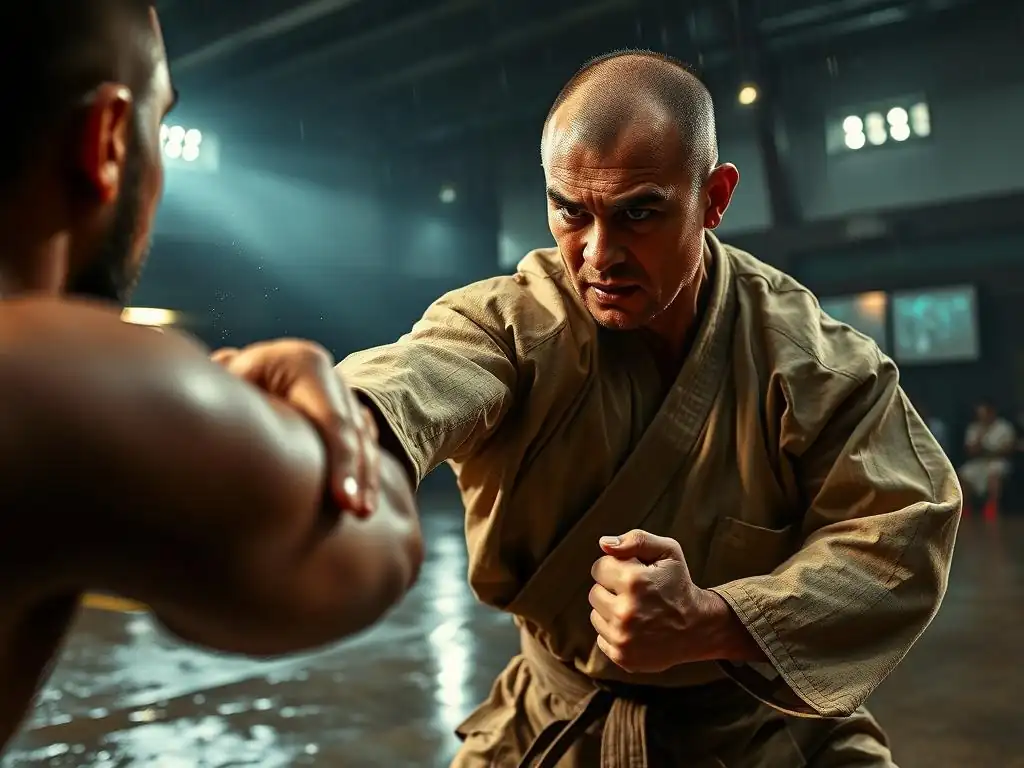
Welcome to Martial Arts Mastery, where we delve into the heart and soul of combat disciplines worldwide. Ever wondered how a brutal, bare-knuckle fighting style could evolve into a globally recognized sport? This week, we explore just that, unraveling the gripping story of Kyokushin competition evolution strategies. Discover the key shifts, the influential figures, and the cutting-edge techniques that have shaped this formidable art. Are you ready to witness the transformation?
- Introduction: Kyokushin's Competitive Roots
- The Bare Knuckle Era: Early Kyokushin Competition
- From National Tournaments to International Expansion
- Key Figures and Influential Competitors in Kyokushin History
- The Modern Era of Kyokushin Competition
- Kyokushin Competition Evolution Strategies: Adapting and Innovating
- Kyokushin Competition Today: A Global Landscape
- Preserving Tradition While Embracing Progress in Kyokushin
- Conclusion: Kyokushin's Enduring Legacy in the World of Martial Arts
-
Frequently Asked Questions
- What are the key historical differences between early Kyokushin competition and modern tournaments?
- How has the focus of training strategies changed in Kyokushin competition over time?
- What role has technology played in the evolution of Kyokushin competition strategies?
- What are some practical self-defense strategies derived from Kyokushin competition that are applicable in real-world situations?
- How does the philosophy of Kyokushin, emphasizing Osu, influence competition strategies and the overall approach to the sport?
- Final Reflection: Embracing the Spirit of Continuous Improvement
- Ignite Your Kyokushin Journey!
Introduction: Kyokushin's Competitive Roots
Martial Arts Mastery and the Kyokushin Legacy
Martial Arts Mastery is dedicated to exploring the depth and breadth of global martial arts disciplines, and few styles exemplify the spirit of rigorous training and competitive challenge quite like Kyokushin Karate. Founded by Sosai Masutatsu Oyama, Kyokushin, meaning "the ultimate truth," was conceived not just as a system of self-defense but as a path to physical and spiritual development forged through intense, full-contact kumite (sparring). This emphasis on practical application and testing one's limits established a legacy deeply intertwined with competitive endeavor from its very inception.
The Kyokushin legacy, as studied here on Martial Arts Mastery, is built upon a foundation of demanding physical conditioning, powerful techniques, and unwavering mental fortitude. Oyama's own legendary feats, such as fighting bulls and undertaking challenging solo training retreats, set a precedent for pushing boundaries. This philosophy naturally translated into a competitive format that sought to replicate the intensity of real combat, albeit within a structured environment, laying the groundwork for the Kyokushin competition evolution strategies we see today.
Defining Kyokushin Competition: A Full-Contact Approach
At its core, Kyokushin competition is distinguished by its full-contact nature. Unlike many traditional karate styles that emphasize point sparring with controlled techniques, Kyokushin tournaments involve fighters delivering powerful blows with the intent to score based on impact and effectiveness. Techniques commonly employed include jodan (high) and chudan (middle) kicks, gedan (low) kicks, and chudan punches, primarily targeting the body. Strikes to the head with punches are generally prohibited in standard rulesets, a key differentiator that shapes the strategic approach.
This full-contact methodology demands exceptional physical conditioning, pain tolerance, and strategic thinking. Competitors must possess strong defense against powerful kicks and punches to the body, while simultaneously seeking openings to deliver decisive blows. The focus on wearing down an opponent through relentless pressure and effective body shots defines the specific tactics and Kyokushin competition evolution strategies employed by fighters striving for victory on the tournament floor.
The Bare Knuckle Era: Early Kyokushin Competition
Mas Oyama's Vision: Testing the Limits of Karate
Sosai Masutatsu Oyama envisioned a karate style that was practical, powerful, and capable of true self-defense. His rigorous training methods and personal challenges were designed to test the limits of human capability. This vision extended to competition, where he sought to create a format that would genuinely test a practitioner's skill, spirit, and physical resilience in a way that point sparring could not. He believed that only through full-contact engagement could the true effectiveness of karate techniques and the depth of a practitioner's Osu (perseverance) be revealed.
Oyama's goal was not merely sport, but a crucible for developing stronger, more capable individuals. He wanted Kyokushin practitioners to be tested under pressure, to learn to overcome fear and pain, and to understand the reality of combat. This philosophy directly influenced the early rules and format of Kyokushin tournaments, prioritizing knockout or incapacitation as key victory conditions, reflecting a stark 'bare knuckle' approach compared to other contemporary martial arts competitions.
The First All-Japan Karate Championships: A Turning Point
A pivotal moment in the history of Kyokushin competition was the first All-Japan Full-Contact Karate Championships held in 1969. This event marked the formalization of Kyokushin's competitive structure and provided a major platform for its practitioners to showcase their skills. Held in Tokyo, the tournament drew significant attention and solidified Kyokushin's reputation for demanding, full-contact bouts. The intensity of the matches immediately set it apart from other karate tournaments of the time.
The 1st All-Japan tournament, won by Katsuaki Sato, established many of the foundational elements of Kyokushin competition that persist today. It demonstrated the effectiveness of the style's techniques under pressure and highlighted the physical and mental toughness required to succeed. This event was instrumental in popularizing Kyokushin in Japan and served as a blueprint for future competitions, significantly shaping the initial Kyokushin competition evolution strategies as fighters adapted to the unique demands of the ruleset.
Kyokushin's Early Competition Rules and Regulations
The early rules of Kyokushin competition were relatively simple and heavily favored a decisive finish. Matches were typically won by ippon (full point), usually achieved through a knockout or rendering an opponent unable to continue. If no ippon occurred, the decision would be made by judges based on factors like effective techniques, spirit ( seishin), and damage inflicted ( damege). Striking the head with punches was prohibited, but powerful kicks to the head ( jodan mawashi geri) were allowed and highly valued.
Body blows and low kicks were central to the strategy, designed to wear down and eventually overwhelm the opponent. Grappling, joint locks, and strikes to the groin were generally forbidden. This early rule set, while basic, emphasized the core principles of Kyokushin: power, endurance, and the ability to withstand and deliver forceful strikes. These foundational rules dictated the initial Kyokushin competition evolution strategies, focusing training on conditioning, powerful body techniques, and resilience.
From National Tournaments to International Expansion
The Rise of International Kyokushin Organizations
Following the success of the All-Japan Championships, Kyokushin began to expand rapidly beyond Japan's borders. Sosai Oyama sent senior instructors, known as Shihan, to various countries to establish dojos and spread the style. This led to the formation of national and later international branches under the umbrella of the International Karate Organization (IKO). As Kyokushin gained traction globally, the demand for international competition grew, fostering cross-cultural exchange and testing the style on a world stage.
The establishment of IKO branches in regions like North America, Europe, and Australia facilitated the organization of local and national tournaments outside of Japan. These events not only provided competitive opportunities for practitioners worldwide but also helped standardize techniques and training methodologies according to IKO guidelines. This organizational growth was a necessary step for the Kyokushin competition evolution strategies to extend beyond national boundaries and become a truly global phenomenon.
Early International Competitions: Spreading the Kyokushin Style
The first World Open Karate Tournament was held in 1975, a landmark event that brought together Kyokushin fighters from numerous countries for the first time. This tournament, also held in Tokyo, was a massive undertaking and a testament to Kyokushin's growing international appeal. It showcased the diverse pool of talent that had developed globally and further solidified Kyokushin's reputation as the premier full-contact karate style. Competitors from different continents faced off, sharing techniques and competitive approaches.
Subsequent World Tournaments, typically held every four years, became the pinnacle of Kyokushin competition. These events were crucial in spreading the Kyokushin style and its competitive spirit worldwide. They provided a benchmark for skill level and encouraged practitioners globally to train harder to compete on the international stage. The challenges posed by fighters from different backgrounds and training environments significantly influenced the Kyokushin competition evolution strategies, forcing adaptation and refinement of techniques and tactics.
Evolving Rulesets: Addressing Safety and Fair Play
As Kyokushin competition grew, the ruleset underwent gradual evolution to address concerns regarding safety, fairness, and clarity in judging. While the core full-contact principle remained, modifications were introduced. For instance, the definition of legal techniques and target areas was refined. The judging criteria for decisions when no knockout occurred became more detailed, often incorporating elements like the number of effective techniques, the opponent's reaction, and the fighter's overall dominance and spirit.
Later rule iterations in some organizations introduced elements like mandatory protective gear in specific divisions (e.g., shin guards for juniors) or slightly altered match durations. While face punching remained prohibited in most standard Kyokushin rules, some splinter organizations later experimented with variations. These rule adjustments were vital Kyokushin competition evolution strategies, aimed at making the sport more accessible, safer for broader participation, and ensuring more consistent and transparent judging while striving to maintain the style's inherent toughness.
Key Figures and Influential Competitors in Kyokushin History
Tadashi Nakamura: Pioneer of Kyokushin in America
Shihan Tadashi Nakamura was one of the key figures sent by Sosai Oyama to spread Kyokushin internationally. He established the first Kyokushin dojo on the East Coast of the United States in the mid-1960s. Nakamura's efforts were instrumental in building a strong foundation for Kyokushin in North America, attracting students and developing high-level practitioners who would later compete on the international stage. His dedication and teaching prowess laid the groundwork for future American champions.
Beyond teaching, Nakamura's own understanding of Kyokushin and its application in kumite influenced the training and strategic approach of his students. He emphasized strong fundamentals and practical application, contributing to the development of competitive fighters. His pioneering work was a critical part of the global spread of Kyokushin and directly impacted the Kyokushin competition evolution strategies as the style adapted to different cultural and athletic environments outside of Japan.
Makoto Nakamura: Multiple Time All-Japan Champion
Makoto Nakamura (no relation to Tadashi Nakamura) is one of the most dominant figures in the early history of Kyokushin competition. He achieved the remarkable feat of winning the All-Japan Full-Contact Karate Championships multiple times, including the 2nd and 3rd tournaments in the early 1970s. His success demonstrated a mastery of the early Kyokushin competitive strategies, characterized by powerful body techniques, relentless pressure, and exceptional physical conditioning.
Makoto Nakamura's fighting style set a high standard for competitors of his era. His ability to consistently win against top-level opponents in the grueling All-Japan championships solidified his legendary status and provided a template for aspiring fighters. His performance highlighted the effectiveness of specific techniques and approaches within the early Kyokushin ruleset, significantly influencing the competitive training and Kyokushin competition evolution strategies for many who followed in his footsteps.
Their Impact on Kyokushin Competition Evolution Strategies
Figures like Tadashi Nakamura and Makoto Nakamura, among many others, played crucial roles in shaping the evolution of Kyokushin competition. Pioneers like Nakamura brought the style to new territories, adapting teaching methods and training to local conditions, which in turn influenced the global pool of competitors and their strategies. Dominant champions like Makoto Nakamura demonstrated successful competitive models, highlighting effective techniques, physical preparation, and mental toughness necessary for victory.
Their successes and the challenges they faced helped refine training methodologies, tactical approaches, and the understanding of how to best apply Kyokushin techniques under full-contact pressure. The strategies employed by early champions became benchmarks, studied and adapted by subsequent generations of fighters. This continuous learning and adaptation based on the performance of influential figures are fundamental to the Kyokushin competition evolution strategies over the decades.
The Modern Era of Kyokushin Competition
The Diversification of Kyokushin Organizations and Competition Formats
The modern era of Kyokushin competition is marked by a significant diversification of organizations. Following disagreements and organizational splits after Sosai Oyama's passing in 1994, several distinct Kyokushin groups emerged, each with its own international structure and tournament circuit. Prominent examples include IKO Matsui (often referred to as IKO1), WKO Shinkyokushinkai, Kyokushin-kan, and several others. While sharing a common lineage and core principles, these organizations often have slight variations in rules, judging, and tournament formats.
This diversification has led to a broader landscape of Kyokushin competition evolution strategies. Fighters and instructors within different organizations may emphasize slightly different aspects of training or kumite based on their specific rule variations or organizational priorities. For instance, some rulesets might place a greater emphasis on combinations, while others might still heavily favor single, powerful techniques. This organizational split, while complex, has also increased the number of competitive opportunities available worldwide.
The Impact of Globalization on Kyokushin Tournament Participation
Globalization has dramatically impacted participation in Kyokushin tournaments. What began as primarily a Japanese sport has grown into a truly international phenomenon with practitioners and competitors in well over 100 countries. Major world tournaments now attract hundreds of fighters from every continent, making them incredibly diverse and competitive events. This global participation brings together a wide array of athletic backgrounds, training styles, and tactical approaches.
The increased exposure to different fighting styles from around the world has forced competitors to develop more adaptable and comprehensive Kyokushin competition evolution strategies. Fighters must now be prepared to face opponents with diverse physical attributes and tactical preferences, requiring a more sophisticated understanding of distance management, timing, and varied techniques. The accessibility of training information and tournament footage online has also accelerated this process of adaptation and learning.
Modern Kyokushin Competition Rules and Judging Criteria
Modern Kyokushin competition rules, while varying slightly between organizations, generally maintain the core full-contact principles. Punches to the head are still prohibited in most major circuits. However, there's often increased emphasis on tameshiwari (board breaking) as a tie-breaker or scoring element, and the judging criteria for non-knockout decisions ( waza-ari or ippon by accumulation) have become more standardized and detailed. Fouls and penalties are clearly defined, including warnings for excessive contact to prohibited areas or lack of fighting spirit.
Judging often involves multiple referees and corner judges evaluating techniques based on impact, effectiveness, and the fighter's control and spirit. Criteria may include the number of clean hits, the reaction of the opponent, and sustained pressure. Understanding these specific criteria is a key element in developing effective Kyokushin competition evolution strategies in the modern era, as fighters tailor their approach not just to winning outright but also to scoring points effectively within the established system.
Kyokushin Competition Evolution Strategies: Adapting and Innovating
Training Methodologies for Modern Kyokushin Competition
Training methodologies for modern Kyokushin competition have evolved significantly from the early days. While traditional Kyokushin conditioning remains fundamental, incorporating elements like makiwara (striking post) training and extensive hojo undo (supplementary exercises), contemporary fighters often integrate cross-training techniques. This includes strength and conditioning programs based on sports science, plyometrics for explosive power, and advanced flexibility training.
Specific kumite training now often involves more strategic drilling, focusing on combinations, entry and exit strategies, and defense against specific types of attacks (e.g., low kick defense, body punch defense). High-intensity interval training (HIIT) and sparring simulations that mimic tournament rounds are also common. These adapted training methodologies are crucial Kyokushin competition evolution strategies, reflecting a more scientific approach to physical preparation and tactical execution necessary to compete at the elite level today.
Strategic Approaches to Kyokushin Fighting
Strategic approaches in Kyokushin fighting have become increasingly sophisticated. While the core strategy of wearing down the opponent with body blows and low kicks remains, modern fighters employ more varied tactics. This includes using footwork and angles to create openings, setting up powerful kicks with hand techniques, and employing effective clinching and breaking techniques ( kake-te and hiki-te) to control distance and create opportunities.
Fighters also develop specific game plans based on their opponent's strengths and weaknesses, a key component of modern Kyokushin competition evolution strategies. Some may focus on aggressive, forward pressure, while others might adopt a more counter-attacking style, capitalizing on opponent's mistakes. The ability to adapt strategy during a match based on the flow of the fight and the opponent's reactions is a hallmark of experienced competitors.
The Role of Conditioning and Physical Preparation
Conditioning and physical preparation have always been central to Kyokushin, but their role has become even more critical in the modern competitive landscape. Tournaments can involve multiple fights in a single day, requiring peak endurance and recovery. Fighters undergo rigorous training regimens focusing on cardiovascular fitness, muscular strength, and bone conditioning (e.g., shin conditioning).
Modern preparation also emphasizes injury prevention through targeted exercises and proper recovery protocols. Athletes work closely with coaches to periodize their training, ensuring they peak physically for major competitions. This comprehensive approach to physical readiness is a non-negotiable Kyokushin competition evolution strategy, acknowledging that raw technique must be supported by extraordinary physical capacity to withstand the demands of full-contact fighting.
Kyokushin Competition Today: A Global Landscape
Major Kyokushin Tournaments and Championships Worldwide
Today, the Kyokushin competitive landscape is vibrant and global, albeit spread across different organizations. The World Open Tournaments held by major groups like IKO1 and WKO Shinkyokushinkai remain the most prestigious events, drawing hundreds of competitors from dozens of countries every four years. Alongside these, numerous continental, national, and regional championships are held annually, providing continuous opportunities for fighters to test their skills.
Examples include the All-Japan Championships (still a highly regarded national event), the European Championships, the Americas Championships, and the Asia Championships. Many organizations also host weight-category tournaments in addition to the open-weight format, offering different competitive challenges. This extensive network of tournaments underscores the global reach and sustained popularity of Kyokushin competition.
The Future of Kyokushin Competition: Trends and Predictions
The future of Kyokushin competition likely involves continued refinement of rules to enhance both safety and spectator appeal. There might be further integration of technology for judging or performance analysis. The influence of sports science on training methodologies will likely deepen, leading to even more specialized physical preparation. There is also ongoing discussion within the community about potential pathways to inclusion in major multi-sport events, although the full-contact nature presents unique challenges.
Another trend is the increasing level of skill and athleticism among competitors globally, driven by better access to information and coaching. Predictions suggest that the gap between fighters from different regions may continue to narrow, leading to even more unpredictable and exciting tournaments. Adaptability and continuous learning will be paramount Kyokushin competition evolution strategies for future champions.
Maintaining the Spirit of Kyokushin in Modern Competition
Despite the evolution and diversification, maintaining the core spirit of Kyokushin remains a vital aspect of its competition. This spirit, often encapsulated by the term Osu (perseverance, respect, pushing one's limits), is expected from competitors regardless of the outcome. Displays of courage, resilience, and respect for opponents and officials are highly valued.
Judges and organizers strive to ensure that while techniques are effective, the underlying martial spirit of respect and discipline is upheld. The post-match bow and handshake, regardless of the result, are enduring symbols of this tradition. Preserving this spirit ensures that Kyokushin competition remains more than just a sport; it is a demonstration of character forged through rigorous training, a key element in the Kyokushin competition evolution strategies that prioritize mental fortitude alongside physical prowess.
Preserving Tradition While Embracing Progress in Kyokushin
Balancing Historical Roots with Modern Competition Demands
A significant challenge for Kyokushin is finding the balance between preserving its historical roots and adapting to the demands of modern competition. The rigorous full-contact nature is a core tradition, but the need for athlete safety and broader appeal requires careful consideration of rules and medical support. Organizations continually grapple with how to evolve without sacrificing the intensity and spirit that define Kyokushin.
This involves dialogue between traditionalists and those advocating for change, seeking solutions that honor Sosai Oyama's legacy while ensuring the style's relevance and sustainability in the 21st century. It's a delicate balancing act, requiring thoughtful Kyokushin competition evolution strategies that allow the sport to grow while staying true to its identity as a path of physical and spiritual discipline.
Ensuring Fair Play and Ethical Conduct in Kyokushin
Ensuring fair play and ethical conduct is paramount in Kyokushin competition. This includes strict adherence to rules, respect for the referee's decisions, and sportsmanlike behavior before, during, and after matches. Officials undergo training to ensure consistent judging and enforcement of regulations. The emphasis on seishin (spirit) and reigi (etiquette) in Kyokushin training directly translates to expectations of ethical conduct in competition.
Instances of unsportsmanlike behavior are generally met with strong disapproval and penalties. The culture of respect inherent in Kyokushin aims to prevent intentional fouls and promote a competitive environment built on mutual respect. These ethical considerations are integral to the Kyokushin competition evolution strategies, ensuring that as the sport grows, its moral foundation remains strong.
The Enduring Appeal of Kyokushin's Full-Contact Philosophy
The enduring appeal of Kyokushin's full-contact philosophy lies in its authenticity and the profound personal development it fosters. In a world where many things are simulated or controlled, Kyokushin offers a genuine test of one's physical and mental limits. The challenge of facing an opponent in full-contact kumite pushes practitioners to overcome fear, develop resilience, and understand the consequences of their actions.
This raw, unfiltered approach resonates with many who seek a martial art that is both physically demanding and spiritually rewarding. The lessons learned in the crucible of Kyokushin competition, such as perseverance, humility, and respect, are applicable far beyond the dojo. This deep impact on individuals is the ultimate reason behind the continued global appeal and the ongoing development of Kyokushin competition evolution strategies.
Conclusion: Kyokushin's Enduring Legacy in the World of Martial Arts
The Impact of Kyokushin Competition on Martial Arts Globally
Kyokushin competition has had a significant impact on the world of martial arts. Its pioneering full-contact approach influenced the development of numerous other styles and competitive formats that emerged later. Many modern kickboxing and mixed martial arts competitors have roots or training influences from Kyokushin. It demonstrated that karate techniques could be effective in realistic, high-impact situations, challenging the perception held by some that traditional karate was impractical for real combat.
The emphasis on rigorous conditioning, powerful body techniques, and mental toughness showcased in Kyokushin tournaments set a high standard for athletic preparation in martial arts. The global spread of its competition also facilitated cross-pollination of techniques and training ideas between different martial arts communities. Kyokushin's competitive legacy is undeniable in shaping the modern landscape of combat sports.
Kyokushin's Continued Relevance in the 21st Century.
In the 21st century, Kyokushin remains highly relevant, both as a system of self-defense and as a competitive sport. Its core principles of discipline, hard training, and perseverance continue to attract practitioners seeking physical and mental self-improvement. The competitive circuit, across its various organizations, provides a challenging and aspirational goal for many, driving continuous innovation in training and strategy.
The ongoing evolution of Kyokushin competition evolution strategies, adapting to new athletic standards, training methodologies, and global participation, ensures its place as a dynamic and influential martial art. As long as individuals seek to test their limits and forge indomitable spirits through rigorous challenge, the legacy of Kyokushin and its unique brand of full-contact competition will undoubtedly endure.
Frequently Asked Questions
What are the key historical differences between early Kyokushin competition and modern tournaments?
Early Kyokushin tournaments emphasized bare-knuckle fighting and a "no holds barred" approach. Modern competition has evolved to incorporate protective gear and standardized rules for safety and fairness.
How has the focus of training strategies changed in Kyokushin competition over time?
Training has shifted from solely emphasizing physical strength and endurance to incorporating more sophisticated tactical and strategic elements. This includes analyzing opponents and developing specific game plans.
What role has technology played in the evolution of Kyokushin competition strategies?
Technology like video analysis and performance tracking allows fighters and coaches to identify weaknesses and optimize training programs. This leads to more refined and effective competition strategies.
What are some practical self-defense strategies derived from Kyokushin competition that are applicable in real-world situations?
Kyokushin competition teaches powerful striking techniques and mental toughness, which are crucial for self-defense. The emphasis on kime (focused power) is particularly valuable.
How does the philosophy of Kyokushin, emphasizing Osu, influence competition strategies and the overall approach to the sport?
The Osu spirit of perseverance and respect encourages fighters to push their limits and maintain sportsmanship. This shapes a competitor's mindset and influences their strategy both inside and outside the ring.
Final Reflection: Embracing the Spirit of Continuous Improvement
The journey of Kyokushin competition, as we've explored, is a testament to the power of adaptation and the enduring spirit of Osu! This evolution, from its raw, bare-knuckle origins to its current status as a globally recognized sport, underscores the importance of strategic thinking and constant refinement in any pursuit. The lessons learned from Kyokushin's competitive history are profoundly relevant today, offering insights into how organizations and individuals can navigate change and achieve sustained success in an ever-evolving landscape.
The impact of Kyokushin extends far beyond the dojo, influencing not only martial arts but also the broader cultural landscape. The discipline, resilience, and unwavering commitment to self-improvement that Kyokushin instills are qualities that resonate deeply in all aspects of life. It's a reminder that true strength lies not just in physical prowess, but in the unwavering spirit to overcome challenges. The heart of our karate is real fighting. There can be no proof without real fighting. Without proof there is no trust. Without trust there is no respect.
- Masutatsu Oyama. This quote encapsulates the essence of Kyokushin's competitive spirit and its profound impact on shaping character.
As you reflect on the evolution of Kyokushin competition and its strategic adaptations, consider how you can apply these principles to your own life. Embrace the spirit of continuous improvement, learn from your challenges, and never cease to refine your strategies. The path to mastery is a lifelong journey, and like the Kyokushin karateka, you too can overcome any obstacle with unwavering determination and the spirit of Osu!
Ignite Your Kyokushin Journey!
Thank you for exploring the evolution of Kyokushin competition with us! We hope you've gained a deeper appreciation for its history and impact. Now, it's time to channel that knowledge into action.
Here are a few ways you can further your Kyokushin journey:
- Commit to intensifying your training this week, focusing on the spirit of Osu! Push your limits and embrace the challenge.
- Research and share your insights on lesser-known figures in Kyokushin history on martialartsmastery.org’s forum. Help expand the collective knowledge!
- Attend a local Kyokushin tournament or seminar to experience the modern sport firsthand. Witness the evolution in action!
What's one small, dedicated step you'll take today to honor the legacy and future of Kyokushin?