
The Mental Game: Focus and Visualization in Filipino Weapon Mastery

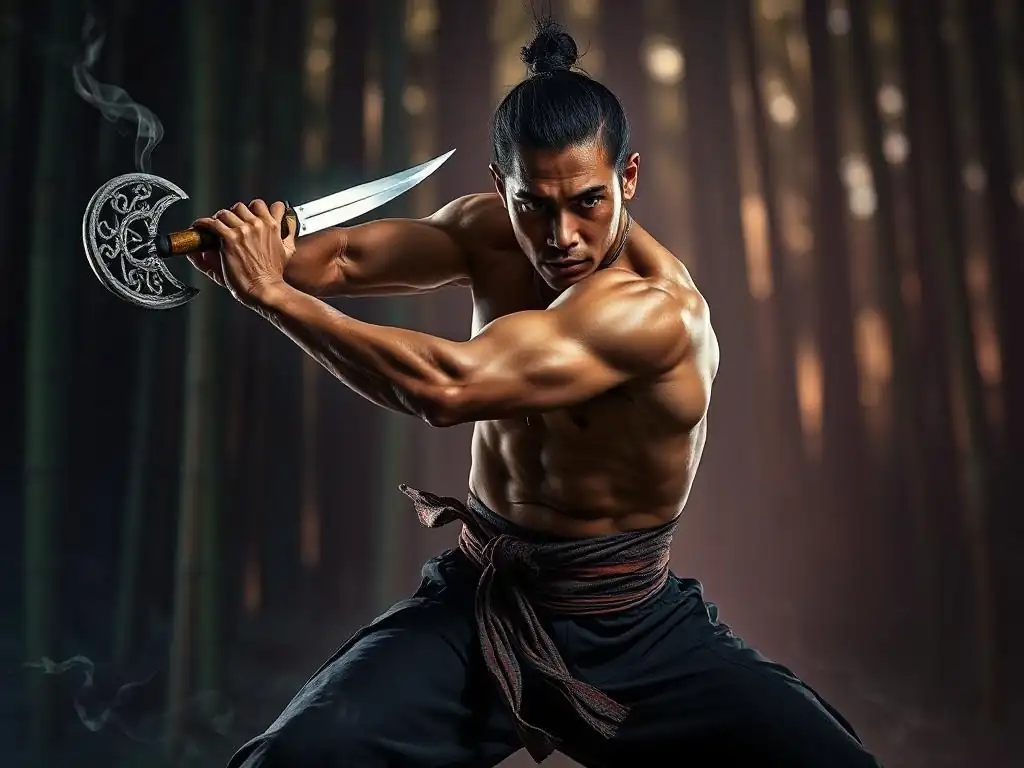
Welcome to Martial Arts Mastery, where we delve into the rich tapestry of combat traditions. Are you ready to unlock the secrets to heightened focus and precision? This week, we explore the powerful realm of Filipino weapon visualization techniques. Discover how mastering the mental game can elevate your skills and transform your training. Curious to learn how to wield an invisible blade with unparalleled accuracy? Let the journey begin...
Introduction to Mental Fortitude in Filipino Martial Arts
Filipino Martial Arts (FMA), known by various names such as Arnis, Kali, and Eskrima, are renowned for their practical and devastating weapon-based systems. While the physical techniques—angles of attack, footwork, disarms, and counters—are undeniably crucial, true mastery extends beyond mere physical prowess. The mental aspect, encompassing focus, concentration, and visualization, forms the bedrock upon which high-level skill is built. Without sharp mental fortitude, even the most technically proficient practitioner will falter under pressure or fail to unlock their full potential.
Developing this mental edge is not a mystical process but a trainable skill, much like learning a new weapon pattern or disarming technique. It involves conscious effort to quiet the internal monologue, sharpen perception, and mentally rehearse complex movements and scenarios. Historical accounts and modern training methodologies consistently highlight the importance of a calm yet alert mind.
For instance, practitioners aiming for proficiency often dedicate specific portions of their training, sometimes 10-15 minutes daily, solely to mental exercises, recognizing that the mind directs the body, especially in the high-speed exchanges characteristic of Filipino weapon combat. This dedicated mental practice complements physical drills, creating a more holistic and effective training regimen.
- What are Filipino weapon visualization techniques, and why are they important?
- How do visualization techniques differ from physical practice in Filipino martial arts?
- What are some common Filipino weapons used in visualization exercises?
- How can a beginner start incorporating visualization into their Filipino weapon training?
- What are the potential benefits of mastering visualization in Filipino weapon arts?
Understanding the Core Principles of Focus in Filipino Weaponry
Developing Laser-Like Focus for Espada y Daga Training
Espada y Daga (sword and dagger) is a complex system requiring the simultaneous management of two distinct weapons at different ranges. Developing laser-like focus in this discipline means being acutely aware of both your own weapons, the opponent's weapons, their body mechanics, and the distance, all within a fraction of a second. This isn't just about seeing; it's about processing vast amounts of information instantly and making decisive actions. A momentary lapse in focus can mean the difference between a successful parry-and-counter and sustaining a significant injury.
Training drills specifically aim to cultivate this intense concentration. For example, partner drills often involve increasing speed incrementally, forcing the practitioner to maintain unwavering attention to react appropriately. Blindfolded drills, while advanced, are sometimes used to heighten proprioception and reliance on auditory cues, further demanding intense focus.
Masters emphasize that during Espada y Daga practice or application, the mind should be like a single point, completely absorbed in the immediate interaction, filtering out all distractions. This level of focus is often built through years of consistent, deliberate practice, with many practitioners reporting needing several years, perhaps 3-5 years of dedicated training, to achieve a consistently high level of concentration under sparring conditions.
Enhancing Concentration for Effective Baston Techniques
Single or double baston (stick) techniques, while appearing simpler than Espada y Daga to the uninitiated, demand equally rigorous concentration. Effective baston work relies on fluid transitions between striking angles, blocks, checks, and disarms, often involving rapid, intricate movements. Concentration here is about maintaining awareness of the opponent's stick trajectory, their body position, and potential follow-up attacks, while simultaneously executing your own complex sequence of movements. Losing focus for even a beat can disrupt timing, leaving an opening or leading to a missed opportunity for a counter-attack.
Enhancing concentration for baston techniques often involves repetitive pattern drills, such as the Heaven Six or Twelve Angles of Attack, performed with increasing speed and power. These drills build muscle memory, allowing the practitioner to execute fundamental movements almost instinctively, which in turn frees up mental capacity to focus on the opponent and the tactical situation.
Furthermore, sparring with padded sticks or in controlled environments helps practitioners learn to maintain focus despite the stress and physical exertion. Many instructors incorporate reaction drills where the student must respond to unpredictable attacks, specifically training the mind to stay alert and react instantly, often requiring hundreds or thousands of repetitions over months to see significant improvement in sustained concentration during dynamic exchanges.
Cultivating Mindfulness in Daga Combat
Daga (knife) combat is arguably the most immediate and unforgiving range in Filipino Martial Arts. Techniques are often subtle, requiring extreme precision and sensitivity. Cultivating mindfulness in daga combat means being fully present in the moment, acutely aware of the incredibly short distances, the speed of knife attacks, and the critical importance of timing and body mechanics. Unlike the longer ranges of sticks or swords, a mistake with a knife can be instantly catastrophic. Mindfulness helps the practitioner remain calm, observe minute details, and react with controlled, precise movements rather than panicked flailing.
Training for mindfulness in daga involves slow, deliberate practice of techniques, focusing on the feeling of the blade (even a training blade), the opponent's energy, and your own body's alignment. Sensitivity drills, like Hubad Lubad or Tapi Tapi, are crucial, teaching practitioners to feel and flow with the opponent's movements, requiring intense present-moment awareness. Stress inoculation drills, where students practice against simulated attacks under increasing pressure, also help build the ability to maintain mindful presence when the stakes are high.
The goal is a state of relaxed alertness, where the mind is fully engaged but not tense, allowing for optimal reaction time and decision-making in the extremely close quarters of knife fighting. Achieving this state consistently can take years of dedicated practice, integrating principles from meditation into physical training.
The Power of Visualization in Filipino Weapon Arts
What is Visualization and Why is it Crucial?
Visualization, in the context of martial arts, is the mental rehearsal of techniques, movements, strategies, and outcomes without physical execution. It involves creating vivid mental images of yourself performing actions, anticipating reactions, and navigating scenarios. This practice engages the same neural pathways used during physical performance, effectively allowing you to train your brain even when you cannot physically train your body. It's a powerful tool for skill refinement, strategy development, and building confidence.
For Filipino weapon arts practitioners, visualization is crucial because it allows for limitless, safe practice of dangerous techniques and complex sequences. You can mentally repeat a difficult disarm hundreds of times, practice transitioning between weapons, or rehearse a specific defensive strategy against a particular attack angle without risking injury. This mental repetition reinforces muscle memory, improves timing, and enhances the brain's ability to execute movements smoothly and efficiently when the time comes for physical practice or application.
Elite athletes and performers across disciplines utilize visualization extensively, demonstrating its universal power in accelerating learning and improving performance. Studies have shown that mental practice can be nearly as effective as physical practice for certain aspects of skill acquisition, making it an invaluable supplement to traditional FMA training.
Benefits of Mental Imagery for Arnis, Kali, and Eskrima Practitioners
Implementing Filipino weapon visualization techniques offers a multitude of benefits for practitioners of Arnis, Kali, and Eskrima. Firstly, it significantly accelerates skill acquisition. By mentally rehearsing techniques, practitioners can identify potential points of failure, refine their movements, and solidify their understanding of complex patterns before even performing them physically. This reduces the time needed to learn new material and improves the quality of physical practice.
Secondly, visualization enhances performance under pressure. Regularly visualizing successful execution in challenging scenarios, such as sparring or self-defense situations, helps build confidence and reduces anxiety. When faced with a real situation, the mind and body are more prepared to react effectively because they have "been there" mentally before. This mental preparation is particularly vital in the high-stakes environment of weapon-based encounters.
Finally, visualization aids in injury recovery. While physically unable to train, practitioners can maintain and even improve their mental connection to techniques and strategies, preventing skill degradation and keeping their mind sharp for when they can return to physical practice. Anecdotal evidence from FMA communities suggests that practitioners who regularly use mental imagery often progress faster and demonstrate greater adaptability in dynamic situations.
Filipino Weapon Visualization Techniques: A Step-by-Step Guide
Preparing Your Mind for Visualization Exercises
Effective visualization begins with preparing your mental state. Find a quiet, comfortable space where you won't be disturbed for 5-15 minutes. Sit or lie down in a relaxed position. Close your eyes and take several deep breaths, focusing on slowing your heart rate and calming your thoughts. The goal is to achieve a state of relaxed focus, where your body is calm but your mind is alert and receptive.
Before starting the visualization itself, it can be helpful to spend a minute or two simply clearing your mind of daily clutter. Imagine thoughts as clouds drifting by or leaves floating down a stream. Acknowledge them without judgment and let them pass. This step is crucial because a cluttered or anxious mind will struggle to create clear, vivid mental images. Many practitioners incorporate a brief period of mindfulness meditation, perhaps 3-5 minutes, before transitioning into specific Filipino weapon visualization techniques to ensure optimal mental readiness.
Creating a Mental Rehearsal Space for Weapon Training
Once your mind is calm, create a detailed mental environment for your training. This could be your usual training hall, a specific outdoor location, or even an abstract space. Make it as real as possible: visualize the floor, the walls, the lighting, and the sense of space. If visualizing a partner drill, imagine your training partner in this space.
This mental space serves as your personal, risk-free training ground. Within it, you have complete control over the environment and the scenarios you wish to practice. Some practitioners find it helpful to consistently use the same mental space for all their Filipino weapon visualization techniques, making it feel familiar and easier to access. The clarity and detail of this mental environment directly impact the effectiveness of the subsequent visualization exercises. Spending a minute or two at the beginning of each session to firmly establish this space is a valuable investment in your mental training.
Visualizing Successful Weapon Strikes and Defenses
With your mental space established, begin visualizing specific techniques. Start with fundamental strikes, like the 12 angles of attack with a baston. See yourself holding the weapon correctly, executing the footwork, generating power from your core, and the weapon moving through the air along the correct angle. Visualize the impact point, whether on a target or an opponent's weapon.
Then, progress to defenses. Visualize blocking, checking, or parrying an incoming attack. See the opponent's weapon, your defensive movement, and the successful deflection or control. Focus on the feeling of the movement, the timing, and the effective outcome. Repeat these visualizations, refining the details each time. For example, practicing Filipino weapon visualization techniques for Espada y Daga, you might visualize parrying a sword thrust with your dagger and simultaneously delivering a counter-strike with your sword, focusing on the smooth transition and precise timing.
Incorporating Sensory Details into Your Visualizations (Sound, Feel, Sight)
To make your visualizations truly powerful and effective Filipino weapon visualization techniques, engage all your senses. Don't just see the movements; hear them. Imagine the whoosh of the weapon cutting through the air, the thwack or clack of impact against a target or another weapon, the sound of your footwork on the ground, and maybe even your own breathing.
Next, focus on the feel. Imagine the weight and texture of your weapon in your hand, the tension in your muscles as you execute a movement, the feeling of your feet connecting with the ground, the impact of a block, or the resistance of a disarm. Feel the air moving around you.
Finally, refine the sight. See the details of the weapons, your opponent (if applicable), the environment, and the trajectory of movements with sharp clarity. The more sensory details you incorporate, the more real and impactful the mental rehearsal becomes, leading to stronger neural connections and better transfer to physical performance.
Specific Visualization Drills for Filipino Weapons
Espada y Daga: Visualizing Fluid Transitions and Counters
For Espada y Daga, a key visualization drill involves focusing on the intricate coordination between the sword and dagger. Mentally rehearse transitioning smoothly from a defensive posture with the dagger to an offensive strike with the sword, or using the sword to parry while the dagger checks the opponent's arm. Visualize specific counter-attack sequences: seeing an opponent's sword thrust, visualizing your dagger parrying it offline while simultaneously visualizing your sword cutting to their open side.
Another effective drill is visualizing complex disarms or controls involving both weapons. See your sword controlling the opponent's weapon arm while your dagger moves in for a finishing strike or control. Focus on the timing and coordination between your left and right hands, ensuring the movements are fluid and efficient in your mind's eye. Repeating these complex sequences mentally, breaking them down frame by frame if necessary, helps solidify the motor patterns and decision-making processes required for effective Espada y Daga combat. Practitioners often spend 5-10 minutes daily on these specific mental rehearsals.
Baston: Mental Rehearsal for Complex Stick Fighting Patterns
Baston training, particularly with double sticks or advanced single-stick patterns, benefits greatly from mental rehearsal. Visualize executing complex sinawali patterns (weaving movements) with speed and precision, seeing the sticks move in intricate, flowing sequences. Focus on the timing and rhythm, and how your body mechanics support the movements.
For single stick, visualize performing advanced drills like Redonda (circular striking) or Abaniko (fanning strikes), seeing the stick blur with speed while maintaining control. Practice visualizing transitions between different patterns or techniques, such as shifting from sinawali to a disarm sequence. Another drill involves visualizing defensive responses to the 12 angles of attack, seeing yourself execute the appropriate block or check and immediately following up with a counter-strike. Mentally walking through entire sparring scenarios, visualizing your responses to various attacks, is also highly beneficial for improving reaction time and strategic thinking in baston combat.
Daga: Imagining Precise Knife Work and Disarms
Daga visualization drills focus on precision, sensitivity, and navigating extremely close range. Visualize executing fundamental knife grips and stances. Then, mentally rehearse specific cutting or thrusting techniques to vulnerable targets, seeing the angle of the blade and the intended effect. Since disarms are critical in knife defense, dedicate significant visualization time to these.
Visualize an opponent attempting a specific knife attack, and see yourself executing a precise block, check, or control, followed immediately by a disarm technique. Focus on the small, subtle movements required and the feeling of gaining control over the opponent's limb and weapon. Mentally practice flowing between defensive structures and offensive opportunities at close range. Visualizing sensitivity drills like Hubad Lubad, feeling the energy exchange with a partner's movements in your mind, helps cultivate the tactile awareness essential for effective daga work. These Filipino weapon visualization techniques for knife defense are particularly important given the speed and danger involved.
Overcoming Mental Obstacles in Filipino Weapon Training
Dealing with Fear and Anxiety During Sparring
Fear and anxiety are common mental obstacles, particularly in weapon sparring where the risk of injury, even with protective gear, is present. These emotions can cause muscle tension, tunnel vision, and impaired decision-making. Visualization offers a powerful tool to combat this. By repeatedly visualizing yourself successfully navigating sparring scenarios, remaining calm, executing techniques effectively, and handling pressure, you build mental resilience.
Visualize yourself feeling confident and in control during sparring. See yourself reacting appropriately to attacks, adapting to unexpected situations, and performing at your best. Focus on the process of sparring – the footwork, the timing, the techniques – rather than solely on the outcome or the potential for getting hit. Combining these Filipino weapon visualization techniques with gradual exposure to sparring (starting slowly and increasing intensity) helps desensitize the mind to the stress and build genuine confidence based on prepared mental pathways.
Building Confidence Through Visualization and Positive Self-Talk
Confidence is a cornerstone of effective martial arts practice. Visualization directly contributes to building confidence by creating a mental library of successful performances. Every time you vividly visualize yourself executing a technique perfectly or handling a challenging situation effectively, you reinforce a positive self-image as a capable practitioner. This builds belief in your abilities, which is crucial when facing real-world challenges.
Positive self-talk complements visualization. Replace negative or self-doubting thoughts ("I can't do this," "I'm going to get hit") with positive affirmations ("I am focused," "I trust my training," "I can handle this"). Before a training session or sparring match, combine visualization with positive self-talk: visualize successful techniques while silently affirming your capability and preparation. This dual approach strengthens your mental fortitude and ensures that your internal dialogue supports your performance goals. This combination of mental strategies forms a powerful approach to mastering Filipino weapon visualization techniques and overall mental strength.
Maintaining Focus Under Pressure
Maintaining focus when under pressure – whether in sparring, competition, or a self-defense situation – is a critical skill. The stress response can lead to distraction, tunnel vision, or overthinking. Visualization helps train the mind to stay centered amidst chaos. By visualizing high-pressure scenarios and seeing yourself remaining calm and focused, you prepare your mind to handle the physiological and psychological effects of stress.
Practice visualizing scenarios where things go wrong – you miss a block, an opponent attacks unexpectedly – and then visualize yourself recovering, adapting, and regaining control. This trains your mind to be resilient and maintain focus even when facing setbacks. Techniques like focusing on your breathing during visualization can also help build the ability to regulate your state under stress. Regularly practicing these Filipino weapon visualization techniques specifically for high-pressure situations is key to ensuring that your mental game holds up when it matters most.
Integrating Visualization into Your Daily Filipino Martial Arts Practice
Pre-Training Visualization Routines
Incorporating visualization before your physical training session can significantly enhance its effectiveness. Dedicate 5-10 minutes before you step onto the training floor or pick up your weapons to mentally prepare. Visualize the specific techniques or drills you plan to work on. See yourself executing them with perfect form, power, and timing.
If you are working on a new pattern or technique, mentally walk through the steps several times. If you are sparring, visualize yourself applying the strategies and techniques you've been practicing. This pre-training mental rehearsal primes your brain and body for the physical work ahead, improving focus, reducing errors, and making your physical practice more efficient and productive. It's like a mental warm-up that aligns your intentions with your actions, maximizing the value of your physical training time.
Post-Training Mental Review and Analysis
After your physical training session, take another 5-10 minutes for mental review and analysis. Sit quietly and mentally replay the session. Review the techniques you practiced, noting what felt good and what felt challenging. If you sparred, mentally replay key exchanges. Analyze what worked, what didn't, and why.
This post-training visualization helps consolidate learning and identify areas for improvement. If a technique felt awkward, visualize performing it correctly, focusing on the corrections needed. If a sparring exchange didn't go well, replay it and visualize how you could have responded differently or more effectively. This reflective practice reinforces positive learning and helps pinpoint specific areas to focus on in future physical and mental training sessions, making your overall progress more deliberate and accelerated.
Using Visualization for Injury Rehabilitation
Injuries are an unfortunate reality in any physical activity, including martial arts. When sidelined by injury, visualization becomes an indispensable tool for maintaining skills and mental connection to your practice. While you cannot physically train, you can continue to mentally rehearse techniques, patterns, and strategies.
Visualize yourself performing your FMA techniques smoothly and powerfully, even if your physical body cannot currently do so. This helps keep the neural pathways active and prevents skill degradation. Additionally, visualization can be used to aid the healing process itself – visualizing the injured tissues repairing and strengthening. Many athletes successfully use visualization during recovery; for instance, a martial artist with a sprained ankle might visualize perfect footwork patterns daily, keeping the mental connection strong until they can physically execute them again. This allows practitioners to return to physical training with less rust and maintained mental sharpness.
The Role of Meditation in Enhancing Focus and Visualization
Mindfulness Meditation for Improved Concentration
Mindfulness meditation, the practice of focusing on the present moment without judgment, is a foundational skill that significantly enhances both focus and visualization abilities in Filipino Martial Arts. Regular mindfulness practice trains the mind to resist distraction and return attention to the chosen point of focus, whether that's the breath, bodily sensations, or the sights and sounds of the environment.
This cultivated ability to concentrate directly translates to improved focus during FMA training and application. A mind trained in mindfulness is better equipped to stay present during sparring, notice subtle cues from an opponent, and filter out internal and external distractions. Dedicating even 5-10 minutes daily to mindfulness meditation can noticeably improve sustained concentration, which is vital for mastering complex Filipino weapon visualization techniques and physical skills.
Guided Meditations for Filipino Weapon Masters
While general mindfulness is beneficial, guided meditations specifically tailored for martial artists or weapon practitioners can provide a more direct application. These meditations might involve guided imagery focusing on specific FMA principles, techniques, or scenarios. For example, a guided meditation could lead the practitioner through visualizing a specific baston sinawali pattern, focusing on the flow, rhythm, and power generation.
Another type might guide the practitioner through a simulated sparring scenario, prompting them to visualize reacting to different attacks with specific defenses and counters, while maintaining a calm and focused state. Some resources offer guided meditations incorporating the unique sounds or visuals associated with Filipino weaponry. These guided practices can help structure visualization sessions and ensure they are aligned with specific training goals, providing targeted mental training for aspiring Filipino weapon masters.
Case Studies: Legendary Filipino Martial Artists and Their Mental Training Regimens
While detailed, documented accounts of specific mental training regimens of historical FMA masters are often scarce due to the oral tradition of transmission, the emphasis on mental qualities is consistently present. Masters like Remy Presas, founder of Modern Arnis, often spoke about the importance of flow and adaptability, states that require significant mental control and presence. Leo Gaje Jr., inheritor of Pekiti-Tirsia Kali, emphasizes the importance of awareness and readiness, achieved through rigorous physical and mental conditioning.
Contemporary masters frequently discuss the non-physical aspects of training. Guro Dan Inosanto, a globally recognized FMA authority, consistently highlights the need for adaptability, intuition, and presence – qualities deeply rooted in mental discipline and awareness.
While they might not use the term "visualization exercises" explicitly in historical contexts, the concept of mentally preparing for combat, analyzing scenarios, and cultivating a fearless mindset was inherently part of the demanding physical and philosophical training passed down through generations. Modern practitioners often integrate structured visualization and focus drills based on these traditional principles, adapting them using contemporary sports psychology insights to enhance their mastery of Filipino weapon visualization techniques and overall combat effectiveness.
Advanced Mental Training Techniques for Filipino Weaponry
Neuro-Linguistic Programming (NLP) for Skill Enhancement
Neuro-Linguistic Programming (NLP) offers advanced techniques that can further enhance focus and visualization for Filipino weapon practitioners. NLP explores the connection between neurological processes ("neuro"), language ("linguistic"), and behavioral patterns learned through experience ("programming"). Techniques like anchoring can be used to create a mental trigger (e.g., a specific touch or word) that instantly brings you into a state of focused calm or confidence, useful before sparring or a performance.
Another NLP technique, modeling, involves observing and mentally replicating the behavioral and mental patterns of highly skilled practitioners. By analyzing how a master maintains focus or reacts under pressure and then mentally rehearsing those internal strategies, practitioners can potentially accelerate their own development. NLP provides structured methods for understanding and reprogramming mental responses, offering sophisticated ways to refine Filipino weapon visualization techniques and overcome limiting beliefs or mental blocks.
Hypnosis for Deepening Visualization and Focus
Hypnosis, when used by a qualified practitioner, can be a powerful tool for deepening the effectiveness of visualization and enhancing focus. In a hypnotic state, the mind is highly receptive to suggestion and capable of vivid imagery. This can allow for more intense and realistic mental rehearsals of FMA techniques and scenarios than might be possible in a normal waking state.
For example, a practitioner could use hypnosis to deeply embed the feeling of perfect technique execution, enhance their ability to maintain unwavering focus in chaotic environments, or reduce performance anxiety by visualizing calm and successful outcomes. Hypnosis can also help access and release subconscious blocks that might be hindering progress. While not a substitute for physical training, using hypnosis in conjunction with regular physical and conscious mental practice can provide a significant edge in accelerating mastery and refining Filipino weapon visualization techniques at a deeper level.
Conclusion: Mastering the Mental Game for Filipino Weapon Proficiency
Mastery in Filipino Weapon Arts is a multifaceted pursuit, requiring not only physical skill and technical knowledge but also profound mental fortitude. Focus and visualization are not supplementary practices but essential components of a complete training regimen. By dedicating time to developing laser-like focus through drills and mindfulness, and by consistently employing Filipino weapon visualization techniques to rehearse techniques, strategies, and scenarios, practitioners can significantly accelerate their learning, enhance their performance under pressure, and build unwavering confidence.
The journey towards proficiency in Arnis, Kali, or Eskrima weapons is a path of continuous refinement, and the mental game is an arena with limitless potential for growth. Integrating structured mental training, from basic visualization steps to advanced techniques like NLP or guided meditation, alongside rigorous physical practice, unlocks higher levels of skill and adaptability. Ultimately, true mastery of Filipino weaponry lies in the harmonious integration of a sharp mind and a capable body, allowing the practitioner to move with both power and precision, guided by unwavering focus and a clear mental vision of success.
Frequently Asked Questions
What are Filipino weapon visualization techniques, and why are they important?
These techniques involve mentally rehearsing movements with Filipino weapons like kali sticks or knives. They are important for improving muscle memory, enhancing focus, and accelerating the learning process.
How do visualization techniques differ from physical practice in Filipino martial arts?
Visualization is a mental exercise, complementing physical training, not replacing it. It allows you to perfect techniques and strategies in your mind, which can translate to improved performance.
What are some common Filipino weapons used in visualization exercises?
Common weapons include the kali, eskrima, or arnis sticks (single and double), as well as various types of bladed weapons like knives and swords. The choice depends on the practitioner's focus.
How can a beginner start incorporating visualization into their Filipino weapon training?
Begin by visualizing basic strikes and footwork. Gradually increase the complexity, visualizing entire forms or sparring scenarios. Consistency is key for developing the mental skill.
What are the potential benefits of mastering visualization in Filipino weapon arts?
Mastering visualization can lead to improved reaction time, enhanced spatial awareness, and a deeper understanding of Filipino martial arts principles. It can also help reduce fear and build confidence in self-defense situations.
Final Reflection: Sharpening the Mind's Edge
The journey through Filipino weapon mastery reveals that physical prowess is only half the battle; the true edge lies in the mind. The power of focus and visualization, often overlooked, is the key to unlocking a deeper understanding and execution of these ancient arts. This mental discipline, far from being a supplementary skill, is the very foundation upon which true mastery is built, shaping not only the warrior but also the individual.
The profound impact of these techniques extends beyond the training hall, influencing how we approach challenges and cultivate resilience in all aspects of life. My own exploration of these methods has underscored the importance of mental clarity and focused intention, transforming not just my understanding of Filipino martial arts, but also my approach to everyday obstacles. The mind is everything. What you think you become.
- Buddha. This quote resonates deeply with the core principles of visualization, highlighting the transformative power of mental imagery in shaping our reality.
Now, I invite you to consider the lessons learned. How can you incorporate the principles of focus and visualization into your own life, whether in mastering a new skill, overcoming a personal challenge, or simply cultivating a greater sense of inner peace? Embrace the mental game, sharpen your mind's edge, and unlock the potential that lies within. The path to mastery, in any endeavor, begins with a single, focused thought.
Unlock Your Inner Warrior: Embrace the Arnis Mindset!
Thank you for exploring the power of focus and visualization in Filipino weapon mastery. You've now glimpsed the mental edge that separates proficiency from true artistry. Ready to elevate your practice?
Here's how you can deepen your connection to the Arnis mindset:
- Visualize your perfect form: Each day, dedicate 5 minutes to mentally rehearsing your techniques. Feel the weight of the weapon, see your movements with crystal clarity, and embrace the flow.
- Research and reflect on the masters: Delve into the stories of renowned Arnis practitioners and analyze how they embody mental fortitude in their techniques. What mental strategies can you glean from their example?
- Share your insights: Connect with fellow practitioners online or in person. Discuss how you're integrating focus and visualization into your training.
What specific visualization technique will you implement first to enhance your Arnis practice?