
CrossTraining Secrets: Unlocking Versatility and Success in MMA

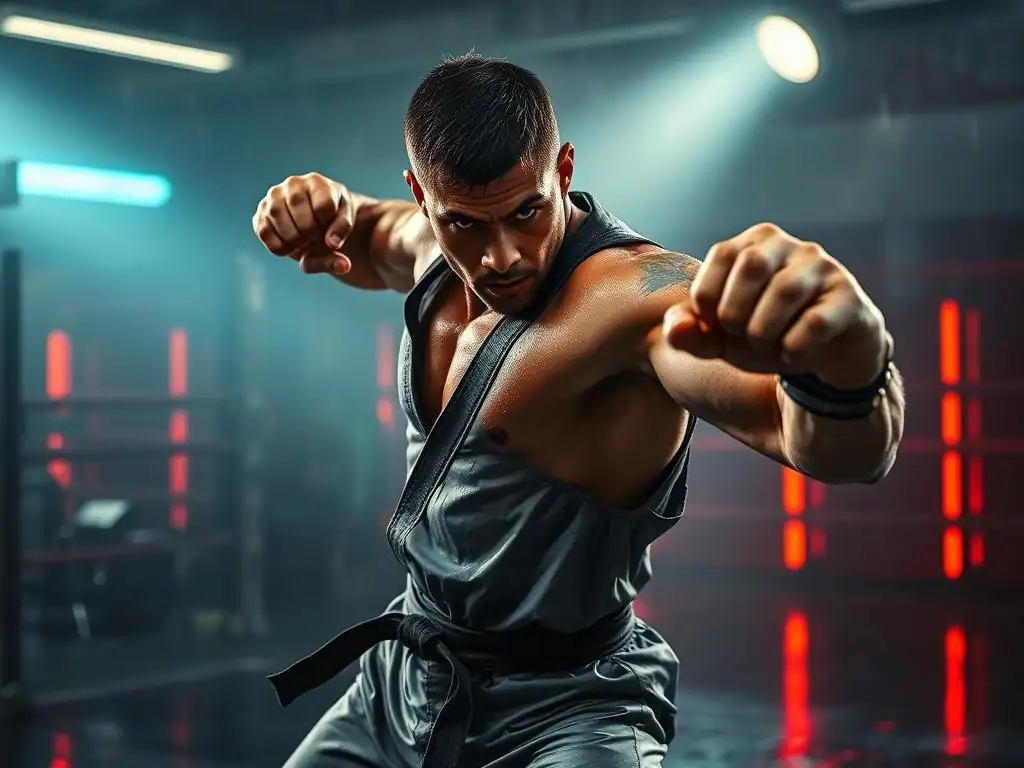
Welcome to Martial Arts Mastery, where we delve into the profound depths of combat disciplines!
Ever wondered how the true champions in Mixed Martial Arts achieve such incredible versatility? Prepare to unlock the secrets! This article explores the groundbreaking MMA cross training benefits that can elevate your game, regardless of your base style. Discover how blending techniques from diverse martial arts can forge unparalleled skills and strategic advantages. Intrigued? Dive in and begin your journey to mastery.
- Case Studies: MMA Fighters Who Mastered Cross-Training
-
Frequently Asked Questions
- What exactly is MMA cross-training, and why is it so important?
- How does cross-training improve an MMA fighter's overall performance?
- What are some potential drawbacks of focusing too much on cross-training in MMA?
- Which martial arts are most commonly incorporated into an MMA cross-training program?
- How often should an MMA fighter engage in cross-training activities to maximize its benefits?
- Final Reflection: Embracing the Multifaceted Warrior
- Ignite Your MMA Journey: Claim Your Edge!
Case Studies: MMA Fighters Who Mastered Cross-Training
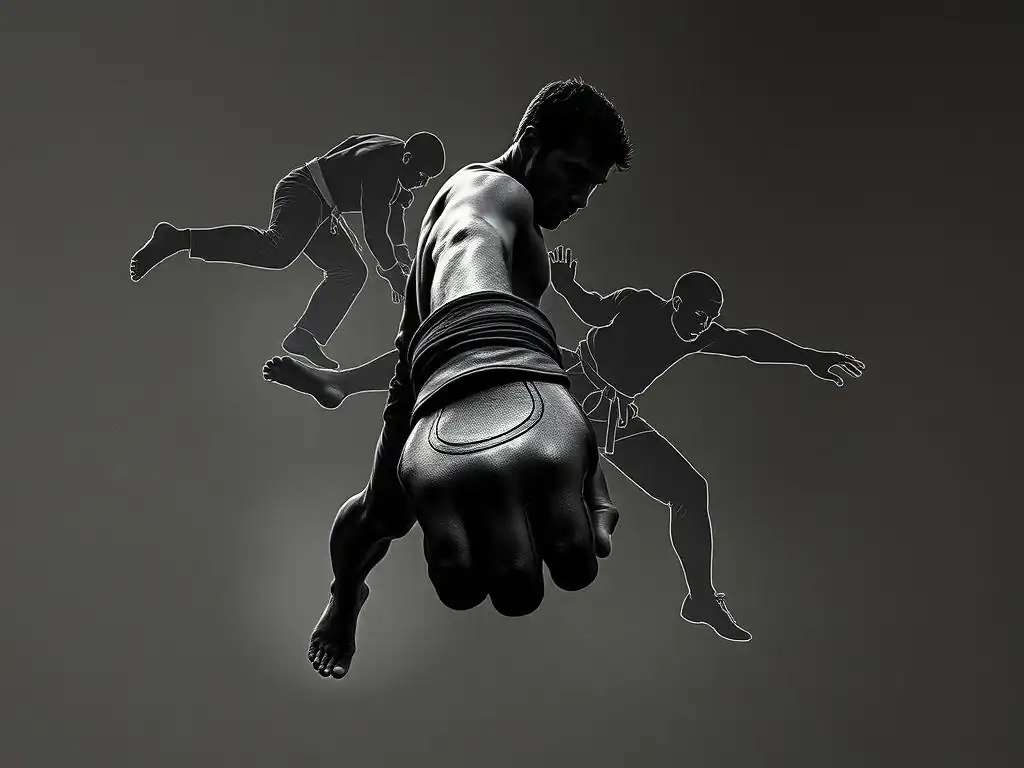
Examining the careers of elite mixed martial artists reveals a consistent pattern: success is often built upon a foundation of diverse skills acquired through effective cross-training. These athletes didn't just master one discipline; they strategically integrated techniques from multiple martial arts to create a versatile and unpredictable fighting style. Their journeys highlight the profound MMA cross training benefits that lead to championship-level performance.
By studying how top fighters blend striking, grappling, and clinch techniques, aspiring martial artists can gain invaluable insights into structuring their own training regimens. These examples showcase how targeted cross-training enhances offensive capabilities, fortifies defensive strategies, and ultimately provides a significant competitive edge in the complex world of MMA.
Conor McGregor: Precision Striking and Evolving Grappling
Conor McGregor's rise to superstardom was largely fueled by his exceptional striking prowess, rooted in boxing and traditional martial arts like Karate. His left hand knockout power became legendary, demonstrated vividly in fights like his 13-second KO of José Aldo at UFC 194, a record for a title fight stoppage. This level of striking precision and power is a clear outcome of dedicated training in stand-up disciplines, forming a core component of his initial MMA cross training benefits.
However, McGregor's journey also involved adapting and incorporating grappling elements to compete at the highest level. While initially seen as a striker with vulnerabilities on the ground, particularly evident in his first fight against Nate Diaz (a submission loss), he demonstrably improved his grappling defense and offensive capabilities over time. His preparation for subsequent fights involved significant work on Brazilian Jiu-Jitsu and wrestling defense, showcasing an understanding that continued MMA cross training benefits are necessary for sustained success against diverse opponents.
Valentina Shevchenko: Dynamic Striking and World-Class Muay Thai Clinch
Valentina Shevchenko, often hailed as one of the most complete female fighters, built her career on a formidable base of striking, particularly Muay Thai and Kickboxing, where she accumulated numerous world championships before transitioning to MMA. Her dynamic striking incorporates a wide range of techniques, from sharp boxing combinations and powerful kicks to sophisticated footwork and timing. This diverse striking foundation provides a significant advantage, illustrating the multi-faceted MMA cross training benefits derived from mastering various stand-up arts.
Beyond her striking at range, Shevchenko's mastery of the Muay Thai clinch is a prime example of effective cross-training application in MMA. Her ability to control opponents in the clinch, land devastating knees and elbows, and defend against takedowns from this position is a direct result of her extensive background in "the art of eight limbs." This specialized skill set allows her to dictate the terms of engagement at close range, neutralize opponents' wrestling attempts, and inflict significant damage, underscoring the strategic advantages gained through targeted MMA cross training benefits.
Khabib Nurmagomedov: Dominant Wrestling and Ground Control
Khabib Nurmagomedov's undefeated career was defined by his overwhelming wrestling and Sambo base, arguably the most dominant grappling force in MMA history. His ability to consistently secure takedowns, maintain crushing top control, and apply relentless ground-and-pound or submissions neutralized nearly every opponent he faced.
His pressure and control from the top mount or side control were legendary, leading to statistical dominance, such as averaging 5.32 takedowns per 15 minutes according to UFC stats prior to his retirement, significantly higher than the divisional average. This relentless grappling pressure highlights a core aspect of MMA cross training benefits derived from a strong wrestling foundation.
While known primarily for his grappling, Khabib also developed a highly effective, albeit fundamentally simple, striking game used primarily to set up his takedowns or punish opponents attempting to stand up. Furthermore, his Sambo background provided a unique blend of wrestling, judo-like throws, and submission techniques. This combination, focused on controlling the opponent and dictating the fight's location, exemplifies how a strong base in one discipline, augmented by crucial elements from others (like striking for entry, and submission defense/offense), creates a seemingly insurmountable style, showcasing the power of focused MMA cross training benefits.
Frequently Asked Questions
What exactly is MMA cross-training, and why is it so important?
MMA cross-training involves integrating techniques from various martial arts disciplines, like boxing, wrestling, and jiu-jitsu, into your overall training regime. It's crucial for developing well-rounded skills and addressing weaknesses.
How does cross-training improve an MMA fighter's overall performance?
Cross-training enhances performance by fostering adaptability and versatility. It allows fighters to exploit weaknesses in opponents and be prepared for a wider range of combat scenarios.
What are some potential drawbacks of focusing too much on cross-training in MMA?
Over-emphasis on cross-training can lead to a lack of specialization in core skills. It's important to maintain a strong foundation in foundational disciplines alongside broader training.
Which martial arts are most commonly incorporated into an MMA cross-training program?
Popular disciplines include boxing for striking, wrestling for takedowns and control, and Brazilian Jiu-Jitsu for ground fighting. Muay Thai, kickboxing, and Judo are also frequently integrated.
How often should an MMA fighter engage in cross-training activities to maximize its benefits?
The optimal frequency depends on the fighter's experience and goals, but generally, dedicating 2-3 sessions per week to cross-training can provide significant benefits without hindering progress in primary disciplines.
Final Reflection: Embracing the Multifaceted Warrior
The journey through the world of MMA cross-training reveals a truth that resonates far beyond the octagon: adaptability is the ultimate advantage. What began as a strategic approach to combat sports has evolved into a powerful metaphor for navigating the complexities of modern life, where specialization alone is no longer sufficient for sustained success.
The impact of cross-training extends beyond physical prowess; it fosters a mindset of continuous learning and resilience. This holistic approach to self-improvement, embracing diverse skills and perspectives, is a lesson that deeply resonates with me. It is not the strongest of the species that survives, nor the most intelligent that survives. It is the one that is most adaptable to change.
– Charles Darwin. This quote perfectly encapsulates the essence of cross-training, not just in MMA, but in all aspects of life.
Now, consider how you can apply the principles of cross-training to your own endeavors. Are you limiting yourself to a single skillset? Are you open to exploring new perspectives and challenging your comfort zone? Embrace the multifaceted warrior within you, and unlock your full potential by venturing beyond the familiar. The path to true mastery lies in the willingness to learn, adapt, and evolve.
Ignite Your MMA Journey: Claim Your Edge!
Thanks for diving into the world of cross-training and its impact on MMA success. We hope you've found the insights valuable and are ready to level up your game. Now it's time to translate that knowledge into action!
- Integrate at least two new cross-training exercises from this article into your weekly MMA routine. See the difference, feel the difference!
- Explore martialartsmastery.org for more advanced techniques and training programs tailored to your style.
- Share this article with your training partners and spark a conversation about how cross-training can benefit your entire team.
What specific cross-training challenge will you conquer this week to become a more versatile MMA fighter?