
Lethwei 101: Your Essential Guide to Myanmar's Ancient Fighting Art

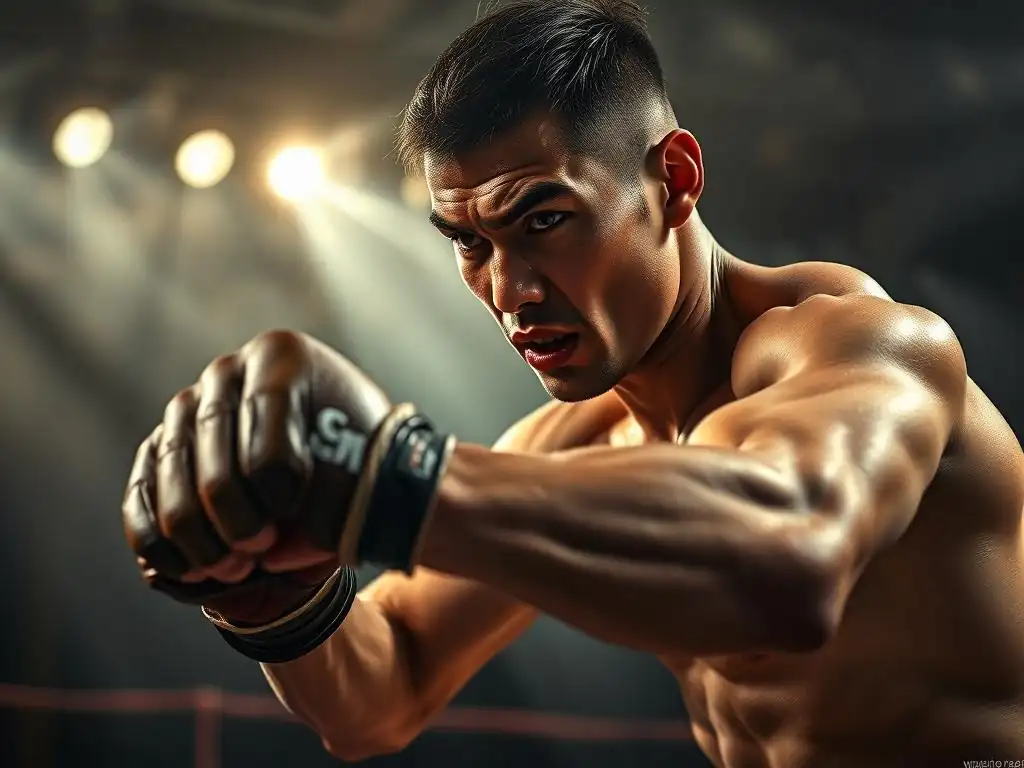
Welcome to Martial Arts Mastery, where we delve into the rich tapestry of combat traditions from across the globe. Ever wondered about Lethwei, the brutal yet beautiful Burmese art of bare-knuckle boxing? In this article, we'll unravel the mysteries of Lethwei training techniques for beginners, offering a comprehensive introduction to this ancient discipline. Prepare to discover the foundational skills and mindset required to embark on your Lethwei journey, and perhaps, unlock a warrior spirit you never knew you possessed. What secrets will you uncover? Let's begin.
- Introduction to Lethwei: Unveiling Myanmar's Bare-Knuckle Boxing
- Lethwei Training Techniques for Beginners: A Step-by-Step Approach
- Defensive Strategies in Lethwei: Avoiding and Blocking Strikes
- Lethwei Conditioning and Physical Preparation
- Lethwei Sparring and Pad Work: Putting it All Together
- The Lethwei Mindset: Discipline, Respect, and Perseverance
- Lethwei vs. Other Martial Arts: A Comparative Analysis
- Finding a Lethwei Gym and Instructor: What to Look For
- Lethwei Equipment and Gear: What You'll Need to Get Started
- Advanced Lethwei Techniques and Strategies
- Conclusion: Embracing the Challenge of Lethwei
-
Frequently Asked Questions
- What is Lethwei and what makes it unique compared to other martial arts?
- What are some basic Lethwei training techniques a beginner should focus on?
- How important is physical conditioning in Lethwei training?
- Are there any specific safety precautions a beginner should take when starting Lethwei training?
- Where can someone find reputable Lethwei training resources or instructors?
- Final Reflection: Embracing the Raw Spirit of Lethwei
- Embrace the Spirit of Lethwei: Your Journey Begins Now!
Introduction to Lethwei: Unveiling Myanmar's Bare-Knuckle Boxing
What is Lethwei? A Brief History of Burmese Boxing
Lethwei, often referred to as Burmese bare-knuckle boxing, is a traditional combat sport originating from Myanmar (formerly Burma). Its history is deeply intertwined with the country's cultural and military past, with roots potentially stretching back over a thousand years to the Pyu era.
During the Konbaung dynasty (1752-1885), Lethwei was a prominent sport, often featured during festivals and important events, serving both as entertainment and a method of military training. Unlike many modern combat sports, Lethwei retained many of its ancient, brutal characteristics, including the allowance of headbutts and fighting without gloves, making it one of the most comprehensive striking arts in the world.
The formal rules and structure of modern Lethwei began to take shape more recently, particularly in the late 20th and early 21st centuries, to facilitate organized competitions. While historical accounts are often anecdotal, modern Lethwei events, like those promoted by the World Lethwei Championship (WLC), showcase professional fighters competing under standardized rules.
These events typically feature rounds (often five, three-minute rounds) and specific weight classes, though the core elements of bare knuckles and headbutts remain. The sport's resurgence in popularity globally is relatively recent, driven by the raw intensity and unique rule set that distinguishes it from other striking martial arts.
The Unique Characteristics of Lethwei: Beyond Traditional Boxing
Lethwei is renowned for its "nine limbs" combat philosophy, utilizing fists, feet, elbows, knees, and crucially, the head. This distinguishes it significantly from arts like Western boxing, which focuses solely on punches, or even Muay Thai, which uses eight limbs but omits headbutts. The bare-knuckle aspect means fighters wrap only tape around their hands, leading to frequent cuts and a high potential for knockout finishes. This necessitates exceptional conditioning, particularly for the hands and shins, which are often used to block strikes.
Another defining feature is the "traditional challenge fight" rule, known as the "Myanmar Fight." If a fighter is knocked down and cannot continue, their corner can use their one-time opportunity to revive the fighter. If the fighter is revived and can stand within a short timeframe (typically around 2 minutes, though rules vary), they are allowed to continue the fight. If they win the fight after being revived, it's considered a technical victory, often highlighting incredible resilience. This adds a unique strategic layer and dramatic element not found in most other combat sports.
Lethwei Training Techniques for Beginners: A Step-by-Step Approach
Foundational Stance and Footwork in Lethwei
Developing a solid stance is the absolute first step in learning Lethwei training techniques for beginners. A typical Lethwei stance is similar to Muay Thai or kickboxing, being more square and balanced than a Western boxing stance to facilitate kicking, kneeing, and elbowing with equal power from either side, as well as defending low kicks. The feet are usually shoulder-width apart, with knees slightly bent, and the weight distributed evenly.
Hands are held high to protect the head, often with forearms guarding the body. This balanced posture allows for quick transitions between offense and defense and prepares the body for absorbing powerful strikes.
Footwork in Lethwei is crucial for managing distance, creating angles for attack, and evading incoming strikes. Beginners focus on foundational movements like shuffling forward and backward, stepping side-to-side, and pivoting. The goal is to remain balanced and ready to strike or defend at all times. Unlike the constant bouncing seen in some boxing styles, Lethwei footwork tends to be more grounded and deliberate, allowing for powerful base generation for kicks and headbutts. Mastering these basic movements is fundamental before moving on to more complex Lethwei training techniques for beginners.
Essential Striking Techniques: Punches, Kicks, Knees, and Elbows
Learning the core strikes is central to mastering Lethwei training techniques for beginners. The art incorporates a wide array of attacks from the nine limbs. Beginners start by drilling the fundamental mechanics of each strike type: punches for close and mid-range, kicks for distance, knees and elbows for clinch and close quarters, and headbutts as a unique finishing tool. Proper form is emphasized to generate maximum power while minimizing the risk of injury to oneself.
Repetition is key when practicing these essential Lethwei training techniques for beginners. Hours are spent hitting pads, heavy bags, and focusing on shadow boxing to build muscle memory. For instance, a beginner might spend 30 minutes per training session purely drilling basic punches like the jab and cross, ensuring hip rotation and follow-through. Another 30 minutes could be dedicated to mastering the roundhouse kick, focusing on pivoting the standing foot and driving the shin through the target. This systematic approach ensures a strong foundation is built before attempting combinations or sparring.
Mastering Lethwei Punches: Jabs, Crosses, and Hooks
Lethwei punching involves techniques similar to Western boxing but adapted for bare knuckles and integration with other limb strikes. The jab is a quick, straight punch used for measuring distance, setting up other strikes, and disrupting an opponent's rhythm. The cross is a powerful straight punch thrown with the dominant hand, often following a jab, utilizing hip and shoulder rotation for maximum force. Hooks are curved punches targeting the side of the head or body.
Training these punches as part of Lethwei training techniques for beginners focuses on speed, power, and accuracy. Drills often involve hitting focus mitts held by a trainer, who calls out combinations. For example, a beginner might throw a jab-cross combination, followed by a left hook. Emphasis is placed on keeping the non-punching hand up for defense and returning the punching hand quickly after the strike. While not as varied as boxing, powerful and accurate punches are vital for controlling distance and setting up the more devastating Lethwei strikes.
Powerful Lethwei Kicks: Roundhouse, Teep, and More
Kicking is a fundamental component of Lethwei, with the roundhouse kick being perhaps the most prominent. Thrown with the shin, it targets the legs (low kick), body (middle kick), or head (high kick). The teep (push kick) is used to create distance, disrupt balance, or as a defensive tool. Other kicks include the side kick and occasional axe kicks, though less common in typical exchanges.
Practicing kicks as part of Lethwei training techniques for beginners involves extensive heavy bag work and pad drills. Beginners learn to pivot correctly on the standing foot to generate power and avoid knee injury. They practice chambering the leg and driving the shin through the target, aiming to land with the hardest part of the lower leg. Heavy bag rounds might involve throwing 50-100 roundhouse kicks per leg to build conditioning and power. Precision is also worked on, aiming kicks at specific targets indicated by the trainer on pads.
Lethwei Knee Strikes: Effective Clinch and Distance Techniques
Knee strikes in Lethwei are versatile weapons, used both at distance and, most commonly, within the clinch. At distance, a fighter might jump or step in with a knee to the body or head. In the clinch, knees to the thighs, body, and even head are frequently employed. The force generated from a well-executed knee, especially to the solar plexus or rib cage, can be fight-ending.
Lethwei training techniques for beginners include drilling knee strikes on heavy bags and specialized knee bags. Partners also practice holding pads or body shields for drilling. Emphasis is placed on driving the hip forward and pulling down with the arms (if in a simulated clinch) to maximize impact. Beginners spend significant time practicing basic straight knees and diagonal knees, learning to generate power from their hips and core. Clinch training, discussed later, is where knee techniques are most extensively practiced in a realistic scenario.
Devastating Lethwei Elbow Strikes: Close-Range Combat
Elbow strikes are incredibly dangerous and frequently used in the close ranges of Lethwei. They are versatile, thrown horizontally, vertically, diagonally, or in spinning variations. Elbows are particularly effective for cutting opponents, targeting areas like the eyebrow, forehead, or cheekbone, which can lead to stoppages due to excessive bleeding. They are also powerful knockout tools, especially when targeting the temple or jawline.
Mastering elbow strikes as part of Lethwei training techniques for beginners involves precision and power drills. Beginners practice on pads held close to the trainer's body, focusing on hitting specific targets like the simulated eye or temple area. Drills often involve stepping in with an elbow after a punch or using them within the clinch. For example, a beginner might practice a jab-cross combination followed by stepping in with a left horizontal elbow. Safety is paramount, so these are initially practiced with control, focusing on the correct motion and body mechanics before power is added.
The Art of Clinching and Sweeping in Lethwei
The clinch in Lethwei is a complex and brutal aspect of the sport, allowing for knee and elbow strikes, as well as throws and sweeps. Unlike some martial arts where the clinch might be used primarily for control or stalling, in Lethwei, it is an active fighting range. Fighters grapple for dominant head or arm position to land powerful strikes or unbalance their opponent.
Lethwei training techniques for beginners include learning basic clinch entries and control positions. They practice securing a neck tie, gaining inside position with their arms, and defending against an opponent's clinch attempts. Sweeps involve using leg trips or pushing/pulling motions to take an opponent off their feet. Drills focus on maintaining balance while attempting to off-balance the partner. For example, beginners might spend rounds practicing securing a double neck tie and throwing alternating knee strikes, followed by attempting a simple foot sweep while maintaining control.
Lethwei Headbutts: Understanding the Rules and Safety Considerations
Perhaps the most unique and controversial aspect of Lethwei is the legality of headbutts. They can be used offensively, typically targeting the forehead or nose, or defensively, often delivered as an opponent closes distance or in the clinch. Headbutts require significant neck and core strength and are high-risk, high-reward techniques due to the potential for self-injury.
While a defining feature, headbutt training for Lethwei training techniques for beginners is usually introduced cautiously and later in their progression. Initial practice might involve light contact drills focusing on the proper mechanics – driving forward with the neck and using the hard part of the forehead. More advanced training involves conditioning the head and neck muscles, often through resistance exercises. Safety protocols are strictly enforced, and headbutts are often practiced with controlled force, especially in sparring, due to the inherent dangers involved.
Defensive Strategies in Lethwei: Avoiding and Blocking Strikes
Developing Strong Defense: Blocking, Parrying, and Slipping
Effective defense is as critical as offense in Lethwei, especially given the bare-knuckle nature and variety of strikes. Blocking involves using forearms, shins, or gloves (in training) to intercept incoming strikes. Parrying uses a hand or arm to redirect a strike. Slipping involves moving the head or body just enough to avoid a strike.
Lethwei training techniques for beginners heavily emphasize defensive drills. For instance, partners will throw controlled punches, kicks, or elbows, and the beginner practices blocking with the appropriate limb or slipping the head. Shin conditioning, often done by hitting the shins against a heavy bag or specialized post, is vital for blocking low kicks, which are frequent and damaging in Lethwei. Beginners might spend 15-20 minutes per session purely drilling defensive movements against various types of strikes.
Footwork and Evasion: Creating Distance and Angles
Beyond static blocking, dynamic defense through footwork and evasion is key. Maintaining the correct distance prevents an opponent from landing their most powerful strikes. Stepping back or circling away can take a fighter out of range. Creating angles by stepping to the side disrupts an opponent's line of attack and can set up counter-offensives.
Lethwei training techniques for beginners incorporate footwork drills alongside offensive and defensive practice. Shadow boxing is a prime example where beginners practice moving and evading imaginary strikes. They learn to use small, controlled steps to adjust position rather than large, off-balancing movements. Drills might involve having a partner follow the beginner, who must use footwork to keep a specific distance or stay out of reach, practicing constant movement and readiness to counter.
Lethwei Conditioning and Physical Preparation
Building Strength and Endurance for Lethwei
Lethwei demands exceptional physical conditioning due to its high pace and intensity. Strength training focuses on functional movements relevant to striking and clinching – explosive power in the hips and shoulders for strikes, and grip/core strength for the clinch. Endurance is built through road work (running), skipping rope, and rounds of intense pad work or bag work.
A typical conditioning routine for someone learning Lethwei training techniques for beginners might include running 3-5 miles several times a week, followed by bodyweight exercises like push-ups, squats, and planks. Specific Lethwei drills like tire pounding (hitting a large tire with a hammer) or medicine ball throws build explosive power. Circuit training incorporating striking on bags, bodyweight exercises, and core work is also common to simulate the demands of a fight round.
Flexibility and Mobility Training for Lethwei Fighters
Flexibility is crucial for executing high kicks, avoiding injuries, and moving fluidly. Mobility in the hips, shoulders, and ankles is particularly important for generating power in strikes and maintaining balance during dynamic movements and in the clinch.
Beginners in Lethwei are encouraged to incorporate regular stretching routines. This includes static stretches held for 20-30 seconds targeting the hamstrings, hip flexors, quadriceps, and shoulders. Dynamic stretches like leg swings and arm circles are performed as part of the warm-up before training. Specific mobility drills, such as hip circles or shoulder rotations, help improve range of motion necessary for techniques like high kicks or powerful elbow strikes.
The Importance of Core Strength in Lethwei
The core muscles (abdominals, obliques, lower back) are the powerhouse for almost every movement in Lethwei. They stabilize the body during strikes, generate rotational power for punches and kicks, maintain posture in the clinch, and absorb impact from body shots.
Developing a strong core is a fundamental part of Lethwei training techniques for beginners. Exercises like planks (front and side), crunches, leg raises, and rotational movements using resistance bands or medicine balls are standard. Many traditional Lethwei conditioning drills, such as hitting a heavy bag or tire, naturally engage the core. A strong core improves striking power, defensive stability, and overall resilience in the ring.
Lethwei Sparring and Pad Work: Putting it All Together
Safe and Effective Sparring Practices for Lethwei
Sparring is essential for applying Lethwei training techniques for beginners in a controlled environment. It allows fighters to practice timing, distance management, and executing combinations against a moving opponent. Due to the nature of Lethwei, sparring is often conducted with protective gear, including large boxing gloves (16 oz or more), shinguards, headgear, and mouthguards, to minimize injury risk, especially for beginners. Headbutts are typically either excluded or practiced very lightly and slowly.
Beginner sparring focuses on light contact and technical execution rather than power. The goal is to practice the techniques learned on pads and bags against a non-compliant partner. Sessions might involve specific rounds focusing only on punches and defense, or integrating kicks and knees. Trainers closely supervise sparring to ensure safety and provide real-time feedback on technique and strategy. The emphasis is on learning and development, not winning the exchange.
Utilizing Pad Work to Refine Striking Techniques
Pad work with a qualified trainer is perhaps the most effective way to refine Lethwei training techniques for beginners. The trainer holds focus mitts, Thai pads, and sometimes body shields, calling out combinations and simulating defensive reactions. This allows the beginner to practice hitting moving targets with power and accuracy.
A typical pad work session might involve the trainer calling out a sequence like "jab-cross-low kick." The beginner executes the combination with full power and proper form. The trainer might then simulate a block or counter-attack, prompting the beginner to react defensively or follow up with another technique like an elbow or clinch entry. Pad work rounds are intense, replicating the anaerobic demands of a fight, and are crucial for developing timing, speed, power, and flow in combinations.
The Lethwei Mindset: Discipline, Respect, and Perseverance
Mental Toughness and Focus in Lethwei
Beyond the physical Lethwei training techniques for beginners, cultivating the right mindset is paramount. Lethwei is a demanding sport that requires significant mental toughness to endure rigorous training, manage pain, and stay composed under pressure during sparring or competition. Focus is needed to learn complex techniques, react quickly, and execute game plans.
Training instills mental resilience through challenging drills and conditioning. Pushing through fatigue during intense rounds of bag work or sparring builds willpower. Fighters learn to control their adrenaline and maintain concentration despite the chaos of combat. Meditative practices or visualization techniques are sometimes incorporated to enhance focus and mental preparation, helping beginners manage the intensity of Lethwei.
The Importance of Respect in Lethwei Culture
Respect is a cornerstone of traditional Lethwei culture. This includes respect for the art itself, for one's trainers, training partners, and opponents. The training environment is often hierarchical, with senior students and instructors commanding deference. This cultural emphasis fosters a disciplined and safe training atmosphere.
Beginners are taught the importance of bowing to their instructors and training space upon entering and leaving. They learn to treat training partners with care during drills and sparring, understanding that mutual respect is necessary for safe learning. This respect extends to opponents in competition, embodying the warrior spirit that values honor as much as victory.
Lethwei vs. Other Martial Arts: A Comparative Analysis
Lethwei vs. Muay Thai: Similarities and Differences
Lethwei and Muay Thai, both prominent Southeast Asian striking arts, share many similarities, particularly in their use of punches, kicks, knees, and elbows (the "eight limbs"). Both arts emphasize powerful low kicks, strong clinching, and devastating elbow strikes. Many training methods, such as heavy bag work, pad work, and clinching drills, are similar.
However, the key difference lies in Lethwei's allowance of headbutts and the bare-knuckle rule set. This makes Lethwei generally considered more brutal and higher risk than Muay Thai. While Muay Thai fighters wear gloves (typically 8-10 oz in professional fights), Lethwei fighters only wrap tape. The "Myanmar Fight" rule allowing a fighter to be revived after a knockout is also unique to Lethwei. These distinctions lead to slightly different strategies and conditioning priorities, with Lethwei fighters often needing even tougher conditioning for their heads and shins.
Lethwei vs. Western Boxing: Key Distinctions
Comparing Lethwei to Western boxing highlights fundamental differences in their scope and rules. Boxing focuses exclusively on punching with gloved fists, targeting the head and upper body. Footwork is often characterized by constant movement and intricate angles solely for punching offense and defense.
Lethwei, conversely, is a full-contact, nine-limb art fought bare-knuckle. While punches are used, they are integrated into a system that includes kicks, knees, elbows, and headbutts. The stance is more stable to accommodate kicks, and the clinch is a primary fighting range, unlike boxing where it's typically broken up by the referee. The conditioning requirements also differ significantly; while boxers need incredible aerobic endurance and upper body power, Lethwei fighters need full-body strength, extreme durability (especially shin and head conditioning), and anaerobic capacity for explosive, varied attacks.
Finding a Lethwei Gym and Instructor: What to Look For
Researching Reputable Lethwei Training Facilities
Finding a reputable gym is crucial for learning Lethwei training techniques for beginners safely and effectively. Look for facilities with experienced instructors who have a deep understanding of traditional Lethwei techniques and culture, as well as modern safety practices. Research online reviews, testimonials, and the background of the lead instructor.
Consider visiting the gym to observe a class. Look for a clean and well-maintained training space with appropriate equipment like heavy bags, pads, and sparring gear. Pay attention to the atmosphere – is it disciplined and respectful? Do students seem supportive of each other? A good gym prioritizes safety and provides structured progression for beginners.
Qualities of a Good Lethwei Instructor
A good Lethwei instructor should possess not only technical mastery but also strong coaching skills. They should be patient, able to break down complex Lethwei training techniques for beginners into understandable steps, and provide clear, constructive feedback. Safety should be their top priority, ensuring proper warm-ups, supervised sparring, and correct technique execution to prevent injuries.
An excellent instructor also embodies the spirit of Lethwei – discipline, respect, and perseverance – and instills these values in their students. They should be passionate about the art and dedicated to helping students improve at their own pace. Don't hesitate to ask about their training lineage, experience, and teaching philosophy before committing to a gym.
Lethwei Equipment and Gear: What You'll Need to Get Started
Essential Training Equipment for Lethwei Beginners
While competitive Lethwei is bare-knuckle, training, especially for beginners learning Lethwei training techniques, requires protective gear. Hand wraps are essential for supporting the wrists and protecting the knuckles, even under gloves. Boxing gloves (14-16 oz) are used for pad work, heavy bag training, and sparring to protect both the wearer and training partners.
Other crucial gear includes shinguards to protect the lower legs during kicking drills and sparring, a mouthguard to protect teeth and prevent concussions, and headgear for sparring. A groin protector (cup) is also highly recommended for both men and women. Some gyms may also require elbow and knee pads for specific drills. While the art is bare-knuckle in competition, safety gear is non-negotiable for learning and practicing Lethwei training techniques for beginners.
Advanced Lethwei Techniques and Strategies
Advanced Clinch Work and Throws
Beyond basic control and strikes, advanced Lethwei clinch work involves intricate grips, off-balancing techniques, and powerful throws or trips designed to take the opponent down and potentially follow up with strikes. This requires significant strength, balance, and understanding of body mechanics.
Advanced practitioners drill complex entries into the clinch, such as catching a kick and driving into range, or using punches to set up a clinch tie-up. They practice maintaining dominant posture while resisting an opponent's attempts to gain control or strike. Throwing techniques range from hip throws and leg sweeps to more explosive trips that leverage the opponent's weight and momentum against them. These techniques are integrated into live sparring and require a deep understanding of leverage and timing, built upon the foundational Lethwei training techniques for beginners.
Complex Striking Combinations
Advanced Lethwei fighters utilize complex combinations that seamlessly blend strikes from all nine limbs. These aren't just sequences of punches or kicks but fluid chains that might start with a punch, transition to an elbow upon closing distance, follow with a knee in the clinch, and end with a headbutt or sweep upon separation.
Training for advanced combinations involves high-intensity pad work where the trainer calls out intricate sequences, forcing the fighter to react quickly and transition smoothly between different types of strikes and ranges. Shadow boxing becomes more dynamic, incorporating movement, feints, and defensive reactions within combinations. Sparring at higher intensity allows fighters to test these complex Lethwei training techniques against experienced opponents, adapting and refining based on real-time feedback.
Conclusion: Embracing the Challenge of Lethwei
The Rewarding Journey of Learning Lethwei
Embarking on the journey of learning Lethwei is a profound challenge, demanding physical toughness, mental fortitude, and unwavering discipline. It is an art that tests the limits of one's resilience and commitment. For those dedicated to mastering its unique Lethwei training techniques for beginners and beyond, the rewards extend far beyond physical fitness and self-defense skills.
Training in Lethwei offers a deep connection to a rich cultural heritage, fostering respect, humility, and perseverance. The process of overcoming physical discomfort, technical hurdles, and mental barriers builds character and self-confidence. While the path is demanding, the personal growth and mastery achieved through dedicated practice of Lethwei training techniques make it an incredibly rewarding endeavor for anyone seeking a challenging and authentic martial arts experience.
Frequently Asked Questions
What is Lethwei and what makes it unique compared to other martial arts?
Lethwei is a traditional Burmese martial art also known as Burmese boxing. It's unique because it allows the use of headbutts and doesn't always require gloves, making it a very raw and intense fighting style.
What are some basic Lethwei training techniques a beginner should focus on?
Beginners should concentrate on fundamental striking techniques such as punches, kicks, knees, and elbows. Also, proper stance and footwork are crucial for both offense and defense in Lethwei.
How important is physical conditioning in Lethwei training?
Physical conditioning is extremely important in Lethwei. Training focuses on building strength, endurance, and flexibility to withstand the rigors of this demanding martial art.
Are there any specific safety precautions a beginner should take when starting Lethwei training?
Yes, beginners should prioritize proper warm-up and cool-down routines. Additionally, using appropriate protective gear, like mouthguards and cups, is essential to minimize the risk of injury.
Where can someone find reputable Lethwei training resources or instructors?
You can search for qualified Lethwei instructors at reputable martial arts gyms or online through dedicated martial arts platforms. Look for instructors with proven experience and a strong understanding of Lethwei techniques.
Final Reflection: Embracing the Raw Spirit of Lethwei
The journey into Lethwei, as we've explored, is more than just learning Lethwei training techniques for beginners; it's an immersion into a philosophy of resilience, respect, and unwavering spirit. The raw power and unyielding nature of this ancient fighting art resonate deeply in a world often sanitized and softened. It serves as a potent reminder of the strength that lies within us all, waiting to be awakened through discipline and dedication.
Lethwei's influence extends far beyond the ring. It shapes character, instills discipline, and fosters a profound respect for oneself and one's opponent. This ancient art, passed down through generations, offers a unique path to self-discovery and empowerment. Lethwei is not just about fighting; it's about finding your inner strength and pushing beyond your perceived limits.
This sentiment encapsulates the transformative power of Lethwei, a power that continues to inspire and challenge individuals seeking more than just physical prowess.
Now, as you close this guide, consider how the principles of Lethwei – discipline, resilience, and respect – can be applied to your own life. Embrace the challenges that come your way with the same unwavering spirit as a Lethwei fighter. Cultivate the inner strength to overcome obstacles, and always remember the importance of respect, both for yourself and for others. Let the raw spirit of Lethwei ignite your own journey of self-discovery and empowerment.
Embrace the Spirit of Lethwei: Your Journey Begins Now!
Thank you for diving into the world of Lethwei with us. We hope you've found inspiration in the raw power and deep tradition of this ancient fighting art. Now, it's time to channel that inspiration into action.
- Consider taking the first step by researching Lethwei training opportunities near you. Even if you don't intend to compete, learning the basics will give you a profound respect for the discipline and culture.
- Explore documentaries and interviews featuring Lethwei fighters to deepen your understanding of their mindset and dedication.
- Share this article with fellow martial arts enthusiasts and spark a conversation about the unique aspects of Lethwei within your community.
What's the one aspect of Lethwei that resonates most with you, and how will you explore it further?