
The Unsung Heroes: Stunt Performers and Their Vital Role in Martial Arts Cinema

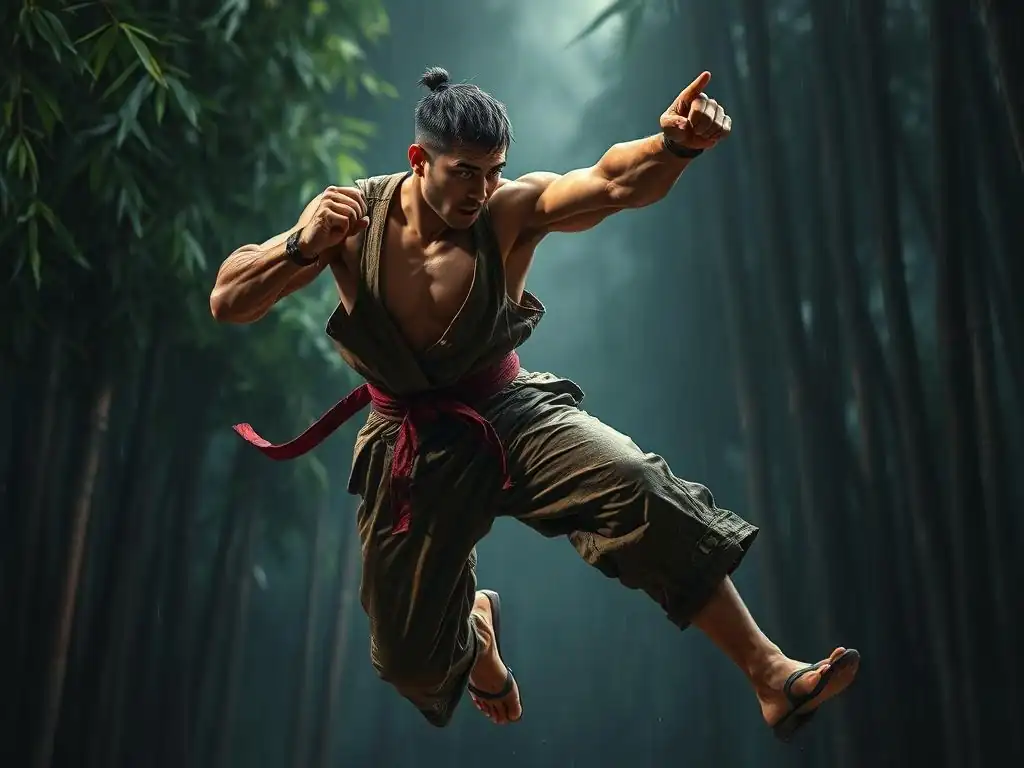
Welcome to Martial Arts Mastery!
Ever wondered how those breathtaking, gravity-defying moves in your favorite martial arts films come to life? Dive into the captivating world of stunt performers in martial arts cinema, where skill, dedication, and a touch of daredevilry converge. We're about to uncover the crucial role these unsung heroes play in bringing cinematic legends to the screen, exploring their history, techniques, and the sacrifices they make. Prepare to be amazed and discover the hidden artistry behind the action!
- Introduction: Recognizing the Contribution of Stunt Performers in Martial Arts Films
- A History of Stunt Work in Martial Arts Cinema
- The Skills and Training of Martial Arts Stunt Performers
- Iconic Stunt Performers Who Shaped Martial Arts Film
- The Dangers and Risks Faced by Stunt Performers
- Choreography, Collaboration, and the Art of the Fight Scene
- Stunt Performers vs. Actors: A Look at the Division of Labor
- The Future of Stunt Work in Martial Arts Cinema
- Conclusion: Appreciating the Vital Contributions of Martial Arts Stunt Professionals
-
Frequently Asked Questions
- What is the primary role of stunt performers in martial arts cinema?
- How does MartialArtsMastery.org view the contribution of stunt performers?
- What kind of martial arts training is typically required for stunt performers working in martial arts cinema?
- Are there significant differences between performing martial arts in competition versus performing stunts in martial arts cinema?
- How can someone learn more about the history and techniques used by stunt performers in martial arts cinema?
- Final Reflection: Recognizing the Unseen Artistry
- Unleash Your Inner Action Star!
Introduction: Recognizing the Contribution of Stunt Performers in Martial Arts Films
The Often-Overlooked Role of Stunt Professionals in Action Cinema
In the dazzling world of martial arts cinema, the spotlight often shines brightest on the lead actors who execute breathtaking kicks, intricate forms, and dramatic fight sequences. Yet, behind every gravity-defying leap, every bone-jarring fall, and every perfectly timed strike, there is a dedicated professional whose face rarely appears prominently on screen: the stunt performer.
These individuals are the backbone of action films, particularly those heavily reliant on physical combat, and their contribution is absolutely critical to bringing dynamic and believable martial arts action to life. Without skilled stunt performers, the thrilling fight scenes that define genres from classic kung fu to modern action epics simply wouldn't be possible.
The work of stunt performers in martial arts cinema extends far beyond simply doubling for actors. They are often the architects of the physical spectacle, collaborating closely with fight choreographers to design and execute complex sequences that blend athleticism, artistry, and storytelling.
Their training is rigorous, encompassing not just various martial arts styles but also gymnastics, acrobatics, and specialized techniques for falls, impacts, and weapons handling. While actors receive accolades and mainstream recognition, the stunt professionals who risk their physical well-being to make these films visually spectacular often remain anonymous, a reality that underscores their 'unsung' status despite their vital role.
Why Stunt Performers Are Essential to Authentic Martial Arts Portrayals
Authenticity in martial arts cinema hinges significantly on the capabilities of its stunt team. While many actors train extensively for their roles, few possess the decades of dedication and high-level physical skill required for genuinely complex or dangerous maneuvers. Stunt performers bridge this gap, providing the necessary expertise to execute techniques with the speed, power, and precision characteristic of true martial arts mastery. Their ability to perform difficult sequences repeatedly and safely under demanding filming conditions ensures that the on-screen action looks convincing and impactful, captivating audiences who appreciate genuine physical performance.
Furthermore, stunt performers are essential for actor safety and the production timeline. By performing the most hazardous parts of a sequence, they protect the lead actors from potential injury, which could halt production entirely.
This division of labor allows actors to focus on their performance while ensuring that the high-octane action sequences required by martial arts films are executed by professionals trained specifically for risk management. The seamless integration of actor and stunt performer through careful choreography and clever camera work is a testament to the essential collaboration that makes compelling martial arts films a reality, highlighting the indispensable nature of stunt performers martial arts cinema relies upon.
A History of Stunt Work in Martial Arts Cinema
Early Days: Pre-CGI Stunts and the Rise of Martial Arts Movies
The history of stunt work in martial arts cinema is deeply intertwined with the genre's development, particularly in Hong Kong. In the early days, from the 1960s through the 1980s, before widespread use of CGI, practical effects and highly skilled physical performances were the only way to create dynamic action. Filmmakers relied heavily on the athleticism and daring of performers who were often martial artists first and actors or stunt professionals second. This era saw the rise of studios like Shaw Brothers, where actors and stunt personnel trained together, blurring the lines between performer and stunt double.
This period established the foundation for modern martial arts stunt work. Without digital enhancements, every jump, every fall from a height, and every high-speed fight sequence had to be performed live on set. The emphasis was on raw physical skill, precision timing, and an incredible tolerance for risk.
The groundbreaking action sequences in films starring Bruce Lee in the 1970s, for instance, pushed the boundaries of on-screen combat, relying entirely on the speed and power of the performers and their doubles. These early films set a high bar for physical realism and inventiveness that continues to influence martial arts stunt performers today.
The Evolution of Stunt Techniques in Kung Fu and Action Films
As martial arts cinema evolved, so too did the techniques employed by stunt performers. The 1980s and 1990s in Hong Kong saw a significant leap forward, often referred to as the "Golden Age." This era introduced more sophisticated choreography, incorporating elements of Peking Opera acrobatics, complex wire work, and intricate prop usage. Directors like Tsui Hark and choreographers like Yuen Woo-ping revolutionized fight scenes, making them faster, more fluid, and visually spectacular. This demanded a new level of skill and versatility from stunt teams.
Innovations in rigging, safety equipment (though often rudimentary by today's standards), and filming techniques allowed for more ambitious sequences. Stunt performers mastered techniques like "Hong Kong style" wire work, which enabled seemingly impossible leaps and aerial combat. They also developed incredibly fast and precise fight choreography that often looked like a brutal dance. This evolution wasn't just about flash; it was about using these techniques to enhance storytelling and character, making the role of stunt performers martial arts cinema productions even more integral to the creative process.
Key Moments and Breakthroughs in Martial Arts Stunt Performance
Several films and individuals marked significant breakthroughs in martial arts stunt performance. The work of Jackie Chan and his stunt team, starting in the late 1970s and flourishing in the 1980s, is a prime example. Chan integrated dangerous, often comedic, stunt work directly into the narrative, performing incredibly complex and risky sequences himself, often captured in outtakes shown during the credits.
His approach emphasized creativity with environment and props, leading to stunts that were as ingenious as they were perilous. Films like Police Story (1985) featured stunts that became legendary for their danger and complexity, such as Chan sliding down a multi-story pole covered in lights, suffering numerous injuries in the process.
Another key moment was the introduction of Hong Kong action choreography to Hollywood. Films like The Matrix (1999), choreographed by Yuen Woo-ping, showcased sophisticated wire-fu and martial arts techniques to a global audience unfamiliar with such dynamic action. This collaboration highlighted the specialized skills of martial arts stunt performers and choreographers from Hong Kong, demonstrating that their techniques could elevate Western action films. These moments not only entertained but also educated audiences and filmmakers worldwide about the critical contribution and unique artistry of stunt performers in martial arts cinema.
The Skills and Training of Martial Arts Stunt Performers
Mastering Martial Arts Disciplines for Stunt Work
At the core of being a successful martial arts stunt performer is, naturally, a deep understanding and mastery of various martial arts disciplines. Unlike practitioners who focus on competition or self-defense, stunt performers learn martial arts with an eye towards performance, control, and adaptability.
They need to understand the principles of striking, grappling, and forms from styles like Kung Fu (various forms), Taekwondo, Karate, Judo, and sometimes even Wushu, which is specifically designed for performance. The goal is to execute techniques that look powerful and authentic on camera, often requiring exaggeration for visual impact, while maintaining absolute control to avoid injuring themselves or others.
This mastery involves years of dedicated training. Many aspiring martial arts stunt performers begin their journey in traditional martial arts schools before transitioning into stunt training programs. They must learn how to perform techniques from multiple angles, at varying speeds, and with precise timing to match camera movements and choreography. The ability to seamlessly switch between different styles or adapt traditional techniques for specific on-screen requirements is a hallmark of highly skilled stunt performers in martial arts cinema.
Essential Stunt Skills: Falls, Fights, and Wire Work
Beyond martial arts, a comprehensive skillset is crucial for stunt performers. Learning how to fall safely from heights, down stairs, or during fight sequences (known as 'high falls' and 'low falls') is fundamental. They must master 'breakfalls' to absorb impact and protect their bodies. Fight choreography, while related to martial arts, is a distinct skill involving learning and executing pre-planned sequences of attacks and defenses with precision, often requiring multiple takes. This includes reacting realistically to simulated blows and performing 'hits' that look impactful without making actual contact.
Wire work is another essential technique, particularly in genres influenced by Hong Kong cinema. Stunt performers learn how to work with complex rigging systems to simulate flying, enhanced jumps, or impossible maneuvers. This requires trust in the rigging team and a specific physical technique to make the movements look fluid and natural despite being suspended. Mastering these diverse skills—safe falling, precise fight choreography, and effective wire work—allows stunt performers martial arts cinema employs to execute the wide range of physical demands required for dynamic action sequences.
The Rigorous Physical Demands of Being a Martial Arts Stunt Professional
The life of a martial arts stunt professional is incredibly physically demanding. It requires peak physical condition, including exceptional strength, flexibility, agility, and stamina. Training is constant, often involving daily regimens of conditioning, martial arts practice, and stunt-specific drills. A performer might spend hours rehearsing a single short fight sequence, repeating powerful movements until they are perfected.
Beyond the physical training, there's the inherent stress and impact of the job. Repeated falls, simulated impacts, and the sheer physical exertion take a toll on the body over time. Injuries, from minor bruises and sprains to more serious fractures or head trauma, are an occupational hazard. Maintaining the necessary physical resilience and mental fortitude to perform dangerous tasks under pressure, often in uncomfortable conditions (like extreme weather or awkward locations), underscores the extraordinary dedication required to be a successful stunt performer in martial arts cinema.
Iconic Stunt Performers Who Shaped Martial Arts Film
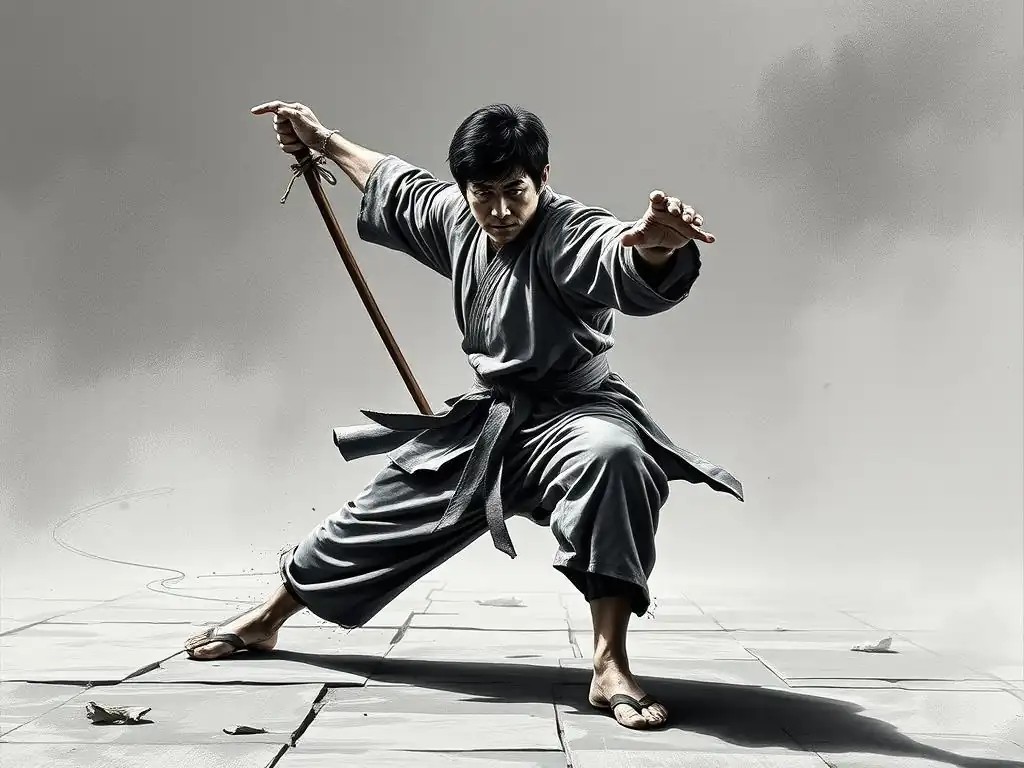
Jackie Chan Stunt Team and Their Impact
The Jackie Chan Stunt Team, also known as the Sing Kar Pan, is arguably one of the most influential stunt teams in the history of martial arts cinema. Formed by Jackie Chan, the team was renowned for its incredible skill, loyalty, and willingness to perform exceptionally dangerous stunts. Their work defined a new era of action comedy, blending intricate, fast-paced martial arts with elaborate, often painful, physical gags and stunts that utilized everyday objects and environments in innovative ways.
The impact of the Jackie Chan Stunt Team goes beyond specific films; they fostered a culture of excellence and camaraderie. Team members often performed multiple roles, from doubling for Chan or other actors to assisting with choreography and safety. Their dedication to pushing boundaries resulted in some of the most memorable and groundbreaking action sequences ever filmed. The visible inclusion of stunt outtakes in Jackie Chan's films also played a crucial role in highlighting the real dangers and efforts involved, offering audiences a glimpse into the challenging work of stunt performers martial arts cinema relies on.
Yuen Woo-ping and Their Contributions to Action Sequences
While known primarily as a director and fight choreographer, Yuen Woo-ping's influence on martial arts stunt performance is immense. His innovative choreography, particularly his mastery of wire-fu and rhythmic, almost dance-like combat, demanded a high level of skill and coordination from the stunt performers he worked with. Films like Drunken Master (1978) showcased his early genius, launching the career of Jackie Chan and demonstrating a unique approach to fight choreography that blended traditional forms with creative, dynamic movement.
Yuen Woo-ping's work on Hollywood films like The Matrix (1999) and Crouching Tiger, Hidden Dragon (2000) introduced a wider audience to the sophisticated techniques perfected by Hong Kong stunt performers. His choreography required performers who could not only execute complex martial arts movements but also perform intricate wire work with grace and conviction. His legacy is not just in the scenes he created, but in elevating the craft of fight choreography and demanding excellence from the stunt professionals who brought his vision to life, further cementing the crucial role of stunt performers martial arts cinema thrives on.
The Legacy of Pioneering Stunt Teams in Hong Kong Action Cinema
Beyond Jackie Chan's team, numerous other pioneering stunt teams and individuals shaped the landscape of Hong Kong action cinema. Teams associated with directors like Sammo Hung (Hung Kar Pan) and actors like Lau Kar-leung (who was also a director and choreographer) developed distinct styles and contributed countless innovations. These teams were often tightly-knit groups who trained together for years, developing a deep understanding of each other's capabilities and limitations, which was essential for executing dangerous sequences safely.
These teams were the true engines of the Hong Kong film industry's reputation for unparalleled action. They developed techniques, trained new generations of performers, and created a competitive environment that constantly pushed the boundaries of what was possible on screen. Their legacy is evident in the global influence of Hong Kong action on filmmaking worldwide and the continued demand for skilled martial arts stunt performers trained in their traditions. The high standard they set continues to inspire and challenge stunt professionals today.
The Dangers and Risks Faced by Stunt Performers
The Realities of On-Set Injuries and Safety Concerns
The thrilling action sequences that audiences enjoy are often the result of performers undertaking significant risks. Injuries are an unfortunate reality for stunt performers. While safety protocols have improved over the years, the nature of the work—simulating violent impacts, falling from heights, working with weapons and explosives—means that accidents can and do happen. Common injuries range from sprains, bruises, and cuts to broken bones, concussions, and even spinal injuries.
Statistics, though difficult to gather comprehensively for specific film genres like martial arts cinema globally, indicate that the stunt profession has one of the highest rates of injury in the entertainment industry. Reports from unions and safety organizations often highlight the constant need for vigilance. Every complex sequence carries a degree of risk, and even minor miscalculations in timing or execution can lead to serious harm. This constant exposure to potential injury is a stark reminder of the physical toll stunt performers martial arts cinema relies on willingly endure.
Advocating for Improved Safety Standards in Martial Arts Film Production
Given the inherent dangers, advocacy for improved safety standards is a continuous effort within the stunt community. Stunt coordinators play a critical role in assessing risks, planning sequences, and implementing safety measures such as padding, rigging, and emergency medical support. Unions and associations representing stunt performers work to establish industry-wide safety guidelines, push for better working conditions, and ensure appropriate insurance coverage.
Despite progress, challenges remain, particularly in productions with limited budgets or tight schedules, where pressure to get the shot quickly can sometimes compromise safety. There is an ongoing push for standardized training, certification, and stricter enforcement of safety protocols on sets worldwide. The goal is to minimize risks without stifling the creativity and dynamism that define martial arts action, ensuring that stunt performers can continue to perform their essential role as safely as possible.
Remembering Stunt Performers Lost in the Pursuit of Action Cinema
Tragically, the history of action cinema includes instances where stunt performers have lost their lives on set. These rare but devastating occurrences serve as a somber reminder of the ultimate risks involved in the profession. While specific numbers are hard to track globally across decades and various production types, each loss deeply impacts the close-knit stunt community and the film industry at large.
Remembering these individuals is important not only to honor their sacrifice but also to reinforce the critical need for unwavering commitment to safety. Incidents, such as the tragic death of a stunt performer during the production of Deadpool 2 in 2017 (though not a martial arts film, it highlights the dangers in action cinema generally), prompt renewed calls for safety reviews and underscore that even with precautions, the work remains perilous. The legacy of those lost serves as a powerful impetus for continued efforts to make the set a safer workplace for all stunt performers martial arts cinema requires.
Choreography, Collaboration, and the Art of the Fight Scene
The Synergy Between Fight Choreographers and Stunt Performers
The creation of a memorable martial arts fight scene is a highly collaborative process, with a crucial synergy between the fight choreographer and the stunt performers. The choreographer designs the sequence, outlining the moves, rhythm, and flow, often tailoring it to the specific skills of the performers and the narrative requirements of the film. However, it is the stunt performers who must execute this vision, interpreting the choreography and bringing it to life with their physical abilities.
This collaboration involves extensive rehearsal. Choreographers demonstrate moves, and performers practice them, providing feedback on what feels safe, effective, and visually dynamic. Adjustments are constantly made to ensure the sequence looks authentic and exciting while remaining performable under filming conditions. The best fight scenes emerge from this close working relationship, where the choreographer's creative vision is met by the performers' skill and dedication, highlighting the artistry involved when stunt performers martial arts cinema sequences are crafted.
Creating Realistic and Exciting Martial Arts Combat on Screen
Balancing realism and excitement is a key challenge in choreographing and performing martial arts for film. True martial arts combat can often be quick and messy, which doesn't always translate well to screen entertainment. Film choreography often exaggerates movements, adds flourishes, and extends exchanges to make the action more visually compelling and easier for the audience to follow. Stunt performers are skilled at making these stylized movements look impactful and genuine.
Techniques like "pulling punches" (simulating contact without actually hitting) and "selling the hit" (reacting realistically to a blow) are vital. Performers learn how to control their speed and power to create the illusion of intense combat. The use of camera angles, editing, and sound effects also plays a significant role, but it is the foundational performance by the stunt team that provides the raw material. Their ability to perform complex, believable combat repeatedly is fundamental to creating the thrilling fight scenes that are the hallmark of martial arts cinema.
The Importance of Precision and Timing in Stunt Coordination
Precision and timing are paramount in stunt work, especially in complex martial arts sequences involving multiple performers, weapons, or environmental interactions. Every movement must be precisely timed to align with other performers, camera cues, and sound effects that will be added in post-production. A fraction of a second off can ruin a shot or, worse, lead to an injury.
Stunt coordinators are responsible for overseeing this intricate timing and coordination. They break down the choreography into manageable parts, manage rehearsals, and ensure that all elements—performers, props, special effects (like squibs for bullet impacts), and camera operators—are perfectly synchronized. This meticulous planning and execution highlight the highly technical aspect of stunt performance, demonstrating that it is as much about rigorous coordination as it is about physical prowess for stunt performers martial arts cinema productions.
Stunt Performers vs. Actors: A Look at the Division of Labor
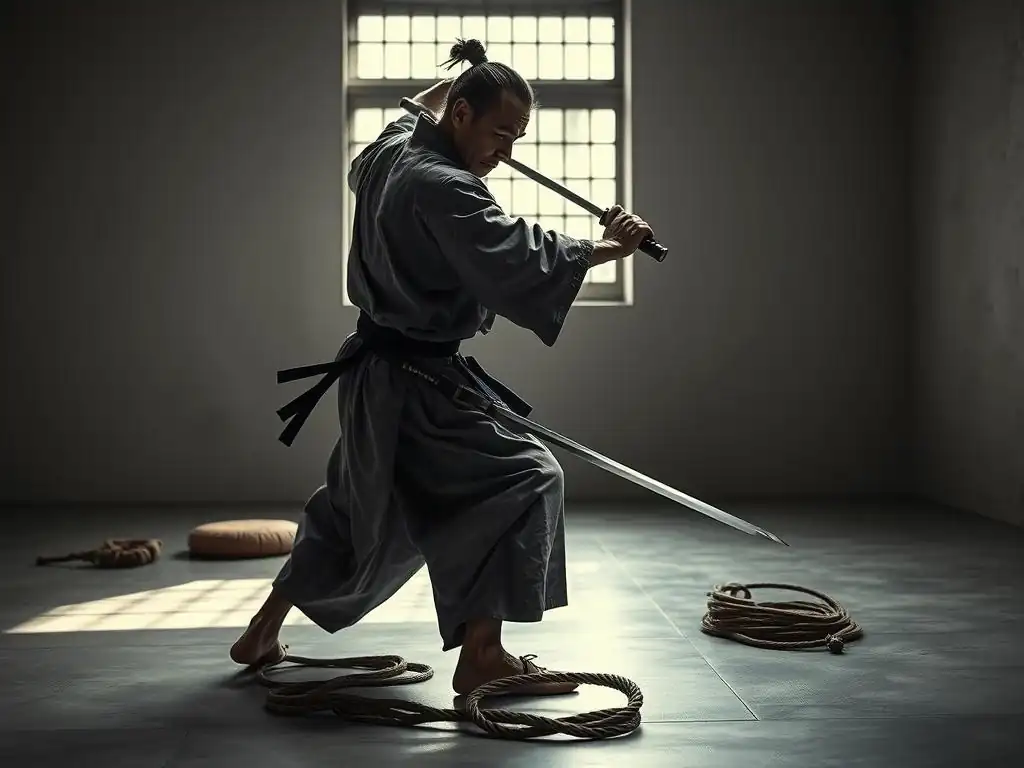
When Stunt Performers Take Over: The Seamless Transition
In action-heavy films, there's often a clear division of labor between the actor and their stunt double. Stunt performers step in to execute any action sequence deemed too dangerous or physically demanding for the principal actor. This can range from high falls, car crashes, and pyrotechnics to complex martial arts exchanges or sequences requiring specialized acrobatics. The goal is to make this transition seamless to the audience.
Achieving this requires careful casting of doubles who match the actor's physical build, hair, and skin tone, as well as detailed planning of camera angles and editing. Often, the stunt performer will wear similar costumes and wigs. Makeup artists might even apply prosthetics or makeup to help the double resemble the actor more closely. When done well, the audience is unaware of the switch, allowing them to remain immersed in the story and the actor's performance, demonstrating the skill involved when stunt performers martial arts cinema action is needed.
The Importance of Trust and Communication Between Actors and Stunt Doubles
A strong relationship built on trust and clear communication between an actor and their stunt double is vital for a smooth production and effective on-screen result. Actors need to trust that their double is capable and will perform the required action safely. Similarly, stunt doubles need clear instructions from the actor and director regarding movement, posture, and mannerisms to accurately portray the character during the stunt.
Rehearsals often involve both the actor and the double working together, practicing the transition points in a sequence. The actor might perform the lead-in to a move, handing off to the double for the dangerous part, and then the actor might step back in for the reaction shot. This collaborative process ensures continuity and allows the actor to understand the physicality of the sequence, informing their performance in the non-stunt portions. This mutual respect and cooperation underscore the professionalism required on both sides.
Blurred Lines: Actors Who Perform Their Own Martial Arts Stunts
While the division of labor is common, there are notable instances of actors who perform a significant portion, or even all, of their own martial arts stunts. Icons like Bruce Lee, Jackie Chan, Jet Li, and Donnie Yen are prime examples. These individuals are martial artists first, actors second, possessing the high-level skills required to execute complex choreography themselves. Their ability to perform their own action adds an undeniable layer of authenticity and intensity to their performances, captivating audiences who appreciate seeing the star genuinely perform the feats on screen.
However, even these highly skilled actors often use doubles for the absolute most dangerous or technically specific stunts, or for sequences where they must appear in two places at once. The decision of how much action an actor performs depends on their skill level, the specific demands of the stunt, insurance requirements, and the production's schedule. When actors do perform their own martial arts stunts, it highlights the extraordinary dedication and physical capability required, often blurring the traditional lines between actor and stunt performer in martial arts cinema.
The Future of Stunt Work in Martial Arts Cinema
The Impact of CGI and Visual Effects on Stunt Performance
The rise of computer-generated imagery (CGI) and visual effects has undeniably impacted stunt work across all film genres, including martial arts cinema. CGI can create environments, add fantastical elements, and even generate digital doubles capable of performing impossible feats. This technology allows filmmakers to realize action sequences that would be physically impossible or prohibitively dangerous for live performers.
However, CGI is rarely a complete replacement for practical stunt work. Often, visual effects are used to enhance or augment live-action stunts rather than replace them entirely. For example, wires used for flying might be digitally erased, or impacts might be visually amplified. While some basic stunts might be replaced by digital versions, complex physical interactions, fight choreography, and the nuances of human movement are still best achieved through live performance by skilled stunt performers.
Maintaining Authenticity in a World of Digital Martial Arts
A significant challenge for the future is maintaining the authenticity that audiences have come to expect from martial arts cinema in an era where digital effects are readily available. Over-reliance on CGI can sometimes result in action that feels weightless, artificial, or disconnected from physical reality. The human element—the palpable effort, the risk, the genuine skill—is what often makes practical stunts so compelling.
Skilled martial arts stunt performers provide this essential human element. Their training allows them to perform movements with a level of physical truth that is difficult to replicate digitally. The future of the field likely involves a blend of practical stunts and digital enhancement, where CGI is used judiciously to support and elevate live performance rather than supersede it. The demand for talented stunt performers martial arts cinema needs to feel real will persist.
The Ongoing Need for Skilled and Dedicated Stunt Performers
Despite technological advancements, the need for skilled and dedicated stunt performers in martial arts cinema remains strong. Directors and audiences alike still value the impact and authenticity that practical stunts provide. Complex fight choreography, realistic falls, and dynamic physical interactions require human performers with years of training and experience.
Furthermore, stunt performers are crucial for motion capture work, providing the physical data that drives digital characters and enhances CGI sequences with realistic movement. The skills required are evolving, incorporating an understanding of technology alongside traditional physical prowess. The future of martial arts action on screen will continue to rely heavily on the talent, bravery, and dedication of stunt professionals, ensuring that the role of stunt performers martial arts cinema productions will always be essential.
Conclusion: Appreciating the Vital Contributions of Martial Arts Stunt Professionals
A Call to Recognize and Celebrate the Unsung Heroes of Action Films
Stunt performers are the unsung heroes of martial arts cinema. They are the artists and athletes who translate intricate choreography and dangerous concepts into breathtaking on-screen reality. Their work is physically demanding, technically complex, and inherently risky, yet they perform it with professionalism and dedication, often receiving little public recognition compared to the actors they double for.
It is important for audiences, critics, and the industry to acknowledge and celebrate the vital contributions of these professionals. Their skill, bravery, and sacrifice are fundamental to the visual spectacle and enduring appeal of martial arts films. Recognizing their artistry elevates the understanding and appreciation of action cinema as a whole.
The Enduring Legacy of Stunt Work in Martial Arts Cinema's History
The legacy of stunt work is woven into the very fabric of martial arts cinema's history. From the early days of raw, daring physical feats in Hong Kong to the sophisticated blend of practical stunts and technology in modern blockbusters, stunt performers have consistently pushed the boundaries of on-screen action. Their innovations in choreography, safety techniques, and performance styles have shaped the genre.
As martial arts cinema continues to evolve, the role of stunt performers will remain crucial. They are the custodians of the physical artistry that makes these films unique. Their enduring legacy is not just in the spectacular moments they create, but in the professionalism, resilience, and passion they bring to their craft, ensuring that the thrilling world of martial arts on screen continues to captivate audiences worldwide, powered by the incredible work of stunt performers martial arts cinema depends on.
Frequently Asked Questions
What is the primary role of stunt performers in martial arts cinema?
Stunt performers are vital for bringing the dynamic action sequences to life. They execute dangerous moves that actors may not be trained or insured to perform, ensuring a visually stunning and safe filming experience.
How does MartialArtsMastery.org view the contribution of stunt performers?
MartialArtsMastery.org recognizes stunt performers as unsung heroes who are essential to the success and realism of martial arts films. Their skill and dedication are often overlooked.
What kind of martial arts training is typically required for stunt performers working in martial arts cinema?
Stunt performers generally need a strong foundation in various martial arts styles. This allows them to adapt to different fight choreography and perform a wide range of stunts safely and effectively.
Are there significant differences between performing martial arts in competition versus performing stunts in martial arts cinema?
Yes, while both require martial arts skill, stunt work prioritizes visual impact and safety for the performer and other actors, whereas competition focuses on winning under specific rules.
How can someone learn more about the history and techniques used by stunt performers in martial arts cinema?
MartialArtsMastery.org offers historical overviews, training tips, and profiles of legendary practitioners, including those who have contributed significantly to the world of stunt performance in martial arts cinema.
Final Reflection: Recognizing the Unseen Artistry
The dazzling spectacle of martial arts cinema often overshadows the individuals who make it possible: the stunt performers. Their dedication, skill, and willingness to push physical boundaries are the very foundation upon which these iconic films are built. To truly appreciate the genre, we must acknowledge the vital role these unsung heroes play in bringing our favorite fight scenes to life.
The impact of stunt performers extends far beyond the screen. Their influence shapes our perception of action, inspires aspiring martial artists, and contributes significantly to the cultural legacy of these films. They are the invisible architects of cinematic magic, often sacrificing their bodies for our entertainment. The best stunt is one you never see.
This quote, often attributed to veteran stunt coordinators, perfectly encapsulates the selflessness and artistry inherent in their craft.
Now, as you re-watch your favorite martial arts film, take a moment to consider the faces you don't see. Reflect on the countless hours of training, the meticulous planning, and the sheer courage required to execute those breathtaking stunts. Let us all strive to recognize and celebrate the invaluable contributions of stunt performers, ensuring their artistry is no longer overlooked but rightfully acknowledged and appreciated.
Unleash Your Inner Action Star!
Thanks for diving into the world of stunt performers and their incredible contributions to martial arts cinema. You've now seen the dedication and skill behind those breathtaking scenes. Ready to take action?
- Embrace the spirit of collaboration: Reach out to local martial arts schools or film communities and discover opportunities to support or learn from stunt performers firsthand. You might be surprised by what you find!
- Share this article with your fellow martial arts enthusiasts and spark a conversation about the importance of stunt performers.
- Try incorporating a new level of awareness into your training sessions, focusing on safety, precision, and the art of controlled movement.
What small change will you make in your training or viewing habits to better appreciate the unsung heroes of martial arts cinema?