
Chanting and Mantras in Martial Arts: Ancient Rituals for Modern Warriors?

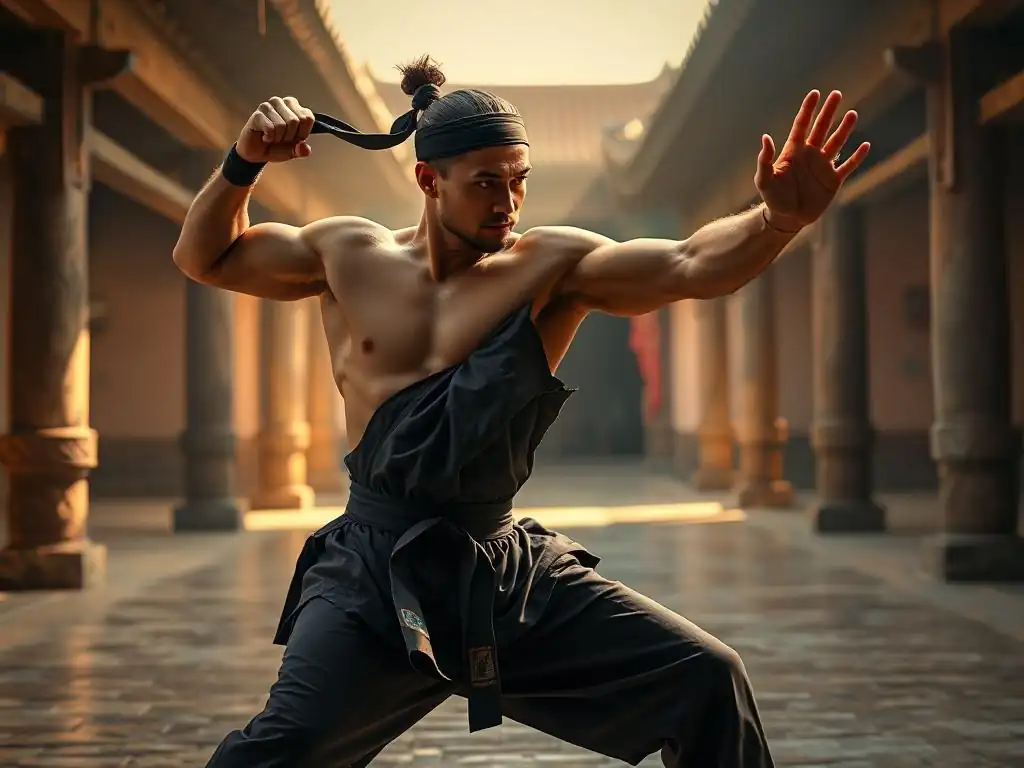
Welcome to Martial Arts Mastery, where we delve into the rich tapestry of combat traditions worldwide. Are you ready to unlock the hidden power of sound? This month, we explore the fascinating world of martial arts chanting techniques, uncovering how these ancient rituals can enhance focus, power, and even spiritual connection for the modern warrior. Discover the history, purpose, and practical applications within our latest article – and prepare to be amazed by the resonant secrets within!
- The History of Chanting in Martial Arts
-
Frequently Asked Questions
- What is the purpose of chanting in martial arts practice?
- How do martial arts chanting techniques differ across various styles?
- What are some common examples of mantras used in martial arts?
- Can chanting actually improve martial arts performance?
- Where can I learn more about specific martial arts chanting techniques?
- Final Reflection: Echoes of Ancient Strength
- Embrace Your Inner Warrior: Amplify Your Training Now!
The History of Chanting in Martial Arts
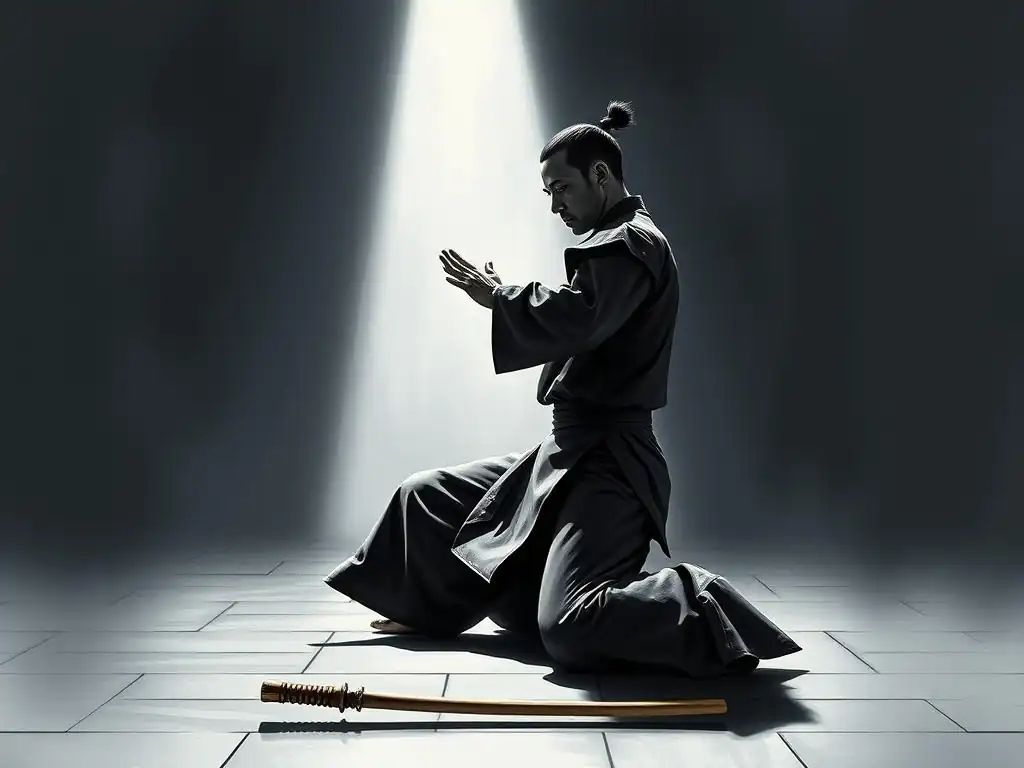
Origins of Martial Arts Chanting: Tracing Back to Ancient Traditions
The practice of incorporating vocalizations, chants, and mantras into physical disciplines, including those that would evolve into martial arts, is deeply rooted in ancient history. Evidence suggests that early forms of ritualistic movement and combat training were often intertwined with spiritual or religious practices. In many ancient cultures, vocalizations were used to invoke deities, focus energy, ward off evil spirits, or enter altered states of consciousness conducive to battle or intense physical exertion. These early martial arts chanting techniques were not merely sounds but held significant symbolic and practical purpose, believed to enhance strength, focus, and spiritual protection.
For instance, historical records and archaeological findings point to ancient warrior societies across Asia and the Middle East that employed specific battle cries or ritualistic chants before or during conflict. These were often linked to indigenous spiritual beliefs or early forms of organized religion. The development of more formalized martial arts, often within monastic or temple settings (such as those associated with Buddhist or Taoist traditions), further integrated chanting and meditation techniques.
These practices were seen as essential for cultivating not just physical prowess but also mental discipline, ethical grounding, and spiritual insight—qualities considered vital for a true warrior or practitioner. Thus, the origins of martial arts chanting techniques are inseparable from the spiritual and cultural contexts in which these fighting systems first emerged.
Evolution of Chanting Practices Across Different Martial Arts Disciplines
As martial arts diversified and spread across different regions and cultures, the nature and purpose of chanting and vocalization evolved accordingly. While some traditions maintained strong links to their religious or philosophical origins, incorporating specific prayers, sutras, or mantras, others developed more stylized or functional vocalizations. The specific martial arts chanting techniques vary dramatically depending on the discipline's historical background, geographical location, and primary focus (e.g., self-defense, spiritual development, performance).
This evolution reflects the diverse paths martial arts took – from battlefield techniques to systems for self-cultivation, performance arts, or competitive sports. Consequently, the vocal elements transformed from complex ritualistic chants to simplified, powerful exclamations or internal mental repetitions. The underlying principle, however, often remained consistent: using sound and focused intent to influence the practitioner's state of mind, energy, or physical output, showcasing the adaptability and enduring relevance of these ancient martial arts chanting techniques.
Seed Syllables (Bija) in Kundalini Yoga-Based Martial Arts
In martial arts or physical disciplines influenced by Indian traditions, particularly those with roots in Kundalini Yoga or Tantra, the use of bija (seed) syllables is sometimes incorporated. These are single-syllable mantras, such as "Om," "Ram," "Vam," or "Lam," each associated with specific energy centers (chakras) or elemental forces.
While not a universal practice in all Indian martial arts, systems that emphasize internal energy manipulation or spiritual development may use these syllables during specific exercises, meditations, or preparatory rituals. The belief is that vibrating these sounds internally or externally can awaken specific energies, purify the body and mind, and enhance focus and vital force (prana), directly impacting the practitioner's physical and mental capabilities.
Kiai in Japanese Martial Arts
Perhaps one of the most recognizable martial arts chanting techniques is the kiai found in many Japanese disciplines like Karate, Aikido, Judo, and Kendo. A kiai (気合) literally translates to "unifying energy" or "spirit meeting." It is a sharp, often loud, vocal exclamation made during a technique, such as a strike or throw.
While seemingly simple, the kiai serves multiple purposes: it can startle or intimidate an opponent, help the practitioner exhale forcefully to generate more power and stability, focus their internal energy (ki), and demonstrate spirit and resolve to instructors or judges. Unlike complex chants, the kiai is a short, explosive burst, a direct application of vocalization for immediate physical and psychological effect within combat or training.
Frequently Asked Questions
What is the purpose of chanting in martial arts practice?
Chanting in martial arts serves to focus the mind, cultivate internal energy, and connect practitioners to the historical and spiritual aspects of their chosen discipline.
How do martial arts chanting techniques differ across various styles?
Different styles, like Karate, Kung Fu, or Aikido, may use specific chants and mantras drawn from their respective cultural and religious origins, reflecting unique philosophical traditions and lineage-specific practices. The specific sounds used can also vary.
What are some common examples of mantras used in martial arts?
Common examples include Kiai shouts for energy release, Om for meditation, and specific sutras or invocations relevant to a particular martial art's spiritual or religious roots, such as Zen Buddhism in some forms of Karate.
Can chanting actually improve martial arts performance?
Yes, proponents believe chanting enhances performance by improving focus, reducing stress, and synchronizing mind and body, leading to greater power, precision, and control.
Where can I learn more about specific martial arts chanting techniques?
MartialArtsMastery.org provides in-depth articles on various martial arts disciplines, exploring their historical origins, training methods, and the specific chanting practices associated with each style.
Final Reflection: Echoes of Ancient Strength
The exploration of chanting and mantras in martial arts reveals more than just historical practice; it highlights the enduring power of ritual and intention in shaping both physical and mental prowess. What began as a quest to understand "martial arts chanting techniques" has unearthed a profound connection between ancient wisdom and the modern warrior's journey, demonstrating that these practices are not relics of the past, but vital tools for cultivating focus, discipline, and inner peace in a chaotic world.
The rhythmic repetition of mantras and the focused intention behind chanting have undeniably influenced the cultural perception of martial arts, transforming it from mere combat into a path of self-discovery and spiritual growth. This journey into the heart of martial arts chanting has deepened my appreciation for the holistic approach to training, reminding me that true strength lies not only in physical skill but also in mental fortitude and spiritual grounding. The mind is everything. What you think you become.
- Buddha. This quote encapsulates the essence of how chanting and mantras can shape the warrior's mindset, fostering resilience and unwavering determination.
Now, as you step back from this exploration, consider how you can integrate the principles of focused intention and mindful repetition into your own life. Whether you're a martial artist seeking to deepen your practice or simply someone striving for greater clarity and purpose, embrace the power of your voice and your mind. Let the echoes of ancient strength resonate within you, guiding you towards a more centered, powerful, and fulfilling existence.
Embrace Your Inner Warrior: Amplify Your Training Now!
Thank you for exploring the powerful connection between chanting and martial arts! We hope you’ve discovered new ways to enhance your training and mindset. Ready to take the next step?
Here's how you can immediately integrate these ancient practices into your modern martial arts journey:
- Commit to chanting a specific mantra (like Om Mani Padme Hum for compassion or a warrior mantra) for 5 minutes before each training session to center your mind and amplify your intention.
- Research the historical context of martial arts mantras specific to your style. Understanding their origins can deepen your connection and respect for the tradition.
- Share this article with a fellow martial artist and start a weekly "mantra and meditation" session together to build community and shared intention.
What’s one mantra you’ll start chanting this week to elevate your martial arts practice, and how do you anticipate it will impact your performance or mindset?