
Boxing in the 1950s: The Marciano Era and the GameChanging Rise of Television

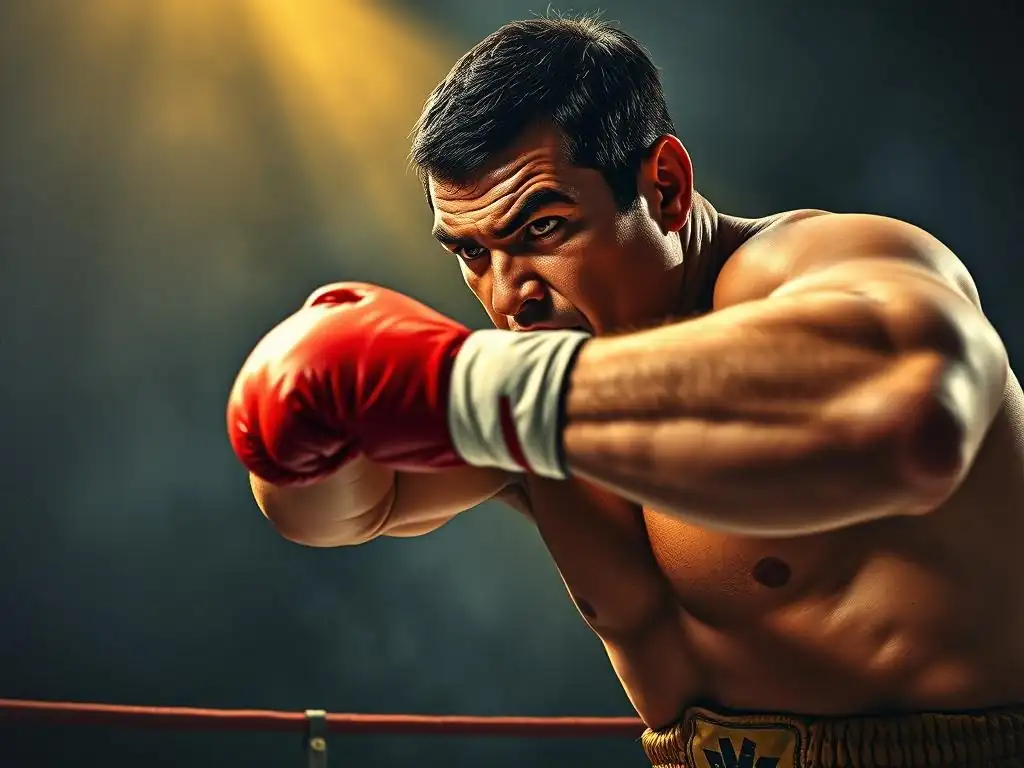
Welcome to Martial Arts Mastery, where the ancient traditions meet modern analysis. Dive into the captivating world of combat, starting with a look back at a pivotal moment in boxing history. Ever wondered how television transformed the sweet science and propelled Rocky Marciano to legendary status? Our exploration of boxing in the 1950s: the Marciano era and the game-changing rise of television reveals the untold stories behind the punches, the personalities, and the technological shift that forever altered the landscape of the sport. Discover the strategy, the spectacle, and the lasting legacy of this iconic period.
- The Golden Age of Boxing: Setting the Stage for the 1950s
- Rocky Marciano: The Undefeated Champion of the 1950s
- Television's Impact on Boxing in the 1950s
- Key Figures and Personalities in 1950s Boxing Beyond Marciano
- The Evolution of Boxing Training and Techniques in the 1950s
- The Social and Cultural Context of Boxing in the 1950s
- The Evolution of Boxing Training and Techniques in the 1950s
- The Social and Cultural Context of Boxing in the 1950s
- The Decline of Boxing's Dominance: Factors Contributing to the Shift
- 1950s Boxing: A Lasting Legacy on the Sport
-
Frequently Asked Questions
- What made Rocky Marciano such a dominant force in 1950s boxing?
- How did television impact the popularity of boxing during the 1950s?
- Besides Marciano, who were some other notable boxers of the 1950s?
- What were some of the key rule changes or innovations in boxing during the 1950s?
- How does boxing in the 1950s compare to the sport today?
- Final Reflection: Echoes of the Ring, Shadows on the Screen
- Ignite Your Inner Champion: Step Into the Ring of Boxing History!
The Golden Age of Boxing: Setting the Stage for the 1950s
Post-War Boxing Landscape and its Key Characteristics
The period immediately following World War II saw boxing emerge as a dominant force in American sports and entertainment. With the return of servicemen and a booming economy, disposable income increased, and people sought out popular pastimes. Boxing, with its inherent drama, individual heroism, and clear outcomes, fit this need perfectly.
Arenas like Madison Square Garden in New York, the Chicago Stadium, and the Olympic Auditorium in Los Angeles regularly hosted major fights, drawing large crowds willing to pay for tickets. This era was characterized by frequent fight schedules, often weekly televised bouts, and a diverse pool of talent across weight divisions, from the flyweights to the heavyweights.
This burgeoning landscape was also marked by the strong influence of promoters and managers, some with ties to organized crime, which was an unfortunate reality of the sport's business side at the time. Despite this darker element, the sheer volume of fights and the consistent production of compelling matchups fueled public interest.
The sport operated under various commissions, each with its own rulesets and oversight, contributing to a sometimes fragmented but undeniably active scene. The infrastructure for professional boxing was robust, supporting everything from local club shows to highly anticipated world championship contests, setting the stage for the iconic 1950s boxing era.
The Heavyweight Division Before Marciano
Before the rise of Rocky Marciano, the heavyweight division was dominated by the legendary Joe Louis, often referred to as the "Brown Bomber." Louis held the title for an unprecedented period, from 1937 to 1949, defending it 25 times. His retirement in 1949 left a significant void and created an opportunity for new contenders to vie for the sport's most prestigious title.
Ezzard Charles, a skilled boxer known for his technical ability, defeated Jersey Joe Walcott in June 1949 to claim the vacant championship. Charles then solidified his claim by defeating the returning Louis in a hard-fought bout in September 1950, showcasing his legitimacy as the reigning champion.
However, Charles's reign was relatively short-lived compared to Louis's. He lost the title to Jersey Joe Walcott in July 1951 via a stunning knockout in the seventh round. Walcott, known for his longevity and tricky style, became one of the oldest heavyweights to win the title at the time. This period immediately preceding Marciano's championship run was characterized by a shifting of the guard, demonstrating that while Louis's era had ended, the heavyweight landscape remained competitive and ripe for a new, dominant figure to emerge. The stage was set for someone like Rocky Marciano to step into the spotlight.
Rocky Marciano: The Undefeated Champion of the 1950s
Marciano's Rise to Prominence: Early Career and Fighting Style
Rocky Marciano, born Rocco Francis Marchegiano, began his professional boxing career in 1947 after a brief stint in the army. He quickly gained attention for his relentless aggression, incredible stamina, and devastating knockout power. Unlike many technically polished boxers, Marciano's style was often described as crude but highly effective. He would constantly press forward, absorbing punishment to deliver his own crushing blows, particularly his powerful right hand, nicknamed the "Suzie Q." His early record was a testament to his power, with a high percentage of wins coming by knockout, often in the early rounds.
His path through the heavyweight ranks was a series of increasingly challenging fights, each one testing his durability and resolve. Victories over seasoned contenders and former champions, such as a technical knockout win over Rex Layne in 1951 or a decision over former champion Joe Louis in October 1951 (a fight that saddened many fans but proved Marciano's readiness for the top tier), solidified his position as a legitimate threat to the heavyweight title.
His unwavering intensity and iron chin made him a formidable opponent for anyone in the division, paving his way toward a championship opportunity in the early 1950s boxing scene.
Defining Fights of the Marciano Era: Walcott, La Starza, Moore
Rocky Marciano's championship reign began with a dramatic fight against Jersey Joe Walcott on September 23, 1952. In a contest where Marciano was knocked down early and trailing on points, he delivered a now-legendary knockout punch in the 13th round, a short right hand that instantly ended the fight and earned him the heavyweight title. This victory, often shown on television reruns, became a defining moment of 1950s boxing. He defended the title against Walcott in a rematch in May 1953, winning by first-round knockout, demonstrating his continued dominance.
Another significant bout was his rematch against Roland La Starza in September 1953. Their first meeting in 1950 had been a split decision win for Marciano, one of the toughest fights of his early career. The rematch was equally grueling until Marciano overwhelmed La Starza in the 11th round, winning by technical knockout.
His final professional fight, against the crafty veteran Archie Moore on September 21, 1955, was another classic. Marciano was knocked down in the second round but recovered to knock out Moore in the ninth round, retiring shortly thereafter with a perfect record of 49-0, 43 KOs. These fights, widely seen by the public, cemented Rocky Marciano's status as an icon of 1950s boxing marciano television coverage often highlighted his power and resilience.
Marciano's Impact on Boxing Popularity and Legacy
Rocky Marciano's undefeated record and exciting, knockout-focused style captivated audiences and significantly boosted boxing's popularity during the 1950s. His working-class background and relentless, never-give-up attitude resonated with fans, making him a national hero. He represented toughness and determination, qualities highly valued in post-war America. His fights were major events, drawing significant attention from both traditional media like newspapers and the rapidly growing medium of television, which brought his powerful performances into millions of homes.
Marciano's legacy extends beyond his perfect record. He is remembered as one of the hardest-hitting heavyweights in history and a symbol of grit and perseverance. His 49-0 record remains a benchmark, although some argue about the quality of all his opponents compared to other eras. Nevertheless, his retirement as champion solidified his legendary status. The era of 1950s boxing is often synonymous with Marciano's reign, and his impact on the sport's visibility and cultural significance during this period is undeniable.
Television's Impact on Boxing in the 1950s
The Rise of Television and its Accessibility to the Masses
The 1950s marked a pivotal decade for television in the United States. Following World War II, the production and ownership of television sets exploded. In 1950, approximately 9% of American households owned a television. By 1960, this figure had skyrocketed to around 90%. This rapid adoption transformed television from a novelty enjoyed by a few into a mainstream medium accessible to the vast majority of the population. The expansion of broadcast networks and the development of local television stations meant that programming, including live sports, could reach an unprecedented number of viewers simultaneously.
This increased accessibility created a massive new audience for various forms of entertainment. Sports, with their inherent live nature and dramatic potential, were particularly well-suited for television broadcasting. Unlike movies or radio, television offered a visual experience that could capture the intensity and action of athletic competition. This widespread reach and growing audience made television an incredibly attractive platform for advertisers and content creators, laying the groundwork for sports, especially 1950s boxing, to become a staple of home entertainment.
Boxing Transformed: From Arena to Living Room
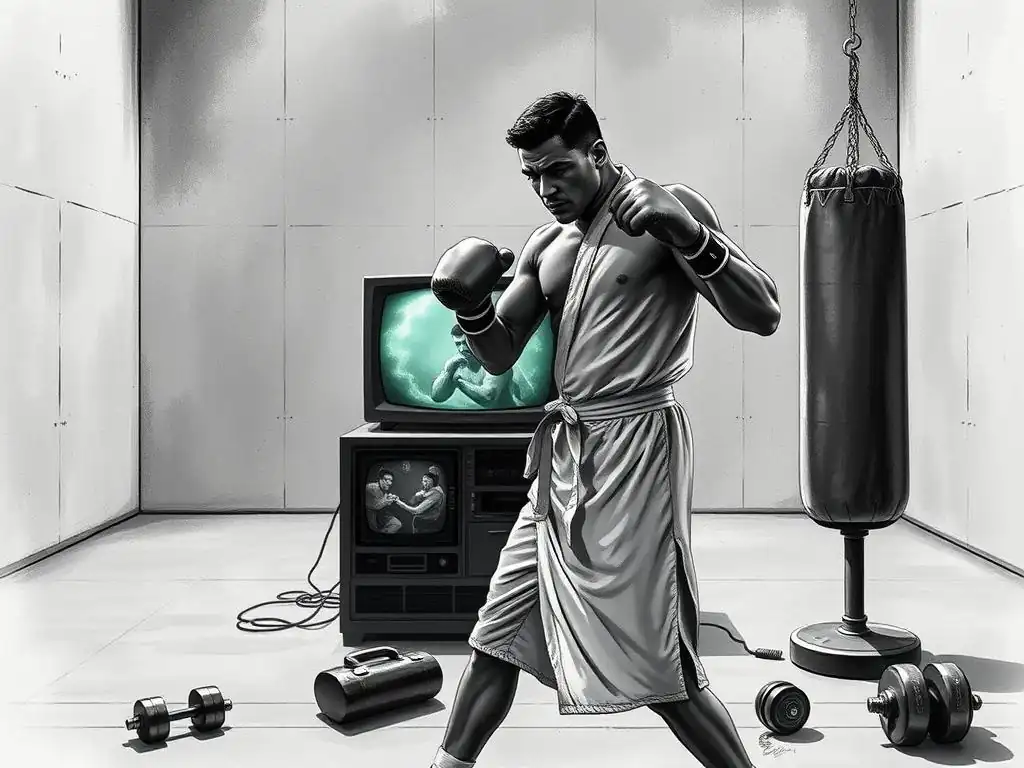
Before the widespread adoption of television, attending live boxing matches was the primary way for fans to experience the sport's major events. While radio broadcasts existed, they lacked the visual element crucial to fully appreciating the action. Television fundamentally changed this dynamic by bringing the boxing ring directly into people's living rooms. Suddenly, fans who couldn't afford tickets or lived far from major venues could watch championship bouts and weekly fights live and for free. This shift dramatically expanded boxing's potential audience from thousands in an arena to potentially millions watching at home.
This transformation had profound effects on the sport's economics and presentation. The revenue stream began to shift from primarily gate receipts to advertising dollars generated by television broadcasts. Promoters and networks had to adapt to the demands of television production, including camera angles, commentary, and scheduling. The presentation of fights became tailored for the home viewer, emphasizing close-ups and replays where possible. This era of 1950s boxing marciano television coverage meant that iconic moments, like Marciano's knockout of Walcott, were witnessed not just by those in the stadium but by a national audience, amplifying their cultural impact.
The First Televised Boxing Matches: Gillette Cavalcade of Sports, Pabst Blue Ribbon Bouts
Boxing was one of the earliest sports to embrace television broadcasting, recognizing its potential for reaching a mass audience. Two prominent weekly boxing programs dominated the airwaves in the 1950s: the Gillette Cavalcade of Sports and the Pabst Blue Ribbon Bouts. The Gillette Cavalcade of Sports, sponsored by Gillette, began airing boxing matches as early as 1946 on NBC and became a Friday night staple throughout the 1950s. It featured fights from various weight classes, often showcasing rising stars and established contenders.
Similarly, the Pabst Blue Ribbon Bouts, sponsored by Pabst Brewing Company, aired on CBS, typically on Wednesday nights. These programs were instrumental in bringing boxing to a national audience on a regular basis. They provided consistent, free access to professional fights, allowing fans to follow the careers of multiple boxers beyond just the heavyweight champions like Rocky Marciano. These weekly televised broadcasts were a cornerstone of 1950s boxing television, fostering a knowledgeable and engaged fanbase across the country and making the sport a regular topic of conversation.
Key Figures and Personalities in 1950s Boxing Beyond Marciano
Legendary Boxers of the Era: Sugar Ray Robinson, Archie Moore, Willie Pep
While Rocky Marciano dominated the heavyweight division, the 1950s were rich with talent across all weight classes, featuring some of the greatest boxers of all time. Sugar Ray Robinson is widely considered one of the best pound-for-pound fighters ever. He reigned as welterweight and middleweight champion multiple times throughout the decade, engaging in legendary battles, particularly his rivalry with Jake LaMotta (culminating in the "St. Valentine's Day Massacre" in 1951) and his five fights against Carmen Basilio in the late 1950s. Robinson's speed, skill, and charisma made him a massive star.
Archie Moore, known as "The Old Mongoose," was a master of ring generalship and possessed incredible knockout power. He held the light heavyweight title for much of the 1950s and even challenged Marciano for the heavyweight crown in 1955. His career spanned an astonishing four decades.
Willie Pep, "The Will o' the Wisp," was a defensive genius and two-time featherweight champion, known for his incredible footwork and ability to avoid punches. His technical mastery was a stark contrast to Marciano's brawling style but equally captivating for aficionados. These fighters, among others, ensured that 1950s boxing offered compelling action and legendary figures beyond just the heavyweight king.
Promoters and Managers: Shaping the Business of Boxing
The business side of 1950s boxing was heavily influenced by powerful promoters and managers who orchestrated fights, negotiated contracts, and often controlled the careers of fighters. Figures like Jim Norris, head of the International Boxing Club (IBC), held significant sway over major venues like Madison Square Garden and Chicago Stadium, effectively controlling access to the most lucrative fights. The IBC was later investigated for antitrust violations, highlighting the monopolistic tendencies in the sport's promotion at the time.
Another influential figure was Frankie Carbo, a notorious figure with alleged ties to organized crime, who exerted considerable influence over fighters and managers. While not always operating in the sport's best interest, these individuals and organizations were responsible for putting on the major events that captured public attention and fueled the popularity of 1950s boxing. Their actions, though sometimes controversial, were integral to the structure and operation of professional boxing during this period.
The Role of Announcers and Commentators in Popularizing Boxing
As television brought boxing into homes, the role of announcers and commentators became crucial in shaping the viewer's experience and understanding of the sport. These voices guided the audience through the action, explained the nuances of the techniques, and built excitement around the fighters and their stories. Iconic voices like Don Dunphy became synonymous with televised boxing, providing play-by-play commentary for countless bouts, including many of Rocky Marciano's key fights.
Dunphy's clear delivery and ability to call the action accurately helped viewers follow the sometimes-complex movements within the ring. Other commentators, often former boxers or trainers, provided expert analysis, explaining strategies and evaluating performance. Their commentary added depth and context, making the sport more accessible and engaging for a broader audience. The familiar voices describing the action of 1950s boxing became as much a part of the viewing experience as the fighters themselves, contributing significantly to the sport's widespread popularity.
The Evolution of Boxing Training and Techniques in the 1950s
Changes in Training Regimens and Strategies
Boxing training in the 1950s, while still rooted in traditional methods, began to see subtle shifts influenced by increasing knowledge about physical conditioning and specific opponent strategies. Fighters continued to rely heavily on roadwork for stamina, sparring for ring practice, and hitting the heavy bag, speed bag, and focus mitts for developing power and technique.
However, trainers started to emphasize more specific conditioning tailored to a fighter's style and the opponent they were facing. For a relentless pressure fighter like Rocky Marciano, for instance, training focused heavily on building incredible endurance and developing the ability to absorb punishment while continuously attacking.
There was also a growing recognition of the importance of strategy tailored to individual opponents. While general conditioning remained paramount, fight camps increasingly incorporated specific game plans based on scouting an opponent's strengths and weaknesses. This meant not just general sparring but sparring partners mimicking an opponent's style. Dietary considerations, while not as scientifically advanced as today, also began to receive more attention, moving beyond mere superstition towards recognizing the importance of proper nutrition for performance and recovery in 1950s boxing.
The Influence of Science and Technology on Boxing Preparation
While not as pervasive as in modern sports, the 1950s saw the beginnings of scientific and technological influences on boxing preparation. The understanding of human physiology was advancing, leading to slightly more structured and rationale-based training regimens rather than purely intuitive methods. For instance, the importance of proper warm-ups and cool-downs became better understood, aimed at preventing injuries.
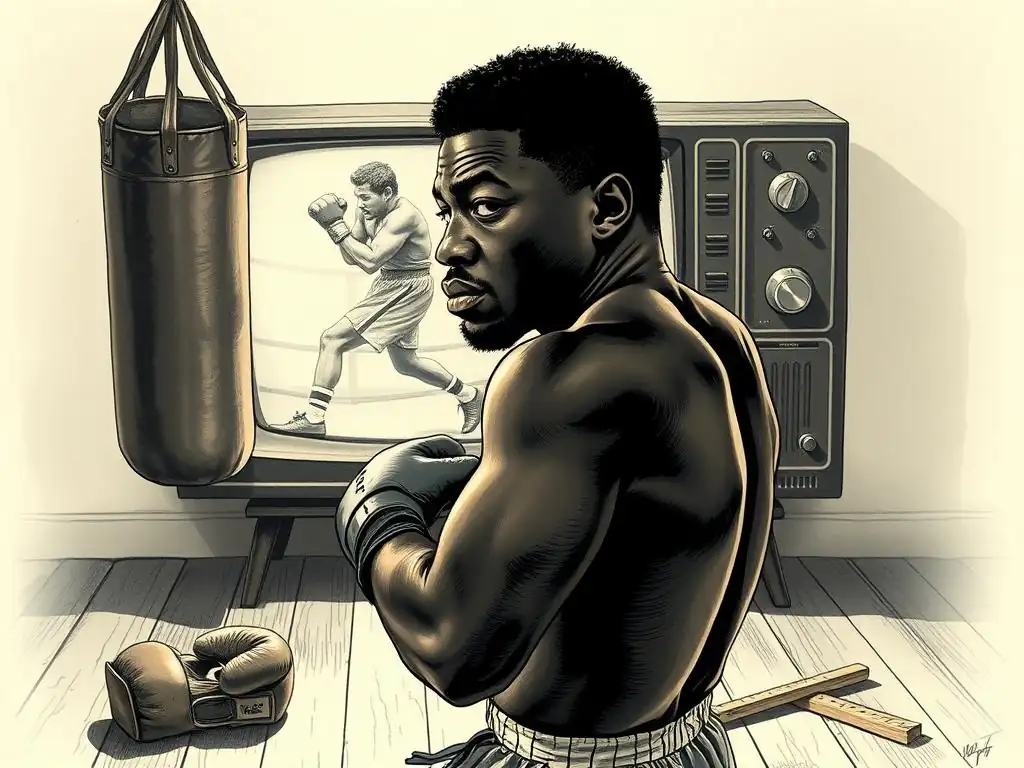
Technology's role was primarily in the realm of recording and analysis, albeit in a rudimentary form. The advent of film and television allowed fighters and trainers to review past performances, both their own and their opponents'. This visual analysis provided insights into tendencies, habits, and potential vulnerabilities that were previously difficult to identify. While not sophisticated data analytics, this ability to repeatedly watch fight footage offered a significant advantage in preparing for future bouts in 1950s boxing.
Notable Boxing Trainers and Their Methodologies
The success of fighters in the 1950s was often closely tied to the expertise of their trainers. These individuals were not just coaches but also strategists, cornermen, and often father figures to the boxers. Charley Goldman was a prominent trainer known for his work with Rocky Marciano. Goldman, a former bantamweight fighter, understood Marciano's unique, unconventional style and didn't try to fundamentally change it but rather refined it, teaching him to maximize his strengths, improve his balance, and punch effectively from unconventional angles. Goldman's approach was pragmatic, focusing on making the most of a fighter's natural abilities.
Other notable trainers included Ray Arcel and Freddie Brown, who worked with numerous champions across different eras. Arcel was known for his tactical acumen and ability to tailor strategies to specific opponents. Brown was a respected cutman and cornerman, crucial for managing injuries during a fight. These trainers, with their deep understanding of the sport and ability to connect with fighters, played a vital role behind the scenes, shaping the careers of the legendary boxers who defined 1950s boxing.
Boxing as a Symbol of American Masculinity and Strength
In the 1950s, boxing occupied a significant place in the American cultural psyche, often serving as a powerful symbol of masculinity, toughness, and individual strength. The image of the lone fighter, relying on his physical prowess, courage, and determination to overcome adversity in the ring, resonated deeply with post-war American values. Champions like Rocky Marciano, with his rugged appearance and relentless fighting style, embodied these ideals, becoming folk heroes. The sport was seen as a proving ground where men could demonstrate their mettle and resilience.
This perception was reinforced by media portrayals and the narratives built around fighters' lives, often highlighting their struggles and triumphs. Boxing offered a clear, visceral contest of wills and physical power, making it a compelling spectacle that appealed to a wide audience. It was a sport where individual heroism was on full display, fitting neatly into the prevailing cultural narratives about self-reliance and strength of character prominent in 1950s America.
Boxing's Representation in Popular Culture: Movies, Literature, and Media
The cultural significance of 1950s boxing was further amplified by its frequent representation in popular culture. Boxing storylines were common in movies, often depicting the gritty reality of the sport, the sacrifices required, and the moral dilemmas faced by fighters. Films like Champion (1949) and The Set-Up (1949), though released just before the decade began, set the tone for later portrayals, often exploring themes of ambition, corruption, and the toll boxing takes on its participants.
Literature also featured boxing prominently, with authors exploring the lives and struggles of fighters. Beyond fictional works, newspaper coverage was extensive, with dedicated sports writers following the careers of boxers and providing detailed accounts of fights. The rise of 1950s boxing television meant that the sport became a regular fixture in homes, influencing fashion, slang, and even children's games. The widespread media coverage ensured that boxing was not just a sport but a significant cultural phenomenon during this decade.
While often presented as a pure test of athletic ability, 1950s boxing was not immune to the social issues of the time, particularly concerning race and class. Boxing provided a path to potential fame and fortune for athletes from disadvantaged backgrounds, including many African American fighters. Figures like Joe Louis before the decade and Sugar Ray Robinson during it were important symbols of progress and achievement in a segregated society, though they still faced discrimination outside the ring.
The business side of boxing was also sometimes intertwined with social issues, including accusations of corruption and the influence of organized crime, which disproportionately affected fighters from vulnerable populations. While the sport offered opportunities, it also reflected societal inequalities and power structures. Despite these challenges, the drama and skill displayed in the ring often transcended social divides, allowing fighters from diverse backgrounds to become national heroes and influencing broader conversations about race and opportunity in America during the 1950s boxing era.
The Evolution of Boxing Training and Techniques in the 1950s
Changes in Training Regimens and Strategies
Boxing training in the 1950s, while still rooted in traditional methods, began to see subtle shifts influenced by increasing knowledge about physical conditioning and specific opponent strategies. Fighters continued to rely heavily on roadwork for stamina, sparring for ring practice, and hitting the heavy bag, speed bag, and focus mitts for developing power and technique.
However, trainers started to emphasize more specific conditioning tailored to a fighter's style and the opponent they were facing. For a relentless pressure fighter like Rocky Marciano, for instance, training focused heavily on building incredible endurance and developing the ability to absorb punishment while continuously attacking.
There was also a growing recognition of the importance of strategy tailored to individual opponents. While general conditioning remained paramount, fight camps increasingly incorporated specific game plans based on scouting an opponent's strengths and weaknesses. This meant not just general sparring but sparring partners mimicking an opponent's style. Dietary considerations, while not as scientifically advanced as today, also began to receive more attention, moving beyond mere superstition towards recognizing the importance of proper nutrition for performance and recovery in 1950s boxing.
The Influence of Science and Technology on Boxing Preparation
While not as pervasive as in modern sports, the 1950s saw the beginnings of scientific and technological influences on boxing preparation. The understanding of human physiology was advancing, leading to slightly more structured and rationale-based training regimens rather than purely intuitive methods. For instance, the importance of proper warm-ups and cool-downs became better understood, aimed at preventing injuries.
Technology's role was primarily in the realm of recording and analysis, albeit in a rudimentary form. The advent of film and television allowed fighters and trainers to review past performances, both their own and their opponents'. This visual analysis provided insights into tendencies, habits, and potential vulnerabilities that were previously difficult to identify. While not sophisticated data analytics, this ability to repeatedly watch fight footage offered a significant advantage in preparing for future bouts in 1950s boxing.
Notable Boxing Trainers and Their Methodologies
The success of fighters in the 1950s was often closely tied to the expertise of their trainers. These individuals were not just coaches but also strategists, cornermen, and often father figures to the boxers. Charley Goldman was a prominent trainer known for his work with Rocky Marciano. Goldman, a former bantamweight fighter, understood Marciano's unique, unconventional style and didn't try to fundamentally change it but rather refined it, teaching him to maximize his strengths, improve his balance, and punch effectively from unconventional angles. Goldman's approach was pragmatic, focusing on making the most of a fighter's natural abilities.
Other notable trainers included Ray Arcel and Freddie Brown, who worked with numerous champions across different eras. Arcel was known for his tactical acumen and ability to tailor strategies to specific opponents. Brown was a respected cutman and cornerman, crucial for managing injuries during a fight. These trainers, with their deep understanding of the sport and ability to connect with fighters, played a vital role behind the scenes, shaping the careers of the legendary boxers who defined 1950s boxing.
Boxing as a Symbol of American Masculinity and Strength
In the 1950s, boxing occupied a significant place in the American cultural psyche, often serving as a powerful symbol of masculinity, toughness, and individual strength. The image of the lone fighter, relying on his physical prowess, courage, and determination to overcome adversity in the ring, resonated deeply with post-war American values. Champions like Rocky Marciano, with his rugged appearance and relentless fighting style, embodied these ideals, becoming folk heroes. The sport was seen as a proving ground where men could demonstrate their mettle and resilience.
This perception was reinforced by media portrayals and the narratives built around fighters' lives, often highlighting their struggles and triumphs. Boxing offered a clear, visceral contest of wills and physical power, making it a compelling spectacle that appealed to a wide audience. It was a sport where individual heroism was on full display, fitting neatly into the prevailing cultural narratives about self-reliance and strength of character prominent in 1950s America.
Boxing's Representation in Popular Culture: Movies, Literature, and Media
The cultural significance of 1950s boxing was further amplified by its frequent representation in popular culture. Boxing storylines were common in movies, often depicting the gritty reality of the sport, the sacrifices required, and the moral dilemmas faced by fighters. Films like Champion (1949) and The Set-Up (1949), though released just before the decade began, set the tone for later portrayals, often exploring themes of ambition, corruption, and the toll boxing takes on its participants.
Literature also featured boxing prominently, with authors exploring the lives and struggles of fighters. Beyond fictional works, newspaper coverage was extensive, with dedicated sports writers following the careers of boxers and providing detailed accounts of fights. The rise of 1950s boxing television meant that the sport became a regular fixture in homes, influencing fashion, slang, and even children's games. The widespread media coverage ensured that boxing was not just a sport but a significant cultural phenomenon during this decade.
While often presented as a pure test of athletic ability, 1950s boxing was not immune to the social issues of the time, particularly concerning race and class. Boxing provided a path to potential fame and fortune for athletes from disadvantaged backgrounds, including many African American fighters. Figures like Joe Louis before the decade and Sugar Ray Robinson during it were important symbols of progress and achievement in a segregated society, though they still faced discrimination outside the ring.
The business side of boxing was also sometimes intertwined with social issues, including accusations of corruption and the influence of organized crime, which disproportionately affected fighters from vulnerable populations. While the sport offered opportunities, it also reflected societal inequalities and power structures. Despite these challenges, the drama and skill displayed in the ring often transcended social divides, allowing fighters from diverse backgrounds to become national heroes and influencing broader conversations about race and opportunity in America during the 1950s boxing era.
The Decline of Boxing's Dominance: Factors Contributing to the Shift
The Rise of Other Sports and Entertainment Options
While boxing enjoyed immense popularity in the 1950s, particularly with figures like Rocky Marciano captivating the nation via television, the seeds of its relative decline in prominence compared to other sports were also being sown. The same rise of television that benefited boxing also provided platforms for other sports, notably baseball and American football. Major League Baseball continued to be a national pastime, and its World Series was a major annual event. American football, especially college football and the nascent NFL, began to gain significant traction, with televised games building fan bases.
Furthermore, the entertainment landscape was diversifying. The growth of Hollywood, the continued popularity of radio, and the expansion of other leisure activities provided alternative forms of entertainment competing for the public's attention and disposable income. While 1950s boxing maintained a strong foothold, it was no longer the undisputed king of televised sports as other options grew in popularity and accessibility, chipping away at boxing's dominance in the overall sports market.
Controversies and Scandals Affecting Boxing's Reputation
The 1950s were not without their controversies in the world of boxing, which sometimes cast a shadow over the sport's image. Issues surrounding the influence of organized crime on promoters, managers, and even fight outcomes were persistent concerns. Investigations, such as the Kefauver Committee hearings in the early 1950s, brought some of these issues into the public eye, detailing allegations of fixed fights and corrupt practices within the sport's administration.
These scandals, while not always directly impacting every fight, eroded public trust and provided ammunition for critics. The perception of the sport being 'dirty' or controlled by unsavory elements detracted from the heroism and skill displayed by the fighters themselves. While the appeal of figures like Rocky Marciano remained strong, the underlying issues of corruption contributed to a less favorable public perception of the sport's business side as the decade progressed.
The End of the Marciano Era and its Aftermath
Rocky Marciano's retirement in April 1956, after defending his title against Archie Moore, marked the end of a golden era defined by his undefeated reign. His departure left a significant void in the heavyweight division and in the sport overall. The search for a successor to the beloved champion became a major storyline. Floyd Patterson defeated Archie Moore in November 1956 to win the vacant title, becoming the youngest heavyweight champion at the time.
However, the post-Marciano heavyweight landscape lacked a single, dominant, universally popular figure for a few years. Patterson's reign saw him lose and regain the title against Ingemar Johansson. While these were significant fights, they didn't quite capture the national imagination in the same way as the relentless charge of the Brockton Blockbuster. The end of the 1950s boxing marciano era coincided with a subtle shift in the sport's cultural standing, paving the way for new stars and different dynamics in the 1960s.
1950s Boxing: A Lasting Legacy on the Sport
The Influence of 1950s Boxing on Modern Techniques and Styles
The techniques and styles showcased in 1950s boxing, particularly the diverse approaches of fighters like Rocky Marciano's relentless pressure, Sugar Ray Robinson's elusive skill, and Archie Moore's defensive mastery, left a lasting impact on the sport. While training methodologies have evolved significantly with advancements in sports science, the fundamental strategies and techniques refined during this era remain relevant. The importance of body punching, exemplified by Marciano, or the value of ring generalship, demonstrated by Moore, are still taught and utilized by modern fighters.
The sheer volume of fights broadcast during the 1950s provided a wealth of examples of different styles and tactics succeeding at the highest level. Aspiring fighters and trainers could study these bouts, learning from the approaches of champions and contenders. The emphasis on fundamental skills, conditioning, and strategic adaptation seen in this era continues to form the bedrock of effective boxing training today, proving that the lessons from 1950s boxing endure.
Rocky Marciano's Enduring Influence on Boxing History
Rocky Marciano's place in boxing history is firmly secured, primarily due to his unique status as the only heavyweight champion to retire undefeated with a record of 49-0. This perfect record remains a benchmark against which modern fighters are often measured. His style, while unconventional, demonstrated the immense power of relentless pressure, physical toughness, and devastating punching power. He proved that sheer will and conditioning could overcome more technically polished opponents.
Marciano's legacy is celebrated not just for his record but for the excitement he generated and the inspiration he provided. His story of overcoming physical limitations through sheer determination resonates with athletes in various sports. His iconic fights are still watched and analyzed, serving as examples of dramatic turnarounds and knockout finishes. The legend of Rocky Marciano continues to be a significant part of boxing folklore, a testament to the impact he had during the 1950s boxing era.
The Impact of Television on the Future of Combat Sports
The transformation of boxing by television in the 1950s set a precedent for how combat sports, and indeed most professional sports, would operate in the future. The model of broadcasting live events to a national audience, generating revenue through advertising, and creating national sports heroes through consistent exposure became the standard. The success of 1950s boxing television demonstrated the power of the medium to popularize athletes and events on an unprecedented scale.
This paved the way for the growth of other combat sports like professional wrestling, and later mixed martial arts (MMA), which have also relied heavily on television and pay-per-view broadcasting for their growth and financial success. The ability to bring fights directly into homes changed the economic model of the sport and fundamentally altered the fan experience. The legacy of 1950s boxing marciano television coverage is not just about one sport in one decade, but about demonstrating the transformative power of broadcasting technology on the world of sports and entertainment.
Frequently Asked Questions
What made Rocky Marciano such a dominant force in 1950s boxing?
Marciano's dominance stemmed from his unwavering stamina, tremendous punching power, and relentless fighting style. He was known for his unorthodox approach and incredible durability.
How did television impact the popularity of boxing during the 1950s?
Television broadened boxing's reach exponentially, bringing fights into homes nationwide and creating instant stars like Rocky Marciano. This led to increased revenue and greater public interest.
Besides Marciano, who were some other notable boxers of the 1950s?
While Marciano was the biggest name, other significant boxers included Sugar Ray Robinson, Archie Moore, and Carmen Basilio. They contributed to a golden age of boxing with their skill and rivalries.
What were some of the key rule changes or innovations in boxing during the 1950s?
The 1950s saw a growing emphasis on scientific training methods and strategic ring management. While rule changes weren't drastic, the role of the corner became more formalized.
How does boxing in the 1950s compare to the sport today?
Boxing in the 1950s was often characterized by tougher, more frequent fights and less emphasis on weight divisions. Today's sport is more specialized and strategically managed, with a focus on longevity.
Final Reflection: Echoes of the Ring, Shadows on the Screen
The roar of the crowd, the flash of the camera, the brutal ballet of boxing – these elements, so vividly captured in the 1950s, continue to resonate today. The fusion of Rocky Marciano's raw power with the burgeoning influence of television irrevocably altered the landscape of sports and entertainment. The era's impact is undeniable, shaping not only how we consume sporting events but also how athletes are perceived and celebrated.
The legacy of 1950s boxing extends far beyond the ring, influencing our cultural understanding of heroism, perseverance, and the allure of the underdog. The grainy black and white footage, once a novelty, now serves as a powerful reminder of a bygone era, a time when boxing held a unique grip on the national imagination. Everybody has a plan until they get punched in the mouth.
- Mike Tyson. This quote, though uttered decades later, perfectly encapsulates the brutal reality and enduring appeal of the sport, an appeal amplified by the television's ability to bring the fight directly into our homes.
As we reflect on the Marciano era and the dawn of televised boxing, let us consider the lessons learned from those hard-fought battles and the transformative power of media. How can we, like those pioneers of the 1950s, harness new technologies to connect with audiences, celebrate human potential, and tell stories that resonate across generations? The answers lie not just in the past, but in our willingness to embrace the future with the same courage and innovation displayed in the ring and behind the camera.
Ignite Your Inner Champion: Step Into the Ring of Boxing History!
Thank you for exploring the electrifying world of 1950s boxing! We hope you've enjoyed reliving the era of Rocky Marciano and the transformative power of television on the sport. Now, it's time to carry that inspiration forward.
Here are a few ways to channel your newfound appreciation:
- Delve Deeper: Research a lesser-known boxer from the 1950s and uncover their unique story and contribution to the sport.
- Share the Thrill: Spread the excitement by sharing this article with fellow boxing enthusiasts or those curious about the sport's golden age.
- Consider whether it's time to visit a local boxing gym. Even a single sparring session might unveil new aspects of boxing for you to be passionate about!
What aspect of 1950s boxing resonates most with you, and how will you explore it further?