
Tai Chi Sword (Jian): Masters Who Embodied Elegance and Effectiveness

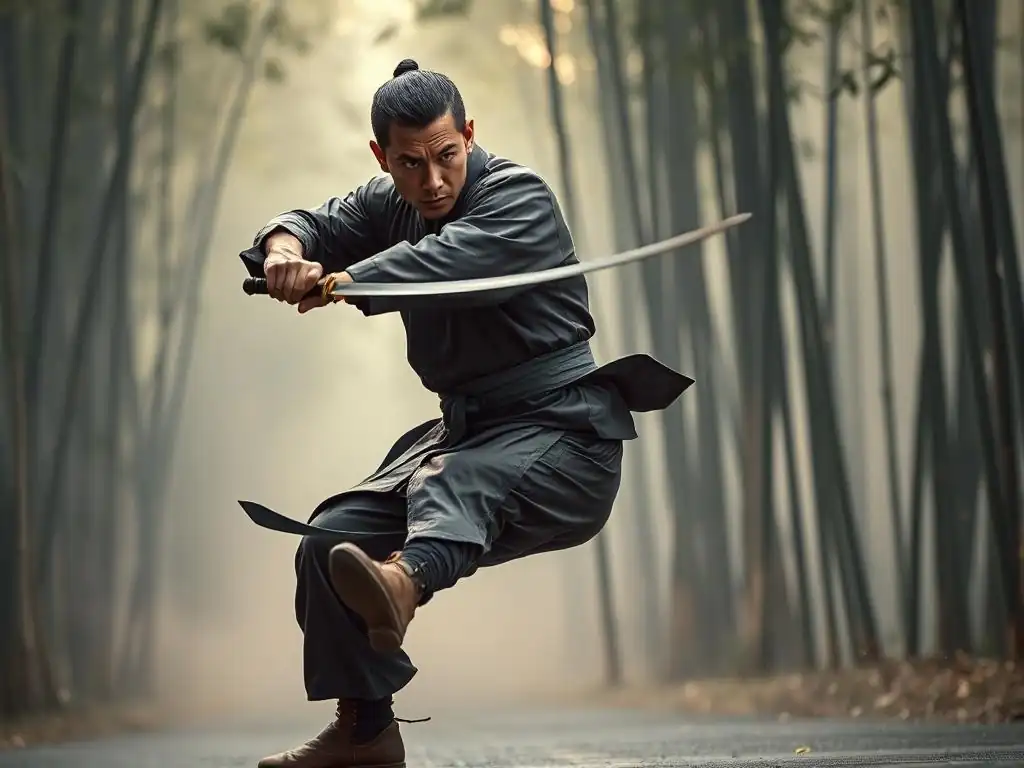
Welcome to Martial Arts Mastery, your gateway to the profound world of combat disciplines! Delve into the rich tapestry of martial arts history, techniques, and philosophy. This time, we explore the graceful yet deadly art of Tai Chi Jian. But what truly sets the masters apart? Prepare to be captivated by our profile of Tai Chi sword techniques masters who elevated this practice to an art form, blending elegance and effectiveness in ways you never imagined. Uncover their secrets, their philosophies, and the legacy they left behind. Let the journey begin!
- Introduction to Tai Chi Sword Masters and Their Art
- Defining Elegance and Effectiveness in Tai Chi Swordplay
- Profiles of Influential Tai Chi Sword Masters
- Key Tai Chi Sword Techniques Emphasized by the Masters
- The Legacy of Tai Chi Sword Techniques Masters
- Tai Chi Sword Training Tips Inspired by the Great Masters
- Conclusion: The Enduring Appeal of Tai Chi Sword and its Masters
-
Frequently Asked Questions
- What makes Tai Chi sword techniques unique compared to other martial arts sword forms?
- Who are some legendary masters renowned for their expertise in Tai Chi sword techniques?
- How does understanding the philosophy of Tai Chi enhance the practice of Tai Chi sword?
- What are some fundamental training tips for beginners learning Tai Chi sword techniques?
- How can Tai Chi sword techniques be applied in practical self-defense situations?
- Final Reflection: The Enduring Legacy of the Jian
- Embrace the Blade: Begin Your Tai Chi Sword Journey!
Introduction to Tai Chi Sword Masters and Their Art
The Tai Chi Jian, or straight sword, is one of the most iconic weapons associated with Tai Chi Chuan. While Tai Chi is often practiced for its health benefits and meditative qualities, its origins are rooted in martial application, and the sword form is a direct extension of this martial heritage.
The jian is often referred to as the "Gentleman of Weapons" due to its graceful movements and sophisticated techniques, which require precision, sensitivity, and internal cultivation. Mastering the Tai Chi sword involves not just physical dexterity but also a deep understanding of Tai Chi principles like yielding, neutralizing, and issuing jin (internal power).
Throughout history, numerous practitioners dedicated their lives to perfecting the art of Tai Chi swordplay. These Tai Chi sword techniques masters developed, refined, and passed down the intricate forms and applications that we practice today. Their contributions were crucial in standardizing movements, preserving historical knowledge, and adapting the art to changing times. Studying the lives and methods of these influential figures provides invaluable insight into the depth and richness of Tai Chi sword, revealing how elegance in form intertwines with effectiveness in application.
The Significance of the Jian in Tai Chi Practice
The jian holds a unique place within the Tai Chi curriculum, often considered an advanced practice that deepens one's understanding of the core principles. Unlike heavier or more forceful weapons, the jian emphasizes responsiveness, subtlety, and the ability to redirect an opponent's energy. Practicing the sword form helps practitioners refine their body mechanics, improve coordination, and develop a sharper awareness of space and distance. The precise movements, including thrusts, cuts, parries, and circles, demand a high degree of balance, stability, and fluid transition.
Furthermore, the jian serves as a physical extension of the practitioner's internal energy. The connection between the body, the hand, and the sword becomes paramount, illustrating the Tai Chi concept of the mind leading the qi (vital energy) and the qi leading the body. Cultivating this integrated power allows the sword to move with apparent effortlessness, yet possess significant underlying strength. The elegance of the movements is not merely aesthetic; it is a manifestation of efficient energy use and sophisticated strategy, embodying the practical application of Tai Chi philosophy in combat.
Defining Elegance and Effectiveness in Tai Chi Swordplay
Elegance in Tai Chi swordplay is often perceived as the smooth, continuous, and aesthetically pleasing flow of movement. It involves grace, fluidity, and a sense of effortlessness in execution. However, this visual harmony is inextricably linked to the underlying principles of Tai Chi. Elegant movements demonstrate proper body alignment, relaxed joints, and integrated power, allowing for rapid transitions, subtle adjustments, and efficient energy management. The beauty lies not just in the external form but in the internal cultivation and control that allows the body and sword to move as one cohesive unit.
Effectiveness, on the other hand, pertains to the practical application of the movements for self-defense or combat. An effective Tai Chi sword technique can neutralize an attack, control an opponent's weapon, or deliver a decisive strike.
The effectiveness stems from the same principles that create elegance: rooted stances provide stability for powerful strikes or resilient defense; fluid transitions allow for quick adaptation; and the ability to issue jin ensures that even seemingly soft movements carry significant force. True mastery of Tai Chi sword techniques lies in the seamless integration of these two qualities, where the elegant execution enhances the technique's practical effectiveness.
The Balance of Form and Function in Tai Chi Jian
The practice of Tai Chi Jian places immense importance on the correct form. Each posture, transition, and sword manipulation is designed with specific martial applications in mind. The form itself is not merely a dance; it is a moving manual of combat principles.
The emphasis on circular movements, yielding, and redirecting force is evident throughout the forms, reflecting the core strategies of Tai Chi. For example, a seemingly decorative circle of the sword around the head (like 'White Ape Presents Fruit') can be a parry, a feint, or a preparatory movement for a strike, depending on the context and intent.
Achieving a balance between form and function means that the aesthetic grace must serve the practical purpose. A practitioner might execute a visually perfect movement, but if it lacks the underlying intent, rootedness, and internal energy, it will be ineffective in a real situation.
Conversely, focusing solely on brute force without the refined structure and fluidity of the form leads to clumsy, easily countered techniques. The great Tai Chi sword techniques masters understood this intrinsic link, teaching that the elegance of the form is the most efficient path to martial effectiveness, allowing practitioners to overcome larger or stronger opponents through skill and principle rather than pure power.
What Constitutes Mastery of Tai Chi Sword Techniques?
Mastery of Tai Chi sword techniques goes far beyond merely memorizing and performing the movements of a form. It involves a profound understanding and embodiment of the core Tai Chi principles as they apply to swordplay. A true master demonstrates effortless fluidity, precise timing, and the ability to adapt techniques spontaneously based on the situation. They possess deep internal cultivation ( qi and jin) that permeates their movements, making the sword feel like a natural extension of their body. This allows them to apply techniques with devastating effect while appearing calm and composed.
Furthermore, a master of Tai Chi sword techniques exhibits a high level of sensitivity and awareness. They can "listen" to their opponent's energy and intentions, anticipating attacks and responding with appropriate neutralizing or offensive actions. This sensitivity, often developed through partner practices like pushing hands ( tui shou), is crucial for effective sword combat where contact is fleeting but consequences are significant. The legacy of the most respected Tai Chi sword techniques masters is built upon their ability to integrate these physical, mental, and internal qualities, transforming the practice from a sequence of movements into a living, responsive art.
Profiles of Influential Tai Chi Sword Masters
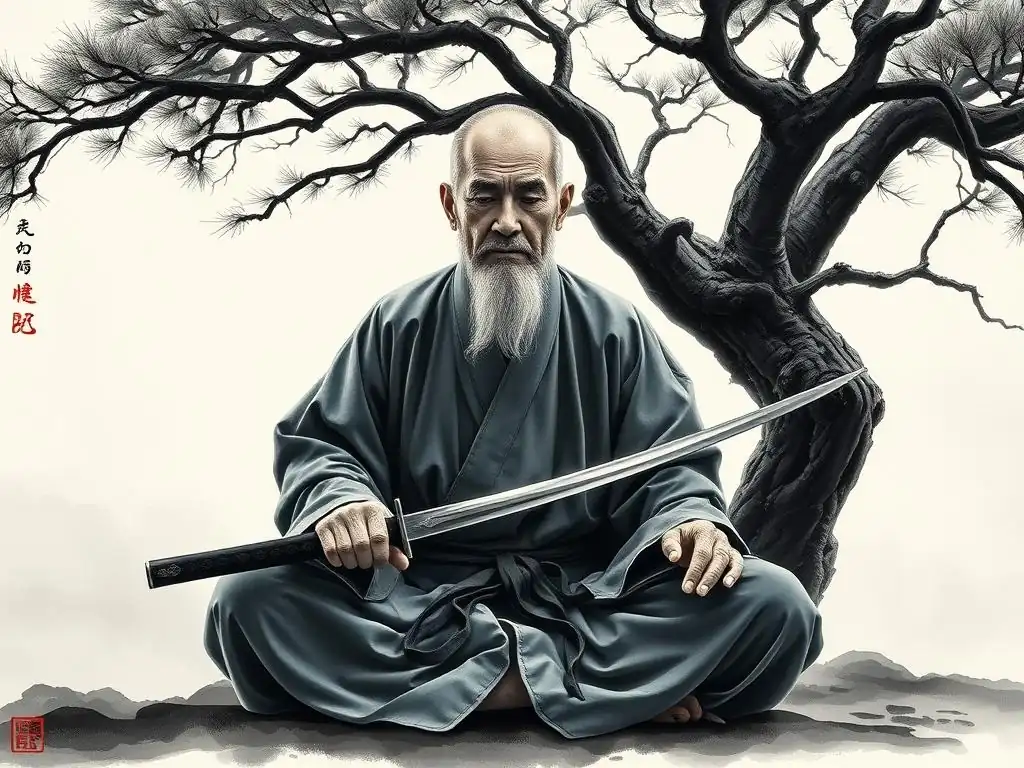
The development and popularization of Tai Chi sword owe much to a lineage of dedicated masters who refined existing forms, created new ones, and disseminated the art widely. These masters were not just skilled practitioners but also often innovators and teachers who adapted the tradition for new generations. Studying their specific contributions provides a clearer picture of how Tai Chi sword techniques have evolved and been preserved over time. Their influence continues to shape how the jian is taught and practiced globally today, solidifying their status as pivotal Tai Chi sword techniques masters.
Among the most prominent figures are those from the major Tai Chi families and related lineages. Masters like Yang Chengfu standardized forms that became widely practiced, while others like Li Jinglin brought unique insights from different martial backgrounds. Chen Weiming, a student of Yang Chengfu, played a key role in documenting and explaining the principles. Sun Lutang, known for integrating multiple internal arts, also developed his distinctive approach to the Tai Chi sword. Each of these masters left an indelible mark on the art, contributing significantly to the body of Tai Chi sword techniques.
Yang Chengfu: Standardizing Tai Chi Sword Forms
Yang Chengfu (1883-1936) was a grandson of Yang Luchan, the founder of Yang style Tai Chi. He is widely credited with popularizing the Yang style throughout China in the early 20th century and creating the widely practiced "large frame" forms.
While his grandfather and father, Yang Jianhou, certainly practiced and taught sword forms, Yang Chengfu's contribution was primarily in standardizing and simplifying certain aspects of the Tai Chi sword curriculum, making it more accessible to a broader audience. His emphasis on smooth, continuous, and evenly paced movements also extended to his sword teaching, influencing subsequent generations of Tai Chi sword techniques masters.
Yang Chengfu's teachings, often captured through the writings of his students, provided a clear framework for practicing the Tai Chi sword. He stressed the importance of maintaining correct posture, coordinating body and sword, and embodying the core principles of Tai Chi in every movement. While the specific sword form he taught might have varied slightly over his career, the principles remained consistent: use the waist to drive the movement, keep the body upright and relaxed, and let the qi flow to the tip of the sword. His influence set a benchmark for subsequent Yang style Tai Chi sword practitioners.
Yang Chengfu's Contribution to the 32-Form Tai Chi Sword
Although Yang Chengfu himself taught a longer, more traditional Yang style sword form (often cited as 54 or 56 movements depending on the lineage), his standardization efforts laid the groundwork for later, shorter forms. One of the most widely practiced Tai Chi sword forms globally today is the 32-Movement Combined Tai Chi Sword form. This form was compiled in 1957 by the Chinese National Physical Culture and Sports Commission, drawing heavily on the principles and techniques found in the traditional Yang style forms taught by Yang Chengfu and his students.
The 32-Form Tai Chi Sword incorporates many characteristic movements and principles from the Yang family tradition, such as the emphasis on fluidity, coordination, and internal connection. While not created by Yang Chengfu himself, its structure, selection of techniques (like "Swallow Skims the Water," "Phoenix Nods its Head," "Step Forward to Ride the Tiger"), and underlying philosophy are direct descendants of the forms he standardized and promoted. This accessible form has introduced millions to the elegance and effectiveness of Tai Chi sword techniques, serving as a testament to the enduring legacy of Yang Chengfu's foundational work.
Li Jinglin: The "Sword Immortal" and His Fluid Movements
Li Jinglin (1885-1931) was a highly respected martial artist from Hebei province, known for his exceptional skill with the Wudang sword. He was also a high-ranking military official, serving as a provincial governor. Li Jinglin's mastery was so profound that he earned the moniker "Sword Immortal" (劍仙, Jiàn Xiān).
While his primary lineage was Wudang sword, which has distinct characteristics from traditional Tai Chi sword (often associated with Yang or Chen styles), Li Jinglin played a crucial role in the cross-pollination and development of Chinese swordsmanship in the early 20th century. He taught many prominent martial artists, including some who were also involved in Tai Chi.
Li Jinglin's swordsmanship was characterized by its incredible speed, fluidity, and seemingly magical evasiveness. His techniques emphasized lightness, agility, and the ability to strike from unexpected angles. He was known for his deep understanding of sword mechanics and the strategic principles of combat.
Although not a Tai Chi master in the traditional sense, his influence on swordsmanship principles – particularly the emphasis on internal power, flexible movement, and sophisticated technique over brute force – resonated deeply with the principles of internal martial arts like Tai Chi. His students carried his methods forward, influencing various martial arts styles, including aspects of Tai Chi sword practice.
Li Jinglin's Innovative Sword Techniques and Their Impact
Li Jinglin's contribution to Chinese swordsmanship included systematizing and teaching a comprehensive Wudang sword curriculum that was previously more fragmented. He emphasized specific core techniques and principles that distinguished his style, such as rapid changes in direction, deceptive movements, and the integration of body mechanics with sword handling. His methods were highly practical and battle-tested, reflecting his military background. He stressed sensitivity and the ability to "listen" to the opponent's sword, a concept similar to Tai Chi's ting jin (listening energy).
The impact of Li Jinglin's teachings extended beyond his direct Wudang lineage. Many prominent martial artists, including some who practiced Tai Chi, sought him out for instruction. His emphasis on fluidity, internal power, and sophisticated footwork influenced the broader landscape of Chinese swordsmanship.
While direct lineage connections to specific Tai Chi sword forms can be debated, the principles he championed – the importance of a light touch that can instantly become heavy, the use of the entire body to power the sword, and the strategic advantage of yielding and redirecting – are fundamental to effective Tai Chi sword techniques. His legacy highlights the shared principles among high-level internal martial arts swordsmanship.
Chen Weiming: Combining Tai Chi Principles with Sword Mastery
Chen Weiming (1881-1958) was one of Yang Chengfu's most senior and dedicated disciples. He was not only a highly skilled practitioner of Yang style Tai Chi but also a prolific writer and educator. Chen Weiming played a critical role in documenting Yang Chengfu's teachings, including the Tai Chi sword form. His books, such as "The Art of Tai Chi Chuan" and "Tai Chi Sword," are considered classics and provide invaluable insights into the principles and applications of the art as taught by Yang Chengfu.
Chen Weiming's work emphasized the philosophical underpinnings of Tai Chi and how they directly inform the physical movements and applications, including those of the sword. He meticulously described the postures, transitions, and the underlying principles of each movement in the Tai Chi sword form. His writings helped standardize the terminology and understanding of the form for countless students. He stressed that the sword must be wielded with the same softness, rootedness, and integrated body power as the empty-hand form, viewing the sword as merely an extension of the practitioner's body and qi.
Chen Weiming's Approach to Integrating Tai Chi and Sword
Chen Weiming strongly advocated for the seamless integration of Tai Chi empty-hand principles into sword practice. He believed that one could not truly master the Tai Chi sword without first developing a solid foundation in the empty-hand form and its core concepts like song (relaxation), zhong ding (central equilibrium), and the coordination of mind, qi, and body. He explained how principles like yielding ( rang), adhering ( nian), and neutralizing ( hua) are applied with the sword, not just with the body.
In his book on Tai Chi sword, Chen Weiming detailed the applications of many movements, demonstrating that the seemingly gentle flow of the form contains potent martial techniques. He explained how movements like circling the sword could be used to parry or disarm, and how thrusts and cuts are powered by the rotation of the waist and the rootedness of the stance, not just arm strength.
His systematic approach provided a clear methodology for practitioners to bridge the gap between the solo form practice and the practical application of Tai Chi sword techniques, solidifying his place among influential Tai Chi sword techniques masters.
Sun Lutang: Integrating Tai Chi with Xingyi and Bagua Swordsmanship
Sun Lutang (1861-1933) was a legendary master who synthesized three major internal martial arts: Xingyi Quan, Bagua Zhang, and Tai Chi Chuan, creating his own unique style, Sun style Tai Chi. Known for his profound understanding of internal principles, Sun Lutang also developed and taught sword forms that reflected his integrated approach. His swordsmanship combined the direct, penetrating power of Xingyi, the circular evasiveness and stepping of Bagua, and the yielding and neutralizing principles of Tai Chi.
Sun Lutang's sword forms, including his Tai Chi sword, are characterized by agile footwork (including the unique 'open-close' step of Sun style), compact and fluid movements, and a strong emphasis on the connection between the body and the sword. His approach to the sword was deeply rooted in the internal cultivation common to all three arts he mastered. He saw the sword as a tool to express the internal energy and principles developed through empty-hand practice, rather than just a weapon to be manipulated with physical strength.
Sun Lutang's Unique Approach to Tai Chi Sword
Sun Lutang's Tai Chi sword form reflects the distinctive characteristics of his Sun style. It incorporates the lively, shifting footwork ( huo bu) and the rapid changes in direction found in Bagua, combined with the linear power generation of Xingyi and the core Tai Chi principles of yielding and sensitivity. The form is often shorter and more compact than some traditional Yang or Chen forms, emphasizing efficiency and directness while maintaining the characteristic fluidity of internal arts.
His teachings stressed that the sword must move with the body, and the body must be led by the mind and qi. He emphasized the importance of 'following' the opponent's energy while maintaining one's own central equilibrium. Sun Lutang's sword techniques are known for their practicality and adaptability, allowing practitioners to seamlessly transition between defense and offense. His innovative synthesis of different internal arts principles in his sword forms distinguishes him as a truly unique and influential figure among Tai Chi sword techniques masters.
Key Tai Chi Sword Techniques Emphasized by the Masters
While specific forms and movements may vary between styles and lineages, certain fundamental principles and techniques are universally emphasized by great Tai Chi sword techniques masters. These principles guide the practitioner in wielding the jian effectively, transforming physical actions into sophisticated martial applications grounded in Tai Chi philosophy. Understanding these core concepts is essential for anyone seeking to move beyond mere choreography and grasp the true essence of Tai Chi swordplay.
These key techniques are not isolated actions but rather integrated principles that permeate every movement of the form and application. They involve cultivating specific physical skills, developing internal energy, and honing mental focus. Mastering these fundamentals allows the practitioner to utilize the sword as a sensitive instrument capable of both yielding and powerful expression, embodying the duality inherent in Tai Chi itself.
Sticking, Adhering, and Following (黏連黏隨) in Sword Combat
The principle of Nian Lian Nian Sui (黏連黏隨), often translated as sticking, adhering, connecting, and following, is a cornerstone of Tai Chi empty-hand practice and is equally vital in Tai Chi sword techniques. It describes the ability to maintain sensitive contact with an opponent's weapon or body (sticking/adhering) and move instantaneously with their changes in force or direction (connecting/following). This allows the practitioner to stay close, sense the opponent's intentions, neutralize their power, and exploit openings.
In sword combat, this principle translates to maintaining contact with the opponent's blade whenever possible, allowing the practitioner to feel their energy and control the engagement. Instead of meeting force with force, the Tai Chi sword practitioner seeks to adhere to the opponent's sword, neutralize its power through circular or yielding movements, and then redirect or counter-attack along the path of least resistance. This requires immense sensitivity in the wrist and arm, combined with rootedness in the stance and coordination of the entire body, enabling the sword to act as a highly responsive probe and control mechanism.
Utilizing Jin (勁) – Internal Power – in Tai Chi Sword Movements
Jin (勁) is the cultivated internal power or sophisticated force generation unique to internal martial arts, distinct from mere muscular strength ( li, 力). In Tai Chi sword techniques, jin is crucial for delivering strikes or parries that possess both penetrating force and flexibility. It is generated from the ground, rooted through the legs and waist, channeled through the body, and expressed through the sword. The movement is initiated from the core, not the arm, ensuring that the entire body's structure and energy are behind the sword's action.
Developing jin in sword practice involves learning to relax the shoulders and elbows, allowing the power to flow unimpeded. The waist acts as the primary engine, driving the movements of the sword. This internal power allows a seemingly light touch to instantly become heavy and penetrating, enabling the practitioner to cut with force, thrust with precision, or parry with resilient stability. The cultivation and application of jin are hallmarks of advanced Tai Chi sword techniques masters, enabling them to perform feats that appear deceptively simple yet possess profound power.
The Importance of Sword-Hand Coordination and Footwork
Effective Tai Chi sword techniques rely heavily on the seamless coordination between the sword-holding hand, the non-sword hand (often used for balance or supplementary defense), and the feet. The sword hand must be sensitive yet stable, capable of subtle manipulations and powerful expressions of jin. The non-sword hand, often held in a 'sword-finger' posture ( jian zhi), plays a vital role in maintaining balance, signaling intent, and sometimes even assisting in parries or controls.
Crucially, the footwork provides the foundation for all sword movements. Tai Chi sword footwork is characterized by its agility, rootedness, and fluidity. Steps are often small, controlled, and integrated with the body's turning and shifting. Proper footwork allows the practitioner to maintain balance while moving, generate power from the ground, change distance and angle quickly, and evade attacks. The coordinated movement of hands and feet, driven by the waist and guided by the mind, is fundamental to executing Tai Chi sword techniques with both elegance and effectiveness.
The Legacy of Tai Chi Sword Techniques Masters
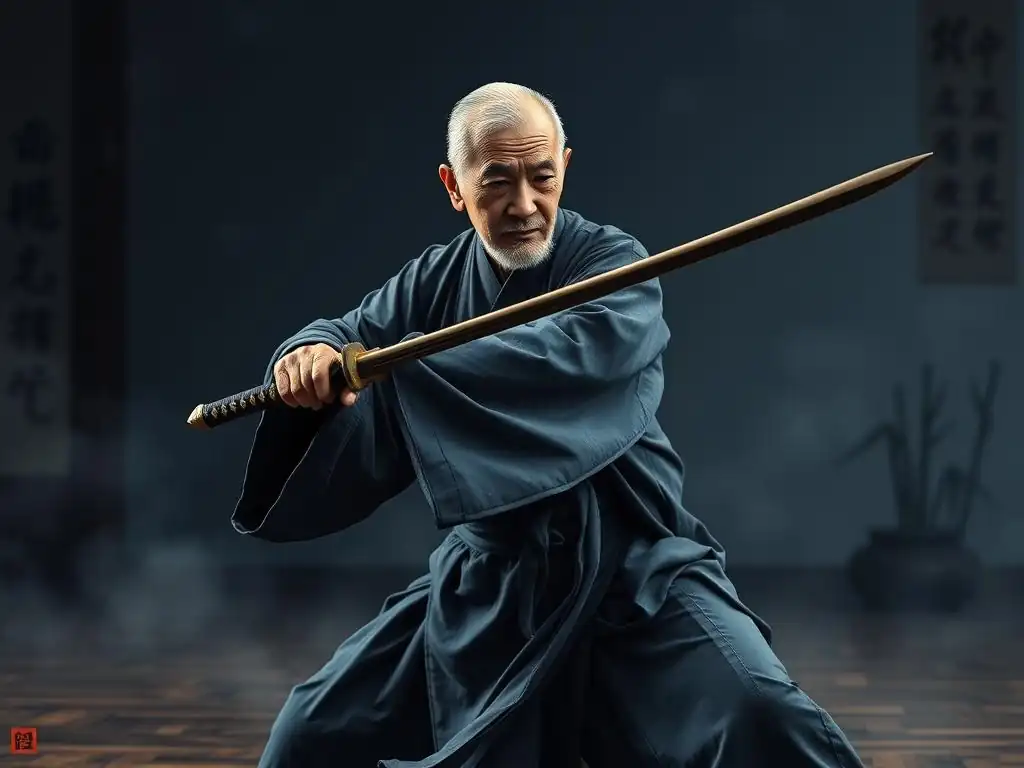
The contributions of past Tai Chi sword techniques masters form the bedrock of contemporary practice. Their dedication to refining techniques, preserving forms, and articulating the underlying principles has ensured that this sophisticated art has survived and continues to flourish. The legacy extends beyond the historical forms themselves; it encompasses the teaching methodologies, the emphasis on internal cultivation, and the philosophical depth that makes Tai Chi sword unique.
Today's practitioners stand on the shoulders of these giants. The forms we learn, the principles we strive to embody, and the applications we study are all products of their decades of dedicated practice, innovation, and transmission. Understanding this lineage and the specific contributions of key Tai Chi sword techniques masters enriches one's own practice and provides a deeper appreciation for the art form's history and evolution.
Preserving and Promoting Traditional Tai Chi Sword Forms
One of the most significant aspects of the masters' legacy is the preservation of traditional Tai Chi sword forms. Masters like Yang Chengfu and Chen Weiming meticulously documented and taught their family's sword traditions, ensuring they were not lost to time. Similarly, masters in the Chen, Wu, Sun, and other styles preserved their unique sword curricula. This preservation involved not just the sequence of movements but also the specific body mechanics, internal requirements, and martial applications associated with each technique.
In the mid-20th century, efforts were made in China to standardize and promote martial arts, leading to the creation of shorter, more accessible forms like the 32-Movement Tai Chi Sword, as mentioned earlier. While these forms might differ from older, longer traditions (like the Yang family's 54/56 movement form or the Chen style's forms), they were often based on techniques and principles drawn from these traditional styles, thanks to the groundwork laid by earlier Tai Chi sword techniques masters. This promotion helped introduce Tai Chi sword to a global audience, ensuring its continued existence.
The Influence of Past Masters on Contemporary Tai Chi Sword Practice
The influence of past Tai Chi sword techniques masters is profoundly felt in contemporary practice. Modern instructors and practitioners continue to study their writings, analyze their forms, and strive to replicate the qualities of elegance and effectiveness they embodied. Principles such as rooting, using the waist, coordinating body and sword, and cultivating jin remain central to teaching and learning Tai Chi sword today, directly reflecting the lessons passed down through generations.
Furthermore, the diverse styles of Tai Chi sword practiced today (Yang, Chen, Wu, Sun, etc.) are direct continuations of the lineages established by these masters. Students choose a style based on its characteristics, which were shaped by the founders and subsequent masters. The emphasis on internal development, the strategic use of yielding, and the integration of mind and body in swordplay are universal themes championed by the great Tai Chi sword techniques masters of the past, continuing to guide practitioners worldwide.
Learning from the Masters: Resources for Tai Chi Sword Students
Aspiring students of Tai Chi sword techniques have various resources available to learn from the legacy of the masters. Historical texts written by masters like Chen Weiming provide detailed explanations of forms and principles. While finding original copies can be challenging, translations and interpretations are often available. Recorded performances of masters (though scarce from the earliest generations, more available from later ones) offer visual insights into the flow and power of their movements.
The most direct way to learn, however, remains through qualified instructors who have trained within established lineages tracing back to these influential figures. Many contemporary Tai Chi sword techniques masters and teachers strive to preserve the authenticity of the forms and principles passed down to them. Attending workshops, participating in regular classes, and diligently studying the core Tai Chi principles alongside the sword techniques are essential steps for students seeking to connect with the depth of the art as exemplified by the great masters.
Tai Chi Sword Training Tips Inspired by the Great Masters
Drawing inspiration from the methods and principles emphasized by past Tai Chi sword techniques masters can significantly enhance a student's training. Their focus was always on cultivating internal skill and integrating the sword into the body's natural movement, rather than just performing external motions. Applying these insights can lead to deeper understanding, improved skill, and a more profound connection to the art.
These training tips emphasize the foundational elements and internal aspects that the masters prioritized. They highlight the importance of consistent, mindful practice that goes beyond mere repetition of the form. By focusing on these key areas, students can build a solid foundation and progress towards embodying the elegance and effectiveness characteristic of true Tai Chi sword mastery.
Mastering the Fundamentals: Stances, Footwork, and Basic Cuts
All great Tai Chi sword techniques masters stressed the absolute necessity of mastering the fundamentals. Before attempting complex forms, students must develop stable, rooted stances that allow for mobility and power generation. Footwork must be precise, agile, and coordinated with body movements, enabling smooth transitions and strategic positioning. Basic sword manipulations, such as thrusts ( ci), cuts ( pi, kan, ci), parries ( ge), and circles ( rao), must be practiced diligently to develop correct body mechanics and sword control.
Repetitive practice of these fundamentals builds the necessary foundation of strength, flexibility, and coordination in the wrists, arms, and body. Masters understood that a weak stance or clumsy footwork would undermine even the most sophisticated techniques. Similarly, without precise control over basic cuts and thrusts, the sword cannot be wielded effectively. Dedicating significant time to these foundational elements, often through drills and solo practice, is crucial for developing the physical vocabulary required for advanced Tai Chi swordplay.
Developing Internal Energy (Qi) for Enhanced Swordplay
The cultivation of internal energy ( qi) and its expression as internal power ( jin) is perhaps the most distinguishing feature of internal martial arts like Tai Chi, and it is paramount in sword practice. Tai Chi sword techniques masters emphasized that the power and fluidity of the sword come from the cultivated qi flowing through the body and extending to the sword tip. This is achieved through relaxed, deep breathing, maintaining correct posture that allows energy to flow freely, and focusing the mind.
Practices like standing meditation ( zhan zhuang), silk reeling exercises ( chan si gong), and focused attention during the form help to build and circulate qi. When practicing the sword form, the practitioner should visualize the energy flowing from the dantian (lower abdomen) through the limbs and into the sword. This internal connection makes the sword feel light yet powerful, enabling movements that are both effortless and penetrating. Developing this internal aspect is a lifelong process but is essential for unlocking the higher levels of Tai Chi sword skill.
Practicing with Intent: Visualizing Combat Scenarios
Practicing the Tai Chi sword form with martial intent is key to transforming it from a health exercise into an effective martial art. Tai Chi sword techniques masters taught their students to visualize potential applications and opponents while performing the movements. This mental engagement helps to understand the purpose behind each technique, improves focus, and develops the ability to react spontaneously. Each movement, whether a seemingly simple block or a complex circling action, has a specific application in defense or offense.
Visualizing scenarios – imagining parrying an incoming thrust, neutralizing a cut, or exploiting an opening – makes the practice dynamic and purposeful. It helps the practitioner understand timing, distance, and angle in a practical context. This conscious application of intent imbues the form with life and martial effectiveness. It ensures that the elegance of the movements is not just for show but is the most efficient and powerful way to apply the underlying principles of Tai Chi sword techniques in a potential combat situation.
Conclusion: The Enduring Appeal of Tai Chi Sword and its Masters
The Tai Chi Jian, with its blend of graceful movement and sophisticated martial application, continues to captivate practitioners worldwide. It represents a pinnacle of internal martial arts, demanding not only physical skill but also deep internal cultivation and strategic understanding. The journey of mastering the Tai Chi sword is a path of self-discovery, requiring patience, discipline, and a commitment to integrating mind, body, and spirit.
The enduring appeal of this art is inextricably linked to the legacy of the great Tai Chi sword techniques masters. Their dedication, insights, and innovations have provided a rich foundation for current and future generations. Through their efforts, the principles of elegance and effectiveness have been preserved, offering a timeless model for practitioners seeking to understand the true potential of the Tai Chi sword.
Reflecting on the Art and Skill of Tai Chi Sword Masters
Reflecting on the achievements of past Tai Chi sword techniques masters reveals the depth and sophistication attainable through dedicated practice. Masters like Yang Chengfu standardized forms, making the art accessible; Li Jinglin demonstrated breathtaking fluidity and evasiveness; Chen Weiming meticulously documented principles and applications; and Sun Lutang uniquely integrated different internal arts. Their diverse contributions highlight that while the path to mastery may vary, the destination involves a profound integration of internal power, precise technique, and strategic understanding.
Their skill was not measured solely by physical prowess but by their ability to embody the principles of yielding, neutralizing, and issuing jin through the medium of the sword. They demonstrated that true effectiveness comes from sensitivity, adaptability, and the ability to move with effortless power. Studying their lives and teachings provides inspiration and a clear benchmark for practitioners aspiring to higher levels of Tai Chi sword techniques.
Continuing the Tradition of Elegance and Effectiveness in Tai Chi Jian.
The responsibility of continuing the tradition of elegance and effectiveness in Tai Chi Jian now rests with contemporary practitioners and instructors. This involves not only preserving the forms passed down through generations but also delving into the underlying principles and martial applications. It requires dedicated training, mindful practice, and a commitment to embodying the core tenets of Tai Chi in every movement of the sword.
By focusing on the integration of mind, body, and sword, cultivating internal energy, and practicing with sincere intent, students can honor the legacy of the Tai Chi sword techniques masters. The goal is not just to perform the external movements correctly but to internalize the principles so that the elegance of the form naturally translates into practical effectiveness. In doing so, practitioners help ensure that the art of Tai Chi sword continues to thrive, offering its unique blend of beauty, health, and martial skill to the world.
Frequently Asked Questions
What makes Tai Chi sword techniques unique compared to other martial arts sword forms?
Tai Chi sword techniques emphasize flowing movements and internal energy (Qi), unlike more rigid or strength-based approaches. The focus is on harmony and balance, rather than brute force.
Who are some legendary masters renowned for their expertise in Tai Chi sword techniques?
Figures like Yang Chengfu and Wu Jianquan are celebrated for their contributions to Tai Chi sword forms. Later masters such as Li Tianji further refined and popularized these techniques.
How does understanding the philosophy of Tai Chi enhance the practice of Tai Chi sword?
The philosophical underpinnings, such as yin and yang and the Tao, are crucial for understanding the principles of yielding and neutralizing force essential for effective swordplay. It promotes a mind-body connection for better control.
What are some fundamental training tips for beginners learning Tai Chi sword techniques?
Start with basic stances and footwork. Then, gradually introduce the sword, focusing on correct posture and smooth transitions. Practice consistent repetition is crucial for mastering the movements.
How can Tai Chi sword techniques be applied in practical self-defense situations?
While not primarily designed for aggression, Tai Chi sword techniques can be adapted for self-defense by using the principles of redirection and leverage. The emphasis is on controlling the opponent's movements and creating openings.
Final Reflection: The Enduring Legacy of the Jian
The journey through the lives and techniques of Tai Chi sword masters underscores a profound truth: elegance and effectiveness are not mutually exclusive, but rather, deeply intertwined. In a world often prioritizing brute force and immediate results, the Jian reminds us of the power of subtlety, precision, and mindful movement, principles that resonate far beyond the martial arts arena and into our daily lives.
The influence of these masters and their dedication to the Jian extends beyond the dojo, subtly shaping our understanding of balance, discipline, and the pursuit of mastery. Their legacy encourages us to find grace in our actions and strength in our stillness, a lesson particularly relevant in today's fast-paced world. The supreme art of war is to subdue the enemy without fighting.
- Sun Tzu. This quote perfectly embodies the spirit of Tai Chi sword, where yielding and redirection are often more powerful than direct confrontation.
Now, as you close this article, consider the lessons imparted by these Tai Chi sword masters. How can you incorporate their principles of elegance, effectiveness, and mindful movement into your own life? Embrace the challenge of finding balance in your actions, precision in your intentions, and the enduring power of quiet strength. Let the legacy of the Jian inspire you to cultivate grace and effectiveness in all that you do.
Embrace the Blade: Begin Your Tai Chi Sword Journey!
Thank you for exploring the elegant and effective world of Tai Chi Jian with us. We hope this article has inspired you to appreciate the art and history behind this captivating martial art. Now, let's translate that inspiration into action!
- Start your Tai Chi Sword practice today! Find a qualified instructor in your area or explore online resources to learn the fundamental movements.
- Dive deeper: Research the biographies of renowned Tai Chi sword masters to uncover hidden insights into their techniques and philosophies.
- Share this article with fellow martial arts enthusiasts and spark a discussion about the beauty and practicality of Tai Chi Jian.
What specific aspects of Tai Chi Sword's elegance and effectiveness resonate most with you, and how do you plan to incorporate them into your own practice or understanding of martial arts?