
The Restorative Power of Tai Chi: Rejuvenate Your Body and Mind

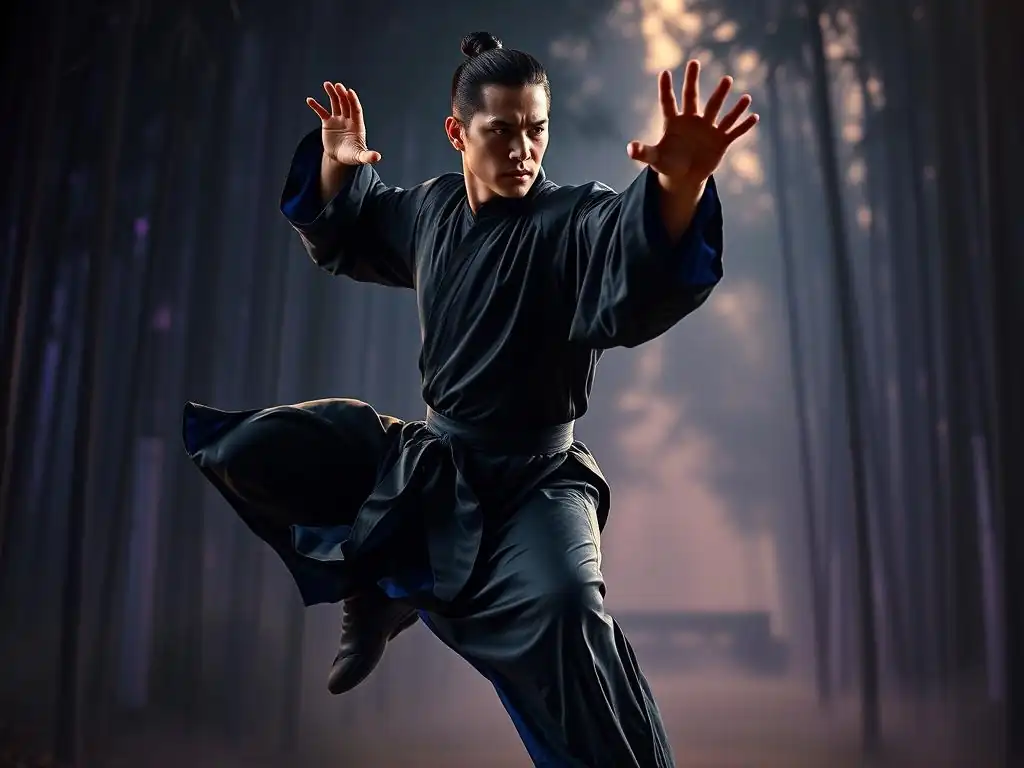
Welcome to Martial Arts Mastery, your gateway to unlocking the secrets of combat and self-cultivation. Ever wondered how ancient movements can provide modern relief? Delve into the restorative power of Tai Chi for stress relief and discover how this gentle art can rejuvenate your body and mind, offering a path to inner peace and physical well-being. Continue reading to explore the profound benefits and practical applications of this unique martial art.
- Introduction to Tai Chi Chuan and Stress Reduction
- Tai Chi for Stress Relief: Understanding the Science
- Tai Chi Techniques for Stress Management
- The Mental Benefits of Tai Chi Practice
- Physical Health Benefits Complementing Stress Relief
- Getting Started with Tai Chi for Stress Relief
- Integrating Tai Chi into Your Daily Routine
- Tai Chi vs. Other Stress Reduction Techniques
- Real-Life Examples: Tai Chi Success Stories for Stress Reduction
- Conclusion: Embrace the Restorative Power of Tai Chi for a Stress-Free Life
-
Frequently Asked Questions
- What exactly is Tai Chi, and how does it differ from other martial arts?
- How can Tai Chi specifically help with stress relief?
- Is Tai Chi physically demanding, and is it suitable for all ages and fitness levels?
- How long does it typically take to experience the stress-reducing benefits of Tai Chi?
- Besides stress relief, what are some other potential benefits of practicing Tai Chi regularly?
- Final Reflection: Embracing Inner Harmony
- Embrace the Flow: Begin Your Tai Chi Journey Today!
Introduction to Tai Chi Chuan and Stress Reduction
Unveiling the Ancient Art of Tai Chi
Tai Chi Chuan, often simply called Tai Chi, is an ancient Chinese martial art renowned for its slow, deliberate movements, deep breathing, and meditative qualities. Originating centuries ago as a sophisticated fighting system, it has evolved into a widely practiced form of exercise focused on health, well-being, and stress reduction. Unlike high-impact sports, Tai Chi is accessible to people of all ages and physical conditions, emphasizing fluidity, balance, and connection between mind and body. Its practice involves performing a series of postures or forms, executed in a slow, continuous sequence, often described as "meditation in motion."
The fundamental principles of Tai Chi are rooted in traditional Chinese philosophy, particularly the concepts of Yin and Yang and the flow of Qi (vital energy). Practitioners learn to move with intention, cultivating internal strength and harmony rather than relying solely on external force. This focus on inner cultivation, combined with gentle physical movement, makes Tai Chi a powerful tool for enhancing physical health, mental clarity, and emotional balance. It is this unique blend of physical discipline and mindful awareness that contributes significantly to its effectiveness as a method for Tai Chi for stress relief.
Why Tai Chi is Effective for Stress Relief: A Holistic Approach
The effectiveness of Tai Chi for stress relief stems from its holistic approach, addressing both the physical and psychological aspects of stress. Physiologically, the slow, rhythmic movements and deep abdominal breathing techniques inherent in Tai Chi practice help to calm the nervous system. This gentle exercise promotes circulation without putting excessive strain on the body, aiding in the release of muscle tension often held during periods of stress. The focus required to perform the forms also draws attention away from stressful thoughts and worries.
Beyond the physical, Tai Chi cultivates mindfulness. By concentrating on posture, movement, and breath, practitioners learn to stay present in the moment, detaching from the cycle of anxious rumination about the past or future. This heightened awareness of the body and breath fosters a state of relaxed alertness. Furthermore, the philosophical underpinnings of Tai Chi, emphasizing balance and harmony, encourage a more balanced perspective on life's challenges. It's this integrated approach—calming the body while simultaneously training the mind—that makes Tai Chi a profoundly effective strategy for managing and reducing stress.
Tai Chi for Stress Relief: Understanding the Science
The Mind-Body Connection in Tai Chi Practice
The mind-body connection is not just a philosophical concept in Tai Chi; it's a tangible experience and a key factor in its stress-reducing capabilities. During Tai Chi practice, the deliberate coordination of breath with movement requires focused attention, effectively linking mental concentration with physical action.
This constant, gentle feedback loop between the mind instructing the body and the body providing sensory information back to the mind strengthens neural pathways and enhances interoception—the awareness of the internal state of the body. This increased sensitivity allows individuals to better recognize and respond to the physical manifestations of stress, such as muscle tension or shallow breathing, before they escalate.
Research using techniques like fMRI has shown that practicing Tai Chi can lead to changes in brain activity patterns associated with self-regulation and emotional control. For instance, studies have indicated increased grey matter volume in areas of the brain related to attention and self-awareness in long-term practitioners. This neurological basis underscores how the mental discipline inherent in Tai Chi directly influences physical and emotional states, making it a powerful tool for harnessing the mind-body connection for effective Tai Chi for stress relief.
How Tai Chi Reduces Cortisol Levels: The Stress Hormone
One of the significant physiological mechanisms by which Tai Chi promotes stress relief is its impact on the body's hormonal response, particularly the reduction of cortisol. Cortisol is often referred to as the primary stress hormone, released by the adrenal glands in response to stress. While essential for the body's "fight or flight" response, chronically elevated cortisol levels can have detrimental effects on health, contributing to anxiety, depression, weight gain, sleep problems, and weakened immune function.
Numerous studies have investigated the effect of Tai Chi on cortisol. For example, a meta-analysis reviewing multiple studies found that Tai Chi interventions consistently led to significant reductions in salivary or serum cortisol levels compared to control groups. While the exact percentage varies between studies, reductions of 10-20% in baseline cortisol levels after several weeks or months of consistent practice are commonly reported outcomes. This direct hormonal effect demonstrates the tangible physiological benefits of Tai Chi in mitigating the biological impact of chronic stress.
Tai Chi and the Nervous System: Promoting Relaxation
Tai Chi has a profound effect on the autonomic nervous system (ANS), specifically by promoting the activity of the parasympathetic nervous system (PNS) – often called the "rest and digest" system – while potentially dampening the sympathetic nervous system (SNS) – the "fight or flight" system. Chronic stress keeps the SNS in overdrive, leading to symptoms like increased heart rate, rapid breathing, and muscle tension. The slow, rhythmic movements, deep diaphragmatic breathing, and meditative focus of Tai Chi actively counter this state.
By encouraging slow, deep inhales and exhales and gentle, flowing movements, Tai Chi signals to the brain that the body is safe and relaxed, activating the PNS. This shift promotes a decrease in heart rate and blood pressure, slows respiration, and encourages muscle relaxation, all of which are opposite responses to the stress state.
Research measuring heart rate variability (HRV), a key indicator of ANS balance, often shows increased HRV in Tai Chi practitioners, signifying greater resilience and a healthier balance between the sympathetic and parasympathetic branches. This physiological rebalancing is central to the effectiveness of Tai Chi for stress relief.
Tai Chi Techniques for Stress Management
Deep Breathing Exercises in Tai Chi: Calming the Mind
Deep, abdominal breathing is a cornerstone of Tai Chi practice and a fundamental technique for calming the mind and managing stress. Unlike shallow chest breathing, which is often associated with anxiety and the stress response, Tai Chi emphasizes slow, deep inhales that fill the lower abdomen (diaphragmatic breathing). The breath is coordinated with the movements, typically inhaling during expansive movements and exhaling during contracting ones, creating a natural, calming rhythm. This conscious control of breath directly influences the autonomic nervous system, activating the parasympathetic response.
Focusing on the breath also serves as an anchor for attention, pulling the mind away from distracting or stressful thoughts and grounding it in the present moment. This simple act of mindful breathing, integrated into every movement, helps to regulate emotional responses and reduce physiological arousal. Consistent practice trains the body to default to this calmer breathing pattern even outside of class, offering a readily available tool for instantaneous stress relief throughout the day.
Slow, Deliberate Movements: Cultivating Mindfulness
The characteristic slow, deliberate movements of Tai Chi are crucial for cultivating mindfulness, a state of active, open attention on the present. Each posture and transition is performed with conscious awareness of the body's alignment, balance, and the flow of energy. This focus on the physical sensations and the unfolding sequence of movements prevents the mind from wandering into stressful rumination or future worries. The slowness allows practitioners to observe subtle shifts in balance, muscle engagement, and breath, deepening self-awareness.
This heightened state of present-moment awareness developed through slow, deliberate movement is fundamentally incompatible with the scattered, anxious thinking that often accompanies stress. By training the mind to focus on the immediate physical experience, Tai Chi builds resilience against stressors. It teaches the practitioner to observe thoughts and feelings without judgment, allowing them to pass without getting swept away by them – a core principle of mindfulness-based stress reduction.
The Importance of Posture and Alignment in Stress Reduction
Correct posture and alignment are not merely about physical form in Tai Chi; they are integral to facilitating the free flow of Qi and promoting physical and mental relaxation, which are essential for stress reduction. Proper alignment, such as keeping the spine erect yet relaxed, the shoulders dropped, and the knees slightly bent, allows the body to be stable and grounded while remaining fluid. This reduces unnecessary muscular tension, particularly in areas like the neck, shoulders, and lower back, where stress often accumulates.
Maintaining mindful awareness of posture throughout the practice encourages a release of physical holding patterns that contribute to stress. For instance, consciously dropping the shoulders helps to alleviate tension often held when feeling anxious. Furthermore, proper alignment supports deep abdominal breathing by allowing the diaphragm to move freely. By cultivating a relaxed yet upright posture, Tai Chi helps to break the physical cycle of tension that accompanies stress, fostering a sense of ease and openness both physically and mentally.
The Mental Benefits of Tai Chi Practice
Tai Chi and Improved Focus: Enhancing Concentration
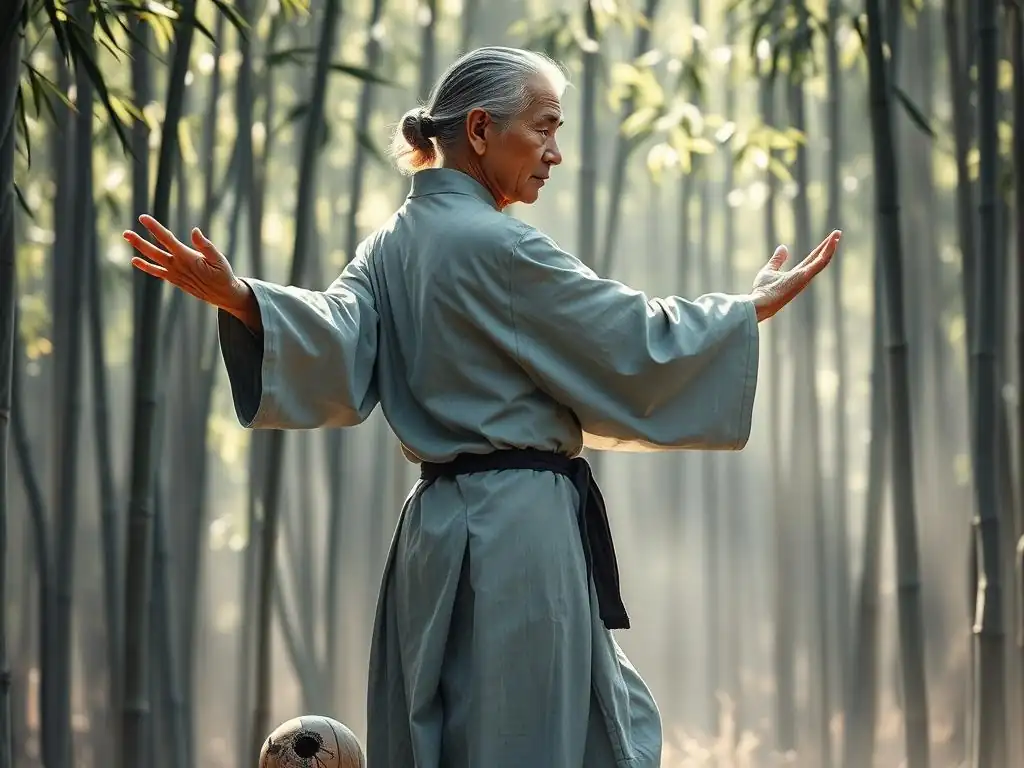
Practicing Tai Chi requires significant mental focus and concentration, particularly when learning and performing the complex sequences of movements known as forms. Practitioners must pay attention to their posture, balance, breath, and the precise trajectory of each movement, often coordinating multiple elements simultaneously. This sustained, gentle mental effort acts as a form of cognitive training, improving the ability to concentrate and filter distractions.
Regular engagement in this type of focused activity strengthens neural pathways associated with attention and executive function. Over time, this enhanced ability to concentrate extends beyond the Tai Chi session, improving focus in daily tasks and making it easier to remain present and less susceptible to the mind wandering into stressful thoughts. Studies have shown that older adults practicing Tai Chi demonstrate improved performance on cognitive tests measuring attention and working memory, highlighting its potential to sharpen the mind.
Reducing Anxiety and Depression with Tai Chi
Beyond general stress relief, Tai Chi has shown significant promise in reducing symptoms of anxiety and depression. The combination of gentle physical exercise, deep breathing, and mindful movement helps to regulate mood and emotional states. Physical activity, even low-impact forms like Tai Chi, stimulates the release of endorphins, natural mood elevators. The meditative aspect helps to quiet the constant stream of negative self-talk and worry often associated with these conditions.
Research has consistently demonstrated the positive impact of Tai Chi on mental health. For example, a systematic review published in a mental health journal found that Tai Chi practice was associated with significant reductions in symptoms of both anxiety and depression across various populations. Participants often report feeling calmer, more centered, and experiencing an improved sense of well-being after incorporating Tai Chi into their routine. This makes Tai Chi for stress relief, anxiety, and depression a widely recommended complementary practice.
Cultivating Inner Peace Through Tai Chi Meditation
At its core, Tai Chi is a moving meditation, offering a path to cultivating inner peace amidst the chaos of modern life. The continuous, flowing movements, synchronized with slow, deep breathing, induce a state of relaxed awareness akin to seated meditation but with the added dimension of physical engagement. This practice teaches the mind to settle, observing thoughts and emotions without getting entangled in them. The focus shifts from external distractions to the internal experience – the sensation of movement, the rhythm of the breath, the feeling of energy flowing through the body.
This regular practice of being fully present within one's own physical and mental space fosters a sense of calm and centeredness. It provides a refuge from the incessant demands and pressures of daily life, allowing the nervous system to reset and the mind to find stillness. Over time, this cultivated inner peace becomes a more stable state, increasing resilience and the ability to navigate challenges with greater equanimity, significantly enhancing Tai Chi for stress relief's long-term impact.
Physical Health Benefits Complementing Stress Relief
Tai Chi for Improved Balance and Coordination
One of the most widely recognized physical benefits of Tai Chi is its remarkable ability to improve balance and coordination. The forms involve shifting weight slowly and deliberately from one leg to the other, maintaining stability on a single leg, and coordinating intricate hand and foot movements. This constant challenge to the proprioceptive system—the body's sense of its position in space—strengthens the muscles responsible for balance, particularly in the core and lower body.
Studies, especially those involving older adults, frequently show significant improvements in balance scores and reductions in fall rates among Tai Chi practitioners. For instance, research published in journals focusing on geriatrics has reported reductions in falls by as much as 45% in regular Tai Chi participants compared to control groups. Improved balance not only prevents injuries but also contributes to a greater sense of physical confidence and stability, which can indirectly reduce anxiety and stress related to fear of falling or physical instability.
Strengthening Muscles and Joints with Tai Chi
Although Tai Chi is a low-impact exercise, it is highly effective at strengthening muscles and improving joint flexibility and range of motion. The slow, controlled movements require sustained muscular engagement, particularly in the legs, core, and arms. Holding postures like "Ward Off" or "Repulse Monkey" builds isometric strength, while the transitions between postures involve dynamic strength and flexibility. The gentle, circular movements lubricate the joints and encourage healthy movement patterns without the jarring impact associated with high-impact activities.
Regular Tai Chi practice can lead to increased muscle endurance and strength, particularly in the lower body, which is crucial for stability and mobility. For individuals with conditions like arthritis, the gentle nature of Tai Chi makes it an ideal way to stay active, reduce stiffness, and decrease joint pain, as demonstrated in numerous clinical trials. This physical conditioning contributes to overall physical well-being, making the body more resilient and less susceptible to the physical toll that chronic stress can take.
Tai Chi and Cardiovascular Health: A Gentle Exercise
While not as intense as aerobic exercise, Tai Chi offers valuable cardiovascular benefits, contributing to overall physical health which in turn supports stress management. The continuous, flowing movements elevate the heart rate to a mild to moderate level, improving circulation and cardiovascular function over time. The deep breathing techniques also enhance oxygen intake and efficiency.
Research has shown that regular Tai Chi practice can contribute to lowering blood pressure, improving cholesterol levels, and enhancing overall heart health, particularly in individuals with mild hypertension or other cardiovascular risk factors. For example, studies have reported average reductions in systolic blood pressure by 5-10 mmHg and diastolic blood pressure by 3-5 mmHg in hypertensive patients practicing Tai Chi consistently. By promoting a healthier cardiovascular system through gentle, sustained activity, Tai Chi reduces the physical burden on the body, complementing its direct effects as Tai Chi for stress relief.
Getting Started with Tai Chi for Stress Relief
Finding a Qualified Tai Chi Instructor
Embarking on your journey with Tai Chi for stress relief is best done under the guidance of a qualified instructor. While many resources exist online, the nuances of posture, weight distribution, and the internal feeling of energy flow are difficult to grasp without in-person correction and guidance. A good instructor can provide personalized feedback, ensure you are performing movements safely to avoid strain, and help you understand the underlying principles of the practice.
Look for instructors with experience teaching beginners and a deep understanding of Tai Chi's health aspects, not just its martial applications. Many community centers, gyms, and specialized martial arts schools offer Tai Chi classes. Don't hesitate to observe a class or speak with the instructor beforehand to ensure their teaching style resonates with you and aligns with your goal of using Tai Chi for stress relief.
Essential Tai Chi Movements for Beginners
Beginners typically start by learning foundational principles and a short form or sequence of movements. Some essential movements often taught early on include:
- Preparation (Beginning): Standing with feet shoulder-width apart, relaxing the body, and focusing on deep breathing.
- Ward Off (Peng): A foundational posture involving lifting the arms and creating a feeling of expansive energy, crucial for understanding basic structure and force.
- Rollback (Lu): A yielding movement that teaches how to absorb incoming force (or stress) gracefully.
- Press (Ji): A forward-pressing movement that follows Rollback, teaching how to redirect energy.
- Push (An): A two-handed push, coordinating the whole body's movement.
These initial movements introduce core concepts like shifting weight, maintaining balance, coordinating breath with movement, and cultivating a sense of internal energy. Mastering these basics provides a solid foundation before progressing to longer and more complex forms. Focusing on these fundamental movements is an excellent way to begin experiencing Tai Chi for stress relief.
Creating a Home Tai Chi Practice for Daily Stress Reduction
Consistency is key to reaping the full benefits of Tai Chi for stress relief. While class attendance is important, establishing a regular home practice is crucial for daily stress management. Start small, perhaps dedicating just 10-15 minutes each day. Find a quiet space where you won't be interrupted. Wear comfortable clothing that allows for free movement.
- [ ] Designate a specific time each day (e.g., morning, evening) for practice.
- [ ] Start with simple warm-up exercises and mindful breathing.
- [ ] Practice the basic movements or the short form you've learned.
- [ ] Focus on the feeling of the movements and your breath.
- [ ] Don't strive for perfection; focus on consistency and mindful presence.
- [ ] End with a few minutes of standing quietly, focusing on your body and breath.
Even short, consistent sessions can significantly impact your stress levels throughout the day. A home practice allows you to integrate the calming principles of Tai Chi into your daily rhythm, making stress relief an ongoing process rather than an occasional activity.
Integrating Tai Chi into Your Daily Routine
Simple Tai Chi Exercises to Do at Your Desk
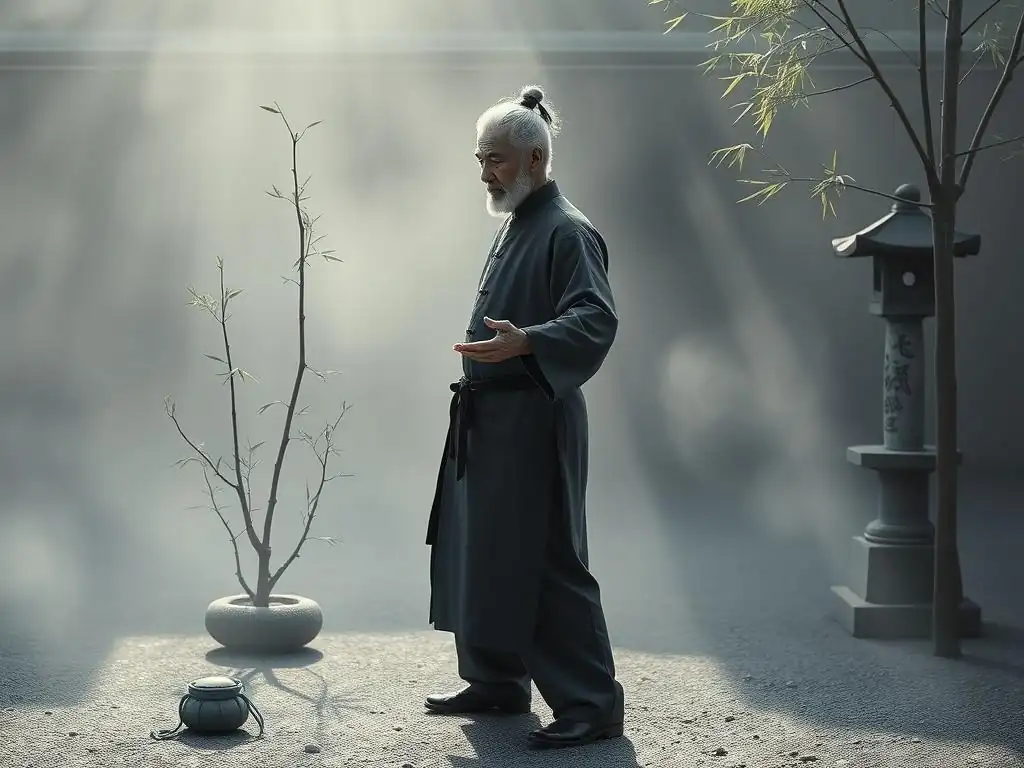
You don't always need a dedicated space and time for a full Tai Chi form to experience its benefits for stress relief. Simple, modified Tai Chi principles can be integrated into your workday, even while sitting at a desk. These exercises focus on posture, breathing, and gentle movement to release tension and promote relaxation.
For instance, practice mindful breathing: sit upright with feet flat on the floor, relax your shoulders, and take 5-10 slow, deep breaths, focusing on expanding your abdomen on the inhale and contracting on the exhale. Gentle neck and shoulder rolls, performed slowly and consciously, can release tension. You can also practice simple weight shifts while seated, gently leaning side to side or forward and back, coordinating with your breath. Even a few minutes of these simple, mindful movements can help interrupt the stress cycle and bring a sense of calm during a busy day.
Using Tai Chi to Improve Sleep Quality
Stress is a major contributor to sleep disturbances, and Tai Chi can significantly improve sleep quality by addressing this root cause. The practice helps to calm the nervous system, reduce racing thoughts, and alleviate physical tension, all of which interfere with falling asleep and staying asleep. The regular physical activity, while gentle, also helps regulate the body's circadian rhythm.
Practicing Tai Chi, especially in the late afternoon or early evening, can help wind down the body and mind before bed. A study published in a sleep journal found that adults with moderate sleep disturbances who practiced Tai Chi experienced significant improvements in sleep quality and duration compared to a control group. Incorporating a short Tai Chi sequence or even just 10-15 minutes of mindful breathing and gentle movements before bed can quiet the mind and prepare the body for restful sleep.
Combining Tai Chi with Other Stress-Relieving Activities: Mindfulness and Nature Walks
Tai Chi complements other stress-relieving activities beautifully, enhancing their effects. Combining Tai Chi practice with other mindfulness techniques, such as seated meditation or body scans, can deepen your ability to stay present and manage stressful thoughts. The physical awareness cultivated in Tai Chi makes seated mindfulness practice often feel more accessible and grounded.
Furthermore, practicing Tai Chi outdoors, especially in nature, can amplify its benefits. The serene environment of a park or garden adds another layer of calming sensory input. Performing slow, flowing movements surrounded by trees, plants, and fresh air integrates the restorative power of nature with the calming discipline of Tai Chi. A gentle walk in nature, paying mindful attention to the surroundings, can be a perfect prelude or follow-up to a Tai Chi session, creating a powerful synergy for comprehensive Tai Chi for stress relief.
Tai Chi vs. Other Stress Reduction Techniques
Comparing Tai Chi to Yoga for Stress Management
Tai Chi and Yoga are both ancient mind-body practices widely used for stress management, sharing similarities in their focus on breath, movement, and mindfulness. However, they differ in their approach and emphasis. Yoga often involves holding static postures (asanas) and flowing through sequences (vinyasas), with a strong emphasis on flexibility, strength, and alignment within specific poses. There are many different styles of yoga, ranging from very gentle to highly physically demanding.
Tai Chi, conversely, is characterized by continuous, flowing, circular movements performed slowly and deliberately. Its emphasis is less on static holds and deep stretches and more on smooth transitions, weight distribution, and cultivating internal energy flow (Qi). For individuals seeking a non-strenuous, low-impact practice that focuses on balance, coordination, and a meditative flow, Tai Chi may be particularly appealing. Both are effective for stress relief, but the choice often comes down to personal preference for the style of movement and focus.
Tai Chi vs. Meditation: Which is Right for You?
Seated meditation and Tai Chi are both powerful forms of mindfulness practice beneficial for stress reduction, but they engage the practitioner differently. Seated meditation typically involves remaining still, focusing on the breath or a mantra, and observing thoughts without judgment. It directly trains the mind to be present and non-reactive in stillness.
Tai Chi, as a moving meditation, trains the mind through physical movement. It requires focus on coordinating breath and body in motion, grounding awareness in physical sensations and the flow of the form. For some individuals, the physical activity in Tai Chi makes it easier to quiet a restless mind compared to sitting still.
For others, seated meditation provides a deeper level of mental stillness. Both are effective for cultivating mindfulness and reducing stress; the best choice depends on whether you find stillness or gentle movement more conducive to focusing your mind and achieving a state of relaxed awareness for Tai Chi for stress relief. Many people find benefit in practicing both.
Advantages of Tai Chi Over Traditional Exercise for Stress Relief
While traditional aerobic or strength training exercises are excellent for physical health and can certainly help reduce stress by releasing endorphins and burning off nervous energy, Tai Chi offers unique advantages specifically for stress relief. Traditional exercise can sometimes be high-impact, putting strain on joints, or require a high level of physical fitness to start. It may also be goal-oriented (e.g., running a certain distance, lifting a specific weight), which can inadvertently add a different kind of pressure.
Tai Chi is inherently low-impact and accessible to almost everyone, regardless of age or fitness level. Its primary focus is on relaxation, mindfulness, and internal harmony, rather than pushing physical limits. The slow, deliberate nature and emphasis on breath control directly counter the physiological stress response in a way that high-intensity exercise might not. While traditional exercise is great for coping with stress, Tai Chi actively cultivates a state of calm and presence that can reduce the experience of stress itself, making it a uniquely powerful form of exercise for Tai Chi for stress relief.
Real-Life Examples: Tai Chi Success Stories for Stress Reduction
Tai Chi Eases Anxiety for Healthcare Workers During Pandemic
During the peak of the COVID-19 pandemic, healthcare workers faced unprecedented levels of stress, anxiety, and burnout. Many hospitals and healthcare systems implemented wellness programs to support their staff. In several reported initiatives, Tai Chi was introduced as a tool for stress management. For example, one program at a major metropolitan hospital offered short Tai Chi sessions during shift changes or breaks.
Participants reported a significant reduction in perceived stress levels and anxiety symptoms after attending just a few sessions. Nurses, doctors, and support staff found that the gentle movements and focus on breathing provided a much-needed escape from the high-pressure environment, helping them to feel more grounded and calm. The low-impact nature and short duration of the sessions made it a practical option for busy schedules, demonstrating the real-world effectiveness of Tai Chi for stress relief in high-stress professions.
Tai Chi Program Reduces Stress and Improves Well-being in Veterans
Veterans often experience high levels of stress, anxiety, and PTSD. The U.S. Department of Veterans Affairs (VA) and other organizations have increasingly incorporated complementary therapies, including Tai Chi, into their wellness programs. Several studies and anecdotal reports from VA centers highlight the positive impact of Tai Chi on veteran populations.
One specific program implemented at multiple VA sites involved an 8-12 week Tai Chi intervention. Veterans participating in the program showed marked improvements in self-reported stress levels, anxiety scores, and overall psychological well-being compared to control groups. Many participants noted that the gentle, non-combative movements were accessible and non-intimidating, while the focus on mindfulness helped them manage intrusive thoughts and hypervigilance. This underscores how Tai Chi for stress relief offers a valuable and effective therapeutic option for individuals dealing with significant psychological burdens.
Conclusion: Embrace the Restorative Power of Tai Chi for a Stress-Free Life
The Long-Term Benefits of Regular Tai Chi Practice
Committing to regular Tai Chi practice offers profound long-term benefits that extend far beyond temporary stress reduction. Over time, consistent engagement with this ancient art cultivates a deeper sense of inner calm, resilience, and physical well-being. The cumulative effect of improved balance, increased strength and flexibility, enhanced cardiovascular health, and better sleep quality creates a more robust physical foundation capable of withstanding life's stressors more effectively.
Mentally, the sustained practice of mindfulness through movement trains the brain to be less reactive to stressful triggers and more adept at returning to a state of calm. Practitioners often report increased self-awareness, improved emotional regulation, and a greater capacity for joy and presence in daily life. This consistent cultivation of mind-body harmony transforms stress management from a reactive coping mechanism into a proactive lifestyle centered on balance and well-being.
Making Tai Chi a Lifelong Journey for Well-being
Tai Chi is not merely a quick fix for stress; it is a lifelong journey of continuous learning and self-discovery. As practitioners deepen their understanding of the forms and principles, they unlock new layers of physical and mental benefits. The practice evolves with the individual, adapting to different stages of life and changing physical capabilities.
Embracing Tai Chi as a lifelong pursuit means committing to ongoing practice, perhaps exploring different forms, delving deeper into the philosophical aspects, or even learning partner exercises (push hands). It becomes a trusted tool and a source of strength and peace in navigating the inevitable challenges of life. By integrating Tai Chi into your routine and treating it as an ongoing practice, you harness its full restorative power, ensuring that Tai Chi for stress relief remains a constant source of rejuvenation for your body and mind throughout your life.
Frequently Asked Questions
What exactly is Tai Chi, and how does it differ from other martial arts?
Tai Chi is a gentle form of martial arts characterized by its slow, flowing movements. Unlike more aggressive styles, it emphasizes internal energy cultivation and mind-body connection rather than brute force.
How can Tai Chi specifically help with stress relief?
The slow, deliberate movements of Tai Chi promote relaxation and mindfulness. Focusing on the present moment can reduce anxiety and quiet the mental chatter that contributes to stress.
Is Tai Chi physically demanding, and is it suitable for all ages and fitness levels?
Tai Chi is generally low-impact and adaptable, making it suitable for most people. The gentle movements can be modified to accommodate various physical limitations and fitness levels, including seniors.
How long does it typically take to experience the stress-reducing benefits of Tai Chi?
Many people report feeling calmer and more centered after even a single session. However, consistent practice over weeks or months is usually required to experience significant and lasting stress relief.
Besides stress relief, what are some other potential benefits of practicing Tai Chi regularly?
Regular Tai Chi practice can improve balance, flexibility, and coordination. It can also enhance muscle strength, cardiovascular health, and overall sense of well-being.
Final Reflection: Embracing Inner Harmony
The journey through understanding Tai Chi's restorative power, particularly its effectiveness for stress relief in our modern world, reveals a profound truth: amidst the chaos, we possess an innate ability to cultivate inner peace and resilience. The principles of mindful movement and breath control, central to Tai Chi, offer a tangible pathway to navigate the pressures of daily life and rediscover a sense of equilibrium.
The enduring appeal of Tai Chi lies not just in its physical benefits, but in its capacity to reconnect us with our bodies and minds, fostering a deeper sense of self-awareness. This practice transcends mere exercise; it becomes a moving meditation, a sanctuary where we can release tension and cultivate a sense of calm. The mind is like water. When it’s turbulent, it’s difficult to see. When it’s calm, everything becomes clear.
- Prasad Mahes
As we conclude this exploration of Tai Chi, I invite you to consider how you might incorporate its principles into your own life. Even a few moments of mindful movement and focused breathing can create a ripple effect, transforming your experience of stress and opening the door to a more balanced and harmonious existence. Embrace the restorative power within you, and let the gentle flow of Tai Chi guide you towards a brighter, more centered future.
Embrace the Flow: Begin Your Tai Chi Journey Today!
Thank you for exploring the world of Tai Chi with us. We hope you've discovered the profound benefits this ancient practice offers for both body and mind. Now, it's time to translate that knowledge into action.
Here are a few ways to deepen your Tai Chi experience:
- Find a local Tai Chi class and attend an introductory session. Experience the movements firsthand!
- Explore online resources to learn more about the different Tai Chi styles, such as Chen, Yang, or Wu. Which style resonates most with you?
- Share this article with friends or family who might also benefit from the restorative power of Tai Chi.
What small step will you take this week to incorporate the gentle strength of Tai Chi into your life?