
Choosing the Right Hogu (Chest Protector) for Kyorugi

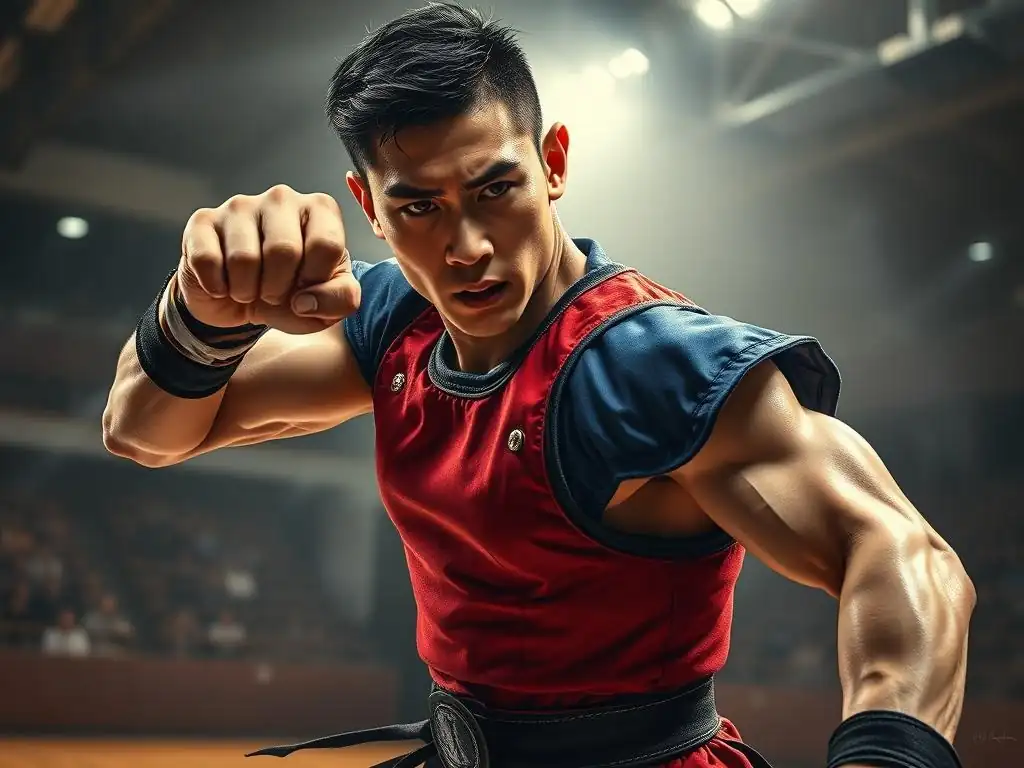
Welcome to Martial Arts Mastery, your gateway to understanding the depth and breadth of combat traditions worldwide. Delve into the intricate details of kyorugi with us as we explore the crucial role of the Hogu chest protector. What exactly makes a Hogu the right choice for protecting you in the ring? Discover the essential factors that can give you a competitive edge and ensure your safety. Keep reading to uncover the secrets behind selecting the perfect Hogu chest protector kyorugi demands!
- Introduction to Hogu Chest Protectors in Taekwondo Kyorugi
- Key Features to Consider When Selecting a Kyorugi Hogu
- Different Types of Hogu Available for Kyorugi
- Hogu Brands and Manufacturers: Reputation and Reliability
- Maintaining and Caring for Your Kyorugi Hogu
- Hogu Chest Protector Kyorugi: Regulations and Standards
- Investing in Your Safety: The Cost of Quality Protection
- Conclusion: Making an Informed Decision for Your Kyorugi Training
-
Frequently Asked Questions
- What is a Hogu and why is it important in Kyorugi?
- What are the key features to look for when selecting a Hogu for Kyorugi?
- How do I determine the correct size of Hogu for optimal protection?
- Are all Hogus created equal, or are there different levels of protection available?
- How should I care for my Hogu to ensure its longevity and effectiveness?
- Final Reflection: Protecting the Heart of the Fight
- Embrace the Arena: Start Your Kyorugi Journey Now!
Introduction to Hogu Chest Protectors in Taekwondo Kyorugi
Understanding the Importance of Proper Protection in Taekwondo Sparring
Taekwondo kyorugi, or sparring, is a dynamic and physically demanding aspect of the martial art. Participants engage in controlled combat, aiming to score points through kicks and punches to designated areas. While trained athletes possess control, the inherent nature of sparring involves impacts, making proper protective gear absolutely crucial.
Injuries in kyorugi can range from minor bruises to more serious contusions or even rib fractures if adequate protection is not utilized. Therefore, prioritizing safety through reliable equipment is not just a recommendation, but a fundamental necessity for practitioners of all levels, from beginners stepping onto the mat for the first time to seasoned competitors vying for championship titles.
Effective protection in kyorugi allows practitioners to engage fully in training and competition without undue fear of injury. This fosters confidence, enabling athletes to execute techniques with power and commitment, which is essential for skill development. A well-protected athlete can focus on strategy, timing, and execution rather than worrying excessively about the impact of an opponent's strike.
Data from various martial arts safety studies consistently highlight the role of compliant protective gear in reducing injury rates. For instance, while not specific to Taekwondo alone, studies on combat sports injuries show that proper padding significantly mitigates blunt force trauma, particularly to vital areas like the chest and ribs, which are primary targets in Taekwondo kyorugi.
Hogu: The Essential Protective Gear for Kyorugi Competitors
The hogu, also known as a chest protector or body armor, is the single most critical piece of protective equipment mandated for Taekwondo kyorugi. Its primary function is to absorb and disperse the impact of strikes, specifically kicks and punches targeting the torso.
Without a properly functioning hogu, participation in official sparring matches or even rigorous training sessions is typically prohibited due to the high risk of injury. The design of the hogu covers the front and sides of the torso, including the ribs and abdomen, areas particularly vulnerable to the powerful turning kicks and straight punches characteristic of Taekwondo.
Over the years, the hogu has evolved significantly, adapting to changes in kyorugi rules and technology. Early designs were simpler, focused primarily on padding. Modern hogu chest protectors for kyorugi incorporate advanced materials and, in many cases, electronic scoring technology.
The World Taekwondo (WT) federation mandates specific types of electronic hogu for sanctioned international competitions, highlighting the gear's central role not just in safety but also in the sport's scoring mechanics. This evolution underscores the hogu's status as more than just padding; it is an integral piece of equipment that influences both safety standards and the competitive structure of Taekwondo kyorugi.
Key Features to Consider When Selecting a Kyorugi Hogu
Material Quality and Durability of Taekwondo Chest Protectors
The materials used in the construction of a Taekwondo chest protector directly influence its protective capabilities, durability, and comfort. High-quality materials provide better impact absorption and withstand the rigors of repeated strikes and training sessions. The outer shell is typically made from either genuine leather or various synthetic materials, while the inner padding consists of dense foam layers designed to dissipate force. The stitching and fastening systems (usually straps and buckles or ties) must also be robust to ensure the hogu remains securely in place during dynamic movements.
Durability is a key factor when investing in a kyorugi hogu. A well-constructed hogu from reputable manufacturers can last for several years with proper care, even under frequent use. Conversely, a cheaply made hogu may show signs of wear quickly, such as cracking outer material, compressed padding, or failing straps, compromising its protective function and requiring premature replacement. Considering the frequency of training and the intensity of kyorugi, opting for materials known for their resilience against abrasion and impact is a wise long-term decision.
Exploring Different Materials: Leather vs. Synthetic Options
Traditionally, many high-quality martial arts protectors, including early hogu designs, utilized genuine leather for the outer shell due to its perceived durability and feel. Leather offers a classic look and can be very durable if maintained properly. However, leather can be heavier, less resistant to moisture (sweat), and often more expensive than synthetic alternatives. It may also require more specific cleaning and conditioning.
Modern Taekwondo chest protectors predominantly use advanced synthetic materials, such as polyurethane (PU) or various types of vinyl and reinforced fabrics. These synthetics are often engineered to be lightweight, highly resistant to tears and abrasion, and easy to clean and sanitize. They are also typically more water-resistant, which is beneficial given the amount of sweat generated during kyorugi. While some purists might prefer the feel of leather, synthetic materials often offer superior performance characteristics for the dynamic and high-impact environment of Taekwondo sparring, providing excellent durability and protection at varying price points.
Impact Absorption and Protection Levels
The core function of a kyorugi hogu is impact absorption. This is primarily handled by the multi-layered foam padding within the protector. Different hogu models offer varying levels of padding thickness and density, which directly affect how much force is absorbed and how much is transferred to the wearer's body. Entry-level hogu might use simpler foam, while competition-grade protectors employ sophisticated multi-density foams or even integrated gel inserts designed to maximize energy dispersion across the surface area.
The level of protection required can depend on the intensity of training or competition. For light training or children's classes, standard padding is usually sufficient. However, for adult kyorugi or competitive sparring, a hogu with substantial, high-quality padding is essential. Reputable manufacturers often design their hogu based on testing standards to ensure they meet specific protection requirements, although specific impact absorption data (like G-force reduction percentages) is not always readily available to consumers. It's crucial to feel the padding's density and thickness and consider the manufacturer's reputation for safety when assessing protection levels.
Hogu Size and Fit: Ensuring Comfort and Security
Selecting the correct size is paramount for a hogu to be effective and comfortable. A hogu that is too large can shift during movement, leaving areas exposed or hindering mobility. One that is too small will not provide adequate coverage and can be uncomfortably restrictive. Hogu sizes are typically based on the wearer's height and sometimes chest circumference, following charts provided by manufacturers. Common sizes range from XS to XL, often corresponding to height brackets (e.g., Medium for approximately 150-165 cm height).
A properly fitted hogu should cover the entire torso from the collarbone area down to the iliac crest (top of the hip bone) at the front, and wrap securely around the sides. It should be snug enough not to shift when kicked or punched, but not so tight that it restricts breathing or movement. The shoulder straps and back ties or buckles play a critical role in achieving a secure and adjustable fit. Spending time to find the right size and adjusting the straps correctly is vital for maximizing both safety and performance in kyorugi.
Measuring for the Correct Hogu Size
Accurate measurement is the first step in determining the appropriate hogu size. The primary measurement needed is the wearer's total height. Most manufacturers provide sizing charts that correlate height ranges to their specific hogu sizes (e.g., Small: 140-155 cm, Medium: 155-170 cm, Large: 170-185 cm, XL: 185+ cm). It's important to use the manufacturer's specific chart, as sizing can vary slightly between brands.
While height is the main factor, considering chest circumference can also be helpful, especially for individuals who are significantly larger or smaller than average for their height. Some charts may include this measurement as a secondary guide. When in doubt, it is often recommended to consult with a Taekwondo instructor or the supplier, as they can provide guidance based on experience and potentially allow for trying on different sizes. A properly measured hogu chest protector for kyorugi ensures adequate coverage of vital areas like the ribs and abdomen.
Adjusting Straps and Securing the Hogu
Once the correct size is selected, proper adjustment of the hogu's straps or ties is essential for a secure fit. Most hogu have shoulder straps that go over the shoulders and connect to the back, along with ties or buckles that fasten across the back and/or around the waist. The shoulder straps should be adjusted so the top of the hogu sits correctly on the chest, covering the upper torso without riding up towards the neck.
The back ties or buckles should be tightened enough to make the hogu snug against the body, preventing it from rotating or shifting significantly upon impact. However, they should not be so tight that they impede breathing or restrict the range of motion necessary for executing Taekwondo techniques. A good test is to ensure you can take a deep breath comfortably while the hogu is secured. The goal is a balance between security and comfort, ensuring the hogu chest protector stays in place throughout the dynamic movements of kyorugi.
Design and Coverage Area of Chest Protectors
The design of a kyorugi hogu dictates the specific areas of the torso that receive protection and how effectively impacts are managed. Standard designs cover the front and sides of the body, from roughly the sternum down to the hip bones. Some designs offer more extended coverage around the sides to protect the floating ribs and oblique muscles. The shape and contouring of the hogu are also important for a comfortable and secure fit that conforms to the body's natural shape.
Modern hogu designs, particularly those intended for competition, often feature specific target areas marked (traditionally in blue and red) corresponding to valid scoring zones in kyorugi. While the entire hogu provides protection, these areas are the focus of attacks. The overall cut and profile of the hogu can also affect mobility; some designs are more streamlined to allow for greater flexibility, particularly around the arms and shoulders, which is crucial for executing high kicks and fast hand techniques.
Full Coverage vs. Rib Protection Hogu Designs
Most standard kyorugi hogu are designed to provide "full coverage" of the scoring area on the torso, encompassing the front and sides from chest to waist. This is the most common and widely accepted design for both training and traditional competition formats. These hogu offer comprehensive protection across the entire target zone, reducing the risk of injury from strikes landing anywhere within that area.
Some older or specialized training hogu might offer slightly less coverage, perhaps focusing primarily on the front chest and abdomen with minimal side protection. However, for competitive Taekwondo kyorugi, a hogu that adequately protects the ribs along the sides is essential, as side kicks and turning kicks to this area are common and powerful techniques. When selecting a hogu chest protector, especially for competitive aspirations, ensure it provides robust coverage across the entire designated scoring area as defined by Taekwondo rules.
Impact Zone Padding and Reinforcement
Within the overall padding of a kyorugi hogu, specific areas, particularly the front and sides which are the primary scoring zones, often feature reinforced padding or denser foam layers. This targeted reinforcement is designed to absorb the maximum force from direct kicks and punches to these high-impact areas. The blue and red sections often seen on hogu visually delineate these primary impact zones.
Beyond the main padding, some hogu designs incorporate additional features like rigid plastic inserts or plates within the foam layers, particularly over the sternum or spine area (though back protection is less standard for kyorugi hogu compared to other martial arts). These reinforcements offer extra protection against focused or powerful strikes. Examining the construction and feeling the density of the padding in these critical impact zones is important when evaluating the protective quality of a hogu chest protector for kyorugi.
Different Types of Hogu Available for Kyorugi
Standard Hogu: The Most Common Type
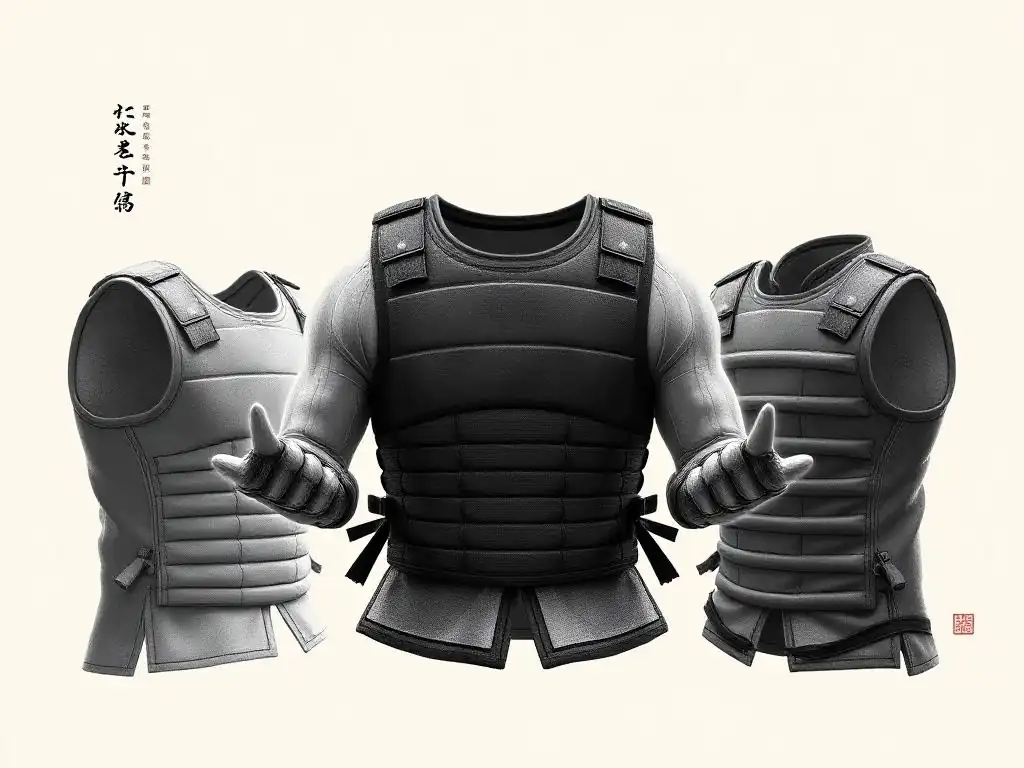
The standard hogu is the traditional form of chest protector used in Taekwondo kyorugi. It consists of a padded vest, typically reversible with blue on one side and red on the other, secured with ties or straps. These hogu rely solely on their physical padding to absorb the impact of strikes. They are widely used in training, local tournaments, and in martial arts schools that do not utilize electronic scoring systems.
Standard hogu are generally less expensive than their electronic counterparts. They require judges to manually score points based on the legality and apparent force of techniques landed on the colored areas. While effective for protection, the subjective nature of manual scoring can sometimes lead to disputes. However, for foundational kyorugi training and practice, a reliable standard hogu chest protector is perfectly adequate and remains a staple in dojangs worldwide.
Electronic Scoring System (ESS) Compatible Hogu
Electronic Scoring System (ESS) compatible hogu represent a significant technological advancement in competitive Taekwondo kyorugi. These hogu are equipped with integrated sensors that detect the force and location of strikes. When a legal technique with sufficient force lands on the sensor-equipped area, points are automatically registered with a central scoring system. This technology aims to increase objectivity in scoring and is mandatory in World Taekwondo (WT) sanctioned competitions, including the Olympics.
The most prominent manufacturers of WT-approved ESS hogu are Daedo and KPNP. These systems utilize sensors embedded within the hogu (and sometimes in the foot protectors) to register hits. The sensitivity of the sensors can be adjusted based on the age and weight division of the competitors, ensuring appropriate force is required to score. While more expensive than standard hogu, ESS-compatible hogu are essential for athletes competing at higher levels under WT rules.
Understanding Electronic Hogu Technology
Electronic hogu technology relies on pressure or impact sensors embedded within the layers of the chest protector. When a strike lands on the sensor-equipped area with enough force (exceeding a pre-set threshold), the sensor sends a signal wirelessly to a central computer or scoring console. This signal is then processed, and if the strike is detected in a valid scoring zone (typically the blue or red area), points are awarded automatically.
The complexity and accuracy of the sensors vary between systems and manufacturers. Advanced systems can differentiate between different types of strikes (e.g., kick vs. punch, though scoring rules primarily focus on kicks) and measure the force applied with a high degree of precision. This technology extends beyond the hogu itself to include sensor-equipped foot protectors, creating a comprehensive electronic scoring environment for kyorugi competitions. Understanding this technology is crucial for competitors who train for and participate in events utilizing ESS.
Benefits of Using ESS-Compatible Gear
The primary benefit of using ESS-compatible gear in kyorugi is the increased objectivity in scoring. By removing some of the subjectivity inherent in human judgment of force and validity, electronic systems aim to ensure that points are awarded consistently based on pre-defined criteria. This can lead to fairer competitions and reduce controversial calls.
Furthermore, training with ESS-compatible hogu and foot protectors allows athletes to understand the specific force and technique required to register a point under electronic rules. This is invaluable for competitors preparing for WT-sanctioned events. While the initial investment is higher, training with electronic gear provides realistic feedback and helps athletes adapt their kyorugi strategy to the demands of modern, electronically scored competition.
Reversible Hogu: A Practical Option for Training
Most kyorugi hogu, both standard and many ESS-compatible models, are designed to be reversible. This means one side is blue and the other side is red. This feature is highly practical as it allows a single hogu to be used by either competitor in a match or training session, as one competitor is designated 'Blue' and the other 'Red'.
The reversible nature simplifies equipment management in dojangs and at tournaments, reducing the need for a separate blue and red hogu for each participant. It's a standard design element that offers convenience without compromising the protective function of the hogu chest protector for kyorugi.
Hogu Brands and Manufacturers: Reputation and Reliability
Adidas: A Focus on Innovation and Performance
Adidas is a globally recognized sports brand with a significant presence in martial arts, including Taekwondo. Their range of kyorugi hogu and other protective gear is known for combining modern design with quality materials. Adidas often incorporates innovative features aimed at enhancing athlete performance and comfort, alongside robust protection.
While sometimes positioned at a slightly higher price point, Adidas hogu are popular among athletes seeking reliable, competition-approved equipment. They offer both standard and ESS-compatible models, often certified by World Taekwondo. Athletes choosing Adidas can generally expect durable construction and thoughtful design features tailored to the demands of high-level kyorugi.
Mooto: Known for Durability and Affordability
Mooto is a highly respected South Korean brand specializing in Taekwondo equipment. They are particularly well-regarded for producing durable and functional gear that offers excellent value for money. Mooto hogu are a common sight in dojangs and tournaments worldwide, favored for their solid construction and ability to withstand frequent use.
Mooto offers a range of hogu options, including standard reversible models that are popular for training and general use. Their focus on fundamental quality and durability makes them a reliable choice for practitioners looking for a long-lasting hogu chest protector for kyorugi without the premium price tag of some other brands.
Daedo is arguably the most prominent name in competitive Taekwondo kyorugi, particularly due to its pioneering role and current status as a mandatory Electronic Scoring System (ESS) provider for World Taekwondo sanctioned events, including the Olympic Games. Daedo's ESS hogu are the gold standard for elite competition.
Daedo hogu, especially their electronic models, are premium products designed for professional athletes and serious competitors. They are known for their precise sensor technology, robust construction, and compliance with the strictest WT regulations. While they represent a significant investment compared to standard hogu, they are essential for athletes competing at the highest international levels where the Daedo ESS is utilized.
Maintaining and Caring for Your Kyorugi Hogu
Proper maintenance is crucial for extending the lifespan of your kyorugi hogu and ensuring it continues to provide effective protection. Sweat, dirt, and impacts can degrade the materials over time if not cared for. A well-maintained hogu not only lasts longer but also remains hygienic and comfortable to wear. Neglecting care can lead to odors, material breakdown, and compromised protective integrity.
Regular inspection for wear and tear is also part of maintaining your hogu. Checking seams, straps, padding, and the outer material for any signs of damage allows you to address minor issues before they become major problems. Proactive care ensures that your hogu chest protector remains a reliable piece of safety equipment throughout its usable life.
Cleaning and Sanitizing Your Chest Protector
After each training session or competition, it is essential to clean your kyorugi hogu to remove sweat and prevent bacterial growth, which causes odors and can degrade the material.
Here's a simple cleaning process:
- Wipe down the entire surface (inside and out) with a damp cloth.
- For sanitizing, use a mild disinfectant spray specifically designed for sports equipment, or a solution of water and a small amount of gentle soap.
- Avoid harsh chemicals, bleach, or excessive soaking, as these can damage the padding and outer material.
- Pay extra attention to straps and edges where sweat can accumulate.
Allow the hogu to air dry completely in a well-ventilated area, away from direct sunlight or heat sources, before storing it. Never store a damp hogu, as this promotes mold and mildew growth.
Proper Storage Techniques to Extend Hogu Lifespan
How you store your hogu chest protector when not in use significantly impacts its longevity. Proper storage prevents deformation, keeps the material in good condition, and ensures it dries thoroughly.
Consider the following storage tips:
- Air Drying: Always allow the hogu to air dry completely after cleaning. Hang it up or place it somewhere with good airflow.
- Flat Storage: If possible, store the hogu flat or gently folded along its natural crease. Avoid sharply folding or crushing it under other gear, which can permanently compress the padding.
- Ventilated Area: Store the hogu in a cool, dry, and well-ventilated space. Avoid damp basements, hot car trunks, or direct sunlight.
- Separate Storage: If possible, store your hogu separately from very wet or dirty gear. Using a breathable gear bag can help protect it while allowing air circulation.
Following these steps helps maintain the shape and integrity of the padding and outer shell of your kyorugi hogu.
Inspecting for Damage and Replacing When Necessary
Regularly inspecting your kyorugi hogu for signs of wear and tear is crucial for ensuring its continued safety. Damage can occur gradually from repeated impacts or through accidental mishandling.
Look for these indicators during inspection:
- Outer Material: Cracks, tears, punctures, or significant abrasion on the outer shell.
- Padding: Areas that feel noticeably thinner, compressed, or lumpy compared to the rest of the hogu. You might feel less resistance when pressing on the padding.
- Seams: Loose or broken stitching, especially around edges and straps.
- Straps/Ties/Buckles: Fraying, stretching, cracking, or breakage of the fastening system components.
- Electronic Components (if applicable): Visible damage to wires, sensors, or connection points.
If you find significant damage, particularly to the padding or fastening system, the hogu's protective capacity may be compromised. While minor issues like loose stitching might be repairable, significant compression of padding or tears in critical areas mean it's time to replace your hogu chest protector. Continuing to use damaged gear puts you at unnecessary risk of injury during kyorugi.
Hogu Chest Protector Kyorugi: Regulations and Standards
Participating in organized Taekwondo kyorugi requires adherence to specific rules and equipment standards set by governing bodies. These regulations dictate the type of hogu that is permissible in competition to ensure fairness and athlete safety. Understanding these rules is essential for competitors and instructors alike, particularly when selecting a hogu for competition.
The primary governing body for international Taekwondo is World Taekwondo (WT), which sets the standards for major events like the Olympics, World Championships, and Grand Prix series. However, national governing bodies and local tournament organizers may have their own specific rules, which might allow for a wider range of equipment or require specific local certifications.
World Taekwondo (WT) Competition Rules and Requirements
World Taekwondo (WT) has stringent rules regarding equipment used in sanctioned kyorugi competitions. Since the introduction of electronic scoring, WT mandates the use of approved Electronic Scoring System (ESS) hogu and foot protectors in all high-level international events. This move was aimed at increasing the objectivity and transparency of scoring.
As of recent years, WT has primarily sanctioned the ESS from specific providers, notably Daedo and, more recently, KPNP. This means that for an athlete to compete in a WT-sanctioned event, they must use a hogu (and foot protectors) from one of these approved manufacturers that is compatible with the tournament's ESS. Using a non-approved hogu, even if it has sensors, will result in disqualification. These regulations underscore the critical role of the hogu not just as protection, but as a regulated piece of scoring technology in modern competitive kyorugi.
Approved Hogu Brands and Models for WT Events
As mentioned, World Taekwondo (WT) currently approves specific Electronic Scoring System (ESS) providers for their sanctioned competitions. The most widely used and mandated system is the Daedo Truescore system. Competitors participating in WT events must use a Daedo hogu and Daedo foot protectors that are compatible with this system.
More recently, KPNP has also been approved as a WT ESS provider, and their system is used in some sanctioned events. Therefore, athletes competing at this level need to be aware of which system will be used at a particular tournament and ensure they have the correct, approved model of hogu chest protector and foot protectors for that system. Standard, non-electronic hogu are not permitted in WT-sanctioned kyorugi competitions. Checking the official WT website or the specific tournament's technical package is necessary to confirm the required ESS brand and model.
Understanding Local Tournament Regulations
While WT rules govern international competitions, local and regional Taekwondo tournaments may have different regulations regarding equipment. Many smaller tournaments or national championships might still use manual scoring, allowing competitors to use standard, non-electronic hogu. Others might use an ESS but accept different brands or older models than those mandated by WT.
It is crucial for competitors and coaches to verify the specific equipment requirements for any tournament they plan to attend well in advance. This information is usually provided in the tournament package or rules document. Relying solely on WT regulations when attending a local event could lead to arriving with the wrong type of hogu. Always confirm whether a standard or electronic hogu chest protector is required for kyorugi at the specific event.
Investing in Your Safety: The Cost of Quality Protection
The price of a kyorugi hogu can vary significantly depending on several factors, including the brand, materials, type (standard vs. electronic), and size. While it might be tempting to opt for the cheapest available option, especially for beginners, it's important to view a hogu as an investment in your safety and long-term participation in Taekwondo.
A low-cost hogu may use inferior materials that offer less protection and wear out quickly, potentially needing replacement sooner. A higher-quality hogu, while requiring a larger initial outlay, typically provides superior impact absorption, greater durability, and a better fit, ultimately offering better value and safety over time.
Balancing Price and Performance in Hogu Selection
Finding the right balance between price and performance is key when choosing a kyorugi hogu. For beginners or practitioners who only spar occasionally, a solid, mid-range standard hogu from a reputable brand like Mooto or Adidas might be perfectly sufficient. These typically range from approximately $50 to $100 USD and offer reliable protection for general training.
For serious competitors, especially those aiming for electronic scoring tournaments, the investment will be considerably higher. WT-approved ESS hogu from brands like Daedo or KPNP can cost anywhere from $200 to $400 USD or more, often requiring the purchase of compatible electronic foot protectors as well, adding to the total cost. When budgeting for a hogu chest protector for kyorugi, consider your level of participation, the types of events you'll attend, and prioritize the protective quality that aligns with your needs.
The Long-Term Value of a Durable and Reliable Chest Protector
Investing in a durable and reliable kyorugi hogu pays off in the long run. A high-quality hogu made from resilient materials with strong stitching and secure fasteners can withstand years of regular use, potentially lasting 3-5 years or even longer with proper care. In contrast, a cheaper hogu might need to be replaced after only a year or two due to material breakdown or loss of protective padding density.
Calculating the cost per year, a more expensive but durable hogu might prove to be more economical over time than repeatedly buying cheaper alternatives. More importantly, a reliable hogu provides consistent, high-level protection, reducing the risk of injuries that could lead to time away from training, medical expenses, or even long-term physical issues. The peace of mind and enhanced safety provided by a quality hogu chest protector for kyorugi are invaluable benefits that justify the initial investment.
Conclusion: Making an Informed Decision for Your Kyorugi Training
Recap of Key Considerations for Choosing a Hogu
Choosing the right hogu chest protector for Taekwondo kyorugi involves evaluating several critical factors to ensure optimal safety, comfort, and compliance with regulations. We've explored the importance of materials, considering the pros and cons of leather versus synthetic options and focusing on impact absorption capabilities. Size and fit are paramount, requiring accurate measurement and proper adjustment of straps for secure coverage. Design and coverage area, including reinforced impact zones, also play a significant role in the effectiveness of the hogu.
Furthermore, understanding the different types of hogu available – standard versus electronic (ESS-compatible) – is vital, particularly for those with competitive aspirations. The reputation of brands like Adidas, Mooto, and Daedo provides insight into expected quality and reliability. Finally, the cost must be weighed against performance and durability, recognizing that a quality hogu is an investment in your safety and training longevity.
Prioritizing Safety and Performance in Taekwondo Sparring
Ultimately, the decision when selecting a kyorugi hogu should prioritize safety above all else. While performance features and competitive requirements are important, the primary function of the hogu is to protect the practitioner from injury during sparring. A well-chosen hogu allows you to train and compete with confidence, focusing on developing your Taekwondo skills without undue concern for the impact of strikes.
By making an informed decision based on material quality, proper fit, adequate coverage, and considering your specific training and competition needs (including potential electronic scoring requirements), you ensure that your hogu chest protector serves its vital purpose effectively. Investing wisely in this essential piece of gear is a commitment to your health, your progress in kyorugi, and your long-term enjoyment of Taekwondo.
Frequently Asked Questions
What is a Hogu and why is it important in Kyorugi?
A Hogu is a chest protector used in Kyorugi Taekwondo. It is crucial for protecting the torso from impact during sparring and is a mandatory piece of safety equipment.
What are the key features to look for when selecting a Hogu for Kyorugi?
Consider features like impact absorption, fit and comfort, and official certification (e.g., World Taekwondo (WT) approved). These ensure safety and compliance with competition rules.
How do I determine the correct size of Hogu for optimal protection?
Consult the manufacturer's sizing chart which usually uses height and/or weight to determine the appropriate size. A snug but not restrictive fit is essential for protection and mobility.
Are all Hogus created equal, or are there different levels of protection available?
No, Hogus vary in materials and construction, impacting their level of protection. Look for Hogus with high-density foam or other advanced impact-absorbing materials.
How should I care for my Hogu to ensure its longevity and effectiveness?
Regularly clean the Hogu with a damp cloth and mild soap, and allow it to air dry completely. Avoid storing it in direct sunlight or extreme temperatures to prevent damage to the materials.
Final Reflection: Protecting the Heart of the Fight
The journey to finding the perfect hogu, as we've explored, is more than just a matter of equipment selection; it's about ensuring safety, optimizing performance, and respecting the spirit of Kyorugi. In a world where marginal gains can mean the difference between victory and defeat, understanding the nuances of chest protector technology and fit is more crucial than ever for athletes at all levels.
The impact of a well-chosen hogu extends beyond the individual competitor. It shapes the overall safety and integrity of the sport, allowing athletes to push their limits with confidence. My hope is that this guide empowers fighters to make informed decisions, fostering a safer and more competitive environment for all. The best protection allows you to focus on your technique, not your fear.
This sentiment underscores the profound connection between equipment and mental fortitude in Kyorugi.
Now, I invite you to reflect on your own training and competition experiences. Consider how your equipment choices impact your performance and your peace of mind. Let this guide be a catalyst for thoughtful consideration, ensuring that every strike you deliver and every blow you absorb is done with the utmost protection and respect for the art of Kyorugi. Choose wisely, train diligently, and fight with heart.
Embrace the Arena: Start Your Kyorugi Journey Now!
Thanks for diving into the world of Hogu selection! We hope this guide has empowered you with the knowledge to choose the perfect armor for your Kyorugi aspirations. Now, it's time to put that knowledge into action and step onto the mat with confidence.
Here's how you can continue your journey:
- Prioritize Safety: Schedule a gear consultation with your coach to identify the optimal Hogu based on your body type and training regimen.
- Expand Your Knowledge: Delve into reviews and videos showcasing top-rated Hogu models at martialartsmastery.org to stay updated on the latest innovations.
- Share Your Insights: Join our community forum and share your personal experiences and tips for choosing the right Hogu with fellow martial artists.
What specific features do you value most in a Hogu, and how do they impact your Kyorugi performance?