
Aikido's Elitism? Examining the Accessibility and Universality of its Philosophy

Welcome to Martial Arts Mastery, your gateway to unlocking the secrets of combat wisdom from across the globe!
Is Aikido truly an art reserved for the elite? Dive into our exploration of Aikido accessibility for beginners, where we dissect the perceived barriers to entry and reveal the surprising universality of its underlying philosophy. Discover how this elegant martial art can be surprisingly accessible, regardless of your background or experience. Intrigued? The journey begins now...
- Introduction: Addressing Perceived Barriers in Aikido
- Philosophical Depth and its Influence on Accessibility
- Accessibility for Beginners: Addressing Concerns
- Diverse Interpretations and Impact on Inclusivity
- Deconstructing the Myth: Promoting Inclusivity and Openness
- Universal Appeal: Personal Growth and Harmony
- Conclusion: Re-evaluating Accessibility and Embracing Universal Values
-
Frequently Asked Questions
- What makes Aikido sometimes seem inaccessible to beginners?
- How does Aikido's philosophy contribute to or detract from its accessibility?
- What are some practical steps MartialArtsMastery.org suggests to improve Aikido's accessibility for newcomers?
- Does Aikido's focus on ukemi (breakfalling) make it more or less accessible for beginners, and why?
- Are there specific physical requirements or prerequisites that might hinder someone's ability to start Aikido?
- Final Reflection: Embracing Aikido's Universal Potential
- Embrace the Art: Discover Aikido's Path for Yourself
Introduction: Addressing Perceived Barriers in Aikido
Elitism in Martial Arts: A General Perspective
The concept of elitism exists within various martial arts disciplines, often stemming from factors such as lineage, cost, perceived difficulty, or the emphasis on exclusive, high-level training. Some traditional arts, with their deep historical roots and complex katas or forms, can sometimes be seen as less accessible to the average person compared to more sport-oriented or modern systems.
This perception might arise from strict hierarchies, demanding physical requirements, or a focus on preserving techniques that require years, even decades, of dedicated practice under specific masters. For instance, certain Koryu (old school) Japanese martial arts might have very few practitioners globally and highly selective entry requirements, contributing to an air of exclusivity.
Furthermore, the financial investment required can also contribute to perceived elitism. High-level training camps, private lessons, or participation in international seminars can incur significant costs. While many local dojos strive to keep training affordable, the upper echelons of some martial arts can become financially prohibitive for many, limiting access to those with greater resources. This financial barrier, combined with the dedication of time and physical effort, can create a challenging landscape for newcomers, potentially discouraging those seeking general Aikido accessibility for beginners or simply exploring martial arts for personal development rather than competitive mastery.
Aikido: A Gentle Art with Accessibility Challenges?
Aikido is often described as a "gentle art" or the "Art of Peace," emphasizing harmonious movement, non-resistance, and blending with an attacker's energy rather than meeting force with force. This philosophical foundation, focusing on self-improvement and ethical conduct alongside physical technique, might initially suggest high levels of Aikido accessibility for beginners. Unlike arts centered purely on striking or grappling force, Aikido aims to neutralize conflict without causing unnecessary harm, utilizing throws and joint locks derived from classical Japanese martial traditions like Daito-ryu Aiki-jujutsu.
However, despite its non-violent philosophy, Aikido presents unique challenges that can sometimes be perceived as barriers to entry, particularly impacting Aikido accessibility for beginners. The sophisticated body movements, the necessity of learning safe falling techniques (ukemi), and the conceptual understanding of ki and blending can be physically and mentally demanding.
New students must quickly learn to relax under pressure and move in ways that feel counter-intuitive initially. This steep initial learning curve, coupled with the physical requirement of repetitive falling and rolling, can be intimidating for individuals who are older, less physically conditioned, or have pre-existing physical limitations, potentially creating perceived challenges to Aikido accessibility for beginners.
Philosophical Depth and its Influence on Accessibility
Core Principles: Harmony, Non-Violence, and Ki
At the heart of Aikido lie fundamental principles that guide both physical technique and personal development. Wa, or harmony, is paramount, emphasizing the resolution of conflict through integration and blending rather than direct confrontation. This extends beyond physical interaction to interpersonal relationships and one's relationship with the environment.
The principle of non-violence, often encapsulated in the phrase masakatsu agatsu ("true victory is victory over oneself"), teaches that the ultimate goal is not to defeat others but to overcome one's own aggression, fear, and limitations. This philosophical stance distinguishes Aikido from many combat sports where the primary objective is the defeat of an opponent.
Central to Aikido's philosophy and practice is the concept of Ki. Often translated as vital energy or life force, Ki in Aikido refers to the coordinated power of mind and body, projected through focused intent and relaxed movement. Developing sensitivity to Ki and learning to extend it (Ki no Nagare) is crucial for executing techniques effectively and maintaining balance and centeredness. These core principles of harmony, non-violence, and the cultivation of Ki form the ethical and energetic framework of Aikido, aiming to transform aggressive energy into positive resolution.
Philosophical Intimidation for Newcomers
While the philosophical depth of Aikido is a significant draw for many practitioners, it can also present a point of intimidation or confusion for newcomers, potentially affecting Aikido accessibility for beginners. Concepts like Ki, blending, and the emphasis on non-aggression might seem abstract or even impractical to individuals initially seeking purely physical self-defense skills. A beginner might arrive expecting to learn punches and kicks, only to encounter discussions about cultivating internal energy or resolving conflict through non-resistance, which can feel disconnected from their immediate goals.
Furthermore, the language used in explaining these principles often employs Japanese terms ( kokyu, irimi, tenkan, aiki) and sometimes draws parallels to Eastern philosophies or spiritual concepts, which can feel foreign to those without such a background. Without clear, accessible explanations, the philosophical layer can appear esoteric or overly complex, adding another layer of perceived difficulty on top of the physical learning curve. This philosophical depth, while enriching for dedicated students, highlights the importance of instructors being able to articulate these ideas in ways that resonate with diverse individuals, ensuring greater Aikido accessibility for beginners from various backgrounds.
Spirituality and Esotericism: Examining Perceived Exclusivity
Aikido's founder, Morihei Ueshiba (O-Sensei), underwent a profound spiritual transformation later in his life, which deeply influenced his teaching and the philosophical underpinnings of Aikido. He viewed Aikido not just as a martial art but as a path for spiritual growth and realizing universal harmony. This spiritual dimension, sometimes referred to as Aiki-jo, is central to the art's ultimate purpose according to O-Sensei. While not all dojos emphasize this aspect equally, its presence in the art's history and philosophy can sometimes lead to a perception of esotericism or exclusivity.
For beginners not interested in or familiar with spiritual concepts, this aspect might feel alienating or irrelevant to their training goals. Some dojos or instructors may integrate spiritual teachings more overtly than others, potentially creating an environment that feels less welcoming to those primarily seeking physical fitness, self-defense, or a secular community. While spirituality is a deeply personal path for many long-term practitioners, its historical link to Aikido underscores the need for dojos to clearly communicate their approach to the art's philosophical and potentially spiritual dimensions to ensure transparency and promote broad Aikido accessibility for beginners.
Accessibility for Beginners: Addressing Concerns
Physical Demands and Limitations: Age and Agility
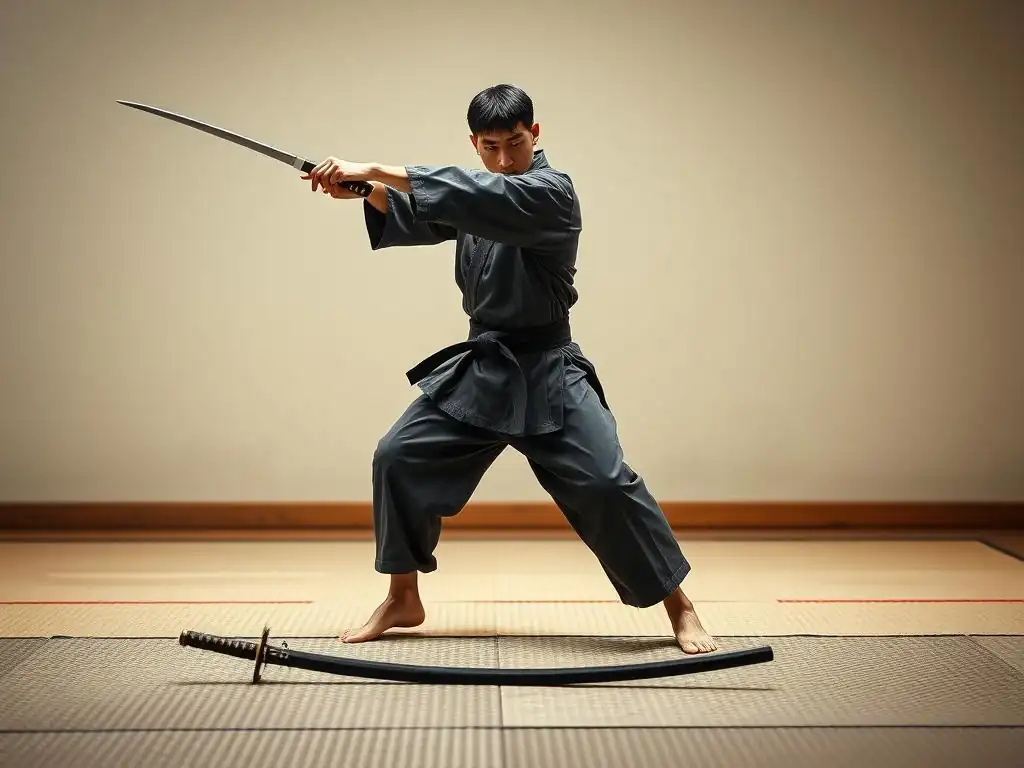
Despite its emphasis on blending and using an opponent's energy, Aikido training involves significant physical demands, which can be a primary concern for potential students evaluating Aikido accessibility for beginners. Learning ukemi, the art of falling and rolling safely, is fundamental but requires flexibility, coordination, and a willingness to repeatedly contact the mat. This can be particularly challenging for older individuals, those with joint issues, or people who are not accustomed to physical activity involving dynamic movement and impact. While modifications exist, mastering safe falling is crucial for participation in many core techniques.
Techniques themselves, involving joint locks, pins, and throws, require a degree of agility, balance, and body control. While the principle is to use minimal physical strength, executing these techniques effectively often involves dynamic movement, kneeling (suwariwaza), and maintaining stable postures. Individuals with limited mobility, certain disabilities, or significant weight might find these physical requirements daunting. However, many experienced instructors are skilled at adapting techniques and training methods to accommodate varying physical abilities, demonstrating that while demanding, Aikido can often be modified to improve Aikido accessibility for beginners across a wider spectrum of physical conditions.
Learning Curve: Mastering Movement and Technique
The learning curve in Aikido can feel steep, contributing to perceived challenges in Aikido accessibility for beginners. Unlike arts with linear movements or clear-cut strikes, Aikido relies heavily on circular motion, blending, and precise timing. Beginners often struggle with coordinating their footwork ( tai sabaki) with their hand movements and understanding the concept of entering ( irimi) or turning ( tenkan) to redirect an attack. The techniques often involve subtle shifts in balance and leverage that are difficult to grasp initially compared to applying brute force.
Moreover, much of Aikido training involves working with a partner, practicing techniques repeatedly. Developing the sensitivity to feel a partner's intention and energy, and learning to respond harmoniously rather than resisting, takes time and consistent practice. The initial stages can feel awkward and frustrating as beginners attempt to replicate complex movements without fully understanding the underlying principles of connection and blending. Patience and persistence are key, and understanding this non-linear learning process is vital for instructors seeking to improve Aikido accessibility for beginners and support their journey through the initial difficulties.
Financial Considerations: Dojo Fees and Training Costs
Financial accessibility is a practical concern for anyone considering starting a new activity, and martial arts are no exception, impacting Aikido accessibility for beginners. Dojo fees vary widely depending on location, instructor reputation, and the size/facilities of the training space. While some non-profit community dojos might offer very affordable rates, commercial dojos or those located in expensive urban areas can charge monthly fees ranging from approximately $100 to $250 USD or even higher in some regions. This cost is a recurring expense that must be factored in.
Beyond monthly fees, there are other potential costs. A basic Aikido uniform ( gi) can cost anywhere from $40 to over $100, depending on quality. Rank testing fees, although less frequent, are also an expense. Participation in seminars with visiting instructors, while highly beneficial for learning, also adds to the financial burden, often costing $50 to $150 or more for a weekend event. While these costs are comparable to many other hobbies or fitness activities, they represent a significant commitment for many individuals. Transparency about these costs upfront is crucial for dojos aiming to improve Aikido accessibility for beginners.
Diverse Interpretations and Impact on Inclusivity
Traditional vs. Modern Aikido: A Spectrum of Approaches
Aikido is not monolithic; it is practiced in various styles and interpretations that have evolved since O-Sensei's passing. Some dojos adhere strictly to traditional methods, emphasizing classical forms, rigorous physical conditioning, and a strong connection to O-Sensei's later spiritual teachings. These traditional approaches might prioritize depth over breadth and maintain strict adherence to lineage and etiquette, which can sometimes be perceived as less flexible or intimidating for newcomers unfamiliar with such structures, potentially affecting Aikido accessibility for beginners.
On the other end of the spectrum are more modern or applied approaches. These interpretations might focus more heavily on practical self-defense applications, physical fitness, or adapting techniques for specific contexts (e.g., law enforcement). Some modern styles might de-emphasize the overt spiritual aspects or modify training methods to be less physically demanding initially, aiming to broaden appeal. This spectrum of approaches means that the experience and perceived Aikido accessibility for beginners can vary significantly from one dojo to another, depending on its specific focus and teaching methodology.
Instructor and Lineage Influence on Training
The instructor plays a pivotal role in shaping the training experience and significantly impacts Aikido accessibility for beginners within a specific dojo. An instructor's personal philosophy, teaching style, technical lineage (which specific high-ranking teachers they trained under), and emphasis can dramatically alter the atmosphere and focus of the training. Some instructors might be highly demanding, emphasizing physical rigor and strict adherence to technique, while others might prioritize a nurturing environment, focusing on fundamental principles and philosophical understanding first.
The lineage also matters. Different major Aikido organizations (e.g., Aikikai, Yoshinkan, Ki Society) have distinct technical interpretations and training methodologies. For example, Yoshinkan Aikido is known for its physically demanding basic training and emphasis on strong, stable postures, which might present different challenges to Aikido accessibility for beginners compared to a more fluid Aikikai style. The instructor's ability to communicate effectively, demonstrate patience, and adapt their teaching to individual student needs is paramount in fostering an inclusive environment that welcomes and retains beginners.
Adaptation for Individuals with Disabilities or Specific Needs
While Aikido presents physical challenges, its underlying principles of blending and non-force can make it adaptable for individuals with various physical limitations or specific needs, enhancing Aikido accessibility for beginners with diverse abilities. Some dojos and instructors have developed modified curricula, such as seated Aikido ( suwariwaza focusing solely on kneeling techniques) or techniques adapted for individuals using wheelchairs or those with prosthetic limbs. The focus shifts from dynamic throws to leveraging principles of balance disruption and joint control from a stable position.
Furthermore, the philosophical emphasis on self-improvement and working harmoniously with a partner means that the goal isn't necessarily to perform techniques identically to everyone else, but to develop one's own potential. Instructors can modify exercises to reduce impact, avoid certain movements, or focus on specific aspects like breath control ( kokyu) or mental presence. While not every dojo may have the experience or resources to offer specialized programs, the potential for adaptation exists within the art's core principles, demonstrating a path towards greater Aikido accessibility for beginners of all backgrounds.
Deconstructing the Myth: Promoting Inclusivity and Openness
Diverse Aikido Practitioners: Showcasing Success Stories
Aikido is practiced by millions worldwide, representing a vast diversity of ages, genders, professions, and physical capabilities. While stereotypes might persist, the reality is that Aikido dojos are often vibrant communities of individuals from all walks of life. Sharing stories of diverse practitioners can help deconstruct the myth of elitism and highlight Aikido accessibility for beginners. For instance, there are numerous examples of individuals starting Aikido in their 50s, 60s, or even later, demonstrating that age is not an insurmountable barrier.
Success stories also include individuals who have used Aikido to overcome physical challenges, improve their confidence, or manage stress and anxiety. Highlighting practitioners who may not fit the traditional "martial artist" mold – perhaps someone with a sedentary job who found physical fitness, or someone dealing with conflict in their personal life who found tools for resolution – showcases the art's broad appeal and practical benefits. These narratives serve as powerful testaments to the potential for Aikido accessibility for beginners regardless of their starting point.
Accessibility Initiatives: Outreach Programs and Resources
Many dojos and Aikido organizations actively work to promote greater accessibility and reach new communities, directly addressing concerns about Aikido accessibility for beginners. This includes offering introductory workshops, free trial classes, or beginner-specific courses designed to gently introduce the physical movements and core concepts without overwhelming newcomers. These initiatives provide a low-commitment way for prospective students to experience Aikido firsthand and see if it resonates with them.
Some organizations engage in community outreach, offering programs in schools, community centers, or for specific populations like seniors or individuals with disabilities. Online resources, while not a replacement for in-person training, also play a role by providing accessible information about the art's philosophy, history, and what to expect in a first class, improving transparency and managing expectations for those exploring Aikido accessibility for beginners. These efforts are vital in breaking down perceived barriers and inviting a wider audience to experience the benefits of Aikido.
Welcoming Dojo Environment: Fostering Community
A crucial element in promoting Aikido accessibility for beginners is the environment within the dojo itself. A welcoming, supportive, and respectful atmosphere can make all the difference. Dojos that prioritize community building, where senior students are encouraged to be helpful and patient with newcomers, create a safe space for learning and growth. Clear communication about dojo etiquette and expectations also helps beginners feel more comfortable and integrated into the training culture.
Instructors who are approachable, patient, and skilled at explaining complex ideas in simple terms are essential. They set the tone for the entire dojo. When beginners feel seen, supported, and encouraged through the initial awkwardness and physical challenges, they are far more likely to continue training. Ultimately, the human element – the warmth and inclusivity of the training community – is perhaps the most significant factor in ensuring genuine Aikido accessibility for beginners and fostering long-term participation.
Universal Appeal: Personal Growth and Harmony
Aikido as Self-Improvement: Beyond Self-Defense
While Aikido techniques can be effective for self-defense, the art's deeper purpose, as envisioned by O-Sensei, is self-improvement and personal transformation. Training in Aikido cultivates discipline, perseverance, and self-awareness. The physical challenges build resilience and body control, while the mental and philosophical aspects encourage introspection and the development of a calm, centered mind. Practitioners learn to manage their own reactions under pressure and develop a greater understanding of conflict dynamics.
The focus on masakatsu agatsu – victory over oneself – means that the true measure of progress in Aikido is not the ability to defeat others, but the ability to overcome one's own fear, aggression, and limitations. This journey of self-mastery is universally relevant, appealing to anyone seeking personal growth, regardless of their interest in combat. This aspect contributes significantly to Aikido's potential for universal appeal and highlights a less obvious dimension of Aikido accessibility for beginners who are drawn to personal development.
Applying Principles to Daily Life: Conflict Resolution
The principles learned on the mat in Aikido are designed to be applicable to daily life, offering tools for navigating conflict and fostering harmonious relationships. The concept of blending ( awase) can be applied to disagreements, teaching one to listen, understand the other's perspective, and seek a resolution that integrates differing viewpoints rather than forcing one's own. Non-resistance doesn't mean passivity but rather the ability to respond flexibly and constructively to challenging situations.
Developing centeredness and a calm mind through physical training translates into improved emotional regulation in stressful situations off the mat. The practice of maintaining balance and stability under physical pressure helps build mental fortitude and the ability to remain grounded amidst life's challenges. These practical applications of Aikido principles for conflict resolution and personal interaction demonstrate the art's relevance beyond the dojo, making it accessible and valuable to anyone seeking better ways to handle the complexities of modern life.
Relevance in the Modern World: Peace and Understanding
In a world often marked by conflict and division, Aikido's philosophy of harmony, non-violence, and mutual respect holds profound relevance. The art offers a practical methodology for transforming aggressive energy and seeking peaceful resolutions. By focusing on blending and redirecting force rather than escalating conflict, Aikido provides a physical metaphor for how individuals can approach disagreements and violence in their communities and the world.
Training with diverse partners, learning to respect boundaries, and practicing mutual support within the dojo fosters a microcosm of the kind of harmonious society Aikido envisions. The emphasis on developing a non-aggressive spirit and cultivating empathy contributes to building individuals who are better equipped to promote understanding and peace. This universal message of harmony and conflict resolution ensures Aikido's continued relevance and broadens its appeal to individuals seeking not just a physical discipline but a path towards positive engagement with the world, reinforcing its universal accessibility.
Conclusion: Re-evaluating Accessibility and Embracing Universal Values
Summarizing Challenges and Opportunities
While Aikido's philosophical depth, unique physical demands (particularly ukemi), and potential financial costs can present perceived barriers, especially concerning Aikido accessibility for beginners, these challenges are often balanced by significant opportunities for personal growth and universal application. The initial learning curve and the need for patience are real, as is the potential for philosophical aspects to feel abstract. However, these challenges are not insurmountable and are often addressed effectively in supportive training environments.
The opportunities lie in Aikido's profound principles of harmony and non-violence, its potential for deep personal development, and its practical relevance for conflict resolution in daily life. The physical training, while demanding, builds resilience and body awareness. The philosophical journey offers a path to self-mastery and a more peaceful way of being. Understanding both the challenges and opportunities is key to a realistic assessment of Aikido accessibility for beginners.
Continued Efforts: Promoting Inclusivity and Expanding Reach
Efforts to promote Aikido accessibility for beginners are ongoing within the global Aikido community. Dojos continue to refine their teaching methods, offering introductory programs tailored to newcomers and adapting training for individuals with diverse needs. Increased transparency regarding costs and expectations helps manage potential students' perceptions. Sharing the stories of diverse practitioners helps break down stereotypes about who can practice Aikido.
Organizations and instructors are finding innovative ways to reach out to new communities, demonstrating that Aikido is not an exclusive club but a path open to anyone willing to commit to the journey. As the art evolves, maintaining its core principles while adapting training methodologies to be more approachable will be crucial in expanding its reach and ensuring it remains accessible to future generations seeking its unique benefits.
Final Thoughts: Transformation Through Aikido
Ultimately, the question of Aikido's elitism versus its accessibility boils down to perception, instruction, and individual commitment. While certain aspects may initially appear daunting, the core values of harmony, self-mastery, and non-violence are universally appealing and deeply needed in the modern world. Aikido offers a transformative path that goes far beyond physical technique, providing tools for navigating conflict, fostering personal growth, and cultivating a more peaceful existence.
For beginners considering Aikido, the key is to find a dojo with a welcoming environment and an instructor whose teaching style resonates. With patience, perseverance, and a focus on the journey of self-improvement, the perceived barriers to Aikido accessibility for beginners can be overcome, opening the door to a rich and rewarding practice that offers profound benefits for mind, body, and spirit.
Frequently Asked Questions
What makes Aikido sometimes seem inaccessible to beginners?
Aikido's perceived inaccessibility often stems from its complex philosophical underpinnings and the initial difficulty in understanding its circular movements which can be counter-intuitive for newcomers. The emphasis on ukemi (breakfalling) also presents a hurdle.
How does Aikido's philosophy contribute to or detract from its accessibility?
While Aikido's philosophy of non-violence and harmony can be appealing, understanding and applying it requires dedication and introspection, which can be challenging for beginners seeking immediate self-defense skills.
What are some practical steps MartialArtsMastery.org suggests to improve Aikido's accessibility for newcomers?
We believe instructors should emphasize foundational movements and basic principles before delving into complex techniques. Also, clearly explaining the philosophical relevance of each technique can enhance understanding and engagement.
Does Aikido's focus on ukemi (breakfalling) make it more or less accessible for beginners, and why?
Ukemi, while crucial for safety, can initially be daunting. However, mastering it builds confidence and body awareness, ultimately making Aikido more accessible in the long run by preventing injuries.
Are there specific physical requirements or prerequisites that might hinder someone's ability to start Aikido?
While Aikido emphasizes technique over brute strength, a basic level of physical fitness is beneficial. Pre-existing injuries might require modifications, but Aikido is generally adaptable to various physical abilities and limitations.
Final Reflection: Embracing Aikido's Universal Potential
The exploration of Aikido's accessibility, or lack thereof, reveals a crucial point: true mastery lies not just in physical technique, but in the inclusivity of its philosophy. While the art may sometimes appear shrouded in exclusivity, its core principles of harmony, non-violence, and self-improvement are inherently universal and should be accessible to all who seek them.
Aikido's impact on the cultural landscape extends beyond the dojo. Its emphasis on conflict resolution and finding peaceful solutions resonates deeply in a world often plagued by division. The journey to understand Aikido, even from a beginner's perspective, offers invaluable lessons in self-awareness and empathy. True victory is victory over oneself.
This quote, often attributed to Morihei Ueshiba, reminds us that the greatest challenges we face are internal, and Aikido provides a framework for overcoming them.
Now, consider how you can apply Aikido's principles of harmony and non-resistance in your own life. Whether you step onto the mat or not, embrace the spirit of Aikido by seeking understanding, practicing empathy, and striving for inner peace. Let the art's philosophy guide you towards a more compassionate and balanced existence, contributing to a world where conflict is met with understanding, and strength is found in gentleness.
Embrace the Art: Discover Aikido's Path for Yourself
Thank you for delving into the nuances of Aikido's philosophy and its perceived accessibility. Now that you've explored these ideas, it's time to take the next step in your martial arts journey.
Here are a few ways to connect further with Aikido:
- Visit a local Aikido dojo and observe a class firsthand. See if the atmosphere resonates with your values.
- Share this article on your social media and start a discussion about the perceived barriers to entry in martial arts.
- Explore Aikido-inspired exercises focusing on balance and mindfulness in your daily routine to improve your life.
What practical step will you take today to explore Aikido's potential and challenge its perceived elitism?