
The Budo Spirit in Aikido: More Than Just SelfDefense, A Path to SelfMastery

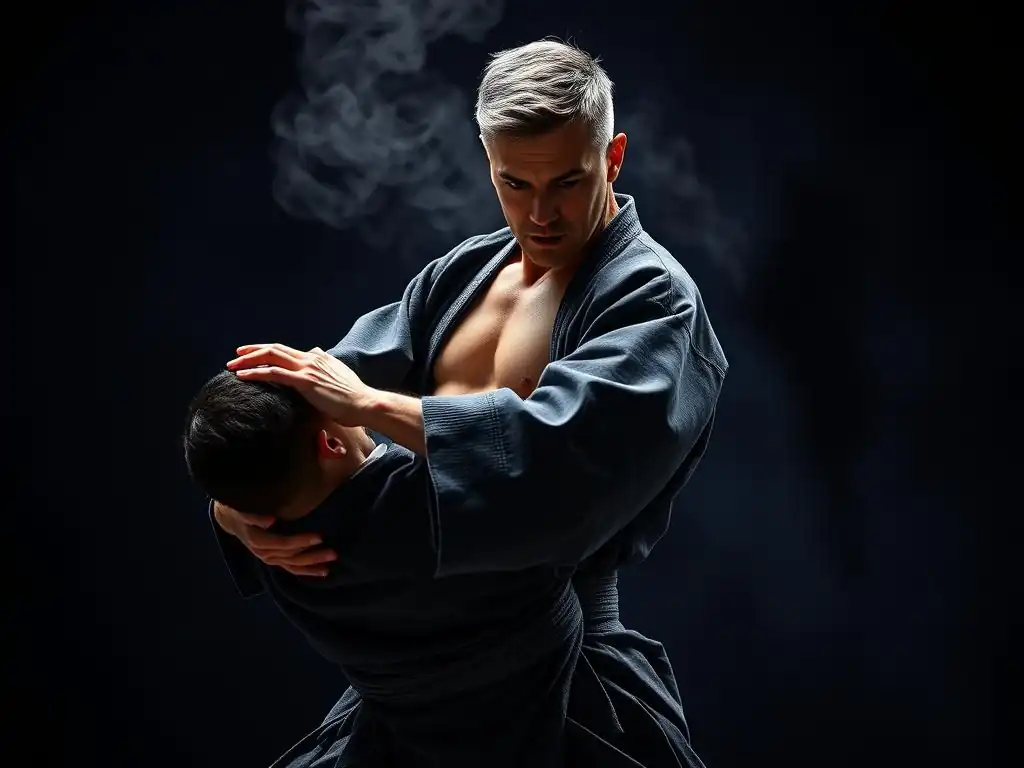
Welcome to Martial Arts Mastery, your gateway to the profound world of combat disciplines! Delve into the fascinating history, intricate techniques, and philosophical depths of martial arts from across the globe. Ever wondered how the flowing movements of Aikido transcend mere self-defense? Discover the Aikido selfmastery path spirit and unlock its secrets to a more centered and powerful you. Uncover how Aikido is more than just a fighting style - it's a journey of self-discovery. Continue reading to explore the Budo spirit that lies at its very heart...
- Unveiling the Budo Spirit in Aikido: Beyond Physical Technique
- Aikido's Self-Defense Techniques: A Manifestation of the Budo Spirit
- The Aikido Self-Mastery Path: Cultivating Inner Strength
- Aikido's Moral and Ethical Dimensions: Embracing the Budo Spirit
- Aikido Training and Personal Transformation: The Journey to Self-Mastery
- Integrating the Budo Spirit into Daily Life: Beyond the Aikido Dojo
- Mastering Aikido: Embracing the Budo Spirit for a Fulfilling Life
-
Frequently Asked Questions
- What is the "Budo Spirit" in the context of Aikido?
- How does Aikido differ from other martial arts regarding self-mastery?
- What role does Aikido's philosophy play in achieving self-mastery?
- How does Aikido training contribute to the "Aikido selfmastery path spirit?"
- Is Aikido primarily a self-defense art, or is there a deeper purpose?
- Final Reflection: Embracing the Aikido Self-Mastery Path
- Embrace the Way: Awaken Your Inner Warrior!
Unveiling the Budo Spirit in Aikido: Beyond Physical Technique
Understanding Budo: The Foundation of Aikido's Philosophy
Budo, often translated as the "Martial Way," is a Japanese term encompassing more than just combat techniques. It refers to the philosophical principles, ethical codes, and spiritual discipline inherent in the traditional martial arts of Japan.
Historically, Budo emerged from the older concept of Bujutsu (martial techniques), shifting focus from purely battlefield effectiveness to the moral and personal development of the practitioner. This evolution took place primarily after the feudal era, particularly during the Meiji Restoration around the late 19th century, as Japan modernized and sought ways to preserve its cultural identity while adapting martial practices for civilian life and character building.
The core tenets of Budo emphasize self-discipline, respect, humility, loyalty, and perseverance. It is viewed not merely as a method of fighting but as a comprehensive path ( Do) for cultivating the individual's character and integrating martial skills with ethical conduct. Practitioners are encouraged to confront their own weaknesses, fears, and ego through rigorous training, aiming for self-improvement that extends beyond the physical realm into the mental and spiritual. This foundational understanding of Budo is crucial for appreciating the unique expression found within the Aikido selfmastery path spirit.
Aikido's Unique Interpretation of Budo: A Path to Harmony
Aikido, founded by Morihei Ueshiba (often called O-Sensei), represents a distinct and profound interpretation of the Budo spirit. While rooted in classical Japanese martial traditions, Aikido moved away from competitive sport and direct confrontation. O-Sensei envisioned a martial art that was not about defeating others, but about mastering oneself and achieving harmony with the universe. This perspective is encapsulated in the principle of aiki, which involves blending with an attacker's energy rather than clashing against it.
This emphasis on harmony and non-aggression sets Aikido apart within the spectrum of Budo. Instead of focusing solely on inflicting damage, Aikido techniques aim to neutralize aggression and control the attacker's energy, often resulting in throws or joint locks that discourage further hostility without causing undue harm. This approach embodies a high ethical standard within its Budo framework, positioning Aikido squarely as an Aikido selfmastery path spirit, emphasizing personal growth and ethical conduct alongside physical proficiency.
Aikido's Self-Defense Techniques: A Manifestation of the Budo Spirit
The Link Between Aikido Techniques and Ethical Principles
Aikido techniques are not simply physical movements; they are practical applications of its underlying ethical and philosophical principles. The goal is to resolve conflict peacefully and effectively, protecting oneself while simultaneously striving to avoid serious injury to the attacker. Techniques like ikkyo (first teaching), a fundamental wrist control, or shiho nage (four-direction throw) are designed to redirect an opponent's force and balance, creating an opening for control or incapacitation without relying on brute strength or striking.
This approach directly reflects the Budo ideal of self-control and responsibility. By learning to blend and redirect energy, practitioners develop a heightened sense of awareness and empathy. The training fosters an understanding that true strength lies not in overpowering others, but in harmonizing with the situation. This deep connection between technique and ethics is a cornerstone of the Aikido selfmastery path spirit, shaping practitioners into more responsible and compassionate individuals.
Aikido as a Non-Violent Martial Art: The Budo Ideal
While Aikido contains effective self-defense techniques derived from martial roots, its philosophy positions it as a non-violent martial art in its highest expression. O-Sensei taught that the ultimate goal was to create a world where conflict is unnecessary, and Aikido training is a means to achieve this personal and societal harmony. This perspective elevates the Budo spirit beyond mere combat effectiveness to a pursuit of peace and reconciliation.
Training involves cooperative practice ( randori is practiced with multiple attackers, but the core techniques are learned through structured, cooperative movements) where practitioners learn to safely fall ( ukemi) and receive techniques. This cooperative aspect is vital; it allows for vigorous practice without the constant risk of severe injury common in purely competitive or combative arts. It reinforces the idea that the training partner is essential for one's own growth, fostering mutual respect and embodying the Budo ideal of shared progress on the Aikido selfmastery path.
The Aikido Self-Mastery Path: Cultivating Inner Strength
Mushin (No-Mind): Achieving Flow and Responsiveness in Aikido
Mushin, meaning "no-mind," is a state of mental clarity and spontaneity highly valued in Budo, and particularly relevant to the Aikido selfmastery path. It refers to a state where the mind is free from conscious thought, fear, anger, or anxiety, allowing for immediate and intuitive reaction to a situation. In Aikido practice, Mushin is cultivated through repetitive training, enabling techniques to flow naturally without hesitation or deliberate planning.
Achieving Mushin means reacting purely based on honed instinct and awareness, rather than getting caught up in analyzing the situation or one's own performance. This state allows practitioners to blend seamlessly with an attacker's movement and energy, executing techniques effectively and responsively. It is a state of being fully present and adaptable, essential for navigating the dynamic and unpredictable nature of real-world interactions, both within the dojo and in daily life.
Fudoshin (Immovable Mind): Developing Mental Resilience Through Aikido Training
Fudoshin, or "immovable mind," is another crucial aspect of the Budo spirit cultivated on the Aikido selfmastery path. It signifies a state of mental fortitude and composure that remains unshaken by fear, confusion, or external pressure. While the body moves fluidly, the mind remains calm, centered, and resolute.
Aikido training inherently challenges one's mental resilience. Dealing with vigorous attacks, learning complex movements, and receiving techniques requires overcoming initial fears and frustrations. Through consistent practice, practitioners learn to maintain composure under physical duress, developing the ability to stay calm and focused regardless of the circumstances. This mental resilience translates directly into daily life, helping individuals face challenges, setbacks, and stressful situations with greater equanimity.
Zanshin (Remaining Mind): Maintaining Awareness and Connection Beyond Technique
Zanshin, or "remaining mind," is the state of continued awareness and readiness. It is the presence of mind maintained even after a technique has been executed or a physical interaction has concluded. It means staying alert to the surroundings, the state of the opponent, and one's own balance and posture.
In Aikido, Zanshin is vital for safety and effectiveness. After executing a throw or pin, a practitioner maintains awareness of the partner's position and potential for further action, as well as any other threats that might be present. This constant state of alert, yet relaxed, awareness is not just about physical safety; it is about cultivating a holistic presence that extends into all aspects of life. It reinforces the idea that the Aikido selfmastery path spirit is a continuous journey of awareness and connection.
Aikido's Moral and Ethical Dimensions: Embracing the Budo Spirit
Respect and Humility in Aikido Practice: Fostering Personal Growth
Respect ( sonkei) and humility ( kenkyo) are fundamental pillars of Aikido practice, deeply embedded within its Budo framework. The practice begins and ends with bowing ( rei) – to the dojo, to the founder, to the instructor, and to fellow practitioners. This ritualistic expression of respect acknowledges the shared space, the lineage of the art, and the vital role each person plays in the learning process.
Humility is fostered through the inherent challenges of training. Everyone, regardless of rank or experience, must practice receiving techniques ( ukemi), learning to fall and be thrown safely. This act requires trust in one's partner and acceptance of one's own vulnerability. Regularly being thrown, even gently, is a constant reminder that one is always learning and that ego must be set aside. This cultivation of respect and humility is essential for personal growth on the Aikido selfmastery path.
The Importance of Etiquette (Reiho) in Aikido Dojo Culture
Etiquette, or Reiho, is not merely a set of rules in the Aikido dojo; it is an integral part of the training itself, embodying the Budo spirit. Specific rituals and behaviors govern everything from how to enter and leave the mat (tatami) to how to ask a partner to practice. For instance, bowing upon entering and leaving the training area, aligning one's gi (uniform) and belt neatly, and formally requesting practice from a partner are all forms of Reiho.
These practices cultivate mindfulness, discipline, and mutual respect. They create a structured and safe environment conducive to deep learning and personal transformation. Adhering to Reiho helps practitioners focus their minds, honor the tradition, and show consideration for others. This disciplined approach to interaction is a direct reflection of the ethical dimension of the Aikido selfmastery path spirit.
Aikido as a Tool for Self-Improvement and Ethical Living
Aikido is fundamentally a tool for self-improvement, extending far beyond physical capability. The principles of blending, centering, non-resistance, and maintaining composure under pressure are highly applicable to navigating the complexities of modern life. Learning to redirect conflict rather than escalate it, staying centered amidst chaos, and treating others with respect are skills honed in the dojo that can profoundly impact personal relationships and professional interactions.
Through consistent training, practitioners develop greater patience, perseverance, and self-awareness. They learn to manage their own reactions and impulses, fostering a more ethical and constructive approach to conflict and communication. This process of internal refinement, driven by the Budo spirit, positions Aikido as a powerful Aikido selfmastery path, enabling individuals to live more harmoniously and ethically.
Aikido Training and Personal Transformation: The Journey to Self-Mastery
Connecting Physical Training with Mental and Spiritual Development
The physical rigor of Aikido training is intrinsically linked to mental and spiritual development. The demanding practice of ukemi (falling) teaches resilience and the ability to recover quickly from being off-balance, both physically and metaphorically. Repetitive execution of techniques builds muscle memory while simultaneously requiring intense mental focus and awareness of one's own body and the partner's energy.
This holistic approach means that physical exertion is also a form of meditation and self-exploration. The synchronization of breath and movement, the focus on one's center ( hara), and the dynamic interaction with a partner all contribute to a heightened state of presence and self-awareness. This integration of body, mind, and spirit is central to the transformative journey on the Aikido selfmastery path.
Aikido and the Cultivation of Inner Peace
Paradoxically, a martial art focused on resolving conflict can be a profound path to inner peace. The emphasis in Aikido on blending with energy rather than opposing it fosters a sense of flow and non-resistance that reduces internal friction. Learning to accept and redirect external forces, whether physical attacks in the dojo or life's challenges, cultivates a calm and adaptable mindset.
Breathing exercises and centering practices inherent in Aikido training also contribute significantly to reducing stress and promoting tranquility. By learning to stay grounded in one's center and breathe deeply even during dynamic movement, practitioners develop the capacity to remain calm and centered in stressful situations. This cultivation of inner peace is a natural outcome of dedicated practice on the Aikido selfmastery path.
Mitsugi Saotome: An Aikido Master's Journey of Dedication and Harmony
Mitsugi Saotome Shihan, a direct student of O-Sensei who came to the United States in 1975, exemplifies the lifelong dedication required for the Aikido selfmastery path. Having trained extensively under the founder, Saotome Shihan has dedicated his life to disseminating O-Sensei's teachings and the Budo spirit across the globe. His journey highlights the continuous nature of mastering Aikido, which involves not just perfecting technique but embodying its principles in every aspect of life.
Saotome Shihan's emphasis on the philosophical and spiritual dimensions of Aikido, alongside rigorous physical training, showcases the depth of the Budo path. His commitment to building a community based on respect and harmony, as reflected in the dojos he established under Aikido Schools of Ueshiba (ASU), demonstrates how the principles learned in practice translate into creating a positive societal impact. His life serves as an inspiring example of the transformative power of the Aikido selfmastery path spirit.
Integrating the Budo Spirit into Daily Life: Beyond the Aikido Dojo
Applying Aikido Principles to Relationships and Interactions
The principles cultivated through Aikido training offer invaluable tools for improving relationships and navigating social interactions. Learning to blend with an opponent's energy can be applied metaphorically to understanding and harmonizing with the perspectives and emotions of others. Techniques of centering and maintaining balance help practitioners stay calm and grounded during disagreements or challenging conversations.
Instead of confronting opposition directly, the Aikido approach encourages seeking a point of connection and redirecting negative energy towards a constructive outcome. This might involve active listening, empathetic communication, or finding mutually agreeable solutions. Applying these principles learned on the Aikido selfmastery path fosters healthier, more harmonious relationships built on mutual respect and understanding.
Life inevitably presents challenges and obstacles. The mental fortitude ( Fudoshin), awareness ( Zanshin), and adaptability developed through Aikido training provide a robust framework for facing these difficulties. Instead of becoming overwhelmed or reacting with fear or anger, practitioners can draw upon their training to remain calm, assess the situation clearly, and respond effectively.
Viewing obstacles not as insurmountable barriers but as dynamic forces to be blended with and redirected is a powerful application of Aikido philosophy. Whether facing professional setbacks, personal crises, or unexpected changes, the ability to stay centered, maintain awareness, and adapt one's approach, much like redirecting an attack, helps in finding creative solutions and moving forward with resilience. This philosophical strength is a key benefit of embracing the Aikido selfmastery path.
Aikido: A Lifelong Path to Personal and Societal Harmony
The journey of Aikido is a lifelong commitment to personal growth and the pursuit of harmony, extending from the individual to society. As practitioners deepen their understanding and embodiment of the Budo spirit, they naturally contribute to a more positive environment around them. The discipline, respect, and peaceful conflict resolution skills honed in the dojo ripple outwards, influencing families, workplaces, and communities.
Aikido teaches that true victory is not over others, but over oneself. By mastering internal states and applying ethical principles, individuals become agents of harmony. This continuous process of self-improvement on the Aikido selfmastery path spirit not only leads to a more fulfilling personal life but also contributes to the collective well-being, embodying O-Sensei's vision of Aikido as a way to connect all people in peace and friendship.
Mastering Aikido: Embracing the Budo Spirit for a Fulfilling Life
Prioritizing Mindful Practice: Cultivating Awareness in Every Movement
Mastering Aikido is not about achieving a final level of technical perfection, but about the continuous process of mindful practice. Cultivating awareness in every movement, every interaction with a partner, and every breath is crucial. This means paying close attention to one's own posture, balance, and tension, as well as sensing the energy and intention of the partner.
Mindful practice transforms repetitive training into a dynamic meditation. It deepens the understanding of techniques beyond their physical form, revealing the underlying principles of blending, centering, and extending energy ( ki). This heightened awareness, a core component of the Aikido selfmastery path, allows practitioners to move with greater efficiency, sensitivity, and presence, both on and off the mat.
Recommended Readings on Aikido Philosophy and Budo Principles
For those seeking to deepen their understanding of the Aikido selfmastery path spirit, exploring the philosophical underpinnings is essential. Reading materials that delve into the life and teachings of O-Sensei, Morihei Ueshiba, provide invaluable insight into the origins and vision of Aikido. Texts written by his direct students often elaborate on specific principles and their practical application, offering diverse perspectives on the art's core concepts.
Beyond works specifically on Aikido, exploring broader texts on Japanese Budo philosophy can provide a richer context for the principles found in Aikido. These readings often discuss concepts like Mushin, Fudoshin, and Zanshin in the wider martial and spiritual landscape of Japan. Engaging with these materials complements physical training, fostering a more comprehensive grasp of the Budo spirit and its role in the journey towards self-mastery.
Frequently Asked Questions
What is the "Budo Spirit" in the context of Aikido?
The Budo Spirit in Aikido refers to the martial way and emphasizes ethical development and personal growth beyond just physical techniques. It's about cultivating character and discipline.
How does Aikido differ from other martial arts regarding self-mastery?
Aikido's emphasis on harmony and non-resistance makes the path to self-mastery unique, focusing on internal strength and spiritual development rather than aggressive force.
What role does Aikido's philosophy play in achieving self-mastery?
Aikido's philosophical underpinnings, rooted in concepts like ki and kokyu, encourage practitioners to understand themselves and their place in the world, fostering inner peace and self-awareness.
How does Aikido training contribute to the "Aikido selfmastery path spirit?"
Consistent training fosters discipline, focus, and self-control, crucial elements for the "Aikido selfmastery path spirit." This involves not just physical practice, but also mindfulness and reflection.
Is Aikido primarily a self-defense art, or is there a deeper purpose?
While Aikido incorporates self-defense techniques, its primary goal extends beyond physical protection to encompass spiritual growth, self-improvement, and the cultivation of a harmonious and peaceful spirit.
Final Reflection: Embracing the Aikido Self-Mastery Path
The journey through Aikido, as explored in this article, transcends mere physical technique; it is a profound exploration of the Budo spirit as a pathway to self-mastery. In a world increasingly defined by external validation and instant gratification, the principles of Aikido offer a powerful counterpoint, reminding us of the enduring value of inner strength, discipline, and harmonious interaction.
This path of self-mastery, deeply rooted in the Budo spirit, has not only shaped the martial art of Aikido but also continues to influence countless individuals seeking personal growth and a deeper understanding of themselves. The dedication required to cultivate Aikido's principles – respect, compassion, and non-violence – resonates far beyond the dojo, impacting our relationships, our decision-making, and our overall approach to life. True victory is self-victory; let that be the measure of your success.
– Morihei Ueshiba, Founder of Aikido.
As you reflect on the principles of Aikido and its connection to self-mastery, consider how you can integrate these values into your own life. Embrace the challenge of continuous self-improvement, cultivate compassion in your interactions, and strive for harmony in all aspects of your being. The path of self-mastery is a lifelong journey, and the Budo spirit of Aikido offers a powerful compass to guide you along the way.
Embrace the Way: Awaken Your Inner Warrior!
Thank you for exploring the Budo spirit with us! We hope this article has inspired you to see Aikido as more than just self-defense, but as a pathway to profound self-mastery. Now, it's time to translate that knowledge into action.
- Commit to one extra practice session this week, focusing solely on cultivating mindfulness and presence during each movement. Feel the energy flow and connect deeply with the Budo principles.
- Share this article with a fellow martial artist and start a discussion about the role of the Budo spirit in their training. Spark a meaningful conversation about inner growth.
- Explore a different aspect of Aikido's philosophy: Research the history of Misogi (spiritual purification) and how it relates to Aikido principles.
What small but impactful step will you take today to embody the Budo spirit in your daily life?