
Jin (Benevolence) in Bushido: The Compassionate Strength of a True Warrior

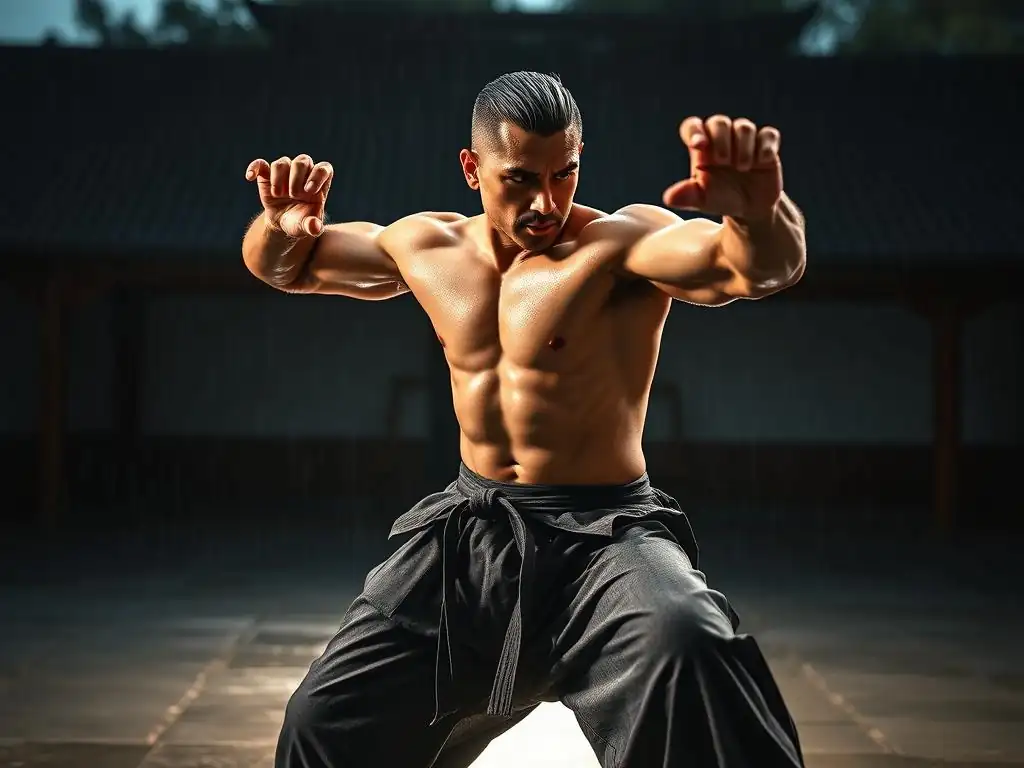
Welcome to Martial Arts Mastery, where the path to true mastery transcends mere physical prowess. Today, we delve into the profound philosophy that shapes the heart of a warrior.
Uncover the secrets of Jin, or benevolence, as we explore Bushido compassion strength training. Can compassion truly coexist with the demands of martial discipline? Prepare to challenge your perceptions and discover how cultivating empathy can unlock a deeper, more powerful understanding of the warrior's way.
- Understanding Jin: The Heart of Bushido Compassion
- The Role of Jin in Bushido Strength Training and Development
- Practical Applications of Jin in Bushido: Examples and Scenarios
- The Contrast: Lack of Jin and its Consequences in Martial Arts
- Jin and Bushido: A Modern Perspective on Warrior Compassion
- Cultivating Jin: Exercises and Practices for Developing Benevolence
- The Enduring Legacy of Jin in Bushido Philosophy
-
Frequently Asked Questions
- What is Jin and how does it relate to Bushido?
- Why is compassion considered "strength" in the context of Bushido compassion strength training?
- How does Jin influence a samurai's training regimen?
- How does Jin differ from other martial arts philosophies that emphasize aggression?
- What practical self-defense applications arise from integrating Jin into martial arts training?
- Final Reflection: Embracing Compassion in the Warrior's Path
- Embrace Jin: Unleash Your Inner Warrior of Compassion!
Understanding Jin: The Heart of Bushido Compassion
Defining Jin: Benevolence as a Core Virtue in Bushido
Jin (仁), often translated as benevolence, humanity, or compassion, stands as one of the seven principal virtues of Bushido, the Way of the Warrior. It represents the quality of being kind, considerate, and empathetic towards others, even those who may be considered adversaries. Unlike a simple feeling, Jin in Bushido is an active principle guiding a warrior's actions and decisions, emphasizing the responsibility that comes with power and skill. It is the understanding that true strength is not merely the ability to inflict harm, but the capacity to protect and uplift.
This virtue is deeply rooted in Confucian thought, which heavily influenced Japanese philosophy and the development of the samurai code. Confucius saw Ren (the Chinese equivalent of Jin) as the highest virtue, encompassing love, kindness, and empathy. For the samurai, integrating Jin meant tempering their formidable martial prowess with a profound respect for life and a commitment to justice and humanity. It was the ethical compass that ensured their strength served a higher purpose than mere conquest or personal gain, shaping their Bushido compassion.
The Importance of Compassion in the Samurai Code
Compassion, or Jin, was crucial within the samurai code as it provided a moral framework for the warrior class. While trained for combat and warfare, samurai were also expected to be leaders and administrators, responsible for the welfare of their domains and the people within them. Jin mandated that a samurai use their power and authority not oppressively, but with fairness and genuine concern for others. This included showing mercy to a defeated foe when appropriate, protecting the weak, and upholding justice.
Historical accounts, such as aspects of the Hagakure (though sometimes debated for its later interpretations), touch upon the ideal samurai's consideration for others. While the text is often seen as emphasizing readiness for death, it also subtly underscores the importance of loyalty, duty, and acting honorably towards one's lord and fellow man, which aligns with a broader understanding of Jin. True strength in Bushido was incomplete without this ethical dimension, making Bushido compassion a vital component of the warrior's character.
Jin vs. Other Virtues: How Benevolence Complements Bushido Principles
Jin interacts dynamically with the other core virtues of Bushido: Gi (Rectitude), Yu (Courage), Rei (Respect), Makoto (Honesty), Meiyo (Honor), and Chugi (Loyalty). While Yu provides the bravery to face danger, Jin guides how that courage is applied – not recklessly or cruelly, but with purpose and consideration. Gi dictates righteous conduct, and Jin ensures that righteousness is pursued with a heart for humanity, not just rigid adherence to rules. Rei, respect, is a direct manifestation of Jin, showing consideration for the dignity of others.
Consider the virtue of Meiyo, honor. While honor often demanded severe actions, including suicide (seppuku) to avoid disgrace, Jin offered a counterbalance. A samurai might choose a path of action guided by compassion if it served a greater good or protected innocent lives, even if it meant a potential compromise on a strict interpretation of personal honor. This interplay demonstrates that Bushido was not a rigid dogma but a complex ethical system where virtues like Jin provided the necessary humanity to temper the warrior's formidable capabilities, influencing their approach to Bushido strength training and application.
The Role of Jin in Bushido Strength Training and Development
Cultivating Compassion Through Martial Arts Practice
Martial arts training, particularly within the context of Bushido, offers a unique pathway to cultivating Jin. The rigorous discipline required hones not only physical strength but also mental fortitude and self-control. Practicing with partners necessitates awareness of their safety and well-being, fostering empathy. In sparring, for example, a practitioner learns to control their force, striking with intent but without unnecessary brutality, developing a sense of responsibility for their actions and their impact on others.
The hierarchical structure and etiquette of traditional dojos also reinforce Jin. Respect for instructors and senior students (Rei) goes hand-in-hand with treating beginners and peers with kindness and patience. Helping a fellow student understand a technique or recover from a stumble are practical expressions of Jin within the training environment. This constant interaction, built on mutual respect and shared effort towards improvement, naturally encourages the development of Bushido compassion among practitioners.
Jin as a Foundation for Ethical Conduct in and Out of the Dojo
Jin serves as a crucial ethical foundation that extends the principles learned in the dojo into all aspects of life. A true warrior, guided by Jin, understands that the power and skills acquired through Bushido strength training must be used responsibly. This means avoiding unnecessary conflict, standing up for the weak, and acting with integrity in all dealings. The self-discipline developed through martial arts translates into ethical self-governance, where the warrior chooses the path of compassion and justice even when it is difficult.
For samurai, this ethical conduct was paramount. Lord Uesugi Kenshin, a famous daimyo of the Sengoku period, is often cited for his adherence to Gi and Jin. He famously refused to participate in a salt embargo against a rival, Takeda Shingen, stating that "Warriors fight with swords, not with rice and salt." This act, rooted in a sense of justice and basic humanity (Jin), demonstrated how ethical principles informed strategic decisions, showcasing Bushido compassion in action beyond the battlefield.
How Benevolence Enhances a Warrior's Inner Strength and Resilience
Counterintuitively, benevolence significantly enhances a warrior's inner strength and resilience. Carrying the burden of unnecessary cruelty or guilt weakens the spirit. Practicing Jin, however, fosters a clear conscience and a sense of purpose rooted in something larger than oneself. This inner peace and moral clarity provide a deep well of resilience, allowing the warrior to face adversity, defeat, and even death with composure and dignity.
Furthermore, acting with compassion builds stronger relationships and earns respect, creating a network of support that can be invaluable in challenging times. A warrior known for their Jin is more likely to inspire loyalty and trust from their allies and even gain grudging respect from opponents. This moral authority, born from genuine benevolence, is a form of strength that no purely physical Bushido strength training can provide, making Jin an essential component of a truly powerful warrior.
Practical Applications of Jin in Bushido: Examples and Scenarios

Showing Compassion to Opponents: The Art of Non-Lethal Conflict Resolution
One of the most profound applications of Jin in Bushido is the ability to show compassion to opponents, even in the heat of conflict. This doesn't mean weakness, but rather the mastery to resolve conflict without unnecessary harm. In traditional martial arts training, techniques often include controls, joint locks, and throws designed to neutralize an opponent without killing them. This focus reflects a practical application of Jin – the ability to end a confrontation decisively but with the minimum necessary force.
Consider the concept of sutemi (捨身), often translated as "body abandonment" or sacrifice throw. While physically demanding, these techniques can also be seen through the lens of Jin, allowing a smaller or weaker person to overcome a larger aggressor by using their momentum, potentially ending the threat without lethal force. Historical accounts, such as the story of Yamaoka Tesshū, a famous swordsman and Zen master, sometimes describe duels ending not in death, but in the conversion or respectful yielding of the opponent, demonstrating the power of a warrior's presence and skill guided by Jin.
Benevolence in Leadership: Guiding and Mentoring Fellow Martial Artists
Jin is indispensable for leadership within the martial arts community, from the dojo Sensei to a senior student mentoring beginners. A leader embodying Jin guides with patience, understanding, and genuine concern for their students' growth and well-being, not just their technical skill. They create an environment where students feel safe to learn from mistakes, fostering loyalty and mutual respect.
A historical example, though perhaps more illustrative of a lack of Jin leading to consequences, can be inverted to show the value of benevolence in leadership. Harsh, cruel instructors or leaders often faced resentment, disloyalty, and ultimately, failure or overthrow. Conversely, leaders known for their fairness, generosity, and care for their followers, like the legendary founder of Aikido, Morihei Ueshiba, who emphasized harmony and love (expressions of Jin) in his teachings, inspired immense devotion and built lasting legacies. This benevolent leadership is crucial for effective Bushido strength training within a community.
Jin in Everyday Life: Extending Compassion Beyond the Training Mat
The principles of Bushido, including Jin, are meant to permeate every aspect of a warrior's life, not just combat or formal training. Extending compassion beyond the training mat means applying the lessons of self-control, empathy, and responsible use of strength in daily interactions. This involves being kind to family and strangers alike, contributing positively to one's community, and acting with integrity in professional and personal matters.
For a modern martial artist, practicing Jin in everyday life might look like volunteering time to teach self-defense to vulnerable groups, mediating disputes peacefully, or simply treating everyone they encounter with dignity and respect. It's about embodying the warrior's spirit not through aggression, but through service and empathy. This consistent application of Bushido compassion solidifies the virtue within the practitioner and demonstrates the true depth of their Bushido strength training.
The Contrast: Lack of Jin and its Consequences in Martial Arts
The Dangers of Ruthlessness and Uncontrolled Aggression
The absence of Jin often manifests as ruthlessness and uncontrolled aggression, traits fundamentally opposed to the ideal of the Bushido warrior. While aggression can be a tool in combat, uncontrolled aggression is a liability, leading to poor judgment, unnecessary violence, and alienation. A warrior driven solely by the desire to dominate, without the tempering influence of compassion, risks becoming a bully or a tyrant, feared but not respected.
In martial arts, a lack of Jin can lead to injury to training partners, a hostile dojo environment, and a focus solely on destructive power rather than skillful technique and ethical application. This narrow focus hinders true growth and understanding. Historically, samurai who acted with excessive cruelty or disregard for human life often alienated allies and subordinates, making them vulnerable to betrayal or resistance, illustrating the practical dangers of lacking Bushido compassion.
How a Lack of Compassion Weakens a Warrior's Spirit
A warrior who lacks compassion is ultimately weakened in spirit. Constantly operating from a place of aggression, fear, or indifference requires immense energy and leads to isolation. Without the capacity for empathy, they struggle to build genuine connections or inspire loyalty. This spiritual hollowness makes them brittle under pressure and susceptible to moral decay. True inner strength comes from a balanced character, one that integrates power with humanity.
The Hagakure contains anecdotes about samurai who became arrogant or overly focused on personal glory. While not always framed as a lack of Jin directly, these stories often imply a spiritual imbalance where virtues like humility and consideration were lost. Such warriors, despite their skill, lacked the depth and resilience provided by a compassionate heart, demonstrating how the absence of Bushido compassion undermines a warrior's inner fortitude.
Examples of Samurai History Where Lack of Jin Led to Downfall
Several figures in samurai history serve as cautionary tales of the consequences of lacking Jin. Oda Nobunaga, a powerful daimyo who played a key role in unifying Japan, was known for his brilliance but also his notorious ruthlessness. His brutality towards enemies and even perceived threats alienated many, contributing to his eventual betrayal and forced suicide at the hands of his own retainer, Akechi Mitsuhide. While complex historical events have multiple causes, Nobunaga's lack of widespread Jin certainly did not foster the loyalty that might have saved him.
Another example can be seen in the treatment of conquered populations. Samurai leaders who ruled with excessive cruelty and disregard for the welfare of the common people often faced peasant rebellions or lacked popular support when challenged by rivals. The stability and strength of a domain relied not just on military might, but on the benevolent governance that Jin encouraged. Leaders who failed in this aspect, neglecting Bushido compassion, often found their power base unstable and ultimately unsustainable.
Jin and Bushido: A Modern Perspective on Warrior Compassion
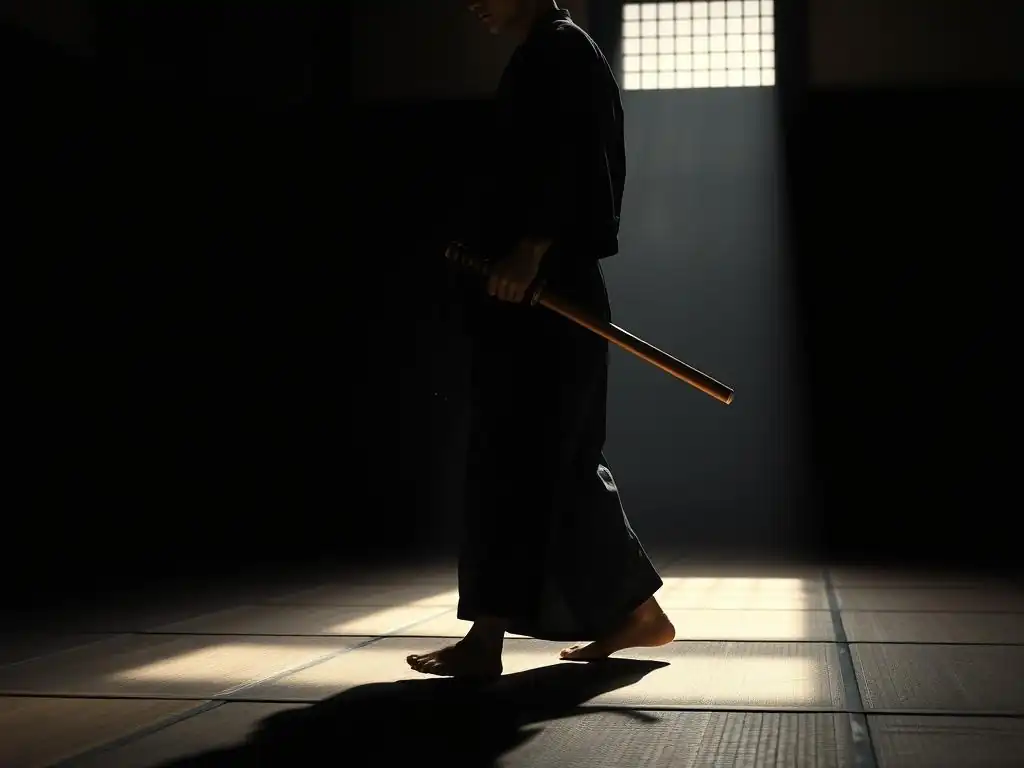
The Relevance of Jin in Contemporary Martial Arts Training
The virtue of Jin remains highly relevant in contemporary martial arts training. While many modern practitioners may not face life-or-death combat, the principles of self-control, respect for partners, and responsible use of force are essential. Dojo environments that emphasize Jin foster positive learning experiences, prevent injuries, and build strong, supportive communities. Instructors who embody Jin inspire their students and serve as positive role models, teaching that true mastery involves character development alongside physical skill.
Modern martial arts schools often explicitly teach about character virtues like respect, discipline, and perseverance, which are closely related to Jin. By focusing on the ethical dimensions of training, students learn that their abilities carry a responsibility to themselves and others. This approach ensures that Bushido strength training today is not just about fighting techniques but about building better individuals equipped with Bushido compassion.
Integrating Compassion into Self-Defense Strategies
Integrating compassion into self-defense strategies might seem counterintuitive, but it is a crucial aspect of applying Jin. Self-defense is fundamentally about preserving life and safety – one's own and, if possible, others'. A self-defense practitioner guided by Jin seeks to de-escalate conflict whenever possible, using physical force only as a last resort and only to the degree necessary to neutralize the threat.
This approach aligns with the legal and ethical considerations of self-defense in most societies. It emphasizes awareness, avoidance, and verbal de-escalation as primary strategies, with physical techniques serving as a necessary means of protection when all else fails. Training in this manner, focusing on control and necessary force rather than brute aggression, is a practical application of Bushido compassion in a modern context, demonstrating that effective self-defense is not about hurting others but about protecting oneself and others.
Finding Balance Between Power and Empathy
The modern warrior, whether a martial artist, a leader, or simply an individual navigating a complex world, must find balance between power and empathy. Power without empathy leads to tyranny and destruction. Empathy without the ability to act or protect can lead to helplessness. Jin represents the integration of these two forces: the strength to act decisively combined with the compassion to ensure that action serves the greater good and minimizes harm.
Achieving this balance is a lifelong practice, cultivated through training, reflection, and conscious effort. It means developing formidable skills (Bushido strength training) while simultaneously nurturing a deep sense of humanity (Bushido compassion). This harmonious blend is the hallmark of a truly accomplished individual, embodying the timeless ideal of the warrior who is both strong and kind.
Cultivating Jin: Exercises and Practices for Developing Benevolence
Mindfulness Techniques for Enhancing Empathy
Mindfulness techniques are powerful tools for cultivating Jin by increasing self-awareness and empathy. Practices like meditation help quiet the internal noise and allow for a clearer understanding of one's own emotions and reactions. This self-awareness is the first step towards understanding others. By observing thoughts and feelings without judgment, one develops the capacity to recognize and validate the experiences of others.
Specific mindfulness exercises, such as loving-kindness meditation (Metta), directly focus on cultivating compassionate feelings towards oneself and others, starting with loved ones, extending to neutral parties, then to difficult individuals, and finally to all beings. Regular practice of these techniques can rewire neural pathways, making compassionate responses more natural and accessible, thereby enhancing Bushido compassion.
Practicing Active Listening and Understanding Others' Perspectives
Active listening is a practical skill vital for developing Jin. It involves fully concentrating on, understanding, responding to, and remembering what is being said. This goes beyond merely hearing words; it's about grasping the speaker's underlying emotions, intentions, and perspective. In a world often characterized by quick judgments and superficial interactions, truly listening with an open heart is an act of profound benevolence.
Making a conscious effort to understand others' perspectives, even those with whom one disagrees, breaks down barriers and fosters empathy. This might involve asking clarifying questions, reflecting on what has been said, and withholding judgment until the other person has fully expressed themselves. This practice directly nurtures Bushido compassion by building bridges of understanding rather than walls of division.
Service to Others: Applying Jin Through Community Involvement
Perhaps the most direct way to apply and strengthen Jin is through active service to others and community involvement. Putting compassion into action transforms it from an abstract concept into a lived reality. Volunteering time, donating resources, or simply offering help to those in need are tangible expressions of benevolence that reinforce the warrior's connection to humanity.
For a martial artist, this could involve teaching self-defense to underprivileged youth, organizing charity events, or using their discipline and organizational skills to support community initiatives. These actions not only benefit others but also deepen the practitioner's understanding of Bushido compassion, reinforcing the ethical dimensions of their Bushido strength training and demonstrating that true power lies in contributing positively to the world.
The Enduring Legacy of Jin in Bushido Philosophy
How Jin Contributes to a More Just and Harmonious World
The virtue of Jin, when widely practiced, has the power to significantly contribute to a more just and harmonious world. In a society where individuals act with benevolence and compassion, conflicts are more likely to be resolved peacefully, vulnerable populations are better protected, and relationships are built on trust and mutual respect. Jin encourages individuals to look beyond their immediate self-interest and consider the well-being of the collective.
Historically, periods of stable and prosperous rule in Japan often coincided with leaders who, to some degree, embodied the principles of benevolent governance rooted in Confucian ideals like Jin. While never perfectly achieved, the aspiration towards a society guided by compassion remains a powerful force for positive change, underscoring the enduring relevance of Bushido compassion.
The Importance of Passing Down the Virtue of Compassion to Future Generations
Passing down the virtue of compassion to future generations is essential for maintaining the ethical core of martial arts and ensuring its positive impact on society. Without explicit teaching and role modeling of Jin, martial arts training risks becoming purely about physical combat, losing its deeper philosophical and ethical dimensions. Instructors and senior students bear the responsibility of demonstrating Jin in their actions and explaining its importance to beginners.
By emphasizing Bushido compassion alongside technical skills, martial arts schools can help shape young people into responsible, empathetic, and strong individuals who understand that true power is wielded with care and consideration. This ensures that the legacy of Bushido is not just one of martial prowess, but one of character and humanity, continuing the tradition of integrating Jin into Bushido strength training and life.
Jin as a Timeless Reminder of the True Strength of a Warrior's Heart
Ultimately, Jin stands as a timeless reminder that the true strength of a warrior's heart lies not in their ability to dominate or destroy, but in their capacity for compassion, humanity, and benevolence. It is the virtue that elevates martial skill beyond mere violence and imbues it with purpose and meaning. A warrior without Jin is incomplete, lacking the moral depth that defines true mastery.
The enduring appeal of Bushido lies partly in this aspirational ideal – the warrior who is both fearsome in skill and gentle in spirit. Jin is the key to unlocking this higher level of being, proving that the greatest victories are often won not on the battlefield, but within the heart, through the cultivation of Bushido compassion as a fundamental aspect of Bushido strength training and life itself.
Frequently Asked Questions
What is Jin and how does it relate to Bushido?
Jin is a central tenet of Bushido, often translated as benevolence, compassion, or humaneness. It emphasizes a warrior's responsibility to protect the weak and act with kindness, not just exhibit strength. It is the moral compass of a true samurai.
Why is compassion considered "strength" in the context of Bushido compassion strength training?
In Bushido, true strength isn't just physical; it includes moral fortitude. Compassion requires self-control and empathy, preventing the warrior from becoming a brutal aggressor. This controlled strength is more powerful than uncontrolled aggression.
How does Jin influence a samurai's training regimen?
Jin encourages a samurai to train not just for combat, but also for self-improvement and service to others. This includes developing mental fortitude and ethical conduct, alongside physical prowess. They are training to be a protector of the weak.
How does Jin differ from other martial arts philosophies that emphasize aggression?
While some martial arts focus solely on offensive techniques, Jin in Bushido emphasizes responsible use of power. It balances aggression with compassion and restraint, ensuring the warrior acts justly and ethically.
What practical self-defense applications arise from integrating Jin into martial arts training?
Integrating Jin promotes de-escalation tactics and proportionate responses in self-defense situations. It encourages finding peaceful resolutions whenever possible, resorting to force only as a last resort, and then with controlled precision.
Final Reflection: Embracing Compassion in the Warrior's Path
The exploration of Jin, or benevolence, within the framework of Bushido reveals a profound truth that resonates even more powerfully today: true strength lies not only in martial prowess but also in the unwavering commitment to compassion and empathy. In a world often driven by aggression and self-interest, the principles of Bushido, particularly the emphasis on Jin, offer a vital counterpoint, reminding us that genuine leadership and lasting impact are forged through acts of kindness and service to others.
The integration of compassion into the warrior's code, as exemplified by Jin, has undeniably shaped the cultural understanding of strength and honor. It challenges the simplistic notion of power as purely physical or aggressive, instead highlighting the importance of emotional intelligence and ethical conduct. Personally, I find this concept deeply inspiring, as it suggests that true mastery lies in balancing strength with vulnerability, discipline with empathy. The ultimate aim of martial arts is not having to use them.
This quote encapsulates the essence of Jin, suggesting that the greatest victory is achieved through peace and understanding, rather than conflict and domination.
Let us, therefore, consider how we can embody the spirit of Jin in our own lives. Cultivate compassion in your interactions, seek to understand the perspectives of others, and strive to use your strength, whatever form it may take, to uplift and empower those around you. Embrace the challenge of Bushido compassion strength training, not just in the physical realm, but in the development of your character, and you will discover the transformative power of a truly benevolent heart.
Embrace Jin: Unleash Your Inner Warrior of Compassion!
Thank you for exploring the profound depths of Jin and its role in Bushido. You've uncovered the secret to true strength – a strength rooted in compassion. Now, let's put that wisdom into action.
- Begin practicing daily acts of kindness and empathy, focusing on understanding and supporting those around you. This is the heart of Jin.
- Reflect on how you can integrate Jin into your martial arts training, considering how compassion can influence your interactions with training partners.
- Share this article with fellow martial artists and discuss how Jin can elevate our practice beyond mere physical prowess.
How will you embody Jin's compassionate strength in your daily life, starting today?