
The Global Impact of Bushido: How Samurai Ideals Shaped Martial Arts Worldwide

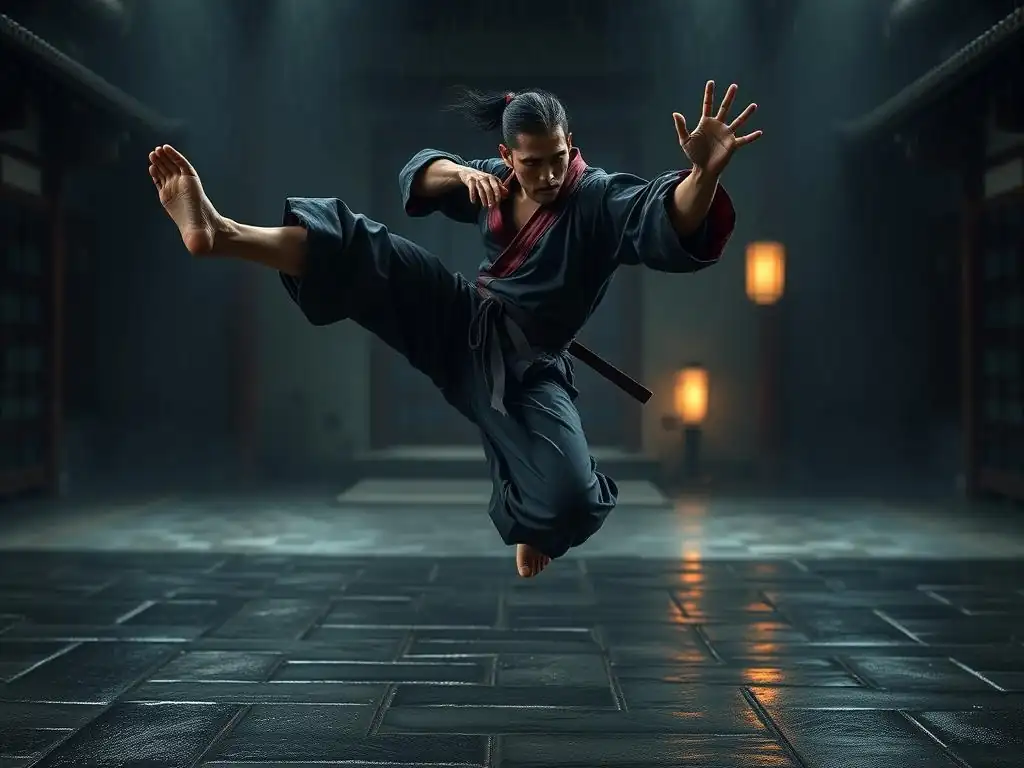
Welcome to Martial Arts Mastery, where we delve into the rich tapestry of combat traditions! Ever wondered how the code of the Samurai resonates beyond the battlefield? Explore the profound influence of Samurai ethics on martial arts disciplines worldwide and discover how Bushido continues to shape the philosophies and practices we embrace today. Prepare to embark on a journey of honor, discipline, and the enduring spirit of the warrior.
- Introduction: Understanding Bushido and its Enduring Influence
-
Core Principles of Bushido and Their Manifestation in Martial Arts
- Gi (義): Rectitude and Justice in Combat Ethics
- Yu (勇): Courage and Bravery in Martial Arts Practice
- Jin (仁): Benevolence and Compassion in Martial Arts Instruction
- Rei (礼): Respect and Courtesy in Martial Arts Dojo Etiquette
- Makoto (誠) or Shin (信): Honesty and Sincerity in Martial Arts Training
- Meiyo (名誉): Honor and Glory in Martial Arts Achievement
- Chugi (忠義): Loyalty and Duty in Martial Arts Tradition
- How Samurai Ethics Influenced Martial Arts: Global Case Studies
- Beyond Combat: The Broader Significance of Bushido in Personal Development
- Conclusion: The Enduring Legacy of Bushido in Martial Arts
-
Frequently Asked Questions
- How did Bushido, the Samurai code, influence martial arts outside of Japan?
- What are some specific ethical principles from Bushido that are found in modern martial arts?
- How does the Samurai emphasis on self-discipline translate into practical training in martial arts?
- Did the focus on "death before dishonor" in Bushido impact the development of self-defense strategies in martial arts?
- Are there any criticisms of applying Bushido principles to modern martial arts training?
- Final Reflection: The Enduring Spirit of Bushido
- Embrace the Bushido Spirit: Transform Your Practice Today!
Introduction: Understanding Bushido and its Enduring Influence
Defining Bushido: The Samurai Code of Ethics
Bushido, often translated as "the Way of the Warrior," is an unwritten code of conduct that guided the lives of the samurai, the military nobility of pre-modern Japan. It was not a formal, static set of laws but rather a dynamic collection of principles and virtues that evolved over centuries, primarily from the Edo period (1603-1867). At its core, Bushido emphasized moral values such as righteousness, courage, benevolence, respect, sincerity, honor, and loyalty.
These principles weren't just for the battlefield; they permeated every aspect of a samurai's existence, from their interactions with others to their personal discipline and self-cultivation. The ethical framework provided by Bushido was intended to create individuals who were not only formidable warriors but also morally upright and honorable members of society.
This ethical code profoundly shaped the samurai class's worldview, influencing their education, their art, and, critically, their martial practices. While the specific interpretation and emphasis on different virtues varied across time and region, the fundamental ideal remained consistent: to live and die with honor, serving one's lord and upholding one's personal integrity.
This focus on internal discipline and external conduct meant that fighting ability alone was insufficient; it had to be tempered by character and virtue. The impact of Samurai ethics influenced martial arts development deeply, fostering a connection between combat skill and moral development that would resonate far beyond Japan's borders.
The Historical Context: Bushido's Origins in Feudal Japan
Bushido emerged and solidified during Japan's feudal era, a period characterized by prolonged civil conflict and the rise of the samurai class as the dominant military and political force. While warrior codes existed earlier, particularly influenced by Buddhism, Shinto, and Confucianism, the term "Bushido" itself gained prominence later, especially during the relatively peaceful Edo period. During this time, with fewer active battles, the samurai transitioned from purely military roles to administrative and intellectual ones. This shift allowed for the formalization and philosophical exploration of warrior ideals, emphasizing self-cultivation and ethical conduct as much as martial prowess.
The origins of what would become known as Bushido can be traced back to the Kamakura period (1185-1333), where the warrior's loyalty to his lord and bravery in battle were paramount. Over subsequent centuries, particularly during the Warring States period (Sengoku Jidai, 1467-1615), practicality and survival often trumped strict ethical codes.
However, the Edo period's stability allowed for a romanticized and codified version of the warrior's path to flourish, heavily influenced by Confucian ethics which provided a framework for social order and duty. It was within this historical crucible that the principles of Bushido were refined, creating a legacy of Samurai ethics that influenced martial arts practices and philosophies for generations to come, both within Japan and eventually, globally.
Why Bushido's Influence Still Matters in Modern Martial Arts
Though the age of the samurai ended with the Meiji Restoration in 1868, the philosophical and ethical underpinnings of Bushido did not disappear. Instead, they were consciously integrated into many modern Japanese martial arts (Gendai Budo) that were systematized in the late 19th and 20th centuries, such as Judo, Aikido, and Karate-do. These arts aimed to provide not just physical training but also moral and spiritual development, directly echoing the dual emphasis of the samurai code. The dojo became a place for character building as much as combat training, embodying the idea that true mastery involves perfecting oneself.
Today, students of martial arts worldwide encounter principles derived from Bushido, often without explicit knowledge of their origin. Concepts like respect for the instructor and training partners, discipline, perseverance through difficulty, humility, and the pursuit of self-improvement are ubiquitous in dojos across diverse styles.
These aren't merely arbitrary rules; they are remnants of the ethical framework that defined the samurai. Understanding how Samurai ethics influenced martial arts provides deeper insight into the philosophical heart of these disciplines, explaining why practices like bowing, meditation, and strict etiquette remain integral parts of training, reinforcing the idea that martial arts are a path (Do) for life, not just fighting.
Core Principles of Bushido and Their Manifestation in Martial Arts
Gi (義): Rectitude and Justice in Combat Ethics
Gi, often translated as righteousness or justice, is arguably the most fundamental principle of Bushido. It signifies the importance of making morally correct decisions, even in the face of difficulty or danger. For the samurai, this meant upholding their duty, acting with integrity, and knowing when to fight and when to refrain, based on a strong internal moral compass rather than mere expediency or personal gain.
It's about doing what is right because it is right, adhering to a strict standard of justice in one's actions. In the context of martial arts, Gi translates to the ethical conduct both within the training environment and in real-world application, emphasizing fairness, honesty, and a sense of moral responsibility.
Applying the principle of Gi in martial arts practice means adhering strictly to the rules of engagement, whether in sparring, competition, or self-defense scenarios. It involves exercising control and restraint, using techniques appropriately, and never employing unfair tactics or unnecessary violence. This ethical dimension distinguishes a skilled martial artist guided by principle from a mere brawler. The influence of Samurai ethics on martial arts, particularly through the concept of Gi, instills a sense of honor and responsibility, ensuring that physical power is wielded justly and ethically, reflecting a commitment to righteousness in all interactions.
Examples of Gi in Kendo
In Kendo, the Japanese art of swordsmanship, Gi is visibly demonstrated through strict adherence to etiquette and rules. A kendo practitioner (kendoka) must strike only the prescribed targets (men, kote, do, tsuki) and do so with proper spirit (kiai) and posture (zanshin, meaning remaining awareness).
Strikes that are technically sound but delivered with poor spirit or intent are not counted, reinforcing that technique must be accompanied by correct ethical intent. Furthermore, kendoka are expected to immediately acknowledge a valid point scored against them without dispute, showing humility and respect for the opponent and the judges' decision, embodying the principle of justice and fairness on the dueling ground.
Another manifestation of Gi in Kendo is the concept of sonkyo, the squatting posture performed before and after practice or a match. This is a gesture of mutual respect and humility between opponents, acknowledging the inherent danger of the practice and the shared commitment to training ethically.
During practice, if a kendoka accidentally injures their partner, they are expected to show genuine concern and apologize sincerely, demonstrating benevolence (Jin, another Bushido principle, often intertwined with Gi). These practices highlight how Samurai ethics influenced martial arts like Kendo, embedding principles of rectitude and justice into the very fabric of training rituals and competitive conduct.
Examples of Gi in Aikido
Aikido, a martial art founded by Morihei Ueshiba (O-Sensei), strongly emphasizes Gi through its philosophy of non-aggression and harmony. While Aikido techniques are highly effective for self-defense, they are fundamentally designed to neutralize an attack and control the opponent without inflicting unnecessary harm. The goal is often to blend with the attacker's energy and redirect it, leading to throws or joint locks that resolve the conflict safely for both parties. This reflects the principle of Gi by seeking a just resolution that avoids excessive violence, embodying righteousness even in confrontation.
Training in Aikido also involves a high degree of cooperation between partners (uke and nage). Uke's role is not just to be thrown; they must attack sincerely to allow nage to practice effectively, but also respond correctly to protect themselves from injury. Nage, in turn, must execute techniques with control and care for their partner's safety.
This mutual responsibility and care exemplifies Gi, promoting an ethical approach to training where the pursuit of skill is balanced with respect and concern for others. The ethical dimension inherent in Aikido demonstrates clearly how Samurai ethics influenced martial arts philosophies focused on harmony and non-violence, extending the concept of justice beyond mere combat rules to encompass a broader ethical interaction.
Yu (勇): Courage and Bravery in Martial Arts Practice
Yu, representing courage, bravery, and valor, was essential for the samurai who faced death regularly. It wasn't just about physical fearlessness in battle, but also the moral courage to stand for one's beliefs and make difficult choices. In martial arts, Yu is crucial for overcoming physical challenges, facing opponents, and pushing one's own perceived limits. It's the quality that allows practitioners to step onto the mat or into the ring despite nerves, to attempt a difficult technique they might fail at, or to endure rigorous training that tests their physical and mental fortitude.
Cultivating Yu in martial arts training means confronting discomfort, pain, and the fear of failure or injury. It involves pushing through exhaustion during conditioning, staying calm under pressure during sparring, and having the resilience to get back up after being thrown or knocked down. This bravery isn't reckless; it is tempered by wisdom and awareness (another aspect of Bushido). The development of Yu through consistent practice builds mental toughness and resilience that extends far beyond the dojo, demonstrating how Samurai ethics influenced martial arts to become a path for cultivating not just physical strength, but profound inner courage.
How Yu Translates to Sparring
Sparring is a direct test of Yu in many martial arts. Stepping onto the mat to face an opponent, especially one who is more experienced or physically imposing, requires significant courage. There is the physical risk of being hit, thrown, or submitted, but also the psychological vulnerability of potentially being defeated or making mistakes in front of others. Yu allows practitioners to overcome this apprehension and engage sincerely, viewing sparring not as a fight to win at all costs, but as an opportunity to test their skills, learn under pressure, and understand their own reactions in a dynamic situation.
Furthermore, Yu is needed to experiment and improve during sparring. Trying out new techniques that feel awkward or unfamiliar, or deliberately putting oneself in challenging positions to practice defense or escapes, requires courage. It's easier to stick to what is safe and known.
However, true progress comes from stepping outside one's comfort zone, accepting the possibility of failure or getting caught, and learning from those experiences. This willingness to take calculated risks and face discomfort head-on is a direct application of the Bushido principle of Yu, showing how Samurai ethics influenced martial arts training methodologies focused on challenging the practitioner's limits.
The Mental Fortitude Required by Yu in Judo
Judo, the "gentle way," paradoxically demands immense physical and mental fortitude, embodying the principle of Yu. Learning breakfalls ( ukemi) requires overcoming the natural fear of falling and hitting the ground repeatedly. Initially, this can be physically jarring and mentally intimidating, but courage allows the judoka to practice falling safely, which is fundamental to preventing injury and allowing dynamic throwing techniques. Without the bravery to fall correctly, the art cannot be practiced effectively or safely.
Beyond breakfalls, Judo practice involves constant physical contact, grappling, and being subjected to throws and pins. Enduring the pressure of groundwork (newaza), resisting pins, and attempting escapes when exhausted require significant mental toughness rooted in Yu. Facing stronger or more skilled partners who can easily throw or control you requires courage to persevere and learn from each encounter rather than becoming discouraged. This resilience and willingness to face physical discomfort and potential defeat are key aspects of the mental fortitude fostered by Judo, illustrating how Samurai ethics influenced martial arts to build inner strength alongside physical skill.
Jin (仁): Benevolence and Compassion in Martial Arts Instruction
Jin, representing benevolence, compassion, and humanity, might seem counterintuitive for a warrior code, but it was considered a vital virtue in Bushido. It meant showing kindness and empathy, especially towards the weak or less fortunate, and governing with a humane heart. For the samurai, Jin balanced their capacity for violence with a sense of moral responsibility and empathy. In martial arts, Jin manifests as the compassionate interaction between instructors and students, and among training partners, emphasizing mutual welfare, support, and understanding within the dojo community.
Applying Jin in martial arts instruction involves teaching with patience, understanding, and genuine care for the student's development, not just their technical skill but also their character. It means recognizing individual limitations and challenges, offering encouragement, and fostering a safe and supportive learning environment. Among peers, Jin translates to training responsibly with partners, being mindful of their safety and limitations, and offering help and support. This principle ensures that the pursuit of martial prowess is tempered with kindness and empathy, highlighting how Samurai ethics influenced martial arts to be a vehicle for cultivating positive human relationships and moral character.
Demonstrating Jin Through Mentorship
Experienced practitioners and instructors demonstrate Jin through mentorship. This involves taking newer or less experienced students under their wing, patiently explaining techniques, offering personalized advice, and providing encouragement during challenging moments. It's not just about correcting physical movements; it's about guiding the student's journey in the art, helping them overcome mental hurdles, and fostering their passion. A senior student demonstrating Jin might spend extra time helping a beginner practice a difficult form or offer words of support after a tough sparring session, showing genuine care for their development beyond their own.
Instructors embody Jin by creating an atmosphere of mutual respect and support in the dojo. They tailor their teaching approach to different students' needs, understand when to push and when to encourage rest, and prioritize safety above all else. They serve as role models for ethical conduct, demonstrating patience and understanding even when students struggle. This compassionate guidance is a direct reflection of the benevolence valued in Bushido, illustrating how Samurai ethics influenced martial arts teaching methodologies to prioritize the holistic growth and well-being of the student.
The Role of Jin in Developing Empathy
Training partners also cultivate Jin by developing empathy for one another. Martial arts training, especially practices involving throws, joint locks, or grappling, requires partners to be acutely aware of each other's bodies and limits. An Aikido partner must understand how much force is appropriate when attacking to allow the technique to work but also protect themselves. A Judo partner must execute a throw with control to ensure their partner can breakfall safely. This constant need to be mindful of the other person's safety and comfort fosters empathy – the ability to understand and share the feelings of another.
This empathy is crucial for safe and effective training. If a technique is causing pain or discomfort, Jin prompts the practitioner to adjust their application, communicate with their partner, and prioritize their partner's well-being over executing the technique perfectly or "winning" the exchange. This reciprocal care builds trust and strengthens the bonds within the dojo community. The emphasis on mutual welfare and compassionate interaction underscores how Samurai ethics influenced martial arts to be a practice that develops not only physical skill but also the capacity for empathy and humane conduct towards others.
Rei (礼): Respect and Courtesy in Martial Arts Dojo Etiquette
Rei, signifying respect, courtesy, and politeness, is one of the most visible manifestations of Bushido in martial arts today. For the samurai, Rei dictated proper social conduct, emphasizing humility, consideration for others, and adherence to established rituals. It was a way of maintaining social harmony and demonstrating one's own cultivation and dignity. In the dojo, Rei governs the intricate system of etiquette – bowing upon entering and leaving, bowing to the instructor and partners, showing deference to seniors, and maintaining cleanliness and order.
This strict adherence to etiquette is far more than mere formality; it is a practice designed to cultivate humility, mindfulness, and respect for the training space, the art itself, the lineage, the instructor, and fellow practitioners. It creates a disciplined and harmonious environment essential for focused learning and safe practice. By practicing Rei, students internalize the value of humility and respect, recognizing that they are part of a tradition and a community. This emphasis on courtesy demonstrates how Samurai ethics influenced martial arts to prioritize not just physical technique but also the cultivation of a respectful and disciplined character.
Examples of Rei in Bowing Rituals
Bowing ( rei) is perhaps the most ubiquitous example of Rei in martial arts. Upon entering and leaving the dojo, practitioners typically bow towards the shomen (front of the dojo, often housing a shrine or portrait of the founder) as a sign of respect for the art, its lineage, and the space itself.
Before and after practicing with a partner, practitioners bow to each other, acknowledging the mutual trust and cooperation required for training and expressing gratitude for the opportunity to learn together. Bowing to the instructor at the beginning and end of class, and when receiving instruction, signifies respect for their knowledge, experience, and guidance.
These bowing rituals, varying slightly between styles and dojos, are not empty gestures. They are intended to be performed with sincerity and mindfulness, centering the practitioner and reminding them of their purpose and their connection to others. The depth and duration of the bow can convey different levels of respect. This ingrained practice of formal courtesy is a direct inheritance from the samurai code, showing how Samurai ethics influenced martial arts by embedding the principle of respect into the fundamental rituals of training, reinforcing humility and proper social conduct.
The Importance of Rei for Building Strong Training Relationships
Practicing Rei extends beyond formal bowing to encompass all interactions within the dojo. This includes speaking respectfully to instructors and seniors, being punctual for class, keeping training gear clean, and helping maintain the cleanliness of the dojo. When receiving feedback, a student practicing Rei listens attentively and responds respectfully, even if the feedback is critical. During practice, being mindful not to cause unnecessary discomfort or injury to a partner is also an aspect of Rei, intertwined with Jin.
This consistent demonstration of respect and courtesy is vital for building strong, trusting relationships between training partners and between students and instructors. When practitioners feel respected and safe, they are more open to learning, more willing to challenge themselves, and more likely to support their peers. A dojo environment where Rei is genuinely practiced fosters a sense of community and mutual support, which is essential for long-term development in martial arts. The emphasis on these social graces highlights how Samurai ethics influenced martial arts to be a discipline that cultivates not just individual skill but also harmonious collective practice.
Makoto (誠) or Shin (信): Honesty and Sincerity in Martial Arts Training
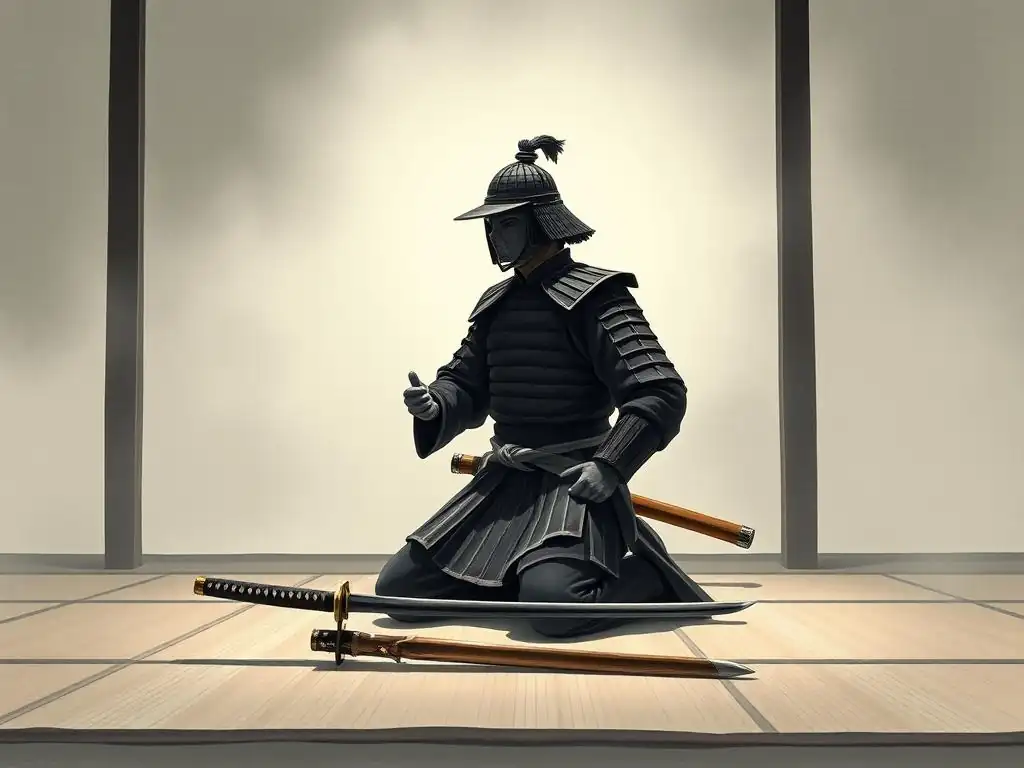
Makoto (or Shin), representing honesty, sincerity, and integrity, was a cornerstone of Bushido. It meant being truthful in word and deed, free from deceit or pretense. A samurai's word was his bond, and his actions were expected to align with his stated principles. In martial arts, Makoto/Shin translates to being honest with oneself and others about one's abilities, limitations, and intentions. It involves training with genuine effort, being truthful in practice exchanges, and maintaining integrity in all aspects of one's martial journey.
Cultivating Makoto/Shin means training with sincerity, giving one's full effort in every technique and exercise, and not cutting corners. It involves being honest about one's progress – acknowledging weaknesses as well as strengths – and seeking genuine improvement rather than superficial displays of skill.
In practice with partners, it means performing techniques or attacks as realistically as possible (while maintaining safety), and reacting truthfully to techniques applied by others. This commitment to honesty and integrity ensures that training is effective and that the practitioner develops a strong sense of self-awareness and accountability, reflecting how Samurai ethics influenced martial arts to be a path of genuine self-discovery and integrity.
Upholding Makoto in Fair Play
Upholding Makoto in martial arts practice is particularly evident in sparring and competitive contexts where fair play is essential. This means honestly acknowledging when a technique has been successfully applied against you, even if it wasn't forceful. For instance, in sports like Fencing or certain Karate kumite formats where light contact or tagging is involved, a practitioner upholding Makoto will admit when they've been touched in a valid area, even if the judge didn't see it. This honesty ensures the integrity of the practice or match and demonstrates respect for the rules and the opponent.
Similarly, in arts involving grappling or submissions, Makoto requires a practitioner to tap out when caught in a hold they cannot escape, rather than risking serious injury or falsely claiming they were not properly caught. It also means not exaggerating discomfort or injury to gain an advantage or avoid a difficult situation. This commitment to truthfulness in the heat of practice or competition is a direct application of the Bushido principle of sincerity, illustrating how Samurai ethics influenced martial arts to prioritize ethical conduct and fair play over winning through deceit.
The Connection Between Shin and Accountability
The principle of Shin, often emphasizing trust and reliability, is closely linked to accountability in martial arts training. Being sincere (Shin) means being reliable – showing up for training consistently, putting in the required effort, and following through on commitments. It also means being accountable for one's own learning and progress. A student demonstrating Shin doesn't blame others for their lack of progress; they honestly assess their own effort and dedication.
Furthermore, in partner practice, Shin requires being a trustworthy partner. This means applying techniques with the agreed-upon level of resistance and control, and reacting truthfully and safely when techniques are applied to you. If an instructor gives feedback, Shin dictates listening sincerely and making an honest effort to implement the suggestions. This practice of honesty and reliability fosters a strong sense of personal responsibility and builds trust within the training community, demonstrating how Samurai ethics influenced martial arts to cultivate individuals who are not only skilled but also accountable and dependable.
Meiyo (名誉): Honor and Glory in Martial Arts Achievement
Meiyo, representing honor and glory, was paramount to the samurai. Their reputation and the honor of their family and lord were often considered more valuable than life itself. Meiyo was earned through courageous deeds, righteous conduct, and upholding one's principles. In martial arts, Meiyo relates to the honor earned through dedicated training, skill mastery, ethical conduct, and contributing positively to the martial arts community. It's about striving for excellence not for arrogance, but as a reflection of one's commitment and integrity.
Pursuing Meiyo in martial arts means dedicating oneself to mastering techniques, understanding the principles of the art, and embodying its philosophy. It involves training diligently, seeking continuous improvement, and striving to perform at one's best in practice and in life. However, Meiyo is not solely about winning or achieving high rank; it is fundamentally tied to how one pursues these goals – with integrity, respect, and sincerity. This pursuit of honorable achievement underscores how Samurai ethics influenced martial arts to be a path where reputation is built on character as much as on skill.
Pursuing Meiyo Through Skill Mastery
Skill mastery is a primary way martial artists pursue Meiyo. This involves countless hours of dedicated practice, focusing on precision, power, and understanding. It means refining basic techniques repeatedly, pushing oneself to learn complex movements, and seeking to understand the deeper principles behind the physical actions. Achieving a high level of proficiency, earning rank through legitimate effort, and being recognized for one's skill and dedication by instructors and peers are all forms of earning Meiyo within the martial arts context.
However, this pursuit of skill is intertwined with the other Bushido principles. True Meiyo is earned when skill mastery is achieved through honest effort (Makoto), demonstrated with respect for others (Rei), and tempered with humility. A highly skilled martial artist who is arrogant or disrespectful would not be considered to possess true Meiyo according to Bushido principles. This emphasis on the ethical dimension of achievement highlights how Samurai ethics influenced martial arts to value the journey of mastery, undertaken with integrity, as a source of genuine honor.
Maintaining Meiyo Even in Defeat
Perhaps the most profound test of Meiyo comes not in victory, but in defeat. For the samurai, losing dishonorably was worse than death. In martial arts, maintaining Meiyo in defeat means losing with grace, dignity, and humility. It involves acknowledging the opponent's skill, congratulating them sincerely, and reflecting on one's own performance honestly without making excuses. It is about showing resilience and a commitment to learning from the experience.
A practitioner who throws a tantrum after losing, blames external factors, or disrespects their opponent or the officials demonstrates a lack of Meiyo, regardless of their technical skill. Conversely, a practitioner who loses a match but bows respectfully, thanks their opponent and instructor, and expresses determination to train harder embodies Meiyo. This ability to face failure with integrity and resilience is a powerful application of Bushido, demonstrating how Samurai ethics influenced martial arts to be a discipline that builds character and honor, even in the face of adversity.
Chugi (忠義): Loyalty and Duty in Martial Arts Tradition
Chugi, representing loyalty and duty, was a core virtue for the samurai, whose primary allegiance was to their lord. This loyalty was absolute, sometimes even demanding the ultimate sacrifice. While modern martial arts do not involve feudal lords or capital punishment, the principle of Chugi translates to loyalty and duty towards one's dojo, instructor (Sensei), training partners, and the art itself. It involves respecting the lineage, upholding the standards of the school, and contributing to the community.
Demonstrating Chugi in martial arts means being dedicated to one's training commitment, supporting the dojo and its activities, and showing respect and trust towards the instructor and the school's teachings. It involves understanding that one is part of a tradition that extends back through the instructor to the founders of the art, and feeling a sense of duty to honor that lineage through dedicated practice and ethical conduct. This principle underscores how Samurai ethics influenced martial arts to be more than just individual physical training, but a communal practice rooted in loyalty and tradition.
Demonstrating Chugi to Sensei/Instructor Through Respecting Lineage
Loyalty to one's Sensei or instructor is a key expression of Chugi in the dojo. This doesn't imply blind obedience, but rather a deep respect for their experience, knowledge, and dedication to teaching. It involves trusting their guidance, following their instructions diligently, and showing gratitude for their efforts. Respecting the lineage means recognizing that the techniques and knowledge being taught have been passed down through generations, often from the founder of the art, and honoring that tradition by practicing faithfully and upholding its standards.
This loyalty is demonstrated through consistent attendance, sincere effort in class, and representing the dojo and the Sensei honorably outside of training. It also involves supporting the Sensei and the dojo community, perhaps by helping with cleaning, assisting junior students, or participating in dojo events. This commitment to the instructor and the school lineage reflects the spirit of Chugi, illustrating how Samurai ethics influenced martial arts to foster strong bonds of loyalty and respect within the training community, mirroring the samurai's devotion to their lord.
The Role of Chugi in Preserving Traditional Forms
Chugi also plays a vital role in preserving the traditional forms ( kata), techniques, and philosophy of a martial art. Many martial arts emphasize the importance of practicing techniques exactly as they were taught, passed down through the lineage. This requires a sense of duty to the tradition – a commitment to learning and transmitting the art accurately, without altering it for personal convenience or perceived improvement unless sanctioned by the lineage.
By diligently practicing traditional kata, students contribute to the preservation of the art's history, principles, and technical details. This requires loyalty to the founder's vision and the generations of practitioners who have maintained the art. This sense of duty to preserve and pass on the tradition is a direct echo of the samurai's loyalty to their heritage and way of life, showing how Samurai ethics influenced martial arts to instill a deep respect for tradition and a commitment to its continuation.
How Samurai Ethics Influenced Martial Arts: Global Case Studies
Case Study 1: Bushido's Impact on Karate-do
Karate-do, originating in Okinawa and heavily influenced by Chinese martial arts, developed its philosophical depth partly through interaction with mainland Japanese culture, where Bushido principles were prevalent. While Okinawan martial arts had their own ethical frameworks, the systematization and formalization of Karate into "Karate-do" (the "Way of the Empty Hand") during the late 19th and early 20th centuries saw a conscious incorporation of Bushido ideals, particularly as it was introduced to mainland Japan and later spread globally.
Masters like Gichin Funakoshi, often considered the father of modern Karate, explicitly linked Karate training to character development and ethical conduct, echoing Bushido's emphasis on moral cultivation alongside physical technique.
The dojo kun (training hall precepts) found in many Karate styles directly reflect Bushido values, emphasizing virtues like respect, sincerity, effort, and self-control. For example, a common dojo kun includes phrases like "Seek perfection of character," "Be faithful," "Endeavor," "Respect others," and "Refrain from violent behavior." These precepts serve as a constant reminder that Karate is not merely about fighting, but about building a better person. This integration of ethical guidelines into the core practice demonstrates how Samurai ethics influenced martial arts like Karate, transforming it into a comprehensive discipline for mind, body, and spirit.
The Incorporation of Bushido Principles in Kata
Kata, pre-arranged sequences of movements, are central to Karate training and serve as a repository of techniques and principles. Beyond the physical execution, kata practice is deeply meditative and requires intense focus, discipline, and spirit (kime). The precision, power, and unwavering focus demanded by kata practice embody the Bushido principles of discipline, sincerity (Makoto), and unwavering resolve (aspects of Yu). Each movement is meant to be performed with full commitment, reflecting the warrior's readiness and ethical intent.
Furthermore, the underlying applications ( bunkai) of kata techniques often reveal principles of control, timing, and strategic thinking that align with a warrior's calculated approach. The emphasis on perfect form and spirit in kata mirrors the samurai's pursuit of excellence and adherence to ritual. Practicing kata with dedication and mindfulness is seen as cultivating inner strength and character, not just physical skill. This deep integration of ethical and philosophical principles within the physical forms shows how Samurai ethics influenced martial arts like Karate, embedding a code of conduct within the very movements of the art.
Examples of Samurai Ethics in Perseverance
Perseverance (part of giyo, rectitude/duty, or sometimes linked to Yu, courage) is a key virtue in Karate heavily influenced by Bushido. Karate training is often rigorous, involving demanding physical conditioning, repetitive practice of basics, and challenging kata. Students are expected to train consistently, push through physical discomfort and mental fatigue, and continue practicing even when progress seems slow. This relentless dedication to improvement mirrors the samurai's commitment to their duty and their willingness to endure hardship.
Examples include practicing stances low and stable for extended periods despite burning muscles, repeating a complex kata hundreds or thousands of times to achieve mastery, or continuing sparring after being hit. The expectation is that through this physical and mental perseverance, students build resilience, discipline, and a strong will – qualities highly valued by the samurai. This emphasis on enduring hardship and striving continuously for improvement exemplifies how Samurai ethics influenced martial arts, shaping the training methodology to build not just physical toughness but profound mental fortitude.
Case Study 2: Bushido's Influence on Hapkido
Hapkido, a Korean martial art, developed in the 20th century with significant influences from various sources, including Japanese martial arts like Daito-ryu Aiki-jujutsu and Judo, which themselves have historical links to samurai traditions and Bushido. While Hapkido has its own distinct philosophy rooted in Korean culture and martial history, the structure, discipline, and emphasis on ethical conduct within many Hapkido schools show parallels with the organizational and philosophical aspects of Japanese martial arts influenced by Bushido. Concepts like respect for the instructor, strict dojo etiquette, and the pursuit of self-improvement are fundamental to Hapkido practice.
The hierarchical structure of belts and ranks, the formal bowing rituals, and the emphasis on loyalty to the school and instructor in many Hapkido organizations reflect a similar cultural approach to martial arts training seen in styles influenced by Bushido. While the specific terminology might differ, the underlying values of discipline, respect, and dedication resonate strongly.
This suggests that while not a direct descendant in the same way as Judo or Aikido, Hapkido absorbed and adapted certain structural and ethical principles that were part of the broader martial arts landscape shaped by Samurai ethics, particularly during the period of Japanese influence in Korea.
Adapting Bushido Concepts to Emphasis on Discipline
Hapkido training is known for its rigorous discipline, encompassing demanding physical conditioning, precise execution of techniques, and strict adherence to dojo rules. This emphasis on discipline aligns strongly with the Bushido principle of self-control and adherence to duty. Students are expected to follow instructions precisely, maintain focus during practice, and demonstrate unwavering commitment to their training. The structured nature of Hapkido classes, with formal warm-ups, technique drills, and cool-downs, reinforces this disciplined approach.
The concept of kwan (school) loyalty in Hapkido, while rooted in Korean tradition, shares similarities with the Chugi aspect of Bushido. Students are encouraged to be loyal to their specific school and instructor, respecting the lineage and contributing to the community. This collective discipline and loyalty are seen as essential for maintaining the integrity of the art and fostering a strong training environment. This adaptation of principles akin to Bushido's emphasis on structure and duty illustrates how Samurai ethics influenced martial arts training methodologies focused on fostering disciplined practitioners.
Examples of Bushido Values in Controlled Power
Hapkido techniques involve a combination of joint locks, throws, striking, and falls, emphasizing circular motion and redirection of force. The philosophy often stresses using minimum force necessary to control or neutralize an opponent, rather than relying solely on brute strength. This concept of controlled, efficient power, coupled with the goal of self-defense and de-escalation when possible, resonates with the Bushido principles of Gi (righteousness) and Jin (benevolence), which advocate for the just and humane application of force.
A Hapkido practitioner applies techniques with precision and control, aiming to resolve the situation effectively while minimizing harm. For example, a joint lock is applied to gain control, not to cause unnecessary pain or injury unless absolutely required for defense. This thoughtful and controlled application of power, guided by ethical considerations of necessity and proportionality, reflects values similar to those found in Bushido's framework for the ethical use of martial skill. This demonstrates how certain ethical aspects of Samurai ethics influenced martial arts even in different cultural contexts, emphasizing control and responsibility in the use of force.
Case Study 3: Bushido's Impact on MMA
At first glance, Mixed Martial Arts (MMA), a modern combat sport focused on competitive fighting with minimal rules compared to traditional arts, might seem far removed from the ancient code of the samurai. However, many successful MMA fighters and coaches emphasize values that echo Bushido principles, particularly regarding discipline, respect, courage (Yu), and honor (Meiyo). While the context is a professional sport rather than feudal warfare, the dedication required, the facing of opponents, and the conduct expected of athletes share philosophical parallels with the warrior's path.
The rigorous training regimens, strict diets, and mental preparation required for MMA competition demand immense discipline and perseverance, mirroring the samurai's commitment to honing their skills. The courage needed to step into the cage and face a highly skilled opponent is a clear manifestation of Yu.
Furthermore, the emphasis placed on respect between competitors, coaches, and officials, even in the heat of intense rivalry, reflects the principle of Rei. While the explicit link to Bushido may not always be stated, the underlying ethical expectations within the sport community demonstrate how certain aspects of Samurai ethics influenced martial arts culture, even in its most contemporary and competitive forms.
The Application of Bushido Principles in Respect for Opponents
Respect for opponents is a key Bushido principle (Rei) that is often highlighted in professional MMA. Despite the aggressive nature of the sport, it is common practice for fighters to bow or touch gloves before and after a fight, regardless of the outcome. This gesture signifies mutual respect for the courage and skill required to compete. Post-fight interviews often feature fighters congratulating their opponent, acknowledging their toughness, and expressing gratitude for the challenge.
Coaches and promotions also often emphasize the importance of respectful conduct outside the cage, discouraging excessive trash talk and promoting sportsmanship. Fighters who consistently demonstrate humility in victory and grace in defeat, showing respect for their peers, often earn greater admiration from fans and the wider community. This adherence to respectful conduct, even in a highly competitive and physically demanding environment, shows how Samurai ethics influenced martial arts culture globally, emphasizing that true strength includes respect for others.
Examples of Samurai Ethics in Calculated Risk
MMA fighting involves taking calculated risks, a concept that aligns with the strategic thinking and bravery (Yu) valued in Bushido. A fighter must be courageous enough to engage, attempt takedowns, throw strikes, or go for submissions, knowing that these actions also expose them to counter-attack. However, this is not reckless behavior; it is based on assessing the opponent's strengths and weaknesses, understanding the probabilities, and making strategic decisions under pressure.
This requires mental fortitude to overcome fear and hesitation, combined with the wisdom to assess the situation realistically. A fighter might endure significant discomfort or pain (Yu) to escape a submission hold or survive a difficult round. They might also demonstrate integrity (Makoto) by adhering to the rules even when tempted to foul. The combination of bravery, strategic thinking, and adherence to rules in the high-stakes environment of MMA competition illustrates how elements of Samurai ethics influenced martial arts mindsets focused on courageous, yet calculated, action.
Beyond Combat: The Broader Significance of Bushido in Personal Development
Applying Bushido Principles to Goal Setting
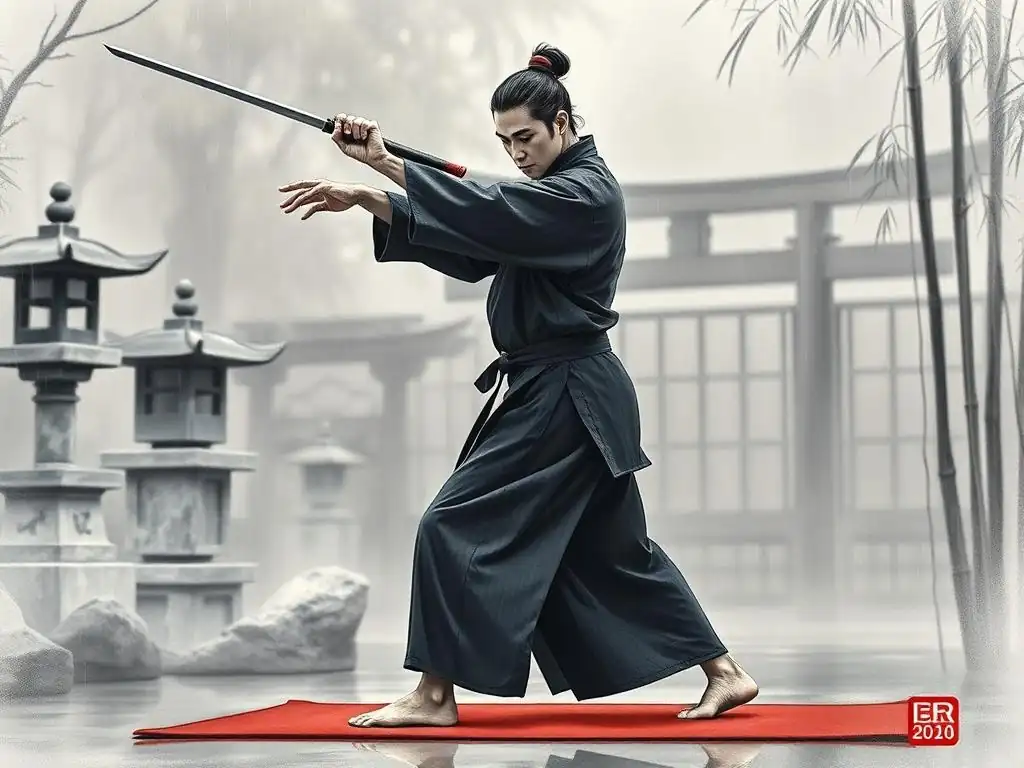
Bushido's emphasis on discipline, perseverance, sincerity (Makoto), and loyalty (Chugi to one's goals or aspirations) provides a powerful framework for personal goal setting and achievement. The samurai's unwavering commitment to their lord and their duty, facing hardship and potential death, can be translated into the dedication required to pursue significant personal or professional goals. Setting a difficult goal requires courage (Yu) to even attempt it, and Makoto to be honest about the effort required and one's current capabilities.
Achieving long-term goals demands consistent effort and the discipline to stick to a plan, even when motivation wanes – a direct application of the perseverance valued in Bushido. Facing setbacks and failures along the way requires the resilience and integrity (Meiyo in maintaining one's resolve) to learn from mistakes and keep moving forward.
Applying Bushido principles encourages individuals to approach their goals with a warrior's spirit: disciplined, courageous, honest, and committed to seeing the task through with honor. This shows how Samurai ethics influenced martial arts to be a path not just for fighting, but for cultivating a strong character applicable to all life challenges.
Cultivating Mental Resilience Through Meditation
While not explicitly a core principle of Bushido itself, Zen Buddhism had a profound influence on the samurai class and their mindset. Zen emphasizes mindfulness, meditation, and detachment from fear and ego, qualities highly valuable for a warrior facing mortality. Samurai often practiced Zen meditation to cultivate mental calmness, focus, and resilience under pressure. This practice helped them control their emotions, maintain composure in chaotic situations, and face death with equanimity.
In modern martial arts, meditation or mindfulness practices are often incorporated into training, particularly in styles with strong philosophical roots. These practices help practitioners improve focus, manage stress, recover mentally from intense training, and develop a deeper connection with their own bodies and minds. This cultivation of mental resilience through practices influenced by philosophies associated with the samurai highlights how Samurai ethics influenced martial arts to include methods for strengthening the mind as well as the body, preparing practitioners to face challenges both inside and outside the dojo with greater fortitude.
The Connection Between Bushido and Ethical Leadership
Bushido principles offer valuable insights for ethical leadership in any field. A samurai leader was expected to embody rectitude (Gi), benevolence (Jin), sincerity (Makoto), and loyalty (Chugi) to their people and their mission. They were responsible for the welfare of their domain and their followers, making just decisions, and leading by example with courage and integrity. This blend of strength, ethical conduct, and responsibility is essential for effective leadership.
Applying Bushido to leadership means acting with integrity and fairness (Gi), showing compassion and support for one's team (Jin), being honest and transparent in communication (Makoto), and demonstrating loyalty to one's organization and values (Chugi). It involves having the courage (Yu) to make difficult decisions and stand by one's principles, and striving to maintain one's honor and reputation (Meiyo) through ethical conduct and service. The enduring appeal of these principles demonstrates how Samurai ethics influenced martial arts to provide a model for developing individuals who can lead with both competence and character.
Conclusion: The Enduring Legacy of Bushido in Martial Arts
Summarizing the Key Impacts of Samurai Ideals
The ethical code of Bushido, forged in the crucible of feudal Japan, has left an indelible mark on martial arts worldwide. Its core principles – Gi (Rectitude), Yu (Courage), Jin (Benevolence), Rei (Respect), Makoto/Shin (Honesty), Meiyo (Honor), and Chugi (Loyalty) – provided a framework that elevated martial practice beyond mere combat technique to a path of profound personal and moral development. The influence of Samurai ethics on martial arts transformed physical training into a discipline for cultivating character, fostering virtues applicable to all aspects of life.
From the strict etiquette and philosophical depth of traditional Japanese arts like Kendo, Judo, and Aikido, to the ethical precepts found in Karate dojo kun, and even the emphasis on respect and discipline seen in modern combat sports like MMA, the echoes of Bushido are evident. These principles guide practitioners to train with integrity, face challenges with courage, treat others with respect and compassion, and strive for excellence with honor.
The legacy of the samurai lives on, not just in historical texts, but in the values that continue to shape martial arts practice globally, proving how deeply Samurai ethics influenced martial arts philosophy and culture.
The Future of Bushido in Modern Martial Arts Training
In a rapidly changing world, the principles of Bushido offer a timeless anchor for martial arts training. As martial arts continue to evolve, whether towards sport, self-defense, or fitness, the philosophical foundation provided by Bushido remains relevant for distinguishing a true martial "way" (Do) from mere physical activity. The challenge lies in ensuring that these ethical principles are not lost or diluted but are actively taught and embodied by instructors and students alike.
The future of Bushido's influence in martial arts depends on conscious effort to integrate its teachings into modern curricula. This involves explicitly discussing the philosophy behind the techniques, emphasizing dojo etiquette as character training, and encouraging students to reflect on how these principles apply to their lives outside the dojo. By preserving and promoting the ethical core inherited from the samurai, martial arts can continue to be powerful vehicles for building not just skilled fighters, but honorable and contributing members of society, continuing the tradition of how Samurai ethics influenced martial arts for the better.
Resources for Further Learning about Bushido and its Influence
For those interested in delving deeper into Bushido and how Samurai ethics influenced martial arts, a wealth of resources is available. Historical texts such as "Hagakure" by Yamamoto Tsunetomo or "Book of Five Rings" by Miyamoto Musashi offer direct insights into the samurai mindset, though it's important to understand their specific historical contexts. More modern interpretations and analyses of Bushido, such as "Bushido: The Soul of Japan" by Inazo Nitobe, provide valuable perspectives on the code's virtues and its relevance beyond the samurai era.
Additionally, numerous books and articles explore the philosophical underpinnings of specific martial arts like Judo, Aikido, and Karate-do, often discussing their connections to Zen, Confucianism, and Bushido. Biographical accounts of martial arts masters frequently highlight their adherence to principles akin to Bushido. Consulting academic papers and reputable online resources dedicated to martial arts history and philosophy can also provide detailed information on how Samurai ethics influenced martial arts disciplines across the globe.
Frequently Asked Questions
How did Bushido, the Samurai code, influence martial arts outside of Japan?
Bushido provided a moral and ethical framework that emphasized discipline, honor, and self-improvement. These principles were adopted and adapted by martial arts practitioners globally, shaping their training and conduct.
What are some specific ethical principles from Bushido that are found in modern martial arts?
Principles like respect for opponents, integrity in training, and loyalty to one's dojo or school are directly derived from Bushido and are still emphasized in many martial arts today.
How does the Samurai emphasis on self-discipline translate into practical training in martial arts?
The Samurai value of self-discipline fosters dedication to rigorous training, mental fortitude, and the ability to overcome pain and adversity, all crucial elements in martial arts mastery.
Did the focus on "death before dishonor" in Bushido impact the development of self-defense strategies in martial arts?
While not always explicitly stated, the Bushido concept of "death before dishonor" instilled a sense of unwavering commitment to protecting oneself and others, influencing the development of effective and decisive self-defense techniques.
Are there any criticisms of applying Bushido principles to modern martial arts training?
Some argue that the strict hierarchical nature of Bushido can be outdated and potentially harmful in modern contexts, emphasizing the need for adaptations that promote inclusivity and respect for individual autonomy.
Final Reflection: The Enduring Spirit of Bushido
The journey through the global impact of Bushido reveals that its principles are not relics of the past, but rather living threads woven into the fabric of modern martial arts. From the dojos of Japan to training centers across the globe, the samurai code continues to shape not only fighting techniques but also the character and spirit of practitioners. This enduring influence speaks volumes about the power of ethical frameworks to transcend time and culture.
The profound influence of Bushido extends far beyond the physical realm of combat, shaping the very ethos of martial arts. It's a reminder that true strength lies not just in physical prowess, but in the cultivation of virtues like courage, integrity, and compassion. This resonates deeply with the human desire for self-improvement and moral grounding. The ultimate aim of martial arts is not having to use them.
This ancient wisdom encapsulates the essence of Bushido, emphasizing peace and self-control over aggression.
Now, as you reflect on the global reach of Bushido, consider how its principles can inform your own life. Embrace the courage to face challenges, the integrity to act with honesty, and the compassion to treat others with respect. Let the enduring spirit of the samurai guide you towards a path of self-improvement and ethical living, transforming you into a warrior not just in the physical sense, but in the pursuit of a better self and a better world.
Embrace the Bushido Spirit: Transform Your Practice Today!
Thank you for delving into the fascinating world of Bushido and its profound impact on martial arts globally. We hope you've gained valuable insights into how these ancient Samurai ideals continue to shape practices worldwide. Now, it's time to put that knowledge into action!
Here's how you can further explore and embody the Bushido spirit:
- Commit to integrating one core Bushido principle – perhaps "Courage" or "Integrity" – into your next training session and reflect on the experience.
- Research a lesser-known samurai figure and share their story with your dojo or martial arts community. Spark a discussion about the different interpretations of Bushido throughout history.
- Challenge yourself with a new training drill focused on mental fortitude and discipline. Push your limits and discover your inner strength!
What's one small but significant way you plan to incorporate Bushido into your daily practice this week?