
Canne de Combat & Bâton Français: Historical Weapons for Modern SelfDefense?

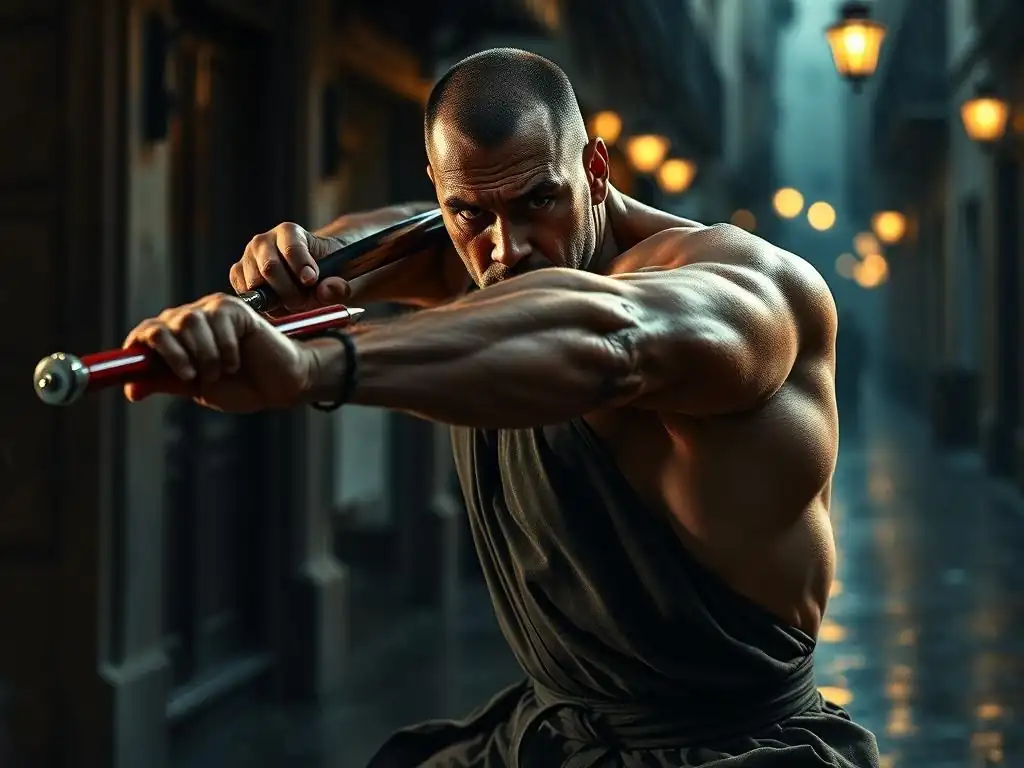
Welcome to Martial Arts Mastery, where history meets technique!
Delve into the fascinating world of Canne de Combat & Bâton Français and discover how these historical French cane self-defense techniques are being revitalized for modern self-defense. Curious about the secrets behind this elegant and surprisingly effective art? Continue reading to unlock the power of the cane and explore its rich heritage.
- Introduction: Rediscovering French Cane Self-Defense Techniques
- A Brief History of Canne de Combat and Bâton Français
- Canne de Combat vs. Bâton Français: Key Differences
- French Cane Self-Defense Techniques: A Practical Overview
- Bâton Français Techniques for Self-Defense
- The Modern Relevance of French Cane Self-Defense
- Integrating French Cane Techniques into a Modern Self-Defense System
- Training Resources for Canne de Combat and Bâton Français
- Conclusion: Mastering the Art of French Cane and Stick Fighting for Self-Defense
-
Frequently Asked Questions
- What is Canne de Combat and Bâton Français?
- How do Canne de Combat and Bâton Français differ from other martial arts?
- Is Canne de Combat or Bâton Français effective for modern self-defense?
- What are some basic French cane selfdefense techniques one can learn?
- Where can I learn Canne de Combat or Bâton Français?
- Final Reflection: Embracing Tradition for Modern Empowerment
- Unleash Your Inner Fencer: Embrace the Art of the Stick!
Introduction: Rediscovering French Cane Self-Defense Techniques
In an era dominated by modern self-defense systems, historical martial arts sometimes get overlooked. Yet, disciplines like Canne de Combat and Bâton Français offer a rich heritage and surprisingly practical applications for contemporary self-protection. These French martial arts, centered around the use of a walking stick or staff, provide a unique blend of elegance, efficiency, and historical depth. Exploring French cane self-defense techniques allows practitioners to connect with a sophisticated tradition while acquiring valuable skills adaptable to modern scenarios.
This article delves into the history, techniques, and modern relevance of Canne de Combat and Bâton Français. We will examine how these arts evolved from practical tools of defense into refined combat systems and sports. By understanding their origins and core principles, we can appreciate their potential as effective methods for self-defense today. The focus will be on the practical aspects of French cane self-defense techniques, demonstrating how historical movements and strategies translate into viable protective measures in the 21st century.
A Brief History of Canne de Combat and Bâton Français
The Origins of French Cane Fighting
The use of walking sticks and canes as defensive tools has roots stretching back centuries in Europe, particularly in France. Before formal systems developed, individuals often carried sturdy canes for support during travel and found them useful against assailants, whether human or animal. This informal practice laid the groundwork for structured French cane fighting techniques. Early instances might be traced to the 16th or 17th century, though codified systems appeared much later.
Initially, these methods were often taught within specific social circles or as part of broader martial arts training. For example, early forms of Savate, the French art of foot fighting, sometimes incorporated the use of a cane. The practical need for defense in urban environments, where carrying swords was often restricted, further popularized the use of the cane as a discreet yet effective weapon. This period saw the rudimentary development of what would later become distinct French cane self-defense techniques.
The Evolution of Bâton Français: From Battlefield to Sport
The Bâton Français, or French stick fighting, encompasses techniques for longer staffs, distinct from the shorter cane. Its origins are tied to military and civilian use of staves, agricultural tools, and shepherd's crooks. In rural areas, the staff was a common item for work and travel, naturally becoming a defensive implement. Military applications of polearms and quarterstaffs also influenced bâton techniques, emphasizing powerful strikes and leverage.
Over time, Bâton Français evolved from a purely practical fighting method into a more formalized discipline. By the 19th century, figures like Michel Pisseux and Joseph Charlemont played key roles in codifying bâton techniques, integrating them into the burgeoning French martial arts scene alongside Savate. While retaining its defensive roots, Bâton Français also developed sporting aspects, focusing on controlled exchanges and technical precision, a parallel evolution seen in French cane self-defense techniques.
Canne de Combat and Bâton Français in the Belle Époque
The late 19th and early 20th centuries, known as the Belle Époque, represented a golden age for French martial arts, including Canne de Combat and Bâton Français. These disciplines gained popularity among the Parisian elite and were taught in prestigious academies. Carrying a stylish cane became fashionable, and knowing how to defend oneself with it was considered a mark of refinement and practicality.
During this period, detailed manuals were published, outlining specific stances, strikes, and defenses. Competitions were organized, emphasizing speed, precision, and control, often judged on points rather than knockout. This era solidified the techniques and pedagogical methods that form the basis of modern Canne de Combat and Bâton Français. The focus on controlled sparring in these competitions further refined the effectiveness of French cane self-defense techniques for practical application.
Canne de Combat vs. Bâton Français: Key Differences
Canne de Combat: The Elegant Art of Cane Fighting
Canne de Combat typically utilizes a lightweight walking cane, often made of chestnut wood, measuring approximately 95-100 centimeters (around 37-39 inches) and weighing between 100-130 grams (about 3.5-4.5 ounces). The emphasis in Canne de Combat is on speed, agility, and precision. Strikes are often delivered with the tip or the last third of the cane, generating whip-like speed and force.
The techniques are characterized by fluid movements, rapid sequences of strikes and parries, and sophisticated footwork. It is often compared to fencing due to its linear movements and focus on striking specific targets. While a sport today, its roots are firmly in self-defense, with techniques designed to disable or deter an attacker quickly and effectively using French cane self-defense techniques.
Bâton Français: The Power of the French Stick
Bâton Français, in contrast, employs a longer, heavier staff, typically ranging from 1.5 to 2 meters (about 5 to 6.5 feet) in length and weighing significantly more than a cane. The techniques focus on power, leverage, and controlling distance. Strikes are generated using the full length of the staff, often with significant rotational force.
The art includes techniques for two-handed grips, powerful thrusts, sweeping strikes, and leverage applications. While also having sporting applications, Bâton Français retains a strong connection to its practical origins as a defensive weapon against multiple opponents or mounted attackers. Its power-oriented techniques complement the speed-focused French cane self-defense techniques.
Comparing Techniques: Strikes, Parries, and Footwork
The fundamental difference in weapon length and weight dictates the distinct techniques of Canne de Combat and Bâton Français. Canne de Combat emphasizes rapid, linear or slightly angled strikes aimed at vulnerable points like the hands, wrists, head, and knees. Parries are quick deflections designed to create openings for counter-attack. Footwork is nimble, often utilizing lunges and lateral movements similar to fencing.
Bâton Français uses more powerful, often circular or sweeping strikes capable of inflicting significant damage or controlling a wider area. Parries are robust blocks or diversions utilizing the staff's length and strength. Footwork is focused on maintaining optimal distance, generating power, and controlling the engagement space, often involving wider stances and more grounded movements compared to the lighter steps used in French cane self-defense techniques.
French Cane Self-Defense Techniques: A Practical Overview
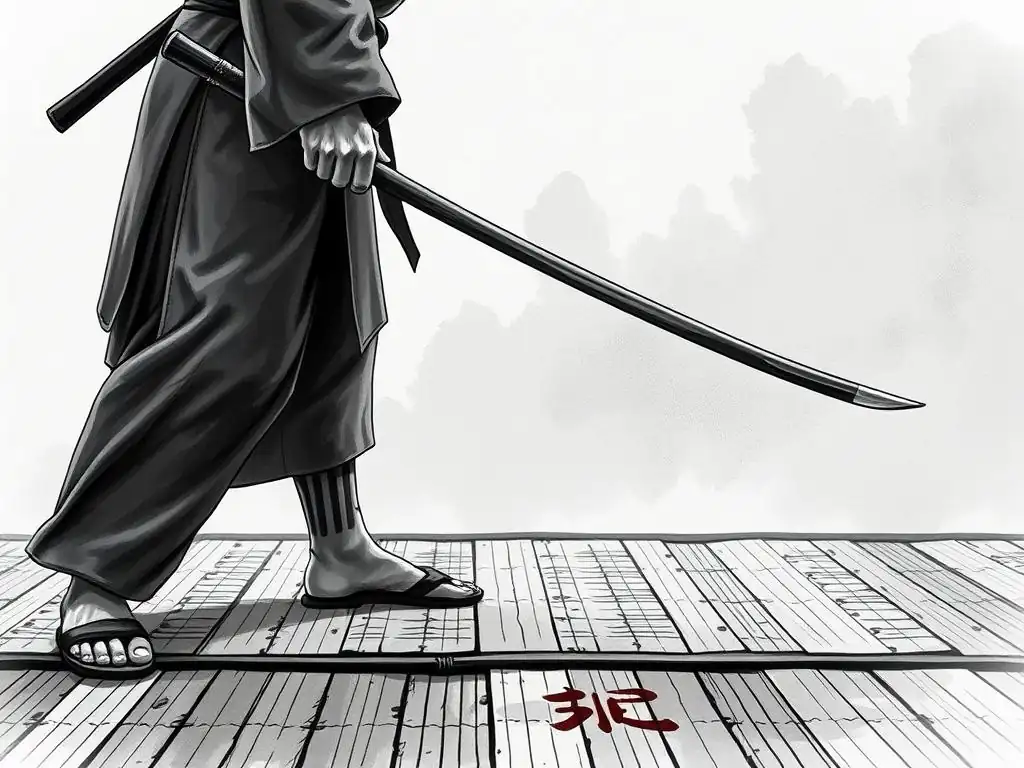
Basic Grips and Stances for Cane Fighting
A fundamental aspect of effective French cane self-defense techniques begins with proper grip and stance. The most common grip involves holding the cane with one hand about a third of the way down from the thin end (the tip), leaving the thicker handle end free for striking or parrying. The other hand might be used for support or held defensively. A strong, balanced stance is crucial, typically with feet shoulder-width apart, one foot slightly forward, allowing for quick movement in any direction.
Maintaining a relaxed but firm grip is essential. Gripping too tightly restricts movement and speed, while too loose a grip risks losing control of the cane. The stance should allow for rapid weight shifts, enabling powerful strikes and swift evasive maneuvers. Practicing transitioning between different grips and stances is a core component of mastering French cane self-defense techniques.
Essential Strikes in Canne de Combat
Canne de Combat employs a variety of strikes, each designed for specific purposes and ranges. Understanding these strikes is key to applying French cane self-defense techniques effectively. They are typically named after directions or angles, such as latéral (lateral), croisé (crossed), en tête (to the head), and brisé (broken).
Lateral Strikes for Distance Control
Lateral strikes, such as latéral extérieur (outside lateral) and latéral intérieur (inside lateral), are fundamental in Canne de Combat. These strikes involve swinging the cane horizontally across the body, targeting areas like the hands, wrists, or sides of the head. They are excellent for maintaining distance, disrupting an attacker's balance, or striking limbs to prevent them from closing in.
A typical lateral strike might be executed from a basic guard stance. The cane is swung from side to side with a quick, whip-like motion, powered by the wrist and forearm. This technique allows for rapid, repetitive strikes, making it difficult for an assailant to advance without risking injury to their hands or arms, a core principle of defensive French cane self-defense techniques.
Thrusting Techniques for Close-Range Defense
While Canne de Combat is known for its swinging strikes, thrusting techniques are vital for close-quarters encounters. A direct thrust ( coup de pointe) can target soft tissues or vulnerable points like the solar plexus, eyes, or throat. This technique is quick and linear, making it harder to parry than wider swings.
Thrusts require precise aim and timing. They are often used as follow-up strikes after a parry has created an opening, or as a surprise attack when an assailant gets too close. Mastering the thrust adds another dimension to French cane self-defense techniques, providing options for different ranges.
Circular Strikes for Evasion and Attack
Circular strikes, such as circulaire (circular), involve swinging the cane in a wider arc. These can be powerful techniques, targeting the head or torso. They are often used in combination with footwork to evade an attack while simultaneously striking.
A circular strike might involve stepping offline while swinging the cane to the side or overhead. This can be particularly effective against lunging attacks or when facing multiple opponents, allowing the practitioner to cover a wider area and create space. Integrating these dynamic movements enhances the versatility of French cane self-defense techniques.
Fundamental Parries and Blocks
Defensive techniques are as crucial as offensive ones in French cane self-defense techniques. Parries and blocks are used to deflect incoming attacks and create opportunities for counter-strikes.
Defending Against Common Attacks
Parries in Canne de Combat are typically quick, precise deflections. For instance, parrying a straight punch or knife thrust might involve a rapid movement of the cane to divert the incoming limb or weapon. Techniques like parade latérale (lateral parry) or parade haute (high parry) are used depending on the angle of attack.
Effective parrying requires anticipating the attack and reacting swiftly. It's not about stopping the force, but redirecting it with minimal effort, preserving energy for counter-attacks. This reactive element is central to practical French cane self-defense techniques.
Utilizing the Cane for Deflection and Control
Beyond simple parries, the cane can be used for more active deflection and control. Techniques exist to trap or momentarily entangle an attacker's limb or weapon. For example, a parry might be followed by a quick movement to hook the attacker's arm or leg, disrupting their balance.
Some techniques even involve using the handle end for close-in blocks or checks. This multi-functional use of the cane for both offense and defense highlights the sophistication of French cane self-defense techniques.
Footwork and Movement for Cane Self-Defense
Efficient footwork is the foundation of all effective martial arts, and French cane self-defense techniques are no exception. Movement allows the practitioner to control distance, generate power, evade attacks, and position themselves for optimal strikes.
Maintaining Balance and Agility
A stable yet mobile stance is paramount. Footwork in Canne de Combat often involves small, precise steps – slides, glides, and short lunges – allowing rapid changes in distance and angle without losing balance. Agility is key to delivering quick strikes and evading incoming blows.
Practicing drills that focus on forward, backward, and lateral movement while maintaining guard and readiness to strike is fundamental. This constant state of balanced mobility is a hallmark of skilled French cane self-defense techniques.
Closing the Distance Effectively
Sometimes, closing the distance is necessary to land a specific strike or to counter an aggressive advance. Techniques like a controlled lunge ( fente) or a series of quick steps can rapidly bridge the gap. This must be done strategically, often following a successful parry or during a moment of vulnerability for the attacker.
Closing distance in French cane self-defense techniques is often accompanied by a simultaneous attack, maximizing efficiency.
Evasive Maneuvers
Equally important is the ability to evade. Side-stepping, pivoting, or retreating quickly can take the practitioner out of the line of attack. Evasive footwork is often combined with parries or defensive strikes to neutralize the threat.
For example, sidestepping a linear attack while simultaneously delivering a lateral strike to the attacker's arm is a common defensive tactic. Mastering these evasive maneuvers is critical for survival in a self-defense situation using French cane self-defense techniques.
Bâton Français Techniques for Self-Defense
Stances and Grips for the French Stick
Using the longer Bâton Français requires different stances and grips compared to the cane. Stances are typically wider and lower, providing a stable base for powerful strikes. Grips vary depending on the technique, ranging from a central two-handed grip for sweeping strikes to one hand near the butt and the other near the middle for thrusts.
A common grip is holding the staff with both hands about shoulder-width apart in the center. This allows for balanced control and quick transitions between different types of strikes. The stance should permit powerful hip rotation to generate force for strikes, essential for effective Bâton Français self-defense techniques.
Core Strikes and Maneuvers
Bâton Français techniques emphasize power and control over a larger area. Strikes are designed to inflict significant impact or keep multiple opponents at bay.
Linear Strikes for Power
Powerful thrusts ( coups de pointe) with the bâton can be devastating, targeting the body or head. These require driving the staff forward with bodyweight behind it. Linear strikes can also involve striking directly forward with the end of the staff ( coup de bout).
These techniques leverage the length and weight of the bâton to deliver forceful blows capable of breaking bones or incapacitating an attacker at a distance. They are a core component of Bâton Français self-defense techniques.
Circular Strikes for Versatility
Sweeping and circular strikes are perhaps the most iconic Bâton Français techniques. These involve swinging the staff in wide arcs, horizontally, vertically, or diagonally. Examples include moulinet (windmill) techniques or broad sweeps targeting the legs or head.
Circular strikes are versatile, allowing control over a large area and capable of striking multiple targets or disrupting a group of attackers. They are effective for both offense and defense, using the momentum of the staff to generate power and cover. This versatility is a key strength of Bâton Français self-defense techniques.
Defensive Techniques with the Bâton
Defending with the bâton involves using its length and strength to block or deflect incoming attacks. Powerful blocks can stop strikes from weapons or limbs. The staff can also be used to trap or leverage an attacker's weapon or body.
Techniques exist for using the bâton to control distance, push opponents away, or create barriers. The sheer presence and movement of the long staff can also act as a deterrent. Defensive use is just as important as offensive striking in Bâton Français self-defense techniques.
Footwork and Positioning
Footwork in Bâton Français is focused on generating power and controlling the engagement zone. Steps are often wider and more grounded than in Canne de Combat, allowing for powerful hip rotation. Positioning is crucial to maintain optimal distance, keeping attackers within the effective range of the staff while staying out of their reach.
Lateral movement and pivots are used to evade and reposition. Maintaining a stable base while delivering powerful strikes is key. The footwork supports the large movements of the staff, ensuring balance and maximizing the force behind each technique in Bâton Français self-defense techniques.
The Modern Relevance of French Cane Self-Defense
Why Study Historical Martial Arts for Self-Defense?
Studying historical martial arts like Canne de Combat and Bâton Français offers unique benefits for modern self-defense practitioners. Firstly, they provide a connection to a rich cultural heritage and the evolution of combat systems. Secondly, they often teach principles of leverage, distance management, and weapon use that are transferable to other disciplines or improvised weapons.
Furthermore, these arts often emphasize control, precision, and efficiency – qualities highly relevant in self-defense situations where excessive force might have legal ramifications. Learning French cane self-defense techniques provides a distinct perspective on personal protection.
The Benefits of Canne de Combat and Bâton Français Training
Training in these French arts offers numerous physical and mental benefits.
Improved Coordination and Agility
Working with a cane or staff requires significant hand-eye coordination and spatial awareness. The dynamic movements and rapid sequences of strikes and parries enhance agility and reflexes. Participants learn to move their bodies and the weapon in harmony, improving overall motor skills.
Regular practice of French cane self-defense techniques leads to better balance and proprioception, making movements more fluid and controlled.
Enhanced Self-Awareness and Confidence
Mastering a weapon, even a simple one like a cane, builds confidence. Training in a structured system like Canne de Combat or Bâton Français teaches self-discipline and perseverance. Understanding how to effectively use a common object for defense can significantly boost a person's feeling of safety and preparedness.
This enhanced self-awareness extends to recognizing potential threats and assessing environments, crucial elements of self-protection alongside the physical French cane self-defense techniques.
A Deeper Understanding of Martial Arts History
Studying these French disciplines provides valuable insight into the history of European martial arts. It allows practitioners to see how combat systems evolved, how weapons were used in different eras, and the cultural context surrounding these practices.
This historical perspective enriches the practitioner's overall understanding of martial arts, connecting modern training to historical roots. It highlights the enduring principles of combat found across different cultures and time periods, including the development of French cane self-defense techniques.
Integrating French Cane Techniques into a Modern Self-Defense System
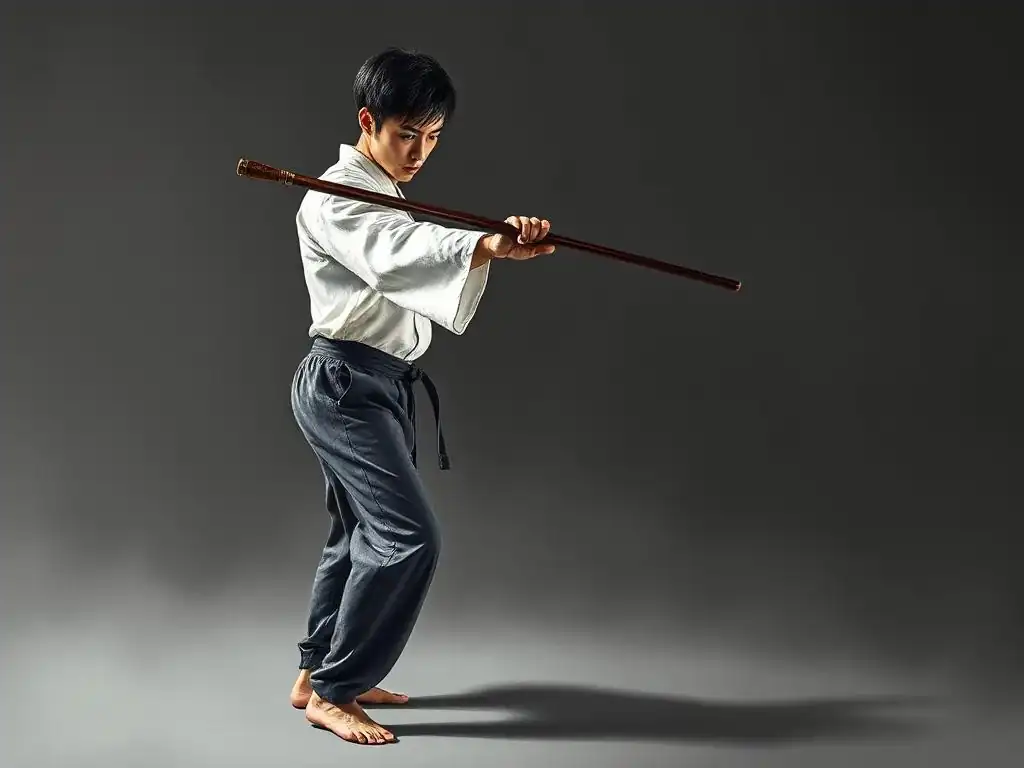
Combining Cane Fighting with Other Martial Arts Styles
The principles and techniques learned in Canne de Combat and Bâton Français can be integrated with other martial arts styles. For instance, the footwork and timing from fencing or boxing can complement cane movements. Similarly, the close-quarters techniques from arts like Savate or Krav Maga could be adapted for use with the handle end of the cane.
Practitioners of arts focusing on unarmed combat can benefit from learning how a weapon changes distance management and leverage. Conversely, weapon-based arts can gain insights from the unique angles and rapid-fire nature of French cane self-defense techniques.
Adapting Historical Techniques for Modern Scenarios
While the historical context involved swords and duels, the core principles of French cane self-defense techniques are highly adaptable. The emphasis on striking vulnerable points, controlling distance, and using leverage remains relevant. A modern scenario might involve defending against an attacker with a knife or even multiple unarmed assailants.
The techniques can be modified for use with modern, sturdy walking canes, tactical pens, or even umbrellas. The focus shifts from historical combat to practical application in contemporary urban or rural environments. Adapting these skills is key to making French cane self-defense techniques viable today.
Legal Considerations for Cane Self-Defense
It is crucial to understand the legal implications of using a cane or bâton for self-defense. Laws vary significantly by location regarding carrying weapons and the use of force. While a walking cane is often considered a mobility aid rather than a weapon, its use in a defensive situation can be subject to scrutiny.
Generally, the use of force, including with an object like a cane, must be proportional to the threat. Using a cane for self-defense should ideally be a last resort when facing imminent danger. Consulting local laws and seeking guidance from legal experts or experienced self-defense instructors on the lawful application of French cane self-defense techniques is highly recommended.
Training Resources for Canne de Combat and Bâton Français
Finding Qualified Instructors
Finding qualified instructors is essential for learning French cane self-defense techniques correctly and safely. Look for instructors certified by reputable organizations, such as the Fédération Française de Boxe Savate et D.A. (French Boxing Federation and Associated Disciplines) or international associations dedicated to these arts.
Many instructors have backgrounds in Savate or other related French martial arts. Attending workshops, seminars, or introductory classes is a good way to meet instructors and assess their teaching style and expertise in French cane self-defense techniques.
Recommended Equipment for Practice
For safe practice, specific equipment is recommended. A standard Canne de Combat cane is lightweight and flexible, designed for controlled sparring. Protective gear is crucial, including fencing masks or padded headgear, gloves (often similar to Savate gloves), and protective jackets or padded clothing.
For Bâton Français, a sturdy wooden staff of appropriate length is needed. Protective gear should include robust head protection, padded gloves, and body armor, especially when practicing full-contact drills. Using the correct equipment ensures safety while developing proficiency in French cane self-defense techniques and bâton techniques.
Online Resources and Communities
While in-person instruction is ideal, online resources and communities can supplement training. Websites of national and international federations often provide lists of clubs and instructors. Online forums and social media groups dedicated to Canne de Combat and Bâton Français offer platforms for discussion, sharing training tips, and finding training partners.
Some instructors and schools offer online courses or video tutorials, though these should be used as supplementary tools rather than replacements for hands-on instruction, especially for complex French cane self-defense techniques. Always verify the credibility of online resources.
Conclusion: Mastering the Art of French Cane and Stick Fighting for Self-Defense
The Enduring Legacy of Canne de Combat and Bâton Français
Canne de Combat and Bâton Français represent a fascinating and effective part of martial arts history. Their evolution from practical tools of defense to refined combat systems and sports highlights their adaptability and enduring principles. These arts are not mere historical curiosities but living traditions with practical applications.
The legacy of these French disciplines is carried on by dedicated practitioners and instructors worldwide who preserve the techniques and philosophies. Understanding this history enriches the practice of French cane self-defense techniques.
Embracing the History and Practicality of French Weaponry
Learning French cane self-defense techniques and Bâton Français offers a unique blend of historical appreciation and practical skill development. Whether seeking a new form of exercise, a connection to martial arts history, or a viable method for self-protection, these arts provide a compelling path.
Embracing these disciplines means learning to use everyday objects like a walking cane or staff as effective tools for defense, drawing on centuries of French martial tradition. The skills acquired are not only effective but also cultivate grace, precision, and confidence, making French cane self-defense techniques a valuable addition to any self-protection repertoire.
Frequently Asked Questions
What is Canne de Combat and Bâton Français?
These are French martial arts that utilize a cane (canne) or walking stick (bâton) as a weapon. They emphasize agility, precision, and strategic movement in a self-defense context.
How do Canne de Combat and Bâton Français differ from other martial arts?
While other martial arts may use weapons, Canne de Combat and Bâton Français are specifically designed around the cane/stick as the primary weapon. Their focus is on elegant and efficient techniques for self-defense.
Is Canne de Combat or Bâton Français effective for modern self-defense?
Yes, these arts provide practical self-defense strategies using a readily available and inconspicuous tool. The techniques can be adapted to modern threats and environments.
What are some basic French cane selfdefense techniques one can learn?
Basic techniques include strikes, blocks, disarms, and grappling using the cane/stick. Training focuses on developing speed, accuracy, and situational awareness.
Where can I learn Canne de Combat or Bâton Français?
Many martial arts schools and clubs offer instruction. Searching online for local instructors or dedicated Canne de Combat/Bâton Français schools is a good starting point.
Final Reflection: Embracing Tradition for Modern Empowerment
The exploration of Canne de Combat and Bâton Français reveals more than just historical fighting styles; it unveils a potent blend of tradition and practicality that resonates deeply in our modern world. The resurgence of interest in these French cane selfdefense techniques underscores a growing desire for effective, non-lethal self-defense methods that honor cultural heritage. This isn't simply about learning to wield a cane; it's about connecting with a rich history of resilience and adapting it to the challenges of contemporary life.
The enduring appeal of Canne de Combat and Bâton Français lies in their ability to empower individuals with confidence and practical skills. Witnessing the grace and precision of these techniques firsthand highlights their potential to transform not only physical capabilities but also mental fortitude. The art of combat is not merely about physical strength, but also about mental discipline and strategic thinking.
This quote, often attributed to various martial arts masters, perfectly encapsulates the holistic benefits of these French fighting styles, reminding us that self-defense is as much about inner strength as it is about outer skill.
As we conclude this exploration, consider the profound implications of embracing tradition for modern empowerment. How can you incorporate the principles of Canne de Combat and Bâton Français – discipline, strategy, and respect – into your own life? Whether you choose to pursue formal training or simply appreciate the historical significance of these arts, let the spirit of resilience and self-reliance guide your path. The power to protect yourself and others lies not just in mastering techniques, but in cultivating the inner strength to face any challenge with confidence and grace.
Unleash Your Inner Fencer: Embrace the Art of the Stick!
Thank you for diving into the historical world of Canne de Combat and Bâton Français! We hope you've discovered how these elegant stick-fighting styles can be surprisingly relevant for modern self-defense. Now, it's time to put that knowledge into action.
Here's how you can continue your journey:
- Find a local Canne de Combat or Bâton Français school near you and experience the thrill of wielding a cane or staff firsthand.
- Delve deeper into the history by researching the famous duelists and masters of these arts – what strategies did they employ?
- Share this article with fellow martial arts enthusiasts and ignite a discussion about the value of historical martial arts in contemporary self-defense training.
Ready to step into the salle d'armes and discover the finesse of French stick fighting?