
Betawi Silat: Jakarta's Urban Martial Art and Its Unique Regional Influences

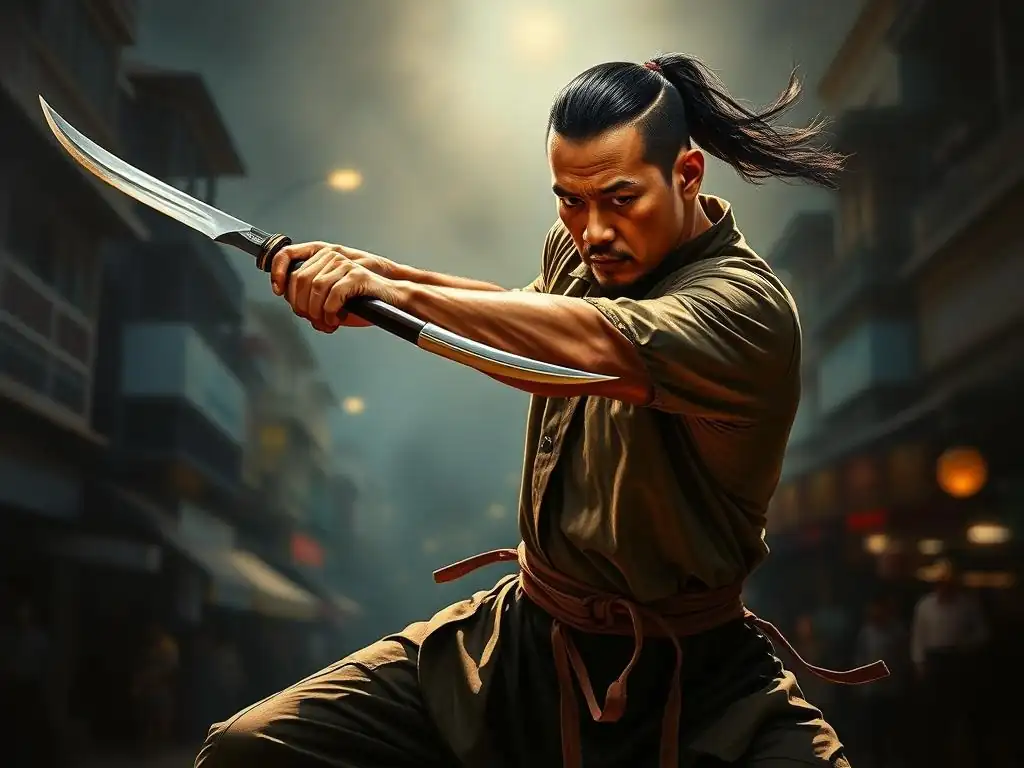
Welcome to Martial Arts Mastery, where we delve into the rich tapestry of global combat traditions. Ever wondered about the hidden fighting styles thriving in urban landscapes? Uncover the captivating story behind Betawi Silat, Jakarta's own dynamic martial art. This unique blend of regional influences and powerful techniques is more than just self-defense; it's a living cultural heritage. Intrigued? Discover the Betawi Silat history techniques that make this art form so distinctive and effective. Prepare to be amazed.
- Regional Influences Shaping Betawi Silat Styles
-
Frequently Asked Questions
- What are the key historical influences on Betawi Silat?
- What are some defining techniques that distinguish Betawi Silat from other styles?
- How does Betawi Silat reflect the cultural heritage of Jakarta?
- Where can one learn Betawi Silat and what are the initial steps?
- How effective is Betawi Silat for modern self-defense situations?
- Final Reflection: Preserving the Spirit of Betawi Silat
- Ignite Your Inner Pendekar: Embrace the Spirit of Betawi Silat!
Regional Influences Shaping Betawi Silat Styles
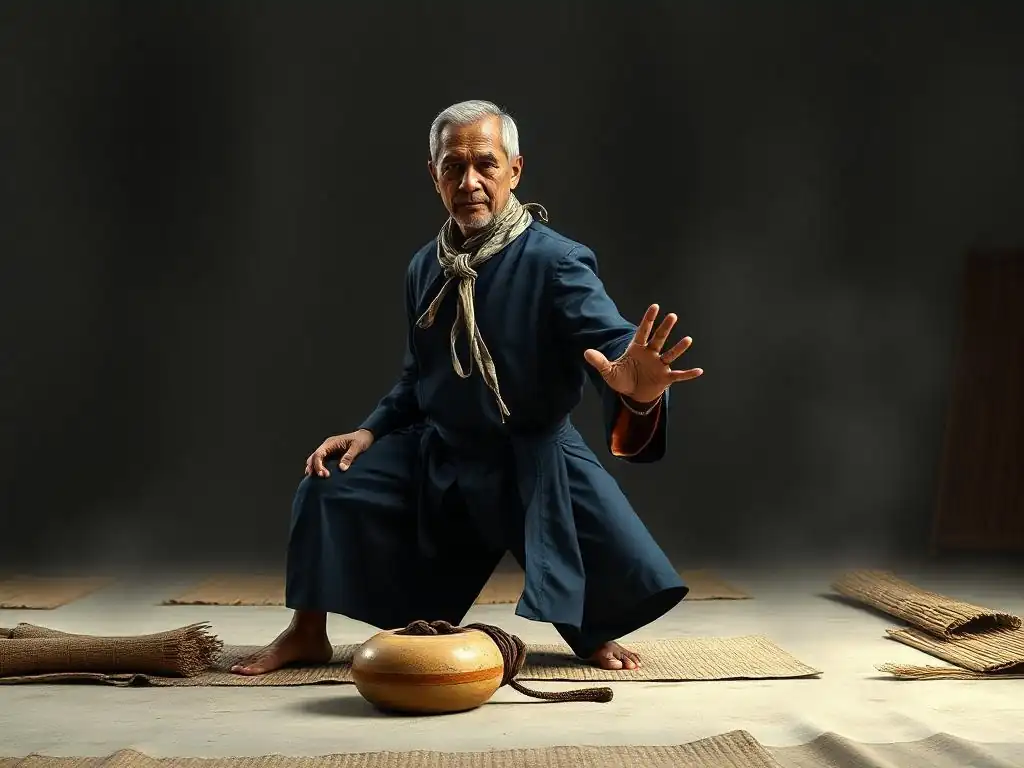
Betawi Silat, often viewed as a distinct urban martial art of Jakarta, is far from an isolated system. Its unique character is a testament to the city's historical role as a vibrant melting pot, where diverse cultures converged, traded, and interacted. This cross-pollination significantly shaped the evolution of Betawi Silat history techniques, absorbing elements from various traditions that arrived on the shores of Batavia (the colonial name for Jakarta) over centuries. Understanding these regional influences is crucial to appreciating the depth and complexity of Betawi Silat.
The influences range from the martial arts traditions brought by immigrants and traders from other parts of Asia, particularly China and the Middle East, to the indigenous fighting systems already present in the Indonesian archipelago. Each contributing culture left an indelible mark, not just on the physical techniques – stances, strikes, footwork, and grappling – but also on the philosophical underpinnings, training methodologies, and even the ceremonial aspects of Betawi Silat. This rich synthesis is what makes the history techniques of Betawi Silat so fascinating and distinct.
The Impact of Chinese Martial Arts on Betawi Silat Techniques
The historical presence of Chinese communities in Jakarta, dating back centuries, played a significant role in the development of Betawi Silat. Chinese immigrants, particularly from Southern China (such as Fujian and Guangdong provinces), brought their own martial arts traditions, which inevitably interacted with local fighting styles. This interaction wasn't just theoretical; it occurred through co-existence, sometimes conflict, and often, mutual learning and adaptation.
Specific influences can be seen in certain hand techniques, stances, and even some forms found within various Betawi Silat schools. For example, some styles of Betawi Silat exhibit closed-fist techniques and low, rooted stances that bear resemblance to Southern Chinese martial arts forms. While precise historical records detailing specific exchanges are rare, the anecdotal evidence and the observable similarities in movement principles strongly suggest a significant cross-pollination that enriched the Betawi Silat history techniques with new dimensions.
Arab and Islamic Influences in Betawi Silat Philosophy and Rituals
The strong Islamic identity of the Betawi people has profoundly influenced Betawi Silat, extending beyond just physical techniques to encompass its philosophical and spiritual dimensions. Arab traders and Islamic scholars arriving in the archipelago played a pivotal role in spreading Islam, and with it, certain cultural practices and ethical frameworks that became integrated into local life, including martial arts.
This influence is most evident in the rituals, prayers, and ethical codes associated with Betawi Silat training. Many Betawi Silat schools incorporate Islamic prayers before and after training sessions. The emphasis on discipline, humility, respect for elders and teachers, and the use of silat for self-defense rather than aggression or showing off are principles deeply aligned with Islamic teachings.
Furthermore, some Betawi Silat traditions include elements of zikir (remembrance of God) or specific spiritual exercises aimed at building inner strength and focus, reflecting the integration of Sufi or other Islamic mystical practices into the martial arts context. These philosophical underpinnings are as vital to understanding Betawi Silat history techniques as the physical movements themselves.
Indigenous Indonesian Martial Arts and Their Contribution to Betawi Silat
Before external influences arrived, the Indonesian archipelago already possessed a diverse array of indigenous fighting systems. As people from various islands migrated to or interacted with Batavia, they brought their native martial arts knowledge, which was then absorbed and adapted within the developing Betawi Silat landscape. This internal exchange within Indonesia itself was a crucial factor in shaping the diversity seen among different Betawi Silat schools today.
Influences from areas like West Java (home to styles like Cimande or Cikalong) or Sumatra (known for styles like Harimau) can be subtle but discernible in certain Betawi Silat techniques, particularly in footwork patterns, joint locks, or ground fighting elements. Each regional Indonesian style brought its own unique approach to combat, often developed in response to specific geographical terrains, weaponry, or tribal fighting methods. The pragmatic and adaptable nature of Betawi culture allowed these diverse indigenous contributions to be integrated, enriching the overall repertoire of Betawi Silat history techniques and ensuring its effectiveness in varied situations.
Frequently Asked Questions
What are the key historical influences on Betawi Silat?
Betawi Silat's history is a blend of influences, primarily from Chinese martial arts, Indonesian Pencak Silat traditions, and even European fighting styles due to colonial interactions. This fusion makes it a unique urban martial art.
What are some defining techniques that distinguish Betawi Silat from other styles?
Betawi Silat is known for its close-quarters combat, use of deception, and practical self-defense applications. Its techniques often involve grappling, striking, and weapon usage adapted for urban environments.
How does Betawi Silat reflect the cultural heritage of Jakarta?
Betawi Silat is deeply intertwined with Jakarta's cultural identity, often incorporated into local celebrations and community events. It serves as a form of cultural preservation and expression for the Betawi people.
Where can one learn Betawi Silat and what are the initial steps?
Finding a reputable guru (teacher) or sekolah (school) specializing in Betawi Silat is crucial. Starting with basic stances and footwork is typically the initial step in training.
How effective is Betawi Silat for modern self-defense situations?
Betawi Silat's focus on practicality and adaptability makes it highly effective for self-defense. Its techniques are designed for real-world scenarios, emphasizing quick and decisive actions.
Okay, here's a final reflection designed to close your article on Betawi Silat, incorporating the elements you requested and keeping in mind the keyword focus:
Final Reflection: Preserving the Spirit of Betawi Silat
The exploration of Betawi Silat's history and techniques reveals more than just a martial art; it unveils a vibrant tapestry woven from Jakarta's unique regional influences. This living heritage stands as a powerful testament to the resilience and adaptability of Betawi culture in the face of rapid urbanization and globalization. Understanding its roots and intricacies is crucial not only for practitioners but for anyone seeking to appreciate the depth and complexity of Indonesian cultural identity.
Betawi Silat's enduring influence on Jakarta's social landscape is undeniable, shaping community bonds and instilling values of respect, discipline, and self-defense. My own fascination with this art form stems from its ability to connect generations and preserve a sense of belonging in a constantly evolving city. > As the renowned Betawi Silat master, Haji Ung, once said, "Silat is not just about fighting; it's about character, about knowing yourself and your place in the world." This sentiment encapsulates the true essence of Betawi Silat, a philosophy that extends far beyond the training mat.
Now, as you reflect on the rich history and diverse techniques of Betawi Silat, consider its relevance in your own life. How can we, as individuals and communities, actively contribute to the preservation and promotion of this invaluable cultural treasure? Let us all strive to understand, appreciate, and support the continued flourishing of Betawi Silat, ensuring that its spirit and traditions endure for generations to come.
Ignite Your Inner Pendekar: Embrace the Spirit of Betawi Silat!
Thank you for exploring the vibrant world of Betawi Silat with us! Now that you've uncovered its rich history and unique regional influences, it's time to connect with this dynamic martial art.
Here's how you can dive deeper:
- Find a local Betawi Silat school near you and experience the art firsthand. This is the most direct way to connect with the tradition.
- Explore online resources to discover lesser-known styles or the stories of legendary pendekar from the Betawi region.
- Share this article with friends and family to help preserve and promote the cultural heritage of Betawi Silat.
What aspect of Betawi Silat's blend of culture and combat resonated with you most deeply? Share your thoughts in the comments below!