
Ba Duan Jin: A Detailed Movement Analysis for Internal Energy Cultivation

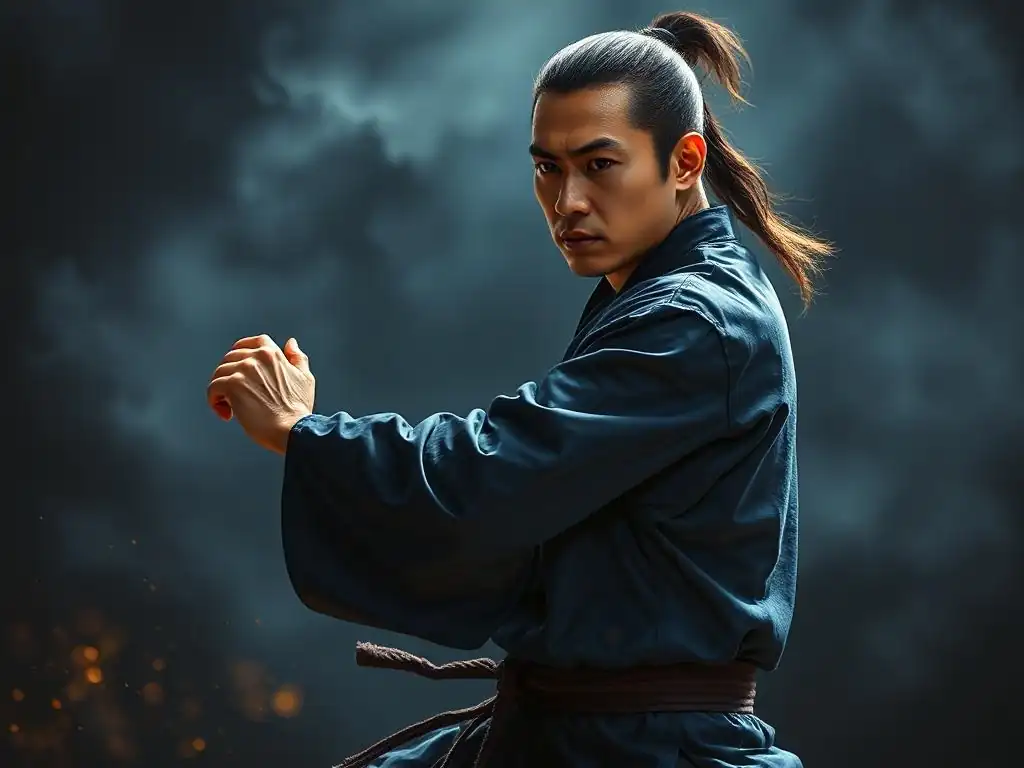
Welcome to Martial Arts Mastery, your gateway to unlocking the profound secrets of martial arts. Dive deep into the rich tapestry of combat traditions from around the world. Today, we begin with an exploration of a cornerstone of Chinese internal arts: Ba Duan Jin. But what makes this seemingly simple exercise so powerful? Join us as we embark on a Ba Duan Jin movement analysis, uncovering the subtle nuances and profound benefits hidden within each posture. Prepare to cultivate your internal energy and elevate your practice!
- Introduction to Ba Duan Jin and Internal Energy (Qi)
-
Ba Duan Jin Movement Analysis: A Step-by-Step Breakdown
- Preparing for Ba Duan Jin: Stance and Mental Focus
- Movement 1: Two Hands Hold Up the Heavens to Regulate the Internal Organs
- Movement 2: Drawing the Bow to Shoot the Hawk
- Movement 3: Separating Heaven and Earth
- Movement 4: Wise Owl Gazes Backwards
- Movement 5: Swaying the Head and Waving the Tail to Remove Heart Fire
- Movement 6: Two Hands Hold the Feet to Strengthen Kidneys and Waist
- Movement 7: Clenching the Fists and Glaring with Anger to Boost Strength
- Movement 8: Bouncing on the Toes to Cure Illnesses
- Benefits of Ba Duan Jin Practice for Martial Artists
- Integrating Ba Duan Jin into Your Martial Arts Training Regimen
- Common Mistakes and How to Avoid Them in Ba Duan Jin
- Advanced Ba Duan Jin Techniques and Variations
- Conclusion: Mastering Ba Duan Jin for Long-Term Health and Martial Arts Prowess
- Frequently Asked Questions
- Final Reflection: Harmonizing Body and Spirit Through Movement
- Awaken Your Inner Harmony: Begin Your Ba Duan Jin Journey Today!
Introduction to Ba Duan Jin and Internal Energy (Qi)
What is Ba Duan Jin? An Overview of the Eight Brocades
Ba Duan Jin, often translated as the "Eight Brocades" or "Eight Section Brocade," is one of the most widely practiced forms of Chinese Qigong (energy cultivation). It is a series of eight distinct, gentle exercises designed to improve physical health, mental clarity, and spiritual well-being.
Each movement targets specific organ systems and meridians within the body, according to traditional Chinese medicine (TCM) principles, aiming to harmonize the flow of Qi (vital energy) and blood. The sequence is relatively easy to learn but profound in its effects, making it accessible to people of all ages and fitness levels, from sedentary individuals to seasoned martial artists.
The origins of Ba Duan Jin are debated, with some attributing its creation to the Song Dynasty general Yue Fei (1103-1141 AD), though historical evidence suggests it likely evolved over a longer period. Regardless of its exact lineage, its enduring popularity stems from its effectiveness. The set can be practiced in both standing (Wushi) and seated (Wenshi) variations, each offering unique benefits. The standing form, more common today, emphasizes physical strength, flexibility, and the coordination of movement with breath, making it particularly relevant for enhancing the physical foundation needed in martial arts training.
The Role of Qi (Internal Energy) in Ba Duan Jin Practice
Qi, often translated as vital energy or life force, is a fundamental concept in traditional Chinese philosophy, medicine, and martial arts. It is believed to circulate throughout the body along specific pathways called meridians, nourishing tissues and organs and maintaining overall health. In martial arts, cultivating strong and free-flowing Qi is essential for generating internal power, improving stamina, enhancing focus, and even accelerating recovery from injury. Ba Duan Jin is specifically designed to regulate and boost this internal energy.
Each of the eight movements in Ba Duan Jin is choreographed to activate particular meridian pathways and stimulate corresponding organs. For instance, Movement 6, "Two Hands Hold the Feet to Strengthen Kidneys and Waist," is believed to target the kidney meridian, which in TCM is associated with vitality, bone strength, and the lower back.
By coordinating specific postures, stretches, and breathing techniques, practitioners facilitate the smooth and abundant flow of Qi, removing blockages that can lead to illness or weakness. This focus on internal energy cultivation distinguishes Qigong practices like Ba Duan Jin from purely physical exercise and makes their Ba Duan Jin movement analysis crucial for understanding their deeper benefits.
Historical Context and Lineage of Ba Duan Jin
The historical trajectory of Ba Duan Jin is somewhat obscured by time, but its roots are firmly planted in the ancient Chinese traditions of Daoism, Buddhism, and traditional Chinese medicine. While the attribution to General Yue Fei is popular, many historians believe the form compiled and standardized earlier, perhaps during the Tang Dynasty (618–907 AD), or developed gradually over centuries as various health and exercise practices were refined. By the Song Dynasty, texts describing similar exercises began to appear, solidifying the form's structure.
Over the centuries, Ba Duan Jin was adopted by various schools and lineages, including Buddhist monasteries (like Shaolin) and Daoist temples, as well as becoming a popular practice among the general populace for health preservation. Different regions and teachers developed slightly varied versions, though the core principles and sequence of eight movements remained consistent. This rich history underscores its tested efficacy and its deep integration into the fabric of Chinese health cultivation practices, influencing not only Qigong but also various styles of Chinese martial arts that emphasize internal power and health alongside combat skills.
Ba Duan Jin Movement Analysis: A Step-by-Step Breakdown
Preparing for Ba Duan Jin: Stance and Mental Focus
Before commencing the Ba Duan Jin sequence, establishing a proper foundational stance and mental state is paramount. The starting position typically involves standing with feet parallel, shoulder-width apart. The knees are slightly bent, the hips are relaxed, and the tailbone is gently tucked under, aligning the spine.
Shoulders are relaxed and dropped, and the arms hang naturally at the sides. The head is held erect as if suspended by a thread from the crown, and the chin is slightly tucked. This stance, often referred to as Wuji stance (the state of nothingness before creation), creates a stable base and allows Qi to descend to the lower Dan Tian (energy center below the navel).
Mental preparation involves calming the mind and letting go of distracting thoughts. The focus should be brought inward, centering attention on the breath and the body's sensations. Visualizing a state of peace and tranquility can be helpful. Some practitioners visualize roots extending from their feet into the earth, enhancing the feeling of being grounded. This initial stillness and focus are crucial for maximizing the benefits of the Ba Duan Jin movement analysis that follows, allowing for deeper connection with the body's internal processes and the flow of Qi throughout the subsequent exercises.
Movement 1: Two Hands Hold Up the Heavens to Regulate the Internal Organs
Movement 1, "Two Hands Hold Up the Heavens," is a fundamental exercise focusing on stretching the entire torso and regulating the internal organs. It begins from the basic Wuji stance. As you inhale, the hands rise slowly in front of the body, palms facing each other, until they reach chest height. The fingers interlace, and the palms turn upwards.
Exhaling, the clasped hands press upwards towards the sky, simultaneously straightening the legs (without locking the knees) and stretching the entire body upwards. The gaze follows the hands or remains straight ahead. This upward stretch decompresses the spine and creates space for the internal organs.
The upward stretch is held briefly at the peak of the movement. As you exhale, the hands slowly separate and float down the sides of the body, returning to the starting position, knees bending slightly again. This movement is typically repeated 6-8 times. The action of stretching upwards while grounding through the feet helps to open the central channel and allows Qi to flow freely throughout the trunk. This initial Ba Duan Jin movement analysis highlights its role in establishing a connection between Heaven (upward reach) and Earth (grounded stance), promoting overall balance and invigorating the core energy system.
Detailed Analysis of the "Holding Up the Heavens" Posture
The peak posture of "Holding Up the Heavens" involves a full-body stretch. The hands are clasped overhead, palms facing the sky, extending through the arms, shoulders, and upper back. The torso is elongated, and the spine is gently stretched upwards. While the legs may straighten, it's vital not to lock the knees; they should remain slightly soft to maintain grounding and allow for subtle adjustments. The feet remain flat on the floor, pressing down firmly. This posture creates traction on the spine, which can help alleviate pressure on the discs and nerves, potentially improving posture over time.
Simultaneously, the upward stretch gently massages the internal organs within the chest and abdomen. The diaphragm is encouraged to descend fully during the inhale, promoting deeper breathing. The stretch also opens the joints of the shoulders, elbows, and wrists. From a TCM perspective, this movement stimulates the Triple Warmer meridian, which is believed to regulate the water passages and govern the distribution of Qi throughout the body. This detailed Ba Duan Jin movement analysis of the posture reveals its comprehensive effect on the musculoskeletal system and the internal energy network.
Breathing Techniques for Movement 1: Enhancing Qi Flow
Breathing is synchronized precisely with the movement in "Holding Up the Heavens." The upward movement – raising the hands, clasping them, turning the palms, and pressing upwards – is performed during a slow, deep inhalation. This expansive action mirrors the expansion of the lungs and the upward flow of Qi. The breath should be natural and relaxed, originating from the diaphragm, allowing the abdomen to gently expand on the inhale.
The downward movement – separating the hands and lowering them to the sides – is performed during a slow, controlled exhalation. As the body relaxes back into the starting stance, the breath is released smoothly. This synchronization of breath and movement is fundamental to Qigong. The conscious coordination in this Ba Duan Jin movement analysis helps to guide the Qi, directing it upwards during the inhale-stretch phase and allowing it to settle and circulate during the exhale-relax phase, thereby regulating the flow throughout the entire system.
Movement 2: Drawing the Bow to Shoot the Hawk
Movement 2, "Drawing the Bow to Shoot the Hawk," focuses on strengthening the waist, legs, and arms, while also opening the chest and stimulating the lung and large intestine meridians. It begins with feet slightly wider than shoulder-width, parallel. The weight shifts to one side (e.g., the left), and the opposite foot (right) steps out into a horse stance (Ma Bu), typically about twice shoulder-width wide. The knees are bent, ensuring the weight is centered and the back is straight.
From the horse stance, the hands come up to chest height. If shifting weight to the left and stepping with the right, the left hand forms an "archer's grip" (index finger extended, thumb up, other fingers curled) and extends out to the left, as if holding a bow. The right hand forms a "hawk's beak" (fingers together, thumb tucked) and pulls back towards the right chest, as if drawing the bowstring.
The gaze is fixed intently along the extended left arm, focusing on an imaginary target. This posture is held briefly, engaging the muscles of the back, shoulders, and legs.
Analyzing the Bow Stance and Arm Extension in Movement 2
The horse stance (Ma Bu) is critical in Movement 2. The feet are planted firmly, usually facing forward or slightly angled out, roughly two shoulder-widths apart. The knees are bent over the ankles, and the hips are sunk, creating a strong, stable base. The depth of the stance can be adjusted based on the practitioner's strength and flexibility, but the key is to maintain a straight back and relaxed shoulders. This low stance strengthens the leg muscles (quadriceps, hamstrings, glutes) and improves balance and stability, essential qualities for any martial artist.
The arm movements mimic drawing a bow. One arm extends forward straight but not locked, representing the bow itself, with fingers in an archer's grip. The other arm pulls back forcefully but smoothly, with the hand in a hawk's beak shape, engaging the muscles of the upper back and shoulder blade.
The chest opens as the arm pulls back, which is beneficial for lung capacity and stimulating the lung meridian. This physical action, coupled with the mental focus, is a key part of the Ba Duan Jin movement analysis for this section, emphasizing coordinated effort between the upper and lower body.
Cultivating Focus and Precision in "Drawing the Bow"
Beyond the physical mechanics, "Drawing the Bow to Shoot the Hawk" strongly emphasizes mental focus and intention. The practitioner must fix their gaze intently along the extended arm, visualizing the target. This concentration helps to gather and direct Qi towards the fingertips, enhancing the feeling of energy extending outwards. The movement is performed with controlled tension, simulating the effort of drawing a strong bow, but without unnecessary strain.
The precision lies in the coordination of the shift into the horse stance, the raising and positioning of the arms, the pull of the "bowstring," and the focused gaze. The movement is typically performed to one side, then repeated on the other, often 3-5 times per side. This bilateral practice ensures balanced development. This Ba Duan Jin movement analysis highlights how the exercise not only builds physical strength but also trains mental discipline, concentration, and the ability to project intent, qualities directly applicable to martial arts practice.
Movement 3: Separating Heaven and Earth
Movement 3, "Separating Heaven and Earth," is designed to regulate the stomach and spleen, vital organs in TCM associated with digestion and the transformation of food into Qi and blood. It begins from the basic Wuji stance. As you inhale, one hand rises towards the sky with the palm facing upwards, while the other hand simultaneously presses downwards towards the earth with the palm facing downwards. The arms are relatively straight but not locked, extending in opposite directions along the central axis of the body.
The torso remains upright, and the spine is stretched gently in opposing directions. The gaze is typically directed straight ahead. This posture is held briefly, feeling the stretch and the separation between the upper and lower body. As you exhale, both hands return slowly to the starting position at the sides. The movement is then repeated with the opposite hand reaching upwards and the other pressing downwards. This alternating action helps to balance the energy flow between the upper and lower parts of the body.
Correct Hand Placement and Spinal Alignment in Movement 3
Correct hand placement is crucial for maximizing the benefits of Movement 3. The hand reaching upwards should extend directly overhead, with the palm facing the sky and fingers pointing upwards. The hand pressing downwards should extend towards the ground near the hip or slightly behind, with the palm facing the earth and fingers pointing downwards. Both arms should be extended relatively straight, creating a line of tension and stretch along the vertical axis. The wrist and fingers should be relaxed but firm.
Spinal alignment is equally important. The spine should remain erect, neither leaning forward nor backward. The upward reach elongates the spine, while the downward press helps to ground the lower body. The torso should not twist; the movement is primarily a vertical stretch. This Ba Duan Jin movement analysis of posture emphasizes the creation of opposing forces – one reaching for Heaven, the other for Earth – which helps to open and balance the central channel and stimulate the energy flow through the torso.
Achieving Balance and Coordination in "Separating Heaven and Earth"
Achieving balance and coordination in Movement 3 involves synchronizing the opposing movements of the hands with the breath and maintaining a stable stance. As one hand rises and the other descends, the body must remain centered and stable. This requires subtle engagement of the core muscles and awareness of the body's midline. The movement should be smooth and continuous, without jerky motions.
The coordination extends to the breath: inhale as the hands separate, exhale as they return. This synchronization helps to guide the Qi along the vertical axis. By practicing this movement analysis of Ba Duan Jin with intention and precision, practitioners can improve their proprioception (awareness of the body in space) and cultivate a feeling of balance between the upper (Yang) and lower (Yin) energies of the body, which is essential for overall health and dynamic stability in martial arts.
Movement 4: Wise Owl Gazes Backwards
Movement 4, "Wise Owl Gazes Backwards," primarily focuses on improving neck and upper back flexibility, relieving tension, and stimulating the heart and small intestine meridians. It begins from the basic Wuji stance. The hands rest gently on the front of the thighs or at the sides. The movement involves slowly turning the head to one side, looking as far back over the shoulder as comfortable, as if an owl turning its head.
As the head turns, the eyes gaze intently backwards. The rest of the body remains still, facing forward. The turn is initiated from the neck but involves a gentle stretch through the upper spine. This posture is held briefly, feeling the stretch in the neck and shoulders. Then, the head slowly returns to the center. The movement is repeated to the other side. This exercise is particularly effective for counteracting the effects of prolonged sitting and computer use, which often lead to stiffness in the neck and upper back.
Neck Rotation and Spinal Extension in Movement 4
The core action of Movement 4 is the controlled rotation of the neck and upper cervical spine. The movement should be slow and deliberate, avoiding sudden or forceful turns. The range of motion should be explored gently, pushing only to a point of comfortable stretch, not pain. As the head turns, there is a subtle extension and rotation through the upper thoracic spine as well, contributing to the release of tension in the shoulder blade area.
While the primary movement is neck rotation, maintaining good posture in the rest of the body is important. The shoulders should remain relaxed and down, not hiking up as the head turns. The spine should remain erect. This Ba Duan Jin movement analysis highlights how a seemingly simple neck turn engages the entire upper kinetic chain, promoting flexibility and relieving stagnation of Qi and blood in an area prone to blockages due to stress and poor posture.
Improving Flexibility and Releasing Tension with "Wise Owl"
"Wise Owl Gazes Backwards" is highly effective for increasing the range of motion in the cervical spine and releasing tension in the neck, shoulders, and upper back. This is an area where stress often accumulates, leading to stiffness, headaches, and restricted movement. By gently stretching and rotating these tissues, the movement promotes relaxation and improved circulation.
From a TCM perspective, this movement is said to stimulate points along the neck and upper spine that influence the heart and small intestine meridians. Releasing tension in this area can help calm the mind and reduce anxiety ("heart fire"). For martial artists, a flexible and relaxed neck is crucial for avoiding injury and maintaining awareness during sparring or dynamic movements. This Ba Duan Jin movement analysis underscores its value in both physical conditioning and stress reduction.
Movement 5: Swaying the Head and Waving the Tail to Remove Heart Fire
Movement 5, "Swaying the Head and Waving the Tail," is a more dynamic exercise focusing on the lower back and hips, aimed at reducing "Heart Fire" (anxiety, restlessness) and strengthening the kidney and bladder meridians. It is performed from a wider horse stance than Movement 2, with feet perhaps three shoulder-widths apart, knees deeply bent, and the torso leaning slightly forward. The hands rest on the thighs near the knees, with fingers pointing inwards.
From this low stance, the torso sways down and around towards one foot (e.g., the left), while the opposite hip (right) simultaneously pushes outwards. The head follows the sway of the torso, looking down towards the foot. The movement then curves through the center and sways down towards the other foot (right), with the left hip pushing outwards. This creates a circular or semi-circular motion with the torso and a distinct lateral push of the hips, resembling a tail wagging. The movement is repeated smoothly, alternating sides.
Understanding the Spinal Wave and Hip Movement in Movement 5
The core of Movement 5 involves a combination of spinal flexion/extension and lateral hip movement. As the torso sways down and to the side, the spine rounds slightly (flexion). As it moves through the center and towards the other side, there's a subtle extension. Simultaneously, the hip on the opposite side of the sway pushes outwards, creating a stretch in the inner thigh (groin) and lateral hip muscles. This coordinated action creates a wave-like motion through the torso and pelvis.
The low horse stance requires significant leg strength and stability. The hands on the thighs provide support and help guide the movement. The depth of the stance and the range of the sway and hip push can be adjusted, but the goal is a smooth, continuous motion that mobilizes the lower back, hips, and groin area. This Ba Duan Jin movement analysis highlights the dynamic nature of this exercise, which actively works the joints and muscles of the lower body and pelvis.
Calming the Mind and Balancing Emotions with "Swaying the Head"
While the physical movement is centered in the lower body, the traditional purpose of "Swaying the Head and Waving the Tail" is to "remove Heart Fire." In TCM, Heart Fire is associated with symptoms like anxiety, insomnia, mouth ulcers, and agitation. This movement is believed to draw excess energy and heat downwards from the heart region into the lower body and legs, where it can be grounded and dissipated.
The deep stance and rhythmic, circular motion can be calming and meditative. Focusing on the smooth flow of the movement and the sensation in the hips and lower back helps to quiet the mind. The physical release of tension in the lower body also contributes to emotional balance. This Ba Duan Jin movement analysis reveals how a physically demanding movement can have profound effects on mental and emotional well-being, reinforcing the mind-body connection central to Qigong and internal martial arts.
Movement 6: Two Hands Hold the Feet to Strengthen Kidneys and Waist
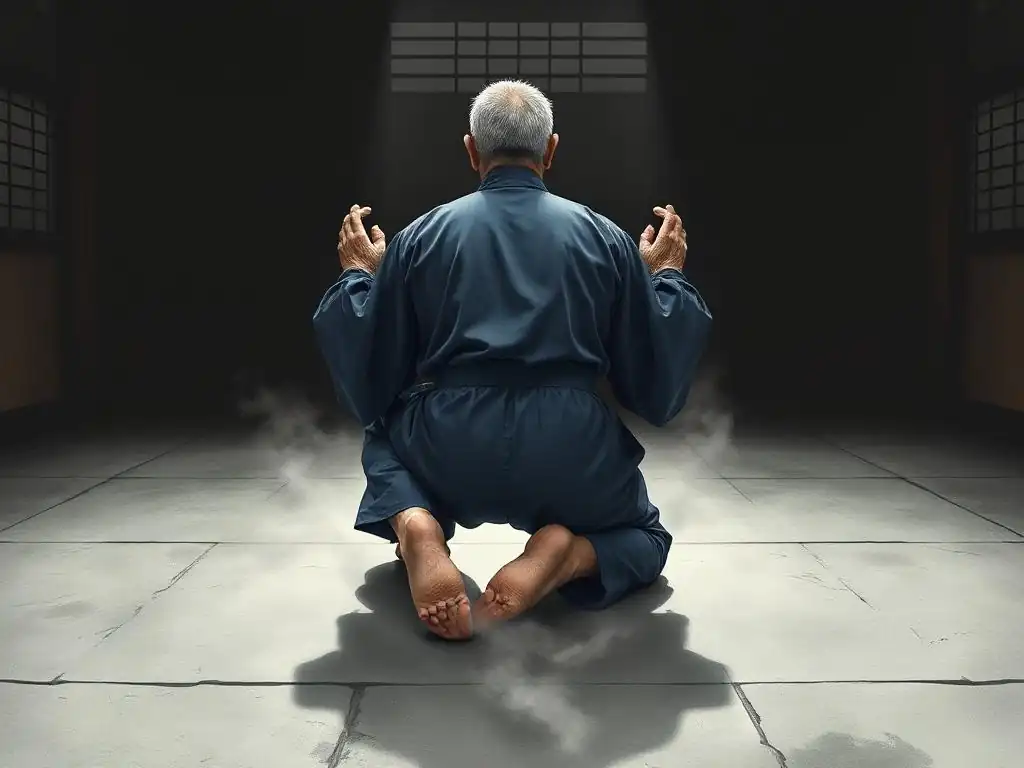
Movement 6, "Two Hands Hold the Feet," is a forward bending exercise designed to stretch the posterior chain of the body, particularly the hamstrings and lower back, and to strengthen the kidneys and waist according to TCM principles. It begins from the basic Wuji stance. As you inhale, the hands rise up the front of the body, palms facing inwards, until they reach overhead, similar to the beginning of Movement 1.
As you exhale, the body folds forward from the hips, keeping the back as straight as possible initially. The hands sweep down the front of the body, down the legs, reaching towards the feet or ankles. The goal is to touch the feet, but flexibility varies, so reaching the shins or knees is acceptable. The head relaxes downwards.
This forward bend stretches the hamstrings, calves, and the muscles along the spine. As you inhale, slowly unroll the spine, bringing the hands back up the front of the legs and body, returning to the upright standing position. This movement is typically repeated 6-8 times.
Stretching the Hamstrings and Lower Back in Movement 6
The primary physical action of Movement 6 is a deep stretch of the entire posterior chain. As the torso folds forward, the hamstrings (muscles at the back of the thighs) are significantly stretched. This stretch extends down through the calves and up into the glutes and lower back. Maintaining a relatively straight back during the initial phase of the bend helps to focus the stretch on the hamstrings. As the bend deepens, a gentle rounding of the lower back is natural as the hands reach towards the feet.
The return phase, unrolling the spine segment by segment, helps to mobilize the vertebrae and strengthen the muscles of the back and core as they work to lift the torso back to vertical. This controlled unfolding is as important as the forward bend itself. This Ba Duan Jin movement analysis emphasizes the combination of passive stretching during the forward bend and active engagement during the return, promoting both flexibility and strength in the back and legs.
Strengthening Kidney Qi with the "Holding the Feet" Posture
From a TCM perspective, Movement 6 is specifically linked to strengthening the Kidneys and the lumbar region (waist). The Kidneys are considered the root of vitality and store Jing (essence), which is crucial for overall health, longevity, and reproductive function. The kidney meridian runs down the back of the legs and up the spine. The forward bend and stretch directly stimulate this meridian.
The act of reaching down towards the feet is believed to draw Qi downwards, grounding the energy and nourishing the Kidneys. The lower back area is considered the residence of Kidney Qi. The stretching and strengthening action on the lumbar muscles and the stimulation of the Kidney meridian points in the legs and feet are thought to tonify Kidney Qi. This detailed Ba Duan Jin movement analysis highlights the TCM theory behind the movement's purported benefits for vitality and the lower back.
Movement 7: Clenching the Fists and Glaring with Anger to Boost Strength
Movement 7, "Clenching the Fists and Glaring with Anger," is a powerful, dynamic exercise aimed at gathering and releasing internal energy, strengthening the liver and gallbladder meridians, and building physical power. It is often performed from a horse stance similar to Movement 2, or sometimes a slightly less wide stance. The hands are held at the sides or hips, initially relaxed.
As you transition into the movement, step out into the stance if not already there. On an exhale, forcefully punch one fist forward or to the side (depending on the variation), while simultaneously clenching the other fist at the hip and widening the eyes in an intense glare. The punch is delivered with internal power (Fa Jin), originating from the legs and waist, not just the arm. The breath is a sharp, audible exhale.
On the inhale, the fist retracts smoothly back to the hip, and the eyes relax. This is repeated with the other fist. The "glaring with anger" is not about generating actual anger, but rather cultivating fierce focus and intent.
Full Body Engagement and Energy Release in Movement 7
"Clenching the Fists and Glaring with Anger" requires coordinated effort from the entire body. The power for the punch and glare originates from the ground, channeled up through the legs and waist, and expressed through the arms and eyes. The horse stance provides a stable base. As the punch extends, the core muscles engage strongly. The shoulders and back muscles also contribute to the power generation and retraction.
The sharp exhale accompanying the punch is a form of vocalization or breath control used in many martial arts to consolidate and release power. The intense glare helps to focus the mind and project intent. This Ba Duan Jin movement analysis emphasizes the integration of physical structure, breath, and mental focus to generate explosive, yet controlled, power. This type of full-body engagement is directly relevant to developing striking power and Fa Jin in martial arts.
Developing Internal Power and Focus with "Clenching the Fists"
Beyond physical strength, Movement 7 is specifically designed to cultivate internal power (Nei Jin). This is not just muscular force, but power generated from the coordinated movement of the entire body, guided by intent and Qi. The clenching of the fists and the intense glare help to consolidate mental and physical energy, directing it outwards.
From a TCM perspective, the movement's intensity and the associated "glaring with anger" (or fierce resolve) are linked to the Liver and Gallbladder, which are associated with emotions like anger, courage, and planning. This exercise is believed to help regulate the flow of Liver Qi, which can become stagnant due to stress or repressed emotions, leading to irritability or frustration.
By expressing this focused intensity in a controlled manner, the movement helps to smooth the flow of Liver Qi and build internal fortitude. This Ba Duan Jin movement analysis shows how the exercise combines physical power generation with emotional and energetic regulation.
Movement 8: Bouncing on the Toes to Cure Illnesses
Movement 8, "Bouncing on the Toes," is a simple yet profound exercise that concludes the Ba Duan Jin sequence. Its primary purpose is to gently shake and vibrate the body, helping to settle Qi, stimulate circulation, and release any remaining tension or stagnant energy. It is typically performed from the basic Wuji stance, feet parallel and shoulder-width apart.
The movement involves gently rising up onto the balls of the feet (lifting the heels) and then allowing the heels to drop back down to the ground, creating a slight jolt or vibration through the body. This is not a vigorous jump, but a controlled rise and gentle drop. The hands can remain at the sides or rest gently on the lower abdomen. This "bouncing" or vibrating action is repeated several times, usually 7-12 times. The key is the relaxation that follows the drop, allowing the vibration to ripple through the body.
Stimulating Acupuncture Points and Promoting Circulation in Movement 8
The action of rising onto the toes and dropping the heels stimulates acupuncture points on the soles of the feet, particularly the Yong Quan point (Kidney 1), which is considered an important point for grounding energy and connecting with Earth Qi. The gentle vibration created by the drop helps to send this stimulation upwards through the legs and body.
This rhythmic bouncing action also promotes blood and lymph circulation throughout the legs and torso. The repeated contraction and relaxation of the calf muscles acts as a pump, aiding venous return. The vibration helps to loosen fascia and connective tissues, further improving circulation and reducing stiffness. This Ba Duan Jin movement analysis highlights its role in stimulating vital points and enhancing the flow of fluids and energy throughout the body.
Grounding and Releasing Excess Energy with "Bouncing on the Toes"
As the final movement in the sequence, "Bouncing on the Toes" serves to consolidate the energy cultivated during the previous exercises and to ground any excess or turbulent Qi. After stimulating various meridians and energy centers, this movement helps to settle the energy back into the lower Dan Tian and ensure smooth circulation throughout the system.
The gentle jolt helps to shake off any lingering tension or negative energy. It provides a sense of release and completion to the practice. The focus shifts from specific movements to a more generalized feeling of vibration and settling. This Ba Duan Jin movement analysis emphasizes its function as a vital closing exercise, ensuring that the practitioner feels centered, grounded, and relaxed after completing the full Eight Brocades sequence, ready to integrate the benefits into their daily life or subsequent martial arts training.
Benefits of Ba Duan Jin Practice for Martial Artists
Enhancing Qi Circulation for Improved Performance
For martial artists, optimal Qi circulation is not merely a concept but a practical necessity. Smooth, abundant Qi translates directly into increased stamina, faster recovery, enhanced power generation (especially internal power), and improved resilience. Ba Duan Jin, with its systematic approach to opening meridians and regulating Qi flow, directly supports these goals. The Ba Duan Jin movement analysis reveals how each exercise targets specific energy pathways, cumulatively improving the overall circulation of vital energy throughout the body.
Consider the demands of martial arts training: explosive movements, sustained exertion, and the need for rapid recovery. Practices like Ba Duan Jin help to build a deeper energy reservoir (cultivating Qi in the Dan Tian) and ensure that this energy can be quickly and efficiently deployed to the muscles and organs that need it. For example, Movement 7 helps consolidate and release power, while Movement 6 nourishes the Kidneys, which in TCM are associated with endurance and bone strength—foundational elements for high-impact training and longevity in martial arts practice.
Strengthening the Body and Improving Flexibility
While Qigong is often seen as solely focused on internal energy, Ba Duan Jin provides significant physical conditioning benefits that are highly valuable for martial artists. The stances, such as the horse stance in Movements 2 and 5, build strength and stability in the legs and core. Stretches like those in Movements 1, 3, and 6 improve flexibility in the spine, shoulders, hips, and hamstrings.
Improved flexibility is crucial for executing techniques effectively, increasing range of motion, and preventing injuries. The combination of static holds and dynamic stretches within the Ba Duan Jin movement analysis works the muscles and connective tissues in a balanced way. This comprehensive physical conditioning complements the more dynamic and strength-focused aspects of martial arts training, providing a well-rounded approach to physical preparation.
Mental Focus and Emotional Balance Through Ba Duan Jin
Martial arts require not only physical prowess but also a calm, focused mind and emotional control. Ba Duan Jin practice inherently cultivates these qualities. The requirement for synchronized movement, breath, and intention in each exercise trains concentration and mindfulness. This heightened awareness of the body and internal state translates directly into improved focus during martial arts practice or combat situations.
Furthermore, exercises like Movement 5 ("Swaying the Head") and Movement 4 ("Wise Owl") are specifically aimed at calming the mind and releasing emotional tension ("Heart Fire"). By regulating Qi flow and releasing physical blockages associated with stress, Ba Duan Jin helps practitioners maintain emotional equilibrium. This ability to remain calm and centered under pressure is an invaluable asset for any martial artist, enhancing decision-making and reducing the likelihood of impulsive reactions.
Integrating Ba Duan Jin into Your Martial Arts Training Regimen
Warming Up and Cooling Down with Ba Duan Jin
Ba Duan Jin is an excellent choice for both warming up before and cooling down after martial arts training. As a warm-up, the gentle, flowing movements help to loosen joints, stretch muscles, and gradually increase circulation without putting excessive strain on the body. Movements like "Holding Up the Heavens" and "Wise Owl" are particularly good for preparing the spine and upper body, while the stances and stretches in other movements engage the lower body and hips.
As a cool-down, performing Ba Duan Jin helps the body transition from a state of high exertion back to rest. The focus on breath and slow, deliberate movements aids in recovery, helps to dissipate lactic acid, and calms the nervous system. Movement 8, "Bouncing on the Toes," is particularly effective for settling energy and promoting overall relaxation after intense training. Incorporating a full or partial Ba Duan Jin movement analysis session into these crucial training phases enhances physical readiness and recovery.
Using Ba Duan Jin for Injury Prevention and Recovery
The regular practice of Ba Duan Jin can play a significant role in injury prevention. By improving flexibility, strengthening supporting muscles (especially in the core and legs), and enhancing proprioception, the body becomes more resilient and less susceptible to sprains, strains, and other common martial arts injuries. The focus on proper alignment and mindful movement inherent in the Ba Duan Jin movement analysis helps practitioners develop better body mechanics, reducing undue stress on joints and ligaments.
In the event of an injury, modified Ba Duan Jin movements can aid in the recovery process. The gentle stretches and emphasis on circulation help to reduce inflammation and promote healing. For example, seated variations of some movements can be practiced when standing is difficult. The focus on Qi cultivation also supports the body's natural healing mechanisms. While not a substitute for medical care, Ba Duan Jin can be a valuable complementary practice for rehabilitation, helping martial artists return to training safely and effectively.
Common Mistakes and How to Avoid Them in Ba Duan Jin
Incorrect Posture and Alignment
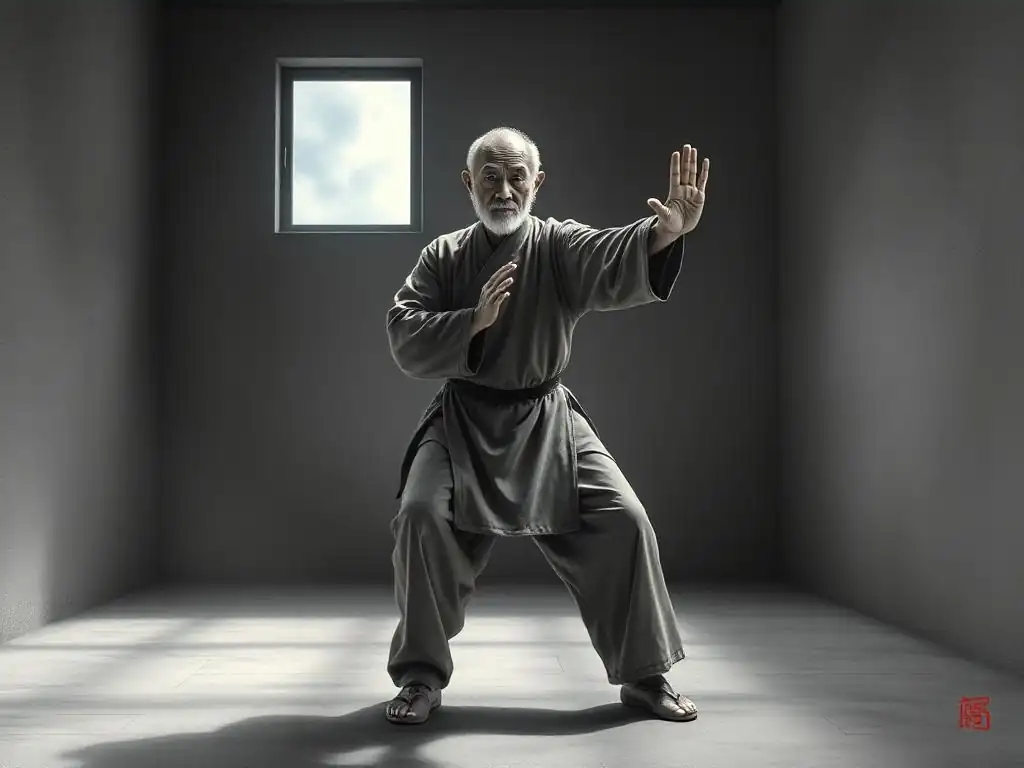
One of the most common mistakes in Ba Duan Jin is neglecting proper posture and alignment. This can significantly reduce the effectiveness of the movements and potentially lead to strain or injury. Examples include locking the knees, rounding the back excessively (except when intentional, as in part of Movement 5 or 6), hiking the shoulders, or failing to keep the head suspended from the crown. These issues disrupt the flow of Qi and place undue stress on joints.
To avoid this, focus on maintaining a relaxed yet upright posture. Imagine a string pulling you gently upwards from the top of your head while feeling rooted through your feet. Keep a slight bend in the knees in most standing postures. Regularly check your alignment in a mirror or ask an instructor for feedback. Paying close attention during your Ba Duan Jin movement analysis and practice to the subtle details of hand position, spinal curve, and joint alignment is crucial for maximizing benefits and preventing errors.
Improper Breathing Techniques
Another frequent error is improper or uncoordinated breathing. Holding the breath, breathing too shallowly, or failing to synchronize breath with movement diminishes the Qigong aspect of Ba Duan Jin, turning it into mere physical exercise. The breath is intended to guide the Qi, and incorrect breathing hinders this process, limiting the internal benefits.
Ensure that your breath is deep, slow, and relaxed, originating from the diaphragm (abdominal breathing). Inhale fully, allowing the abdomen to expand, and exhale completely. Coordinate the inhale with expansive or rising movements and the exhale with contracting or sinking movements, as detailed in the Ba Duan Jin movement analysis for each section. Practice breathing exercises independently to improve lung capacity and diaphragmatic control if needed.
Rushing Through the Movements
Ba Duan Jin movements are meant to be performed slowly, smoothly, and with intention. Rushing through the sequence is a common mistake, often due to impatience or treating it like a cardio workout. Speeding up the movements reduces the time spent in beneficial postures, disrupts the synchronization of breath and movement, and prevents the practitioner from fully sensing the internal energy flow.
Cultivate patience and mindfulness during practice. Focus on the quality of each movement rather than completing the sequence quickly. Allow your breath to set the pace. Each posture and transition should be performed with awareness and control. Approaching your Ba Duan Jin movement analysis not just theoretically but practically, by slowing down and feeling the sensations within the body, will significantly enhance the depth and effectiveness of your practice.
Advanced Ba Duan Jin Techniques and Variations
Breathing Techniques for Specific Ailments
While the basic breathing in Ba Duan Jin is slow, deep, and coordinated with movement, advanced practitioners may explore specific breathing techniques tailored for particular health concerns or to enhance specific effects. For example, some variations incorporate reverse abdominal breathing, where the abdomen contracts on the inhale and expands on the exhale, which is believed to build more internal pressure and consolidate Qi in the lower Dan Tian.
Other advanced techniques might involve holding the breath briefly at key points in the movement or focusing the breath's intention on specific meridian points or organs. For instance, focusing breath and intention on the Kidney points during Movement 6 can enhance its tonifying effect. These techniques require careful guidance from an experienced instructor, as improper practice can be detrimental. A deeper Ba Duan Jin movement analysis often includes the subtle nuances of breath control and mental focus associated with these advanced variations.
Seated Ba Duan Jin Variations
The standing (Wushi) form is the most widely known, but there is also a traditional seated (Wenshi) variation of Ba Duan Jin. The seated form is particularly suitable for individuals with limited mobility, those recovering from injury, or for practicing in confined spaces. While the physical postures are modified, the underlying principles of coordinating movement, breath, and intention to cultivate Qi remain the same.
For example, the seated version of "Holding Up the Heavens" still involves raising and pressing the hands overhead while sitting upright, focusing on stretching the spine. "Drawing the Bow" is adapted to be performed from a seated position, emphasizing upper body rotation and arm extension. The seated Ba Duan Jin movement analysis focuses on adapting the core actions and energetic principles to a seated posture, still aiming to stimulate meridians and regulate organ function, albeit with less emphasis on leg strength and balance.
Conclusion: Mastering Ba Duan Jin for Long-Term Health and Martial Arts Prowess
The Enduring Legacy of Ba Duan Jin
Ba Duan Jin stands as a testament to the profound wisdom of ancient Chinese health cultivation practices. Developed over centuries, refined through various lineages, and practiced by millions, its enduring legacy is a testament to its effectiveness. It is more than just a set of exercises; it is a holistic system that integrates physical movement, breath control, and mental focus to harmonize the body's energy system. Its accessibility and adaptability make it a valuable practice for people from all walks of life, including martial artists seeking to deepen their understanding of internal power and enhance their overall well-being.
The simplicity of the eight movements belies their deep complexity and profound impact. From regulating internal organs and strengthening the musculoskeletal system to calming the mind and cultivating internal energy, Ba Duan Jin offers a comprehensive approach to health. Its historical journey reflects its resilience and proven benefits, cementing its place as a foundational Qigong form that continues to be relevant in the modern world, offering a pathway to improved health and vitality.
Further Resources for Studying Ba Duan Jin and Qi Cultivation
For those interested in delving deeper into the practice and Ba Duan Jin movement analysis, numerous resources are available. Traditional texts provide historical context and theoretical underpinnings rooted in TCM. Modern books and instructional videos offer detailed guidance on the postures, breathing techniques, and common variations. Seeking instruction from qualified teachers is highly recommended, as they can provide personalized feedback, correct posture, and guide practitioners in understanding the subtle energetic aspects of the practice.
Exploring related Qigong forms and internal martial arts styles (like Taijiquan or Xingyiquan) can also deepen one's understanding of Qi cultivation principles. Many martial arts schools incorporate Ba Duan Jin or similar Qigong sets into their curriculum, recognizing their value for building a strong internal foundation. Dedicated study and consistent practice, guided by reliable resources and knowledgeable instructors, are key to unlocking the full potential of Ba Duan Jin for long-term health and enhanced martial arts prowess.
Frequently Asked Questions
What is Ba Duan Jin and what is its primary purpose?
Ba Duan Jin, also known as the Eight Brocades, is a traditional Chinese Qigong exercise system. Its primary purpose is to cultivate internal energy (Qi) and improve overall health and well-being.
How does Ba Duan Jin contribute to martial arts training?
While not a combat art itself, Ba Duan Jin enhances martial arts practice by improving flexibility, increasing stamina, and strengthening core muscles. This supports better form, power, and resilience.
What are the key benefits of performing Ba Duan Jin regularly?
Regular practice can lead to improved circulation, reduced stress, and increased energy levels. It also promotes joint health and can help prevent injuries.
Is prior martial arts experience required to learn Ba Duan Jin?
No, Ba Duan Jin is accessible to everyone, regardless of prior martial arts experience. It's a low-impact exercise suitable for all ages and fitness levels and can be learned through instructional videos or qualified instructors.
Where can I find a detailed Ba Duan Jin movement analysis?
Resources like MartialArtsMastery.org offer detailed analyses of each movement, explaining the proper form, breathing techniques, and intended benefits. Look for articles specifically titled "Ba Duan Jin movement analysis" for in-depth information.
Final Reflection: Harmonizing Body and Spirit Through Movement
The preceding analysis of Ba Duan Jin, with its intricate breakdown of each movement, underscores its enduring relevance in today's fast-paced world. The pursuit of holistic well-being, integrating physical health with mental and spiritual clarity, is more crucial than ever. Ba Duan Jin offers a tangible pathway to achieve this balance, providing a structured yet adaptable practice accessible to individuals of all ages and fitness levels.
The profound influence of Ba Duan Jin extends beyond mere physical exercise; it cultivates a deeper connection with one's inner self. This practice, passed down through generations, serves as a constant reminder of the interconnectedness of mind, body, and spirit, fostering a sense of groundedness and resilience in the face of modern-day stressors. The body benefits from movement, and the mind benefits from stillness.
This ancient wisdom encapsulates the essence of Ba Duan Jin, highlighting its ability to harmonize these seemingly opposing forces.
Now, as you reflect on the detailed movements and the underlying principles of Ba Duan Jin, consider how you might integrate this ancient practice into your own life. Embrace the opportunity to cultivate internal energy, enhance your physical well-being, and discover a deeper sense of inner peace. Let the gentle, flowing movements of Ba Duan Jin guide you towards a more balanced and harmonious existence.
Awaken Your Inner Harmony: Begin Your Ba Duan Jin Journey Today!
Thank you for exploring the transformative power of Ba Duan Jin with us. We hope this detailed analysis has illuminated the path to cultivating your internal energy and enhancing your well-being. Now, it's time to put knowledge into action!
- Start practicing the first two movements today. Focus on form and breath synchronization, even if only for 5 minutes.
- Explore related articles on Martial Arts Mastery to deepen your understanding of Qigong and its benefits.
- Share this article with a friend who might benefit from a gentle yet powerful exercise routine.
Which movement are you most excited to incorporate into your daily practice, and what benefits are you hoping to experience?