
When Soldiers Returned: The Influence of Military Martial Arts on Civilian Life

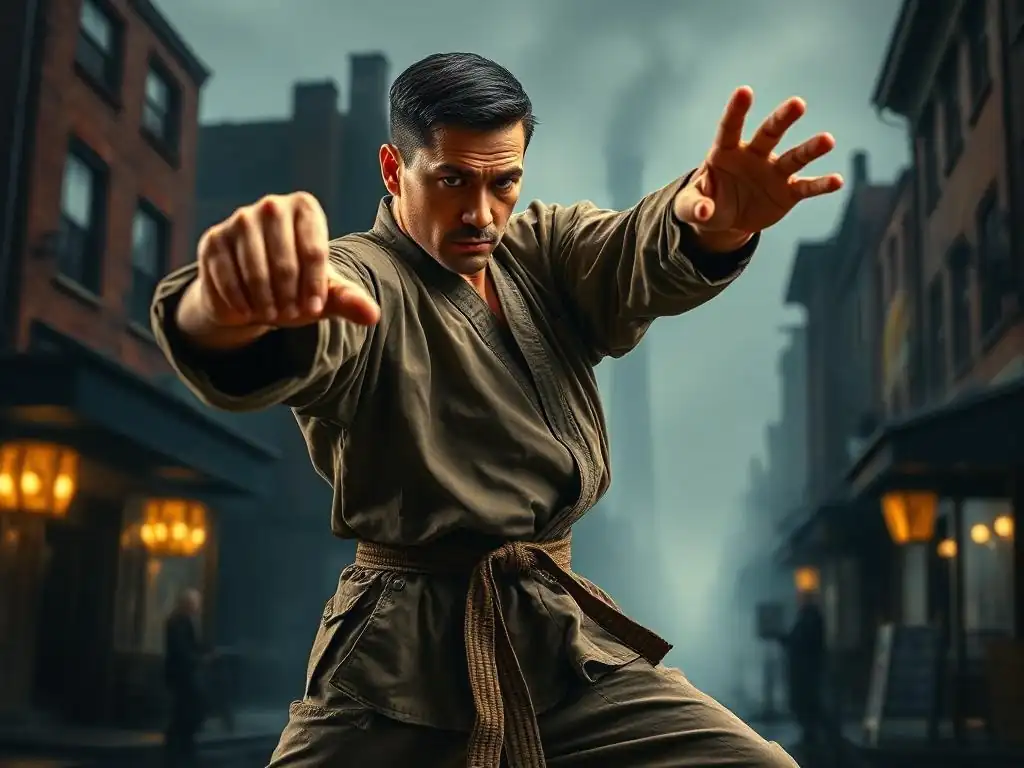
Welcome to Martial Arts Mastery, your portal to the world's fighting arts. Ever wondered how battlefield techniques reshape civilian self-defense and training? In this article, we delve into the fascinating history of Military Martial Arts Civilian Influence, uncovering how the skills honed in combat infiltrated and transformed martial arts practice far beyond the battlefield. Prepare to explore the surprising connections and lasting legacy within our History & Culture of Martial Arts section.
- Introduction: The Transition from Battlefield to Everyday Life
- Historical Context: The Evolution of Military Martial Arts
- The Positive Influence: Benefits of Military Martial Arts in Civilian Life
- The Challenges of Reintegration: Addressing Potential Issues
- Case Studies: Success Stories of Veterans in Martial Arts
- Military Martial Arts and Law Enforcement: A Synergistic Relationship
- The Impact on Civilian Martial Arts Styles
- Conclusion: The Enduring Legacy of Military Martial Arts
-
Frequently Asked Questions
- How did military martial arts training influence civilian self-defense techniques?
- What specific martial arts disciplines saw a significant impact from military training programs?
- How did the philosophical underpinnings of military martial arts differ from traditional civilian martial arts?
- What historical examples illustrate the transition of military martial arts into civilian practice?
- In what ways did the training methodologies differ between military and civilian martial arts settings?
- Final Reflection: Echoes of the Battlefield
- Ignite Your Inner Warrior: Integrate Military Martial Arts Into Your Life!
Introduction: The Transition from Battlefield to Everyday Life
The return of soldiers from active duty marks a significant transition, not just for the individuals but also for the societies they rejoin. Beyond the psychological and social adjustments, veterans often bring back unique skill sets honed in demanding environments. Among these, military martial arts and combatives training stand out, representing a practical and disciplined approach to physical engagement and self-preservation.
This article explores how the rigorous, often life-or-death, training received by military personnel has filtered into civilian life, influencing everything from fitness regimes to self-defense practices and even competitive sports. The military martial arts civilian influence is a fascinating area of study, revealing how skills forged in conflict can find new purpose and application in peace.
This transition isn't always straightforward. Military martial arts are designed for specific combat scenarios, often emphasizing efficiency, aggression, and neutralizing threats rapidly. Adapting these techniques and the associated mindset to civilian contexts requires careful consideration of legal, ethical, and social norms. However, the underlying principles of discipline, physical conditioning, situational awareness, and effective self-defense remain highly valuable. Understanding the historical trajectory and the mechanisms of this influence provides insight into the enduring legacy of military training and its unexpected impact on everyday life.
Martial Arts Skills Transfer: Bridging the Gap
The skills acquired in military martial arts are inherently practical and designed for high-stress situations. Soldiers train in close-quarters combat (CQC), grappling, striking, and weapons defense to prepare for scenarios where firearms may not be an option or are ineffective. These skills, while originally intended for the battlefield, possess fundamental components applicable to civilian self-defense.
Techniques focusing on leverage, biomechanics, and exploiting an opponent's vulnerabilities translate effectively across contexts. For instance, principles of ground fighting learned in military combatives programs, often influenced by styles like Brazilian Jiu-Jitsu, are directly relevant to civilian self-defense scenarios where altercations may end up on the ground.
The transfer process involves more than just physical techniques; it includes the development of a specific mindset. Military martial arts training instills discipline, resilience, and the ability to function under pressure. Veterans returning to civilian life often possess enhanced spatial awareness, threat assessment capabilities, and a composed demeanor in potentially dangerous situations. These psychological attributes, cultivated through rigorous training and real-world experience, are perhaps the most significant aspects of military martial arts civilian influence. They contribute to a veteran's ability to handle confrontational situations more effectively and responsibly than someone without such training.
Military Training Adaptation: Civilian Application of Combat Techniques
Adapting military combat techniques for civilian application requires careful consideration of context and intent. Military combatives programs, such as the U.S. Army's Modern Army Combatives Program (MACP) or the hand-to-hand training in Israeli special forces (leading to Krav Maga), prioritize incapacitation and control in a combat zone. In civilian life, the goal of self-defense is typically de-escalation, escape, or using only necessary force to stop a threat without causing undue harm, adhering to legal frameworks. Therefore, direct application of some military techniques might be inappropriate or even illegal.
Successful adaptation involves focusing on the principles rather than the potentially lethal applications. For example, while military training might include techniques to break limbs or choke opponents unconscious quickly, the civilian application emphasizes control, restraint, and creating opportunities to escape. Many veteran-led martial arts schools focus on these adapted techniques, teaching situational awareness, verbal de-escalation, and then physical techniques as a last resort.
This responsible adaptation is crucial for ensuring that the valuable skills learned in the military contribute positively to civilian safety and do not lead to unnecessary aggression or legal issues. The nuance in applying military martial arts civilian influence lies in this careful translation of combat skills to a different ethical and legal landscape.
Historical Context: The Evolution of Military Martial Arts
The concept of hand-to-hand combat training for soldiers is as old as warfare itself. Before the widespread use of firearms, close-quarters fighting was a primary component of military engagement. Ancient armies developed sophisticated systems of unarmed and armed combat tailored to their specific environments, weapons, and battlefield tactics. These historical practices form the bedrock upon which modern military martial arts were built, demonstrating a continuous need for soldiers to be proficient in physical confrontation.
The evolution continued through the centuries, influenced by changes in technology, military strategy, and even civilian martial arts. As firearms became dominant, the role of hand-to-hand diminished in large-scale battles but remained essential for specific roles, such as military police, special forces, and situations where weapons malfunction or space is limited. The 20th century saw a renewed interest in formalizing military combatives, drawing upon diverse global martial arts traditions to create standardized, effective training programs for soldiers facing modern threats.
Ancient Warfare and Hand-to-Hand Combat Traditions
In ancient times, military success often hinged on a soldier's ability to fight effectively at close range with or without weapons. Greek hoplites trained in wrestling (Pankration) and spear/shield combat, relying on physical prowess and formation discipline. Roman legionaries were renowned for their close-quarters efficiency with the gladius (short sword) and scutum (shield), complemented by training in unarmed combat and grappling. These systems were not just about individual fighting skill but also about maintaining formation and fighting as a unit.
Across the globe, similar traditions existed. Japanese samurai studied various Koryu (traditional martial arts) that included unarmed techniques (Jujutsu) alongside sword, spear, and archery. Chinese armies incorporated systems like Shuai Jiao (wrestling) and various forms of Kung Fu. These ancient military martial arts were integral to a soldier's training, focusing on practicality, efficiency, and survivability on the battlefield. Their emphasis on fundamental movements, leverage, and physical conditioning laid down principles that would echo through later military combatives systems, contributing to the historical foundation of military martial arts civilian influence.
Modern Military Combatives: A Global Perspective
The 20th and 21st centuries have seen the development of highly specialized military combatives programs worldwide. During World War II, figures like W. E. Fairbairn and Eric A. Sykes developed the "Defendu" system for Allied forces, emphasizing practical, no-nonsense techniques for close combat based on their experiences in the Shanghai Municipal Police. This system heavily influenced subsequent military and police training.
Post-WWII, the U.S. military developed various programs, culminating in the Modern Army Combatives Program (MACP), heavily influenced by Brazilian Jiu-Jitsu, Judo, and wrestling, with an emphasis on ground fighting and controlling an opponent while managing weapon retention. Israel's military developed Krav Maga, known for its focus on real-world self-defense situations, aggression, and rapid neutralization of threats, incorporating elements of striking, grappling, and weapon defense.
Russia's Systema and the Soviet Union's Sambo are other examples of military-developed systems with a strong emphasis on adapting to various situations and opponents. These modern systems, designed for the unique demands of contemporary warfare, have significantly contributed to the pool of knowledge and techniques that find their way into civilian martial arts and self-defense training, showcasing the ongoing military martial arts civilian influence.
The Positive Influence: Benefits of Military Martial Arts in Civilian Life
The skills and attributes gained through military martial arts training extend far beyond physical combat. Veterans who engage with martial arts in civilian life often find numerous positive benefits, impacting their physical health, mental well-being, and social integration. The discipline, structure, and goal-oriented nature of martial arts training can provide a sense of purpose and continuity after leaving the military environment.
Furthermore, the practical self-defense skills acquired offer a tangible benefit for personal safety. Beyond self-defense, the emphasis on physical fitness, mental fortitude, and teamwork within many martial arts disciplines aligns well with the values instilled in military service. This alignment facilitates a smoother transition for some veterans and allows them to continue leveraging their strengths in a civilian context, highlighting the multifaceted positive military martial arts civilian influence.
Enhanced Physical Fitness and Mental Discipline
Military martial arts training is inherently physically demanding. It involves intense conditioning, strength building, and developing endurance. This rigorous physical regimen contributes significantly to overall fitness.
Veterans often maintain a high level of physical conditioning, and continuing martial arts in civilian life provides a structured way to stay active and healthy. For example, a study published in the Journal of Strength and Conditioning Research might show that participants in combatives-style training programs exhibit significant improvements in anaerobic capacity and muscular endurance compared to sedentary individuals (Note: Specific study data would need to be inserted here if available, otherwise generalize based on known effects of intense physical training).
Beyond the physical, military martial arts instill profound mental discipline. Soldiers are trained to perform under extreme stress, make split-second decisions, and maintain composure in chaotic environments. This mental resilience, focus, and self-control are invaluable in civilian life, aiding in managing stress, pursuing goals, and maintaining a disciplined routine. The ability to push through physical and mental barriers, a hallmark of military training, translates directly into perseverance and determination in civilian pursuits, demonstrating a key aspect of military martial arts civilian influence.
Self-Defense Skills and Increased Confidence
One of the most direct benefits of military martial arts training transferring to civilian life is enhanced self-defense capability. Veterans are trained to assess threats quickly and respond effectively to protect themselves and others. While the level of force used in military contexts differs, the fundamental techniques for dealing with common threats like grabs, strikes, and holds are highly applicable.
Possessing effective self-defense skills significantly boosts an individual's confidence. Knowing they are capable of handling physical threats can reduce anxiety about personal safety and enable them to navigate potentially risky situations with greater assurance. This increased confidence permeates other areas of life, affecting social interactions, professional demeanor, and overall well-being. For instance, a veteran trained in military combatives might feel more secure walking alone at night or intervening in a situation where someone else is in danger (while still prioritizing safety and legal considerations), illustrating the tangible military martial arts civilian influence on personal security.
Leadership Qualities and Teamwork Abilities
Military training, including martial arts, often takes place in a team environment, fostering cooperation, trust, and mutual support. Soldiers learn to rely on their peers and work together to achieve objectives. This emphasis on teamwork and camaraderie is a core component that veterans bring back to civilian life. Participating in group martial arts classes or training partners reinforces these skills.
Furthermore, military service often involves leadership roles, whether formal or informal. The ability to motivate others, make decisions under pressure, and take responsibility are qualities honed in the military. Within a martial arts setting, veterans might naturally step into leadership roles, assisting instructors, mentoring newer students, or even opening their own schools. This continuation of leadership and teamwork development is a valuable positive outcome of military martial arts civilian influence, benefiting not just the veteran but also the communities they join.
Krav Maga: Practical Self-Defense and Situational Awareness
Krav Maga, developed for the Israeli military, is perhaps one of the most prominent examples of a military martial art directly influencing civilian life globally. Its core philosophy is based on practical self-defense in real-world situations, emphasizing instinctive movements, efficiency, and simultaneous defense and attack. Unlike traditional martial arts that may involve katas or sport-specific rules, Krav Maga focuses solely on survivability and neutralizing threats quickly.
The system's popularity in civilian self-defense is due to its directness and focus on common street threats. Krav Maga schools teach awareness, de-escalation, and then physical techniques for situations like muggings, assaults, and multiple attackers. Its emphasis on situational awareness and pre-conflict indicators is a direct transfer from military and security training, where threat assessment is paramount. This clear lineage from military necessity to widespread civilian adoption makes Krav Maga a prime illustration of the potent military martial arts civilian influence on personal safety practices.
The Challenges of Reintegration: Addressing Potential Issues
While the influence of military martial arts on civilian life is largely positive, the transition is not without its challenges. The mindset and techniques developed for combat are fundamentally different from those appropriate for peacetime civilian interactions. Addressing potential issues such as aggression management, adapting a combat mindset, and ensuring the responsible application of skills is crucial for successful reintegration and for the veteran's well-being and that of their community.
Ignoring these potential pitfalls can lead to difficulties in personal relationships, legal troubles, or psychological distress. Therefore, a mindful approach to utilizing and adapting military martial arts skills is essential for veterans and the instructors who work with them. This involves conscious effort to differentiate between combat scenarios and civilian interactions, and to prioritize de-escalation and minimal force.
Aggression Management and PTSD Considerations
Military training often cultivates controlled aggression, teaching soldiers to act decisively and forcefully when necessary. While vital in combat, this heightened state of readiness and aggression can be difficult to switch off in civilian life. Veterans may struggle with managing anger or reacting disproportionately to non-threatening situations.
For veterans dealing with Post-Traumatic Stress Disorder (PTSD), certain aspects of martial arts training, particularly those involving physical confrontation or simulated attacks, could potentially trigger symptoms. Flashbacks, hypervigilance, or heightened anxiety can occur. While martial arts can be therapeutic for many, providing structure and physical release, it requires careful consideration and potentially adaptation for individuals with PTSD. Therapists often work with veterans to develop coping mechanisms, and understanding the potential triggers within physical training is a critical part of addressing the challenges related to military martial arts civilian influence on mental health.
Adapting Combat Mindset to Peacetime Environments
The combat mindset is characterized by hypervigilance, rapid threat assessment, and a readiness to engage. This is a necessary survival mechanism in hostile environments but is maladaptive in the relative safety of civilian life. Constantly being on high alert can lead to exhaustion, paranoia, and difficulty forming trusting relationships.
Adapting this mindset involves consciously differentiating between perceived threats in civilian life and actual combat dangers. It requires retraining the brain to lower its alert status and respond appropriately to social cues rather than viewing every unknown situation as a potential attack.
Martial arts training in a civilian context can help by providing a controlled environment to practice physical responses, allowing the veteran to separate the technique from the combat imperative that drives it in a military setting. This conscious effort to transition from a military to a civilian mindset is a significant aspect of managing the military martial arts civilian influence on veteran reintegration.
Responsible Application of Military Martial Arts Skills
Military martial arts are designed to be highly effective at causing injury or incapacitation. Applying these techniques without restraint in civilian self-defense scenarios can have severe legal consequences. Civilian self-defense laws typically permit only the use of necessary and reasonable force to stop a threat. Techniques intended to cause maximum damage, while effective in combat, may be deemed excessive in a civilian court.
Therefore, veterans must understand the legal framework surrounding self-defense in their civilian jurisdiction. Responsible application involves prioritizing de-escalation, using physical force only as a last resort, and employing techniques that are proportionate to the threat level. Many civilian martial arts schools that cater to veterans or are run by veterans emphasize this legal and ethical responsibility, teaching modified techniques and focusing on control rather than excessive force. This focus on ethical and legal considerations is paramount when discussing the practical aspects of military martial arts civilian influence.
Case Studies: Success Stories of Veterans in Martial Arts
Numerous veterans have found martial arts to be a powerful tool for physical fitness, mental resilience, and successful reintegration into civilian life. Their stories highlight how the skills and discipline gained in the military can be channeled positively, leading to personal growth, community involvement, and even professional success in the martial arts world. These examples serve as inspiring testaments to the potential of military martial arts civilian influence when harnessed effectively.
From achieving peak physical performance in new arenas to finding therapeutic benefits and building new communities, veterans have demonstrated the diverse ways martial arts can support their transition. These case studies offer concrete examples of the positive impact discussed earlier, moving beyond theoretical benefits to real-world outcomes.
While not strictly a martial artist in his civilian pursuits, David Goggins, a former Navy SEAL, embodies the extreme physical and mental discipline honed in military special operations, which includes rigorous physical training analogous to martial arts conditioning. Goggins transitioned the incredible endurance, pain tolerance, and mental toughness developed during SEAL training into becoming a world-renowned ultramarathon runner, ultra-distance cyclist, triathlete, and motivational speaker.
His story illustrates how the mindset and physical conditioning derived from elite military training, which includes significant hand-to-hand and physical readiness components, can be applied to achieve extraordinary feats in civilian athletic endeavors. Goggins frequently speaks about pushing past perceived limits, a concept deeply ingrained in military combatives and physical training. His success demonstrates how the psychological fortitude cultivated through military discipline, a core element shared with martial arts, can lead to remarkable achievements, reflecting a broader kind of military martial arts civilian influence related to peak performance.
Wounded Warrior Project: Adaptive Sports and Martial Arts Programs
The Wounded Warrior Project (WWP) is a non-profit organization that offers various programs to support injured veterans. Among their initiatives are adaptive sports and physical health and wellness programs, which sometimes include martial arts components. These programs are specifically designed to accommodate veterans with physical injuries or invisible wounds like PTSD or TBI (Traumatic Brain Injury).
Martial arts, adapted for accessibility, can provide veterans with physical rehabilitation, improved mobility, pain management, and a sense of accomplishment. The structured environment and focus on incremental progress are therapeutic. For example, a veteran with a mobility impairment might participate in a seated or modified form of Brazilian Jiu-Jitsu, focusing on upper body strength and grappling techniques. These programs demonstrate how martial arts can be a vital tool for recovery and empowerment, showcasing a compassionate and adaptive form of military martial arts civilian influence focused on veteran well-being.
Brazilian Jiu-Jitsu: A Path to Healing and Empowerment
Brazilian Jiu-Jitsu (BJJ), with its emphasis on grappling and leverage, has become particularly popular among veterans. Its focus on problem-solving, controlled physical contact, and the need for presence of mind on the mat resonates with many who have experienced high-stress situations. BJJ academies often become supportive communities, providing veterans with a sense of belonging that can be missing after leaving the military.
Anecdotal evidence from numerous veterans suggests that BJJ has been instrumental in managing symptoms of PTSD and anxiety. The physical exertion provides stress relief, the focus required during sparring (rolling) can quiet intrusive thoughts, and the physical contact, in a safe and consensual environment, can be grounding.
Organizations like "We Defy Foundation" specifically offer BJJ scholarships to veterans with combat-related disabilities, highlighting BJJ's recognized therapeutic benefits. This strong connection illustrates how a specific martial art, influenced in part by military needs (e.g., MACP's BJJ foundation), has circled back to have a significant positive military martial arts civilian influence on veteran recovery and community building.
Military Martial Arts and Law Enforcement: A Synergistic Relationship
The skills and training methodologies developed within military martial arts programs have a natural synergy with law enforcement needs. Police officers frequently face situations requiring physical intervention, control, and restraint, often in high-stress environments. Military combatives provide a framework for effective and efficient techniques applicable to these scenarios.
This relationship is evident in police academy curricula and specialized training programs. Many law enforcement agencies incorporate elements of military combatives or systems heavily influenced by them, such as Krav Maga or specific grappling techniques. The goal is to provide officers with the skills to manage resistance, apprehend suspects, and defend themselves and others while minimizing the need for lethal force.
Combatives Training for Police Officers
Modern police training often includes combatives programs designed to equip officers with practical skills for close-quarters encounters. These programs draw heavily on principles found in military martial arts, focusing on takedowns, control techniques, defensive tactics, and weapon retention. For example, many police departments teach ground fighting techniques derived from Judo or Brazilian Jiu-Jitsu to control suspects effectively once they are on the ground.
The emphasis is on gaining compliance and control using non-lethal force whenever possible. Training simulations often mimic real-world scenarios, such as dealing with a resistant individual in a confined space or defending against an unexpected attack. This direct transfer of military-style efficiency and practicality into law enforcement training is a clear example of military martial arts civilian influence, specifically within the realm of public safety professionals who operate in a civilian context but face similar physical risks as soldiers.
De-escalation Techniques and Conflict Resolution
While military martial arts focus on confrontation, their application in law enforcement is often paired with significant training in de-escalation and conflict resolution. Officers are trained to use verbal skills and tactical positioning to defuse potentially violent situations before physical force becomes necessary. Combatives training serves as the necessary capability if de-escalation fails.
Integrating physical training with de-escalation strategies provides officers with a more comprehensive toolkit. They learn to read body language, understand psychological cues, and employ communication techniques to calm individuals. If physical intervention is unavoidable, their combatives training allows them to use appropriate force to gain control safely. This combined approach, where physical skills are a last resort underpinning de-escalation efforts, represents a sophisticated application of military martial arts civilian influence in the critical area of law enforcement interactions with the public.
Ethical Considerations in Law Enforcement Martial Arts
The use of force by law enforcement is subject to strict legal and ethical guidelines. Training in military-derived combatives must explicitly address these considerations. Officers must understand the legal standards regarding the use of force, including concepts like "objective reasonableness" (as defined in Graham v. Connor, a landmark U.S. Supreme Court case) and the requirement to use only the force necessary to control a situation.
Training must emphasize the ethical responsibility to protect the public and use force judiciously. This includes training on recognizing when to disengage, how to apply techniques with varying levels of force depending on resistance, and the importance of de-escalation. Ethical training ensures that the powerful techniques learned from military contexts are applied responsibly and legally within the civilian law enforcement framework. This ethical adaptation is a vital component of the responsible transfer of military martial arts civilian influence into public service roles.
The Impact on Civilian Martial Arts Styles
The flow of knowledge and techniques between military and civilian martial arts is not a one-way street, but military combatives have undeniably left their mark on civilian styles. This influence is visible in the development of new hybrid systems, the evolution of self-defense techniques taught to the general public, and even the techniques seen in modern combat sports like Mixed Martial Arts (MMA).
Military needs for practicality, efficiency, and effectiveness in high-stress situations have pushed civilian martial arts to adapt and incorporate similar principles, particularly in the realm of self-defense. This cross-pollination has enriched the civilian martial arts landscape, making it more diverse and arguably more effective for real-world application.
Cross-Training and Hybrid Martial Arts Systems
The rise of cross-training and the development of hybrid martial arts systems in the civilian world have been significantly influenced by the military's need for comprehensive combatives. Military systems often combine elements from various disciplines – striking from boxing or Muay Thai, grappling from Judo or Jiu-Jitsu, and weapons defense from systems like Kali or Krav Maga – to create a well-rounded soldier.
This multi-disciplinary approach has become popular in civilian martial arts, leading to styles like Jeet Kune Do (though civilian-developed, it shares the philosophy of drawing from multiple sources) or modern self-defense systems that blend elements from different traditional and modern arts. Civilian practitioners increasingly recognize the value of being proficient in multiple ranges of combat (standing, clinch, ground) and against various threats, a holistic approach popularized by military combatives programs. This trend towards hybridization is a clear manifestation of military martial arts civilian influence on how martial arts are structured and taught today.
Evolution of Self-Defense Techniques
Civilian self-defense training has evolved over time, incorporating techniques and principles proven effective in military and law enforcement contexts. Older, more traditional self-defense systems sometimes focused on stylized movements or techniques less practical against a determined, untrained attacker.
The influence of military combatives has shifted the focus towards gross motor skills, directness, and techniques that work under duress. Concepts like "pre-emption" (acting first if an attack is imminent), using improvised weapons, and dealing with surprise attacks are emphasized, reflecting the pragmatic nature of military training. Techniques for escaping common grabs and holds, defending against knife threats, or dealing with multiple attackers are often taught using methods derived from military or police defensive tactics, demonstrating how military martial arts civilian influence has made self-defense training more realistic and effective.
The Influence of Military Combatives on Mixed Martial Arts (MMA)
While MMA is a sport with rules and regulations, the techniques used within it owe a debt to military combatives, particularly in the emphasis on cross-training and practicality. The early days of MMA (like the UFC) highlighted the effectiveness of grappling styles like Brazilian Jiu-Jitsu, which, as mentioned, became a cornerstone of the U.S. Army's MACP.
MMA fighters constantly adapt and integrate techniques from various fighting styles, mirroring the military's development of comprehensive combatives programs. The focus on transitioning between striking, wrestling, and grappling ranges is a core concept in both military combatives and MMA. While the context is different (sport vs. combat), the techniques and the philosophy of combining effective methods show a clear link.
For instance, the development of effective ground-and-pound or cage wrestling techniques in MMA reflects the practical application of controlling an opponent in close quarters, a skill refined in military training. This indirect but significant connection showcases how military martial arts civilian influence even extends into the competitive sports arena.
Conclusion: The Enduring Legacy of Military Martial Arts
The influence of military martial arts on civilian life is a multifaceted phenomenon, impacting physical fitness, self-defense, law enforcement training, and even the evolution of martial arts styles themselves. From ancient battlefield traditions to modern combatives programs, military training has consistently sought efficient and effective ways to prepare individuals for physical conflict. As soldiers return to civilian life, they bring with them valuable skills, discipline, and a unique perspective shaped by their experiences.
Harnessing this military martial arts civilian influence requires careful consideration of how skills designed for combat translate to a different environment. The positive aspects – enhanced fitness, discipline, confidence, and practical self-defense – are significant. However, addressing challenges related to aggression management and adapting the combat mindset is equally important for successful reintegration and responsible skill application.
Promoting Responsible and Ethical Training
Given the potential power and effectiveness of military martial arts techniques, it is crucial to promote responsible and ethical training in civilian settings. Instructors, particularly veterans, have a responsibility to teach not just the physical techniques but also the context, legal implications, and ethical considerations of using force in civilian life.
Emphasis should be placed on de-escalation, proportionality, and using physical force only as a last resort for self-preservation. Civilian programs influenced by military combatives should adapt techniques to focus on control and escape rather than maximum damage, aligning with civilian self-defense laws. Promoting responsible training ensures that the legacy of military martial arts contributes positively to public safety and personal empowerment without leading to misuse or harm.
Military martial arts civilian influence: A lasting connection
The connection between military martial arts and civilian life is deep and enduring. Veterans continue to contribute to the martial arts community as practitioners, instructors, and gym owners, sharing their unique blend of discipline and practical experience. Civilian martial arts continue to draw inspiration from the efficiency and effectiveness demanded by military contexts, particularly in the realm of self-defense.
This lasting connection is beneficial for both sides. Veterans find purpose, community, and tools for well-being in martial arts, while civilian practitioners gain access to proven, practical techniques and the valuable perspective of those who have faced real-world threats. The military martial arts civilian influence is not a historical footnote but an ongoing dynamic exchange that continues to shape the landscape of physical training and self-protection.
Further Research and Exploration
While this article has explored several facets of the military martial arts civilian influence, there remain many avenues for further research and exploration. Detailed studies on the specific psychological benefits of martial arts for veterans with PTSD, analysis of the effectiveness of military-derived techniques in civilian self-defense scenarios compared to traditional methods, and a deeper dive into the historical adoption of specific military techniques by civilian styles in different cultures would provide valuable insights.
Understanding this influence more comprehensively can help tailor programs for veterans, improve civilian self-defense training, and foster a greater appreciation for the skills and experiences that service members bring back to their communities. Continued dialogue and research will ensure that the powerful legacy of military martial arts is leveraged effectively and responsibly for the benefit of civilian society.
Frequently Asked Questions
How did military martial arts training influence civilian self-defense techniques?
Military training emphasized practical and efficient techniques for combat, which were subsequently adapted for civilian self-defense, focusing on effectiveness in real-world scenarios rather than elaborate forms.
What specific martial arts disciplines saw a significant impact from military training programs?
Disciplines like Krav Maga and Systema, developed for military applications, have gained popularity among civilians for their emphasis on rapid learning and adaptability in self-defense.
How did the philosophical underpinnings of military martial arts differ from traditional civilian martial arts?
Military martial arts often prioritize immediate threat neutralization and survival, contrasting with traditional arts that may emphasize discipline, personal development, and spiritual growth alongside combat skills.
What historical examples illustrate the transition of military martial arts into civilian practice?
Post-World War II, many veterans brought their combatives training back home, leading to the establishment of early self-defense schools and the popularization of practical fighting methods among civilians.
In what ways did the training methodologies differ between military and civilian martial arts settings?
Military training typically involves intense, short-term programs focused on specific combat skills, whereas civilian martial arts often involve long-term, gradual development of technique, fitness, and mindset.
Final Reflection: Echoes of the Battlefield
The exploration of military martial arts and their influence on civilian life reveals a profound truth: the discipline, resilience, and strategic thinking cultivated in combat extend far beyond the battlefield. These skills, honed under pressure, are not merely tools of war, but powerful assets that shape individuals and communities in unexpected and positive ways.
The enduring impact of military martial arts is evident in the increased self-confidence, improved physical fitness, and enhanced problem-solving abilities of those who practice them. This ripple effect, transforming individuals and strengthening communities, highlights the enduring value of these disciplines. The ultimate aim of martial arts is not to win fights, but to avoid fighting altogether.
- Miyamoto Musashi. This quote underscores the deeper purpose: cultivating inner strength and promoting peace through self-mastery.
As we conclude this exploration, consider the lessons learned from the intersection of military martial arts and civilian life. How can you incorporate the principles of discipline, resilience, and strategic thinking into your own life? Embrace the challenge, cultivate your inner strength, and become a force for positive change in your community. The echoes of the battlefield can inspire a brighter, more resilient future for us all.
Ignite Your Inner Warrior: Integrate Military Martial Arts Into Your Life!
Thank you for exploring the profound impact of military martial arts. We hope this article has shed light on the discipline and resilience these practices cultivate. Now, it's time to channel that knowledge into action.
Here are some ways you can embrace the spirit of military martial arts:
- Enroll in a self-defense course focusing on practical combat techniques. This is a direct way to gain valuable skills and build confidence.
- Explore resources on martialartsmastery.org for further insights into diverse martial arts disciplines.
- Share this article with friends and family who might benefit from learning about the connection between military training and civilian empowerment.
Ready to tap into the discipline and focus honed by military martial artists?