
Kuk Sool Won: The Comprehensive Systematization of Traditional Korean Martial Arts

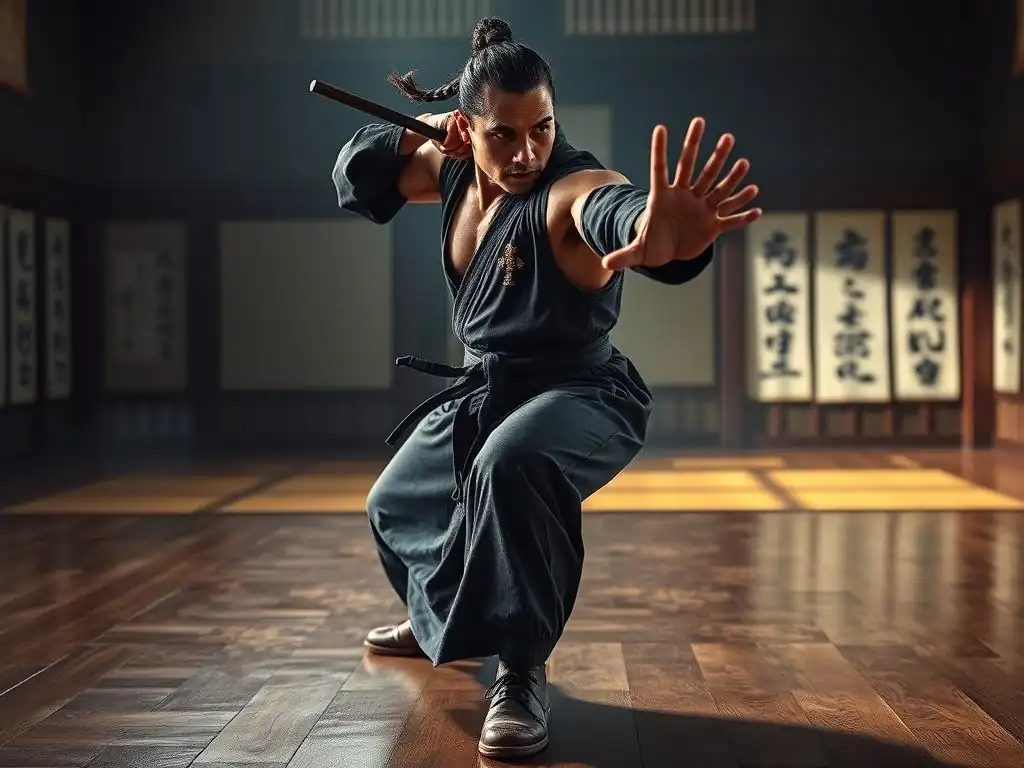
Welcome to Martial Arts Mastery, where we delve into the rich tapestry of combat traditions worldwide. Ever wondered how ancient philosophies shape modern fighting techniques? This week, we unlock the secrets of Kuk Sool Won techniques training, exploring the comprehensive systematization that makes this Korean martial art so unique. Discover its historical roots, practical applications, and the principles that elevate it beyond mere self-defense. Prepare to embark on a journey of skill, discipline, and cultural understanding – the path to true martial arts mastery begins here.
- Kuk Sool Won Techniques Training: A Deep Dive
- Kuk Sool Won: A Comprehensive Martial Arts System
- The Benefits of Kuk Sool Won Training: Beyond Self-Defense
- Kuk Sool Won vs. Other Korean Martial Arts: A Comparative Analysis
- Finding a Kuk Sool Won School: What to Look For
- Conclusion: The Enduring Legacy of Kuk Sool Won
- Frequently Asked Questions
- Final Reflection: Embracing the Legacy of Kuk Sool Won
- Ignite Your Inner Warrior: Embrace Kuk Sool Won Today!
Kuk Sool Won Techniques Training: A Deep Dive
Kuk Sool Won techniques training is renowned for its comprehensive nature, drawing from a vast array of traditional Korean martial arts methods. The curriculum is systematically organized, encompassing empty-hand techniques, traditional weaponry, forms, and sparring, providing practitioners with a well-rounded skill set applicable to various situations. This depth is a hallmark of Kuk Sool Won, setting it apart as a truly complete martial art system. The journey through Kuk Sool Won techniques training is one of continuous learning and refinement, building both physical prowess and mental discipline.
Effective Kuk Sool Won techniques training emphasizes not just the mechanical execution of movements but also the understanding of their underlying principles, such as balance, leverage, and timing. Beginners start with fundamental postures and basic movements, gradually progressing to more complex combinations and applications. The structured approach ensures that students build a solid foundation before advancing, making the comprehensive nature of Kuk Sool Won techniques training accessible to individuals of all ages and physical conditions.
Empty Hand Techniques in Kuk Sool Won: Strikes, Blocks, and Grappling
The empty-hand portion of Kuk Sool Won techniques training forms the bedrock of the system, covering a diverse range of methods for self-defense and combat. This includes powerful striking techniques, dynamic blocking and evasion maneuvers, and intricate grappling and joint manipulation methods. The integration of these different facets means that a practitioner is prepared to handle encounters at various distances, from long-range kicking to close-quarters trapping and control.
Training in empty-hand techniques is rigorous, requiring significant practice to develop speed, power, and precision. Students learn to utilize their entire body as a weapon, understanding how to generate force efficiently through proper posture and movement. This fundamental area of Kuk Sool Won techniques training is where students first build essential physical attributes like coordination, agility, and strength, which are vital for executing the more advanced aspects of the art.
Striking Techniques: Punches, Kicks, and Open-Hand Strikes in Kuk Sool Won
Kuk Sool Won incorporates a wide variety of striking techniques, drawing from the rich history of Korean martial arts. Punches (Jireugi) are delivered from various angles, utilizing different parts of the fist and arm, focusing on generating maximum impact while maintaining balance. Kicks (Chagi) are particularly diverse, ranging from basic front kicks and round kicks to more elaborate spinning and jumping techniques, targeting various levels of the opponent's body. The emphasis is on power and accuracy, often delivered with speed and deceptive trajectory.
Beyond closed-fist strikes, Kuk Sool Won techniques training extensively utilizes open-hand strikes (Son Gisool). These include palm strikes, knife-hand strikes, ridge-hand strikes, and finger strikes, each with specific targets and applications, often focusing on vital points. The use of open hands allows for greater versatility, enabling practitioners to strike, block, or even trap and manipulate an opponent's limbs seamlessly within a single movement sequence. This comprehensive approach to striking is a key element of effective Kuk Sool Won techniques training.
Blocking Techniques: Defensive Maneuvers and Evasion in Kuk Sool Won Training
Effective defense is as crucial as offensive capabilities in Kuk Sool Won techniques training. Blocking techniques (Makki) are not merely static parries but dynamic movements designed to deflect, redirect, or absorb incoming attacks while simultaneously setting up counter-offensives. Blocks are executed using various parts of the arms, hands, and even legs, adapting to the nature and trajectory of the incoming strike.
Complementing direct blocks are evasion techniques (Pihagi). This involves skillful footwork, body shifting, and weaving to avoid being hit altogether, often positioning the practitioner for an advantageous counter-attack. The combination of robust blocking and fluid evasion allows Kuk Sool Won practitioners to control distance and timing, minimizing exposure to harm. Mastering these defensive maneuvers is a significant part of advanced Kuk Sool Won techniques training, requiring keen spatial awareness and quick reflexes.
Grappling and Joint Manipulation: Submissions and Control Techniques in Kuk Sool Won
Kuk Sool Won techniques training includes a sophisticated system of grappling, throws (Deonjigi), joint locks (Gwanjeol Gi), and pressure points (Hyul Gi). This aspect of the art is particularly effective in close-quarters combat, allowing practitioners to control an opponent, take them to the ground, or apply painful joint manipulations to force submission or create openings. Techniques range from simple wrist locks to complex arm bars, shoulder locks, and finger locks.
Throws in Kuk Sool Won utilize leverage and body mechanics to unbalance and project an opponent, often rendering them vulnerable. Pressure point techniques target specific anatomical locations to disrupt an opponent's balance, cause pain, or even temporarily incapacitate them. This intricate knowledge of human anatomy and biomechanics is integrated into Kuk Sool Won techniques training, providing powerful tools for controlling or neutralizing an aggressor without necessarily relying on brute force. The depth of this grappling curriculum is a defining characteristic of Kuk Sool Won.
Weaponry in Kuk Sool Won: Mastering Traditional Korean Weapons
A significant portion of Kuk Sool Won techniques training is dedicated to the mastery of traditional Korean weapons. The system incorporates a wide variety of implements, reflecting the historical context of Korean martial arts. Training with weapons develops different physical attributes, such as grip strength, spatial awareness, and precision, while also teaching practitioners how to defend against armed attackers.
The weapons curriculum is introduced progressively, starting with more common or fundamental tools before moving to more complex ones. Each weapon has its unique forms, techniques, and principles of application, requiring dedicated practice to achieve proficiency. This aspect of Kuk Sool Won techniques training connects practitioners directly to the historical practices and warrior traditions that underpin the art.
Swordsmanship: Techniques and Forms with Korean Swords
Korean swordsmanship (Geom Beop) is a highly respected and integral part of Kuk Sool Won techniques training. Students learn to handle various types of Korean swords, including the single-edged sword (e.g., Do) and the double-edged sword (e.g., Geom). Training involves learning stances, footwork, cutting angles, thrusts, and defensive maneuvers specific to sword combat.
Forms ( Hyung) with the sword are practiced to develop fluid movement, precision, and power generation. These forms often simulate combat scenarios against multiple opponents. The sword is considered an extension of the body, and mastering it requires significant control, focus, and understanding of distance and timing. This demanding area of Kuk Sool Won techniques training cultivates discipline and sharpens reflexes.
Staff Techniques: Long and Short Staff Applications in Kuk Sool Won
Staff techniques (Bong Sul) are also a core component of Kuk Sool Won weapons training. The curriculum typically includes techniques for both the long staff ( Jang Bong) and the short staff or cane ( Dan Bong). Staff techniques are versatile, applicable for striking, blocking, thrusting, sweeping, and joint manipulation. The length of the staff provides reach advantage and allows for powerful circular and linear movements.
Training involves learning various grips, strikes (like sweeps, thrusts, and overhead strikes), blocks, and flow drills. The staff is effective for controlling distance and engaging multiple opponents. Mastering staff techniques requires developing coordination between the hands and body, as well as understanding leverage and momentum. This practical aspect of Kuk Sool Won techniques training provides valuable skills for self-defense using common objects.
Spear Techniques
Spear techniques ( Chang Sul) are another important, albeit often more advanced, part of the Kuk Sool Won weapons curriculum. The spear is historically significant as a battlefield weapon, and its techniques emphasize linear thrusts, sweeping motions, and defensive deflections. Training focuses on developing strength, accuracy, and the ability to generate power through the length of the weapon.
Due to its length and potential for danger, spear training often requires significant space and careful instruction. It teaches principles of distance management and targeting specific points. While perhaps less commonly practiced than sword or staff techniques in introductory Kuk Sool Won techniques training, the spear provides a deeper connection to the historical military applications of Korean martial arts.
Forms (Hyung) and Sparring (Dae Ryun) in Kuk Sool Won
Forms ( Hyung) and sparring ( Dae Ryun) represent two crucial pillars of Kuk Sool Won techniques training, serving distinct yet complementary purposes. Forms are pre-arranged sequences of movements that encapsulate the art's techniques and principles, while sparring provides a dynamic environment to test and apply these skills against a resisting opponent. Both are essential for the holistic development of a practitioner.
The practice of forms builds a deep understanding of the techniques in isolation, refining posture, balance, timing, and power generation. Sparring, on the other hand, develops adaptability, reaction time, and strategic thinking under pressure. Integrating both aspects ensures that students not only know the techniques but can also apply them effectively and spontaneously. This dual approach is fundamental to comprehensive Kuk Sool Won techniques training.
The Importance of Forms: Developing Precision and Power
Forms, or Hyung, are often described as moving meditation or formalized combat sequences against imaginary opponents. In Kuk Sool Won techniques training, forms serve multiple critical functions. They are repositories of the system's vast technical knowledge, preserving specific movements, stances, and combinations passed down through generations. Practicing forms helps students internalize these techniques, developing muscle memory, coordination, and balance.
Beyond technique retention, forms are vital for cultivating precision, power, and focus. Each movement is practiced with attention to detail – the exact angle of a block, the trajectory of a strike, the timing of a step. This meticulous practice builds the physical strength and explosive power necessary for effective application while simultaneously training the mind to concentrate and maintain composure. Mastery of forms is a prerequisite for advancement in Kuk Sool Won techniques training and is often tested during rank promotions.
Sparring Drills: Applying Kuk Sool Won Techniques in Combat Scenarios
Sparring, or Dae Ryun, in Kuk Sool Won techniques training provides a practical testing ground for the skills learned in forms and basic drills. While not typically full-contact fighting in the sport sense, sparring drills simulate combat situations with varying degrees of intensity and resistance. This allows practitioners to practice timing, distance management, reaction speed, and the fluid transition between different types of techniques (strikes, blocks, grappling).
Sparring in Kuk Sool Won can take many forms, including pre-arranged attack-and-defense drills, semi-free sparring with specific limitations (e.g., only striking, only grappling), and eventually more free-form exchanges under controlled conditions. The emphasis is on learning how to apply Kuk Sool Won techniques effectively under pressure, adapt to an opponent's actions, and develop strategic thinking. Safety is paramount, with protective gear often used to minimize injury. This applied component is essential for making Kuk Sool Won techniques training practical for self-defense.
Kuk Sool Won: A Comprehensive Martial Arts System
Kuk Sool Won prides itself on being a comprehensive system, encompassing a wide spectrum of martial techniques and philosophies. It is not simply a collection of individual styles but a structured, unified art designed to provide a complete path to martial mastery. This systematic approach covers empty-hand techniques, weaponry, forms, and even healing arts, creating a truly holistic training experience.
The organizational structure of Kuk Sool Won, including its division of techniques into categories and its progressive ranking system, facilitates structured learning and ensures that practitioners develop a broad skill set. This comprehensive nature means that students are exposed to a vast amount of knowledge and encouraged to become well-rounded martial artists capable of handling diverse challenges.
The Five Categories of Kuk Sool Won Techniques
Kuk Sool Won systematically categorizes its vast array of techniques into five principal areas, providing a clear framework for learning and practice. These categories are:
- Ki Gong (Internal Power Techniques): Focusing on breathing exercises, meditation, and the development of internal energy for health and power generation.
- Hyul Gi (Pressure Point Techniques): Studying vital points on the body for striking, manipulation, and healing.
- Geop Sul (Joint Manipulation and Breaking Techniques): Focusing on locks, throws, and techniques designed to control or injure joints.
- Keom To (Striking Techniques): Encompassing punches, kicks, hand strikes, and combinations thereof.
- Moo Gi (Weapon Techniques): Covering the use of various traditional Korean weapons.
This categorization helps students understand the different facets of Kuk Sool Won techniques training and how they relate to one another. It ensures that practitioners do not focus on just one area but develop proficiency across the board, contributing to the system's comprehensive nature. For example, a striking technique (Keom To) might be followed by a joint lock (Geop Sul) using knowledge of pressure points (Hyul Gi).
The five categories are not isolated silos but are interconnected and interdependent. Training in one area often enhances understanding and performance in others. For instance, developing internal power through Ki Gong can significantly improve the effectiveness of striking techniques (Keom To) or the application of joint locks (Geop Sul). This integrated approach is a core strength of Kuk Sool Won techniques training, making it a rich and complex art form.
Kuk Sool Won Ranking System: From Beginner to Master
The Kuk Sool Won ranking system provides a clear pathway for progression, motivating students and acknowledging their development. It typically follows a belt system, starting with white belt for beginners and progressing through colored belts (e.g., yellow, blue, red, brown) before reaching the black belt ranks ( Dan). Each rank requires the student to demonstrate proficiency in specific Kuk Sool Won techniques training requirements, including forms, techniques, sparring, and knowledge of the art's philosophy and history.
Advancement through the ranks signifies increasing mastery of the comprehensive Kuk Sool Won curriculum. Lower ranks focus on foundational techniques and principles, while higher ranks delve into more complex techniques, advanced weapon forms, and the deeper philosophical aspects of the art. Achieving black belt ( Cho Dan) is a significant milestone, representing a solid understanding of the core system, but it is also seen as the beginning of true mastery, leading to further Dan ranks (2nd Dan, 3rd Dan, etc. ), each requiring years of dedicated practice and contribution to the art.
The testing process for each rank is rigorous, evaluating not only technical skill but also discipline, respect, and understanding of Kuk Sool Won principles. This structured progression ensures that practitioners build a strong foundation and systematically acquire the vast knowledge base of the art. The journey through the ranks in Kuk Sool Won techniques training is a lifelong pursuit of excellence.
Physical and Mental Conditioning in Kuk Sool Won Training
Effective Kuk Sool Won techniques training goes hand-in-hand with robust physical and mental conditioning. The demands of the diverse curriculum require practitioners to develop strength, endurance, flexibility, and agility. Beyond the physical, the discipline of training cultivates mental fortitude, focus, patience, and self-control, which are considered just as vital as technical skill.
Regular training sessions typically include dynamic warm-ups, stretching, strength exercises (like push-ups, squats, core work), and cardiovascular conditioning drills alongside the technical practice of strikes, blocks, forms, and sparring. This holistic approach ensures that the body is prepared to execute techniques powerfully and safely, while the mind is trained to remain calm and focused under pressure.
Building Strength and Endurance for Optimal Performance
Executing powerful strikes, dynamic kicks, or intricate grappling techniques requires significant physical conditioning. Kuk Sool Won techniques training incorporates exercises designed to build functional strength throughout the body. This isn't just about lifting weights but developing explosive power in movements like punches and kicks, isometric strength for stances and grappling, and core strength for stability and balance.
Endurance is equally important, allowing practitioners to sustain performance during extended training sessions, sparring, or real-world self-defense scenarios. Cardiovascular conditioning is integrated through drills, vigorous forms practice, and sparring rounds. Flexibility is also emphasized through stretching, enabling a wider range of motion for kicks and evasive maneuvers, and reducing the risk of injury. This physical preparation is a non-negotiable part of effective Kuk Sool Won techniques training.
Cultivating Focus and Discipline through Meditation and Mindfulness
Beyond physical prowess, Kuk Sool Won techniques training places a strong emphasis on mental cultivation. Discipline is inherent in the structured nature of the training, the adherence to etiquette, and the dedication required to master complex techniques. Students learn patience through repetitive practice and perseverance in overcoming challenges.
Meditation ( Chwason) and mindfulness exercises are often incorporated into training, particularly at higher levels. These practices help to calm the mind, improve concentration, and develop a heightened sense of self-awareness and control. Cultivating mental focus is crucial for executing techniques with precision, reacting appropriately in sparring, and maintaining composure in stressful situations. This mental conditioning is seen as essential for truly embodying the principles of Kuk Sool Won.
The Benefits of Kuk Sool Won Training: Beyond Self-Defense
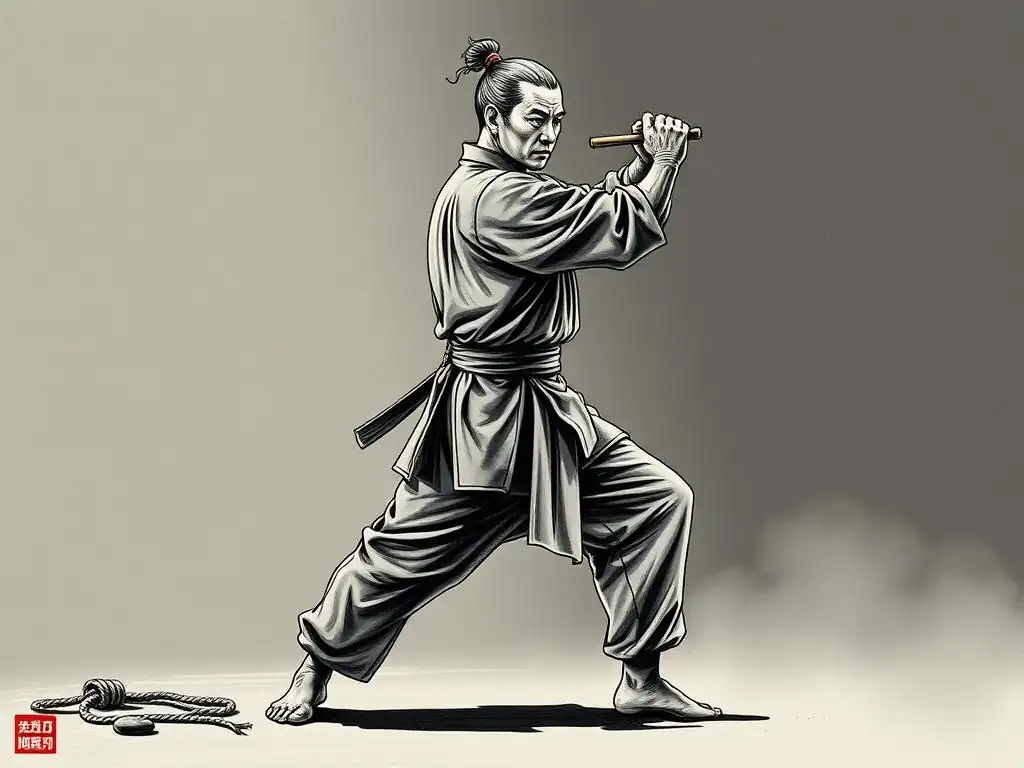
While practical self-defense is a primary outcome of Kuk Sool Won techniques training, the benefits extend far beyond the ability to protect oneself. Engaging in this comprehensive martial art system fosters significant improvements in physical health, mental and emotional well-being, and character development. It provides a structured path for personal growth that impacts many aspects of a practitioner's life.
The discipline, challenges, and community found within a Kuk Sool Won school contribute to a transformative experience. Students develop not only physical skills but also valuable life skills such as perseverance, respect, humility, and confidence. The journey through Kuk Sool Won techniques training is often cited as a powerful tool for self-improvement.
Physical Health Benefits: Improved Fitness and Flexibility
Consistent participation in Kuk Sool Won techniques training leads to substantial improvements in physical health and fitness. The dynamic nature of the practice, incorporating strikes, kicks, forms, and conditioning exercises, provides a full-body workout. Students develop increased cardiovascular endurance, improved muscular strength and power, and enhanced agility and coordination.
The extensive stretching and flexibility training inherent in Kuk Sool Won helps to increase range of motion and suppleness, reducing stiffness and improving posture. Maintaining flexibility is particularly important for executing high kicks and avoiding injury. Over time, students often experience weight management benefits, improved bone density, and a general increase in overall physical vitality.
Mental and Emotional Well-being: Stress Reduction and Self-Confidence
The mental and emotional benefits of Kuk Sool Won techniques training are profound. The physical activity itself is a powerful stress reliever, providing an outlet for tension and frustration. The focus required during training helps to clear the mind and promote mindfulness, reducing anxiety.
As students progress and master new techniques, their self-confidence grows significantly. Overcoming physical and mental challenges in training builds resilience and a sense of accomplishment. The structured environment and supportive community within a Kuk Sool Won school also contribute to a sense of belonging and reduced feelings of isolation, further enhancing emotional well-being.
Self-Defense Applications: Practical Skills for Real-World Situations
At its core, Kuk Sool Won techniques training provides highly practical skills for real-world self-defense. The comprehensive curriculum covers a wide range of scenarios, from defending against unarmed assailants to handling threats involving common weapons. The emphasis on adaptability and the integration of striking, grappling, and joint manipulation means practitioners are equipped to handle various types of attacks.
Training includes specific self-defense drills, such as defending against grabs, holds, strikes, and multiple attackers. The principles of leveraging an opponent's force, utilizing vital points, and controlling distance are directly applicable in confrontational situations. While hopefully never needed, the knowledge and confidence gained through consistent Kuk Sool Won techniques training provide a strong sense of security and preparedness.
Kuk Sool Won vs. Other Korean Martial Arts: A Comparative Analysis
Korea has a rich history of martial arts, resulting in several distinct and influential styles. While sharing some common roots, Kuk Sool Won stands apart from other well-known Korean arts like Taekwondo and Hapkido due to its comprehensive scope and systematic organization. Understanding these differences helps to highlight the unique nature of Kuk Sool Won techniques training.
Kuk Sool Won's deliberate effort to synthesize techniques from various traditional Korean sources gives it a broader technical base than arts that may have specialized more narrowly over time. This comparative look reveals how Kuk Sool Won offers a distinct path for those seeking a deeply traditional and all-encompassing martial arts experience.
Taekwondo vs. Kuk Sool Won: Key Differences in Techniques and Philosophy
Taekwondo, the national sport of South Korea and globally renowned for its dynamic kicking techniques, differs significantly from Kuk Sool Won. Taekwondo techniques training heavily emphasizes high, fast, and powerful kicks, often incorporating sport-oriented sparring rules and forms ( Poomsae) that are distinct from traditional martial art forms. While it includes hand techniques, the focus is undeniably on leg power and agility.
Kuk Sool Won techniques training, in contrast, maintains a much broader technical scope. While it includes impressive kicking techniques, they are part of a larger system that gives equal weight to hand strikes, joint manipulation, grappling, and traditional weaponry. The philosophy of Kuk Sool Won is rooted in preserving and systematizing the entirety of traditional Korean martial arts, whereas modern Taekwondo has evolved significantly towards sport competition, particularly since its inclusion in the Olympics.
Hapkido vs. Kuk Sool Won: Exploring Overlaps and Distinctions
Hapkido is another Korean martial art known for its emphasis on joint locks, throws, and dynamic striking. There are noticeable overlaps in techniques between Hapkido and Kuk Sool Won, particularly in the areas of grappling, joint manipulation, and some striking methods, as both arts draw from similar historical sources, including influences from Japanese arts like Daito-ryu Aiki-jujutsu and traditional Korean grappling ( Ssireum).
However, Kuk Sool Won techniques training is generally considered more extensive and historically comprehensive than Hapkido. Kuk Sool Won incorporates a wider variety of traditional Korean weapons (many types of swords, spears, bows, etc.) and includes extensive sections on forms ( Hyung) and Ki Gong (internal energy training) that may not be as central or systematized in many Hapkido schools. While both are effective self-defense arts, Kuk Sool Won aims to be an encyclopedia of Korean martial arts knowledge.
Finding a Kuk Sool Won School: What to Look For
Choosing the right martial arts school is a crucial step for anyone interested in starting Kuk Sool Won techniques training. Not all schools are the same, and finding one that aligns with your goals and provides a safe, supportive, and high-quality training environment is essential for long-term success and enjoyment. Several factors should be considered when evaluating potential schools.
Visiting schools, observing classes, and speaking with instructors and students can provide valuable insights. A good school should prioritize safety, offer structured instruction, and foster a positive community atmosphere. The quality of the instructors and the suitability of the training space are paramount in ensuring effective and beneficial Kuk Sool Won techniques training.
Qualified Instructors: Credentials and Experience
The quality of instruction is arguably the most important factor when choosing a Kuk Sool Won school. Look for instructors with legitimate credentials, recognized by the World Kuk Sool Association (WKSA). A qualified instructor should have significant experience in Kuk Sool Won techniques training, hold a respectable rank (typically at least 3rd or 4th Dan Black Belt to run a school), and demonstrate a deep understanding of the art's techniques, philosophy, and history.
Beyond technical skill, a good instructor should be an effective teacher, capable of explaining complex techniques clearly, demonstrating patience, and motivating students of all levels. They should embody the principles of respect, humility, and discipline that are central to Kuk Sool Won. Don't hesitate to ask about their training background and lineage within the WKSA structure.
Training Environment: Safety and Community
The physical training environment should be clean, well-maintained, and safe. Ensure there is adequate matting for falls and grappling, sufficient space for dynamic movements and weapon forms, and proper ventilation. Safety protocols should be evident, such as clear guidelines for sparring and the use of protective gear when necessary.
Equally important is the community atmosphere within the school. A positive and supportive environment, where senior students help beginners and everyone treats each other with respect, is conducive to learning and fosters long-term commitment. Observing a class will give you a sense of the camaraderie and mutual respect among students and instructors. A welcoming atmosphere enhances the overall experience of Kuk Sool Won techniques training.
Considerations for Choosing a Kuk Sool Won School
Beyond instructors and environment, consider practical factors when choosing a Kuk Sool Won school. Location and schedule convenience are important for consistent attendance. The cost of tuition, uniforms, and testing fees should be clear and reasonable. Inquire about class structure and size to ensure you will receive adequate personal attention.
Consider your personal goals for starting Kuk Sool Won techniques training. Are you primarily interested in self-defense, fitness, discipline, or learning traditional techniques? Discuss your objectives with the instructor to see if the school's curriculum and focus align with what you hope to achieve. A good fit between student and school is crucial for a rewarding martial arts journey.
Conclusion: The Enduring Legacy of Kuk Sool Won
Kuk Sool Won stands as a testament to the rich and diverse martial heritage of Korea. As a comprehensive systematization of traditional Korean martial arts, it offers practitioners a unique and profound path to martial mastery. From intricate empty-hand techniques and dynamic weaponry to philosophical depth and rigorous physical conditioning, Kuk Sool Won techniques training provides a holistic approach to self-improvement and self-defense.
The art's emphasis on preserving historical techniques while structuring them for modern learning ensures its relevance and accessibility. Whether seeking physical fitness, mental discipline, practical self-defense skills, or a connection to ancient traditions, the comprehensive nature of Kuk Sool Won offers something for everyone. Its enduring legacy lies in its ability to transform individuals, building not just skilled martial artists but also disciplined, confident, and respectful members of the community.
The Future of Kuk Sool Won: Preserving and Promoting Traditional Korean Martial Arts.
Frequently Asked Questions
What is Kuk Sool Won?
Kuk Sool Won is a comprehensive Korean martial arts system that incorporates a wide range of techniques, including striking, grappling, weaponry, and healing arts. It's known for its holistic approach to martial arts training.
What types of techniques are taught in Kuk Sool Won training?
Kuk Sool Won encompasses a diverse set of techniques, including hand strikes, kicks, joint locking, throwing, falling, acupressure, and weapon usage. This varied skillset makes it a well-rounded martial art.
Is Kuk Sool Won primarily focused on self-defense?
While Kuk Sool Won includes practical self-defense strategies, it also emphasizes mental discipline, character development, and physical fitness. It is not solely focused on combat.
How does Kuk Sool Won differ from other Korean martial arts like Taekwondo?
Kuk Sool Won is often considered more comprehensive and traditional than Taekwondo, incorporating a wider array of techniques and historical influences. Taekwondo is primarily focused on kicking techniques.
How can I find Kuk Sool Won techniques training near me?
Search online for "Kuk Sool Won dojang" followed by your location. Also, visit the official Kuk Sool Won website for a directory of certified schools and instructors offering Kuk Sool Won techniques training.
Final Reflection: Embracing the Legacy of Kuk Sool Won
The journey through Kuk Sool Won, as we've explored, is far more than just learning self-defense; it's about cultivating a holistic understanding of Korean martial arts. This comprehensive systematization, encompassing striking, grappling, weaponry, and healing techniques, remains profoundly relevant today, offering a path to physical fitness, mental discipline, and a deep connection to cultural heritage in a world often disconnected from its roots.
The enduring appeal of Kuk Sool Won lies not only in its effectiveness but also in its emphasis on personal growth and respect. The discipline instilled through rigorous training and the camaraderie fostered within the dojang create a supportive environment for individuals to push their limits and discover their potential. The ultimate aim of martial arts is not to defeat others, but to perfect oneself.
This ancient wisdom, deeply embedded in Kuk Sool Won's philosophy, resonates powerfully in our modern pursuit of self-improvement and mindful living.
As you consider the vast array of Kuk Sool Won techniques training we've discussed, I invite you to reflect on how these principles can be applied beyond the dojang. How can the discipline, focus, and respect learned through Kuk Sool Won inform your daily interactions and shape your approach to challenges? Embrace the legacy of this art, and let its teachings guide you towards a more balanced, resilient, and fulfilling life.
Ignite Your Inner Warrior: Embrace Kuk Sool Won Today!
Thank you for delving into the captivating world of Kuk Sool Won! Now that you've discovered the depth and breadth of this traditional Korean martial art, it's time to translate that knowledge into action and unlock your own potential.
Here are a few ways to continue your journey:
- Find a Kuk Sool Won school near you and take an introductory class. This is the most direct way to experience the art firsthand and begin your personal transformation.
- Explore the rich history and philosophy of Kuk Sool Won by researching its lineage, techniques, and cultural significance. Deepening your understanding will enrich your training and appreciation.
- Share this article with friends and family who are interested in martial arts or Korean culture. Help spread the word about this powerful and comprehensive system!
What aspect of Kuk Sool Won resonates most with you, and how will you incorporate it into your life?