
Building LightningFast Defensive Reflexes: Tips and Training Methods


Welcome to Martial Arts Mastery, your gateway to unlocking the secrets of combat and self-discovery!
Delve into the captivating world where discipline meets artistry. Are you ready to elevate your defensive game? This article explores fast defensive reflexes training methods, drawing from time-honored techniques and cutting-edge approaches. Discover how to harness your innate potential and transform reaction time into a formidable shield. Prepare to sharpen your senses and unlock the speed within. Intrigued? Keep reading to learn how to build lightning-fast reflexes!
- Foundational Principles of Defensive Reflex Training
-
Frequently Asked Questions
- What are some primary goals of Fast Defensive Reflexes Training?
- What are some effective drills for improving Fast Defensive Reflexes?
- How does understanding martial arts history contribute to Fast Defensive Reflexes Training?
- How can mindfulness and meditation enhance Fast Defensive Reflexes Training?
- What role does nutrition and rest play in developing Fast Defensive Reflexes?
- Final Reflection: Embracing the Speed of Reaction
- Ignite Your Reflexes: Begin Your Transformation Now!
Foundational Principles of Defensive Reflex Training
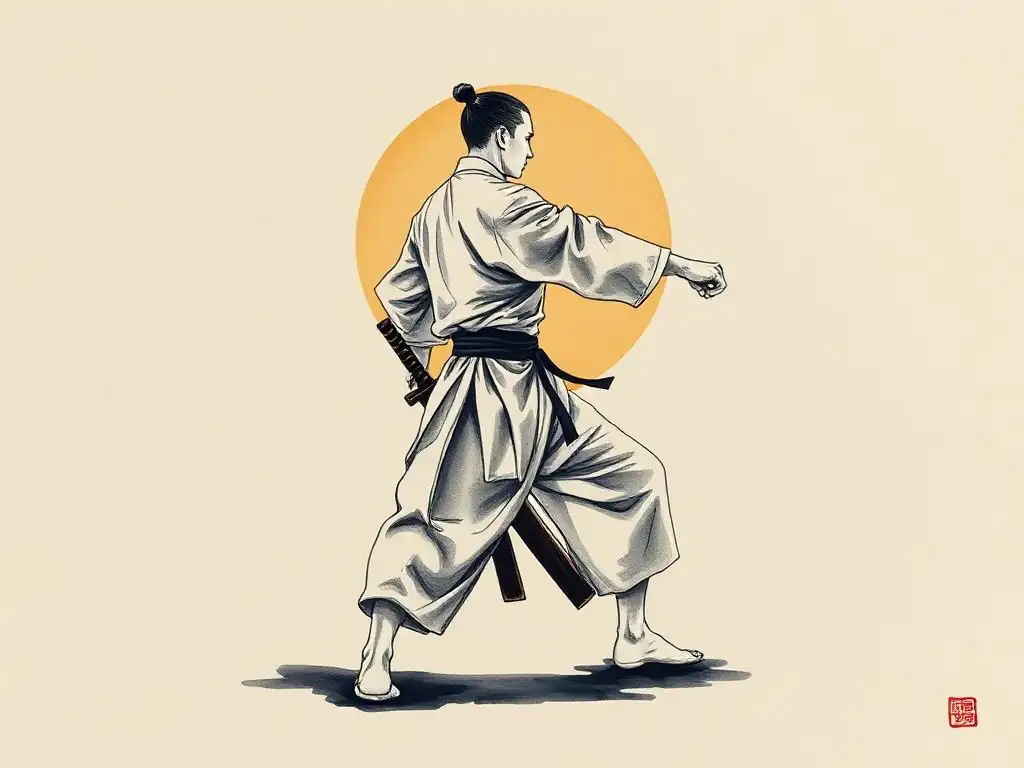
The Mind-Body Connection: Mental Preparation for Reflex Training
Developing lightning-fast defensive reflexes in boxing isn't solely about physical drills; it's profoundly linked to mental readiness. A boxer's ability to react quickly is directly influenced by their level of focus, alertness, and emotional control. Anxiety, distraction, or fatigue can significantly slow down the brain's processing speed and the nervous system's response time, making a boxer vulnerable to incoming attacks.
Cultivating a sharp, calm, and focused mind is therefore a fundamental aspect of fast defensive reflexes training methods. Techniques such as meditation, visualization, and controlled breathing exercises help train the mind to stay present and receptive in the high-pressure environment of the ring.
Beyond general focus, specific mental preparation involves analyzing opponents and anticipating their likely actions based on tendencies observed in past fights or sparring sessions. While true anticipation is an advanced skill, starting with mental rehearsal of defensive scenarios — visualizing slipping a jab, blocking a hook, or stepping back from a straight punch — primes the brain for rapid response.
This mental conditioning helps bridge the gap between recognizing a threat and executing the appropriate defensive action, reducing hesitation and improving the efficiency of the reflex arc. By dedicating time to mental training alongside physical drills, boxers build a more robust and reliable defensive system.
Proper Stance and Footwork: The Foundation of Quick Reactions
The physical starting point for any rapid defensive maneuver in boxing is a balanced and athletic stance. A boxer must distribute their weight in a way that allows for immediate movement in any direction – forward, backward, or laterally. Being off-balance or having weight improperly shifted makes it difficult, if not impossible, to execute quick slips, rolls, pivots, or steps necessary to avoid punches.
A correct stance ensures that the legs are coiled and ready to explode into action the instant a threat is perceived, forming the physical bedrock for all fast defensive reflexes training methods. Drills focusing on maintaining this balanced posture under duress, like holding the stance while a partner gently pushes or applies resistance, can help solidify this fundamental.
Complementing a solid stance is efficient and agile footwork. Defensive reactions often require repositioning rather than just upper-body movement. Being able to swiftly step back out of range, pivot to change the angle, or shuffle laterally to avoid a combination relies entirely on well-honed footwork skills.
Constant small adjustments in foot position keep a boxer in the optimal range for both defense and counter-offense, ensuring they are never flat-footed. Incorporating footwork drills, such as ladder drills, cone drills, and skipping rope with varied steps, into daily training builds the necessary lower body strength, coordination, and muscle memory required for instant, reactive movement, significantly enhancing defensive capabilities.
Visual Acuity and Peripheral Awareness for Enhanced Defense
In boxing, the eyes are the first line of defense. The speed and accuracy of a defensive reaction depend heavily on how quickly and effectively a boxer sees an incoming attack. This requires not just central vision focused on the opponent's face, but also a highly developed sense of peripheral awareness.
Training the eyes to quickly scan and process information from the opponent's entire body – observing subtle shifts in weight, shoulder twitches, or hip rotation – provides crucial early cues about the type and direction of an impending punch, giving the boxer a fraction of a second more time to react. This visual processing speed is a critical component of fast defensive reflexes training methods.
Developing robust peripheral vision is equally vital. While central vision identifies the primary threat, peripheral vision allows a boxer to monitor the opponent's overall movement, anticipate combinations, and even spot potential threats from slightly different angles without shifting direct focus.
For example, keeping central focus on the opponent's upper body while using peripheral vision to track their feet can provide valuable information about their intentions (e.g., stepping in for power). Drills that involve focusing on a central point while reacting to stimuli appearing in the periphery, or observing multiple targets simultaneously, can significantly enhance a boxer's visual processing and contribute to quicker, more effective defensive responses.
Frequently Asked Questions
What are some primary goals of Fast Defensive Reflexes Training?
The primary goals are to reduce reaction time, improve situational awareness, and develop the ability to automatically respond to threats. This ensures quick and effective self-defense.
What are some effective drills for improving Fast Defensive Reflexes?
Shadow boxing with a focus on defense, partner drills involving pre-arranged attacks, and reaction ball exercises are all highly effective. These drills train muscle memory and speed.
How does understanding martial arts history contribute to Fast Defensive Reflexes Training?
Studying the history of various martial arts can reveal proven defensive techniques and strategies, providing a broader tactical understanding. This knowledge can inform training methods.
How can mindfulness and meditation enhance Fast Defensive Reflexes Training?
Mindfulness and meditation can improve focus and concentration, leading to faster reaction times and better decision-making under pressure. This reduces mental lag.
What role does nutrition and rest play in developing Fast Defensive Reflexes?
Proper nutrition provides the energy and resources needed for optimal brain function and muscle recovery. Adequate rest allows the body to repair and rebuild, enhancing reflexes.
Final Reflection: Embracing the Speed of Reaction
The ability to react swiftly and decisively is no longer just a skill for athletes or martial artists; it's a crucial asset in navigating the complexities of modern life. Cultivating fast defensive reflexes is about more than just physical prowess; it's about enhancing our awareness, sharpening our focus, and empowering ourselves to respond effectively to unexpected challenges, both on and off the field.
This journey into fast defensive reflexes training has underscored the profound impact that dedicated practice and mindful awareness can have on our capabilities. The realization that reflexes can be honed and improved, rather than being solely innate, is incredibly empowering. It highlights the potential within each of us to adapt and overcome, to become more resilient and responsive to the world around us. The mind is everything. What you think you become.
- Buddha. This quote perfectly encapsulates the power of mental training and visualization in enhancing physical performance, a cornerstone of effective reflex training.
Now, I invite you to consider how you can integrate these principles into your own life. What small steps can you take today to sharpen your awareness, improve your focus, and cultivate faster, more decisive reactions? Embrace the challenge, commit to the training, and unlock the potential within you to react with lightning speed and unwavering confidence. The world awaits your response.
Ignite Your Reflexes: Begin Your Transformation Now!
Thank you for diving into the world of lightning-fast reflexes! We hope you've gained valuable insights into honing your defensive skills. Now it's time to put that knowledge into action and elevate your martial arts game.
Here's how you can start sharpening your reflexes today:
- Commit to 15 minutes of daily reaction training: Dedicate focused time to drills like the tennis ball drop or the light board challenge. Consistency is key!
- Explore cross-training: Integrate activities like juggling or speed stacking into your routine. These unexpected skills can significantly improve hand-eye coordination.
- Share your progress and challenges with our community on the Martial Arts Mastery forum! Let's learn and grow together.
Ready to dedicate yourself and see real improvements in your reaction time?