
Legal vs. Illegal Clinching Tactics: Know the Rules for Smart Defense


Welcome to Martial Arts Mastery, your ultimate resource for exploring the rich tapestry of martial arts.
Ever wondered how to dominate a clinch situation within the bounds of the law and ethical combat? Delve into our comprehensive guide on Legal Clinch Defense Techniques. Discover how understanding these crucial distinctions can be the key to unlocking a safer, more effective, and ultimately, more masterful approach to self-defense. Ready to learn the strategies that separate skillful practitioners from those who risk disqualification and injury? Let's begin.
- Introduction to Clinching in Boxing: A Defensive Necessity
- Defining the Legal Boundaries of Clinching
- Legal Clinch Defense Techniques: Mastering the Art of Close-Range Protection
- Illegal Clinch Tactics to Avoid: Foul Play and Disqualification Risks
- Advanced Clinch Defense Strategies: Beyond the Basics
- Training Drills for Effective Clinch Defense
- Case Studies: Analyzing Clinch Situations in Professional Boxing
- The Role of the Referee in Enforcing Clinch Rules
- Maintaining a Clean Fight: Sportsmanship and Ethical Clinching
- Conclusion: Mastering Legal Clinch Defense for Boxing Success
-
Frequently Asked Questions
- What is the definition of a legal clinch in martial arts?
- What are some examples of illegal clinching tactics?
- How can I train effectively for legal clinch defense?
- Why is it important to understand the difference between legal and illegal clinching tactics?
- What are some key techniques for defending against a clinch effectively and legally?
- Final Reflection: Mastering the Art of Legal Defense
- Elevate Your Fight IQ: Master the Clinch Game Now!
Introduction to Clinching in Boxing: A Defensive Necessity
Understanding the Purpose of the Clinch
In the dynamic world of boxing, the clinch is a tactical maneuver often employed when two fighters are in close proximity, typically chest-to-chest or entangled. While sometimes perceived negatively by spectators who prefer non-stop action, the clinch serves several legitimate and crucial purposes for a boxer. Foremost among these is defense, allowing a fighter to temporarily neutralize their opponent's offense, particularly when under heavy attack or recovering from a blow. It provides a brief respite to clear the head, regain composure, and avoid further punishment.
Beyond pure defense, clinching can also be used to control the opponent's movement and positioning, disrupting their rhythm and preventing them from setting up powerful shots. For a fighter who is tired or injured, a well-timed and legal clinch can buy precious seconds to recover. It's a fundamental part of ringcraft, enabling boxers to manage distance, dictate the pace of the fight, and strategically navigate difficult moments within a round. Mastering the legal aspects of clinching is vital for survival and success in the ring.
The Importance of Legal Clinch Defense Techniques in Boxing
Understanding and implementing legal clinch defense techniques is paramount for any boxer looking to compete effectively and safely. A fighter who lacks proficiency in defending against or navigating the clinch legally risks not only absorbing unnecessary damage but also incurring penalties from the referee. Fouls committed within the clinch, such as holding excessively or hitting while entangled, can lead to warnings, point deductions (typically 1 point per foul), or even disqualification in severe cases, directly impacting the outcome of a bout.
Furthermore, effective legal clinch defense techniques allow a boxer to escape compromising positions quickly and safely, turning a potentially dangerous situation into an opportunity to reset or even counter-attack. Without these skills, a fighter can become trapped, unable to create space or defend themselves properly, making them vulnerable to legal punches upon separation or illegal blows during the entanglement. Developing these techniques is as critical as honing offensive skills for overall ring mastery.
Defining the Legal Boundaries of Clinching
What Constitutes a Legal Clinch?
A legal clinch in boxing generally occurs when fighters come together and hold onto each other, typically around the arms or upper body, preventing effective punching. The key distinguishing factor between a legal and illegal clinch lies in the fighter's intent and action while in the hold. A legal clinch is primarily defensive or used for strategic positioning, and fighters are expected to break from it upon the referee's command. It's a temporary state of engagement, not a prolonged wrestling match.
Referees look for active attempts to break the hold or respond to commands. Holding without punching is often tolerated briefly, especially when initiated defensively. The moment a fighter ceases active defense or attempts to initiate offense within the hold in a way that hinders the opponent's legal movement or ability to defend, it starts to cross the line into illegality. The legality is often determined by the referee's judgment on whether the hold is being used to foul or simply to neutralize for a moment before separation.
Illegal Clinching Tactics: Penalties and Consequences
Illegal clinching tactics involve using the hold to gain an unfair advantage or inflict harm. Common fouls include holding and hitting simultaneously, pulling down on the opponent's head or neck (often referred to as "neck wrestling"), using an arm to lock up the opponent's arm while trying to punch with the other, or simply holding excessively without any attempt to break or respond to the referee's instructions. These actions go against the spirit and rules of boxing, which emphasize striking with gloved fists, not grappling.
The consequences for employing illegal clinching tactics escalate based on frequency and severity. A first offense is typically met with a verbal warning from the referee. Repeated or blatant fouls will result in a point deduction. For instance, a boxer who repeatedly pulls down on their opponent's head during clinches might receive a warning, followed by a one-point deduction if the foul persists. Egregious or dangerous fouls, such as intentionally throwing an elbow while holding, can lead to immediate disqualification, ending the fight and resulting in a loss for the offending boxer.
Legal Clinch Defense Techniques: Mastering the Art of Close-Range Protection
Breaking the Clinch: Safe and Effective Methods
Using Footwork to Create Space
One of the most fundamental legal clinch defense techniques involves using footwork to create separation. When an opponent initiates a clinch, a skilled boxer will immediately attempt to pivot or step out, creating an angle or distance that makes the hold ineffective. This isn't about wrestling or pushing, but rather strategic movement. By shifting weight and stepping laterally or backward, a fighter can often break the opponent's grip or make it awkward for them to maintain the clinch, allowing for a clean break or an opportunity to reset at a preferred distance.
For example, if an opponent clinches up, stepping to the side and slightly away while keeping your base stable can often cause their hold to loosen. This sidestep allows you to "escape" the entanglement rather than just pushing straight back, which is often less effective against a strong opponent. Practicing drills that involve pivoting and stepping away quickly the moment contact is made is crucial for developing this instinct and mastering legal clinch defense techniques through movement.
Employing Hand Techniques for Separation
While wrestling is illegal, boxers can use their hands and arms legally to facilitate breaking a clinch. This involves using strategic pushes, shoves, or hand placement to create space without holding or striking illegally. A common method involves placing a glove or forearm against the opponent's chest or shoulder and using a firm, controlled push to create distance. This must be done immediately as the clinch forms and with the clear intent of separating, not holding or leaning excessively.
Another technique involves using your own arms to break the opponent's grip on you. If an opponent is holding your arms, you can use controlled force to pull your arms free or push theirs away. This requires timing and strength but is a perfectly legal way to escape a hold. Referees typically allow these actions as long as they are part of a clear attempt to break the clinch and are not accompanied by illegal strikes or excessive holding. Mastering these hand techniques is a key component of effective legal clinch defense techniques.
Controlling Your Opponent in the Clinch: Legal Maneuvering
Maintaining Balance and Avoiding Fouls
Even within a legal clinch, controlling your own body and your opponent's posture without fouling is a vital skill. A key aspect of legal clinch defense techniques is maintaining your balance. A fighter with good balance is harder to push off-balance, pull down, or lean on excessively. By keeping a solid base and distributing weight properly, you can resist the opponent's attempts to use the clinch for illegal purposes like leaning heavily to tire you out or pulling your head down.
Furthermore, controlling your opponent legally involves subtle pressure or positioning. You can use your body weight to lean slightly to make them uncomfortable, or strategically place your head or shoulder against theirs (within the rules) to prevent them from gaining leverage for illegal moves.
The line here is fine; excessive leaning or using your head to butt is illegal. The goal is to neutralize their power and control their upper body just enough to prevent them from initiating fouls or effective strikes once the referee calls for a break, all while ensuring your own actions remain within the legal boundaries.
Minimizing Damage and Preserving Energy
Effective legal clinch defense techniques are not just about escaping; they are also about surviving the moments within the clinch itself. When unable to break immediately, a skilled boxer uses the clinch to minimize the impact of any potential legal blows upon separation and conserve energy. This involves positioning your body defensively – tucking your chin, keeping your hands up to protect your head and body even in close quarters – to absorb or block punches that might land as the referee is calling for a break or just after.
By controlling your opponent's posture subtly and maintaining your own defensive structure, you reduce their ability to generate power even in the tight space of a clinch. This strategic positioning also prevents them from leaning on you excessively, which can be incredibly draining over multiple rounds. Mastering these aspects of legal clinch defense techniques allows a boxer to navigate close-range encounters efficiently, saving energy for when the fight is at a more advantageous distance.
Illegal Clinch Tactics to Avoid: Foul Play and Disqualification Risks
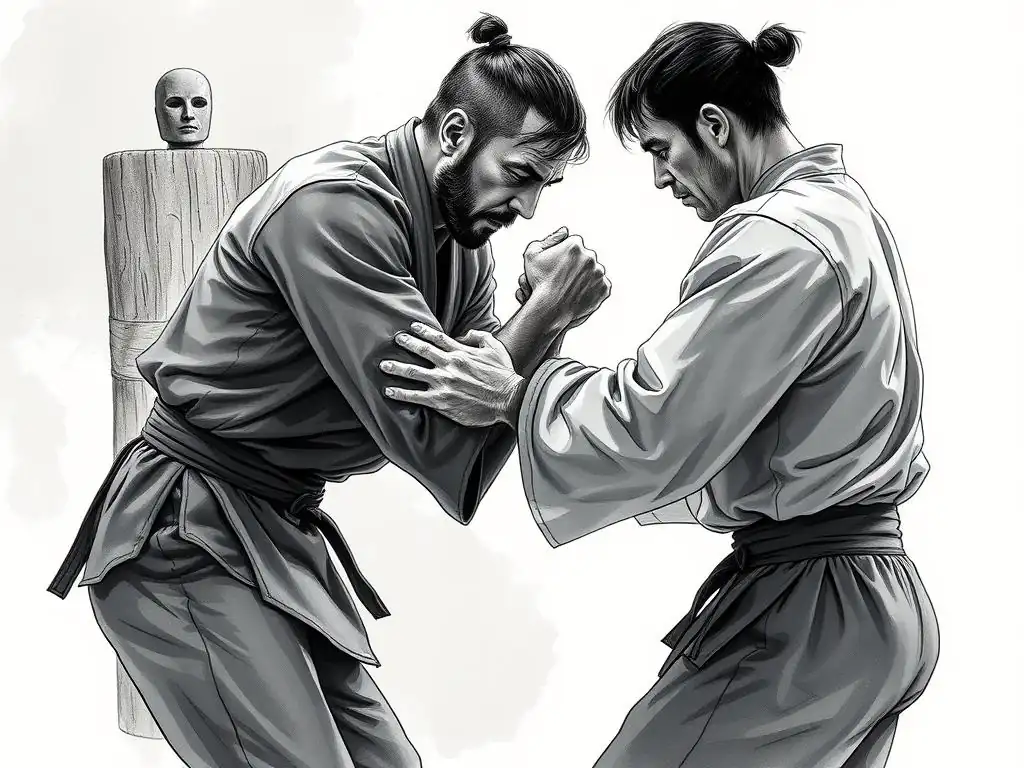
Holding and Excessive Pressure
One of the most common illegal clinch tactics is simply holding an opponent excessively without attempting to break or respond to the referee's command. This is often done out of desperation or fatigue, but it's a clear violation of boxing rules. Holding an opponent's arms or body prevents them from punching and effectively stalls the action.
Referees are instructed to warn fighters for this and, if it persists, deduct points. For instance, a boxer who grabs and holds their opponent every time they get close might receive a warning after the first instance, and then a point deduction in subsequent rounds if the behavior continues.
Applying excessive pressure within the clinch is also illegal. This involves using your body weight to lean heavily on the opponent, pushing them into the ropes or corners, or grinding your head against theirs. While subtle pressure for control is sometimes tolerated, excessive leaning is seen as an attempt to tire the opponent out or wear them down through wrestling rather than boxing. This can also lead to warnings and point deductions, as it constitutes using the clinch for purposes beyond temporary neutralization or defense.
Striking While Clinched: The Danger of Illegal Punches
A particularly dangerous and frequently penalized illegal clinch tactic is striking an opponent while they are unable to defend themselves effectively due to the hold. This includes throwing short punches, uppercuts, or hooks when the opponent's arms are tied up or they are off-balance within the clinch. This is a clear foul because the opponent is in a compromised defensive position. Referees are very strict on this rule and are quick to intervene and issue warnings or deductions.
For example, if a boxer wraps up their opponent's arms and then throws a short shot to the body or head before the referee calls for a break, this is an illegal punch. These types of fouls are often a sign of frustration or an attempt to gain an unfair advantage when the opponent is vulnerable. Repeatedly hitting while holding significantly increases the risk of point deductions and can even lead to disqualification if the strikes are deemed intentional and harmful. Avoiding this foul is crucial for maintaining a clean record and preventing penalties.
Pulling Down on the Neck or Head
Pulling down on an opponent's head or neck, often called "neck wrestling," is another prevalent illegal clinch tactic. This involves using one or both hands to force the opponent's head down, either to make them uncomfortable, prevent them from punching, or set them up for an illegal rabbit punch (a punch to the back of the head or neck). This maneuver is explicitly forbidden in boxing rules because it is dangerous – it can strain the neck and make the fighter vulnerable to legal or illegal shots.
Referees are vigilant about this foul. Upon seeing a fighter pull down on the neck, the referee will immediately intervene, break the clinch, and issue a warning. Continued instances will result in point deductions. For instance, in many professional bouts, referees issue a stern warning the first time they see a fighter pulling down, often physically demonstrating the foul to the boxer. A second or third instance will almost certainly lead to a point deduction, which can be critical in a close fight. This tactic is not part of legal clinch defense techniques and should be strictly avoided.
Advanced Clinch Defense Strategies: Beyond the Basics
Anticipating and Avoiding the Clinch
Reading Your Opponent's Intentions
Advanced legal clinch defense techniques begin before the clinch even happens. A skilled boxer learns to read their opponent's body language and movement patterns to anticipate when they are attempting to close distance for a clinch. Signs might include sudden forward lunges, lowering the head, or attempting to smother punches rather than block or evade them. By recognizing these cues, a boxer can react proactively, using footwork or defensive maneuvers to prevent the clinch from forming in the first place.
This involves studying the opponent's style – do they like to fight on the inside? Do they clinch when tired or hurt? – and paying close attention during the fight. Anticipating the clinch allows a fighter to maintain their preferred fighting distance and avoid getting tied up in close quarters. This predictive skill is a high-level aspect of ring intelligence and a crucial part of advanced legal clinch defense.
Utilizing Movement and Distance Management
Preventing the clinch through superior movement and distance management is a cornerstone of advanced legal clinch defense techniques. Instead of waiting for the opponent to get close enough to initiate a hold, a fighter actively controls the space between them. This can involve staying just outside the opponent's reach, circling away from their power hand, or using quick lateral movements to evade their forward advances. The goal is to make it difficult or impossible for the opponent to establish the close-range proximity required for a clinch.
For a fighter who prefers to box at range, maintaining distance is the primary defense against an opponent who wants to fight inside or clinch. This requires constant attention to foot position and movement, ensuring you are always in a position to step back or pivot away from an incoming opponent. Effective distance management is arguably the most effective way to avoid having to employ clinch defense techniques at all.
Counter-Clinching Techniques: Turning Defense into Offense
The Art of the Counter-Grip
Sometimes, preventing the clinch isn't possible, and the fight goes to close quarters. Advanced legal clinch defense techniques include "counter-clinching," which involves establishing your own legal control within the clinch to neutralize the opponent or gain a strategic advantage. This isn't about holding illegally but about using grips or positioning to prevent the opponent from controlling you or using their weight effectively. It might involve securing an arm to prevent them from punching, or positioning your body to make their hold uncomfortable and force a break.
For example, if an opponent tries to tie up both your arms, you might use a strong grip around one of their arms or shoulders to limit their movement and prevent them from getting leverage. This requires strength and technical knowledge but is distinct from illegal holding because the intent is control and neutralization within the legal framework, often to facilitate a break or transition, not to stall or foul. Mastering the counter-grip is a key skill for advanced legal clinch defense.
Transitioning from Clinch to Attack
The most advanced form of legal clinch defense techniques involves using the break from a clinch as an opportunity to attack. As the referee signals for a break, or as you successfully create separation using legal methods, there is a brief moment where your opponent might be off-balance or momentarily dropping their guard. A skilled boxer is ready to capitalize on this transition, immediately launching a legal punch or combination as they step back into striking range.
This requires excellent timing and awareness. You must listen for the referee's command ("Break!") and be ready to step back and punch simultaneously. It's about turning a defensive situation (being in a clinch) into an offensive opportunity (attacking during the break). This is a high-level tactic that requires extensive practice and is a hallmark of fighters who have truly mastered legal clinch defense techniques and their transitions.
Training Drills for Effective Clinch Defense
Partner Drills for Clinch Awareness and Escape
Effective legal clinch defense techniques are not learned simply by watching; they require specific, repetitive training. Partner drills are essential for developing the instinct and technique needed to handle clinching situations legally. One basic drill involves partners simulating a clinch, with one partner initiating the hold and the other practicing specific escape techniques, such as pivoting out, using forearm pushes to create space, or breaking grips. These drills should be done slowly initially, focusing on proper technique and legal execution, before gradually increasing speed and resistance.
Another useful drill is the "break drill," where partners clinch lightly and practice responding immediately to a coach's or referee's simulated "Break!" command, focusing on stepping back cleanly and being ready to defend or counter. Emphasis is placed on not holding or hitting illegally during the break. These drills build muscle memory for the correct, legal reactions in close quarters and are fundamental to developing strong legal clinch defense techniques.
Sparring Strategies for Implementing Legal Clinch Defense
Sparring is where legal clinch defense techniques are put to the test under live, though controlled, conditions. Boxers should actively work on implementing their clinch defense strategies during sparring rounds. This means consciously practicing anticipating clinches, using footwork to avoid them, and employing legal methods to break or control the opponent when a clinch does occur. It's also a crucial time to practice recognizing and reacting to illegal tactics from a sparring partner (who should be instructed to simulate them carefully for training purposes).
Coaches play a vital role during sparring, observing and providing feedback specifically on clinch situations. They can stop the action to correct illegal tendencies (like holding too much or hitting in the clinch) and reinforce legal techniques. Sparring allows a boxer to experience the physical demands and tactical nuances of clinching, helping them to refine their legal clinch defense techniques in a realistic environment before a competitive bout.
Case Studies: Analyzing Clinch Situations in Professional Boxing

Wladimir Klitschko: Master of the Clinch
Wladimir Klitschko, the long-reigning heavyweight champion, was often criticized by some fans for his frequent use of the clinch, but he was a master of employing it legally for defensive purposes and control. Standing 6'6" with a long reach, Klitschko preferred to box at distance, utilizing his jab and straight right hand. When opponents managed to get inside his reach, he would often immediately initiate a clinch. His technique involved wrapping up his opponent's arms and leaning slightly to control their posture, effectively neutralizing their inside game and preventing them from landing powerful shots.
Klitschko's use of the clinch was a prime example of legal clinch defense techniques. He wasn't typically holding and hitting or pulling down; rather, he was using his size and strength within the rules to tie up the opponent until the referee separated them. This frustrated many smaller, aggressive fighters who struggled to work on the inside against him. While not always exciting, his strategic and largely legal clinching was a key component of his defensive strategy and longevity in the sport, allowing him to recover, reset, and avoid prolonged exchanges in close quarters.
Andre Ward vs. Carl Froch: Controversial Clinch Calls
The Super Six World Boxing Classic final between Andre Ward and Carl Froch in 2011 provided a notable example of how clinching, and the referee's interpretation of it, can become a major factor and source of controversy. Andre Ward, known for his exceptional inside fighting and defensive skills, frequently initiated clinches when Froch attempted to come forward. Ward's technique often involved getting inside, tying up Froch's arms, and preventing him from unleashing his power shots.
While Ward's tactics were largely seen by experts as highly effective legal clinch defense techniques and inside fighting, Froch and his corner argued that Ward was holding excessively and preventing him from fighting. The referee, however, allowed a significant amount of inside work and clinching, only occasionally breaking the fighters or issuing warnings. This fight highlighted the subjective nature of refereeing clinches and how one fighter's mastery of legal clinch defense can be perceived as illegal stalling by their opponent, influencing the narrative and post-fight discussion significantly.
The Role of the Referee in Enforcing Clinch Rules
Understanding the Referee's Signals and Instructions
The referee is the ultimate authority in the ring, and their role in managing clinches is critical for ensuring a fair and safe fight. Boxers must understand the referee's signals and verbal instructions related to clinching. The most common instruction is "Break!" or "Separate! ", often accompanied by a hand gesture indicating the fighters should step apart. When a referee gives this command, fighters are expected to immediately release their hold and take a step back.
Referees also use specific signals or verbal warnings for fouls committed within the clinch. A referee might point to a fighter and verbally warn them for holding ("Stop holding!") or for hitting while holding. They might also physically intervene to break a clinch or demonstrate the foul being committed, such as pulling down on the head. Recognizing and responding instantly and legally to the referee's commands is a non-negotiable part of legal clinch defense techniques and overall ring discipline.
Communicating with the Referee About Illegal Tactics
While a boxer's primary focus should be on fighting, there are limited circumstances where subtle communication with the referee about persistent illegal clinch tactics might occur, though this is rare and must be handled carefully. A boxer cannot openly argue with the referee during a round. However, between rounds, a corner person can address the referee regarding specific issues, including an opponent's illegal clinching. They might point out, for example, that the opponent is consistently hitting while holding or pulling down on the head.
During the fight itself, a boxer experiencing repeated illegal tactics within clinches might try to subtly indicate the foul to the referee immediately after it happens, perhaps with a quick, non-disruptive gesture or glance. However, relying on this is risky, and the best approach is to focus on employing your legal clinch defense techniques effectively and trusting the referee to do their job. The referee is watching closely and is trained to identify fouls without needing explicit prompts from the fighters.
Maintaining a Clean Fight: Sportsmanship and Ethical Clinching
Respecting the Rules and Your Opponent
Adhering to the rules governing clinching is not just about avoiding penalties; it's a matter of sportsmanship and respect for the sport and your opponent. Boxing is a combat sport with inherent risks, and the rules, including those around clinching, are designed to maximize safety while allowing for competitive engagement. Using illegal tactics like holding and hitting or pulling down on the neck deliberately puts your opponent at undue risk of injury and undermines the integrity of the contest.
Employing legal clinch defense techniques means playing by the rules even when you are in a difficult position. It demonstrates discipline and respect for your opponent's safety and the referee's authority. A boxer who consistently fights cleanly, even in the messy exchanges of a clinch, earns the respect of their peers, officials, and fans. This commitment to ethical conduct is a mark of a true martial artist.
The Long-Term Benefits of Legal Clinch Defense Skills
Developing strong legal clinch defense techniques has significant long-term benefits for a boxer's career. Firstly, it reduces the risk of injury, both from illegal fouls and from being trapped in vulnerable positions. Staying safe in the ring is paramount for longevity. Secondly, it prevents point deductions and disqualifications, which can cost a fighter rounds or even entire bouts, directly impacting their record and career progression.
Furthermore, mastering legal clinch defense allows a fighter to conserve energy by not engaging in unnecessary wrestling matches and by efficiently escaping clinches. This conserved energy can be used for offense in later rounds. It also makes a boxer more adaptable, able to handle opponents who prefer to fight inside. Ultimately, proficiency in legal clinch defense techniques is a cornerstone of ring generalship, contributing to a boxer's overall effectiveness, resilience, and success over their career.
Conclusion: Mastering Legal Clinch Defense for Boxing Success
The Key Takeaways for Smart and Safe Boxing
Mastering legal clinch defense techniques is indispensable for any boxer aiming for success and safety in the sport. Key takeaways include understanding that the clinch is a legal tactical tool primarily for defense and control, recognizing the clear line between legal maneuvers and illegal fouls like holding and hitting or pulling down, and knowing the severe penalties associated with illegal tactics, including point deductions and disqualification.
Effective legal clinch defense techniques involve proactive measures like anticipating and avoiding the clinch through superior footwork and distance management, as well as reactive skills like using legal hand techniques and pivots to break holds, maintaining balance within the clinch, and using the break as an opportunity to counter. Constant training through partner drills and sparring is essential to develop these skills instinctively and ensure they are applied legally under pressure.
Further Resources for Improving Your Clinch Game
To further improve your understanding and execution of legal clinch defense techniques, consult qualified boxing coaches who can provide personalized instruction and feedback. Study footage of professional fighters known for their excellent inside fighting and legal clinching skills, such as Wladimir Klitschko or Andre Ward (focusing specifically on their legal tactics). Review the official rules of the specific boxing commission or sanctioning body under which you compete, as rules regarding fouls and their penalties are clearly defined.
Consider incorporating specific physical conditioning aimed at building strength and endurance for close-range engagements, as this supports effective legal clinching and defense. Engaging in focused sparring rounds where the primary objective is to practice legal clinch entry, navigation, and exit can also be invaluable. By combining technical study, practical drills, physical conditioning, and rule knowledge, boxers can truly master legal clinch defense techniques and enhance their performance and safety in the ring.
This article provides general information based on common boxing rules. Specific rules may vary slightly depending on the athletic commission or sanctioning body.
Frequently Asked Questions
What is the definition of a legal clinch in martial arts?
A legal clinch is a close-quarters grappling engagement where both fighters are actively seeking control without violating specific rules, such as striking to the groin or eye-gouging. It focuses on controlling the opponent and creating opportunities.
What are some examples of illegal clinching tactics?
Illegal clinching tactics often involve actions that are specifically prohibited by the ruleset, such as striking below the belt, holding onto the ropes for leverage, or using fingers to gouge the eyes. These are considered fouls and can result in penalties.
How can I train effectively for legal clinch defense?
Effective clinch defense training involves practicing proper stance and balance, learning to control your opponent's posture, and developing techniques for breaking the clinch and creating distance.
Why is it important to understand the difference between legal and illegal clinching tactics?
Understanding the difference helps you avoid penalties during competition and ensures you're practicing and applying techniques that are safe and within the rules. This knowledge is crucial for both offense and defense.
What are some key techniques for defending against a clinch effectively and legally?
Key techniques include framing (using your arms to create space), underhooks and overhooks for controlling position, and employing legal strikes (knees, elbows, punches) if permitted by the rules to create openings and escape the clinch.
Okay, here's a final reflection designed to resonate with readers of your article "Legal vs. Illegal Clinching Tactics: Know the Rules for Smart Defense," emphasizing the importance of understanding legal clinch defense techniques:
Final Reflection: Mastering the Art of Legal Defense
The intricacies of combat sports often hinge on the subtle nuances between legal strategy and foul play, and nowhere is this more evident than in the clinch. Understanding and implementing legal clinch defense techniques is not merely about adhering to the rules; it's about maximizing your defensive capabilities while maintaining ethical integrity in the heat of competition. This knowledge empowers fighters to protect themselves effectively without risking penalties or compromising their sportsmanship.
The impact of mastering these techniques extends far beyond the ring or cage. It fosters a deeper understanding of strategy, control, and respect for the rules, qualities that translate into everyday life. The ability to remain composed and make calculated decisions under pressure, learned through the disciplined practice of legal clinch defense, is invaluable. The ultimate goal of martial arts is not for the sake of victory or defeat, but for the perfection of character of its participants.
- Gichin Funakoshi. This quote underscores the importance of ethical conduct and personal growth within the framework of competition.
Now, consider how you can apply this knowledge not only in the context of combat sports but also in your daily interactions. Reflect on situations where understanding the "rules of engagement," whether literal or figurative, can help you navigate challenges with greater skill and integrity. Embrace the discipline and strategic thinking that comes with mastering legal clinch defense techniques, and let it empower you to defend your position, protect your well-being, and uphold your values in all aspects of your life.
Elevate Your Fight IQ: Master the Clinch Game Now!
Thanks for diving into the world of clinch mastery with us! We hope you’ve gained valuable insights into the subtle yet crucial difference between legal and illegal techniques. Now it’s time to put that knowledge into action.
Here’s how you can level up your clinch game:
- Commit to spending 15 minutes practicing just one legal clinch technique today. Focus on smooth transitions and controlled power.
- Dive deeper into the rules! Research local martial arts regulations to ensure your training stays within legal bounds.
- Share this article with your training partners. Start a discussion about common clinch misconceptions.
Ready to refine your defense and dominate the clinch? What's one clinch mistake you've made in the past, and how will you correct it now?